- English
- French
- German
- Portuguese
- Spanish
- Russian
- Japanese
- Korean
- Arabic
- Greek
- German
- Turkish
- Italian
- Danish
- Romanian
- Indonesian
- Czech
- Afrikaans
- Swedish
- Polish
- Basque
- Catalan
- Esperanto
- Hindi
- Lao
- Albanian
- Amharic
- Armenian
- Azerbaijani
- Belarusian
- Bengali
- Bosnian
- Bulgarian
- Cebuano
- Chichewa
- Corsican
- Croatian
- Dutch
- Estonian
- Filipino
- Finnish
- Frisian
- Galician
- Georgian
- Gujarati
- Haitian
- Hausa
- Hawaiian
- Hebrew
- Hmong
- Hungarian
- Icelandic
- Igbo
- Javanese
- Kannada
- Kazakh
- Khmer
- Kurdish
- Kyrgyz
- Latin
- Latvian
- Lithuanian
- Luxembou..
- Macedonian
- Malagasy
- Malay
- Malayalam
- Maltese
- Maori
- Marathi
- Mongolian
- Burmese
- Nepali
- Norwegian
- Pashto
- Persian
- Punjabi
- Serbian
- Sesotho
- Sinhala
- Slovak
- Slovenian
- Somali
- Samoan
- Scots Gaelic
- Shona
- Sindhi
- Sundanese
- Swahili
- Tajik
- Tamil
- Telugu
- Thai
- Ukrainian
- Urdu
- Uzbek
- Vietnamese
- Welsh
- Xhosa
- Yiddish
- Yoruba
- Zulu
Why Your Plane Should Be in a Private Jet Steel Hangar?
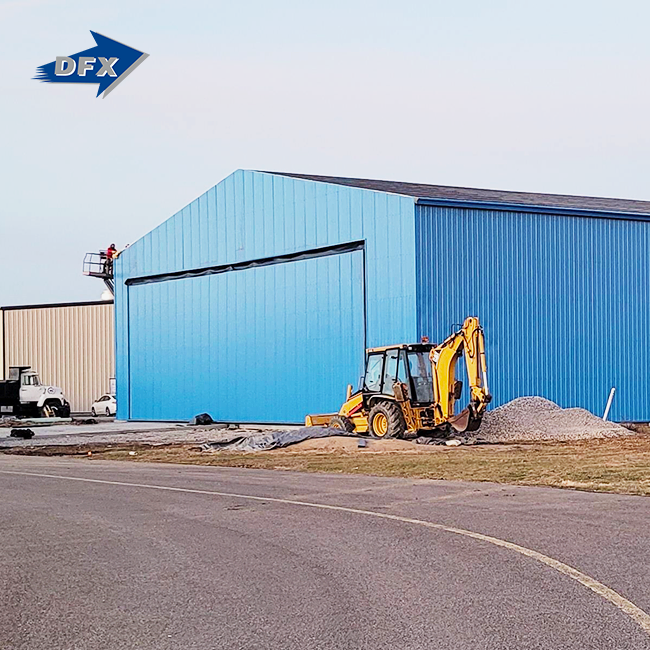
When you spend a lot of money on a private jet, it's just as important where you keep it as how you fly it. A Private Jet Steel Hangar is the best way to protect your plane from damage from the weather, threats to your safety, and problems that stop it from working properly. Fabric shelters and metal buildings just can't compare to steel construction when it comes to durability, fire resistance, and long-term cost savings. More and more, aviation asset managers and FBO owners are realizing that Private Jet Steel Hangars are the best way to protect valuable airplanes while still allowing for flexible operations and strict safety standards.

Understanding Private Jet Steel Hangars: Key Benefits and Features
What Makes Steel Hangars Different from Conventional Aircraft Storage
There are a lot of different ways to store airplanes, and not all of them protect your multimillion-dollar goods well enough. Traditional cloth buildings provide short-term shelter, but they quickly fall apart when exposed to UV light and strong winds. Wooden hangars are very likely to catch fire and need to be constantly inspected for rot and bug damage. Even though aluminum structures are light, they are not strong enough to support heavy door systems and wide, clear gaps.
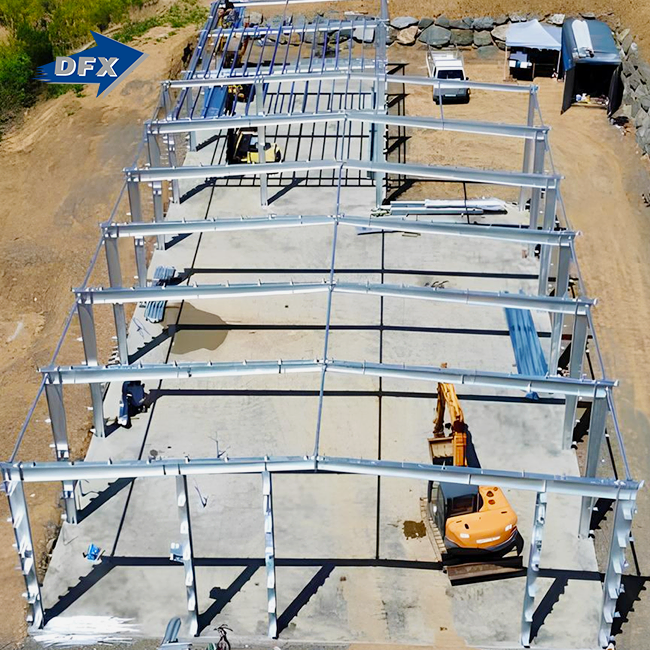
Engineered accuracy in Private Jet Steel Hangar building gets around these problems. The main frames of these buildings are made of welded H-section steel with strengthened bracing systems. This makes long-span buildings with high headroom that can fit everything from small turboprops to big business jets like the Gulfstream G650 or Bombardier Global 7500. The rigid frame portal systems can make huge clear spans—often more than 200 feet—without having internal columns that would get in the way of moving planes or doing repairs.
Structural Integrity That Protects Your Investment
The technical details of Private Jet Steel Hangars are based on strict engineering standards set by the AISC and MBMA. High-tensile steel, usually Q345B or ASTM A572 Grade 50, is used for the main frame. This makes the building strong against wind loads of up to 180 mph and heavy snowfall, making it suitable for all areas in the United States. This structural ability is important when bad weather threatens the safety of airplanes and operations.
After being shot-blasted to SA 2.5 grade, steel parts are given heavy-duty anti-corrosion treatments. Over a 50-year design life, hot-dip galvanizing or epoxy zinc-rich painting keeps structures from breaking down, even in coastal areas where salt spray speeds up rusting. Manufacturers use covering thickness readings to make sure that galvanization meets certain micron counts, which are usually between 80 and 120 microns. This is confirmed by Dry Film Thickness testing before shipment.
Fire Protection and Safety Compliance
Aviation sites have to follow strict fire safety rules that have an effect on the cost of insurance and getting approval from the government. Deluge fire suppression systems are very heavy, but China modular steel aircraft hangar manufacturers that are built to meet NFPA 409 airplane hangar fire protection rules can handle it. The roof's purlins and beams support extra weight from pipes and sprinkler heads needed for foam or water deluge systems that are required for flight storage.
Unlike wooden buildings that catch fire or fabric buildings that melt and fall apart, steel buildings stay together even when they are very hot, giving people inside and rescue workers important time to get out. The material itself doesn't catch fire, which lowers the risk of fire spreading and could lead to lower insurance rates. This is something that project managers should think about when they are figuring out the total cost of ownership and long-term running costs.
Designing and Building Your Private Jet Steel Hangar
Customization Based on Aircraft Specifications
Hangar planning starts with knowing exactly how big an airplane is. Clear span widths from 60 feet to 300 feet allow for different wingspans to fit without any problems, and special eave heights can handle the tall vertical stabilizers on current business jets. When engineers measure door frame gaps, they make sure that the errors are less than 5 mm. Any errors bigger than this cause big hydraulic door systems to stop working.
The process of making something includes structural calculations, unique designs, production, and fitting advice, among other things. Design teams work directly with procurement managers and engineering directors to make sure that layouts are the best they can be for each operation. This is true whether the layout is for an MRO facility that needs to support an overhead crane or an FBO station that needs to have aesthetically pleasing architectural panels and climate control systems.
Construction Process and Timeline Advantages
Using Private Jet Steel Hangar production instead of standard building methods can save a lot of time. Parts are made in controlled factories, so delays caused by bad weather don't happen with buildings that are built on-site. Automatic welded H-beam lines in factories make about 20,000 tons of welded H beams and columns every year, and quality control procedures make sure that the dimensions are correct before they are shipped.
As required by AWS D1.1, critical butt welds on main columns and beams are put through Non-Destructive Testing, such as Ultrasonic Testing or Radiographic Testing, to find flaws inside them. Pre-shipment trial assembly of the main frames ensures that the bolt holes are lined up correctly and makes it easy to put together on-site. Verification before shipping cuts down on installation time in the field, which is important for building workers who are working on multiple projects at the same time.
Foundation Requirements and Site Preparation
There are a lot of reaction loads that Private Jet Steel Hangars put on their column bases. These include lifting forces and moment loads that simple slab foundations can't safely handle. Usually, these kinds of buildings need to be designed with reinforced concrete piers with spread footings that are linked by grade beams instead of floating slabs. A geotechnical study tells us how much weight the earth can hold, which ensures that the foundation plan works with the conditions in the area.
A truss header or heavy-duty portal frame is built into the front end wall to support the dead load of the hangar doors as well as the wind loads that occur when the doors are open. When this structural support is used with the right base design, it stops problems with settlement and structural distortion that make it hard to open doors and keep the building's envelope strong over many years.
Comparing Steel Hangars with Other Materials: Making the Right Choice
Lifecycle Cost Analysis: Steel vs. Alternatives
The initial costs of building are only a small part of the total costs of ownership. Fabric buildings may be cheaper up front, but they need to be replaced every 10 to 15 years because UV light and rain damage them. Treating for termites, stopping rot, and painting wooden hangars on a regular basis costs a lot of money in both work and materials. Even though aluminum buildings don't rust, they need stronger materials with a higher gauge, which raises the cost of the materials and the load on the base.
Private Jet Steel Hangars are designed to last 50 years and don't need much upkeep. When steel is properly cleaned, it doesn't rust in harsh conditions like humid seaside areas or places where the temperature changes a lot. The longevity lowers the cost of upkeep over the life of the airplane while keeping structural performance that protects its worth. When purchasing managers look at the total cost of ownership, they find that steel's long life makes up for its higher starting cost by lowering the number of times it needs to be replaced and the amount of money that needs to be spent on upkeep each year.
Environmental Sustainability and Energy Efficiency
Sustainability issues are becoming more and more important in choices about buying infrastructure. Metals like steel are some of the most recovered in the world, and old buildings still have a lot of worth as scrap. The ability to be recycled helps China modular steel aircraft hangar manufacturers build a sustainable aviation infrastructure that fits with new rules about the environment and business social responsibility.
Through climate control and energy use, thermal efficiency affects running costs. High R-value insulation systems (R-30 or more) keep the inside of Private Jet Steel Hangars at a stable temperature. Insulated metal panels are better at keeping heat and cold out than single-skin fabric or badly insulated wooden buildings. Lower electricity costs come from using less energy. This is especially true for climate-controlled hangars that house planes all year in places with high temperatures.
Structural Adaptability and Future-Proofing
As aviation changes, so does the infrastructure that supports it. With a Private Jet Steel Hangar building, changes can be made in the future that wouldn't be possible with other materials. Adding overhead bridge cranes for engine repair needs stronger rafters with clamps and thicker webs. Steel frames can handle these changes by adding bolt-on improvements instead of rebuilding the whole structure.
When the fleet grows and needs more space, the ability to expand is important. Adding on the sides or raising the height of steel buildings is possible with designed links that keep the structure's integrity. This ability to adapt saves capital investments by making facilities more useful as operating needs change. This keeps facilities from becoming obsolete too soon, which would require expensive replacement.
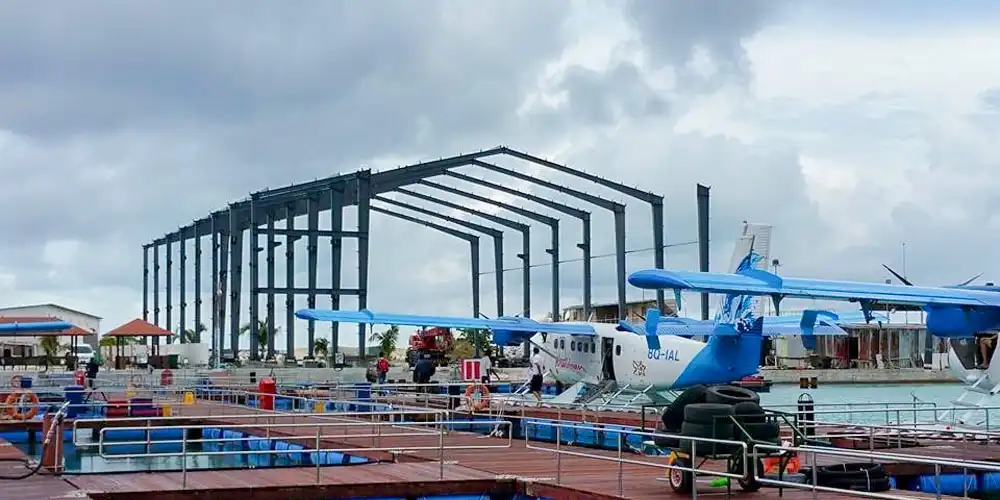
Procuring Your Private Jet Steel Hangar: Sourcing, Suppliers, and Services
Selecting Experienced Manufacturers with Aviation Expertise
The success of hangar procurement rests on working with makers who know how to meet the needs of the flight industry. Suppliers need to know how to follow rules and regulations, such as the NFPA fire codes and the FAA design standards that guide airport infrastructure. Companies that have ISO9002, CE, COC, and PVOC certifications show that they are dedicated to quality management systems and following foreign standards.
A supplier's production potential shows how well they can stick to project plans. Automatic welding H-beam production lines, sandwich panel lines, and corrugated steel sheet lines help facilities keep the quality of their output constant while growing to meet the needs of different projects. When the annual production of structural components reaches 20,000 tons, it means that the manufacturing process is mature and there are enough resources to support on-time delivery.
Turnkey Solutions vs. Component Supply
A lot of building companies and EPC firms like to work with providers that offer full-service packages that include planning, fabrication, and installation support. Turnkey companies take care of the whole project process, which makes it easier for procurement managers to coordinate multiple projects at the same time. With in-house architectural design and detailed services, it's easy to go from the idea stage to engineering to putting the building together on-site.
Component supply plans work well for skilled contractors who already have a crew in place. Field teams that don't know much about certain structural systems can use detailed shop models and installation instructions to help them. The service model should fit the buyer's internal skills and preferred project delivery method, whether that's full turnkey delivery or just supplying parts with expert support.
Navigating International Procurement and Logistics
Private Jet Steel Hangars made in China are affordable without sacrificing quality as long as you buy them from a reliable manufacturer. Chinese companies that sell their goods all over the world keep their licenses up to date to meet European and North American standards. This makes sure that their products are compatible with local building codes. Containerized shipping makes foreign logistics more efficient, but buyers need to be aware of the wait times for fabrication, ocean transport, and customs clearance.
Working with sellers who know how to handle export paperwork makes the buying process go more quickly. When manufacturers handle CE certification for European markets or provide mill test papers that confirm steel specs, procurement teams don't have to do as much paperwork. Misunderstandings that cause projects to take longer than planned can be avoided by being clear about project timelines, payment terms, and technology specs.
Why Steel Hangars Are the Rational Choice for Private Jet Owners
Asset Protection That Preserves Aircraft Value
When weather damage happens to sensitive parts of an airplane, it loses value faster. When planes are parked without covers, UV rays can damage the composite fuselages, and water can damage the electronics and controls. Debris blown by the wind damages the surface, which costs a lot to fix. These problems can be avoided by storing planes properly in a Private Jet Steel Hangar. This keeps planes in good shape, which increases their selling value and lowers the number of insurance claims.
Private Jet Steel Hangars are completely sealed and have advanced insulation systems that keep the temperature and humidity inside stable. Controlled conditions keep condensation from forming in secret parts of the airframe, which leads to rusting. The protection makes the planes last longer and cuts down on unplanned repairs that get in the way of operations. This is especially helpful for charter companies and business flight departments that have to stick to tight schedules.
Operational Flexibility for Maintenance and Service
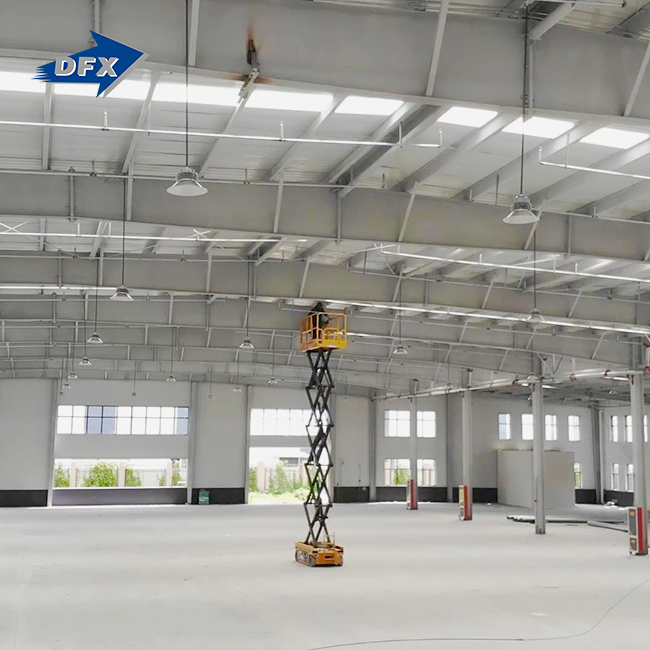
Specialized infrastructure is needed for MRO facilities, which can be easily installed in Private Jet Steel Hangars. Overhead bridge cranes that can lift 5–10 tons are used to remove engines and move heavy parts. Roof structures are supported by bridges with stronger beams. High clearances let you place the tail-up for landing gear service, and wide clear spans make it possible to work on multiple planes at the same time without any problems.
Specialized ventilation systems for painting and curing work are attached to steel structure frames using fixing holes that were planned during the initial planning stages. High-durability flooring can handle spills of hydraulic fluid and heavy machine traffic that is typical in maintenance areas. Because the infrastructure is flexible, Private Jet Steel Hangars are long-term assets that can adapt to changing operating needs instead of limitations that need to be worked around.
Conclusion
To protect aviation assets, you need infrastructure that strikes a balance between basic efficiency and cost-effectiveness. Private Jet Steel Hangars offer this mix of designed longevity, regulatory compliance, and cost savings over the course of their lifetime that other materials can't match. Private Jet Steel Hangar building is the best way to protect airplane investments while keeping operating freedom because it can span large distances, doesn't catch fire, and is good for the environment. When choosing a hangar provider, procurement managers should look for ones with a history of working with airplanes, a wide range of services, and quality standards that guarantee a successful project from planning to installation.
FAQ
1. Can steel hangars accommodate future fleet expansion?
Yes, changes and additions can be made to steel buildings with engineered additions. With bolt-on links that keep the structure strong, the frame systems can be used to add on to the side or the top. Planning for future growth during the initial planning process makes it easier to add on without changing how things work now.
2. What kind of base work is needed to build a steel hangar?
Private Jet Steel Hangars create strong lifting and moment forces that need specially designed supports. Most setups use piers made of reinforced concrete with spread footings that are joined together by grade beams. Based on the soil conditions and structural loads at your spot, geotechnical research figures out the best way to build your foundation.
3. How do steel hangars handle large hydraulic door systems?
The front wall has truss headers or strengthened portal frames that are designed to hold up door dead loads and wind lifting forces. To make sure the hydraulic door works right, the holes in the door frames must stay within 5 mm of each other. Dynamic loads from door movement are taken into account in the structural estimates during the planning phase.
4. What maintenance does a steel hangar require?
When steel is properly handled, it doesn't need much upkeep. Every five years, coating checks show what needs to be fixed. Cleaning the gutters and checking the roof's drainage system keeps water from building up. Regularly lubricating the door system keeps the motor parts in good shape. Compared to alternatives made of wood or fabric, Private Jet Steel Hangars need a lot less upkeep.
Get Your Custom Private Jet Steel Hangar Solution from DFX
Decisions about aviation infrastructure have long-lasting effects on operations, so choosing the right provider is very important to the project's success. DFX has been making steel buildings for airplane hangars for more than twelve years and offers a wide range of services to go with their technical know-how. We have 200 trained workers and a production area of 40,000 square meters. Our quality is backed by ISO9002, CE, COC, and PVOC certificates. We do all the structural calculations, planning, fabrication, and installation for you based on the specifics of your airplane and the conditions of the spot. Get in touch with our team at jason@bigdirector.com to talk about your Private Jet Steel Hangar needs with a seasoned source who will protect your aviation interests.
References
1. National Fire Protection Association. (2022). NFPA 409: Standard on Aircraft Hangars. Quincy: NFPA Publications.
2. American Institute of Steel Construction. (2021). Steel Construction Manual, 15th Edition. Chicago: AISC.
3. Metal Building Manufacturers Association. (2020). Common Industry Practices for Metal Building Systems. Cleveland: MBMA.
4. Federal Aviation Administration. (2019). Advisory Circular 150/5300-13B: Airport Design. Washington: U.S. Department of Transportation.
5. American Welding Society. (2020). AWS D1.1/D1.1M: Structural Welding Code—Steel. Miami: AWS.
6. Consulting-Specifying Engineer. (2021). Designing Aircraft Hangars: Structural Considerations for Aviation Facilities. CSE Magazine, Volume 58, Issue 3.
Learn about our latest products and discounts through SMS or email