- English
- French
- German
- Portuguese
- Spanish
- Russian
- Japanese
- Korean
- Arabic
- Greek
- German
- Turkish
- Italian
- Danish
- Romanian
- Indonesian
- Czech
- Afrikaans
- Swedish
- Polish
- Basque
- Catalan
- Esperanto
- Hindi
- Lao
- Albanian
- Amharic
- Armenian
- Azerbaijani
- Belarusian
- Bengali
- Bosnian
- Bulgarian
- Cebuano
- Chichewa
- Corsican
- Croatian
- Dutch
- Estonian
- Filipino
- Finnish
- Frisian
- Galician
- Georgian
- Gujarati
- Haitian
- Hausa
- Hawaiian
- Hebrew
- Hmong
- Hungarian
- Icelandic
- Igbo
- Javanese
- Kannada
- Kazakh
- Khmer
- Kurdish
- Kyrgyz
- Latin
- Latvian
- Lithuanian
- Luxembou..
- Macedonian
- Malagasy
- Malay
- Malayalam
- Maltese
- Maori
- Marathi
- Mongolian
- Burmese
- Nepali
- Norwegian
- Pashto
- Persian
- Punjabi
- Serbian
- Sesotho
- Sinhala
- Slovak
- Slovenian
- Somali
- Samoan
- Scots Gaelic
- Shona
- Sindhi
- Sundanese
- Swahili
- Tajik
- Tamil
- Telugu
- Thai
- Ukrainian
- Urdu
- Uzbek
- Vietnamese
- Welsh
- Xhosa
- Yiddish
- Yoruba
- Zulu
Which Industries Can Benefit from Industrial Steel Buildings?
Modern construction methods in the US have been completely changed by industrial steel buildings, which offer endless options for businesses looking for long-lasting, low-cost infrastructure solutions. These pre-engineered buildings are used in many different fields, from factories to farms, because they are flexible and can meet the most stringent needs. Whether you're planning a new production facility or expanding an existing warehouse, steel construction is the best way to go because it cuts down on costs, time, and structural stability in ways that traditional building methods can't match.

Understanding Industrial Steel Buildings and Their Core Benefits
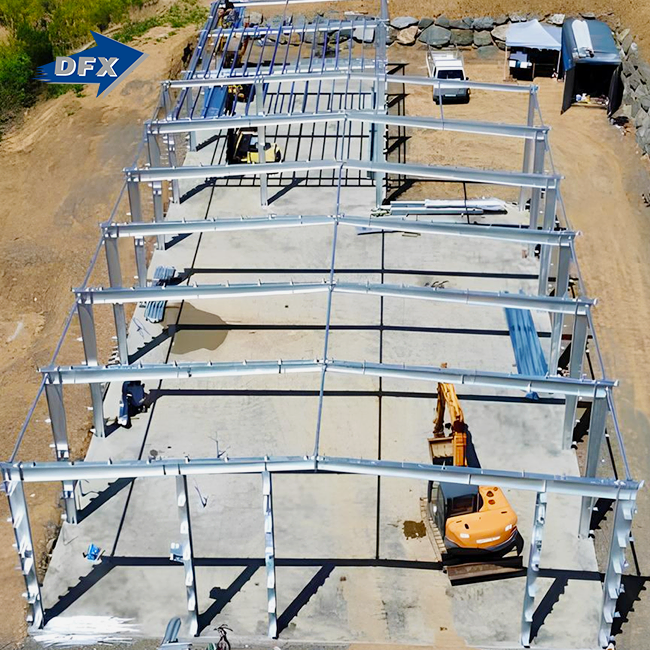
Steel-framed buildings are a big step up from regular concrete buildings because they allow for a more flexible design that can be used as business needs change. The main difference is that they are made up of separate modules that can be put together quickly and changed in the future without affecting the security of the structure.
Exceptional Durability and Extended Service Life
Modern steel buildings are very good at standing up to harsh weather. When properly kept, we've seen buildings stay together for fifty years or more, which is a lot longer than many standard materials can last. With a paint coating thickness of at least 60¼m, the Q355B high-strength steel we use at DFX is very resistant to corrosion and weathering. This strong material specification will protect your investment from the weather and reduce the amount of long-term maintenance that needs to be done.
Cost Efficiencies Throughout the Building Lifecycle
Steel buildings cut costs a lot, both up front and over time. The fact that these buildings are prefabricated cuts down on construction times by about 30 to 50 percent compared to traditional methods. This means that labour costs are lower and projects are finished faster. Material waste goes down a lot because parts are made exactly to specification. Because steel is naturally strong, it needs fewer support beams, which makes the floor space more useful and lowers the cost of the base.
Design Adaptability for Unique Operational Requirements
Every business works in its own unique way, and steel buildings can easily adapt to these differences. We can make lengths, ceiling heights, and bay configurations that can be changed to fit different production processes or storage needs. Steel structures can be built to fit your exact needs, whether you need climate-controlled spaces for sensitive farming tasks or open floor plans for big machines. More advanced insulation options improve energy efficiency even more, making workplaces more comfortable while also lowering costs over the life of the building.
Industries That Gain Significant Value from Industrial Steel Buildings
The benefits of industrial steel building construction are used in different fields in different ways. Each sector benefits from custom structural solutions that solve its own operational problems.
Manufacturing and Fabrication Operations
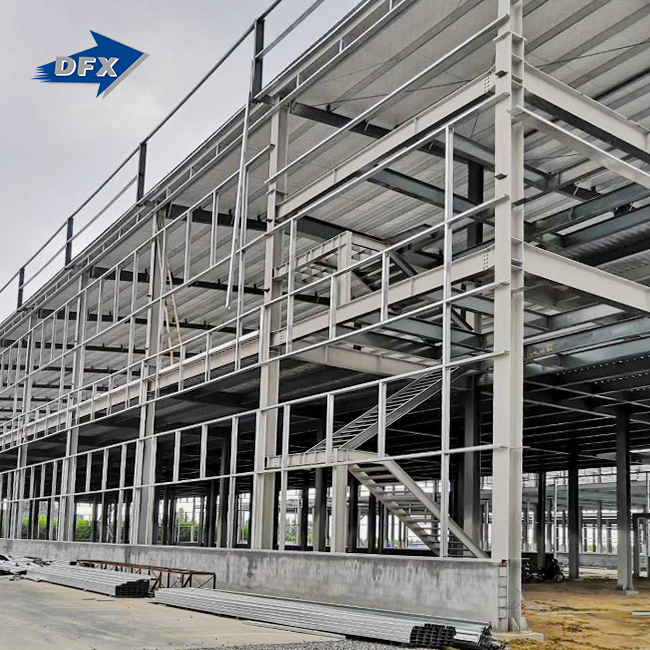
Production facilities need strong infrastructure that can support heavy loads on equipment and clear spaces without columns for efficient workflow management. This is exactly what steel buildings offer; they can have clear spans of more than 100 feet without any middle supports. When planning options are flexible, assembly lines work better, and a steel building lets you move equipment or change the way the process works with few structural changes. Our Q235B galvanised purlins support overhead crane systems and suspended utilities reliably. These are important parts of modern manufacturing environments.
Warehousing and Distribution Centers
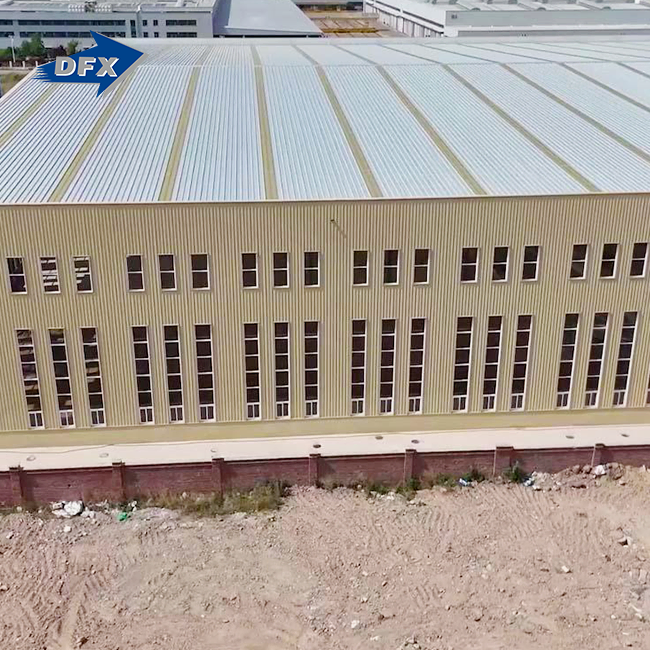
Logistics operations need to be able to move quickly and grow as needed, which is something that a standard building can't do. Steel is easy to put up quickly, so distribution centers can often start using it months before solid options. This speed edge is very important when the market is growing or when demand changes with the seasons. Welded H-beams give high-bay shelving systems their strength, which lets them safely hold more things up high. Our yearly production capacity of about 20,000 tonnes ensures a steady supply for large-scale warehouse projects in a number of places.
Agricultural and Livestock Facilities
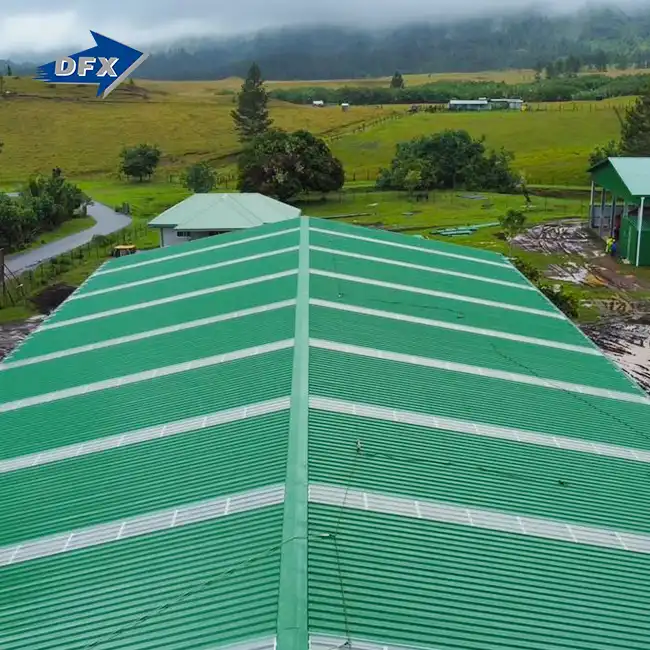
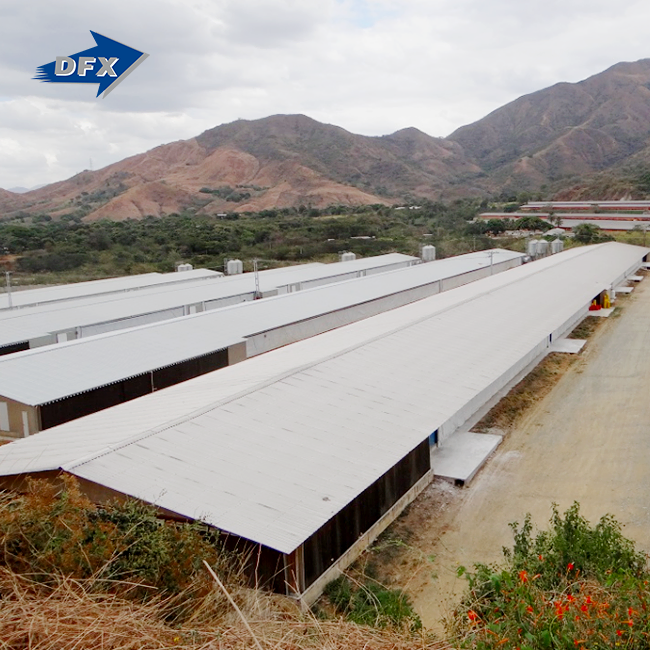
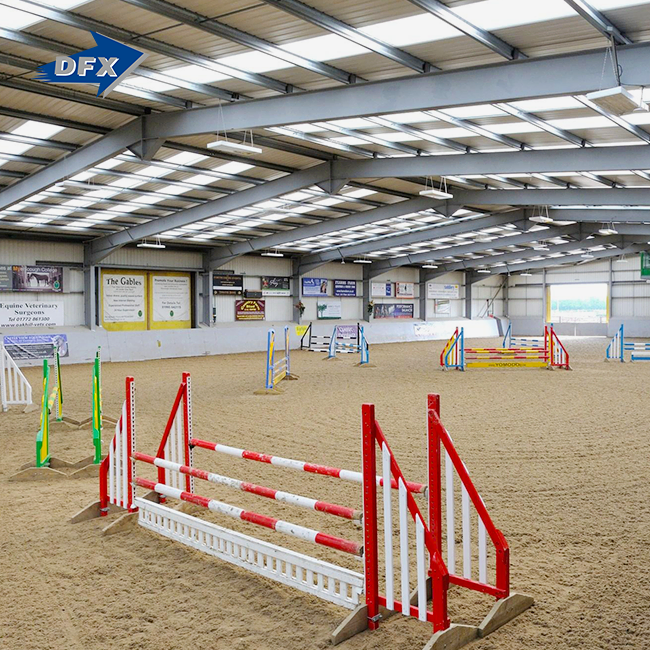
Farming has its own problems that need buildings that can stand up to the weather and have good air and climate control. Buildings for animals and chickens that are made of steel are long-lasting and protect against high temperatures and rain while still letting air flow. We create farm buildings with special insulation qualities that keep the inside temperatures stable. This saves energy and makes the buildings better for the animals. Steel is resistant to pests and water, which makes it a great material for agricultural storage buildings that need to protect important crops and tools all year long.
Automotive and Aerospace Industries
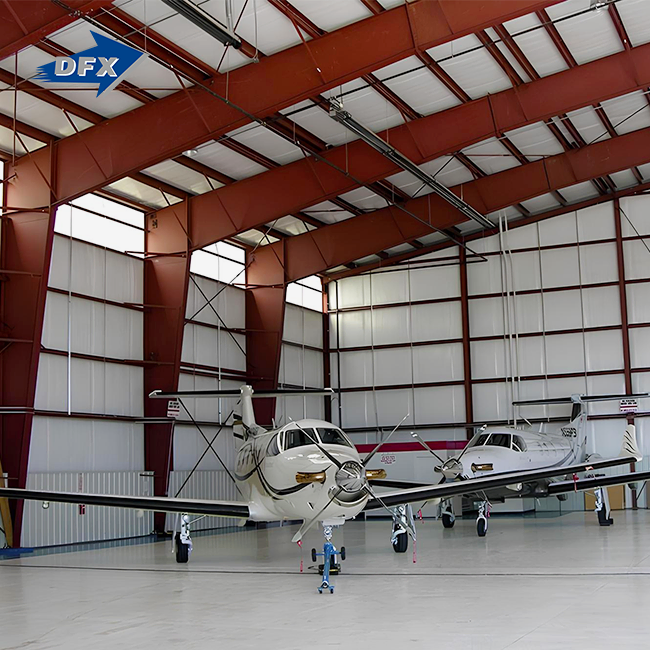
To make precision goods, you need clean, controlled surroundings with very tight limits on sizes. Steel buildings meet the standards of the aircraft industry by using special frame designs that keep the structure stable and reduce vibrations. Our 40,000-square-meter production center has a controlled manufacturing setting that makes sure parts meet strict requirements before they are sent out. Steel's adaptable framework systems are perfect for automotive facilities that need to have flexible layouts that can adapt to new vehicle designs and production technologies.
Energy and Renewable Infrastructure Projects
Steel's ability to resist corrosion and be structurally reliable is used in power plants and renewable energy installations. Steel buildings can stand up to weather pressures and protect sensitive equipment, which is good for factories that make parts for wind turbines, factories that put together solar panels, and factories that store batteries. When our engineering team plans buildings, they take into account things like local wind loads, snow accumulation, and seismic activity. This makes sure that buildings stay stable even when things get tough. Projects can usually withstand earthquakes of magnitude 7 without any damage to the structure. This is because professional design considerations are built into every project.
Factors Influencing the Choice of Industrial Steel Buildings by Industry
When choosing the right industrial steel building methods, you have to look at a lot of factors that affect both the short-term success of the project and its long-term performance.
Industry-Specific Structural Requirements
Building systems have to meet different needs in different industries. Heavy machinery may need reinforced floor systems in manufacturing settings, while ventilation and drainage are most important in agricultural settings. We look at the specific needs of each project and choose frame types and foundation systems that meet all applicable building codes and industry standards. Our ISO9001 certification and CE compliance show that we are dedicated to meeting international quality standards and making sure that our structures meet the rules in all areas.
Budget Considerations and Financial Analysis
Lifecycle costs are included in financial planning, not just the beginning costs of building something. Total operating costs for steel buildings are usually lower because they need less upkeep and use less energy. Purchasing managers like the fact that the prices of steel are stable, so they don't have to deal with the price changes that often happen in concrete buildings. Financing options designed for industrial investments help companies keep track of their capital spending and move important building projects forward.
Energy Efficiency and Sustainability Goals
As companies try to reach their green goals, environmental concerns are becoming more and more important in building decisions. Modern insulation methods for steel buildings cut down on the need for heating and cooling by a large amount. This lowers the building's running costs and carbon footprint. Energy-efficient frames are made up of reflective roof coats, wall panel systems that work well, and building joints that are properly sealed. These features are in line with companies' efforts to be more environmentally friendly and also bring in money by lowering utility costs.
How to Procure and Customize Industrial Steel Buildings for Your Industry
Choosing qualified partners who understand the needs of your industry and can provide complete solutions from design to installation is the first step to a successful project execution.
Evaluating Suppliers and Manufacturers
When looking for structural steel manufacturers, experience is very important. DFX has been making steel structures for business buildings, aeroplane hangars, process plants, and farming sites for more than 12 years. Our trained staff of more than 200 people runs high-tech production systems that include six automatic welded H-beam lines, two sandwich panel production systems, and multiple section steel and corrugated sheet lines. This production capacity makes it possible to keep quality high and deliver on time, which are both important for the success of the project.
Custom Design Versus Pre-Engineered Solutions
There are different levels of difficulty for each industrial steel building project. Some need fully customised engineering, while others can be built with stock kits. Our in-house architectural design and detailing services help customers with all stages of a project, from coming up with ideas to putting it up for the first time. When customer drawings aren't available, we offer data help, reference pictures from past projects, and plan drawings for you to look over before you agree to pay. This way of working together makes sure that the building requirements exactly match the needs of the business while keeping costs low.
Project Timelines and Delivery Logistics
Operations don't get interrupted when you know about production schedules and transportation logistics. We can reliably meet delivery dates because our manufacturing processes are organised and we have a lot of production capacity. However, unique specs do take more planning and construction time. Clear contact about project goals helps arrange site planning with the arrival of parts, which ensures that the installation goes smoothly. Professional construction help and full after-sales support show that we care about our customers' success even after the building is finished.
Case Studies: Real-World Applications of Industrial Steel Buildings Across Industries
Real-life examples show how steel construction can solve problems in a wide range of fields, leading to measurable gains in cost management and efficiency.
A big transportation company was growing quickly and needed to add more space to its building right away. Traditional building schedules could have slowed down business growth, but pre-engineered steel buildings were able to solve the problem. The project was finished 40% faster than concrete alternatives would have let it, and the building was up and running during the busiest time of the year. Scalable design features allowed for future growth without having to make major structural changes.
A company that makes car parts needed to improve their production facilities so they could fit new assembly equipment while keeping their current operations going. Steel building construction didn't stop production too much because the new structure could be put up quickly next to existing facilities. The inner design without columns made the workflow more efficient, and the built-in crane systems helped with moving heavy parts during the manufacturing process.
When farming in areas with harsh weather, you need special storage solutions to keep your valuables safe all year. A large farming operation chose insulated steel buildings to store grain and keep their tools safe. The buildings' unique insulation qualities kept the temperatures inside stable even when the weather outside was very bad. This saved a lot of money on energy costs and kept stored crops from getting damaged by water. The building is very strong, so it will last for many years without needing much upkeep.
Conclusion
Industrial steel buildings deliver substantial benefits across multiple sectors, from construction and manufacturing to agriculture and energy infrastructure. Their combination of structural strength, cost efficiency, and design flexibility addresses diverse operational requirements while supporting long-term business objectives. Selecting experienced manufacturers who understand industry-specific needs ensures projects achieve desired outcomes through professional engineering, quality fabrication, and comprehensive support services. The investment in steel construction continues delivering value throughout extended service lives, making it a strategic choice for businesses focused on sustainable growth and operational excellence.
FAQ
1. How long do industrial steel buildings typically last?
Properly maintained steel structures regularly exceed 50-year service lives, with many buildings remaining functional for 70 years or more. The longevity depends significantly on material quality and protective coatings applied during manufacturing. Our use of Q355B steel with a minimum 60μm paint thickness provides superior corrosion resistance, extending the structure's lifespan considerably beyond basic specifications. Regular inspections and minor maintenance activities preserve structural integrity throughout decades of continuous use.
2. How do steel buildings compare to concrete for insulation and energy efficiency?
Modern steel buildings achieve excellent thermal performance through advanced insulation systems integrated into wall and roof panels. While concrete possesses inherent thermal mass, properly designed steel buildings with quality insulation often demonstrate superior energy efficiency by preventing heat transfer more effectively. Sandwich panel technology and sealed construction joints minimize air infiltration, reducing heating and cooling loads substantially compared to conventional construction methods.
3. What are typical lead times for custom steel building projects?
Project timelines vary based on design complexity and manufacturing schedules, though steel construction generally proceeds faster than traditional alternatives. Standard pre-engineered buildings may be completed within 8-12 weeks from order to delivery, while fully customized structures requiring detailed engineering typically need 12-16 weeks. Our substantial production capacity and experienced team work to accommodate urgent project schedules whenever possible while maintaining quality standards throughout fabrication processes.
Partner with DFX for Your Industrial Steel Building Needs
At Qingdao Director Steel Structure Co., Ltd., we've spent over a decade perfecting the art and science of industrial steel building manufacturing. Our ISO9001-certified production facility and CE-compliant products demonstrate our commitment to international quality standards. Whether you're a construction contractor seeking reliable steel structure suppliers, a manufacturing company planning facility expansion, or an agricultural operation requiring specialized storage solutions, our experienced team delivers customized designs that meet your exact specifications. We account for critical factors, including local wind loads, snow accumulation, and seismic conditions—our buildings typically withstand magnitude 7 earthquakes without structural compromise. From initial engineering consultation through final installation support, we provide integrated solutions that optimize your investment. Contact our team at jason@bigdirector.com to discuss your project requirements and discover how our manufacturing expertise can accelerate your infrastructure goals with cost-effective, durable steel structures built to last generations.
References
1. American Institute of Steel Construction. (2021). Steel Construction Manual: Design Standards for Industrial Buildings. AISC Publications.
2. Mehta, P.K. & Monteiro, P.J. (2020). Comparative Analysis of Steel and Concrete Structures in Industrial Applications. Journal of Structural Engineering, Vol. 146(8).
3. National Association of Warehouse and Distribution Centers. (2022). Best Practices in Modern Industrial Facility Design. NAWDC Research Report.
4. United States Department of Agriculture. (2021). Agricultural Building Standards and Material Selection Guidelines. USDA Technical Bulletin Series.
5. Green Building Council. (2023). Energy Efficiency in Pre-Engineered Metal Buildings: Performance Data and Case Studies. USGBC White Paper.
6. Construction Industry Institute. (2022). Project Delivery Methods and Timeline Optimization in Industrial Construction. CII Research Summary.
Learn about our latest products and discounts through SMS or email