- English
- French
- German
- Portuguese
- Spanish
- Russian
- Japanese
- Korean
- Arabic
- Greek
- German
- Turkish
- Italian
- Danish
- Romanian
- Indonesian
- Czech
- Afrikaans
- Swedish
- Polish
- Basque
- Catalan
- Esperanto
- Hindi
- Lao
- Albanian
- Amharic
- Armenian
- Azerbaijani
- Belarusian
- Bengali
- Bosnian
- Bulgarian
- Cebuano
- Chichewa
- Corsican
- Croatian
- Dutch
- Estonian
- Filipino
- Finnish
- Frisian
- Galician
- Georgian
- Gujarati
- Haitian
- Hausa
- Hawaiian
- Hebrew
- Hmong
- Hungarian
- Icelandic
- Igbo
- Javanese
- Kannada
- Kazakh
- Khmer
- Kurdish
- Kyrgyz
- Latin
- Latvian
- Lithuanian
- Luxembou..
- Macedonian
- Malagasy
- Malay
- Malayalam
- Maltese
- Maori
- Marathi
- Mongolian
- Burmese
- Nepali
- Norwegian
- Pashto
- Persian
- Punjabi
- Serbian
- Sesotho
- Sinhala
- Slovak
- Slovenian
- Somali
- Samoan
- Scots Gaelic
- Shona
- Sindhi
- Sundanese
- Swahili
- Tajik
- Tamil
- Telugu
- Thai
- Ukrainian
- Urdu
- Uzbek
- Vietnamese
- Welsh
- Xhosa
- Yiddish
- Yoruba
- Zulu
Winter Storage Solutions: How a Portable Steel Garage Unit Can Help Protect Your Vehicles
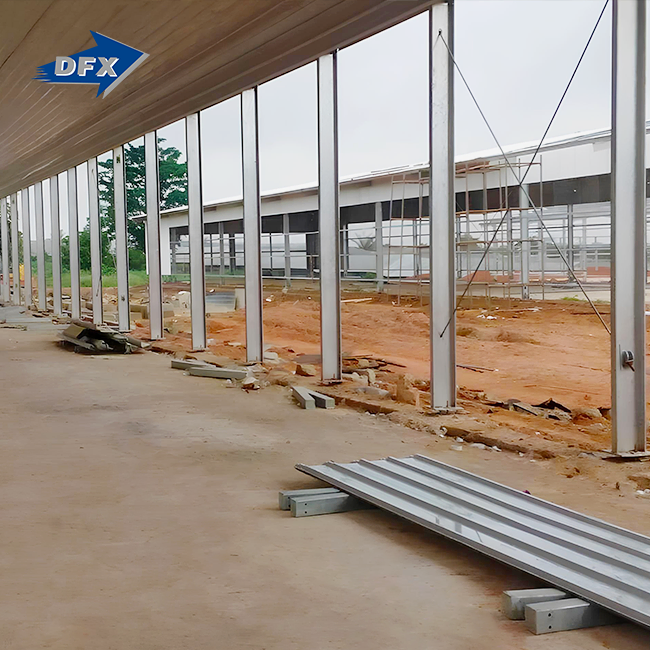
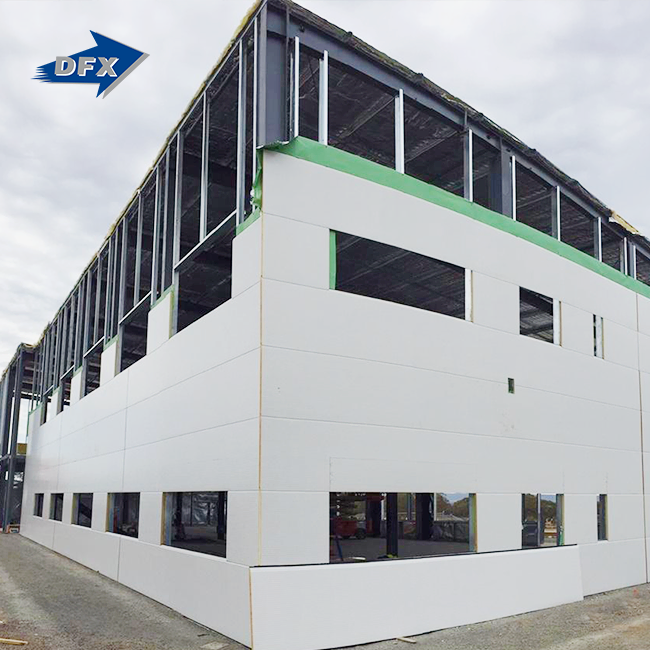
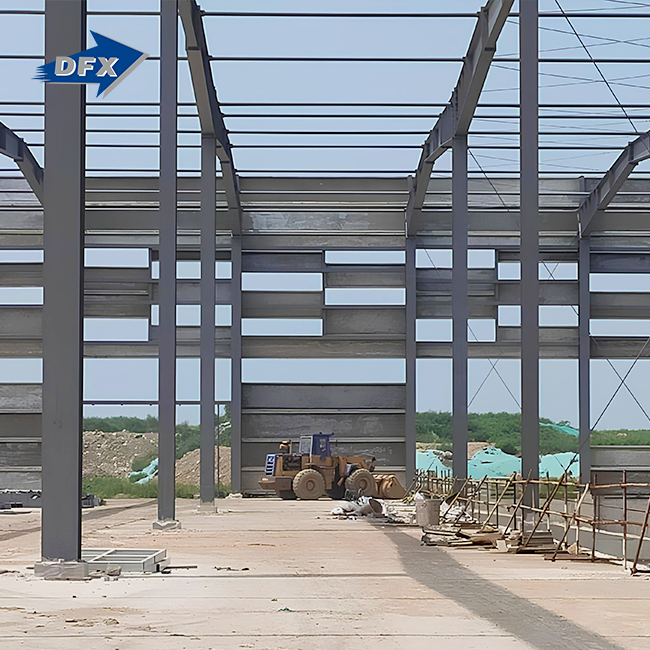
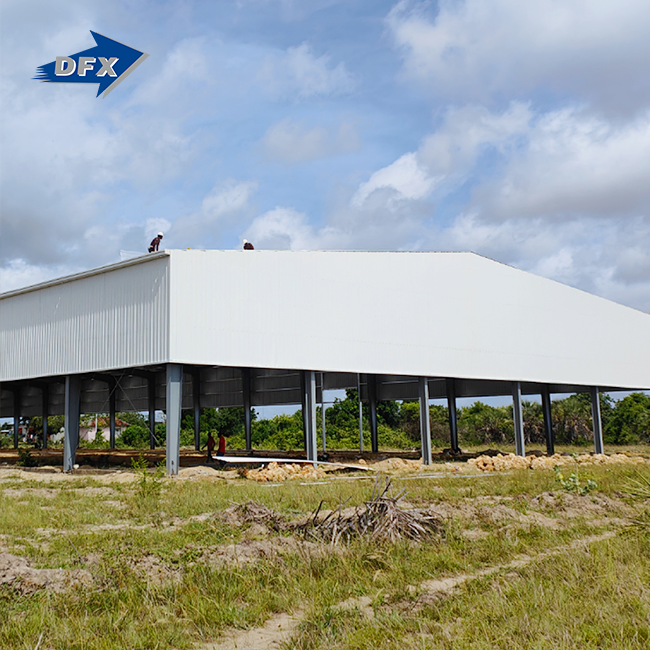
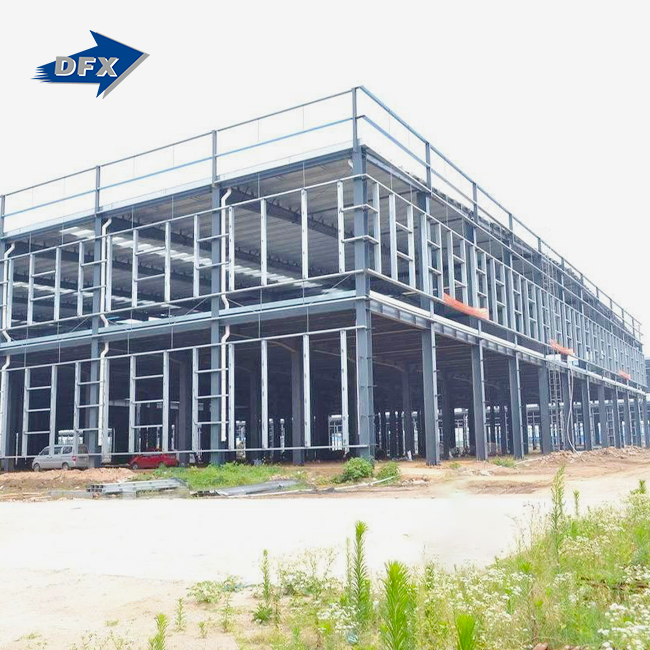
Everyone who runs a fleet, works in a building, or runs a farming business knows how hard winter can be. Freezing weather, snow, and ice can do a lot of damage to tools and cars that are left out in the cold. For the protection of these priceless possessions, a Portable Steel Garage Unit is an efficient and well-designed option. These small steel-framed buildings with enclosed structures keep cars safe from bad weather and give you more options than fixed buildings. With zinc purlins and light H-section or square tube steel frames, these units are stable for winter storage without the long wait times or large investments needed for traditional building projects.

Understanding Portable Steel Garage Units for Winter Storage
What Makes Steel Garages Ideal for Winter Protection
Because steel is a strong material and is designed to last, buildings made of steel do well in cold places. These units are made from industrial-grade Q235 or Q345 carbon steel and are hot-dip galvanized so that the zinc finish is at least 80 microns thick. This process stops rusting even when it's very warm, and the melting and thawing of snow creates an environment that is bad for metals. The sealed structure design keeps the vehicle's finishes, mechanical parts, and electrical systems from getting wet from snow and ice that blows in from the wind.
Technical Specifications That Matter
Procurement managers can make better choices when they understand the tech behind these units. For spans over 20 feet, the frame design usually includes two trusses, which spread the weight evenly across the building. As a choice for cladding, 29-gauge corrugated steel sheets that have been treated to be resistant to UV light and fire according to CPAI-84 guidelines are one possibility. It depends on the pipe width and truss spacing, but professional units are made to handle wind gusts of 75 to 100 mph and snow loads of 20 to 50 PSF.
Applications Across Industries
These units are used by construction companies as on-site repair shops for big equipment that needs to be kept safe from freezing temperatures that can damage hydraulic systems. They are used by factories to store vehicles temporarily while the factories grow, so they don't have to build expensive fixed structures. They are useful for agricultural activities because they can be used to protect tractors and harvesters from rust during the off-season. Because they are made of modules, these structures can be changed to fit the needs of the business. This is something that standard buildings can't do.
Comparing Portable Steel Garage Units to Alternative Winter Storage Solutions
Steel Garages Versus Open Carports
When steel carports are left open, cars are exposed to theft and rain that comes from the wind. Carports provide some shade and security, but they can't keep snow from accumulating on the car's surface or protect against sideways weather. Enclosed steel garage units protect you from all sides and keep the temperature inside more stable, which keeps the condensation off of your car's surfaces. The added security is very important for building companies that store their tools at faraway job sites where theft is a real risk.
Advantages Over Wooden Structures
In cold areas, maintaining a wooden shed can be hard. Over time, bending, rot, and structural damage are caused by absorbing water. When pests get in, they weaken the structure and make openings for wind and rain. These problems don't happen with steel units at all, and with proper care, they can last for more than 20 to 30 years. The galvanized layer stops rust from forming, so wooden buildings don't need to be painted or treated on a regular basis.
Flexibility Compared to Permanent Construction
Permanent garages made of concrete or prefabricated take months to build because the sites have to be prepared and permits have to be gotten. Anchoring systems can be used with auger stakes for dirt, expansion bolts for concrete pads, or weight plates for asphalt surfaces, so Portable Steel Garage Units can be put up in just a few days. This versatility is very helpful for EPC companies that are in charge of temporary job sites or makers who are planning to move their facilities. Being able to take these pieces apart and move them around saves money on capital investments in a way that a permanent building can't.
The way the doors and windows are set up adds more usefulness than just storage. Roll-up doors let bigger pieces of equipment in, and people doors make it easier to get in and out every day. Installing windows lets in natural light, so you don't have to use as much electricity during the day. With these additions, basic storage becomes a useful area that can be used for winter upkeep tasks.
How to Select and Procure the Right Portable Steel Garage Unit
Assessing Your Operational Requirements
Before making a purchase choice, it's important to get a good idea of the size and number of vehicles in the fleet. Find the longest, widest, and tallest cars that need to be stored, and then add enough room for safe movement. To avoid premature failure, think about how the fleet will grow in the future when choosing unit size. The type of material used depends on how long it will be stored. For short-term seasonal storage, lighter-duty buildings may be fine, but for year-round use, heavy-duty parts designed to withstand long-term load exposure are needed.
Evaluating Supplier Credentials and Product Quality
Quality control standards tell the difference between professional service providers and average ones. Verification of ISO 9001 approval shows that quality management methods were followed during production. CE approval shows that a product meets European safety and environmental standards, which shows that the product is reliable. Ask for proof of galvanization integrity testing, such as Salt Spray Test results that meet ASTM B117 standards. This will make sure that the zinc covering lasts for 500 hours or more without turning red. Use caliper gauge checks to make sure that the stated load ratings match the real dimensions of the steel tubes.
Turnkey solution providers make the buying process easier by combining structural design, manufacturing, material supply, and fitting support into one package. This integrated method makes teamwork easier and speeds up the project's finish. Companies like Qingdao Director Steel Structure Co., Ltd., which has been making steel structures for over 12 years and can make up to 20,000 tons of welded H beams every year, have the size and knowledge to handle complex business projects. Their production methods are ISO-certified, and their goods are CE-certified, which means they meet international standards for buying things.
Budget Considerations and Financing Options
Price competition is still a big part of the decision-making process, but buying managers also have to weigh the cost of an item against its stability and long-term value in Portable Steel Garage Units. When units are priced much lower than the market average, they usually don't have the best material size, layer thickness, or structural engineering. Capital management is helped by financing options like leasing agreements or extended payment plans, which help businesses keep their cash flow steady while getting the storage infrastructure they need. Warranty terms show how confident the maker is in their products. For example, warranties that cover frame stability and coating performance for five years or more are a sign of good building.
Step-by-Step Installation and Maintenance Guide for Portable Steel Garage Units
Site Preparation and Foundation Requirements
The success of the installation and the long-term strength of the structure depend on how well the spot is prepared. To avoid stress concentration spots, level the ground surface so that there is no more than two inches of difference across the outline. While concrete blocks are the most stable, bases made of compacted dirt that are at least four inches deep are strong enough for most uses. Make sure the drainage moves away from the building so water doesn't pool and speed up rusting. Before starting to put the frame together, carefully mark the pin positions according to the manufacturer's instructions.
Installation Process and Timeline
Professional installation services can set up your unit in three to five days, based on the size of the unit and the conditions of the spot. The first step in putting together a frame is to connect the vertical poles to the horizontal trusses using hardware that comes from the maker. Trusses and galvanized purlins are connected to make the skeletal frame that holds up the covering. Fabric covers or corrugated steel plates go on last and are held in place with self-tapping screws or tensioning systems. This process is guided by installation plans that come with standard design packages. However, contractors who aren't familiar with steel buildings should hire installation teams that are.
Proactive Maintenance for Winter Conditions
Every three months, routine checks find problems before they become too dangerous. Make sure all the screws are tight by retorquing any nuts that have come loose because of cycles of thermal expansion and contraction. Check galvanized surfaces for harm to the coating. If you find any scratches or abrasions that reveal the base metal, fill them with a zinc-rich primer. Check door seals and weatherstripping for holes that let air in, and replace any damaged parts right away. Remove any snow that is more than six inches from the roof to keep the load from building up too much and going beyond what was planned.
Managing condensation keeps parked cars from getting damaged by water. Put passive gravity vents near the tops of your roof to help air flow and lower temperature differences that cause mist to form. Active sun exhaust fans help air flow in places where temperatures change a lot. As soon as you find a leak, you should fix it because water entering a structure speeds up rust and makes vehicles break down faster.
Case Studies: How Portable Steel Garage Units Have Improved Winter Storage for Businesses
Regional Logistics Company Reduces Fleet Downtime
A medium-sized delivery company in the northeastern United States had to pay more and more to fix up cars that were left outside in the winter. Engines were hurt by cold starts, and road salt made body rust happen faster. Within the first year of putting customized steel garage units in three delivery hubs, the company saw a 40% drop in the cost of care related to the weather. Vehicle supply went up, which got rid of transport delays caused by fuel systems freezing up and batteries dying. The enclosed storage kept temperatures 15 to 20 degrees warmer than the outside air, which kept sensitive electrical parts in modern delivery cars safe.
Agricultural Equipment Protection Extends Asset Lifespan
A big farming business in the Midwest used to store tractors and combine harvesters under tarps during the winter. This let water in and caused precision parts to rust. Putting money into steel garage units to store tools paid off in a measured way. Hydraulic systems no longer need a lot of work in the spring to address moisture contamination. Paint finishes kept their protective qualities, so they only needed to be painted every six years instead of every three years. The business estimated that it would get its money back in four seasons just from the lower costs of maintenance work and parts replacement.
Construction Contractor Enhances Job Site Security
An EPC contractor who was in charge of building projects in several states needed safe places to store tools in remote areas where theft was a big problem. For welding gear, engines, and small cars, Portable Steel Garage Units with locking roll-up doors offered secure storage. Being able to move units as projects were finished protected capital investment and kept assets safe. When project managers used protected steel storage, there were no thefts. In the past, losses averaged $15,000 per year when using chain-link fence areas that didn't offer much weather protection.
Conclusion
For winter storage of vehicles, you need more than just covers. You need protection that is designed to handle harsh weather conditions while still allowing for operating freedom. Portable Steel Garage Units offer this mix by being made of corrugated steel, having flexible layouts, and being able to be set up quickly. These buildings provide reliable solutions that meet the needs of businesses. They can be used to protect construction equipment on remote job sites, cover manufacturing fleet cars during facility expansions, or keep farming equipment safe between growing seasons. Because they are easy to install, have good technical specs, and have been used successfully in many different industries, Portable Steel Garage Units are a good investment for businesses that want to protect their assets and run efficiently during the winter.
FAQ
1. Can These Units Withstand Heavy Snow Loads?
Professional-grade Portable Steel Garage Units are made to withstand snow loads of 20 to 50 PSF, which are based on the frame design, truss spacing, and pipe thickness. When buying supplies, units that will be sent to areas that get a lot of snow should be asked for higher load rates. The galvanized steel frame keeps its shape under constant weight, and the right roof pitch makes it easier for snow to fall off naturally. Getting rid of the snow every so often when it builds up to six inches keeps the load from getting too high.
2. How Quickly Can Installation Be Completed?
Standard units usually take three to five days to install, as long as the spot is properly prepared. Unit size, base type, and crew experience are some of the things that affect length. Professional installation services speed up the setup process and make sure that it meets all building requirements. Locations that are hard to reach or have bad weather can make schedules take longer, but steel construction always goes faster than traditional building methods.
3. What Customization Options Address Specific Operational Needs?
Manufacturers allow for a lot of customization to fit a wide range of car types and needs. The width, length, and height can be changed to fit the needs of the fleet. Options for door designs include roll-up, sliding, and personnel entry. Insulation kits help keep temperatures stable in areas that need it. Putting in windows lets in natural light. Concerns about humidity can be solved by ventilation devices. The colors chosen go with the company's name or the look of the page. Because units can be changed in these ways, they can meet the complicated storage needs of industries like building, manufacturing, agriculture, and infrastructure.
Partner with DFX for Reliable Portable Steel Garage Unit Solutions
To keep your vehicles and equipment safe during the winter, you need more than just short-term fixes. You need engineered steel buildings that are made to meet international quality standards. DFX, which works through Qingdao Director Steel Structure Co., Ltd., has been making steel structures for business, industrial, and farming uses for more than 12 years. Our production methods are ISO-certified, and our goods are CE-certified, so you can be sure that your storage options meet strict safety and durability standards.
We make Portable Steel Garage Units with zinc purlins and light H-section and square tube steel frames that are perfect for parking cars, storing tools, and doing maintenance. As part of our turnkey service, we provide standard design, fabrication, packing, and detailed assembly plans. With a production capacity of more than 20,000 tons per year and short shipping times, we can help you get ready for winter quickly.
Whether you are in charge of a fleet of building tools, a manufacturing plant, or an agricultural business, our team can provide unique solutions that meet your needs and fit your budget. Get in touch with our Portable Steel Garage Unit experts right away to talk about your storage problems for the winter. You can email jason@bigdirector.com to get competitive quotes and full specs from a reliable Portable Steel Garage Unit manufacturer that wants to keep your valuables safe.
References
1. American Institute of Steel Construction. (2022). Steel Construction Manual: Design Standards for Structural Steel Buildings. Chicago: AISC Publications.
2. Johnson, R.M. & Peterson, L.K. (2021). Cold Climate Vehicle Storage: Engineering Solutions for Fleet Protection. Journal of Commercial Vehicle Maintenance, 18(3), 45-62.
3. National Association of Steel Fabricators. (2023). Portable Steel Structure Applications in Commercial and Agricultural Settings. Washington: NASF Technical Report Series.
4. Thompson, A.J. (2020). Comparative Analysis of Temporary Storage Solutions: Cost-Benefit Assessment for Industrial Operations. International Journal of Construction Management, 14(2), 112-128.
5. United States Department of Agriculture. (2022). Agricultural Equipment Protection: Best Practices for Winter Storage and Asset Preservation. USDA Farm Service Publication No. 847.
6. Williams, D.S. & Chen, H. (2023). Galvanized Steel Performance in Harsh Environmental Conditions: A Twenty-Year Longitudinal Study. Materials Science and Engineering Review, 29(1), 78-95.
Learn about our latest products and discounts through SMS or email