- English
- French
- German
- Portuguese
- Spanish
- Russian
- Japanese
- Korean
- Arabic
- Greek
- German
- Turkish
- Italian
- Danish
- Romanian
- Indonesian
- Czech
- Afrikaans
- Swedish
- Polish
- Basque
- Catalan
- Esperanto
- Hindi
- Lao
- Albanian
- Amharic
- Armenian
- Azerbaijani
- Belarusian
- Bengali
- Bosnian
- Bulgarian
- Cebuano
- Chichewa
- Corsican
- Croatian
- Dutch
- Estonian
- Filipino
- Finnish
- Frisian
- Galician
- Georgian
- Gujarati
- Haitian
- Hausa
- Hawaiian
- Hebrew
- Hmong
- Hungarian
- Icelandic
- Igbo
- Javanese
- Kannada
- Kazakh
- Khmer
- Kurdish
- Kyrgyz
- Latin
- Latvian
- Lithuanian
- Luxembou..
- Macedonian
- Malagasy
- Malay
- Malayalam
- Maltese
- Maori
- Marathi
- Mongolian
- Burmese
- Nepali
- Norwegian
- Pashto
- Persian
- Punjabi
- Serbian
- Sesotho
- Sinhala
- Slovak
- Slovenian
- Somali
- Samoan
- Scots Gaelic
- Shona
- Sindhi
- Sundanese
- Swahili
- Tajik
- Tamil
- Telugu
- Thai
- Ukrainian
- Urdu
- Uzbek
- Vietnamese
- Welsh
- Xhosa
- Yiddish
- Yoruba
- Zulu
Luxury Equestrian Hangar Design for Premium Horse Facilities
The Luxury Equestrian Hangar is a big change from the usual way stables are built when it comes to building high-end equine facilities. Unlike regular wood-frame barns, these high-performance buildings use aviation-grade engineering to create spaces with clear spans of more than 200 feet, which is necessary for dressage grounds, show jumping courses, and other specialised training areas. The premium steel construction includes temperature control systems, noise-dampening technology, and a long-lasting structure that meets the needs of performance horses' breathing and behaviour while also meeting the standards needed by professional equestrian centres.

Understanding Luxury Equestrian Hangars
A regular barn and a high-end horse centre are different in how well they are built and how well they work. Some of the best horse housing structures now use ideas from industrial and aircraft design to solve problems that can't be solved with standard building methods.
Defining Characteristics of Premium Equestrian Structures
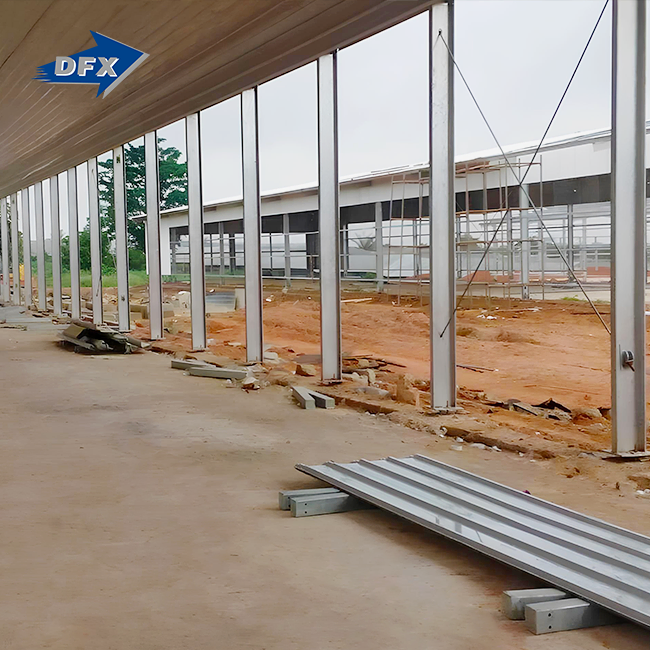
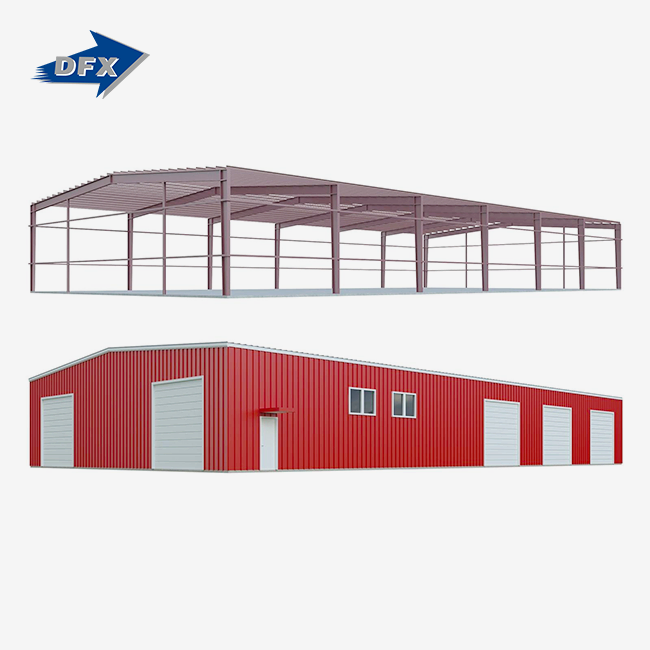
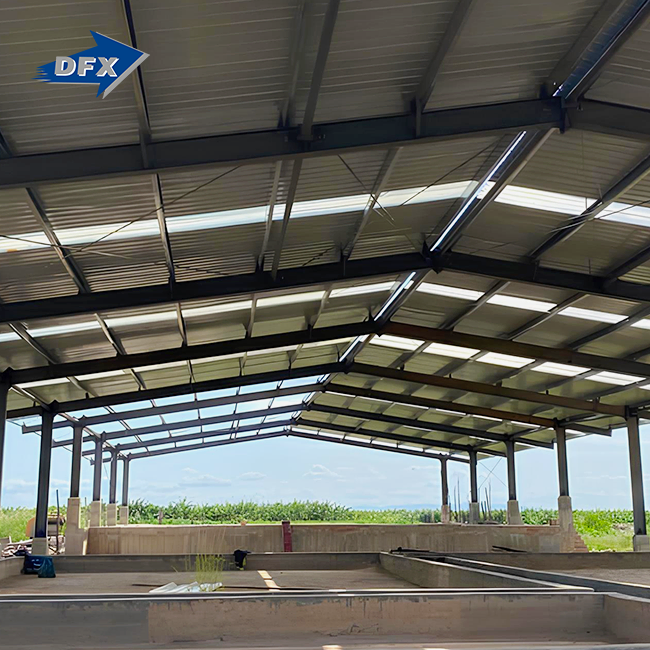
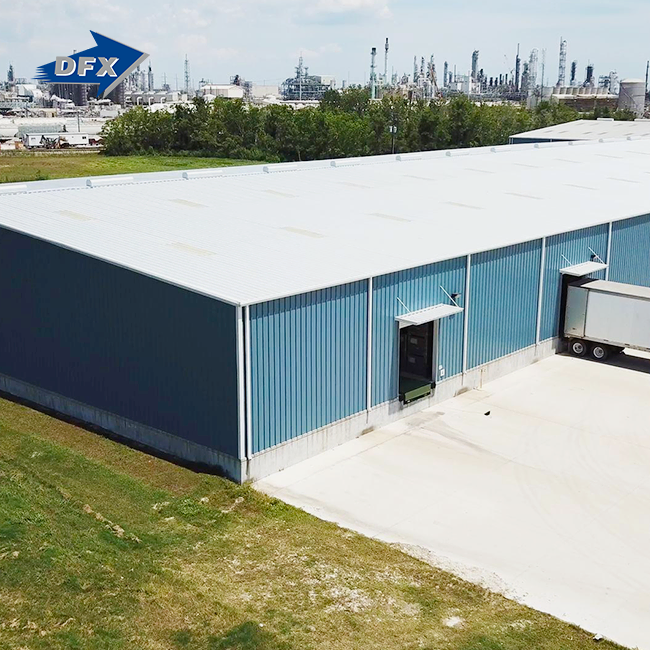
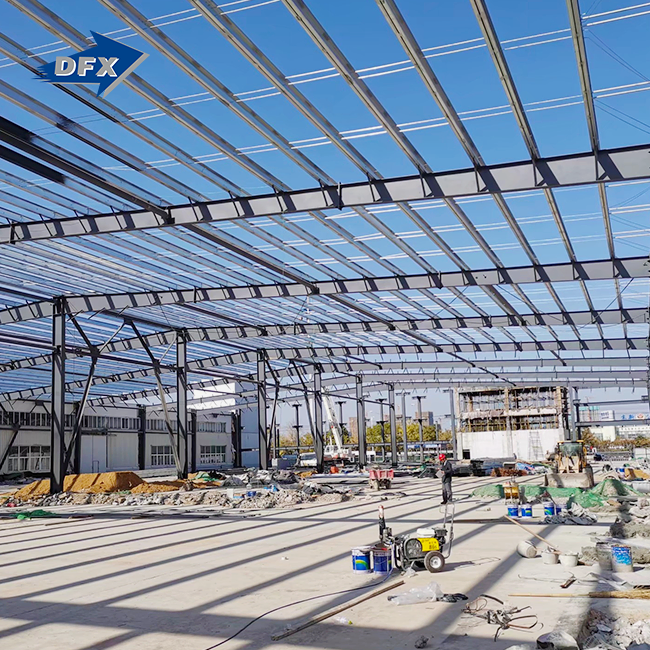
Modern luxury equestrian hangars are made with welded H-section steel main frames and strengthened bracing systems. They are made to survive harsh weather conditions while keeping the inside comfortable. These long-span steel buildings with high clearance don't have any interior support beams, so they can be set up in a variety of ways to suit different horse activities. The way the structure is built is similar to how hangars are built for aeroplanes. This was done on purpose so that as much useful room as possible is preserved while supporting overhead equipment like HVLS fans, arena lighting systems, and automated dust suppression mechanisms.
Operational Advantages Over Conventional Barns
Steel-framed riding buildings make a real difference in how well horses do. The hot-dip galvanised parts don't rust in ammonia-rich settings like those made by horse waste, so the structure lasts a lot longer than wood options. For ceilings, insulated metal plates with R-values higher than 30 keep out condensation that damages expensive arena footing materials. Translucent light panels with UV screens let in the most natural light without adding heat, which saves money on energy costs and gives horses the range of light they naturally respond to. When compared to traditional building ways, these technical features mean lower upkeep costs and better animal welfare.
When looking at different building choices, people in charge of procurement should keep in mind that well-kept steel structures can last 50 to 75 years and won't rot, warp, or be damaged by termites. This edge in durability is reflected in insurance rates, which is especially important when protecting valuable breeding stock or racing horses.
Essential Design Considerations for Luxury Equestrian Hangars
A good facility design combines the need for space with features that control the climate and have a direct effect on the health of the horses and how well they can be trained.
Space Planning and Dimensional Requirements
The facility's size must match the horse sports it will be used for and the number of people it can hold. For international events, indoor dressage arenas need to be at least 66 feet by 198 feet. Show jumping arenas, on the other hand, need roof clearances of more than 20 feet to safely handle vertical obstacles. When figuring out the overall building footprint, you should include extra rooms like tack rooms, wash racks, medical exam rooms, and spectator areas. Flexibility in plans with moveable wall systems lets buildings change to changing business needs, protecting the building's long-term value as an investment.
Climate Control and Ventilation Systems
The main worry in designing equestrian facilities is the health of the horses' lungs. Aim for 4 to 8 air changes per hour to keep temps stable and stop ammonia from rising to the top of the air. Modern ventilation systems use intake and exit points that are placed in a way that creates constant airflow patterns. This gets rid of dead zones where harmful gases build up. Ridge vents and sidewall air screens work together to use natural convection, which lowers the need for mechanical systems and the cost of running them.
For good thermal efficiency, you need to pay close attention to where you put the insulation and the air barrier. Controlling the inner dew point stops mist from dripping onto arena surfaces. This is very important because water damages special footing materials that cost tens of thousands of dollars to install. High-performance insulation systems with constant thermal barriers get rid of cold spots on steel surfaces inside buildings, where water would normally gather.
Security and Safety Integration
These high-end sites have safety features that protect both animals and property. Monitoring systems that are automated keep an eye on the temperature, humidity, and air quality inside buildings and let facility managers know when something needs to be done. Fire control systems made for farming take into account settings with a lot of dust and bedding materials that can catch fire. Emergency exit planning makes sure that animals and people can get out of danger safely during emergencies.
Because luxury equestrian hangars are built to last, they can have overhead cranes installed to move equipment and specialised medical equipment like water treadmills or hyperbaric tanks. This ability to hold weight makes these buildings different from regular barns that aren't built to support moving loads above them.
Material Selection and Construction Best Practices
The choice of materials has a big impact on how well a building works, how much upkeep it needs, and how much it costs to run over its lifetime.
Steel Versus Alternative Construction Materials
Clear-span designs are based on structural steel that has been cold-formed or hot-rolled and has a minimum yield strength of 50 to 55 ksi. Because steel is tensile, architects can get rid of internal beams while still keeping the structure strong in the face of snow loads, wind uplift forces, and earthquakes, all of which are important for buildings that house valuable animals and expensive equipment. Prefabricated steel parts made in a controlled workshop environment guarantee consistent quality and accurate measurements that are hard to achieve with wood framing that is put together on-site.
The harsh chemical environment caused by horse waste and wash rack processes is dealt with by hot-dip galvanisation or high-performance epoxy primers, which protect against rust. Pay extra attention to the quality of the coating at the base of the columns, as these areas come into direct touch with bedding that is wet and organic matter. Following the ASTM A123/A123M guidelines for zinc coating thickness gives building supervisors a way to measure how safe the work is.
Turnkey Construction and Quality Assurance
Choosing contractors who have experience building big farming and industrial structures greatly lowers the risk of the project. Turnkey service providers do everything from figuring out the structure to designing it for you, making it, and helping you put it. They make sure that all of these steps are coordinated throughout the whole job. Interface problems between design purpose and field performance are kept to a minimum with this integrated method. These problems are common on projects with more than one contractor.
As part of quality control, engineering estimates should be checked with structural load tests, galvanisation thickness checks, and airflow modelling to make sure the ventilation system works. When working on the foundation, it's important to pay close attention to the grade rings that connect to the arena footing retention systems. These systems stop water from moving from the outside dirt to the inside areas. Certification standards like ISO 9001, CE marking, COC, and PVOC make sure that the quality of the product is checked by a third party and that it follows all the rules.
When reviewing workers, look at their portfolios to see if they have worked on similar farming sites, industrial warehouses, or aeroplane hangars before. A lot of the technical problems are similar; they all need clear-span designs, built-in environmental controls, and long-lasting finishes that can stand up to rough circumstances.
Comparing Luxury Equestrian Hangar Options for Smart Procurement
Making choices about purchases means looking at a lot of different factors that affect both the original investment and the costs that come up over time.
Performance Metrics Across Design Approaches
Predictable prices, shorter building times, and proven structural performance are all benefits of modular steel construction. Standardised parts lower engineering costs while still allowing for design freedom through different bay spacing and internal plans that can be changed. Custom-designed facilities are made to fit specific site conditions, practical needs, or architectural styles that match the style of existing land buildings. The extra cost for custom design is usually between 15% and 25% more than modular methods, but it allows for solutions that aren't possible with standard systems.
Steel structures stand out when looking at cost-effectiveness over the whole life of a building. Wooden buildings need to be maintained regularly, which includes re-staining, replacing structural members as they break, and getting rid of pests. Because steel is dimensionally stable, it doesn't bend as wood does, so you don't have to worry about problems like roof lines falling and door frames moving. Steel construction is naturally resistant to fire, which lowers insurance rates by a large amount. This is something to think about when protecting buildings that house animals worth hundreds of thousands of dollars.
Environmental Impact and Sustainability
A typical 90% of structural parts made today are made from recycled steel. This helps meet environmental goals that are becoming more important to luxury facility owners. Because steel can be recycled in its entirety at the end of its useful life, it removes the demolition trash that comes with building with wood. High R-value insulation, natural lighting integration, and passive ventilation strategies are all energy-efficient design elements that lower practical carbon footprints and electricity costs.
Life cycle assessment studies constantly show that steel buildings are better for the environment when upkeep needs, replacement times, and disposal effects are taken into account over 50-year work lives, such as for a luxury equestrian hangar. These measures are important for building managers who want to get green building certifications or meet their companies' environmental goals.
Procurement and Purchase Guidance for B2B Clients
To do business internationally, you need to know what your suppliers can do, how to get your goods to them, and how to make sure the quality is good.
Supplier Evaluation Criteria
When looking for luxury equestrian hangar makers, you should look at how much they can produce, how knowledgeable they are about technology, and how well they can handle projects. Facilities with 40,000 square meters of protected production space and automatic welding lines show the large scale needed for complicated projects. Companies with more than 200 trained employees and tech teams show they can handle big foreign orders while still meeting quality standards.
Automatic welded H-beam production lines, sandwich panel construction, and C/Z section steel rolling tools should all be part of the manufacturing skills. Annual production amounts of up to 20,000 tonnes of welded structure parts show that the business is well-established and that the quality of the output can be trusted. In-house architectural design and detailing services make project planning easier by getting rid of the need for different design companies and fabricators to talk to each other.
Understanding Cost Frameworks and Delivery
Customised fabrication usually takes 8–12 weeks after engineering approval. Shipping can add another 4–6 weeks, based on the port of arrival and the time it takes to clear customs. Optimising the filling of containers has a big effect on the cost of shipping; experienced sellers know how to get the most out of the payload density while also protecting the galvanised surfaces during transit. Installation instructions from makers who know their engineered systems well speed up assembly in the field and make sure that structural connections meet design requirements.
The warranty should cover things like structural stability, coating performance, and part flaws over a period of time that reflects how important the building is for operations. Premium providers offer longer guarantees to show that they are confident in the quality of their products and the materials they use. Technical help after the sale, such as engineering advice for building additions or changes, adds a lot of value after the initial construction is done.
When you're looking at bids, make sure you get thorough breakdowns of the prices of structural steel, envelope systems, foundation needs, and installation services, including for the Luxury Equestrian Hangar. Clear pricing lets you make accurate budget predictions and makes it easier to compare prices from different sources with different scope definitions.
Conclusion
Luxury equestrian hangars are a great example of how industrial engineering and specialised farming facility design can work together. The clear-span steel construction gets rid of the space problems that come with regular barns. It also improves horse care and training by controlling the temperature, sound, and sturdiness of the structure. It's helpful for procurement workers in charge of high-end building projects to know how choices about materials, ventilation, and the quality of construction affect both the original investment and the costs that come up over the project's lifetime. Steel's natural benefits—its ability to fight corrosion, keep its shape, be safe in fires, and be recycled—align with practical needs and environmental goals that are becoming more important in foreign equestrian markets.
FAQ
1. What lifespan advantages do steel equestrian hangars offer?
When properly kept, steel structures can last more than 50 to 75 years, which is a lot longer than wood options. Steel doesn't rot, termites can't damage it, and it doesn't bend, so it doesn't need as many fixes over time like traditional barns do. Hot-dip galvanisation protects against rust for decades, even in places where horse waste is present and ammonia is high. This means that the cost of ownership over time is lower, and the building is worth more when it's time to sell.
2. How do luxury hangars address acoustic challenges?
High-end buildings have open-cell insulation systems and hollow steel inner panels that soak up sound waves. This soundproofing method lowers the slap echo effect that happens a lot in metal buildings. This keeps horses from getting scared by rain noise or sounds of action inside. When you combine insulation mass with strategic hole designs, you get calm environments that are perfect for training sensitive sport horses and doing veterinary exams.
3. Can these structures accommodate specialised equipment?
The rigid frame design lets high-end hangars hold dynamic loads that are hung from the ceiling, like automatic arena watering systems, flexible irrigation booms, and overhead crane mechanisms. This load-bearing ability makes it possible to add high-tech fitness equipment, medical equipment like hyperbaric tanks, and utility systems that would not be possible in wood-framed buildings without designed load paths.
Partner with DFX for Your Premium Equestrian Facility
Director Steel brings over 12 years of specialised experience in manufacturing large-span steel structures perfectly suited for luxury equestrian applications. Our 40,000-square-meter production facility in Qingdao operates six automatic welded H-beam lines producing the structural precision required for clear-span equestrian hangars. As an established luxury equestrian hangar supplier, we provide complete turnkey solutions encompassing structural calculation, customised architectural design, fabrication under ISO 9001 quality systems, and comprehensive installation guidance. Our CE-certified parts meet international standards critical for premium facility procurement. Contact Jason at jason@bigdirector.com to discuss your equestrian facility requirements and receive detailed engineering proposals tailored to your operational specifications.
References
1. Henderson, M. (2021). Structural Engineering Principles for Agricultural Buildings. American Society of Agricultural and Biological Engineers Technical Standards.
2. Blackwell, T. & Richardson, K. (2020). Equine Respiratory Health in Indoor Training Facilities. Journal of Veterinary Internal Medicine, Volume 34, Issue 6.
3. National Steel Construction Association. (2022). Clear-Span Building Design Guide for Agricultural Applications. NSCA Technical Publication Series.
4. Williams, J. (2019). Climate Control Systems for Premium Livestock Housing. Agricultural Engineering International Journal, Volume 21, Special Issue.
5. Patterson, R. & Chen, L. (2023). Life Cycle Assessment of Agricultural Building Materials. Journal of Sustainable Architecture and Civil Engineering, Volume 31, Issue 2.
6. Equestrian Facility Design Standards Committee. (2022). International Guidelines for Competition Venue Construction. Federation Equestre Internationale Technical Standards Manual.
Learn about our latest products and discounts through SMS or email