- English
- French
- German
- Portuguese
- Spanish
- Russian
- Japanese
- Korean
- Arabic
- Greek
- German
- Turkish
- Italian
- Danish
- Romanian
- Indonesian
- Czech
- Afrikaans
- Swedish
- Polish
- Basque
- Catalan
- Esperanto
- Hindi
- Lao
- Albanian
- Amharic
- Armenian
- Azerbaijani
- Belarusian
- Bengali
- Bosnian
- Bulgarian
- Cebuano
- Chichewa
- Corsican
- Croatian
- Dutch
- Estonian
- Filipino
- Finnish
- Frisian
- Galician
- Georgian
- Gujarati
- Haitian
- Hausa
- Hawaiian
- Hebrew
- Hmong
- Hungarian
- Icelandic
- Igbo
- Javanese
- Kannada
- Kazakh
- Khmer
- Kurdish
- Kyrgyz
- Latin
- Latvian
- Lithuanian
- Luxembou..
- Macedonian
- Malagasy
- Malay
- Malayalam
- Maltese
- Maori
- Marathi
- Mongolian
- Burmese
- Nepali
- Norwegian
- Pashto
- Persian
- Punjabi
- Serbian
- Sesotho
- Sinhala
- Slovak
- Slovenian
- Somali
- Samoan
- Scots Gaelic
- Shona
- Sindhi
- Sundanese
- Swahili
- Tajik
- Tamil
- Telugu
- Thai
- Ukrainian
- Urdu
- Uzbek
- Vietnamese
- Welsh
- Xhosa
- Yiddish
- Yoruba
- Zulu
Agricultural Tool Steel Shed for Secure Equipment Storage
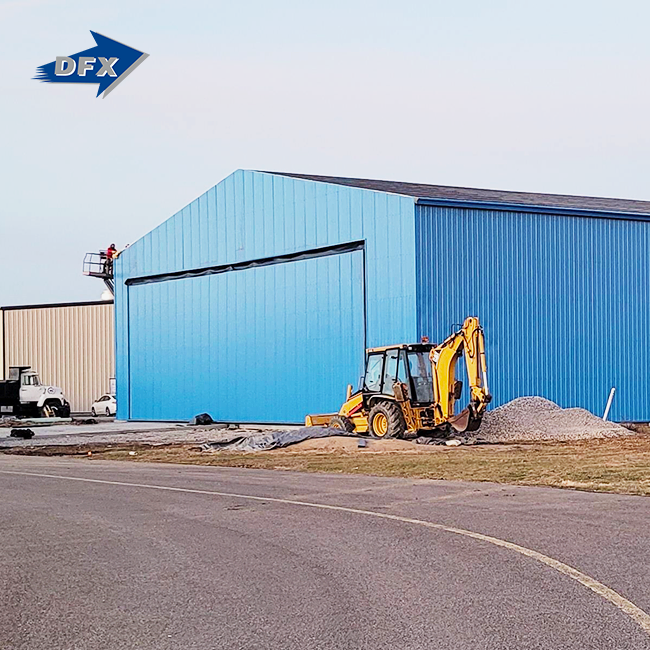
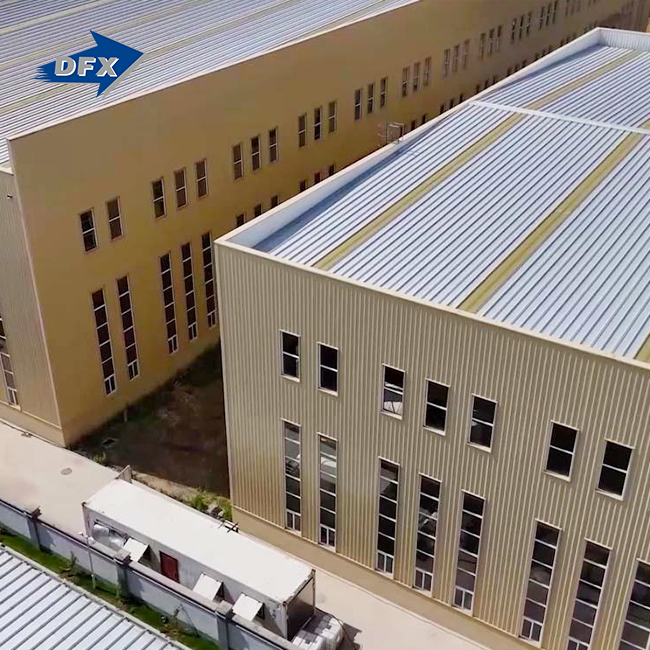
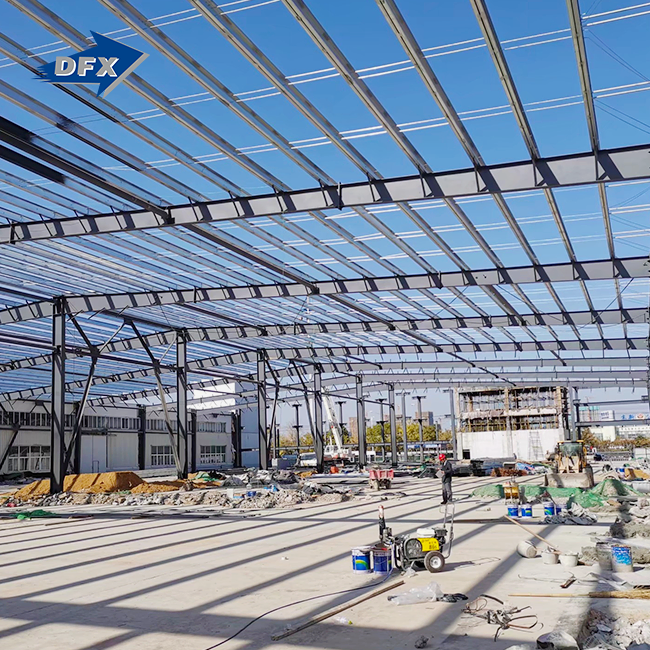
When farms get bigger, and their machines get smarter, it's important to keep expensive gear safe from weather, theft, and rust. Buying an agricultural tool steel shed is a smart move that will help you deal with these problems. These pre-engineered metal buildings are safe and reliable ways to store tractors, harvesters, blades, and other heavy equipment that needs to be kept out of the elements for a long time. These sheds are made with heavy-duty steel columns and beams that have been coated to resist corrosion. They have better structural integrity than traditional wood or lightweight metal sheds, which is why farm owners, agricultural project managers, and procurement professionals who want to protect equipment for a long time choose them.

Understanding Agricultural Tool Steel Sheds: Materials, Benefits, and Design
What Makes Steel the Superior Material Choice?
When used in agriculture, agricultural tool steel sheds have clear benefits that have a direct effect on how well they work and how long they last. High-quality carbon steel, like Q345B or ASTM A572 Grade 50, is usually used to make the material. It has a peak strength of at least 345 MPa. This technical standard makes sure that the building can handle big loads caused by snow accumulation, wind uplift, and the normal effects of farming equipment.
Z275 hot-dip galvanisation, which uses 275 grams of zinc per square metre to make a shield against rust, is usually used to coat high-quality steel sheds so they don't rust. This process is very important in farming areas where metals break down quickly when they come into contact with fertilisers, chemicals, and animal waste. Galvanised steel buildings on farms usually last 20 to 50 years without any structural damage, which is a lot longer than untreated metal or wood options.
Design Considerations That Maximise Functionality
Modern steel sheds use clear-span engineering to get rid of interior support beams. This makes it easier to move big pieces of equipment. When combining planters or tractor-trailer combinations, structures that are 60 to 100 feet long and don't have internal posts give you the freedom you need. The open or semi-enclosed designs can be used for a range of storage needs, from fully waterproof buildings to ventilated areas that keep tools from getting wet.
Ventilation and Climate Control Features
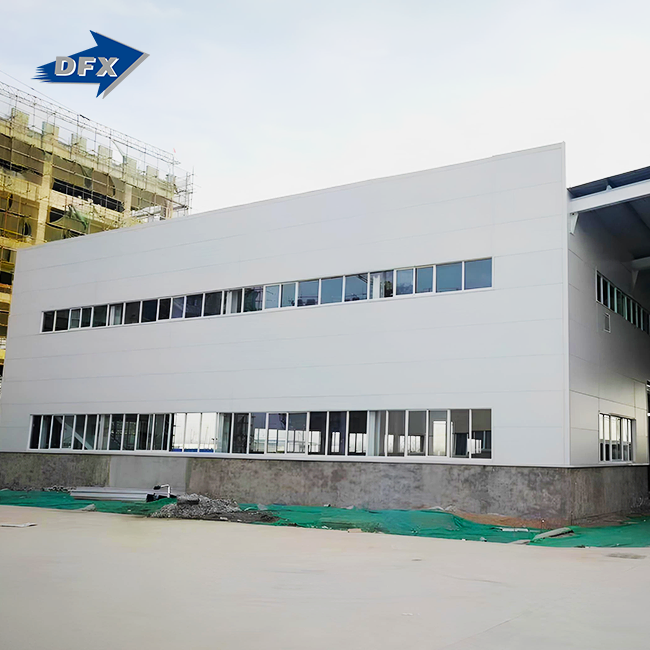
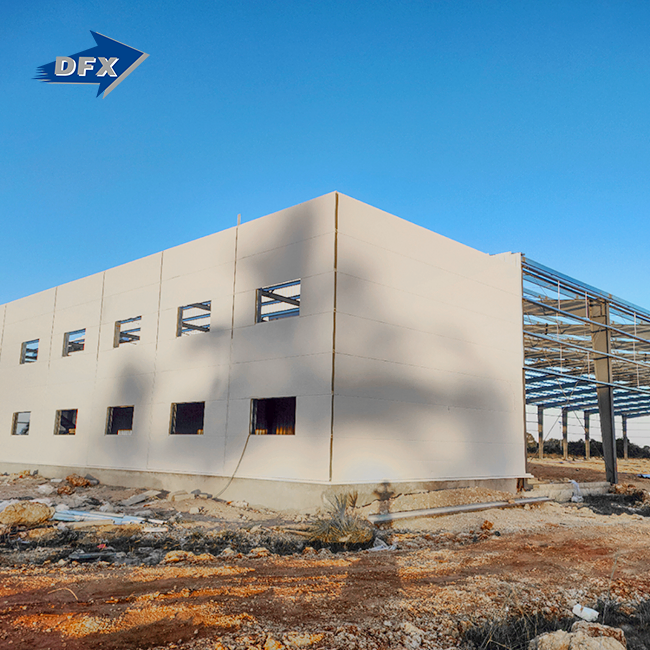
When there is enough airflow, mist doesn't form, which harms electrical parts and makes equipment surfaces rust. Ridge vents, eave holes, and carefully placed louvres all work together to let air flow naturally, which keeps the temperature and humidity in check. Some farming businesses need sandwich panel buildings with polyurethane or rockwool insulation, especially when they need to store sensitive gadgets or make workshop spaces inside the Agricultural Tool Steel Shed. This thermal shield keeps temperatures from changing too much and stops water from dripping, which speeds up the rusting of kept tools.
Comparing Agricultural Tool Steel Sheds with Other Shed Types
Steel Versus Traditional Materials
Wooden buildings are still popular for small store needs, but they aren't very good for farming uses. Termites, rot from being exposed to water, and the risk of fire all make upkeep more difficult and shorten the service life. Most wood sheds need to be replaced or fixed up seriously every 10 to 15 years, while steel buildings that are well taken care of usually last longer than 30 years.
Although aluminium sheds are lighter and naturally don't rust, they aren't strong enough for large-scale uses or places where snow is common, unlike agricultural tool steel sheds. Because metal costs more per unit of strength, it is not as cost-effective for farm buildings bigger than 1,000 square feet. Structures made of plastic and vinyl are low-maintenance options for storing small tools, but they can't meet the size or weight standards for storing farm equipment.
Protective Coating Impact on Performance
The finishing method directly affects how often it needs to be maintained and how long it lasts. The strongest defence is hot-dip galvanisation, which forms a metallurgical link between zinc and steel that can fix small scratches on its own. Depending on the weather, painted products need to be re-coated every 7 to 10 years. Powder coating is great for improving the look of things and offers moderate rust protection that works well for closed areas that don't get wet often.
Specialised epoxy zinc-rich paints add an extra layer of protection to sheds that store chemicals that are bad for the environment or are near the coast, where salt air is present. These multi-layer protection methods make things last longer in harsh conditions where regular galvanisation might not be enough.
How to Choose and Procure the Best Agricultural Tool Steel Shed?
Critical Selection Criteria for Procurement Teams
When looking at steel shed providers, you need to make sure of a number of technical details. The thickness of the panels is a basic way to tell how good the building is. Heavy-gauge 26ga or 24ga corrugated steel (0.5mm to 0.7mm) is much more resistant to impact than the 29ga material that is usually used for homes. Hail and flying objects that are kicked up by field equipment can dent thinner walls.
The type of earth and wind exposure affects the foundation needs. For most setups, slab foundations or pier footings made of concrete are needed to hold down column base plates against forces that try to move them. Reliable makers provide engineered foundation plans that are tailored to local building codes and the soil's ability to support weight. This way, there is no need to guess when the foundation is being installed.
Vetting Manufacturers and Certification Standards
Quality steel manufacturers keep their ISO 9001 quality management certification up to date and mark structure parts with the CE mark to show that they meet international safety standards. These certificates show that the company uses organised quality control measures throughout the whole production process, from getting the materials to making sure they are put together correctly.
The skills of the manufacturing site have a direct effect on how the project turns out. Look for providers that have the ability to make various welded H-beam production lines, automated C/Z section steel equipment, and sandwich panels. Companies that make 20,000 tonnes of steel beams every year have the size and knowledge to deliver farming projects on time. Facilities that test-assemble mainframes before sending them out make sure that the bolt holes are lined up correctly and avoid delays in making changes in the field.
Cost Variables and Procurement Strategy
Project-based pricing takes into account a number of things, such as the size of the building, the type of coating needed, the amount of insulation needed, and the choices of accessories such as doors, windows, and ventilation systems for the Agricultural Tool Steel Shed. Buying in bulk usually results in cost savings of 10–15 per cent compared to buying one item at a time. By combining orders from several farms, agricultural cooperatives, and area dealers of farm tools can often get better deals.
Agricultural equipment lenders offer financing choices for agricultural tool steel sheds. Because they see them as capital improvements, they can offer longer payment terms, similar to when you buy a tractor or combine. This financing structure lines up payment schedules with harvest income cycles, which makes it easier to handle cash flow while the building is being built.
Building, Maintaining, and Maximising the Lifespan of Your Steel Shed
Site Preparation and Foundation Essentials
Testing the earth to see how well it drains and how much weight it can hold is the first step in properly preparing a spot. The building pad needs a base of 6 to 8 inches of crushed gravel that goes out 12 inches beyond the structure's size. This gives the pad stable support and keeps water from pooling around the foundation's edges. For concrete block foundations, the minimum width is usually 4 inches, the minimum compressive strength is 3,000 PSI, and the support bolts must be placed according to engineered plans.
Assembly Techniques for Structural Integrity
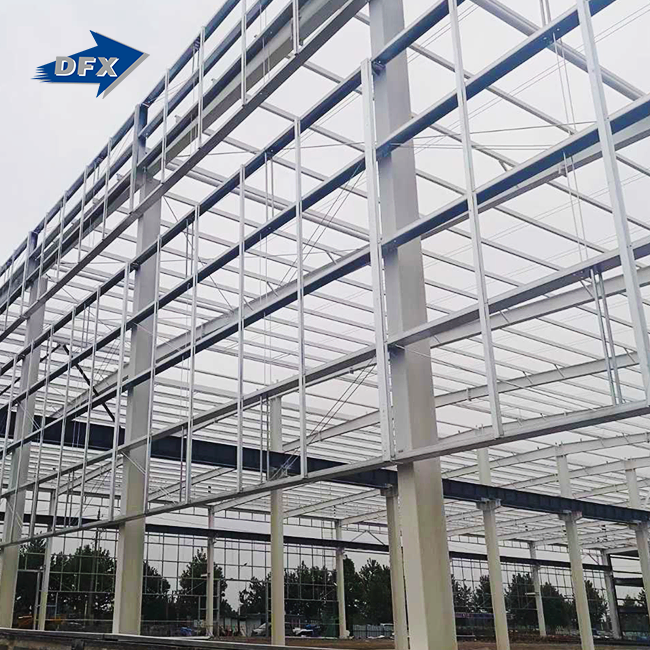
Steel parts that have already been designed and manufactured come with full erection plans and pre-punched bolt holes that show how to put them together. Following the bolt torque values given by the maker will make sure that the load is properly transferred between the structural parts. To get the right force on high-strength grade 8.8 or 10.9 bolts without stripping the threads, you need torque wrenches that have been calibrated. With the flexible design, skilled workers can usually put up a 2,400-square-foot structure in one week, which saves money on labour costs compared to traditional building methods.
Maintenance Practices That Extend Service Life
Every six months, routine checks find small problems before they get worse. Check that the fasteners are tight, that the paint isn't scratched or chipped, and that water isn't pooling around the edges of the base. Putting touch-up paint or cold galvanising solution on steel that is visible stops rust from spreading. Cleaning gutters and drains on a regular basis is important to keep water from overflowing and destroying foundations.
Steel buildings can be recycled, which supports gardening methods that are good for the environment. When they're no longer useful, steel parts still have worth as scrap and can be recovered without losing any of their quality, such as agricultural tool steel sheds. This is very different from wood buildings, which usually end up in landfills. This circle of material flow has less of an effect on the environment and recovers the value of assets that have been used up.
Conclusion
A lot of money is spent on agricultural equipment, so it needs to be properly protected from the elements and security risks. Specifically designed agricultural tool steel sheds for farms provide the structure, performance, durability, and cost-effectiveness that is needed for operating efficiency. High-strength materials, coatings that don't rust, and clear-span designs all work together to make storage options that keep things safe while reducing the need for upkeep. Agricultural businesses get more long-term value when they make purchases based on material specs, maker credentials, and lifecycle costs instead of just the original price.
FAQ
1. What is the expected lifespan of a properly maintained steel equipment shed?
Quality steel buildings in rural settings usually last 30 to 50 years with proper upkeep and a hot-dip galvanised coating. This durability rests on a number of things, such as the thickness of the layer, how it is exposed to the environment, and how well it is maintained. Facilities near the coast or places where chemicals are used a lot can benefit from better treatment systems that protect longer than standard galvanisation.
2. Can steel sheds be expanded as equipment inventory grows?
By taking down the end walls and adding new structure bays along the length of the frame, the modular portal frame design makes it easy to add on to. This scalability lets farms add more storage space without having to replace old buildings, which protects the initial investment while still allowing for growth. Planning for future growth during the initial design phase by selecting end wall panels that can be removed instead of ones that are permanently closed makes changes easier.
3. How does steel construction perform in regions with extreme weather?
Engineered steel frames can handle high wind and snow loads that are required by local building rules. Structures in areas where tornadoes are common can ask for stronger grounding systems and links that can handle higher wind loads. Steel construction has a Class A fire rating because it doesn't catch fire. This lowers insurance costs and keeps valuable equipment safe from fire damage that could spread from nearby buildings or field operations.
Partner with DFX for Your Agricultural Steel Building Needs
DFX specialises in custom steel building solutions for farming businesses that need safe places to store their tools. We have been making agricultural tool steel sheds for a long time and have ISO 9001 certification and CE-marked parts. We bring technical knowledge and careful fabrication to every job. Our 40,000-square-meter factory has six automatic welded H-beam lines and makes 20,000 tonnes of structural steel every year. We can guarantee on-time deliveries that meet the deadlines for your project.
We help procurement managers and farm owners with everything from engineering design to construction advice. We help them understand specs, base needs, and local building codes. Email our team at jason@bigdirector.com to talk about how you'd like to store your tools and get specific quotes that fit your needs.
References
1. American Institute of Steel Construction. (2022). Steel Construction Manual (15th Edition). Chicago: AISC.
2. National Frame Builders Association. (2021). Post-Frame Building Design Manual. Lawrence, Kansas: NFBA Technical Services.
3. Agricultural Engineering International: CIGR Journal. (2020). Design Considerations for Farm Machinery Storage Structures in Variable Climates.
4. International Organization for Standardization. (2015). ISO 9001:2015 Quality Management Systems — Requirements. Geneva: ISO.
5. Metal Building Manufacturers Association. (2021). Common Industry Practices for Metal Building Systems. Cleveland: MBMA.
6. University Extension Agricultural Engineering Departments. (2019). Farm Structures: Planning and Construction Guidelines for Midwest Agricultural Operations.
Learn about our latest products and discounts through SMS or email