- English
- French
- German
- Portuguese
- Spanish
- Russian
- Japanese
- Korean
- Arabic
- Greek
- German
- Turkish
- Italian
- Danish
- Romanian
- Indonesian
- Czech
- Afrikaans
- Swedish
- Polish
- Basque
- Catalan
- Esperanto
- Hindi
- Lao
- Albanian
- Amharic
- Armenian
- Azerbaijani
- Belarusian
- Bengali
- Bosnian
- Bulgarian
- Cebuano
- Chichewa
- Corsican
- Croatian
- Dutch
- Estonian
- Filipino
- Finnish
- Frisian
- Galician
- Georgian
- Gujarati
- Haitian
- Hausa
- Hawaiian
- Hebrew
- Hmong
- Hungarian
- Icelandic
- Igbo
- Javanese
- Kannada
- Kazakh
- Khmer
- Kurdish
- Kyrgyz
- Latin
- Latvian
- Lithuanian
- Luxembou..
- Macedonian
- Malagasy
- Malay
- Malayalam
- Maltese
- Maori
- Marathi
- Mongolian
- Burmese
- Nepali
- Norwegian
- Pashto
- Persian
- Punjabi
- Serbian
- Sesotho
- Sinhala
- Slovak
- Slovenian
- Somali
- Samoan
- Scots Gaelic
- Shona
- Sindhi
- Sundanese
- Swahili
- Tajik
- Tamil
- Telugu
- Thai
- Ukrainian
- Urdu
- Uzbek
- Vietnamese
- Welsh
- Xhosa
- Yiddish
- Yoruba
- Zulu
How Durable Is a Goat Steel Shed in Harsh Weather Conditions?
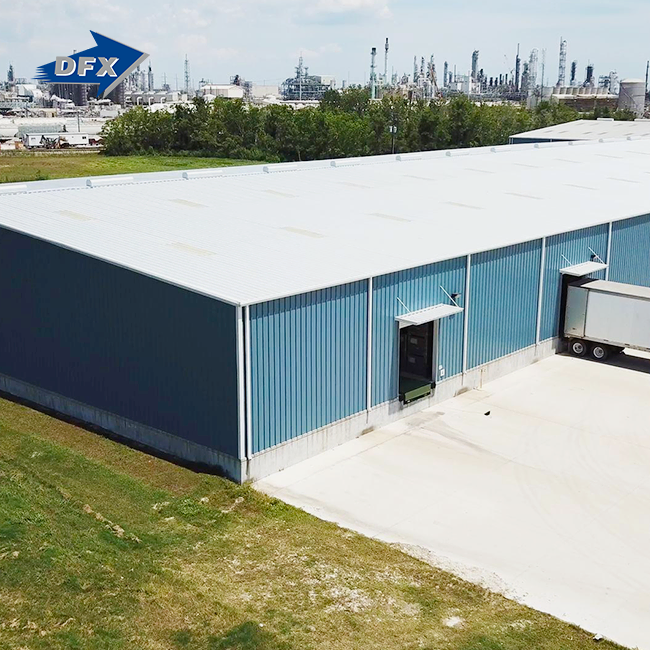
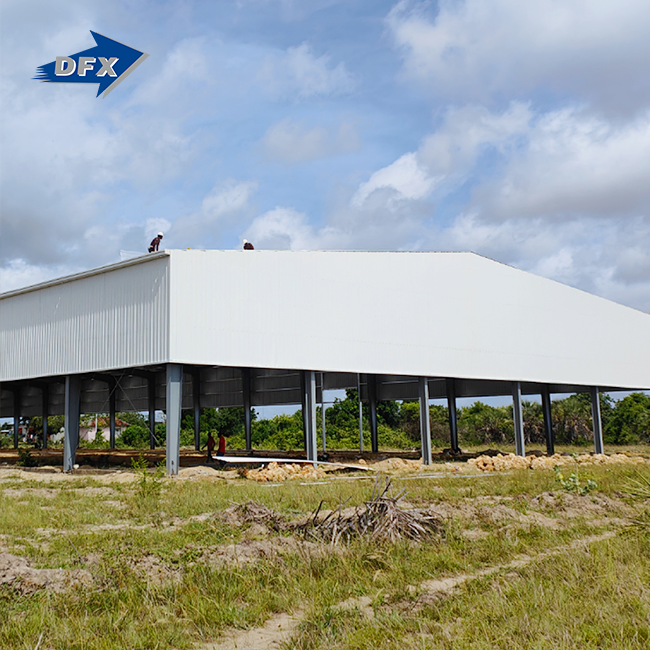
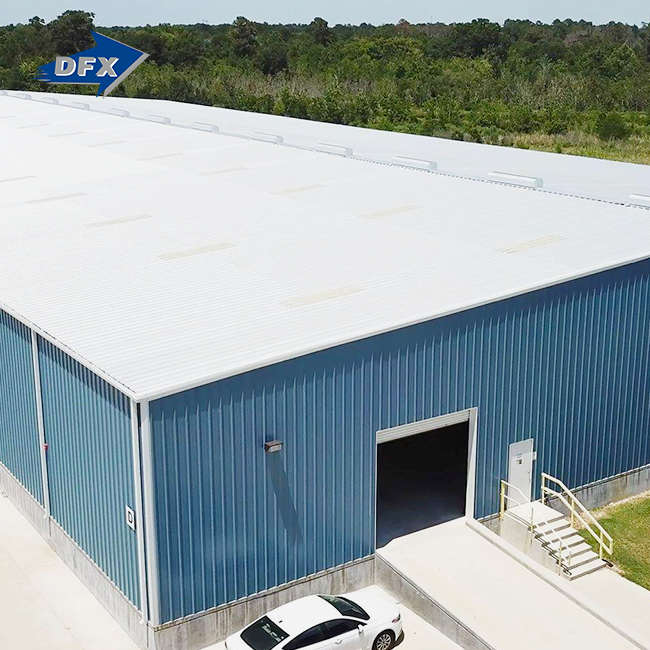
When built correctly with hot-dip galvanised structure parts and coatings that prevent rust, a goat steel shed will last a very long time in tough weather. Professional-grade steel houses for animals are much better at withstanding extreme temperatures, heavy rain, and strong winds than traditional wooden sheds. How long it lasts depends on important things like the quality of the steel, the thickness of the galvanisation, the design of the structural reinforcements, and the presence of good air systems. If these farm buildings are made to international standards with Q345B or Q235B H-section steel beams and a zinc coating of at least 600g/m², they will safely support livestock operations for 30 to 50 years, even in harsh climates.

Understanding the Durability Challenges of Steel Livestock Shelters in Harsh Weather
Agricultural buildings, including the Goat Steel Shed, are constantly put to the test by the elements, which weaken their structures every day. Knowing about these problems helps farm owners and buying managers make smart choices about long-term investments.
Extreme Temperature Fluctuations
Changes in temperature cause building materials to expand and shrink in stages. Metal buildings need to be able to adapt to changes in temperature without letting water in through holes or weakening the joints. In the summer, strong sunlight can make the surface of a roof hotter than 150°F. In the winter, in northern areas, temperatures can drop below -20°F. Good steel frame systems have expansion joints and flexible links that let the structure move without putting stress on it.
Moisture and Corrosion Threats
Agricultural buildings made of steel are most likely to be damaged over time by rain, snow, and humidity. Unlike industrial buildings, livestock facilities create ammonia-rich conditions by using animal respiration and waste breakdown to create internal moisture. This corrosive environment speeds up the process of rusting on steel surfaces that aren't covered. Hot-dip galvanisation forms a strong link between zinc and steel, making a protective shield that keeps the base metal safe even if the coating is scratched or worn away.
Wind Load and Structural Stability
When there is a lot of wind, the roofs lift up, and the walls press against each other. When wind runs through an open-sided or partially enclosed animal shelter instead of just pushing against it, it makes things more complicated. In many parts of the U.S., wind speeds over 90 mph must be taken into account in engineering estimates. This means that foundations must be properly anchored and portal frames must be strengthened. The wind resistance is affected by the spacing between columns, the pitch of the roof, and the way the braces are set up.
Snow and Ice Accumulation
During the winter, farmers in the north have to deal with a lot of snow. Depending on where you live, building rules set base design loads that can be anywhere from 20 to 70 pounds per square foot. The angle of the roof's pitch affects how much snow it keeps off. Steeper slopes shed snow better, but they need more structural framing. When heat from animals melts snow that then freezes at the edges, ice banks form. This can stop water from draining away and allow water to get in.
Key Features That Enhance the Durability of Agricultural Steel Buildings
Modern Goat Steel Sheds have certain design features that make them much more resistant to weather and last a lot longer. These features set professional-grade farm houses apart from simple shelters.
Advanced Corrosion Protection Systems
Protecting something starts with choosing the right material and treating the surface. Premium buildings for livestock use multiple layers of defence that make them last longer. Hot-dip galvanisation coats something with zinc by dipping it in liquid zinc at 840°F. This makes a layer that is 80 to 120 microns thick and protects for 20 to 30 years. Some makers add extra powder coating or special farm paint systems to galvanised surfaces to make them more resistant to chemicals like ammonia and hydrogen sulphide that are made by animal waste.
Engineered Structural Design
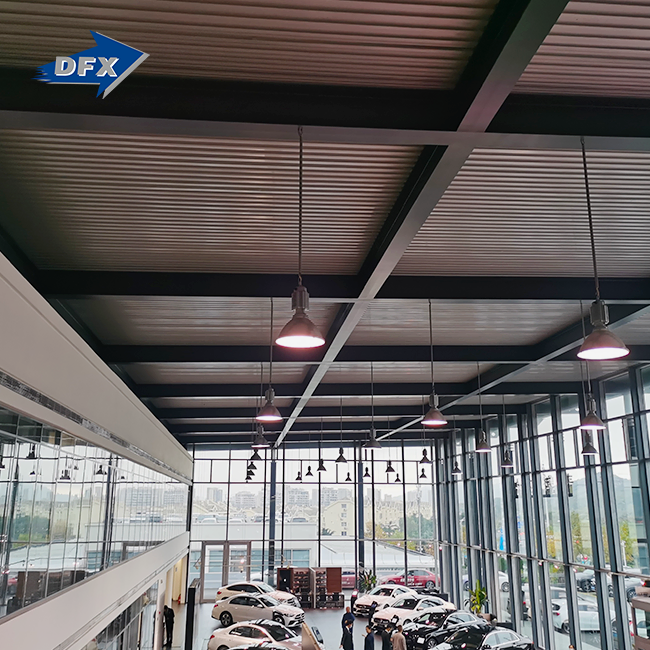
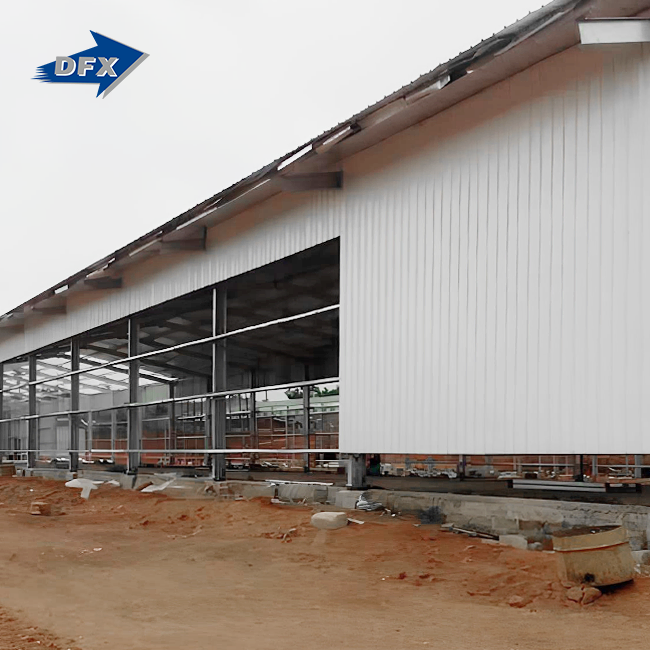
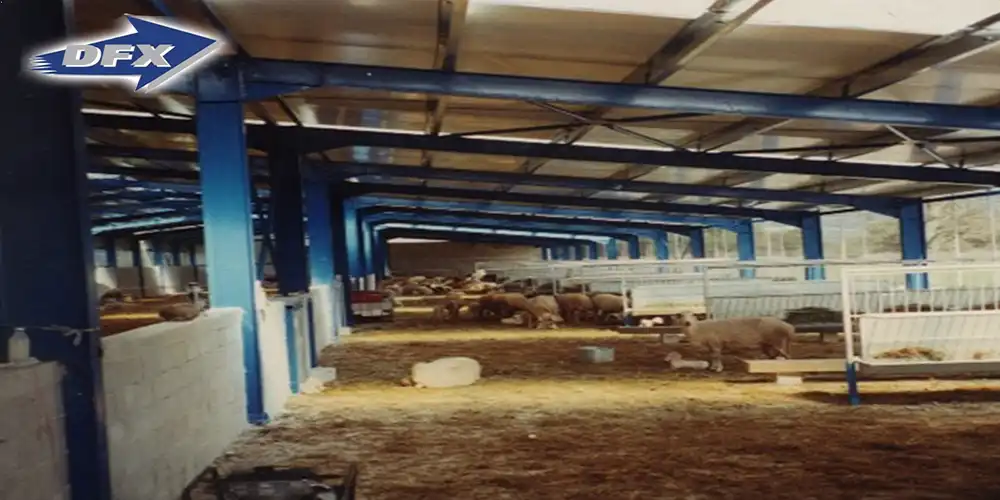
Good structure building is the key to making things last. Goat Steel Shed uses heavy-duty steel columns and beams made from Q345B steel with a yield strength of 345 MPa, which is a lot higher than normal building grades. Clear-span versions that are between 40 and 100 feet long get rid of internal columns, which makes it easier to move animals and tools. Eave heights between 14 and 20 feet increase the amount of air flow and make natural airflow work better. Ultrasonic testing is used to check the quality of the welds on structural parts, and checks of the dimensions make sure that the bolt holes line up within 2 mm of accuracy so they can be put together in the field.
Optimised Roof and Drainage Systems
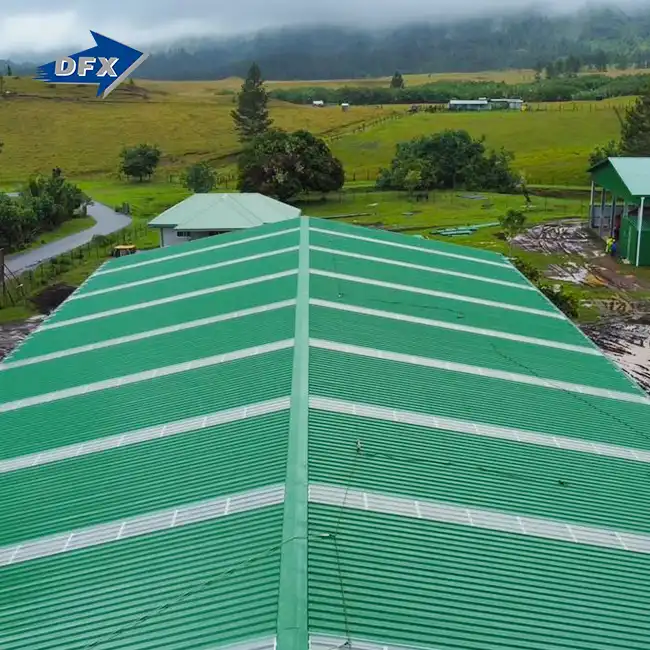
How the roof is set up has a big effect on how water moves and how much weight it can hold. Standing seam metal roofing with hidden fixings stops leaks that happen with screw systems that are visible. Roof slope angles between 4:12 and 6:12 are good for both shedding snow and saving money on building. Water is moved away from structures and animal areas by ridge ventilators and gutters that are the right size. Corrugated steel sheets that are 0.5 to 0.6 mm thick can handle the needs of farming settings without breaking the bank.
Integrated Ventilation Architecture
Managing wind well is important for both keeping animals healthy and making people live longer. When it's warm outside, natural ventilation systems use thermal buoyancy and the direction of the wind to move 60 to 100 tonnes of air every hour. Sidewall curtain systems with motorised settings let you change the surroundings as needed. Ridge vents that are one foot wide for every 10 feet of building width are big enough to get rid of the air. This constant flow of air gets rid of wetness, ammonia, and heat, all of which can speed up rusting and make animals stressed.
Comparing Steel Shelters with Alternative Building Materials in Agricultural Applications
The choice of materials has a big impact on how well a building works and how much it costs over its lifetime. When you compare steel to other materials, it's easy to see that steel is better for businesses that care about reliability and return on investment.
Steel Versus Wood Construction
Wood has been used for building in agriculture for hundreds of years, but it has a lot of problems in current large livestock farms. Because wood absorbs water, it makes a perfect environment for fungi to grow and bugs to come in. Goat poop and pee are acidic, so they quickly break down wood structural parts. Within 10 to 15 years, they usually need major repairs. Wooden frames can also catch fire, and they can't have as many clear gaps as steel frames can. These problems don't happen with Goat Steel Sheds, and they don't need much upkeep either. At first, steel may be 15-20% more expensive than wood, but over 30–50 years of use, the longer service life and lower upkeep costs make it a better investment.
Steel Performance Against Fabric Structures
Fabric houses require little money up front, but they aren't as durable or good at controlling the environment. UV light breaks down polyethylene and PVC fabrics, so they need to be replaced every 10 to 15 years. Fabric doesn't give much in the way of protection and can't stop fires. High winds often damage cloth buildings, which costs money to fix and puts stress on animals. When steel buildings have the right covering systems, they keep their structural stability forever and can hold insulation panels to keep the temperature inside when living in places with extreme weather.
Durability Advantages Over Concrete Block Buildings
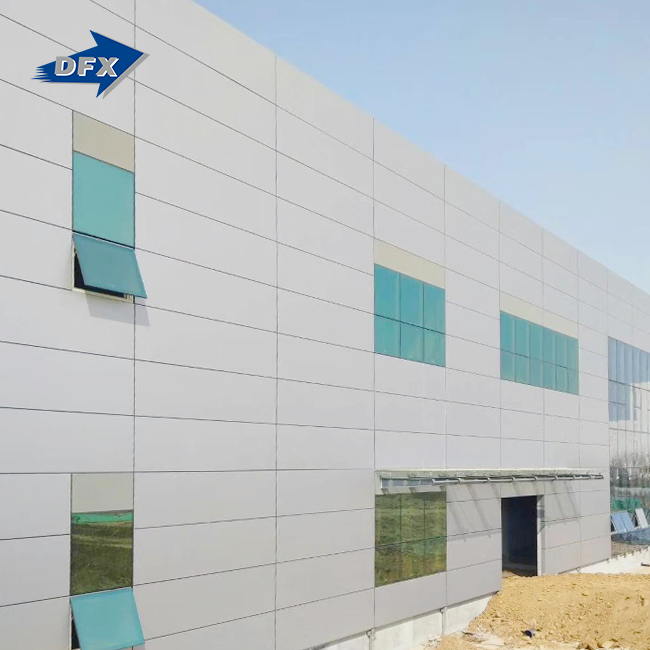
The longevity of masonry buildings is very high, but it costs more up front and takes longer to build. Steel buildings can be put together in weeks instead of months, which lowers the cost of financing the project and speeds up the start of operations. Because it is flexible, steel is a better choice for future changes and additions than brickwork. Modern steel buildings have the same or better thermal performance thanks to sandwich panel technology. They also need less base support because the buildings are lighter.
Best Practices for Maintaining Steel Agricultural Structures to Maximise Lifespan
Buildings like the Goat Steel Shed last longer and protect investments in animal housing when they are well taken care of. By following set procedures for inspection and care, you can keep small problems from turning into expensive structural issues.
Regular Inspection Protocols
Inspect Goat Steel Shed once a year to find problems as they start to happen before they damage the structure. Pay extra attention to places that are likely to be damaged, like column base plates, beam joints, and roof penetrations. Check galvanising surfaces for damage to the coating, especially where the coating meets the weld and in high-traffic places where equipment touches the surface. Magnetic thickness gauges check the stability of the coating; results below 70 microns show places that need more work. Check the bolts for loosening that could be caused by changes in temperature and wind shaking. To keep working smoothly, door tracks and curtain systems need to be oiled and adjusted.
Corrosion Management Strategies
Even when protective layers are used, rusting may still happen in certain areas over time. To fix rust spots right away, wire brush them to get rid of rusting and then use zinc-rich base and topcoat paint systems. Pay extra attention to places near where you store manure or that have a lot of water because the ammonia level stays high there. Pressure washing gets rid of the dirt and dung that builds up on steel surfaces and keeps water in them. Make sure that draining systems work right so that water doesn't pool near the base of buildings.
Seasonal Preparation Procedures
Getting buildings ready for bad weather lowers the chance of damage and increases the life of the buildings. Before winter, check the state of the roof's bolts and sealants to stop water from getting in through ice dams. Free your gutters and drains of anything that is blocking the flow of water. Check that the snow load capacity fits what is expected, and if the snowfall goes over the design limits, remove the extra snow. Before storm season, check that the anchor bolts are tight and that the bracing links are sound. Hold down any loose things that could fly off in the wind. Check how the curtain system works to make sure it will close properly during extreme weather.
Procurement Considerations for Durable Agricultural Steel Buildings
Finding the best provider and standard for a goat steel shed means weighing a lot of technical and financial factors. Understanding these things is important for a project to go well.
Supplier Qualification Assessment
Working with steel frame makers with a lot of experience guarantees quality and dependability. Look at a possible supplier's producing capacity, quality licenses, and past project history when deciding who to work with. ISO 9001 approval shows that the company manages quality in a planned way, and CE marking shows that the product meets international building standards. Ask for examples from farming projects that are similar to yours and make sure that the work is done on time and that the client is happy. Modern tools like automated welding lines, CNC cutting systems, and the right way to check products for quality should be shown off by manufacturing facilities.
Material Specification Requirements
Detailed material standards keep quality from dropping and make sure that the product will work for a long time. In the purchase papers, you should list the minimum steel types, thicknesses of galvanisation, and coating systems. Need mill test results that confirm the chemical make-up and mechanical qualities of the material. Bolts with a grade of 8.8 or better and the right corrosion protection should be required by fastener standards. Roofing and wall pieces must be within certain width ranges and coating weight limits. Buyers are protected from getting substandard materials that don't last as long when specs are clear.
Design Customisation Capabilities
Agricultural activities have specific needs based on the climate, the type of animals, and the way they are managed. Companies that give engineering design services can make buildings work better in certain situations. Column spacing can be changed, there are different roof configurations, air systems can be built in, and doors can be arranged in specific ways. Check to see if sellers offer thorough fabrication plans and structural calculations that have been signed off by licensed engineers. Professional design services make sure that houses follow local building rules and work well in the weather in the area.
Installation Support Services
Correct construction has a big effect on the quality and performance of the finished building, including Goat Steel Sheds. Manufacturers who give installation help or "turnkey" building services lower risk and finish projects faster. Installation guides should have clear instructions on how to connect things, recommended bolt force, and quality checks. Some providers offer expert support on-site during important parts of the assembly process. Make sure you understand what the guarantee covers. Usually, complete warranties cover materials for 10 to 15 years and structural stability for 20 to 30 years as long as the installation follows the manufacturer's instructions.
Conclusion
Goat steel sheds last a very long time in bad weather if they are built with the right materials and safety measures. With the right roof layouts, hot-dip galvanised structure parts, and built-in ventilation systems, these buildings can last for decades in harsh climates with heavy rain, high winds, and snow loads. Compared to options made of wood, fabric, or stone, steel buildings offer better lifecycle value because they need less upkeep and last longer. By choosing qualified makers who offer thorough planning, high-quality materials, and installation support, farmers can be sure that the infrastructure they get will last, protect their livestock investments, and keep long-term operating costs as low as possible. Regular upkeep and yearly preparations make structures last longer and work better.
FAQ
1. What weather conditions pose the greatest threat to steel livestock shelters?
When moisture and acidic ammonia from animal waste come together, they make the worst conditions for steel buildings. This mix speeds up the formation of rust if protection layers fail or are not enough. Climates with a lot of dampness make this risk a lot higher. These threats can be successfully controlled by using the right galvanisation and ventilation devices for a goat steel shed.
2. How long do properly maintained steel agricultural buildings last?
When steel buildings are properly maintained and hot-dip galvanised, they can last for 40 to 50 years. Some farm steel buildings last longer than 60 years if the rust protection stays in place and the loads on the structure stay within the limits set by the designers. It lasts a lot longer than wood options, which usually need major repairs every 15 to 20 years.
3. Can steel livestock shelters withstand hurricane-force winds?
When built correctly and grounded, steel farm buildings can stand up to winds of more than 120 mph. The design has to take into account the wind loads that are allowed by local building rules. The wind resistance ability is based on the foundation anchoring, structure bracing, and link details. Suppliers should show that they meet local standards by providing technical estimates.
4. Do steel buildings require climate control systems?
In mild areas, steel buildings with open sides or natural ventilation usually provide good environmental conditions. Insulated sandwich panel systems keep the inside of a building safe, which is helpful for operations in places with high temperatures. Insulation keeps animals from getting too hot in the summer and too cold in the winter, which improves their health and output while still being cost-effective.
Partner with DFX for Superior Goat Steel Shed Manufacturing Solutions
Agricultural businesses should have housing for their animals that can stand up to decades of bad weather, protect their valuable animals, and help farm management run smoothly. Director Steel Structure Co., Ltd., which does business under the DFX name, has been making high-quality steel farm buildings for customers all over the world for more than 12 years. Our production center is 40,000 square meters and is ISO 9001-certified. It has advanced automated welding lines and more than 200 skilled technicians who are devoted to making high-quality products. We make agricultural structures out of Q345B heavy-duty steel that has been hot-dip galvanized more than 80 microns thick. This gives the structures better corrosion protection in harsh settings with livestock. Our engineering team does more than just manufacturing. Throughout the lifespan of your project, they provide full design services, structural calculations, and erection advice. We offer turnkey solutions from the initial idea to the final installation, whether you need special buildings for dairy goats, business shelters for meat production, or infrastructure for a breeding center. Get in touch with our technical team at jason@bigdirector.com to talk about your needs for housing for animals and get thorough engineering ideas from a reliable Goat Steel Shed manufacturer dedicated to agricultural greatness.
References
1. American Society of Agricultural and Biological Engineers (ASABE). "Design Loads and Structural Requirements for Agricultural Buildings." ASABE Standards, 2022.
2. National Cattlemen's Beef Association. "Beef Cattle Housing and Equipment Handbook, Eighth Edition." Publication Series on Agricultural Structures, 2021.
3. Midwest Plan Service. "Structures and Environment Handbook, 15th Edition." Iowa State University Agricultural Engineering Department, 2020.
4. Steel Construction Institute. "Design of Steel Framed Agricultural Buildings to Eurocode Standards." Technical Publication SCI-P393, 2019.
5. University of Minnesota Extension. "Environmental Design for Livestock Housing: Weather Considerations and Building Performance." Agricultural Systems Technology, 2021.
6. Food and Agriculture Organization of the United Nations. "Climate-Resilient Livestock Housing: Technical Guidelines for Tropical and Temperate Regions." FAO Agricultural Development Economics Division, 2020.
Learn about our latest products and discounts through SMS or email