- English
- French
- German
- Portuguese
- Spanish
- Russian
- Japanese
- Korean
- Arabic
- Greek
- German
- Turkish
- Italian
- Danish
- Romanian
- Indonesian
- Czech
- Afrikaans
- Swedish
- Polish
- Basque
- Catalan
- Esperanto
- Hindi
- Lao
- Albanian
- Amharic
- Armenian
- Azerbaijani
- Belarusian
- Bengali
- Bosnian
- Bulgarian
- Cebuano
- Chichewa
- Corsican
- Croatian
- Dutch
- Estonian
- Filipino
- Finnish
- Frisian
- Galician
- Georgian
- Gujarati
- Haitian
- Hausa
- Hawaiian
- Hebrew
- Hmong
- Hungarian
- Icelandic
- Igbo
- Javanese
- Kannada
- Kazakh
- Khmer
- Kurdish
- Kyrgyz
- Latin
- Latvian
- Lithuanian
- Luxembou..
- Macedonian
- Malagasy
- Malay
- Malayalam
- Maltese
- Maori
- Marathi
- Mongolian
- Burmese
- Nepali
- Norwegian
- Pashto
- Persian
- Punjabi
- Serbian
- Sesotho
- Sinhala
- Slovak
- Slovenian
- Somali
- Samoan
- Scots Gaelic
- Shona
- Sindhi
- Sundanese
- Swahili
- Tajik
- Tamil
- Telugu
- Thai
- Ukrainian
- Urdu
- Uzbek
- Vietnamese
- Welsh
- Xhosa
- Yiddish
- Yoruba
- Zulu
Custom Luxury Equestrian Hangar for High-End Horse Farms
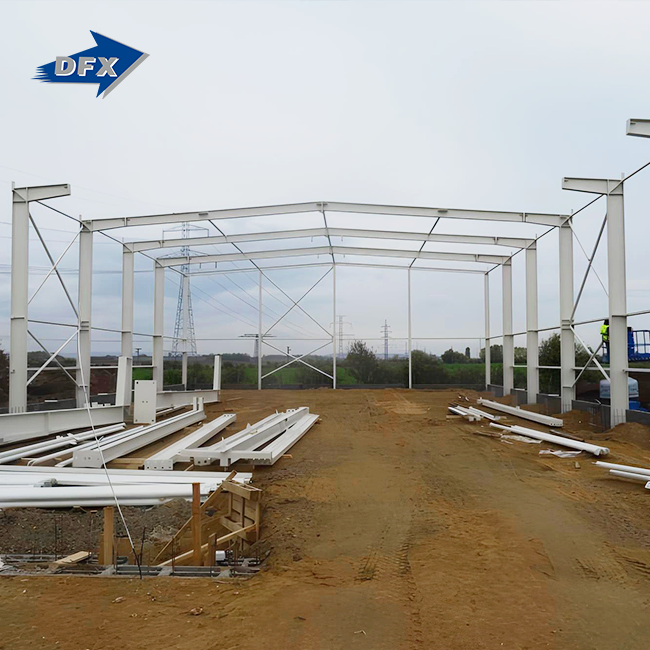
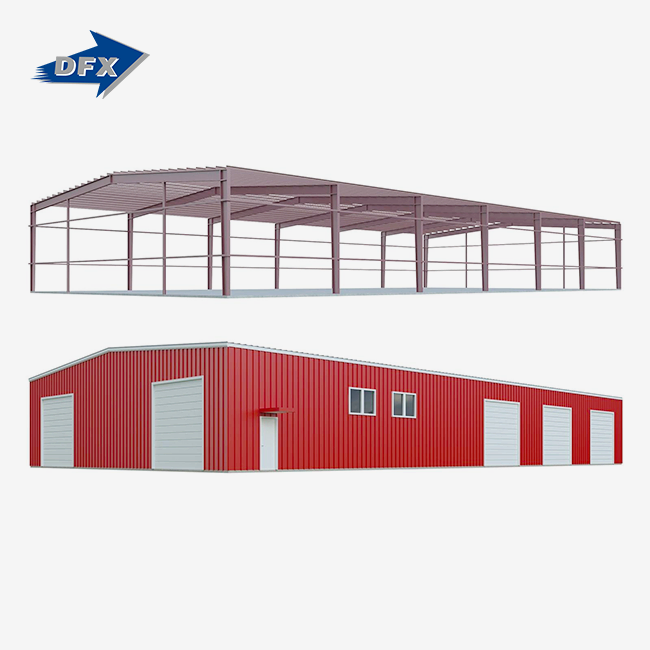
Luxury equestrian hangars combine cutting-edge structural steel engineering with elegant architecture to revolutionise horse housing. Clear-span stables eliminate internal columns, creating unbroken interiors over 200 feet for dressage arenas, show jumping courses, and climate-controlled training. For discriminating equestrian estates and professional training centres, these buildings promote durability, animal welfare, and operational excellence with welded H-section steel frames and strengthened bracing systems.

Understanding Luxury Equestrian Hangars: Definition and Benefits
What Sets Luxury Equestrian Hangars Apart?
Luxury equestrian hangars, inspired by aircraft engineering, provide large, clear facilities for high-performance equine activities. Cold-formed or hot-rolled steel beams with yield strengths of 50 ksi provide large clear spans without sacrificing safety. Luxury equestrian hangars house grandstands, veterinary stations, and modern technology in a climate-controlled container.
Equines emit ammonia, which steel components are protected from by hot-dip galvanisation or epoxy primer coatings. Corrosion resistance improves structural longevity beyond 50 years, beating rot- and termite-prone wood alternatives. This reduced fire risk lowers insurance costs, benefiting high-value breeding enterprises over time.
Core Advantages for B2B Stakeholders
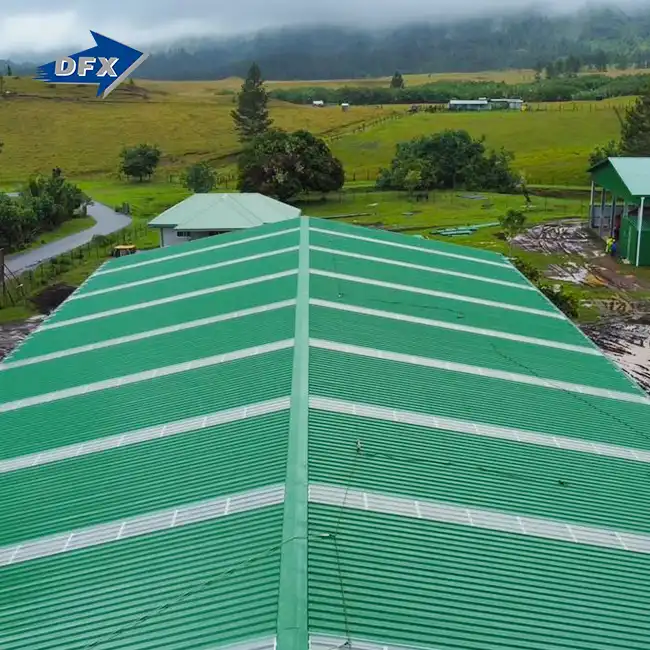
Translucent light panels with UV filters increase natural illumination and minimise heat absorption, lowering power costs and improving training visibility. Acoustic perforated liner panels reduce reverberation, calming sensitive sport horses, who react to noise.
Improved animal welfare improves performance. R-30 roof and R-25 wall aluminium panels avoid arena footing damage and respiratory health issues from moisture. Keeping 4-8 air changes per hour minimises ammonia stratification, a major cause of horse respiratory illness. In competitive marketplaces, luxury facilities fetch premium sale prices due to operational efficiency.
Design and Construction Considerations for Custom Luxury Equestrian Hangars
Material Selection and Structural Framework
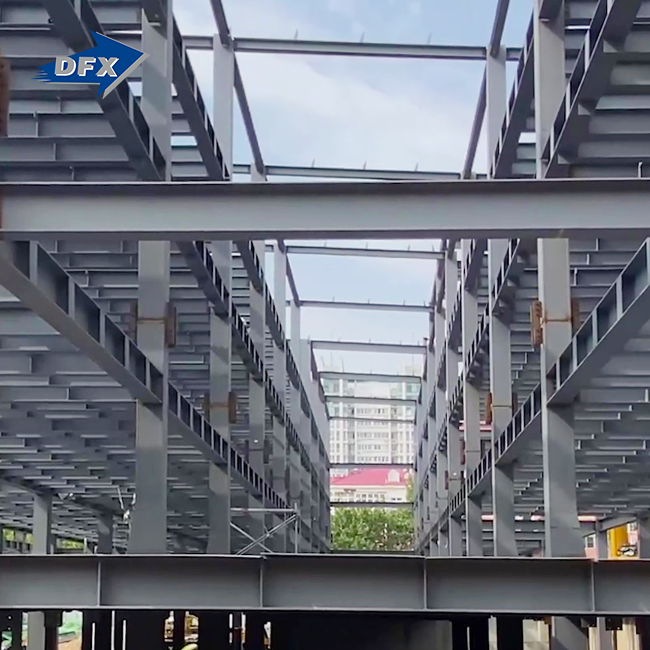
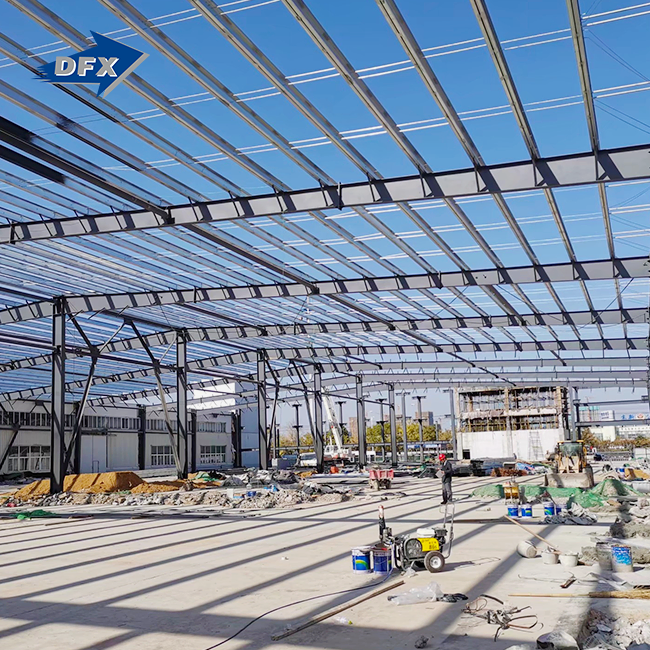
Steel frames dominate luxury equestrian hangar buildings due to their strength-to-weight ratios and architectural flexibility. ISO9001-compliant welded H-section beams can support hanging arena lighting, HVLS fans, and automatic watering systems without structural changes. Regional construction rules need reinforced bracing to withstand strong wind uplift and seismic stresses.
At column bases, where bedding and manure promote corrosion, procurement managers must check ASTM A123/A123M zinc coating thickness compliance. CE accreditation verifies European safety standards, easing international project approvals and finance.
Advanced Ventilation and Climate Control Systems
Ammonia reduction requires a ventilation strategy. Air quality is maintained using ridge vents, sidewall inlets, and mechanical exhaust fans, such as in a luxury equestrian hangar. Designers can place apertures for optimal airflow by identifying dead zones where gases concentrate using computational fluid dynamics modelling.
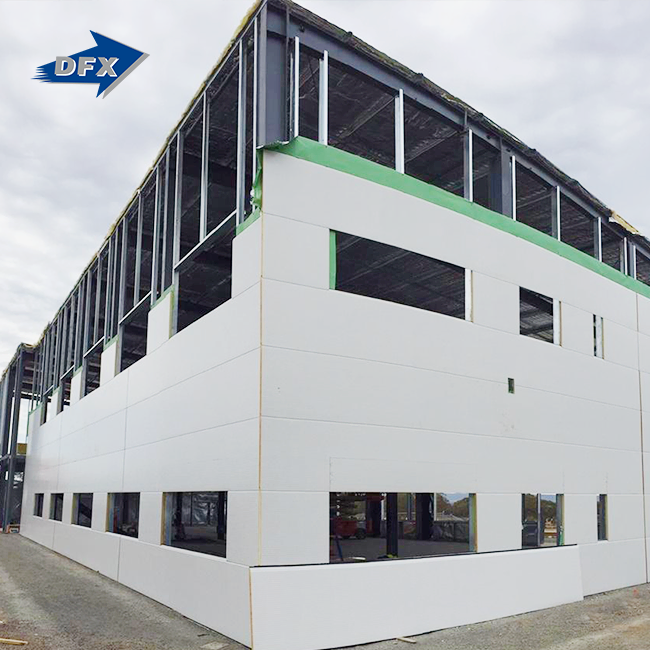
Insulated metal panels reduce thermal bridging, keeping sub-zero interiors warm. Thermal stability safeguards plumbing and horse muscle health during winter training. Vapour barriers on the heated side of insulation prevent moisture from pouring onto expensive arena flooring, a major failure point in poorly built luxury equestrian hangars.
Acoustic Engineering and Lighting Integration
Industrial buildings' metallic echo is eliminated via perforated steel liner panels and open-cell insulation. This acoustic dampening keeps horses calm during rainstorms and heavy winds, allowing training to continue.
Natural illumination helps stabled horses regulate their circadian rhythm without artificial lights. Strategically placed transparent panels provide consistent illumination without casting harsh shadows on riders during jumping or dressage workouts.
How to Build a Custom Luxury Equestrian Hangar: Step-by-Step Approach?
Initial Assessment and Planning Phase
Project success starts with clear goals. Breeding operations, training facilities, and event hosting demand different design requirements; thus, procurement teams must specify them. Regulatory compliance studies reveal project-affecting local zoning constraints, environmental impact assessments, and permitting deadlines.
Budgeting involves thorough cost breakdowns for foundation construction, structural steel fabrication, insulation, and finishing materials. Contingency reserves of 15-20% cover unexpected site circumstances and material price variations in big building projects.
Manufacturer Selection and Material Sourcing
Finding reputable luxury Equestrian hangar suppliers requires attention. ISO and CE-certified manufacturers have mature quality management systems. Manufacturing capacity matters—automated welded H-beam lines and sandwich panel manufacturing assure fabrication tolerances and on-time delivery.
Requesting extensive engineering calculations ensures structural snow loads, wind ratings, and seismic criteria are satisfied. From architectural design to on-site installation, turnkey suppliers simplify project management and decrease subcontractor confusion.
Construction Execution and Quality Verification
Site preparation creates drainage slopes and foundations for concentrated column loads. Concrete grade rings must retain arena footings and prevent soil moisture wicking.
Precision sequencing ensures structural alignment during steel installation. Non-destructive testing checks welded connections, especially moment-resisting joints that resist lateral loads. Luxury Equestrian Hangar. Final examinations measure air change rate and thermal imaging to find insulation gaps in ventilation systems.
Comparing Luxury Equestrian Hangar Solutions: Making Informed Decisions
Prefabricated versus Custom-Engineered Options
Prefabricated hangar systems save procurement times by 30-40% due to uniform dimensions and faster delivery. These techniques work for rectangular constructions under 120 feet. Factory manufacturing economies reduce costs, but customisation is confined to pre-defined configurations.
Custom-engineered luxury equestrian hangars support specific equipment, fit uneven site geometry, and complement estate aesthetics. The principal structure might include viewing lounges, veterinarian examination suites, or integrated tack rooms due to design flexibility. Engineering expenses rise 15-25%, yet the facility meets operating needs without compromise.
Steel versus Timber Construction Analysis
Steel's dimensional stability minimises warping and settling typical of heavy timber frames, avoiding door realignment and structural modification expenditures. High-value breeding stock and competitive horse facilities have lower insurance costs because fire resistance ratings exceed wood alternatives.
Modern luxury equestrian hangars have wood-grain treatments and architectural cladding, while timber enthusiasts prefer natural materials and warmth. When considering replacement cycles, pest management costs, and fire damage concerns over 30-year operational spans, lifecycle cost studies favour steel.
Insulated versus Non-Insulated Design Economics
Climate zones determine insulation needs. In temperate climates with few temperature extremes, uninsulated shells can reduce construction costs by $8-12 per square foot. Energy modelling shows operational costs sometimes outweigh insulating investments after 5-7 years.
Insulated interiors reduce heating and cooling loads and minimise moisture damage to equipment and arena surfaces. These environmental controls lengthen breeding and training seasons, creating revenue potential unachievable in uninsulated facilities vulnerable to weather.
Procuring Your Luxury Equestrian Hangar: Trusted Brands and Services
Evaluating Manufacturer Credentials and Capabilities
Equestrian project portfolios set leading steel structure manufacturers apart. Since 2011, companies with specialised manufacturing facilities above 40,000 square metres have had the capacity and competence for complicated bespoke fabrication. Strong supply chain management and labour stability enable 20,000 tonnes of welded structural steel each year.
Architectural design services in manufacturing improve engineering-production collaboration. Vertical integration lowers translation mistakes between design and manufacturing entities, speeding project schedules and ensuring specification correctness.
Customisation Scope and Installation Support
Comprehensive luxury equestrian hangar providers provide site-specific load estimates, customised design for particular spatial needs, and comprehensive manufacture of major and secondary structural parts. Installation guide packages contain full erection drawings, connection specifications, and on-site technical consulting throughout important construction phases.
Post-sale assistance includes 10-15-year structural performance warranties for key frame systems. Tech support handles field adjustments and expansion planning as operating needs change, safeguarding initial facility investments with flexible infrastructure.
Initiating Procurement Enquiries Effectively
Detailed RFPs improve vendor response accuracy. Dimensional requirements, building utilisation with load circumstances, site location for climatic parameter assessment, and delivery schedules are crucial. Architectural conceptions or reference pictures assist manufacturers in grasping aesthetic demands beyond functional standards.
Requesting material certificates, welding technique qualifications, and third-party inspection protocols during the first queries helps procurement managers. Quality assurance documents promote supplier credibility and aid vendor selection before contracting.
Conclusion
Premium horse operations require advanced technical solutions like custom luxury equestrian hangars. Steel construction outperforms traditional building technologies in durability, design flexibility, and efficiency. Facilities satisfy practical and aesthetic criteria with careful design, manufacturer selection, and ventilation, insulation, and acoustic elements. Properly constructed buildings decrease maintenance, improve horse welfare, and support different equestrian activities.
FAQ
1. What delivery timelines should we expect for custom equestrian hangars?
Custom fabrication takes 8-12 weeks after engineering clearance, depending on project complexity and production queue. Construction sequencing is optimised by continuous steel component manufacture and site preparation. Weather-resistant materials allow year-round construction, although freeze-prone areas may delay foundation work.
2. How do these structures perform in extreme weather conditions?
Using load-specific design calculations, steel frames handle regional wind speeds, snow accumulations, and seismic activity. Insulation and ventilation keep interiors cool in severe temperatures, while corrosion-resistant coatings protect structures in humid coastal areas or harsh winters.
3. What maintenance protocols extend structural lifespan?
Annual inspections check fastener tightness, high-wear coating integrity, and ventilation system operation. Periodic cleaning eliminates dust and organic debris that retains moisture on steel surfaces. Luxury equestrian hangars just need cleaning and periodic touch-up painting, unlike wood structures that need termite treatments and rot repairs.
Partner with DFX for Your Premier Equestrian Facility
Qingdao Director Steel Structure Co., Ltd. (DFX) has over 12 years of experience making quality steel structures for challenging applications globally. Our 40,000-square-meter production plant has six automated welded H-beam lines and 200 professional specialists that offer CE-certified, ISO9001-compliant structural solutions. As a reputable Luxury Equestrian Hangar provider, we help your project from structural calculations to installation to satisfy strict performance criteria. Email jason@bigdirector.com for bespoke equine hangar needs and full technical ideas customised to your operating concept.
References
1. American Institute of Steel Construction. (2017). Steel Construction Manual, 15th Edition. Chicago: AISC.
2. Equine Facility Design Standards Committee. (2019). Guidelines for Design and Construction of Horse Housing Facilities. Lexington: American Association of Equine Practitioners.
3. Metal Building Manufacturers Association. (2020). Metal Building Systems Manual. Cleveland: MBMA.
4. National Fire Protection Association. (2018). NFPA 150: Standard on Fire and Life Safety in Animal Housing Facilities. Quincy: NFPA.
5. Sustainable Agricultural Systems Program. (2016). Environmental Control in Livestock Housing: Ventilation and Air Quality Management. Washington: USDA Agricultural Research Service.
6. Structural Steel Educational Council. (2021). Long-Span Steel Structures: Engineering Principles and Applications. Moraga: SSEC Publications.
Learn about our latest products and discounts through SMS or email