- English
- French
- German
- Portuguese
- Spanish
- Russian
- Japanese
- Korean
- Arabic
- Greek
- German
- Turkish
- Italian
- Danish
- Romanian
- Indonesian
- Czech
- Afrikaans
- Swedish
- Polish
- Basque
- Catalan
- Esperanto
- Hindi
- Lao
- Albanian
- Amharic
- Armenian
- Azerbaijani
- Belarusian
- Bengali
- Bosnian
- Bulgarian
- Cebuano
- Chichewa
- Corsican
- Croatian
- Dutch
- Estonian
- Filipino
- Finnish
- Frisian
- Galician
- Georgian
- Gujarati
- Haitian
- Hausa
- Hawaiian
- Hebrew
- Hmong
- Hungarian
- Icelandic
- Igbo
- Javanese
- Kannada
- Kazakh
- Khmer
- Kurdish
- Kyrgyz
- Latin
- Latvian
- Lithuanian
- Luxembou..
- Macedonian
- Malagasy
- Malay
- Malayalam
- Maltese
- Maori
- Marathi
- Mongolian
- Burmese
- Nepali
- Norwegian
- Pashto
- Persian
- Punjabi
- Serbian
- Sesotho
- Sinhala
- Slovak
- Slovenian
- Somali
- Samoan
- Scots Gaelic
- Shona
- Sindhi
- Sundanese
- Swahili
- Tajik
- Tamil
- Telugu
- Thai
- Ukrainian
- Urdu
- Uzbek
- Vietnamese
- Welsh
- Xhosa
- Yiddish
- Yoruba
- Zulu
How to Paint a Plane: Going Inside the Paint Hangar
Painting an aircraft is a meticulous operation requiring precision, controlled environments, and specialized infrastructure. The process unfolds inside an aircraft paint hangar structure—a purpose-built facility that integrates environmental controls, advanced ventilation, and safety systems to deliver flawless finishes. These structures eliminate contaminants like dust and regulate temperature and humidity, ensuring paint adhesion and curing meet aerospace standards. The hangar functions as a "machine for painting," transforming raw airframes into polished, livery-ready aircraft while maintaining strict compliance with EPA and OSHA regulations.

Understanding Aircraft Paint Hangar Structures: What Makes Them Essential?
Purpose-Built Facilities for Aerospace Quality
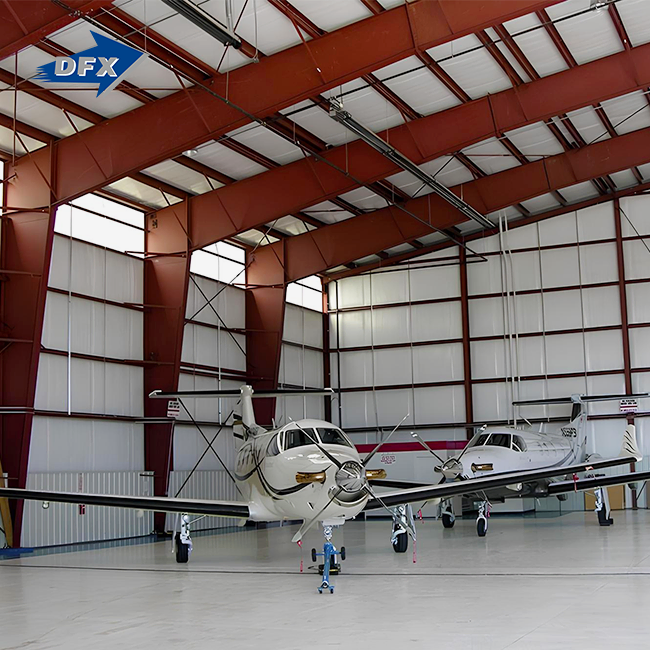
An aircraft paint hangar structure is very different from a normal repair hangar. Controlled airflow dynamics and contamination prevention systems are built into these facilities to make a place where paint application can reach aerospace-grade quality. The structure controls the removal of Foreign Object Debris (FOD), the capture of Volatile Organic Compounds (VOCs), and the thermal healing processes. These are all very important for lowering the time an aircraft spends on the ground and making sure it follows the rules.
The people in charge of purchasing and engineering know that these hangars fix problems that make it hard to paint in regular rooms. Paint may not dry properly if the humidity level is not carefully controlled (usually kept between 40 and 70% relative humidity). This can cause extra work to be done and cause delays. Temperature stability between 60°F and 80°F makes sure that the viscosity stays the same during application, which stops the runs and sags that happen in chaotic settings.
Compliance and Safety Standards
Facilities that finish aeroplanes have to follow the rules set by NFPA 409 Group I and NFPA 33. These rules cover things like putting out fires and handling dangerous materials. Explosion-proof lighting with Colour Rendering Index (CRI) values above 90 is built into the structure. This lets technicians accurately check colour matching and find defects. Three-stage filtration systems and Regenerative Thermal Oxidisers (RTOs) clean the air of dangerous pollutants before it goes out the exhaust. This makes sure that the EPA 6H emissions rules are followed.
These technical requirements aren't just paperwork; they have a direct effect on how well the business runs and how safe the workers are. A well-designed hangar lowers insurance costs, keeps environmental damage to a minimum, and makes the workplace safer for painters who are exposed to chemical fumes from coatings and chemical cleaners.
Key Design and Functional Features of Aircraft Paint Hangars
Structural Engineering and Materials
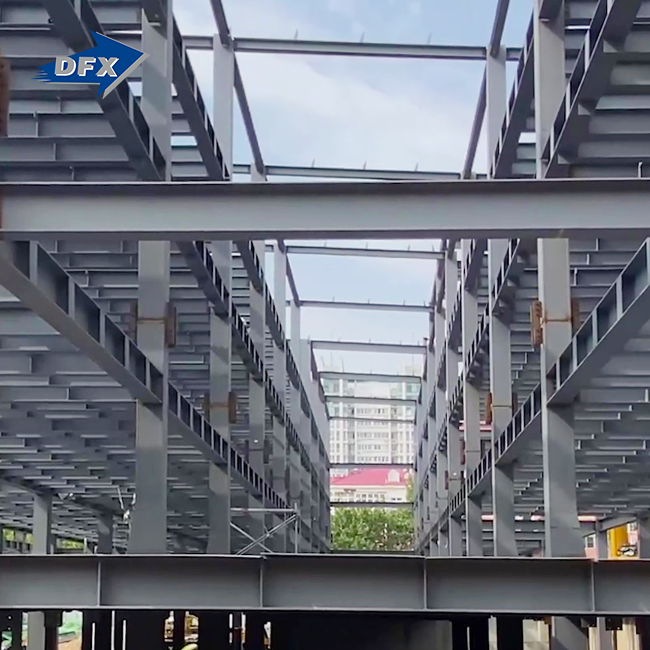
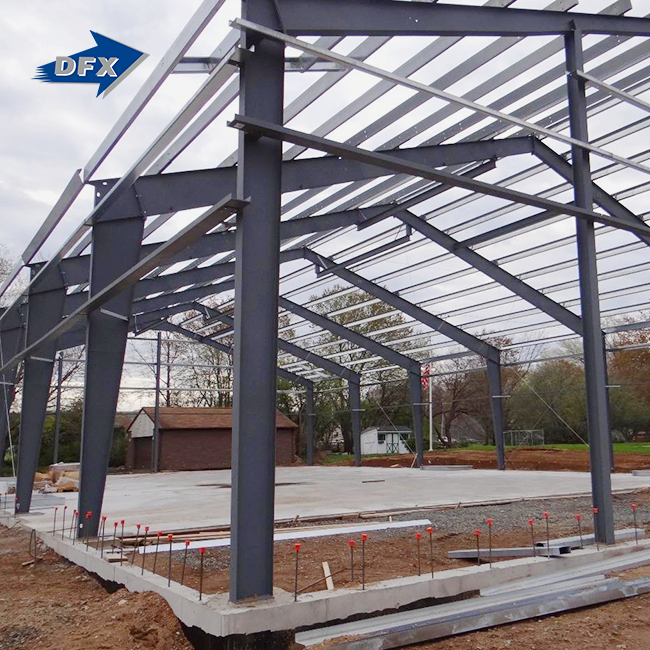
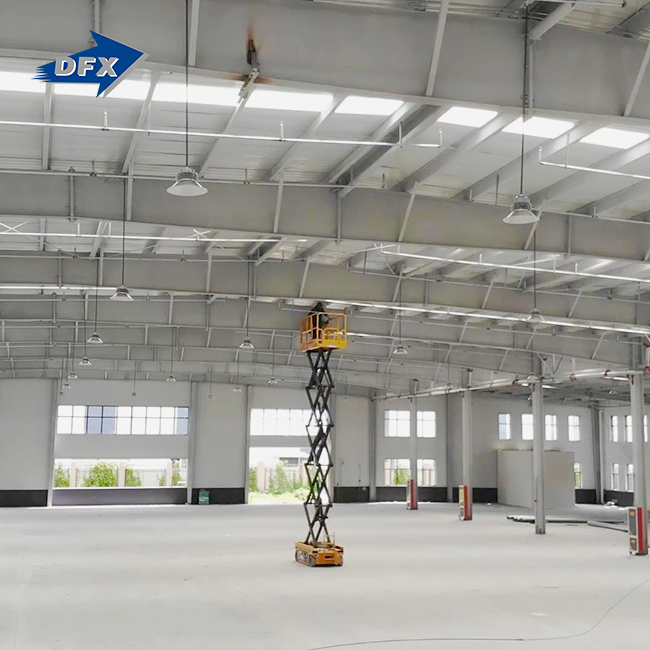
Modern paint hangars use clear-span Pre-Engineered Building (PEB) designs that can fit the wingspans and vertical stabilisers of wide-body aircraft without blocking the columns inside. Director Steel builds these structures with welded H-section steel main frames and reinforced bracing systems. This gives them the strength they need to hold heavy HVAC equipment and door systems that are more than 100 feet long.
Most hangars are made of long-span steel and have a lot of space between the beams. They are often 80 feet high so that business jets can be painted from the vertical position. These structures are made in China in ISO-certified factories and meet international standards for CE, COC, and PVOC. This makes them reliable for use in markets around the world. The service includes structural calculations, custom designs, manufacturing, and installation instructions, all of which are very important for EPC workers who are in charge of complicated flight projects.
Environmental Control Systems
Managing airflow is the most important part of running an aircraft paint hangar structure. The industry is dominated by two main designs:
Downdraft Systems push dirty air down through drainage pits in the floor, creating smooth flow that keeps overspray from sticking to freshly painted surfaces. This plan is of higher quality, but it takes a lot of civil engineering work to put in concrete exhaust pipes under the hangar floor. During commissioning, anemometers placed at critical areas around the fuselage measured and confirmed that airflow speeds stayed between 60 and 100 feet per minute (FPM) throughout the aircraft envelope.
Cross-Draft Systems move air horizontally across the hangar, from walls that filter air coming in to plenums for exhaust on the other side. This layout works better with slab supports that are already there, which lowers the cost of building. Controlling airflow, on the other hand, needs careful engineering to avoid turbulence zones where overspray could land on surfaces that are already dry. Variable Frequency Drives (VFDs) on blower motors let painters change the airflow depending on the painting phase. For example, the motor can run at full capacity during spraying and switch to recirculation mode during curing to save energy.
Real-time environmental monitoring systems are built into modern buildings. These systems keep an eye on things like temperature, humidity, and particulate count, and they automatically change HVAC settings to keep conditions at their best. When compared to older single-pass air systems, these ones use up to 50% less energy.
Safety and Fire Protection
Class I, Division 1 explosion-proof electrical systems must be used throughout paint hangars that store flammable liquids and make combustible overspray. To keep sparks from starting in dangerous environments, lighting fixtures, switches, and control panels must meet strict explosion-proof standards. When heat monitors sense that the temperature is rising too quickly, fire control systems, which are usually foam deluge or water mist systems, go into action instantly.
Chemical strippers don't damage or accumulate static charges on materials used for interior linings because they are solvent-resistant and don't catch fire. Smooth inner surfaces have fewer ledges where dust could collect and lower the quality of the air, and sealed wall panels keep outside contaminants out.
Step-by-Step Guide to Painting a Plane Inside the Hangar
Surface Preparation and Masking
The first step in painting is to treat the surface thoroughly. When planes arrive, their old paint has been stripped off with chemicals or abrasives, revealing aluminium or composite bases. Technicians use alkaline cleaners to get rid of oils and other impurities on surfaces, and then they rinse them well to make the base ready for the primer to stick to.
Masking keeps overspray away from windows, door seals, engine intakes, and sensor holes. Precision masking takes hours of work on commercial planes, but it saves a lot of money in rework. The controlled environment inside the hangar keeps wind-blown dirt and dust from getting on wet masking tape adhesives, which is a common problem when painting outside.
Primer and Topcoat Application
Commercial aeroplanes are mostly painted with electrostatic spray systems because they work quickly and evenly. When paint particles leave the spray gun, these systems charge them. This makes the paint particles magnetically attracted to aeroplane surfaces that are grounded. Compared to traditional HVLP (High Volume Low Pressure) systems, this technology cuts down on overspray waste by 30–40% and makes the coating thickness more even.
Painters work from hydraulic platforms set up around the plane, adding paint in several passes to make base layers that won't rust. The finish is applied after the prep has dried, which usually takes two to four hours at a controlled temperature. Manufacturers and airlines define exact colour formulations, and workers use spectrophotometers to make sure the colours are correct before they are applied all the way through. Inside the hangar, the CRI >90 lighting makes sure that artists can see small differences in colour that would be missed by normal industrial lighting.
The ventilation system in an aircraft paint hangar structure works at full speed while spraying, pushing fumes and extra spray away from the work areas while keeping a smooth flow of air that doesn't stir things up. Operators keep an eye on pressure differences to make sure that the garage always has a slight negative pressure compared to the outside world. This keeps VOCs inside the scrubber system.
Curing and Quality Inspection
The hangar goes into drying mode after the last coat is applied. To speed up paint polymerisation, operators change the ventilation to recirculation and raise the temperature to 80–90°F. Controlling humidity stops moisture from condensing on surfaces that are drying, which can lead to flaws like blushing or poor shine.
Quality testers look at the finish in bright light, looking for runs, sags, an orange peel structure, and even colour. A paint thickness measure checks that the coating meets the manufacturer's requirements, which are usually between 3 and 6 mils for the primer and topcoat put together. Any flaws found need to be sanded down and re-coated in a specific area. This is easier to do in a controlled environment that keeps the repair work from getting contaminated.
Comparing Aircraft Paint Hangar Structures: Finding the Best Fit for Your Needs
Traditional vs. Modular Construction
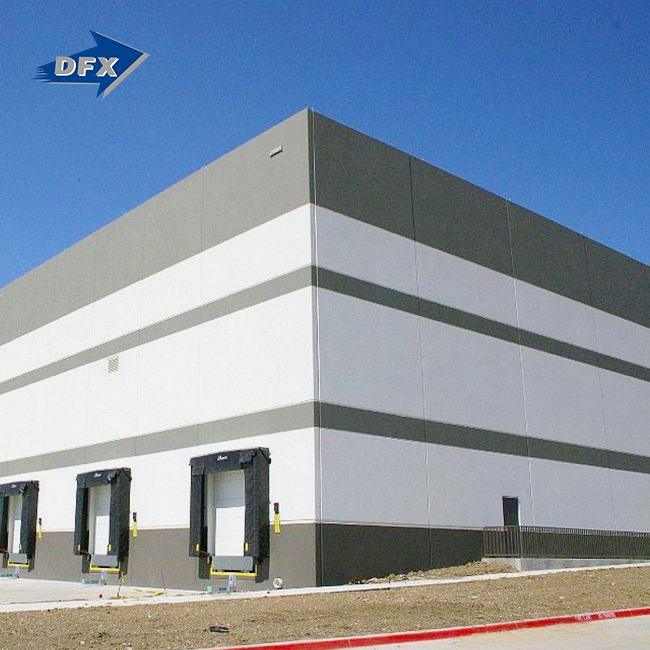
In traditional hangar construction, steel or concrete structures are built on-site and then adjusted to meet the needs of the operation. These buildings give you the most options for layout, ceiling height, and putting in equipment. The building process usually takes 12 to 18 months, and the initial cost can be anywhere from $5 million to $15 million, depending on the size and specifications. Traditional construction is good for high-volume MRO facilities and OEM final assembly lines that need to last for decades.
Modular hangar systems use premade parts that are made away from the building site and put together quickly on supports that have already been prepared. Direct Steel's modular method cuts construction time down to 3–6 months, which speeds up the project's return on investment (ROI) and keeps operations running as smoothly as possible. These buildings use the same welded H-beam technology and strengthened bracing as regular ones, but the quality of the construction is controlled in the plant, and the production plans don't depend on the weather.
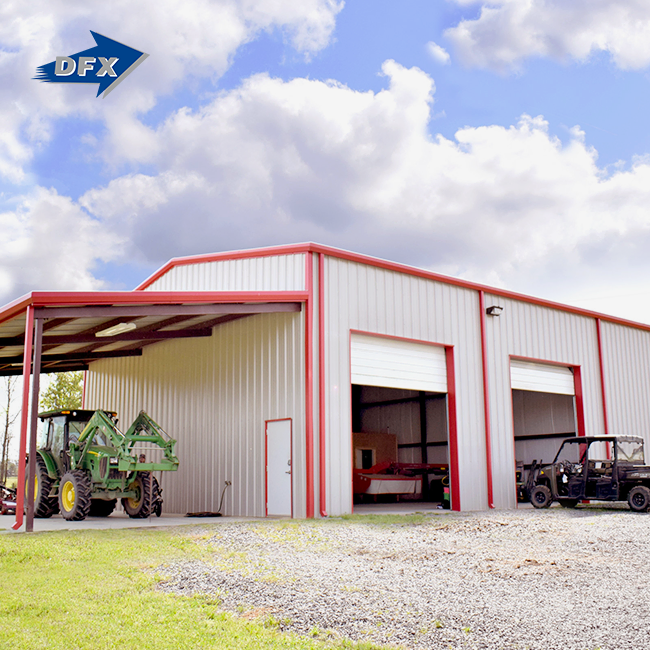
Contractors who are in charge of building infrastructure for the government or airlines that need to increase their maintenance capacity quickly like modular solutions. The structures can be taken apart and moved if operating needs change, which is helpful for short-term military missions or seasonal farm aviation operations.
Cost Drivers and Lifecycle Value
Figuring out how costs are structured helps people make good spending decisions. 15–20% of the total cost of a job goes to foundation work. This is especially true for downdraft systems that need vent pits below grade. 25–35% of the investment goes to HVAC systems. More advanced filtration and thermal oxidation equipment costs more, but it's necessary to meet regulations and run efficiently.
The cost of a steel building depends on how long it needs to be and how much materials cost in your area. Hangars for Boeing 787 or Airbus A350 planes need clear spans of more than 300 feet, which means they need stronger support parts than hangars for regional jets. Customised fabrication usually takes 8–12 weeks to deliver from the time engineering approves the design to the time it ships, which should be taken into account when planning project schedules.
Compared to older systems, energy-efficient designs with VFD-controlled motors, LED lights that won't explode, and insulated wall panels cut yearly operating costs by $50,000 to $100,000. Over 20–30 years of service, these savings add up, making the lifetime return on investment much better.
Trustworthy Suppliers and Support Services for Aircraft Paint Hangar Structures
Evaluating Manufacturer Credentials
When choosing an aircraft paint hangar structure provider, you need to look at their technical skills, project knowledge, and ability to meet certification requirements. This company, Qingdao Director Steel Structure Co., Ltd., has been making big steel buildings for flight uses for more than 12 years. The company has six automatic welded H-beam production lines that can make 20,000 tonnes of steel each year. They work in 40,000 square meters of enclosed production space and have more than 200 trained workers.
All production steps are controlled by ISO 9001 quality management systems, which make sure that everything is consistent and can be tracked. For foreign projects, CE certification is very important because it shows that the product meets European safety and efficiency standards. The company has built aircraft hangars, industrial plants, and large equipment shelters on several continents, showing that it is good at complex structural engineering.
Turnkey Solutions and Engineering Support
Leading suppliers are different from commodity steel fabricators because they offer a wide range of services. In-house architectural design teams create unique hangar plans that meet the needs of each client in terms of process and equipment integration. Structural engineers figure out how much weight something can hold by taking into account things like HVAC equipment, crane systems, and the wind and earthquake conditions in the area. Detailing services make fabrication models and construction plans that make installation go more smoothly and make it easier for people to work together in the field.
Installation instructions make sure that contractor teams put together structural parts correctly, meeting design tolerances that are important for door operation and weathertight envelope performance. This help is very helpful for EPC workers who are in charge of turnkey aviation projects and have to deal with financial fines for being late.
After-Sales Support and Financing Flexibility
Reliable companies back their products with warranties that cover the durability of the coating and the strength of the structure. Technical support during testing helps workers fix problems with environmental control systems and make HVAC systems work better. Some suppliers offer flexible ways to buy, like lease-purchase agreements that match capital spending with operational cash flow. This is especially appealing to businesses that use agricultural aircraft and regional maintenance operators.
Building partnerships with suppliers who have a lot of experience lowers the risk of a project and makes sure that you can get engineering help throughout the lifecycle of a facility. Operators get partners who know what the flight industry needs and can help them with things like updating their safety, making their operations more efficient, and adding more space as their needs change.
Conclusion
Painting aeroplanes needs special equipment that was made to control external factors that affect the quality of the finish and comply with regulations. Procurement managers and project engineers can make smart investment choices when they understand the engineering behind aircraft paint hangar structures, such as how airflow works, how to put out fires, and how long the structures can run. No matter if you choose standard or modular building, the facility must have clean environments, use little energy, and be dependable for many years. When you work with certified manufacturers that offer full support from design to installation, you can be sure that projects will meet technical requirements, meet deadlines, and stay within budget. You can also add aviation finishing capabilities that make your business more competitive.
Frequently Asked Questions
1. What distinguishes paint hangars from general maintenance facilities?
Paint hangars are more like precise environmental rooms than just safe places to be. They have electrical systems that can't explode, laminar airflow ventilation that can reach speeds of 60 to 100 FPM, and solvent-resistant linings on the inside. Standard maintenance hangars don't have the three-stage filtration, VOC abatement systems, or Class I Division 1 safety certifications that are needed for painting with chemical strippers and coatings that can catch fire.
2. Can existing hangars be turned into places to paint?
As part of retrofitting, a "booth-in-a-box" system is installed. This is a steel structure that is built inside existing shells to hold filtration and airflow equipment. To be successful, the base must be strong enough, the electrical service must be upgraded to meet explosion-proof standards, and the ceiling must be high enough to fit ventilation ducts. Civil engineering studies find out if something is possible and if it is cheaper to fix something than to build something new.
3. How do downdraft and cross-draft systems compare?
Downdraft setups produce better finish quality by pushing overspray downhill and away from aircraft surfaces. This reduces the need for redeposition and rework. But they need exhaust pits to be dug out from under the hangar floor, which raises the cost of civil construction. Cross-draft systems are more cost-effective because they can be used with existing slabs, but they need careful airflow planning to keep things from getting rough. The best choice is usually determined by the project budget and the conditions of the site.
Partner with DFX for Your Aircraft Paint Hangar Structure Needs
Aviation building projects need suppliers who are both great at making things and offer a lot of technical help. Director Steel has provided aircraft paint hangar structures to commercial MRO facilities, military depots, and OEM assembly plants all over the world. Their quality, dependability, and ability to complete projects completely on time have earned them praise. Our welded H-section steel construction with reinforced bracing gives your painting operations the structural integrity they need. ISO 9001 and CE certifications make sure that it meets international standards.
Whether you're an EPC contractor looking for suppliers for government infrastructure, a manufacturing project engineer planning an expansion of a facility, or a procurement manager looking for suppliers for aircraft paint hangar structures, our team can help you with everything from the initial structural calculations to commissioning the installation. Get in touch with jason@bigdirector.com to talk about your project needs and find out why more and more flight pros trust Director Steel to build mission-critical aerospace infrastructure.
References
1. National Fire Protection Association. NFPA 409: Standard on Aircraft Hangars. 2021 Edition.
2. American Conference of Governmental Industrial Hygienists. Industrial Ventilation: A Manual of Recommended Practice for Design. 30th Edition, 2019.
3. Federal Aviation Administration. Advisory Circular AC 150/5220-4C: Aircraft Paint Facilities. U.S. Department of Transportation, 2020.
4. Society of Automotive Engineers International. ARP 1971: Recommended Practices for Paint Facility and Application of Organic Coatings. Revised 2018.
5. Environmental Protection Agency. National Emission Standards for Hazardous Air Pollutants: Aerospace Manufacturing and Rework Facilities. 40 CFR Part 63, Subpart GG.
6. Steel Construction Institute. Design of Pre-Engineered Buildings for Aviation Applications. Technical Publication SCI P387, 2017.
Learn about our latest products and discounts through SMS or email