- English
- French
- German
- Portuguese
- Spanish
- Russian
- Japanese
- Korean
- Arabic
- Greek
- German
- Turkish
- Italian
- Danish
- Romanian
- Indonesian
- Czech
- Afrikaans
- Swedish
- Polish
- Basque
- Catalan
- Esperanto
- Hindi
- Lao
- Albanian
- Amharic
- Armenian
- Azerbaijani
- Belarusian
- Bengali
- Bosnian
- Bulgarian
- Cebuano
- Chichewa
- Corsican
- Croatian
- Dutch
- Estonian
- Filipino
- Finnish
- Frisian
- Galician
- Georgian
- Gujarati
- Haitian
- Hausa
- Hawaiian
- Hebrew
- Hmong
- Hungarian
- Icelandic
- Igbo
- Javanese
- Kannada
- Kazakh
- Khmer
- Kurdish
- Kyrgyz
- Latin
- Latvian
- Lithuanian
- Luxembou..
- Macedonian
- Malagasy
- Malay
- Malayalam
- Maltese
- Maori
- Marathi
- Mongolian
- Burmese
- Nepali
- Norwegian
- Pashto
- Persian
- Punjabi
- Serbian
- Sesotho
- Sinhala
- Slovak
- Slovenian
- Somali
- Samoan
- Scots Gaelic
- Shona
- Sindhi
- Sundanese
- Swahili
- Tajik
- Tamil
- Telugu
- Thai
- Ukrainian
- Urdu
- Uzbek
- Vietnamese
- Welsh
- Xhosa
- Yiddish
- Yoruba
- Zulu
How to Optimize Workflow in an Automotive Assembly Workshop
To improve the flow of work in an Automotive Assembly Workshop, you must first understand how the building's structure and plan affect daily tasks. A well-designed steel-frame building with large industrial space makes it possible for assembly lines to work well, equipment to be placed in different ways, and materials to move smoothly. Manufacturers can greatly cut cycle times and boost flow while still meeting the high-quality standards needed for car production by addressing issues like limited space, trouble integrating equipment, and process bottlenecks during the facility design stage.

Understanding the Current Challenges in Automotive Assembly Workshop Workflow
Automotive factories have to deal with ongoing operating problems that have a direct effect on their ability to make money and meet project deadlines. Inefficient manual processes are still one of the biggest sources of lost productivity, especially in places where workers have to spend a lot of time moving parts from one desk to another. When equipment breaks down, it causes delays all along the assembly line. This is especially true when high cranes or conveyor systems stop working without warning. These problems are made worse by bad space utilisation; crowded desks make it hard for technicians to move around, and badly planned column placements block paths for moving materials.
When procurement managers and planning heads look at changes to a building, they need to know how these mistakes add up. Structure-based problems that cause production delays lead to missed delivery dates, unhappy relationships with suppliers, and higher labour costs. Companies lose out on competitive benefits when they try to use automation, but their workshop plans don't allow for current robotic assembly rooms or AGV traffic patterns. These problems are especially bad for buildings that are adding on to concrete structures because the plan can't be optimised because of load-bearing limits and column space issues. This would require expensive structural strengthening.
The Hidden Costs of Poor Workshop Design
Not only does bad Auto factory design cause production delays that can be seen, but it also makes quality control more difficult. Vibrations from pressing presses can travel through foundations that aren't properly separated, affecting the tuning of precision equipment in assembly areas next to them. Manufacturers have to put support columns right in the way of work because there aren't enough column-free areas. This makes blind spots for forklift workers dangerous and makes it harder for overhead cranes to cover everything. Changes in temperature in buildings that don't have the right protected covering systems can slow down the curing of paint and the joining of adhesives. These fundamental flaws are the result of choices about purchases that seemed cost-effective at the time but have limited operating freedom for decades.
Key Principles to Optimise Workflow in an Automotive Assembly Workshop
Workflow optimisation works best when you follow three linked rules that take into account both short-term business needs and long-term scalability. Strategic layout planning is the first step. It sets up spaces in a way that keeps things from having to be moved around too much while still allowing for changes in the process. Adding automation improves accuracy and speed, especially when doing repeated jobs where human error can cause quality problems. Embedded quality control systems allow for real-time flaw spotting, which saves money on repairs and makes sure that standards set by the car industry are met.
Strategic Layout Planning for Material Flow Efficiency
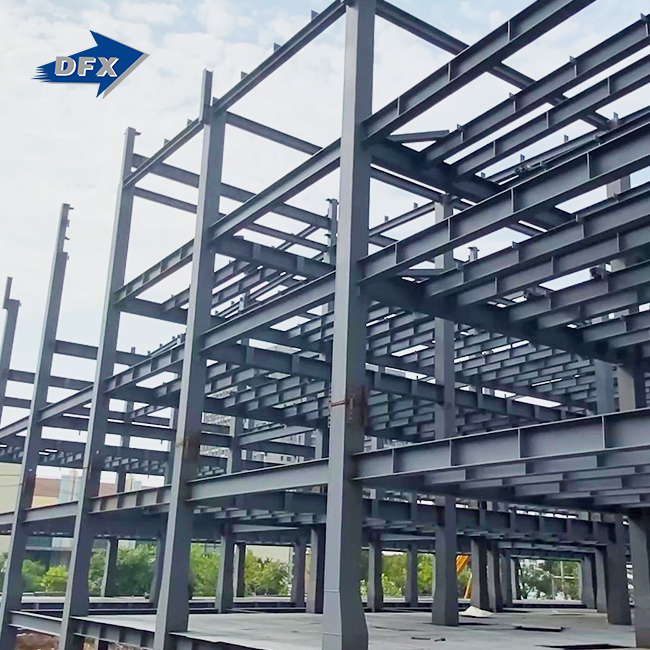
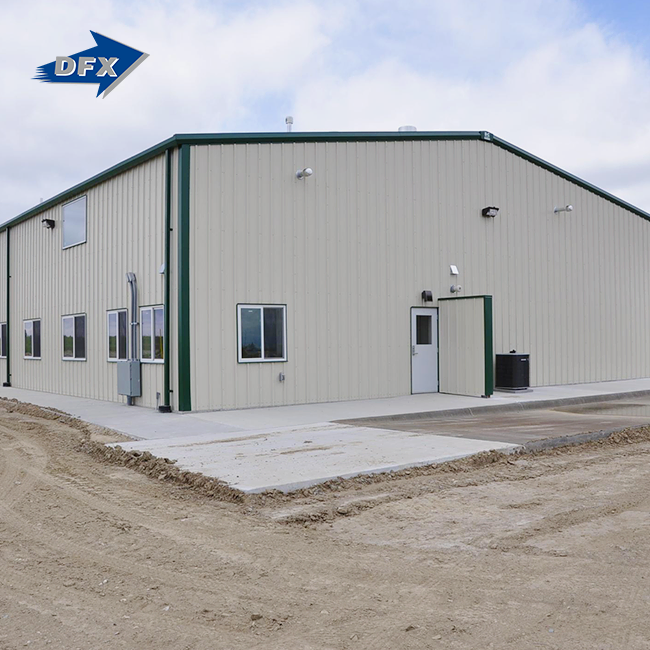
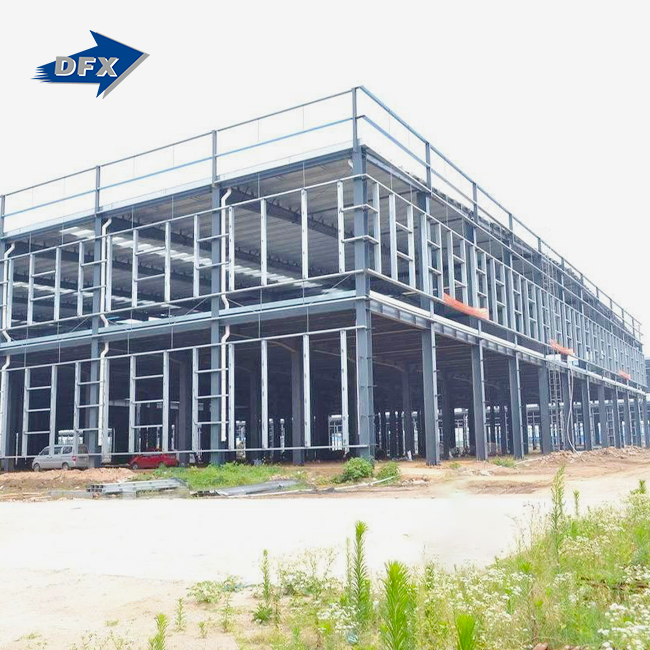
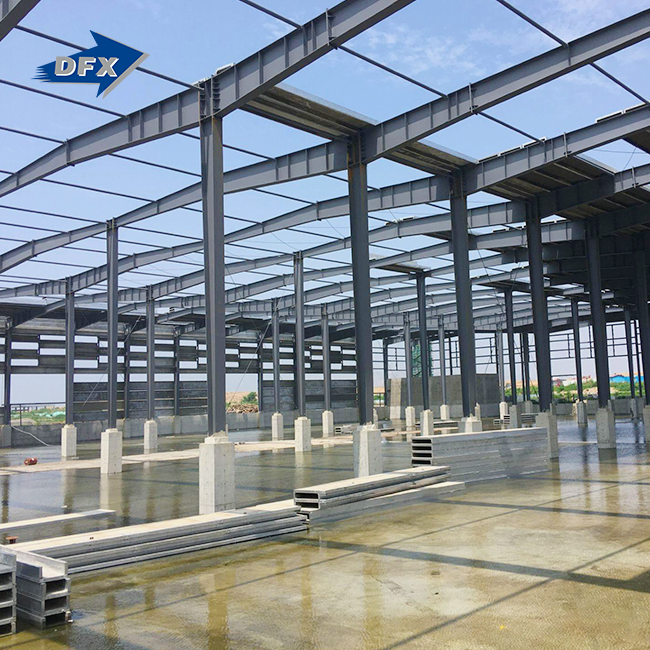
For workshop design to work well, it's important to make sure that materials can move freely during the building process. Large-span steel structures with welded H-section frames have internal areas with no columns that are longer than 30 meters. This lets makers place desks based on how the process works, not on how the structure works. When using lean production ideas like cellular plans or U-shaped assembly setups, this skill is very useful. Because bolted steel links are structurally flexible, they can be rearranged in the future without affecting the building's structure. This helps meet changing production needs as car technologies improve.
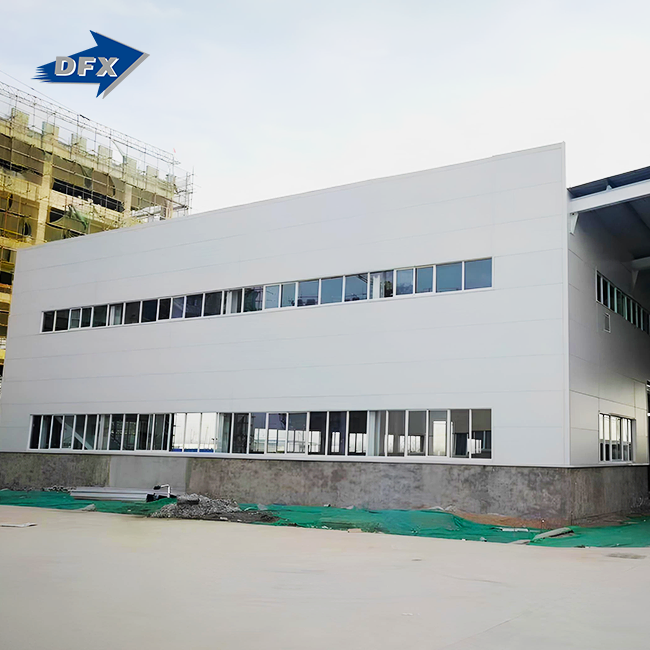
The choice of roofs and covering systems has a direct effect on how work gets done inside. Sandwich panels with polyurethane or rockwool cores provide better thermal insulation, keeping temperatures stable, which is important for precise robotic welding and paint application. Strategically placed plastic windows let in more natural light, which cuts down on the need for artificial lighting and makes it easier for technicians to see during quality checks. These external factors have a bigger effect on worker productivity and machine performance than many project managers realise at first when they are looking for a facility.
Balancing Automation With Operational Flexibility
Automation technologies can greatly increase output, but they need to be carefully planned and integrated. Fully automatic systems work best in settings with a lot of output and regular product specs. However, the initial cost and difficulty of scripting can make them too much for mid-sized producers. Combining automated material handling with manual assembly stations is often the best way to find the right mix. This way, people can still be flexible enough to do difficult jobs while getting rid of the need to do repetitive manual movement.
It is better to think about the building's structural needs for the Production line when it is being designed than to try to add them later. Overhead conveyor systems put a lot of point loads on roof trusses, so the chord members need to be stronger, and the secondary beams need to be placed exactly where they need to be. When installing a bridge crane, you need heavy-duty beams that can handle dynamic horizontal forces, especially for cranes that can hold more than 10 tonnes. Buildings made with C/Z steel purlins and properly designed connection details can handle these special loads without needing expensive structural support, which lowers the overall cost of the project compared to building with concrete.

Step-by-Step Workflow Optimisation Process
Systematic process improvement starts with full exams that measure present performance and point out specific problems. Time studies show how long materials spend moving versus being processed to add value, which shows where structure changes could be made. Process mapping shows how materials move through a system, showing when steps are taken too quickly or too many times. With this data-driven method, procurement managers can use real ROI forecasts instead of biased assessments to back up investments in tools and changes to facilities.
Conducting Effective Workflow Audits
Detailed building checks do more than just look at things; they also measure important performance indicators. A look at the cycle time of each assembly station shows uneven workloads that cause downtime or bottlenecks. Equipment utilisation rates show which assets aren't being used effectively and could be moved to a different task or removed. Using building management tools to do a spatial study shows where material flow and person traffic are slowed down. The audit results help make growth plans that focus on the most important problems while staying within the budget.
Applying Lean Manufacturing Techniques
Lean methods, such as 5S workplace organisation, make things look better right away and set up a routine for long-term wins. Sorting gets rid of tools and materials that aren't needed and are taking up space on desks, which saves time that would have been spent looking for parts. Systematic order puts things that you use often within easy reach, so you don't have to move around as much. Standardisation makes sure that work methods are the same between shifts, which cuts down on variation that leads to quality problems. These changes to operations have the biggest effect when put into place in properly planned facilities that have enough storage space, clear lane signs, and well-defined staging areas for materials. All of this is made possible by structural plans that make room for specific functional areas.
Kaizen continuous improvement techniques work well with 5S because they get field workers involved in finding small ways to make things better. Regular improvement sessions capture operator insights about equipment inefficiencies or process frustrations that engineering teams might overlook. This way of thinking about things keeps the optimisation progress going after the original facility upgrades are done, making sure that process improvements change as output needs do.
Comparison of Workflow Solutions: Manual, Automated, and Hybrid Systems
To choose the right process method, you need to look at how each one fits with your budget, production volume, and product complexity. Manual processes keep as much freedom as possible so that customised production runs and quick product changes can happen. This method works well for test sites or low-volume speciality manufacturing because operators can adapt to changes in the design without having to reprogram. Manual processes, on the other hand, make cycle times and quality inconsistent, which makes it harder to increase output as production numbers rise.
Fully automated systems offer high throughput rates and consistent accuracy, which are important in mass production settings. Robotic welding cells can control the tolerances very precisely over thousands of repeated welds, so they don't need human fatigue. Automated guided trucks move materials on exact dates, making sure that the supply of parts is in sync with demand at assembly stations. These skills take a lot of money, not just for robots but also for the infrastructure that supports them, like power transfer, compressed air systems, and complex control networks. Also, certain structural needs, like sound separation and highly focused loads, mean that buildings have to be built from the ground up to support automation instead of trying to add it later.
Hybrid Systems: Combining Strengths
In hybrid processes, technology is used only when it clearly helps, and people are still involved in more difficult jobs that need their judgment. Material handling automation eliminates the physical strain and time waste of manual transport, allowing workers to focus on skilled assembly operations. Quality inspection stations use both automatic vision systems to check the dimensions and human testers to look at the cosmetics in more detail. This balanced method is often the best way for mid-sized producers to increase output without having to commit to the expensive and difficult process of full automation.
Facility planning is a very important part of how well a mixed system works. Large-span steel structures enable manufacturers to allocate distinct zones for automated processing and manual assembly without structural columns disrupting workflow transitions between zones. The modular nature of bolted steel construction supports phased automation implementation—initially building for manual operations with structural provisions for future robotic cell installations. This adaptability is helpful for companies that aren't sure about their long-term automation plans but still want to keep the option open without having to make expensive structure changes in the future.
Procurement Considerations for Optimizing Your Automotive Assembly Workshop
Procurement strategies that work well balance short-term budget limits with long-term operating dependability and freedom for an Automotive Assembly Workshop. It's not enough to just compare prices when choosing a supplier; you also need to look at their technical support, shipping efficiency, and level of service after the sale. Instead of giving general building designs, manufacturers that offer full structure design services help optimise facility plans for specific process needs. By working together, people can find ways to lower the cost of materials while still improving their functionality. For example, using higher-grade Q355 steel in key spots can make spans longer with less material than using uniform Q235 specs.
Coordinating delivery times can have a big effect on the total cost of a job. Tight project plans can be met if providers provide accurate production tracking and coordinate shipping processes for steel building parts made in China and shipped within 25–48-day windows. Material safety badges, such as ISO9001 and CE marks, should be checked by procurement managers to make sure that structural parts meet foreign standards. This will cut down on the time it takes for regulatory authorities to give permission. ASTM material compliance makes sure that the qualities of the steel match the design standards. This is very important for buildings that need to support big crane loads or specialised equipment.
Custom Versus Off-the-Shelf Solutions
Standard building plans can save you money and get things to you faster, but they don't always make the best use of workflow for specific production methods. Custom-engineered facilities take operational needs directly into account when designing the structure. For example, columns are placed so that they don't get in the way of where equipment is supposed to go, roof load capacities are set so that future conveyor systems can work, and crane runway beams are built in during the initial fabrication process instead of being added later. This initial investment in customisation usually pays off in the long run by avoiding expensive upgrades and decreased functionality.
For non-critical systems, buying methods that are careful with money may sometimes look at high-quality used equipment. This method can lower the amount of money needed for extra tasks like storing materials or packing, freeing up funds for more important assembly line spending. But structural parts should be made from new materials and should have the right surface treatment and rust protection to make sure they last the 50 years that the plan calls for. When you skimp on building quality to save money at the start, it usually ends up costing you a lot more in repairs and replacements than the money you saved at the start.

Conclusion
Workflow optimization in automotive assembly environments requires integrated thinking about facility design, equipment capabilities, and operational processes. Large-span steel structures manufactured with welded H-section frames and bolted connections provide the spatial flexibility and load-bearing capacity that modern assembly operations demand. By addressing structural requirements during initial facility procurement rather than attempting retrofits, manufacturers avoid costly compromises that constrain efficiency for decades. Successful optimization combines strategic layout planning, appropriate automation integration, and lean manufacturing principles—all enabled by properly engineered facilities that support rather than hinder operational excellence.
FAQ
1. What structural features are most important for automotive assembly facilities?
Column-free spans exceeding 30 meters provide maximum layout flexibility for assembly line configurations and material transport routes. Heavy-duty roof structures capable of supporting overhead cranes ranging from 10 to 50 tons enable vertical material handling that preserves valuable floor space. Proper vibration isolation between stamping operations and precision assembly areas protects equipment calibration and product quality. Insulated cladding systems maintaining stable internal temperatures ensure consistent paint application and adhesive curing performance.
2. How do steel structures compare to concrete for assembly workshop construction?
Steel construction reduces project timelines by 30-50% compared to concrete, accelerating time-to-production and revenue generation. Superior seismic resistance protects expensive manufacturing equipment during earthquakes. Modular bolted connections enable future expansions or reconfigurations without halting operations. While initial material costs may appear higher, faster construction and operational flexibility typically deliver better total lifecycle value for manufacturing applications.
3. What procurement factors most affect long-term facility performance?
Supplier engineering support capabilities significantly impact how well the facility serves operational needs beyond basic enclosure functions. Comprehensive services, including structural design, fabrication quality control, and installation guidance, reduce coordination complexity and ensure component compatibility. Material certifications confirming ISO9001, CE, and ASTM compliance protect against structural deficiencies that could compromise safety or require costly remediation. Realistic delivery timelines with contingency planning prevent project delays that cascade into production launch postponements.
Partner With DFX for Your Automotive Assembly Workshop Solution
Manufacturing facilities demand structural solutions that enhance rather than constrain production efficiency. DFX, operating as Qingdao Director Steel Structure Co., Ltd., brings over 12 years of specialized experience in engineering large-span industrial facilities for Automotive Assembly Workshop operations. Our integrated capabilities spanning structural design, fabrication, and installation guidance ensure your workshop layout optimizes material flow while accommodating future equipment upgrades. As an experienced Automotive Assembly Workshop manufacturer, we understand the critical connection between facility design and operational performance.
Our 40,000 square meter production facility, equipped with six automatic H-beam welding lines, delivers the structural precision automotive applications require. ISO9001 quality systems and CE certification provide assurance that every component meets international standards critical for facilities supporting heavy dynamic loads. With typical delivery windows of 25-48 days and comprehensive installation support, we help project managers coordinate facility construction with equipment procurement schedules.
Contact our engineering team at jason@bigdirector.com to discuss how custom-designed steel structures can eliminate the workflow bottlenecks limiting your current production capacity. We'll analyze your specific assembly processes and develop structural solutions that support your automation strategy while preserving operational flexibility for future adaptations.
References
1. Rahman, S., & Ahmed, M. (2021). Lean Manufacturing Implementation in Automotive Assembly Plants: A Systematic Review. International Journal of Production Research.
2. Chen, J., & Wang, L. (2020). Structural Design Considerations for Heavy Industrial Manufacturing Facilities. Journal of Constructional Steel Research.
3. Thompson, R. (2022). Workflow Optimization Strategies in Modern Automotive Manufacturing. Society of Automotive Engineers Technical Paper Series.
4. Martinez, P., & Singh, K. (2021). Pre-Engineered Steel Buildings for Industrial Applications: Design and Performance Analysis. Engineering Structures Journal.
5. Liu, H., & Zhang, Y. (2020). Vibration Control in Multi-Story Steel Frame Structures Supporting Heavy Machinery. Journal of Sound and Vibration.
6. Anderson, T. (2023). Total Cost of Ownership Analysis for Manufacturing Facility Construction Methods. Construction Management and Economics.
Learn about our latest products and discounts through SMS or email