- English
- French
- German
- Portuguese
- Spanish
- Russian
- Japanese
- Korean
- Arabic
- Greek
- German
- Turkish
- Italian
- Danish
- Romanian
- Indonesian
- Czech
- Afrikaans
- Swedish
- Polish
- Basque
- Catalan
- Esperanto
- Hindi
- Lao
- Albanian
- Amharic
- Armenian
- Azerbaijani
- Belarusian
- Bengali
- Bosnian
- Bulgarian
- Cebuano
- Chichewa
- Corsican
- Croatian
- Dutch
- Estonian
- Filipino
- Finnish
- Frisian
- Galician
- Georgian
- Gujarati
- Haitian
- Hausa
- Hawaiian
- Hebrew
- Hmong
- Hungarian
- Icelandic
- Igbo
- Javanese
- Kannada
- Kazakh
- Khmer
- Kurdish
- Kyrgyz
- Latin
- Latvian
- Lithuanian
- Luxembou..
- Macedonian
- Malagasy
- Malay
- Malayalam
- Maltese
- Maori
- Marathi
- Mongolian
- Burmese
- Nepali
- Norwegian
- Pashto
- Persian
- Punjabi
- Serbian
- Sesotho
- Sinhala
- Slovak
- Slovenian
- Somali
- Samoan
- Scots Gaelic
- Shona
- Sindhi
- Sundanese
- Swahili
- Tajik
- Tamil
- Telugu
- Thai
- Ukrainian
- Urdu
- Uzbek
- Vietnamese
- Welsh
- Xhosa
- Yiddish
- Yoruba
- Zulu
Equipment Protection Shed: A Smart Solution for Outdoor Storage
Every season wears down the value of your equipment if it sits out in the rain, sun, or dust. An Equipment Protection Shed keeps trucks, engines, pumps, and other industrial tools safe from damage from the weather while still allowing them to be used for daily tasks. These buildings have strong steel frames and can be designed in a variety of ways, such as with closed panels or open sides, to fit different climates and types of equipment. Besides protecting against the weather, they also lower the risk of theft, stop corrosion, and increase the lifespan of assets by 30 to 50 percent compared to storing them outside. Whether you're in charge of a building yard, a factory or a farming business, buying the right outdoor shelters will save you money on replacement costs and keep your work flowing.

Understanding Equipment Protection Sheds – Definition and Core Benefits
Industries depend on expensive equipment that breaks down quickly when left outside. We've seen equipment break down because of moisture getting in, UV damage, and extreme temperatures. All of these problems can be avoided by properly sheltering the equipment.
What Sets These Structures Apart from Standard Storage
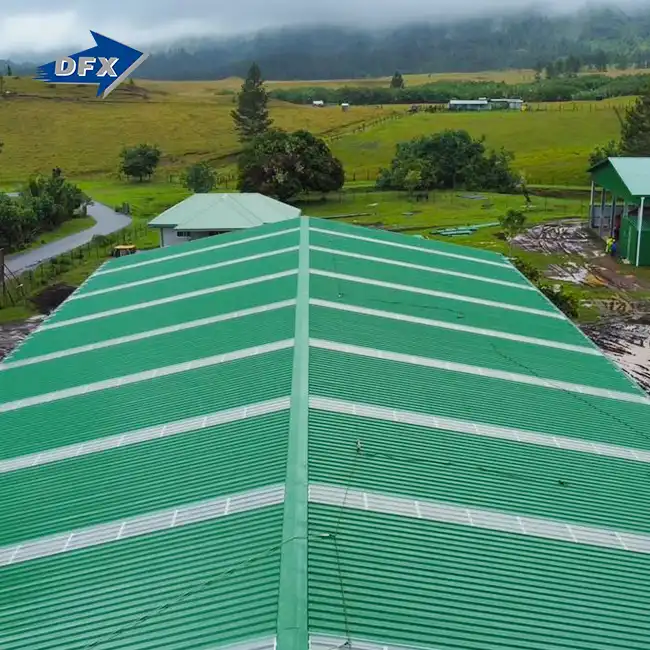
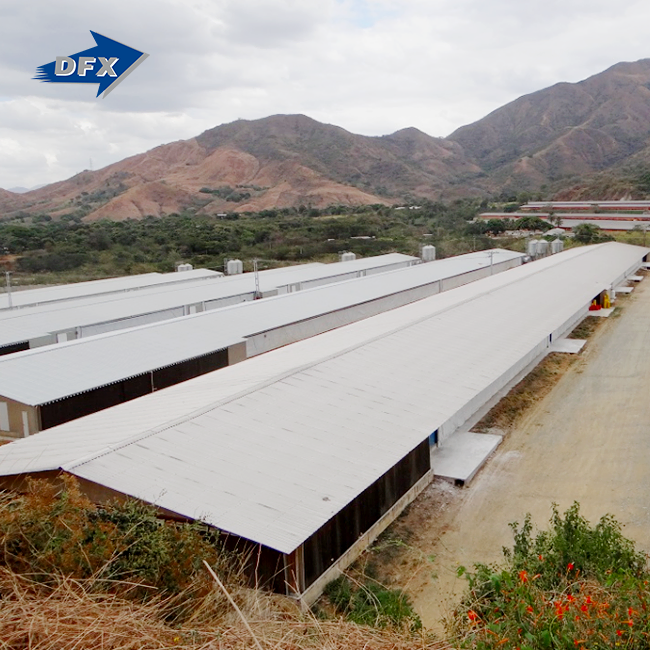
These buildings aren't like regular sheds that are made for boxes or tools; they're designed to hold big industrial assets. Heavy-duty H-section steel beams and galvanized C/Z purlins that hold up machinery that weighs several tons are used in the design. The frame spacing can be changed to fit combine harvesters, trucks, or welding rigs without having to move internal columns. In northern climates, roof pitches keep snow from building up, and optional open-side designs let big equipment drive right through, which is important for daily-use vehicles. Because they are flexible, they can be used by building companies to store excavators, makers to protect CNC machines, or farms to store irrigation systems.
How They Extend Equipment Lifespan
Metal surfaces rust when they are exposed to changes in humidity, but the galvanized steel covering on these sheds keeps rainwater away from the things that are kept inside. Panels with UV-resistant coatings keep the sun from breaking rubber hoses and fading electronics. Temperature control is also important; storing things undercover lowers the temperature shock that bends hydraulic seals. We've kept track of upkeep logs that show enclosed equipment needs 40% fewer fixes over five years than parking outside. When you don't have to replace engines or electrical parts too soon, the return on investment is clear.
Cost Savings Beyond Initial Purchase
An Equipment Protection Shed can prevent a lot of money from being lost every year when copper wiring or fuel tanks are stolen. Unwanted theft is less likely to happen when access points are locked and the perimeter is visible. When underwriters see assets that are covered, insurance rates go down. Some clients say they save 15 to 20 percent a year on business property policies. Breakdowns caused by bad weather also happen less often. When a sudden storm doesn't stop work because your backup generator stayed dry under cover, those extra hours of work add up to a lot of extra money over time.
Choosing the Right Equipment Protection Shed – A Decision Support Guide
To choose the right structure, you need to match the technical requirements with how your business actually works. It can be hard for procurement teams to deal with product claims that combine, so we'll make it clear what matters in different situations.
Material Comparison: Steel vs. Wood vs. Composite
Steel is used most often in industry because hot-dip galvanization protects it from corrosion for 25 years or more without painting it again. Welded joints in the H-beam framework we make have been tested to withstand winds of up to 120 mph, which is important for construction sites near the coast. Wood is popular with farmers who want to blend in with the surroundings, but it needs to be treated every year to prevent rot and bug damage, which costs a lot of time and money and cancels out any saves made in the first three years. Composite materials don't catch fire, but they can't hold the weight of solar panels on the roof or overhead cranes. Steel is often chosen by project managers who work with big tools because it has a good strength-to-weight ratio and performs reliably under stress.
Open-Sided vs. Fully Enclosed Configurations
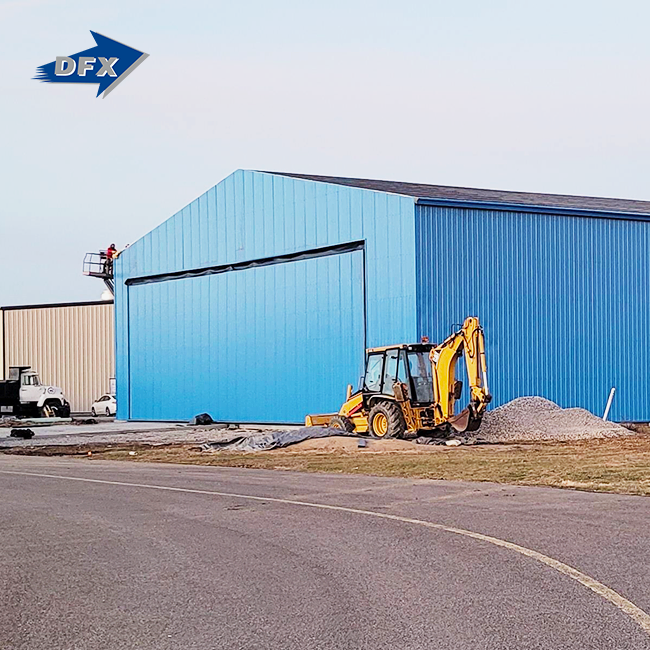
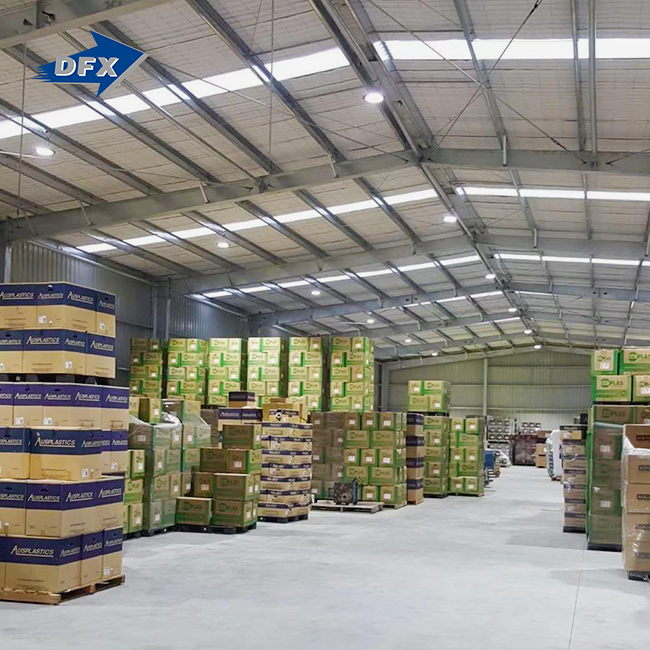
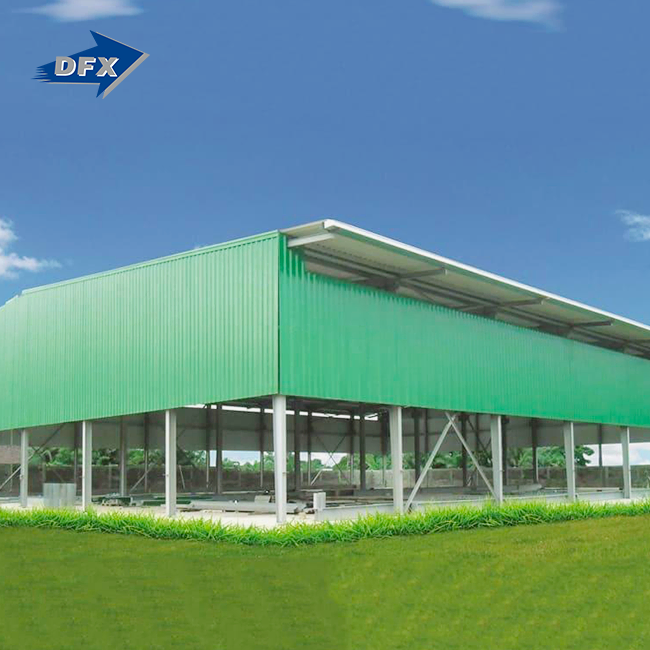
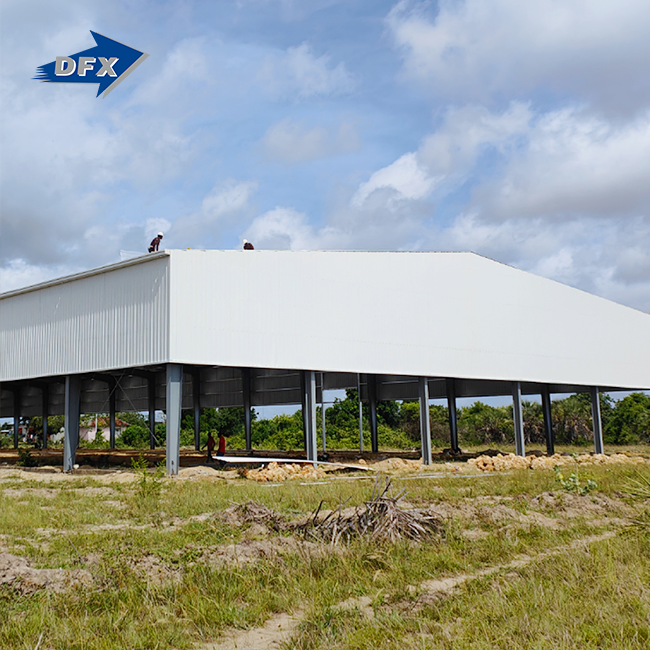
This choice relies on how often the tools will be used and how secure it needs to be. Three-wall designs with open sides let tractors or delivery trucks go through without having to get creative with tight spaces. This is great for farms with a lot of traffic, where hay balers come and go every day. The open design also lets more air flow around diesel engines, which keeps fog from forming and damaging the fuel injectors. Fully covered sheds are best for storing valuable items like CNC routers or measuring gear that can't be damaged by dust. They can also hold climate control upgrades like insulated sandwich panels, which keep the temperature inside within the ranges recommended by the manufacturer for electronics that are easily damaged.
Permanent Foundations vs. Portable Solutions
Building rules for wind and earthquake zones say that permanent setups with concrete anchor bolts are needed when storing equipment worth more than $100,000. The permitting process takes an extra 4 to 6 weeks, but it guarantees that the structure will last for 30 years. Contractors who are moving from one job site to another like portable sheds on skid bases because they can be crane-loaded onto flatbeds and moved as needed. However, temporary supports can only be 20x30 feet because they are too big to move, which isn't enough space for keeping multiple excavators. We help our customers understand zoning rules and do soil bearing capacity studies so they don't make mistakes that cost a lot of money.
Designing and Building Your Equipment Protection Shed
Planning ahead saves a lot of money on rework. We have fixed many projects where clients had to change structures after installation because the doors or roofs weren't the right size or there wasn't enough room for them.
Calculating Size Requirements Accurately
To begin, make a list of all the tools you have and their sizes, including any extended booms or raised buckets. For repair access, add three feet of room on all sides. Technicians need to be able to walk around motors and check the undercarriages. The height of the ceiling needs to allow for fork mast extensions or crane hooks. People often make the mistake of thinking that dimensions stay the same, but telescoping conveyor systems or solar arrays that are spread out need a lot more vertical space. To make scaled floor plans with equipment mapped to actual footprints, we suggest adding 20% more space in case you buy something else in the future. With this method, you won't have to deal with the stress of finding out that your new compressor won't fit through the door.
Essential Design Features for Industrial Use
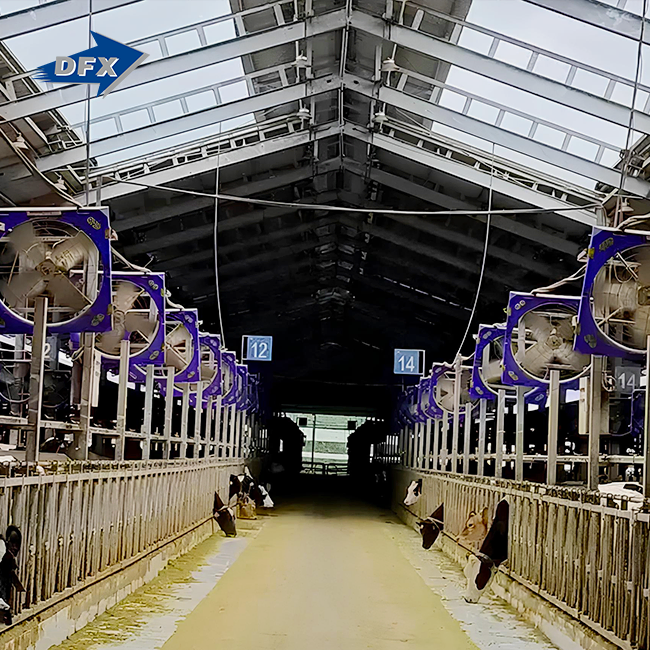
Ventilation keeps humidity-related corrosion from happening inside the Equipment Protection Sheds that are closed off. Ridge vents and louvered gable ends let air move passively, which gets rid of moisture from the cooling processes of the engine. People who live in wet areas should ask for fan vents that can pull air out even when there is no wind. Electrical infrastructure is also important. Put 220V outlets near workbenches and dust-proof LED lights in your plans. When storing equipment with fuel tanks, you have to use fire-rated doors. NFPA codes say that 90-minute-rated steel doors with panic hardware are acceptable. Ground-level windows that are higher than reach height and reinforced hasp plates that resist pry bars are security features.
Installation Best Practices
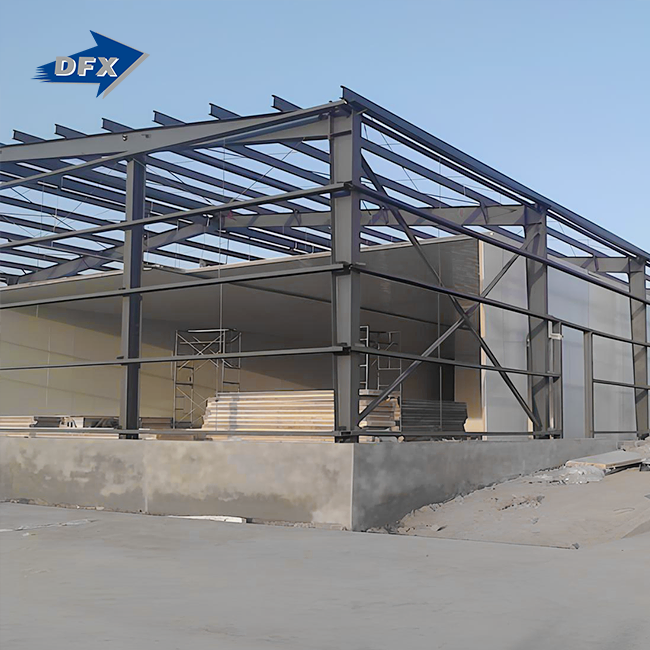
Preparing the site affects how long a structure lasts. The subgrade should be packed down to 95% density, and draining rocks should be put down to keep water away from the footings. Anchor bolts that are 18 inches deep in concrete stop uplift forces during storms. Before putting up the columns, make sure that their bottoms are level to within 1/8 inch. If they aren't, problems with panel alignment will happen when the roof purlins are put in place. Our assembly plans list the torque values for each type of bolt. This is very important because connections that aren't tight enough will loosen over time, while connections that are too tight will crack. Buyers who don't have their own steel teams can hire qualified erectors, and we'll make sure they follow our quality standards by supervising them.
Maintaining and Optimizing Equipment Protection Sheds
To reach the end of its useful life, even galvanized steel needs to be maintained from time to time. Maintenance costs are still very low compared to replacing equipment, but ignoring it speeds up wear and tear.
Annual Maintenance Checklist
Every spring, walk around the outside and check for loose fasteners. Vibrations from nearby traffic or machinery can slowly loosen connections. Inspect roof panels for punctures or shifted sealant around screws; water entry starts at these weak places. Clear out the drains of the dirt and leaves that are sticking to the metal and causing it to rust. Check that the door hardware works, and use marine-grade grease to grease the hinges. Inside, check to see if any stored equipment has moved against the walls, which can damage panels and weather seals. These inspections take two hours annually but prevent costly emergency repairs.
Seasonal Weatherproofing Strategies
As part of getting ready for winter, you need to get rid of snow loads that are too heavy for the structure. Standard structures can handle 30 pounds per square foot, but wet snow that freezes and thaws quickly doubles that weight. Before they back water under the shingles, scrape off ice dams that are forming at the eaves. In the summer, it's important to make sure that ventilation systems work properly. If vents get clogged, temperatures inside can rise, which damages rubber seals and plastic parts. Coastal areas need to be rinsed every three months to get rid of the salt spray that speeds up corrosion even when the metal is galvanized. Before rust spreads, fill in any holes that show bare steel with touch-up paint.
Cost-Effective Upgrade Options
Insulated walls can be added to existing frames to cut down on temperature changes inside by 30 degrees. This is important for keeping battery-powered equipment that is sensitive to cold. Motion-activated security cameras now cost less than $200 each and can connect to smartphone alerts to deter theft without having to pay a monthly fee for monitoring. By reflecting solar energy, reflective roof coats lower the cost of cooling in hot places. Some clients put in rainwater collection systems that use roof runoff to clean equipment with wash water. These small changes make things work better without having to be rebuilt from scratch.
Leading Brands and Suppliers in Equipment Protection Sheds
Picking a supplier affects not only the quality of the product, but also the long-term availability of the service. We've seen projects get stuck because there weren't any acceptable replacements for foreign parts.
Evaluating Manufacturing Quality Standards
Instead of marketing claims, look for certifications that show compliance. ISO 9001 certification shows that quality control procedures are written down. Our facility is audited every year to make sure that weld procedures, material traceability, and dimensional tolerances are being followed. When a structure has a CE mark, it means it meets European safety standards for wind and snow loads. In African and Middle Eastern markets, Certificates of Conformity (COC) and Pre-Verification of Conformity (PVOC) make it possible to get goods through customs. Ask for mill test records for steel types; using lower-grade materials to save money will cause structures to fail early. Reliable suppliers let third parties inspect their products. Client representatives are welcome to visit our 40,000-square-meter production facility to see for themselves what we can do.
Why Production Capacity Matters
When demand rises, suppliers who don't have enough capacity stall projects. Every year, our six automatic H-beam welding lines make 20,000 tons, which makes sure we never have any backlogs. Two lines of C/Z purlins make 8,000 tons of secondary frame, and separate lines for sandwich panels and corrugated sheets get rid of the need for middlemen. Vertical integration makes quality control tighter and speeds up production because parts don't have to wait in queue at outside manufacturers. When coordinating schedules for multiple stages of construction, large EPC contractors like how reliable this is.
Comprehensive Service Scope
Specification mistakes can be avoided with design help for the Equipment Protection Shed. Our in-house engineers look at the conditions of the spot and the sizes of the tools and make stamped plans that meet the needs of building departments. Blast cleaning and multi-coat painting methods are used in fabrication. Powder coating makes places with a lot of traffic less likely to chip. Packing keeps parts safe during ocean freight—we've improved how we load containers to make the most of their space, which lowers the cost of shipping. There are exploded views of every link on the installation drawings, which make putting the systems together in the field easier for teams that aren't familiar with our systems. Support after the sale includes having spare parts on hand and offering technical advice when changes need to be made.
Conclusion
Industrial assets need more than just regular storage to be kept safe from environmental damage. They need specially designed buildings that are strong, easy to reach, and last a long time. The right outdoor shelter stops corrosion, lowers the risk of theft, and keeps equipment working well while extending its life. Your investment will either last thirty years or need to be replaced before that time depends on the materials you choose, the configurations you choose, and how well you put them. As design and manufacturing standards get better, buyers can get more complex solutions that solve problems in their specific industries. Partnering with experienced suppliers who oversee the whole production process, from rolling the steel to putting it together, makes sure that projects stay on schedule and within price without losing quality or following the rules.
FAQ
Q1: What dimensions work best for storing multiple vehicles?
It can be set up in a standard 30x40-foot space for two tractors or a 60x100-foot space for a whole fleet. Find the total footprint of the tools and then add 25% for aisles for moving around and repair areas. To make room for raised loader arms or overhead lifts, the ceiling height should be at least four feet higher than the largest piece of equipment.
Q2: How long does manufacturing and delivery take?
Once engineering approvals are given, standard designs go through three to four weeks of production at well-known facilities. Custom designs that need special engineering take an extra one to two weeks. Depending on where it's going, ocean freight from Chinese factories to U.S. ports usually takes 25 to 35 days. It should take between 8 and 10 weeks from the time an order is placed until the structure is delivered to the buyer.
Q3: Can these structures withstand hurricane-force winds?
When properly grounded, steel frames that are properly designed can stand up to wind speeds of up to 140 mph. Coastal areas need more detailed connections and panel sizes that are larger. Always give wind load data for the site during the design phase. This helps engineers adjust the frame spacing and foundation needs. Structures that meet the standards of the International Building Code work effectively in all kinds of weather as long as they are properly kept.
Get Your Custom Equipment Protection Shed Solution from DFX
The Director Steel Structure Company has been making industrial-grade protective structures that keep your valuables safe for more than 12 years. Our ISO 9001-certified factory makes Equipment Protection Sheds with high-quality H-section beams, galvanized purlins, and weatherproof cladding systems made for tough construction, farming, and manufacturing environments in the United States. As a reliable Equipment Protection Shed provider, we handle every step of the process, from planning the structure and making the shed to coordinating transport and helping with installation. This way, we can make sure that your project stays on schedule without any problems. Our short production cycles and wide range of services mean that you don't have to deal with the problems that come with managing multiple vendors. Whether you need maintenance sheds with full walls or parking structures with open sides for cars, our engineering team can make solutions that fit your exact needs and the conditions of the site. Get in touch with Jason at jason@bigdirector.com to talk about your needs and get thorough technical plans backed by CE, COC, and PVOC certifications that are recognized all over the world.
References
1. American Institute of Steel Construction. (2022). Steel Construction Manual: Design Standards for Industrial Structures. Chicago: AISC Publications.
2. National Frame Builders Association. (2021). Post-Frame Building Design Manual: Agricultural and Commercial Applications. Lawrence, KS: NFBA Educational Foundation.
3. Mehta, M., Scarborough, W., & Armpriest, D. (2020). Building Construction: Principles, Materials, and Systems. 3rd Edition. New York: Pearson Education.
4. International Code Council. (2021). International Building Code: Structural Requirements for Agricultural Buildings. Washington, DC: ICC Publications.
5. Henderson, J. & Robertson, L. (2019). Corrosion Prevention in Steel Structures: Protective Coatings and Material Selection. Materials Performance Journal, 58(4), 45-52.
6. Agricultural Engineering Society. (2023). Farm Equipment Storage: Best Practices for Asset Protection and Maintenance. Technical Report Series No. 187, Iowa State University Extension.
Learn about our latest products and discounts through SMS or email