- English
- French
- German
- Portuguese
- Spanish
- Russian
- Japanese
- Korean
- Arabic
- Greek
- German
- Turkish
- Italian
- Danish
- Romanian
- Indonesian
- Czech
- Afrikaans
- Swedish
- Polish
- Basque
- Catalan
- Esperanto
- Hindi
- Lao
- Albanian
- Amharic
- Armenian
- Azerbaijani
- Belarusian
- Bengali
- Bosnian
- Bulgarian
- Cebuano
- Chichewa
- Corsican
- Croatian
- Dutch
- Estonian
- Filipino
- Finnish
- Frisian
- Galician
- Georgian
- Gujarati
- Haitian
- Hausa
- Hawaiian
- Hebrew
- Hmong
- Hungarian
- Icelandic
- Igbo
- Javanese
- Kannada
- Kazakh
- Khmer
- Kurdish
- Kyrgyz
- Latin
- Latvian
- Lithuanian
- Luxembou..
- Macedonian
- Malagasy
- Malay
- Malayalam
- Maltese
- Maori
- Marathi
- Mongolian
- Burmese
- Nepali
- Norwegian
- Pashto
- Persian
- Punjabi
- Serbian
- Sesotho
- Sinhala
- Slovak
- Slovenian
- Somali
- Samoan
- Scots Gaelic
- Shona
- Sindhi
- Sundanese
- Swahili
- Tajik
- Tamil
- Telugu
- Thai
- Ukrainian
- Urdu
- Uzbek
- Vietnamese
- Welsh
- Xhosa
- Yiddish
- Yoruba
- Zulu
How to Build a Safe Textile Raw Material Warehouse Facility?
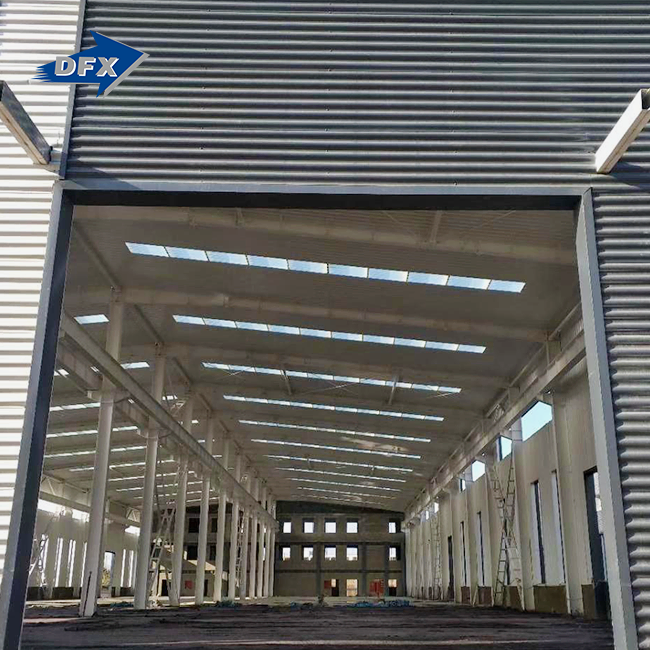
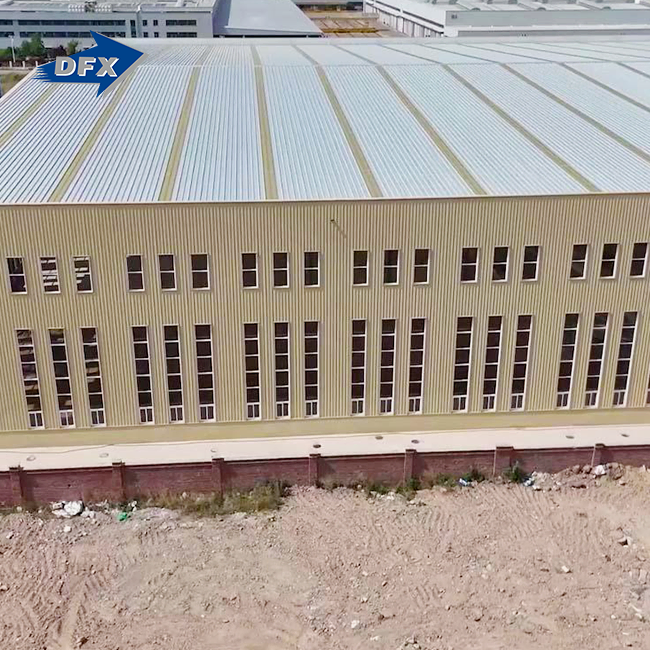
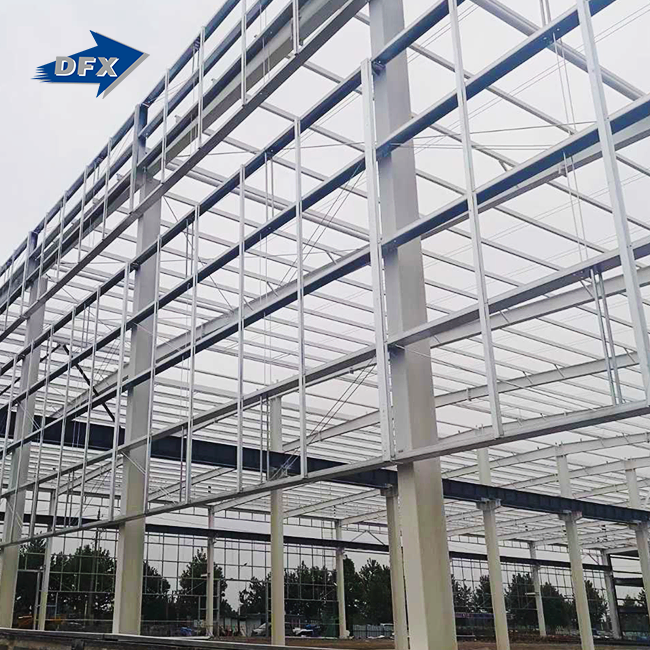
To create a safe Textile Raw Material Warehouse, you need to carefully plan how to combine environmental controls, structural stability, and specific handling procedures. The first step is to choose modular prefabricated steel storage buildings with strong H-beam primary frames and galvanized C/Z purlins. These buildings are fire-resistant and structurally stable, which is important for keeping highly flammable fibers like cotton, wool, and synthetic polymer chips safe. In addition to choosing the right structure, keeping the relative humidity between 50 and 65% stops fiber degradation and separates flammable raw materials from chemical auxiliaries using strategic zones. A properly built Textile Raw Material Warehouse also has advanced fire suppression systems that meet NFPA standards, along with dust control systems that keep lint from building up and causing explosions. Engineered steel construction, climate control, and safety rules all work together to make a building that can keep the quality of materials high while protecting workers and inventory all along the supply chain.

Understanding the Core Challenges of Building a Safe Textile Raw Material Warehouse
Raw materials must be protected throughout the textile supply chain, from receipt to manufacture. Storage facilities differ from warehouses in vulnerability. Fire concerns arise because loose fibres create dust that might catch fire, and static electricity can ignite synthetic materials when they dry. The National Fire Protection Association reports 40% more textile facility fires than other manufacturing locations. Foreign fibres from damaged packaging can contaminate cotton bales and cause colour defects that only appear after dyeing. Water-soaked natural fibres like wool quickly develop mildew, rendering entire batches useless.
Root Causes Behind Warehouse Safety Failures
Problems will arise if your building construction is poorly planned. During major events, badly piled cloth rolls blocking emergency doors treble evacuation delays. Lint in the air gets caught in poorly ventilated roofs, causing explosive levels over the lower flammability limit. Inventory control failure causes materials to age unsafely. More than six months old spandex loses its elastic strength, making clothing less usable. Textile Raw Material Warehouse operations are often treated like any other storage without considering their needs, causing several issues. Successful companies utilise hazard-based zoning to separate dyeing oxidising chemicals from flammable solvents and hygroscopic ingredients from moisture-sensitive items.
Fundamental Safety Principles for Textile Storage
Regulations are vital safety nets. OSHA's combustible dust requirements include cleaning high-traffic areas every 72 hours to eliminate lint. Temperature and humidity sensors should alert when circumstances exceed particular ranges. Cotton needs 55–65% RH to keep intact, but polyester chips need less than 40% RH. Chemical storage areas for acid dyes and caustic auxiliaries include access restrictions to prevent unauthorised entry. Avoiding fires requires more than sprinklers. Early Suppression Fast Response (ESFR) systems are designed for Class III goods and have textile-specific water density. Spark sensors in HVAC ducts warn of ignition before it happens, giving you time to act.
Key Elements of a Safe Textile Raw Material Warehouse Facility
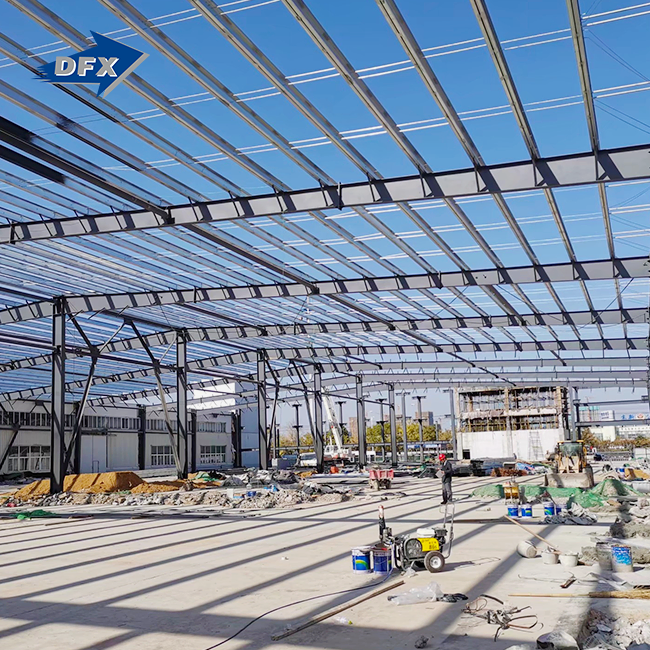
Strategic facility design sets the foundation for keeping textiles safe and making sure workers are safe. Material-specific zoning splits storage areas based on scores for fire safety and environmental needs, making buffer zones between substances that don't mix. Planning for emergency exits makes sure that paths stay clear and that lit exit signs can be seen in smoky conditions. Structure choices are very important. Steel frame construction is naturally less likely to catch fire than wood alternatives, and clear-span designs get rid of interior columns that get in the way of forklifts and emergency access for a Textile Raw Material Warehouse.
Optimized Storage Configuration and Layout
Storage system layout affects safety and space utilisation. Fabric rolls don't ovalize or suffer pressure marks when supported horizontally by cantilever racks. This configuration also improves airflow around the rollers, reducing moisture buildup. Cage pallets with yarn cones prevent crushing and allow inventory checks without unpacking. High-bay storage increases capacity by 60% above ground-level structures, but earthquakes require rigorous restrictions. Main aisle widths must be at least 12 feet to accommodate material handling equipment and allow emergency workers to breathe.
Material Handling and Contamination Prevention
Cross-contamination drives textile costs secretly. The ASTM D5430 four-point inspection system finds fabric faults at entry, allowing problems to be recorded before stocking. Cotton bales contain fiber-specific handling tools, so polypropylene strapping fragments can't get in. Packaging integrity checks reveal tears that let foreign matter in, while sealed containers protect hygroscopic products between climate zones. Careful separation of dye lots maintains colour consistency. Warehouse management systems track batch numbers, so selecting logic can only issue one lot per cutting order. This eliminates colour differences that cause costly garment assembly rework.
Fire Suppression and Personnel Safety Protocols
Comprehensive fire prevention goes beyond obeying rules to keep business running. Fire-rated barriers separate the China-made modular steel storage buildings' storage rooms to prevent mishaps. Grounding and explosion-proof electrical fixtures eliminate static electricity and ignition sources in volatile solvent environments. PPE standards vary by zone. In regions with unsafe dust levels, breathing protection is needed. Regular safety training teaches personnel how to shut down conveyor systems and automated storage retrieval equipment in emergencies. This protects personnel during evacuations.
Advanced Textile Raw Material Warehouse Management & Technology
Today's Textile Raw Material Warehouses use technology to improve both keeping an eye on safety and keeping accurate records of goods. The choice of tracking system has a big impact on how operations can be run. For example, barcode systems are cheap to set up but need to be scanned with a clear line of sight, which can slow things down during times of high-volume receiving. RFID technology gets rid of the need to scan things by hand, which cuts the time it takes to process new customers by 75% and automatically records their location. Tags that are embedded in bale wrappings can stand up to industrial washing processes, so they can be tracked throughout the whole production process. Integration with corporate resource planning platforms keeps real inventory, purchasing, and production schedules all in sync. This keeps manufacturing lines from being idled during stock-outs.
Automation Integration for Enhanced Safety
Automated guided vehicles move through warehouse floors using magnetic tape or laser guidance. This gets rid of the need for forklift operator error, which, according to OSHA data, is the cause of 35% of warehouse injuries. Robotic systems do repetitive tasks in dangerous places, like chemical storage areas, where there is a chance of being exposed. Automated storing and recovery systems make the most of 40-foot-high ceilings by getting specific rolls of fabric in 90 seconds instead of 15 minutes when searched for by hand. These systems work perfectly with software that controls the warehouse. The software directs the flow of materials from the receiving docks to quality checking units and then to the right storage areas. The steel frame construction of prefabricated buildings makes them strong enough to hold overhead cranes and mezzanine platforms that make installing automation easier.
Climate Control and Quality Preservation
Monitoring technology for the environment keeps storage conditions at their best, which protects valuable items. Temperature and humidity are tracked by wireless sensor networks that send real-time data to central screens. Moisture meters make sure that arriving cotton bales have normal regain rates of about 8.5%. Paying for too much moisture means paying for water weight instead of useful fiber. Dehumidification systems in synthetic fiber zones stop hydrolysis, which weakens polymer chains. This makes the products last longer, from six months to eighteen months. At receiving docks, climate-controlled vestibules keep outside humidity from getting into storage areas while materials are being moved. These investments pay off because they keep materials in good enough shape to pass quality checks during production intake and cut down on shrinkage caused by wear and tear.
Cost and Procurement Insights for Textile Raw Material Warehouse Facilities
When planning a Textile Raw Material Warehouse finance strategy, you have to weigh the initial costs of capital improvements against the long-term costs of running the building. H-beam primary frames and galvanized parts used to make steel structure buildings cost more to buy at first than traditional buildings, but they last 30 years with little maintenance. Prefabricated modular designs cut the time needed for building on-site by 60%, shortening the time it takes to go from breaking ground to being ready for use. This speed-to-market advantage is very important when facility needs are driven by the need for production to grow. Whether to buy or rent depends on how long you plan to stay in the space. Companies that want to stay for 10 years should buy, while companies with shorter-term promises should look at leasing options that give them more capital freedom.
Strategic Sourcing and Location Considerations
The choice of site affects both the cost of building and the cost of ongoing tasks. Having easy access to major transportation routes lowers the cost of bringing in raw materials and speeds up shipments to production sites. If you can't get reliable utilities, like electricity, you'll have to pay a lot of money to upgrade substations so that climate control systems and automation equipment can work. Local building codes affect what needs to be designed. For example, seismic zones require stronger structural bracing, which adds 15 to 20 tons of steel to the structure. When purchasing managers look at suppliers, they should look at certifications like ISO9001 quality management and CE marking, which show that the supplier meets European standards. Vendors who offer turnkey solutions are different from basic material suppliers because they offer engineering calculation services, high-quality fabrication, and the ability to coordinate logistics.
Technology Investment Return Analysis
Automation and software for managing inventory are big investments that need to be carefully explained. Setting up an RFID system costs about $2.50 per tag plus the equipment for the readers. However, the time saved by not having to check each tag by hand usually pays for itself in 18 months. Depending on their feature sets, warehouse management systems that cost between $50,000 and $200,000 can cut down on the costs of keeping inventory by increasing turnover rates and reducing the amount of items that become obsolete. Climate control systems add $15 to $25 per square foot to the cost of building, but they keep materials from breaking down, which leads to 5-8% yearly inventory write-offs in unregulated settings. When making decisions, people in charge should compare the costs of these investments to the costs of doing business as usual. They should include things like lower insurance premiums from better fire suppression and lower workers' compensation claims from better safety measures.
Case Studies and Best Practices in Safe Textile Raw Material Warehousing
Implementations in the real world show how combined design methods can solve tough problems with storing textiles. A Philippine clothing company that had problems with shade differences on a regular basis rebuilt its 50,000-square-foot Textile Raw Material Warehouse to have separate areas for each dye lot. Picking restrictions were enforced by RFID tags on fabric rolls that were linked to warehouse management software. This made sure that only one lot was given out per cutting order. As a result, expensive rework that affected 12% of production runs was no longer needed. This saved $340,000 a year. The warehouse used clear-span, modular, prefabricated steel storage buildings that could be easily reconfigured as the products changed.
Inventory Accuracy Through Technology Upgrades
There were problems for an Australian cloth importer with inventory differences of about 8% between actual counts and system records. Within six months of putting RFID tracking at receiving docks and cycle-counting processes in place, errors dropped to less than 2%. For accurate financial reporting, the visibility allowed accurate inventory valuation. It also improved customer service by making availability promises more reliable. When the company's ERP platform is integrated, reordering is automatically set off when safety levels are reached. This keeps production from stopping at customers further down the line. This example shows how investing in technology can pay off in ways other than improving operational efficiency. For example, by making the supply chain more reliable, the company can build stronger relationships with its customers.
Climate Control: Preventing Material Degradation
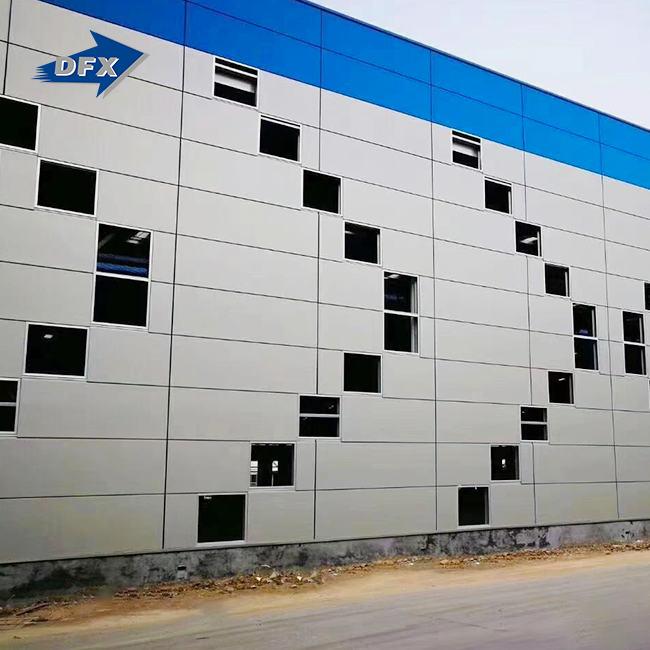
After finding mold in 15% of stored bales, a wool processing plant in New Zealand put in place temperature tracking tools. Sensors checked the humidity levels in different storage areas and turned on dehumidifiers when the levels went above 65% RH. Within one storage season, infection rates dropped below 1%, protecting an estimated $180,000 worth of goods each year. The steel structure building was designed with insulated sandwich panels that kept heat from transferring between panels. This cut HVAC energy use by 25% compared to the old building. This case shows how good building design and environmental controls can work together to keep supplies safe and maintain low running costs.
Conclusion
To build a safe Textile Raw Material Warehouse, you need to combine environmental controls, structural engineering, and operating rules into a system that works together. Steel frame buildings don't catch fire and last a long time, and flexible prefabricated designs cut down on costs and time spent on projects. Maintaining fiber-specific humidity and temperature ranges that stop decline is how climate control systems keep material quality high. Investing in technology like RFID tracking and warehouse management software improves the accuracy of inventory and helps with safety compliance by making it possible to track items. When you combine the right facility design with advanced management tools and strict safety rules, you can run operations that keep people safe, keep things valuable, and support reliable supply chain performance throughout the textile production cycle.
FAQ
Q1: What levels of humidity keep fibers from breaking down while clothes are being stored?
Natural fibers, like cotton, work best when the relative humidity is between 55 and 65%. This keeps the fibers strong without letting mold grow in a Textile Raw Material Warehouse. To keep from breaking down during processing, synthetic materials like polyester and nylon need dry conditions below 40% RH. Wool can handle higher levels of wetness (around 65% RH) and still stay flexible and heavy. Instead of settling for middle-of-the-road settings that don't work well for all materials, facilities that store different kinds of materials should set up separate climate zones.
Q2: How does warehouse automation improve safety in textile facilities?
Automated systems keep people from having to do dangerous jobs like handling chemicals and retrieving things from high places. Forklift accidents, which hurt a lot of people when they are done by hand, don't happen with automated guided vehicles. In dusty areas, robotic systems keep the house clean by getting rid of flammable lint buildup that human crews sometimes miss. When monitoring systems are connected to equipment, the equipment can shut down automatically when the fire alarm goes off. This stops accidents from spreading through the machinery that moves things around.
Q3: What certifications should buyers look for in warehouse building suppliers?
Getting ISO9001 certification shows that you have put in place a quality management system that makes sure that the standards for manufacturing are always met. The CE mark shows that a product meets European safety standards for construction and materials. The EN1098 certification covers the exact standards for building a steel construction. Buyers should make sure that suppliers offer full engineering calculation services, shipping planning, and advice on how to set up the equipment. These are the things that set full-service providers apart from component makers. Ask for references from completed projects that used similar technologies to see how well the person really does in the real world, in addition to their certification credentials.
Partner with DFX for Your Textile Warehouse Needs
To build a safe and effective Textile Raw Material Warehouse, you need to know a lot about operational planning, structural engineering, and material science. Director Steel has more than 12 years of experience building steel structures for storage sites. They use quality systems that are ISO9001-certified and goods that are CE-marked to make sure they meet international standards. Our modular prefabricated steel storage buildings are made with H-beam primary frames and galvanized C/Z purlins, which give them the fire resistance and structural integrity needed for textile storage. We help with every step of the project's lifecycle, from the initial engineering calculations to fabrication, logistics coordination, and erection guidance. As a reliable supplier, we know how important it is to have climate control, fire suppression systems, and flexible layouts that can be changed to meet changing inventory needs. Get in touch with our team at jason@bigdirector.com to talk about your unique project needs and find out how our turnkey solutions can help you reduce risk and improve the performance of your supply chain.
References
1. National Fire Protection Association. (2021). NFPA 654: Standard for the Prevention of Fire and Dust Explosions from the Manufacturing, Processing, and Handling of Combustible Particulate Solids. NFPA Publications.
2. Occupational Safety and Health Administration. (2020). Combustible Dust in Industry: Preventing and Mitigating the Effects of Fire and Explosions. U.S. Department of Labor.
3. American Society for Testing and Materials. (2019). ASTM D5430-19: Standard Test Methods for Visually Inspecting and Grading Fabrics. ASTM International Standards.
4. Textile Institute. (2018). Textile Storage and Preservation: Best Practices for Fiber Handling and Environmental Control. Woodhead Publishing.
5. International Organization for Standardization. (2022). ISO 9001:2015 Quality Management Systems—Requirements for Manufacturing Operations. ISO Standards Catalogue.
6. Building Research Establishment. (2017). Steel Construction in Industrial Facilities: Design Considerations for Fire Safety and Structural Performance. BRE Global Publications.
Learn about our latest products and discounts through SMS or email