- English
- French
- German
- Portuguese
- Spanish
- Russian
- Japanese
- Korean
- Arabic
- Greek
- German
- Turkish
- Italian
- Danish
- Romanian
- Indonesian
- Czech
- Afrikaans
- Swedish
- Polish
- Basque
- Catalan
- Esperanto
- Hindi
- Lao
- Albanian
- Amharic
- Armenian
- Azerbaijani
- Belarusian
- Bengali
- Bosnian
- Bulgarian
- Cebuano
- Chichewa
- Corsican
- Croatian
- Dutch
- Estonian
- Filipino
- Finnish
- Frisian
- Galician
- Georgian
- Gujarati
- Haitian
- Hausa
- Hawaiian
- Hebrew
- Hmong
- Hungarian
- Icelandic
- Igbo
- Javanese
- Kannada
- Kazakh
- Khmer
- Kurdish
- Kyrgyz
- Latin
- Latvian
- Lithuanian
- Luxembou..
- Macedonian
- Malagasy
- Malay
- Malayalam
- Maltese
- Maori
- Marathi
- Mongolian
- Burmese
- Nepali
- Norwegian
- Pashto
- Persian
- Punjabi
- Serbian
- Sesotho
- Sinhala
- Slovak
- Slovenian
- Somali
- Samoan
- Scots Gaelic
- Shona
- Sindhi
- Sundanese
- Swahili
- Tajik
- Tamil
- Telugu
- Thai
- Ukrainian
- Urdu
- Uzbek
- Vietnamese
- Welsh
- Xhosa
- Yiddish
- Yoruba
- Zulu
Private Jet Steel Hangar Design for Maximum Aircraft Protection
When you invest millions in a private jet, leaving it exposed to the elements is unthinkable. A Private Jet Steel Hangar represents far more than simple shelter—it's a specialized pre-engineered steel building delivering comprehensive asset protection through superior structural design, advanced materials, and thoughtful engineering. These aviation structures provide clear-span configurations accommodating wingspans of various business jets while offering exceptional weather resistance, fire safety, and long-term durability that wooden, fabric, or aluminum alternatives cannot match.

Understanding Private Jet Steel Hangars: Core Concepts and Benefits
What Makes Steel Hangars the Superior Choice?
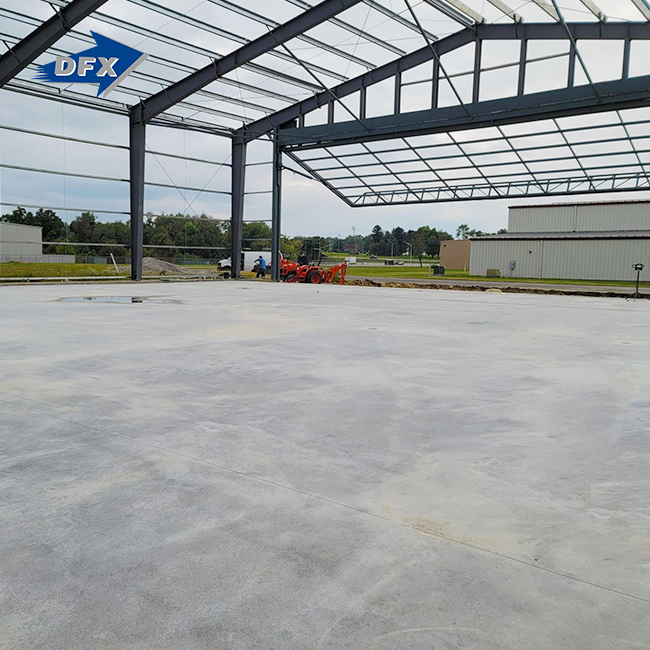
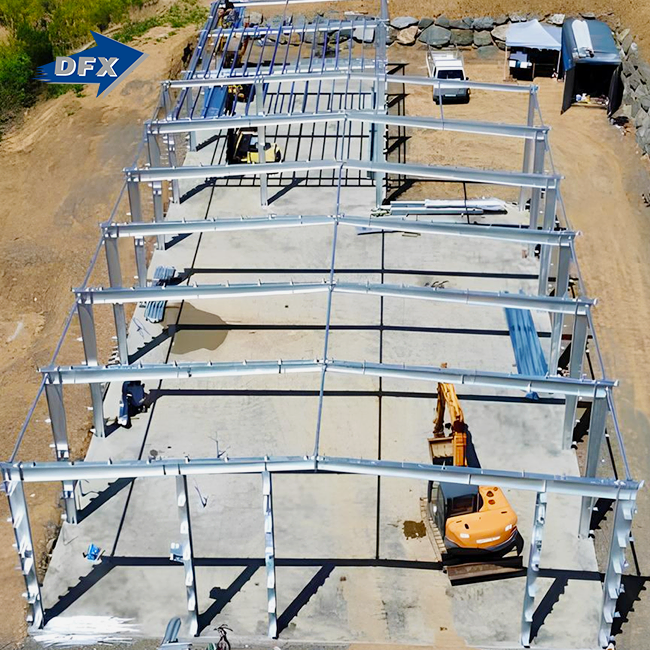
Keeping planes in storage requires precise engineering. The load-bearing capability and structural safety of steel hangars made with welded H-section steel frames are unmatched by other materials. The rigid frame portal systems get rid of the internal columns, making floor rooms that can't be blocked, which is important for moving jets with wingspans over 100 feet. This design versatility is very important for accommodating a wide range of planes, from small turboprops to large business jets like the Gulfstream G650.
The benefits of the material go beyond its strength. Steel buildings made in China from Q345B or ASTM A572 Grade 50 high-tensile steel are very strong and can withstand wind speeds of up to 180 mph and a lot of snow. Unlike wooden hangars that break down when they get wet or cloth structures that can tear, steel structures stay strong over many years of use. Hot-dip galvanizing and epoxy coatings that are high in zinc keep metals from rusting, so they can last for 50 years, even in coastal areas.
Fire Resistance and Safety Features
Aviation facilities have to follow strict safety rules. Steel's natural resistance to fire is very important for protecting valuable items and people who live or work in buildings. Structures built to NFPA 409 standards can support flood/fire suppression systems. The roof purlins and rafters are specially strengthened to handle the extra weight of the pipes and spray heads. This rule covers the very high fire risks that come with fuel, hydraulic fluids, and composite aircraft materials.
During repair work, dangerous fumes don't build up because steel hangars are built with ventilation systems. Vents and exhaust fans that are placed in strategic places keep the air clean and stop moisture from building up, which speeds up corrosion on sensitive avionics and airframe parts. These environmental controls make it safer for repair teams to work and make planes last longer.
Insulation and Climate Control Solutions
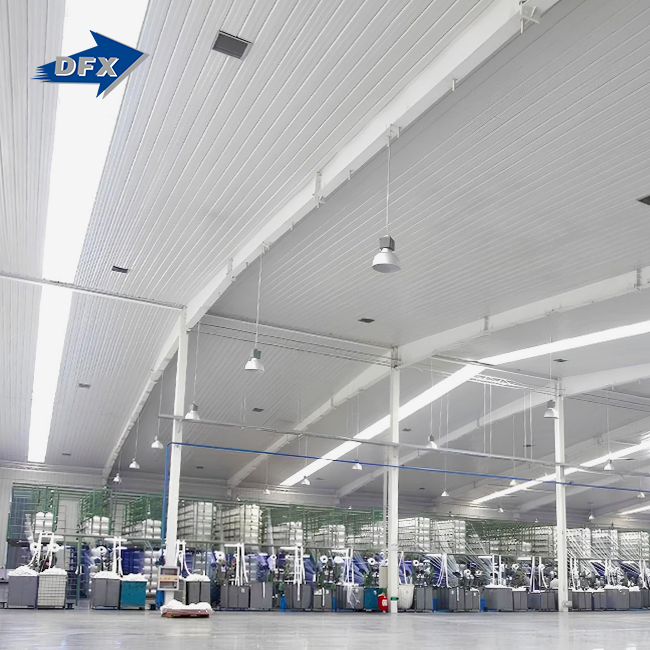
Temperature stability keeps airplane systems and comfort items for passengers from getting damaged by changes in temperature. Steel hangars can hold insulation systems with R-values higher than 30. This lowers heating and cooling costs by a large amount while keeping the inside temperatures stable. When compared to single-skin metal buildings, sandwich panel systems with polyurethane or mineral wool cores and steel outer layers perform better at keeping heat in.
Controlling the climate is especially important in harsh settings. Projects in a range of climates show that steel structures that are properly insulated stay ready to use no matter what the weather is like outside. This control of temperature keeps condensation from forming, which can damage gadgets, furniture, and painting surfaces.
Designing the Optimal Private Jet Steel Hangar for Maximum Protection
Structural Engineering Principles
Load calculations that take into account local wind speeds, snow accumulation, and seismic activity are the first step in designing a hangar that works well. Engineers at Director Steel do complex structural calculations to make sure frames can handle the stresses of the climate and hold up operating equipment. The reinforced bracing systems evenly distribute weight, stopping deflection that could make the door less useful or pose a risk to maintenance workers.
Frame design is based on clear span requirements. Building hangars for 60-foot-wide wings requires different engineering than building hangars for 300-foot-wide wings. The column spacing, beam depth, and connection features all change in the same way as the span lengths. This customization makes sure that the best amount of material is used without over-engineering, which drives up costs.
Foundation systems meet the needs of the structure. Engineered reinforced concrete piers with spread footings connected by grade beams are needed for column bases that have to handle large reaction loads, such as uplift forces and bending moments. This type of foundation gives stability that simple floating slabs can't give when wind uplift and lateral forces act on them, making it a suitable choice for a private jet steel hangar where structural reliability is critical.
Door Systems and Operational Efficiency
One of the most important parts of design is the hangar door. Both bi-fold and hydraulic single-swing systems have their own benefits. When you have a small amount of apron room, bi-fold doors are the best option because they maximize the opening area while reducing the extension outside the building envelope. Hydraulic single-swing doors are easy to use and reliable, but they need enough space to open all the way.
The front-end wall must have a truss header or a heavy-duty portal frame that is designed to hold door dead loads and keep the door from moving when the doors are open. Misalignment errors of more than 5 mm can break hydraulic doors, so manufacturing with great accuracy is necessary. Dimensional verification is one of Director Steel's quality control steps that makes sure bolt holes are lined up and the machine runs smoothly.
Automation makes things safer and easier to use. Modern control systems let a single person open and close huge doors that weigh several tons. Built-in sensors stop the doors from closing when they find an obstruction, saving both the airplane and the people inside. Facility managers can check on the state of doors from outside the building using remote tracking.
Lighting and Electrical Infrastructure
The right lighting is important for safely handling airplanes and doing detailed repair work. LED lighting systems give off high-quality light that uses little energy and doesn't make a lot of heat. Task lighting in maintenance areas gives techs a focused source of light to look at parts or make fixes. Emergency lighting devices make sure that people can safely leave when the power goes out.
Power distribution systems have to be able to handle large amounts of power demand. Battery chargers, ground power units, aircraft preheating systems, and HVAC equipment all need strong circuits that can handle enough power and are properly protected. Design that meets flight standards makes sure that power is delivered reliably and that there are no voltage changes that could damage sensitive electronics while they are being serviced.
Real-World Project Performance
Case studies from fixed-base operator stations show how customized steel hangars can meet the needs of a wide range of clients. Director Steel's projects show how to combine the looks of architecture with the strength of structures. Premium buildings have standing seam metal roofs, insulated wall panels with show joints, and large glass doors that make them look professional and protect the environment.
Facilities that need maintenance, repair, or overhaul have their own set of problems to solve. Stronger rafters support 5- to 10-ton overhead bridge cranes in these buildings so that engines can be taken out. Paint fumes and curing emissions are pushed out by specialized ventilation systems. Epoxy flooring is very durable and doesn't let chemical spills happen. It also has smooth surfaces that make it easy to move equipment. Throughout the whole project process, Director Steel's design and finishing services take care of these complicated needs.
Comparing Steel Hangars with Alternative Materials and Construction Types
Material Performance Analysis
Different types of materials all have problems when compared to steel's many benefits. Although aluminum structures are light, they are not as strong as high-tensile steel when it comes to long clear spans. Wood looks nice and keeps you warm, but it breaks down quickly when it gets wet or is attacked by termites, and it's a big fire risk near places where fuel is stored.
Fabric hangars are appealing at first because they are cheaper, but they need to be replaced often because UV light and weather damage them. Because they don't insulate well, temperature control is expensive and doesn't always work. Structures made of concrete last a long time, but they can't be designed as easily as structures made of steel, and they take a lot longer to build and cost more to support.
In seaside and high-wind areas, steel's ability to withstand harsh weather is very important. Salt spray quickly breaks down metal and cloth, but PVDF-coated sheeting doesn't get damaged by it. The material is dimensionally stable, so it doesn't bend or split like wood buildings do when humidity levels change.
Prefabricated vs. Custom-Built Solutions
Steel hangars that are prefabricated and made in controlled factory environments offer consistent quality and quick delivery times. Director Steel's 40,000 square meters of enclosed working room lets them work on several parts of a job at the same time. Six automatic welded H-beam production lines and specialized tools make sure that the tolerances for manufacturing are very tight, which makes setting up in the field easier.
The prefabrication method cuts down on the need for on-site work and delays caused by bad weather. The parts come with coatings and connections that have already been drilled, so they can be put together quickly by smaller crews. Compared to options made on-site, this efficiency means lower costs and faster occupancy of the building.
Custom-built choices give you the most freedom to meet your specific needs. Customized engineering is helpful for projects with odd shapes, built-in offices, or special equipment installs. Director Steel can help customers who want unique looks or complicated functional layouts, such as a private jet steel hangar, that standard prefabricated designs can't handle, with their architectural design skills.
Lifecycle Cost Comparison
Total operating prices show that steel is more cost-effective than other materials. Putting money into properly engineered steel structures up front pays off over many years of low-maintenance use. Because the material doesn't rot, attract bugs, or rust, it doesn't have to be replaced as often as wood or cloth.
Saving a lot of money comes from using energy efficiently. When compared to single-skin metal or fabric structures, insulated steel building envelopes cut heating and cooling costs by 40 to 60%. These practical savings add up every year and more than make up for any extra costs that were incurred during the building's early years of use.
Insurance costs often favor buildings made of steel. Many carriers offer lower premiums because steel doesn't catch fire and lasts through storms. Because of these savings and the fact that they require less upkeep and energy, steel hangars are the best long-term investment for protecting airplanes.
Procurement Insights: How to Buy and Manage Private Jet Steel Hangar Projects?
Understanding Project Costs
Hangar prices are affected by several factors. The main thing that affects the cost is the clear span width. Wider constructions need heavier steel parts and more complex engineering. Due to exponential growth in material needs, a hangar with a 100-foot span costs a lot less per square foot than one with a 200-foot span.
Budgets are greatly affected by how complicated the design is. Structures with office spaces, mezzanines, or complex systems cost more than simple rectangular buildings with simple door systems. Specifications for insulation, coatings, and following local building codes all add extra costs that need to be included in project budgets.
Logistics of installation affect the final cost of delivery. Sites that are far away and hard to get to require more money for transportation and longer building plans. For projects in places where trained workers are hard to come by, expert erection teams may need to come from other places. The installation instructions from Director Steel help contractors avoid mistakes that cost a lot of money and take longer to finish.
Selecting Qualified Manufacturers
When considering suppliers, quality certificates are very important for giving you peace of mind. ISO 9002 certification shows that you are committed to systematic quality management, and CE certification shows that you are in line with European standards. Other certifications, such as COC and PVOC, show that goods meet the needs of a certain area.
The ability to manufacture has a direct effect on the success of a project. Director Steel has a lot of equipment, like twenty corrugated steel sheet lines and two sandwich panel lines, which lets them make all of the building parts they need in-house. This vertical integration keeps an eye on quality and gets rid of problems that come up when working with various suppliers.
Support after the sale is what sets exceptional suppliers apart from average ones. Quick technical help during installation avoids delays and mistakes that cost a lot of money. The engineering team at Director Steel helps customers with their projects by doing structural calculations, custom designs, and installation instructions. This all-around approach has helped build a client base that keeps growing, showing that customers are very happy with the quality and dependability of the products.
Project Management Best Practices
For hangar projects to go well, people from different fields need to work together carefully. Getting structural engineers, airport authorities, and building officials involved early on keeps legal shocks from throwing off schedules. With thorough planning, you can find long-lead items that need to be ordered ahead of time to keep the building schedule on track.
It is very important for designers, makers, and builders to talk to each other. Detailed shop drawings must show clearly how things are connected, what materials are used, and how they are put together. Regular development talks keep everyone involved in the project updated and allow problems to be solved before they become a problem.
Planning for maintenance should start during the design phase. Choosing the right entry doors for servicing equipment, planning where to drill holes in the roof for future upgrades, and writing down system specs all make long-term operations run more smoothly. These things guard the investment and make sure that the buildings can change to meet new operational needs.
Conclusion
Private aircraft safety requires quality engineering and manufacturing. Steel surpasses other materials in durability, fire resistance, and efficiency. Professionally built private jet steel hangars protect your belongings with flight-standard safety measures and weatherproof construction.
To succeed, pick providers based on quality certifications, manufacturing competence, and project support. Steel structures are energy-efficient, robust, and low-maintenance, making them good aircraft protection investments. Steel construction is efficient, durable, and cost-effective for FBO stations, MRO facilities, and private hangars.
FAQ
1. How do clear span requirements affect hangar costs?
The clear span width has a direct effect on the cost of the structure because greater unsupported lengths need more steel. For a 150-foot clear span, you need stronger connections, heavier columns, and deeper beams than for a 75-foot span. Because of this exponential link, the cost of materials more than doubles when the span width is doubled. When setting facility dimensions, project budgets should take this relationship into account.
2. Can existing steel hangars be expanded to accommodate larger aircraft?
The original building plan and the amount of land available determine whether or not an expansion is possible. Adding length to rectangular hangars is easy: just take down the end walls and add matched bays to the building to make it longer. Because the original frames weren't built for longer spans, adding more width requires major structural changes. A professional engineering assessment figures out if the expansion is possible and how much it will cost.
3. What maintenance do steel hangars require?
Compared to other materials, steel buildings don't need as much upkeep. Once a year, checks should be made to make sure the coating is still in good shape, the door system works, and the structural connections are tight. Touch-up painting fixes small scratches and stops rust from starting. Door systems need to be oiled and adjusted every so often. These regular jobs keep the building's integrity and keep small problems from turning into expensive fixes.
Partner with DFX for Your Aircraft Hangar Project
To get high-quality airplane safety, you need to work with Private Jet Steel Hangar manufacturers who have a lot of experience and know what a flight center needs. DFX has been designing and building steel structures for airplane hangars and other complicated industrial uses for more than 12 years. Our production methods are ISO 9002 and CE certified, which means that every part meets international quality standards.
We offer full turnkey solutions that include structural calculations, custom design, precise fabrication using welded H-section steel, and full installation instructions. With 200 skilled workers and a production space that's 40,000 square meters, we can handle projects of any size and still keep the quality high. DFX has the engineering knowledge and production capacity your project needs, whether you're an EPC contractor in charge of infrastructure projects or a construction company looking for a reliable private jet steel hangar supplier. Get in touch with jason@bigdirector.com to talk about your needs and find out how our custom steel building options can help protect your aviation interests.
References
1. Metal Building Manufacturers Association. (2020). Design Practices for Pre-Engineered Metal Buildings. Cleveland: MBMA Publishing.
2. National Fire Protection Association. (2019). NFPA 409: Standard on Aircraft Hangars. Quincy: NFPA Press.
3. American Institute of Steel Construction. (2017). Steel Construction Manual, 15th Edition. Chicago: AISC Publications.
4. Newman, Alexander. (2018). Modern Aircraft Hangar Design and Construction. Aviation Infrastructure Press.
5. Porter, M. & Johnson, R. (2021). Comparative Analysis of Hangar Building Materials and Lifecycle Costs. Journal of Aviation Facility Engineering, 15(3), 112-134.
6. Wilson, David K. (2019). Pre-Engineered Steel Buildings for Aviation Applications: Engineering Guidelines and Best Practices. Structural Engineering International Publishing.
Learn about our latest products and discounts through SMS or email