- English
- French
- German
- Portuguese
- Spanish
- Russian
- Japanese
- Korean
- Arabic
- Greek
- German
- Turkish
- Italian
- Danish
- Romanian
- Indonesian
- Czech
- Afrikaans
- Swedish
- Polish
- Basque
- Catalan
- Esperanto
- Hindi
- Lao
- Albanian
- Amharic
- Armenian
- Azerbaijani
- Belarusian
- Bengali
- Bosnian
- Bulgarian
- Cebuano
- Chichewa
- Corsican
- Croatian
- Dutch
- Estonian
- Filipino
- Finnish
- Frisian
- Galician
- Georgian
- Gujarati
- Haitian
- Hausa
- Hawaiian
- Hebrew
- Hmong
- Hungarian
- Icelandic
- Igbo
- Javanese
- Kannada
- Kazakh
- Khmer
- Kurdish
- Kyrgyz
- Latin
- Latvian
- Lithuanian
- Luxembou..
- Macedonian
- Malagasy
- Malay
- Malayalam
- Maltese
- Maori
- Marathi
- Mongolian
- Burmese
- Nepali
- Norwegian
- Pashto
- Persian
- Punjabi
- Serbian
- Sesotho
- Sinhala
- Slovak
- Slovenian
- Somali
- Samoan
- Scots Gaelic
- Shona
- Sindhi
- Sundanese
- Swahili
- Tajik
- Tamil
- Telugu
- Thai
- Ukrainian
- Urdu
- Uzbek
- Vietnamese
- Welsh
- Xhosa
- Yiddish
- Yoruba
- Zulu
Textile Raw Material Warehouse Design for Efficient Storage
Textile makers and purchasing managers still face the task of designing a Textile Raw Material Warehouse that strikes a balance between storage density, material preservation, and operating flow. Our custom steel structure solutions meet the specific needs of storing fibres, such as cotton bales that need to keep the humidity under control and manmade polymer chips that need to keep wetness out. A custom-built building has features like controlling the temperature, fire safety rules made just for dangerous fibre dust, and racks that keep fabric rolls from warping. We've been putting together modular prefabricated steel storage buildings for over 12 years, so we know how precise engineering can help textile supply chains cut down on material waste and speed up the turnover of inventory.

Understanding Textile Raw Material Warehouse Basics
The Strategic Role in Supply Chains
A building just for Textile Raw Material Warehouses acts as a quality wall between global sources and production lines. In contrast to general dry goods storage, these warehouses handle materials that behave in different ways. For example, natural fibres absorb water, which changes the accuracy of weights, while synthetic yarns create static electricity when they are handled. The building receives large shipments, organises materials according to production schedules, and makes sure that FIFO movement happens so that white cotton doesn't turn yellow or spandex breaks down.
Common Material Categories Handled
Textile stores usually take care of three main groups. Cotton bales, wool fleeces, and polyester core are all examples of raw fibres that need to be separated by micronaire grade or fibre length. Intermediate goods include greige yarns wound on cones, dyed fabrics in rolls that need to be grouped by shade lot, and trim parts like temperature-sensitive elastic tapes. The third group is chemical auxiliaries, which include dyes, acids, and finishing agents. These need to be kept in hazmat-safe areas with equipment that can stop spills and prevent explosions.
Workflow Integration Points
Three main processes work together to make activities more efficient. In receiving areas, there are sampling stations where incoming quality checks ensure that the fibre count consistency and moisture content match the requirements set by the buyer. The storage area uses location logic to connect the properties of the materials to the environments they are in. For example, hygroscopic fibres are kept in climate-controlled areas, while synthetic chips are kept in ambient areas. Dispatch staging works with production plans to pick full dye lots ahead of time so that colour changes during production don't affect the quality of the finished clothing.
Designing an Efficient Textile Raw Material Warehouse
Spatial Efficiency Through Steel Frame Architecture
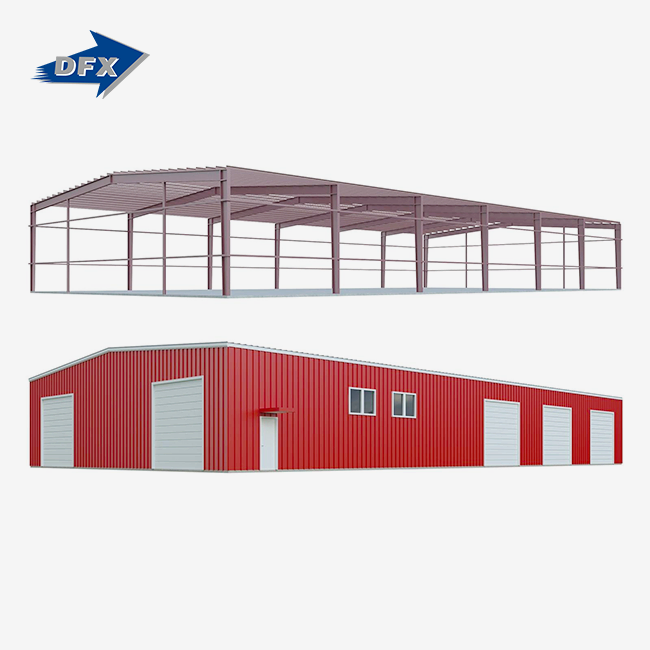
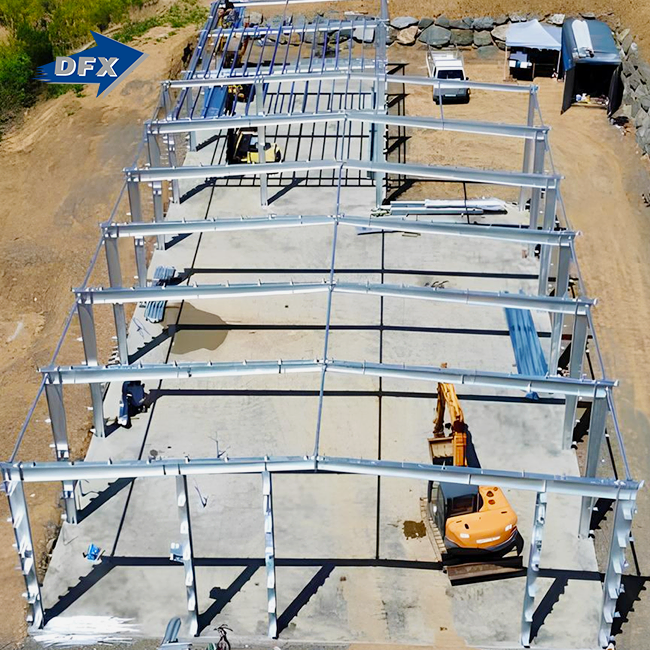
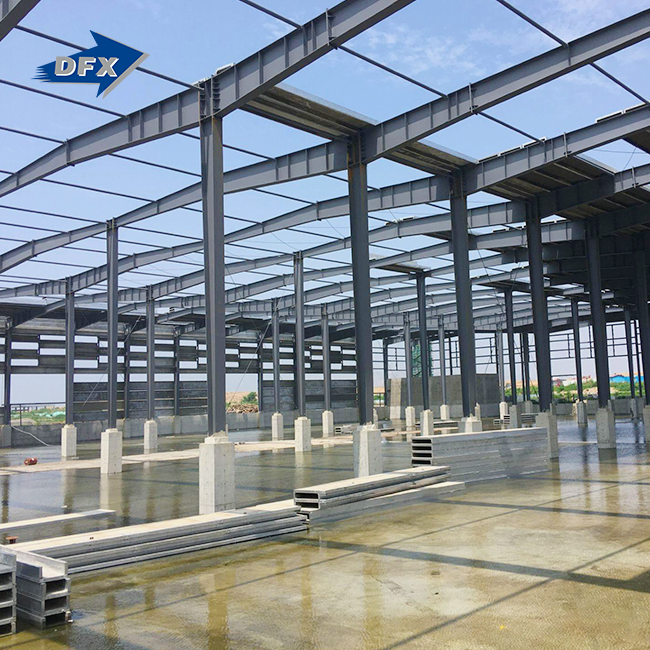
Our design philosophy is based on making the most of vertical storage space while still keeping things easy to get to. H-beam main steel frames allow clear-span widths of more than 30 meters without inner columns. This lets forklifts move freely and allows for flexible racking reconfiguration as SKU profiles change. Galvanised C/Z purlins hold up mezzanine platforms, which make the floor space twice as big and can be used to store small parts like button supplies or zipper coils. The support system keeps the structure stable on the sides, even when the upper racks are loaded with thick fabric rolls. This keeps the building from shaking during earthquakes or high winds that are common in coastal textile hubs.
Here are the main performance benefits that this structural approach gives you:
Column-Free Interior Zones: Clear gaps get rid of obstacles in high-traffic hallways, which makes picking faster and lessens the damage that forklifts do to racks when they crash into them. Our engineering estimates find the best beam depth to carry heavy rolls while keeping the amount of steel used to a minimum to keep costs down.
Modular Expansion Capability: Prefabricated parts allow construction to be done in stages that fit the needs of the business as it grows. Initial builds are based on current SKU volumes, and pre-engineered connection points allow for 40% capacity increases within eight weeks when new product lines need more space.
Integrated Crane Infrastructure: Designs for overhead beams include mounting holes for gantry cranes that can handle large cloth rolls weighing more than 500 kg. In this way, there are no more risks of moving things by hand or crowded floors from mobile equipment that is fighting with picking operations.
Some of the problems that come up with procurement are fixed by these structural features of the Textile Raw Material Warehouse: faster project delivery through off-site fabrication; predictable costs through standard pricing for components; and long-term adaptability as textile portfolios change to include technical fabrics or sustainable fibres that need specific storage areas.
Climate and Environmental Control Integration
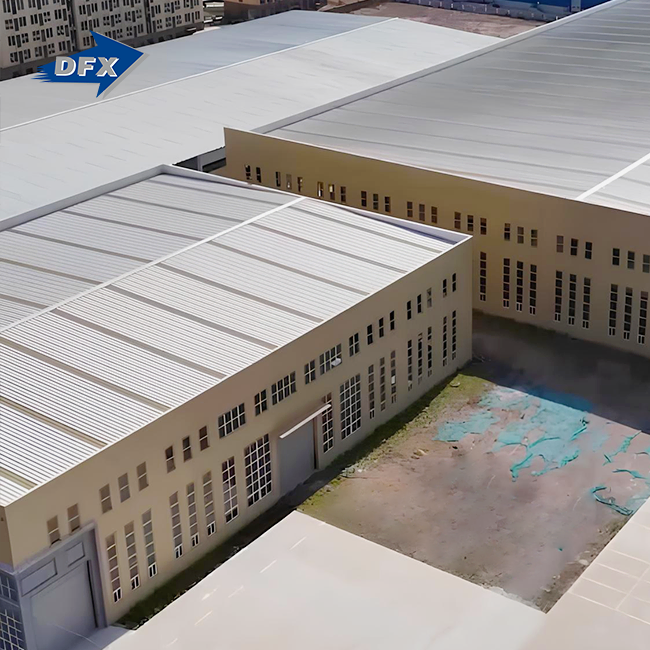
Keeping the exact conditions of the atmosphere stable during storage keeps the value of the goods. Our building covers are made of sealed sandwich panels with thermal resistance values (R-values) that keep the temperature at 20°C and the relative humidity between 55 and 65%, which is important for keeping the strength of cotton fibres. HVAC systems that are mounted on the roof send conditioned air through textile ducts with little turbulence, which reduces lint spread. Return air grilles that are placed above the floor catch heavier fibre dust before it circulates. LED lighting systems give off very little UV light, which stops coloured materials from photo-oxidizing. In wet areas, the luminaires are sealed to keep out water.
Inventory Technology Deployment
Modern cloth storage needs digital tracking that is just as accurate as real storage. Receiving staff put a barcode on each bale or roll, which contains information about the supplier lot, fibre test results, and an age stamp that is sent to warehouse management systems. RFID tags built into the sides of pallets let you follow where things are at all times as they move between inspection zones for quarantine, main storage, and production staging areas. When you integrate ERP, your inventory will automatically be reordered when it falls below safety stock levels that are calculated based on past consumption patterns and supplier lead times. This keeps your production from stopping because of a lack of materials.
Comparing Warehouse Solutions for Textile Raw Materials
Ownership Models and Cost Implications
Procurement managers have to decide whether to build specialised Textile Raw Material Warehouses or rent transportation space from a third party. When you own something, you can be sure of the long-term costs and make changes as you see fit, like adding special humidification systems or hazmat storage cells that are made to fit your fibre portfolio. The cost of an initial investment usually pays for itself over 15 to 20 years, and steel structures don't need much upkeep beyond regular painting. Leasing has lower entry barriers and is good for growing businesses that don't know how their volume will change in the future. However, monthly fees add up over time and don't allow for changes to the infrastructure, which makes it harder to optimise operations.
Automation Versus Manual Operations
Forklift operators and paper picking lists are used in traditional warehouses, which are good for operations that handle less than 500 SKUs and have predictable order patterns. Automated systems with conveyor networks and robotic retrievers work well for high-volume distributors who need to quickly fill orders for more than 2,000 different types of fabric. The extra cost of automation, which is usually three to four times the cost of a manual system, is justified by the savings in labour and better inventory accuracy that prevents expensive colour mismatches that are found after cutting has begun.
Location Strategy Considerations
Being close to production facilities cuts down on transportation costs and allows for just-in-time delivery, which lowers the cost of keeping inventory on-site. Textile production hubs in places like the southeast of the United States benefit from shared logistics infrastructure and trained warehouse workers who know how to handle fibres properly. On the other hand, places close to ports are good for importers who get containerised shipments from Asian suppliers, but getting goods to manufacturing customers spread out in the middle of the country makes things more complicated. Our modular steel buildings can be used in a variety of locations. For example, galvanised finishes protect against rust better in seaside areas, and seismic zones use strengthened bracing that meets local building codes.
Enhancing Safety and Quality in Textile Raw Material Warehouses
Fire Prevention Systems for Flammable Materials
The buildup of textile fibres poses serious fire risks that need to be actively reduced in Textile Raw Material Warehouses. Our warehouse plans include Early Suppression Fast Response sprinkler systems spaced every 10 feet across storage areas. These systems have special nozzles that provide higher water densities in areas with loose cotton or polyester thread. In areas with a lot of dust, explosion-proof electrical fixtures get rid of sources of ignition, and sensors that look for sparks in HVAC return ducts stop fires in those ducts before they can spread. Industrial vacuums are used as part of regular cleaning to remove lint from structural beams before it builds up to a dangerous level.
Incoming Material Quality Verification
Before materials are put into inventory systems, quality control starts at the receiving docks, where random sampling protocols look for problems. Fabric inspectors use a four-point system to rate defects by how bad they are across statistically significant yardage samples. Rolls that have more defects than what is considered acceptable by industry standards are thrown away. For those who buy by weight and don't want to pay extra for extra water content, moisture meters make sure that fibre shipments have the declared regain percentages. Polypropylene fibres from torn bale wrapping are found during contamination checks. If these fibres get mixed in with dye lots, they lead to failures.
Material Integrity Monitoring
During storage, the value of the goods is protected by constant tracking. Temperature and humidity sensors placed in different storage areas keep track of the conditions all the time. If the numbers move out of accepted ranges, it sends out alerts so that wool doesn't get mouldy or old cotton doesn't become brittle. Every month, cycle counting programs directly check the accuracy of high-value materials' stock. Once a year, wall-to-wall audits compare system records with real stock to find shrinkage from unrecorded consumption or damage write-offs. Monitoring stations for pests find moth activity in natural fibre zones, which lets treatments be targeted before infestations damage inventory.
Leasing and Procuring Textile Raw Material Warehouse Space
Contract Term Structures
Businesses that want to try out new markets or deal with yearly changes in demand for farm fibre can benefit from short-term leases for Textile Raw Material Warehouse space that last between one and three years. Flexibility comes with higher monthly fees and limited renter improvement allowances that make it hard to add climate control. Long-term contracts that last 5 to 10 years get you lower costs per square foot and let the owner share the cost of special equipment like hazmat storage cells or floors that can support a lot of racks. Purchase options built into lease agreements let you become the owner of the business once it's stable enough to justify a capital investment.
Negotiating Favorable Agreements
When negotiating a deal, good buying managers take advantage of how competitive the market is. When requests for proposals are sent to several warehouse providers, they all submit bids. The bids show the range of market prices and the differences in services. Tenant improvement allowances negotiated into contracts help cover the costs of customisation. For example, landlords may pay for improvements to insulation or the addition of a dock door, and the investments are recouped through longer lease terms. It's important to look closely at escalation conditions. Setting a limit on yearly rent increases at a set percentage protects against sudden cost increases over multi-year terms, when changes in textile demand can hurt profits.
Partnering with Specialized Providers
Warehouse workers who specialise in textiles know the ins and outs of their business, which sets them apart from general shipping providers. Teams with a lot of experience know that fabric rolls need to be stored on a core to keep them from ovalizing, and loose fibre bales need to be cross-ventilated to keep heat from building up from residual field moisture. These companies keep in touch with speciality service contractors, like industrial hygienists who test the air quality in areas where chemicals are stored and fibre testing labs that can do quick analyses when new shipments raise quality concerns. Integrated service packages that combine logistics planning with storage make handling vendors easier for departments that already have to deal with complicated global supply networks.
Conclusion
Strategic Textile Raw Material Warehouse design turns storing cloth raw materials from a cost point into a way to gain a competitive edge. A steel frame building that combines structural efficiency with precise environmental control protects the integrity of materials and allows for working flexibility as product lines change. Quality-focused procurement teams know that investing up front in purpose-built facilities stops costly problems later on, as production stops due to damaged materials, customer claims from shade differences, and inventory write-offs from bad storage. When engineering knowledge meets knowledge of the cloth business, warehouses become active systems for keeping quality rather than passive storage areas.
FAQ
Q1: What humidity levels suit different textile materials?
Cotton and wool work best when the relative humidity is between 55 and 65%. This keeps the fibres flexible and the weight accurate. Synthetic materials, on the other hand, like polyester chips, need lower humidity levels (below 40% RH) to keep them from breaking down during melting. Spandex stretchy fibres need cooler temperatures (around 15°C) to break down more slowly, while viscose rayon can handle higher humidity levels (up to 70% RH) without becoming rigid. These different needs can be met by multi-zone temperature control systems in a single warehouse. These systems separate materials based on their environmental needs while keeping operations running smoothly through smart layout planning.
Q2: How does automation improve inventory accuracy?
Automated storage and retrieval systems get rid of mistakes made by people when they place and pick up materials, making the inventory 99.8% accurate compared to the 95–97% accuracy that is normal for manual operations. Scanning barcodes at every step of the way creates digital audit trails that connect the actual location to system records. At the point of dispatch, weight verification makes sure that the amounts picked match the requirements of the order. These improvements in accuracy stop expensive mistakes in production, like sending out the wrong dye lots, which can change the colour, or not sending enough materials, which can cause the queue to stop.
Q3: What fire safety protocols protect textile warehouses?
In addition to standard sprinkler systems, textile facilities need lint removal programs to stop the buildup of dust that makes fires spread quickly. In areas where fibre is processed, electrical parts that are resistant to explosions get rid of sources of ignition, and automatic shutdown systems stop HVAC operations during fires to stop the spread of smoke. Regular checks make sure that the sprinklers work and that the emergency exit is easy to get to. Staff training covers how to evacuate and use a portable fire extinguisher for small fires.
Partner with DFX for Your Textile Raw Material Warehouse Solution
Since 2011, Director Steel has designed storage solutions for textile companies in a wide range of climates and business sizes. Our built modular steel buildings are made with galvanised C/Z purlins and H-beams for structural stability. They have clear-span interiors and can hold a lot of Textile Raw Material Warehouse inventory. Our full-service approach, which includes everything from engineering formulas to erection advice, makes the whole process easier, and our ISO9001-certified manufacturing methods and optional CE compliance make sure that your investment meets international quality standards. Whether you're a Textile Raw Material Warehouse supplier looking to increase your capacity or a manufacturer looking to streamline your regional distribution, our team can help you find the right structure for your fibre handling needs. Email jason@bigdirector.com to talk about how our ability to fabricate up to 20,000 tonnes of steel per year and our knowledge of the textile industry can help you get your next warehouse project up and running faster.
References
1. Kadolph, S.J. & Langford, A.L. (2019). Textiles: Fiber to Fabric Properties and Performance. Pearson Education Limited.
2. Richards, G. (2018). Warehouse Management: A Complete Guide to Improving Efficiency and Minimizing Costs in the Modern Warehouse. Kogan Page Publishers.
3. Tortora, P.G. & Merkel, R.S. (2020). Fairchild's Dictionary of Textiles (8th ed.). Bloomsbury Publishing.
4. Frazelle, E. (2016). World-Class Warehousing and Material Handling (2nd ed.). McGraw-Hill Education.
5. National Fire Protection Association. (2021). NFPA 230: Standard for the Fire Protection of Storage. NFPA Publications.
6. Tompkins, J.A. & Smith, J.D. (2017). The Warehouse Management Handbook (3rd ed.). Tompkins Press.
Learn about our latest products and discounts through SMS or email