- English
- French
- German
- Portuguese
- Spanish
- Russian
- Japanese
- Korean
- Arabic
- Greek
- German
- Turkish
- Italian
- Danish
- Romanian
- Indonesian
- Czech
- Afrikaans
- Swedish
- Polish
- Basque
- Catalan
- Esperanto
- Hindi
- Lao
- Albanian
- Amharic
- Armenian
- Azerbaijani
- Belarusian
- Bengali
- Bosnian
- Bulgarian
- Cebuano
- Chichewa
- Corsican
- Croatian
- Dutch
- Estonian
- Filipino
- Finnish
- Frisian
- Galician
- Georgian
- Gujarati
- Haitian
- Hausa
- Hawaiian
- Hebrew
- Hmong
- Hungarian
- Icelandic
- Igbo
- Javanese
- Kannada
- Kazakh
- Khmer
- Kurdish
- Kyrgyz
- Latin
- Latvian
- Lithuanian
- Luxembou..
- Macedonian
- Malagasy
- Malay
- Malayalam
- Maltese
- Maori
- Marathi
- Mongolian
- Burmese
- Nepali
- Norwegian
- Pashto
- Persian
- Punjabi
- Serbian
- Sesotho
- Sinhala
- Slovak
- Slovenian
- Somali
- Samoan
- Scots Gaelic
- Shona
- Sindhi
- Sundanese
- Swahili
- Tajik
- Tamil
- Telugu
- Thai
- Ukrainian
- Urdu
- Uzbek
- Vietnamese
- Welsh
- Xhosa
- Yiddish
- Yoruba
- Zulu
Custom Equipment Protection Shed Solutions for Your Project
When looking at Equipment Protection Shed options for your next industrial or construction project, you need more than just a roof over your head. You need a strategic asset that protects expensive machinery, extends the life of equipment, and can work in harsh conditions. We at Qingdao Director Steel Structure Co., Ltd. have been designing custom steel sheds that protect important assets and give great returns on investment for over 12 years. Whether you're in charge of a logistics warehouse, a factory, a farming operation, or the building of a new road, knowing how to choose, place, and take care of the right protective structure has a direct effect on the success and continuation of your project.

Understanding Equipment Protection Sheds: Types, Materials, and Design Essentials
Equipment Protection Sheds for industrial machines have changed a lot over the years, from simple covers to complex, designed solutions that deal with specific environmental problems. To figure out which setup is best for your project, you must first understand the basic types and material properties that are currently on the market.
Permanent Versus Portable Steel Structures
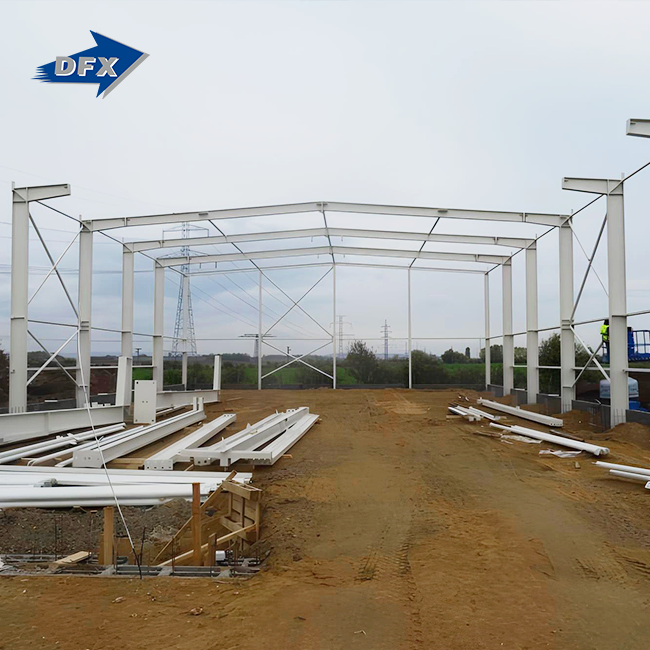
Permanent Equipment Protection Sheds are made of welded H-beam frames that are anchored to concrete supports. They are great for protecting long-term assets in factories, building yards, and farms. These buildings can stand up to wind speeds of more than 150 km/h and heavy snowfall that is usual in the northern U.S. Even though portable options aren't very common for heavy equipment, they can be useful for temporary construction sites or seasonal storage needs in agriculture. Depending on what the customer wants, we make both configurations. Permanent installations make up about 85% of our project collection.
Steel Frame Construction Advantages
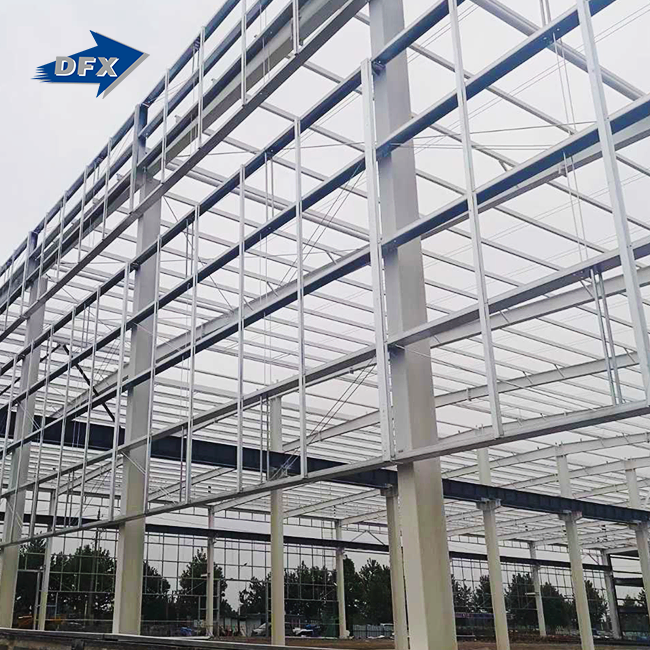
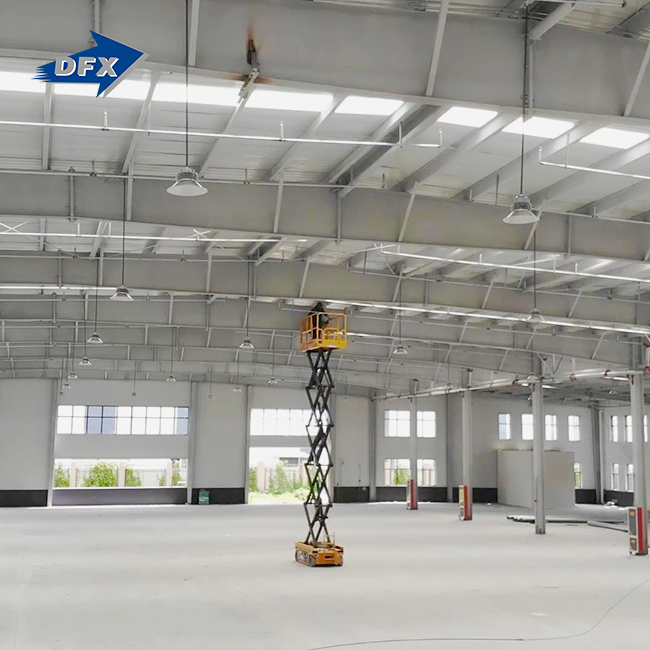
The main parts of professional-grade Equipment Protection Sheds are the H-section beam and column frames, and the C/Z galvanised purlins. This engineering method has a number of measurable benefits, including the ability to span up to 30 meters without interior columns, which makes more space available for big machines, the ability to support heavy loads like overhead cranes and snow, and the ability to speed up the building process, usually 40 to 60 percent faster than traditional methods. Steel's high strength-to-weight ratio lowers the cost of foundations while keeping the structure strong for decades.
Our factory uses six automatic production lines to make 20,000 tonnes of welded H-beams every year. This ensures consistent weld quality and precise measurements that can't be achieved by hand. This level of accuracy makes it easier to put together on-site and allows for tighter weatherproofing tolerances.
Design Configurations: Enclosed Versus Open-Sided Options
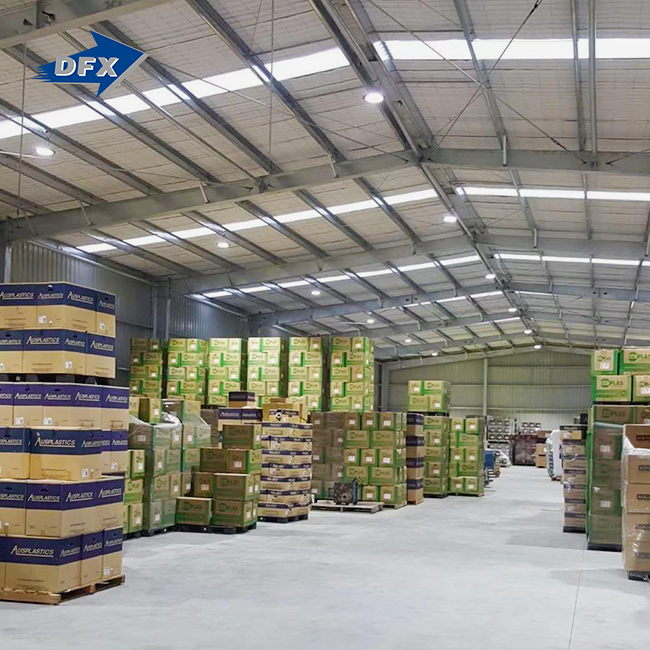
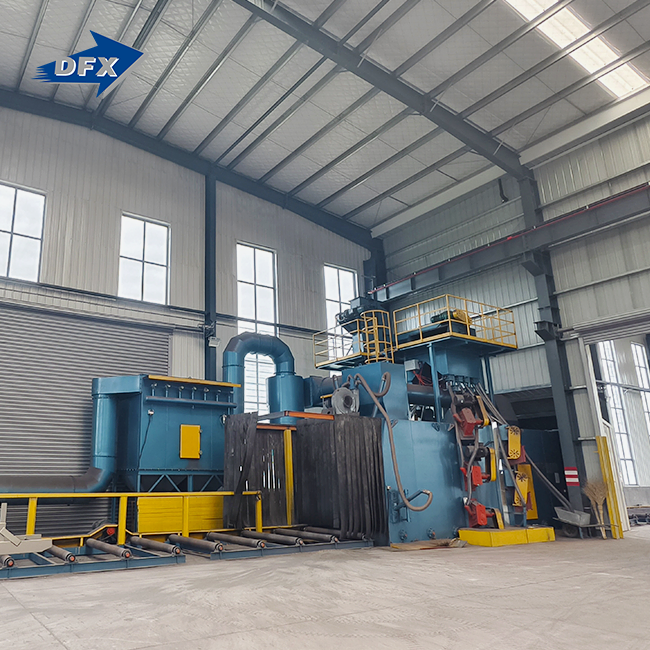
Closed Equipment Protection Sheds have insulated sandwich panels or corrugated steel sheets covering the whole wall, keeping out any outside noise or light. This setup works well for storing dangerous materials, temperature-sensitive equipment, or tasks that need to keep dust under control. Open-sided designs keep the roof covered while letting natural air flow through. This makes them perfect for parking lots, hay storage, or maintenance bays for machinery, where airflow keeps moisture from building up but weather protection is still needed.
We often help our clients make this choice based on the weaknesses of their tools. Farms that store hay in structures with open sides to keep mould from growing, while manufacturers who store CNC machinery or electrical switchgear need structures with closed sides to keep temperatures stable inside. Our architectural team changes the layout of walls, doors, and ventilation systems to fit operating processes instead of pushing clients into standard layouts. This is because design flexibility is one of our core skills.
How to Choose the Right Custom Equipment Protection Shed for Your Project?
To choose the right Equipment Protection Shed, you need to carefully look at the project's limitations, the equipment's needs, and the business's long-term operational goals. When procurement managers take the time to do this assessment phase, they can avoid costly redesigns and poor performance.
Assessing Equipment Dimensions and Operational Clearances
Start by making a list of the biggest pieces of equipment that need cover. Make sure there are at least 1.5 meters of air above them for maintenance access, 2 meters of space on each side for safe movement, and extra space in case the shelter needs to be expanded in the future. When construction companies store mobile cranes or aerial lifts, they often don't measure the equipment's vertical clearance needs at its fullest extension, but at its transport height. Agricultural clients often ask for designs that can be expanded to accommodate a growing herd or more food storage. We can meet these needs with modular bay setups that make future adds affordable.
Environmental Factors and Structural Requirements
Regional weather patterns have a direct effect on the specifications of buildings. For sites near the coast, hot-dip galvanised purlins and marine-grade fasteners are needed to protect against corrosion. In places that get a lot of snow, higher roof pitches (at least 15 degrees) and wider gaps between the trusses are needed. During the planning phase, our engineering team uses ASCE 7 load tables and local building rules to make sure that the building meets the requirements for wind speed ratings, seismic concerns, and snow load classifications that are specific to your site.
Extremes of temperature also need your attention. In desert climates, structures that aren't insulated can get hotter than 60°C inside, which damages hydraulic fluids and electrical parts. On the other hand, freezing weather is bad for equipment that is cooled by water and battery systems. When temperature control is very important, we ask for sandwich panel walls with polyurethane foam cores that have thermal resistance values of R-16 or higher.
Evaluating Supplier Capabilities and Certifications
In addition to price competitiveness, the process of choosing a supplier should involve a number of other important factors. Delivery times depend on how much manufacturing capacity there is. With our 40,000-square-meter production facility and 200-person workforce, we can build, pack, and ship medium-sized projects in 4 to 6 weeks, which is a lot faster than smaller fabricators who have to handle multiple contracts. If you can, ask for production plans and tours of the building. Being open about these things shows that the business is running smoothly.
Certifications give you concrete proof of quality. Our ISO 9001 certification shows that we manage quality in a planned way during the design, production, and testing processes. The CE marking shows that our structural calculations and material specifications meet European safety standards, which are becoming more and more important to multinational companies that want to standardise their global procurement. Extra certificates, such as COC (Certificate of Conformity) and PVOC (Pre-Export Verification of Conformity), make it easier to clear customs in many African and Middle Eastern markets, which cuts down on import delays.
Customization, Flexibility, and Design Support
Standard catalogue items rarely perfectly match the needs of a specific project. Check to see if providers let you really customise by changing things like column spacing, adding equipment bases, and adding doors or hatches for people or equipment. If not, make sure you can choose from set size increments. We offer free architectural design services and make thorough fabrication drawings, foundation plans, and assembly processes that are special to each customer. This unified method gets rid of gaps in how structure suppliers and site workers work together.
Installation and Maintenance Best Practices for Long-Term Performance
The service life of your Equipment Protection Shed is extended by using the right installation methods and proactive maintenance schedules. Unexpected repairs are kept to a minimum. We've seen that the quality of the work has a bigger effect on long-term performance than the choice of material in most cases.
Site Preparation and Foundation Work
Most problems with structures that happen during their working life can be avoided if the foundations are designed correctly. When the ground is steady, concrete pier foundations work well and are a cheap way to support column loads. On the other hand, continuous perimeter footings better spread forces in areas that can't hold as much weight. If the ground conditions look sketchy, you should hire geotechnical engineers to test the soil because fixing foundation problems after the building is finished costs three to five times as much as the correct design at the start.
Site grading needs the same amount of care. Make sure that positive drainage moves water away from the structure's edges. This will keep the base from sinking and the floor slab from becoming too wet. We suggest slopes of at least 2% that go out at least 3 meters from the edges of the building. For agricultural sites, gravel aprons keep mud from building up during wet seasons, and for manufacturing sites, concrete approach pads allow forklifts to move around without damaging the surface.
Erection Sequence and Quality Checkpoints
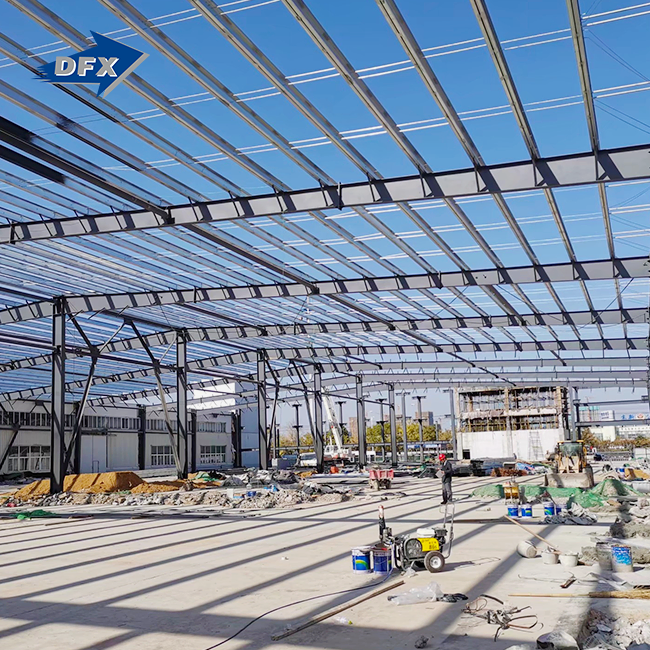
Professional installation teams follow a set order: checking the foundation and making sure the anchor bolts are lined up (within 3 mm of error), putting up the main frame with temporary supports, installing the secondary purlins, and finally covering the walls and roof. We provide detailed assembly plans that show the recommended bolt torque, connection details, and important size limits. A few things that project managers should make sure are checked are that the columns are plumb within a 1:500 tolerance, the beams are level across spans, gaskets are placed correctly where panels overlap, and all the fasteners are installed properly. Missing or poorly tightened fasteners are a common problem.
Routine Maintenance and Inspection Protocols
Setting up maintenance schedules can add decades to the life of a structure. We suggest that you check the fasteners every six months to make sure they are tight (thermal cycling can loosen connections over time), the condition of the sealant at the panel joints, the functionality of the gutters and downspouts, and the coating integrity on any steel surfaces that are visible. Ammonia exposure speeds up rusting in agricultural settings. Washing once a year with pH-neutral cleaners gets rid of corrosive leftovers before they cause damage.
Take pictures of the inspection results to keep records of the standard state that can be used for trend analysis. Small rust spots that can be fixed quickly with touch-up paint don't cost nearly as much as replacing a panel because of more severe rusting. Replace any damaged fastener seals right away, because water getting in through fastener holes causes rust to spread to nearby areas.
Top Custom Equipment Protection Shed Solutions and Industry Trends in 2024
The Equipment Protection Shed industry keeps moving forward with new materials, digital integration, and efforts to be more environmentally friendly. Knowing about these changes helps procurement pros come up with ideas that will work in the future.
Modular and Expandable Structural Systems
Modular bay configurations let building be done in stages to fit the needs of the business as it grows, while keeping the architecture consistent. Manufacturing clients who want to increase their production capacity, like designs that can add more bays without changing the structure of the current parts. We design link features that make additions look and work as they've always been there. For example, matched column spacing, compatible roof slopes, and standard panel shapes make sure that the building looks and works the same.
This ability to grow is especially helpful for construction companies and EPC firms that are in charge of infrastructure projects that last for years. In the first stages, temporary tools and materials can be stored. Later, as the building grows, permanent repair facilities or parts stores can be added. This method lowers the amount of initial capital needed while keeping long-term flexibility.
Sustainable Materials and Energy-Efficient Features
Environmental awareness is becoming more and more important in purchasing choices. Galvanised steel framing is naturally environmentally friendly because it can be recycled completely at the end of its useful life, and recycled content is often more than 70% of new products. Cool roof coatings that reflect solar radiation lower temperatures inside by 8 to 12°C without using mechanical cooling. This saves money on energy costs and extends the life of equipment by lowering thermal stress. When we make sandwich panels, we use polyurethane foam bases that don't deplete ozone, which is in line with new environmental rules.
Smart Monitoring and Security Integration
Adding technology to structures turns them from passive assets into smart ones. Wireless sensor networks keep an eye on the temperature, humidity, and state of equipment inside a building and send out alerts when conditions go beyond what was set. This feature is very helpful for machines that need to be kept at a certain temperature or for farming, where controlling the surroundings has a direct effect on the quality of the crops. Motion detection, surveillance cameras, and access control are all parts of security systems that keep valuable equipment safe from theft and people who aren't supposed to be there. This is becoming more of a worry at remote work sites.
Conclusion
When choosing Custom Equipment Protection Shed solutions, you have to weigh the needs of the project right now against the needs of the business in the long term. Steel structures made with H-beam frames and galvanised parts last a long time, can be customised easily, and are cost-effective in a wide range of situations, from storing hay in farms to maintaining factories. For a procurement to go well, providers must show that they can make the goods, have quality certifications, know how to create them, and offer full help during installation and service life. By carefully looking at your equipment protection needs, the climate, and the qualifications of your suppliers, you can set up your project for decades of reliable asset protection and high operating efficiency.
FAQ
Q1: What typical lead times should we expect for custom steel structure orders?
Production schedules change depending on how complicated the project is and how busy factories are right now. Standard Equipment Protection Sheds with closed or open sides that are between 200 and 500 square meters usually take 4 to 6 weeks to build after engineering approval is given. Installations that are bigger than 1,000 square meters or that need special features may take 8 to 10 weeks. We keep our production cycles short by using dedicated lines and hiring experienced workers. However, procurement managers should place orders three to four months before they need to be delivered on-site to allow time for design approval, fabrication, international shipping, and any necessary customs procedures.
Q2: Can equipment protection structures be relocated after initial installation?
Permanent steel structures with bolted connections can be taken apart and moved, but it costs a lot of money for labour and transportation, about 40 to 50 percent of what it cost to install in the first place. The cost of foundation work at the new site is higher. If a client is planning to move, they should let us know during the initial design phase so that we can include link details that make it easier to take apart. For most business and industrial uses, though, it's better to plan for permanent buildings of the right size than for structures that can be moved around.
Q3: How do you maintain adequate ventilation in enclosed sheds without compromising security?
Ventilation and safety needs often go against each other. We deal with this problem in a number of engineered ways, including louvred vents placed above reach height (2.5 meters or more), with internal security screens that stop intrusion while letting air flow; ridge ventilators that use gravity to move air without power or security holes; and mechanical ventilation systems with screened intake louvres when active airflow control is needed. Agricultural uses that store hay can benefit from strategically placing open sections near the roof eaves. This helps moisture evaporate while keeping equipment safe with full-height walls at easily accessible levels.
Get Your Custom Equipment Protection Shed Quote from DFX
Director Steel Structure Co., Ltd. (DFX) is ready to design Equipment Protection Sheds that are exactly the right size for your project's equipment, weather issues, and operating needs. Our manufacturing processes are ISO 9001-certified, our structure designs are CE-compliant, and we offer a full range of services, from the initial idea to installation models. This makes the buying process easier and more secure for your valuable assets. Contact our team at jason@bigdirector.com to talk about your specific needs with experienced Equipment Protection Shed suppliers who know how to find the best balance between durability, functionality, and price. From the idea stage to the finished product, we'll help your project succeed by giving you detailed quotes, engineering specifications, and production schedules.
References
1. American Institute of Steel Construction (AISC), "Steel Construction Manual: Design Guidelines for Industrial Structures," 15th Edition, 2023.
2. Freeman, Sarah J., "Pre-Engineered Metal Buildings: Design, Fabrication, and Erection Best Practices," Construction Industry Institute, 2022.
3. National Frame Builders Association, "Post-Frame Building Design Manual: Agricultural and Commercial Applications," 2023 Edition.
4. Patterson, Michael R., "Corrosion Protection Strategies for Coastal and Industrial Steel Structures," Journal of Protective Coatings and Linings, Vol. 39, 2023.
5. United States Department of Agriculture, "Farm Structures: Design and Construction Guidelines for Equipment Storage Facilities," Agricultural Handbook No. 652, 2024.
6. Williams, Robert K. and Chen, Li, "Sustainable Steel Construction: Lifecycle Assessment and Environmental Impact Reduction," International Journal of Steel Structures, March 2024.
Learn about our latest products and discounts through SMS or email