- English
- French
- German
- Portuguese
- Spanish
- Russian
- Japanese
- Korean
- Arabic
- Greek
- German
- Turkish
- Italian
- Danish
- Romanian
- Indonesian
- Czech
- Afrikaans
- Swedish
- Polish
- Basque
- Catalan
- Esperanto
- Hindi
- Lao
- Albanian
- Amharic
- Armenian
- Azerbaijani
- Belarusian
- Bengali
- Bosnian
- Bulgarian
- Cebuano
- Chichewa
- Corsican
- Croatian
- Dutch
- Estonian
- Filipino
- Finnish
- Frisian
- Galician
- Georgian
- Gujarati
- Haitian
- Hausa
- Hawaiian
- Hebrew
- Hmong
- Hungarian
- Icelandic
- Igbo
- Javanese
- Kannada
- Kazakh
- Khmer
- Kurdish
- Kyrgyz
- Latin
- Latvian
- Lithuanian
- Luxembou..
- Macedonian
- Malagasy
- Malay
- Malayalam
- Maltese
- Maori
- Marathi
- Mongolian
- Burmese
- Nepali
- Norwegian
- Pashto
- Persian
- Punjabi
- Serbian
- Sesotho
- Sinhala
- Slovak
- Slovenian
- Somali
- Samoan
- Scots Gaelic
- Shona
- Sindhi
- Sundanese
- Swahili
- Tajik
- Tamil
- Telugu
- Thai
- Ukrainian
- Urdu
- Uzbek
- Vietnamese
- Welsh
- Xhosa
- Yiddish
- Yoruba
- Zulu
Steel Factory Building: Design, Cost & Key Advantages
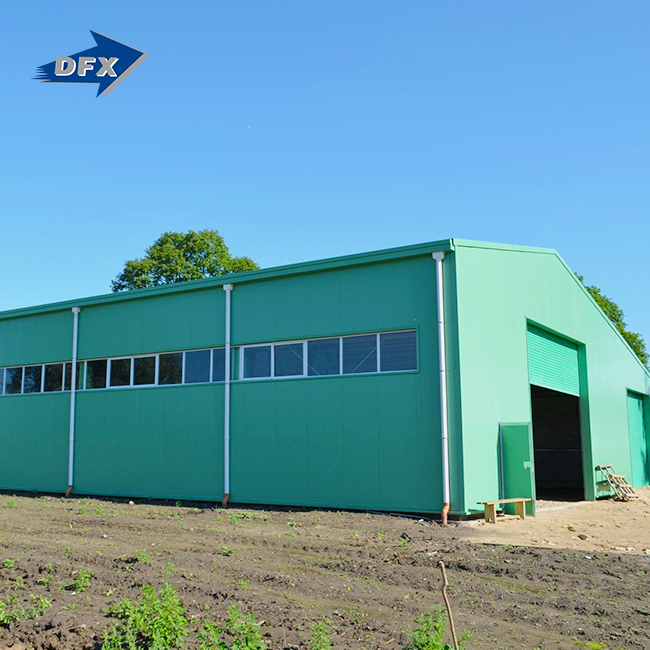
The steel factory building is a revolutionary way to plan industrial infrastructure for factories, transportation hubs, or large-scale production facilities. It solves some of the most important problems that project managers and procurement professionals face today. These buildings are very strong, can be built quickly, and can be easily changed. They are made with H-section beams, galvanised C/Z purlins, and steel frames designed for strength. Traditional buildings made of concrete or stone need a long time to cure and are difficult to put together on-site. But steel structures use pre-made parts that cut project times by 30 to 50 per cent while still keeping excellent structural integrity. Steel buildings are the best choice for builders, manufacturing investors, and farming businesses that need stable, low-cost industry spaces because they are both efficient and long-lasting.

Understanding Steel Factory Buildings: Design and Types
What Defines a Modern Steel Factory Building?
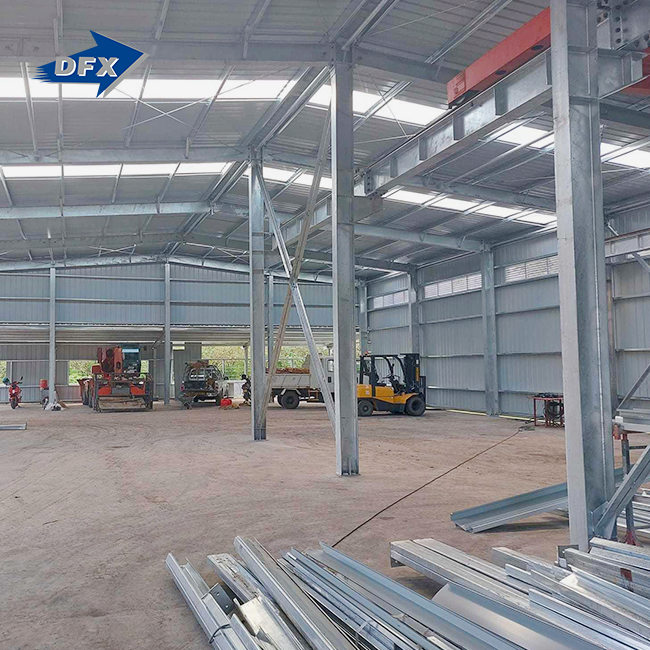
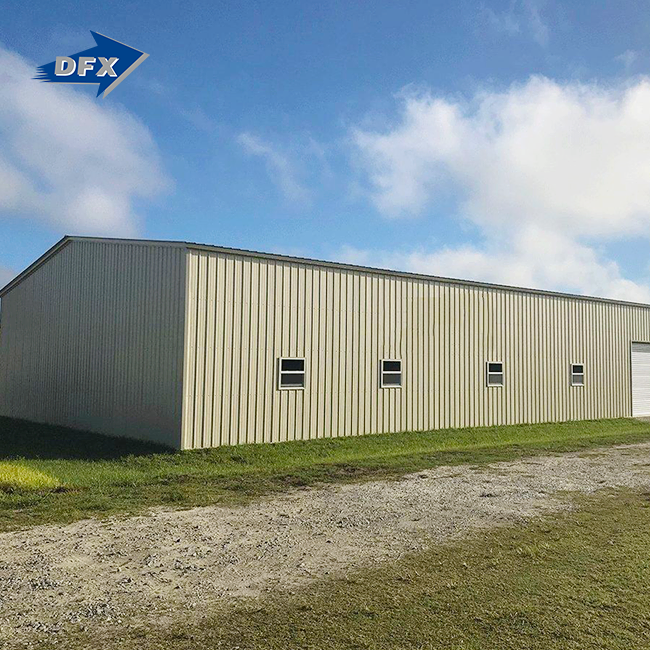
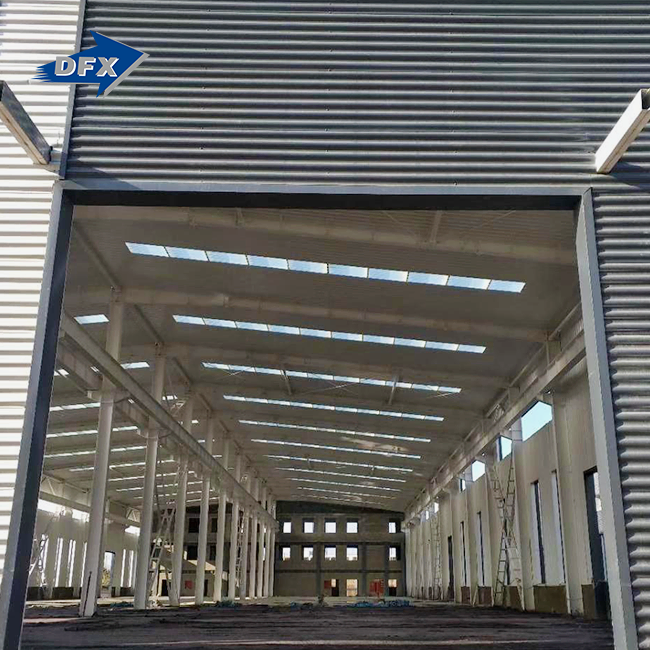
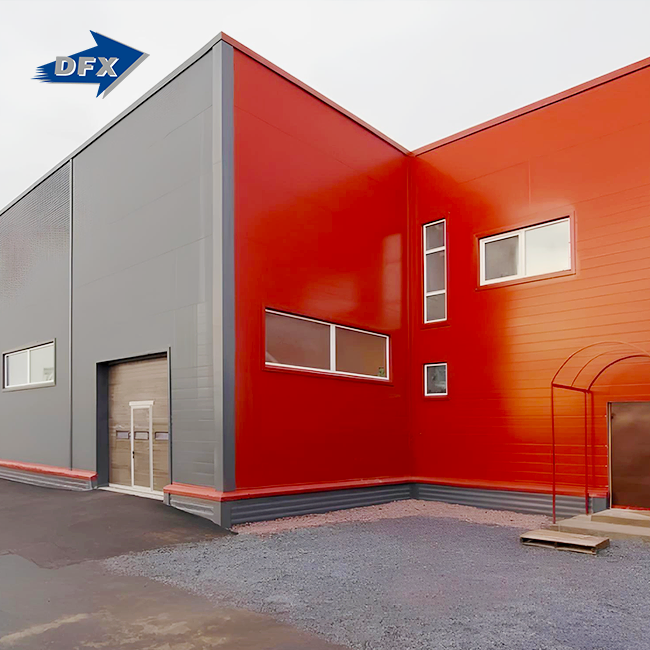
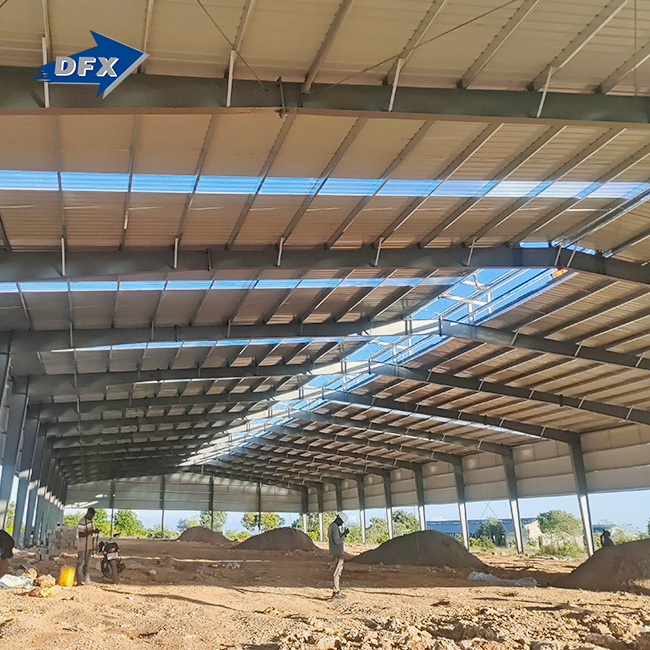
Steel factory buildings today are well-planned with high-strength steel load-bearing frameworks. These buildings use H-section beams and C/Z steel purlins for structural support. A building system with greater strength-to-weight ratios than typical methods is designed. Manufacturers usually employ 345–355 MPa high-strength low-alloy steels like Q355B or ASTM A572 Gr 50. This method lets you construct clear-span designs longer than 60 meters without internal columns. This provides ample floor space for machinery configuration, forklift traffic, and manufacturing. These coloured steel sheet coverings are both attractive and weatherproof. They also have roof ventilation, sunshine panels, and adjustable door and window layouts for industrial lighting and airflow.
Pre-Engineered vs. Custom-Built Structures
The steel manufacturing market has two primary alternatives. Making pre-engineered buildings with standardised elements in regulated workplaces reduces money and expedites delivery. In factories, parking garages, and tool storage areas, these solutions function effectively for simple jobs. Specialised solutions are designed for heavy-duty crane systems, buildings with distinctive designs, and temperature control. Qingdao Director Steel Structure Co., Ltd.'s design team considers machine loads, operating processes, and growth when designing each project. It determines if standard design or unique engineering provides the highest value. No matter the method, both meet ISO9001 and CE certification standards. This ensures structural safety and rule compliance.
Structural Variations for Different Industrial Applications
Industrial sites require diverse structural layouts for their operations. Single-span designs are particularly well-suited for tiny production workplaces and maintenance sheds because they're cheap and straightforward to build. Carefully placed internal columns support huge roof surfaces while keeping workspaces useful in multi-span systems for larger production floors. Modular steel buildings can be developed in stages to accommodate corporate expansion and capital commitments. In factories with large gear, multi-tiered overhead crane systems that can lift 100 tonnes require stepped columns. Chemical processing companies utilise rust-resistant coatings and enhanced ventilation to withstand harsh weather. These structural contrasts demonstrate how steel building technology may be applied in many industrial situations, from automobile assembly lines to cold storage warehouses that need to maintain low temperatures.
Cost Factors and Construction Process of Steel Factory Buildings
Breaking Down Material and Labor Expenses
Understanding cost components helps buying managers make informed spending decisions. Steel industrial building materials vary in price depending on type, thickness, and market conditions. Although more expensive, high-strength steels can be used for longer spans and with less material. Protective coatings are expensive, too. In mild settings, shot blasting and epoxy zinc-rich primers work, but marine or chemical exposure requires hot-dip galvanisation or fluorocarbon coatings. Labour expenses vary greatly by location and complexity. The Director of the Steel factory has 200 trained staff members and 40,000 square meters of production space. Reduced labour expenses allow us to create products swiftly and cheaply. Transport logistics increase project costs, especially when transporting items internationally. Our short manufacturing cycles and enhanced packing reduce shipping numbers and freight costs. Steel manufacturing buildings cost $15–$40 per square foot, while concrete tilt-up buildings cost $25–$60. This makes steel manufacturing structures a cost-effective option for budget-conscious projects.
Step-by-Step Construction Timeline
Steel factory building construction projects have a clear order of steps, making scheduling easier. The foundation must be prepared first. Soil stabilisation, concrete pouring, and anchor bolt installation each take 2–3 weeks. Construction is underway at facilities with automatic riveted H-beam production lines and C/Z section steel tools while the foundations cure. This concurrent approach greatly accelerates overall timescales. Steel parts typically arrive 6–8 weeks after order confirmation, depending on the size of the work and the level of customisation. On-site erection is the most obvious construction step. Traditional building takes months, but crane teams built the structure in days or weeks. Typical 5,000-square-meter manufacturing buildings are broken and weatherproofed in 12 to 16 weeks. The final steps in building completion include installing overhead doors, air equipment, utility hookups, and sandwich panel cladding. This simplified approach allows builders to put up equipment and start production earlier than with traditional building methods. This boosts ROI.
Supplier Selection and Procurement Strategies
Choosing the best factory partner affects project success. Procurement managers should evaluate providers beyond price bids. Manufacturing capacity indicates a supplier's ability to handle large and fast jobs. Director Steel's six automatic H-beam and two sandwich panel lines produce 20,000 tonnes of structural steel and 50,000 square meters of wall panels annually. ISO9001 and CE mark compliance demonstrate compliance with international standards and help authorities accept your products. Complex projects requiring engineering formulas, connection details, and installation plans require design assistance. Multiple vendors can collaborate more easily with suppliers who offer idea-to-installation services. Shipping charges and lead times depend on the destination. Established manufacturers with international logistics knowledge can manage freight and pack efficiently to overcome distance issues. When all these elements are considered, teams can develop quality structures on schedule and on budget.
Key Advantages of Steel Factory Buildings for Industrial Use
Steel industrial construction technology helps project managers, plant owners, and farmers with daily tasks. Understanding these benefits helps decision-makers understand why steel buildings are gaining in popularity across all industries.
Steel constructions perform well in harsh situations. Due to its construction, steel can withstand hurricane-force winds of 280 km/h and severe snowfall. Steel stays together better than wood or concrete, which can rot and split. Hot-dip galvanisation and epoxy primers prevent rust and can last for 50 years or more. The material is naturally fire-resistant because it can't be burnt; however, intumescent coatings can be added where building codes demand fire-rating lengths. This means the structure will require less maintenance during its lifetime, which benefits manufacturing and farming companies that prioritise working capital over facility repairs.
Other financial rewards exist besides building savings. Steel buildings' clear-span designs maximise floor area by eliminating interior beams that block equipment placement and circulation. Factory operations managers value spatial optimisation because it improves operational efficiency, which can be difficult to assess. Another economic advantage of steel buildings is their ability to add horizontal or vertical floors without disrupting operations. The connection-based assembly allows selected structure strengthening when manufacturing needs change, rather than rebuilding. Recycling keeps steel valuable, and if a facility moves, steel parts can be reused. New insulation solutions reduce power costs and make buildings more energy efficient. In sandwich panels with PIR or PUR cores, thermal bridging is eliminated. This reduces HVAC needs and keeps the facility safe. All of these financial benefits make steel buildings appealing to makers who care more about the total cost of ownership than upfront expenses.
Environmental performance is becoming more important in industrial development decisions as organisations pursue sustainability and green building requirements. Modern mills use recycled materials and release less carbon dioxide per tonne of steel, improving production. Instead of going to a dump, old buildings can be recycled to build new ones. Shorter building timetables reduce site and environmental impact. In contrast to on-site construction, precision production in the plant reduces material waste. Steel buildings that can support weight make adding solar panels on the roof easier. Better insulation reduces a building's energy use and lifetime greenhouse gas emissions. These environmental attributes support business responsibility and can help a building gain LEED approval or another green building recoprogramme that is valuede valued by environmentalists.
How to Choose the Right Steel Factory Building Supplier?
Essential Certification and Manufacturing Standards
Supplier trust begins with verified certificates that demonstrate compliance with well-known quality processes. ISO9001 accreditation signifies that a steel-factory-building company has quality management systems for planning, production, and customer service. CE marks indicate that a product meets European safety, health, and environmental regulations. Internationally sold projects require CE marks. Extra certificates like COC and PVOC ensure the product satisfies national standards. In addition to paperwork, you can tour the plant or ask about the tools to learn how the product is made. Automatic welding lines always produce better joints than manual approaches. Non-destructive technologies like ultrasound, radiography, and magnetic particle inspection can assess weld stability in critical structure linkages. Material traceability tools link each part to a mill's test report to ensure the steel grade. These technical talents distinguish professional makers from commodity merchants and affect structural safety and project success. For 12 years, Director Steel has provided full-service in-house design. Procurement managers should seek partners with a deep understanding.
Service Scope and Project Management Support
Offering many services reduces project risk and coordination. Full-turnkey solution suppliers manage structural design, part manufacture, shipping, and installation from one location. This unified approach minimises ambiguities and duty gaps caused by different suppliers of building elements. Engineers should estimate local construction codes, wind and seismic loads, and equipment needs, such as crane runway design, as part of technical assistance. Detailed manufacturing drawings and installation instructions simplify on-site assembly, saving both labour and time. Some manufacturers provide direct installation, while others give local pros everything they need to execute the job right and swiftly. An after-sales warranty and change assistance display the seller's commitment. You can locate partners to help with project planning and execution by looking at the spectrum of services offered. This is especially useful for companies with multiple building or expansion projects.
Maintenance Tips and Long-Term Performance Optimization
Proactive Inspection and Corrosion Prevention
Regular maintenance programmes protect your investment in the steel factory building and prevent minor issues from becoming costly. Yearly assessments should target several key areas. Check coverings for wear and tear. Rust stains, crackling, and peeling indicate damage. Coatings wear faster in coastal or chemical-contact industrial contexts; therefore, they need more inspections. Surface rust should be cleaned with power tools and painted with a protective substance. Make sure bolts joining beams and columns are tight and corrosion-free. Roof leaks damage the inside and accelerate the structure's disintegration; therefore, they require additional care. Flashings, gutters, and drains must be cleaned and checked for leaks regularly, although standing seam roof panels with all-direction locking systems restrict access points. Remove obstructions from drainage systems. Building managers should plan maintenance to save money because preventative measures are cheaper than repairs.
Energy Efficiency and Building Technology Integration
Operational cost optimisation extends beyond maintenance. It also contains performance enhancements. Energy savings can be significant when upgrading insulation systems in older buildings built before current energy economy requirements. Instead of the original coating, modern sandwich panels with higher thermal properties can save 20–30% on heating and cooling costs. Shiny roof coverings minimise solar heat in warm locations, reducing the need for air conditioning. Installing roof vents and wall louvres in important locations improves air quality and reduces artificial ventilation. Smart buildings can complexly control lighting, HVAC, and operating tools. Occupancy sensors save electricity, and automated climate controls adjust temperatures when work is finished. Energy monitoring technologies identify energy usage trends and suggest improvements. Simple steel buildings become smart buildings with these technology upgrades that improve working conditions and save costs. Efficiency improvements pay for themselves in three to five years by lowering energy bills.
Avoiding Common Pitfalls
Facility managers sometimes make choices that hurt the performance of buildings or raise their costs over their entire life. If you don't think about the steel grade needs properly during the initial planning stage, the structure will deflect when heavy equipment is put in place. Because of this, expensive repairs are needed to add reinforcements that could have been cheaply added during the original building. Another common mistake is ignoring the supplier's after-sales support. Picking vendors based only on the lowest original price often means not getting enough expert help when questions come up during installation or future changes. Poor foundation design leads to settlement issues that make it hard to keep structures in place and cause upkeep problems. Skipping covering upkeep lets small rust grow, which means that eventually the whole thing needs to be painted over instead of just being touched up. If you don't plan for growth, you might end up with buildings that aren't useful as your business grows, which means you have to pay a lot to move instead of just extending the building. These mistakes are often made, but learning from them helps procurement workers and property managers make choices that increase the worth of buildings and lower their total ownership costs over many years of use.
Conclusion
Steel factory buildings have been used for a long time as a reliable way to build industrial infrastructure. They balance low starting costs with long-term performance, quick construction with strong structure, and standardisation with project-specific modification. When you combine H-section beam engineering, prefabricated component systems, and advanced coating technologies, you get buildings that can handle tough working conditions and offer flexible areas that can be changed to meet changing industrial needs. Steel structures have a lot of benefits that make them great for a wide range of uses, from helping EPC companies manage big infrastructure projects to makers who want to make more or farms that need cheap buildings for their animals. Choosing production partners with technical know-how, quality certifications, full service skills, and a track record of success is key to the success of a project. By knowing about different design options, costs, building methods, and upkeep needs, people making decisions can be sure to choose steel buildings that meet the needs of the project at hand and provide long-term value over extended work lives.
FAQ
1. How long does it take to complete a steel factory building project from order to occupancy?
Depending on the size of the steel factory building and the level of customisation needed, most projects go from order confirmation to weathertight protection in 12 to 16 weeks. This schedule includes 6–8 weeks for building and shipping, plus 2–4 weeks for setting up on-site. Foundation work is done at the same time as manufacturing, which keeps total plans as tight as possible. Timelines may be longer for complicated projects with unique features, but steel construction is still much faster than traditional building methods, which take months for the concrete to cure and for each part of construction to be completed in order.
2. Can steel buildings accommodate future expansion as production needs grow?
Steel buildings are great at adapting to changes and improvements. The connection-based assembly lets horizontal growth happen by making frames longer and adding more bays with little impact on current operations. It is also possible to grow vertically through mezzanine floors, as long as the base and columns in the original plan are strong enough. This flexibility makes steel buildings very appealing to companies that are growing and expect their capacity to grow in the future but want to keep starting capital costs low.
3. What maintenance does a steel factory building require over its service life?
When compared to standard buildings, well-designed steel buildings need less upkeep. Every year, checkups should look for rust in coating systems, make sure the roof system is solid, and check the draining parts. Coastal or industrial areas may need to be washed every six months to get rid of acidic layers. Fixing small paint damage right away with spot fixes stops bigger problems from getting worse. Buildings that have good initial coating systems and regular care usually last 50 years or more with little to no structural work needed.
Partner with Director Steel for Your Next Steel Factory Building Project
The director of steel has more than 12 years of experience building and putting up steel factory buildings for business, industrial, and farming uses. Our ISO9001-certified factory and CE-compliant goods give project managers peace of mind about quality and following the rules. We make every part in-house using six automatic welded H-beam lines, two sandwich panel production systems, and high-tech C/Z section steel tools. This way, we can keep an eye on the quality the whole time the parts are being made. Our in-house architectural design team helps with everything from the first idea to overseeing the installation. This takes away the planning problems that come with projects with more than one provider. Director Steel can provide you with turnkey solutions that are exactly what you need, whether it's a simple pre-engineered building or a facility that is specially built with features like overhead crane systems and better air. Projects stay on plan and on budget thanks to our short production processes and fast shipping methods. Get in touch with our engineering team at jason@bigdirector.com or visit dafanggangjiegou.aixdb.cn to learn more about what we can do as a reliable steel factory building maker.
References
1. American Institute of Steel Construction. (2022). Steel Construction Manual (15th ed.). Chicago: AISC.
2. Baddoo, N. R. (2008). Stainless steel in construction: A review of research, applications, challenges and opportunities. Journal of Constructional Steel Research, 64(11), 1199-1206.
3. Lawson, R. M., & Ogden, R. G. (2008). Application of modular construction in high-rise buildings. Journal of Architectural Engineering, 18(2), 148-154.
4. Newman, A. (2004). Metal Building Systems: Design and Specifications (2nd ed.). New York: McGraw-Hill Professional.
5. Tata Steel Construction. (2019). Design Manual for Structural Stainless Steel (4th ed.). London: Steel Construction Institute.
6. Willibald, S., Phan, D. T., & Girmscheid, G. (2014). Success factors of design-build contractors in lean construction. Journal of Construction Engineering and Management, 140(2), 04013056.
Learn about our latest products and discounts through SMS or email