- English
- French
- German
- Portuguese
- Spanish
- Russian
- Japanese
- Korean
- Arabic
- Greek
- German
- Turkish
- Italian
- Danish
- Romanian
- Indonesian
- Czech
- Afrikaans
- Swedish
- Polish
- Basque
- Catalan
- Esperanto
- Hindi
- Lao
- Albanian
- Amharic
- Armenian
- Azerbaijani
- Belarusian
- Bengali
- Bosnian
- Bulgarian
- Cebuano
- Chichewa
- Corsican
- Croatian
- Dutch
- Estonian
- Filipino
- Finnish
- Frisian
- Galician
- Georgian
- Gujarati
- Haitian
- Hausa
- Hawaiian
- Hebrew
- Hmong
- Hungarian
- Icelandic
- Igbo
- Javanese
- Kannada
- Kazakh
- Khmer
- Kurdish
- Kyrgyz
- Latin
- Latvian
- Lithuanian
- Luxembou..
- Macedonian
- Malagasy
- Malay
- Malayalam
- Maltese
- Maori
- Marathi
- Mongolian
- Burmese
- Nepali
- Norwegian
- Pashto
- Persian
- Punjabi
- Serbian
- Sesotho
- Sinhala
- Slovak
- Slovenian
- Somali
- Samoan
- Scots Gaelic
- Shona
- Sindhi
- Sundanese
- Swahili
- Tajik
- Tamil
- Telugu
- Thai
- Ukrainian
- Urdu
- Uzbek
- Vietnamese
- Welsh
- Xhosa
- Yiddish
- Yoruba
- Zulu
Applications of Prefabricated Steel Structures in Commercial Warehouses
Over the past ten years, the needs for commercial storage have changed a lot. This is because of the growth of e-commerce and the complexity of the global supply chain. These problems can be solved by a prefabricated steel warehouse, which can be set up quickly and has features like structural durability and operating freedom that are hard to find in traditional building methods. These prefabricated steel warehouses are a type of pre-engineered building (PEB) system that manufacturers make off-site under controlled conditions. They allow businesses to quickly add more space to their infrastructure while keeping their budgets and quality standards high. Procurement managers can make smart choices that make their companies more competitive when they know how prefabricated steel warehouses fit into business transportation, delivery, and storage operations.

Understanding Prefabricated Steel Warehouses: Design, Construction, and Benefits
What Defines a Prefabricated Steel Warehouse?
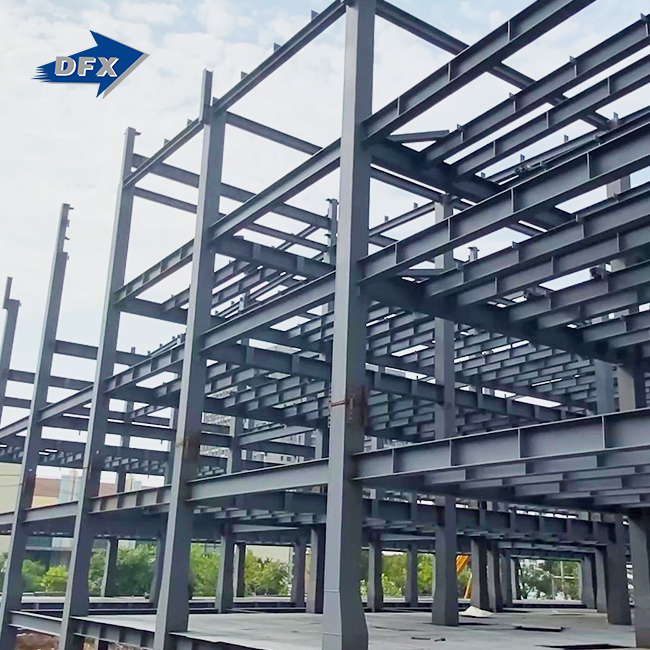
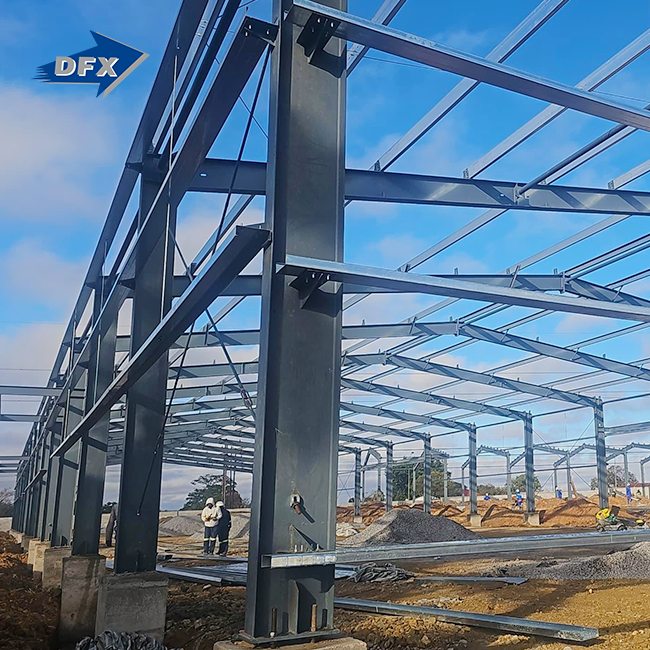
Prefabricated steel warehouses are sophisticated engineering systems with H-beam main frames, galvanised C/Z purlins, and bracing systems that are built in a factory and then welded together on construction sites. This technology uses Building Information Modelling (BIM) to ensure material efficiency and structural strength before production. This technology minimises weather delays and significantly reduces building waste compared to on-site production. This approach eliminates some of the main challenges procurement pros have when scheduling projects.
Core Structural Components and Manufacturing Standards
High-quality prefabricated steel warehouses use Q355B or Grade 50 high-strength low-alloy steel. This steel has a yield strength over 345 MPa. This material gives the structure significant load-bearing capabilities while keeping its weight low, which affects the foundation cost and project economics. Director Steel follows ISO9001 quality control requirements and is CE-certified to satisfy foreign standards. To ensure smooth assembly on-site, all parts are measured, and bolt holes are kept within ±2 mm standards to avoid costly adjustments.
Speed and Cost Advantages Over Traditional Construction
Because prefabricated steel warehouses are modular, they can be built 30–50% faster than concrete structures, which speeds up the return on investment for shipping companies. With project-based manufacturing, there are no unpredictable changes in on-site labor costs or material prices, which are problems with traditional building. Our clients always tell us that the predictability of prefabricated systems helps them make better financial decisions and use resources more efficiently across multiple building developments. Steel framing can span up to 80 meters without any internal beams, which makes the most of useful floor space and vertical volume, both of which are important for integrating current Automated Storage and Retrieval Systems (ASRS).
Environmental and Sustainability Benefits
Prefabricated steel warehouses are eco-friendly since steel is recyclable. Material waste on plant manufacturing sites is 15–20%, but in factories it is below 2%. Precision engineering reduces energy use during manufacture, and sophisticated sandwich panel systems with polyurethane or rockwool cores provide thermal insulation values exceeding R-30, lowering heating and cooling costs over 50 years.
Comparing Prefabricated Steel Warehouses with Traditional Warehouse Structures
Durability and Structural Longevity Analysis
Prefabricated steel warehouses designed to AISC or Eurocode 3 standards are more environmentally robust than concrete buildings. Steel absorbs energy during earthquakes due to its high elasticity, preventing it from breaking like hard concrete systems. Use of surface treatments, such as hot-dip galvanisation or marine-grade epoxy paint, can prevent corrosion in harsh situations. This is crucial for coastal settings where salt air accelerates material deterioration. Our corrosion-preventing solutions include 20–50-year warranties. This provides buying teams with confidence that their assets will last.
Total Cost of Ownership Considerations
Although steel materials start out similar to concrete, prefabricated steel warehouses have many advantages in the long run. These constructions need less concrete and drilling due to fewer dead loads. This reduces foundation expenses by 20–30%. Speeding up building lets you make money faster. Prefabricated steel may finish a 12-month concrete job in 6–8 months, adding six months of working revenue. Over time, water, pests, and structural settlement don't harm steel pieces, which can lead to costly repairs in traditional buildings.
Fire Resistance and Safety Performance
Modern buildings use intumescent fireproof coatings that expand when heated to address steel's temperature sensitivity. Insulation and local fire resistance rating (FRR) standards are met for 1 to 3 hours. This security rivals concrete, yet a steel building's weight and ease of assembly remain. Fire can't propagate through steel structural pieces because it's non-combustible. This feature is crucial for combustible goods stores.
Practical Applications and Installation Process of Prefabricated Steel Warehouses
E-commerce fulfilment centres and Distribution Hubs
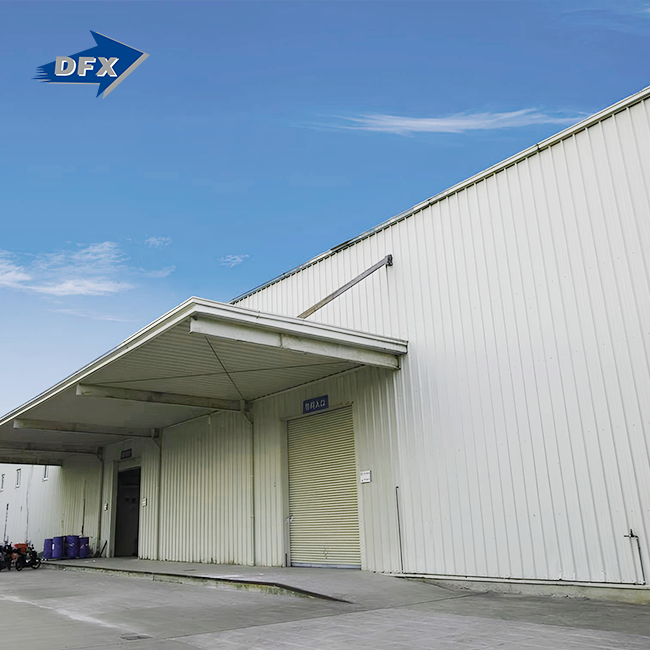
Modern logistics operations require structures that can swiftly and automatically handle massive amounts of goods. Prefabricated steel warehouses with 12–20-meter eaves can fit vertical racking and overhead conveyor networks. Automatic Guided Vehicles (AGVs) and forklifts can travel freely in interior spans without columns. It reduces operational bottlenecks that slow output. Director Steel's engineering team helps clients arrange upper platforms and loading docks to maximise space and streamline picking.
Cold Chain and Temperature-Controlled Storage
Pharmaceutical distribution and perishable storage require precise weather control. With minimal energy use, prefabricated steel warehouses with thermal breaks and 200-mm-thick high-density sandwich plates can maintain -30°C interiors. Structural steel receives anti-condensation treatments to prevent temperature-induced rusting, which would kill untreated frames in a few years. These climate-controlled structures are crucial for medical and food delivery lines since temperature variations can destroy stocks.
Heavy Industrial and Manufacturing Support Facilities
Integrated overhead crane systems are often needed to move goods in warehouses that support industrial processes. Prefabricated steel warehouses can hold bridge cranes with capacities ranging from 10 to 100 tons by using stronger beams and crane brackets that are designed to work with changing loads. The structure is made to withstand operating shocks and repeated stress cycles that would damage buildings that weren't designed for industrial use. Industrial exhaust integration and ventilation monitors make sure that people who are in charge of heavy machine activities have safe places to work.
Site Preparation and Foundation Requirements
Even though prefabricated steel warehouses are lighter than concrete ones, they still need to be anchored with great accuracy—tolerances of less than 5mm are needed to make sure they line up correctly with base plates that were made in a factory. Standard concrete pad foundations with embedded anchor systems are usually used to prepare a site. This process can take anywhere from two to three weeks, based on the soil conditions and the local frost depth needs. Our installation advice services help workers understand these requirements, which keeps costly delays from happening because connection points aren't lined up right.
Modular Assembly Timeline and Process
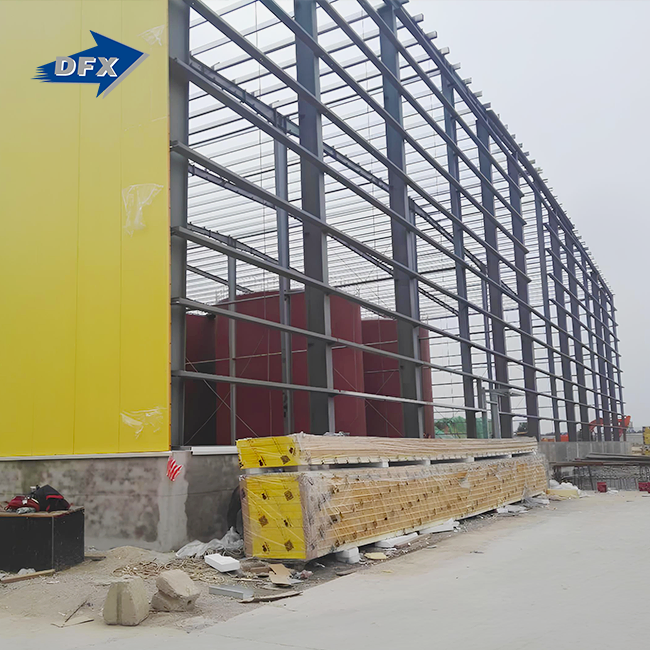
Putting together premade parts on-site follows a sensible order that starts with putting up the columns, then the beams, then the purlins, and finally the cladding. A normal 5,000-square-meter building can be made weathertight in 6–8 weeks with standard erection teams, but it would take 4–6 months to build the same thing out of concrete. This sped-up plan cuts down on the costs of site security, insurance, and lost opportunities caused by delaying the opening of the facility. Our erection instructions make sure that local contractors who aren't familiar with steel systems can put things the way they're supposed to be, which keeps quality standards high on all foreign projects.
Maintenance Best Practices for Extended Service Life
It's easy and doesn't cost much to do routine upkeep on prefabricated steel warehouses. Inspections should be done once a year to make sure that the roof panels are solid, the fasteners are tight, and the drainage system works. Corrosion protection is kept up by re-coating places that get a lot of wear and tear every 10 to 15 years. The main structural steel usually doesn't need any work done during the building's 50-year planned life. This low level of upkeep is very different from concrete buildings, which need to have cracks sealed, joints fixed, and water problems fixed, all of which raise long-term costs.
Procurement Considerations for Global B2B Clients
Evaluating Supplier Credentials and Manufacturing Capacity
You must consider several aspects to locate a reliable prefabricated steel warehouse provider. ISO9001 certification indicates planned quality control throughout production. CE marking indicates that the product satisfies European safety and performance standards. The Director Steel 40,000-square-metre production plant has six automatic welded H-beam lines that can produce 20,000 tonnes of steel per year and specialised C/Z section steel lines that can produce 8,000 tonnes. This production scale ensures delivery schedules are met even for large projects with several buildings. This eliminates supply chain risks for smaller enterprises.
Customization Capabilities and Design Support Services
Commercial buildings don't usually follow a set design. Each project has its own size needs, loading conditions, and working limits. Our in-house architectural design and detailing team helps with all aspects of engineering, from the first idea to the final building plans. This unified method gets rid of the communication gaps between designers and producers that cause project delays and change orders all the time. Having a single point of responsibility is helpful for procurement managers because it speeds up approvals and expert talks during the project's execution.
Pricing Transparency and Total Project Costs
To get a full picture of the finances, you need to break down costs into parts like supplying materials, making things, coordinating operations, and giving instructions on how to put them together. The price of steel changes with the global product markets. For budget stability, it is important to have clear quotes with clear expiration dates. Bulk procurement savings are available for multi-building projects or phased growth plans, which are good for customers who combine their orders. Our quote process breaks down each part, from the main frame to the sandwich panels, windows, and door systems. This lets you compare costs accurately and have value engineering conversations that improve specs without lowering performance.
International Logistics and Delivery Coordination
Shipping, clearing taxes, and port processing are more complicated for international purchases. Our logistics planning services optimise container use, prepare documentation, and create goods transfer plans to avoid demurrage fines and clearance delays. The usual shipping time from order confirmation to port is 8–12 weeks, depending on location and production queue. Project-based fabrication ensures assembly items arrive in sequence. Workers with short building windows in distant places benefit from this coordination skill.
After-Sales Support and Warranty Coverage
Full expert support includes more than just delivery; it also includes troubleshooting during installation, explaining connection details, and giving advice on long-term upkeep. Our warranties usually cover structural parts for 10 years and roofing systems for 20 years. This protects your assets and makes budgets for financial planning and building management stronger. Questions are quickly answered through responsive communication methods, such as direct engineer contact through jason@bigdirector.com. This cuts down on field delays that raise project costs.
Future Trends and Innovations in Prefabricated Steel Warehousing
Sustainable Design and Energy Efficiency Advances
More and more pressure is being put on the warehouse industry to cut down on its carbon impact and practical energy use. New insulation materials that use aerogel technology and vacuum-insulated panels make insulation work better than ever before, and they do it while also making the panels thinner and lowering their structural load. In hot areas, cool roof coatings with sun reflectance scores above 100 reduce heat gain, which can cut the need for air cooling by up to 40%. These new ideas are in line with companies' promises to sustainability and government moves toward net-zero building standards. This protects capital investments against changing environmental standards.
IoT Integration and Smart Warehouse Systems
Sensor networks keep an eye on the health of buildings, the environment, and security settings in real time as a result of digital change. These systems can be installed in prefabricated steel warehouses with built-in conduit paths and equipment mounting holes that were planned during the early planning stages. IoT-enabled predictive maintenance algorithms find problems with roof drainage, HVAC performance, and door operation before they break. This cuts down on unplanned downtime that slows down shipping operations. Because they are connected, these structures are no longer just places to store things; they now actively participate in digitised supply lines.
Modular Expansion and Adaptive Reuse Capabilities
When markets are unstable, infrastructure needs to be able to adapt in ways that standard building methods can't afford to do. The flexible design of prefabricated steel warehouses makes it easy to add more space by taking apart end-wall frames and adding new bays with little impact on operations. This adaptability is especially helpful for e-commerce delivery centres that have to deal with yearly changes in volume or long-term growth paths that regular buildings can't handle. Steel components also have a higher resale value than other building materials because structures can be taken apart, moved, and rearranged for different uses without the materials breaking down.
Photovoltaic Integration and Energy Independence
The roofs of warehouses have a huge amount of untapped potential for making green energy. Modern steel roof systems support solar setups with standing seam clamps that keep the membrane from penetrating. When the structure is first designed, it takes into account extra dead loads of about 15 to 20 kg/m². This proactive engineering gets rid of the need for expensive upgrades and lets sites become independent of the power grid or make money by selling extra power. Adding battery storage makes things even more resilient, so they can keep running even when utilities go out, which would normally stop transport activities.
Conclusion
Prefabricated steel warehouses that are already built are a tried-and-true, cost-effective way for businesses to store and distribute goods. When procurement workers need to increase logistics capacity, the most important things they look for are quick deployment, long-lasting structures, operating freedom, and environmental responsibility. It's becoming clearer that modular steel buildings are a good business move as global supply lines get more complicated and competition heats up. Companies that use these designed systems are better able to respond quickly to changes in the market while keeping costs low and upholding quality standards that protect the value of their assets over time.
FAQ
1. What factors most significantly influence prefabricated steel warehouse costs?
The total cost of the project depends on the size of the building, the wind and snow loads in the area, the type of insulation needed, and how complicated the customisations are. Pricing is affected by the material type chosen, like upgrading to higher-strength steel for heavy loads, and the surface treatment chosen for places that are likely to rust. Overall investment is also affected by things like how easy it is to get to the site and the state of the base. However, the lighter weight of a prefabricated steel warehouse usually lowers earthwork costs compared to concrete options.
2. How long does a typical on-site assembly take for commercial-scale warehouses?
Using experienced erection crews, a normal 5,000-square-metre facility can be enclosed from the weather in 6 to 8 weeks. Depending on the interior specs, finishing the building can take an extra 2 to 4 weeks. This schedule suggests that the base is properly prepared and that the weather is good. Larger buildings or those with complicated crane systems may take a little longer to build, but they will still be done 40 to 50 per cent faster than similar concrete structures.
3. Can prefabricated steel warehouses be customised for specific operational requirements?
During the planning process, there are many ways to make changes. Column spacing, eave heights, door shapes, insulation values, and built-in systems can all be changed to meet operating needs. Our engineering team works with clients to include unique features like drive-through layouts, mezzanine platforms, refrigerated zones, and heavy equipment support. This way, the final structure makes the most of workflow efficiency instead of forcing operations to work around building limitations.
Partner with DFX for Your Next Prefabricated Steel Warehouse Project
Director Steel offers fully integrated prefabricated steel warehouse solutions that combine top-notch engineering with dependable production and quick customer service. Our full range of services, from the initial structural calculations to manufacturing, shipping planning, and building help, makes sure that your business storage project stays on schedule and on budget. As a maker of prefabricated steel warehouses with ISO9001 and CE certifications and a lot of experience, we offer the quality guarantee and technical know-how that global B2B procurement needs. Email our team at jason@bigdirector.com to talk about your unique needs and get a thorough quote for the project. Whether you're building cold chain infrastructure, increasing the number of items you can ship through e-commerce, or supporting manufacturing operations, our modular steel structures can be changed to fit your needs while still providing the sturdiness and performance your business needs.
References
1. American Institute of Steel Construction. (2022). Pre-Engineered Metal Building Systems Design Guide. Chicago: AISC Publications.
2. Trahair, N.S., & Bradford, M.A. (2020). The Behaviour and Design of Steel Structures to EC3 (5th ed.). London: CRC Press.
3. Newman, A. (2019). Metal Building Systems: Design and Specifications (3rd ed.). New York: McGraw-Hill Professional.
4. Lawson, R.M., & Ogden, R.G. (2021). Modular Construction Using Light Steel Framing: An Architect's Guide. Berkshire: Steel Construction Institute.
5. Davies, J.M. (2018). Lightweight Sandwich Construction. Oxford: Blackwell Science Ltd.
6. Chen, W.F., & Lui, E.M. (2019). Handbook of Structural Engineering (2nd ed.). Boca Raton: CRC Press.
Learn about our latest products and discounts through SMS or email