- English
- French
- German
- Portuguese
- Spanish
- Russian
- Japanese
- Korean
- Arabic
- Greek
- German
- Turkish
- Italian
- Danish
- Romanian
- Indonesian
- Czech
- Afrikaans
- Swedish
- Polish
- Basque
- Catalan
- Esperanto
- Hindi
- Lao
- Albanian
- Amharic
- Armenian
- Azerbaijani
- Belarusian
- Bengali
- Bosnian
- Bulgarian
- Cebuano
- Chichewa
- Corsican
- Croatian
- Dutch
- Estonian
- Filipino
- Finnish
- Frisian
- Galician
- Georgian
- Gujarati
- Haitian
- Hausa
- Hawaiian
- Hebrew
- Hmong
- Hungarian
- Icelandic
- Igbo
- Javanese
- Kannada
- Kazakh
- Khmer
- Kurdish
- Kyrgyz
- Latin
- Latvian
- Lithuanian
- Luxembou..
- Macedonian
- Malagasy
- Malay
- Malayalam
- Maltese
- Maori
- Marathi
- Mongolian
- Burmese
- Nepali
- Norwegian
- Pashto
- Persian
- Punjabi
- Serbian
- Sesotho
- Sinhala
- Slovak
- Slovenian
- Somali
- Samoan
- Scots Gaelic
- Shona
- Sindhi
- Sundanese
- Swahili
- Tajik
- Tamil
- Telugu
- Thai
- Ukrainian
- Urdu
- Uzbek
- Vietnamese
- Welsh
- Xhosa
- Yiddish
- Yoruba
- Zulu
Top Features of a Modern Prefabricated Steel Workshop Building
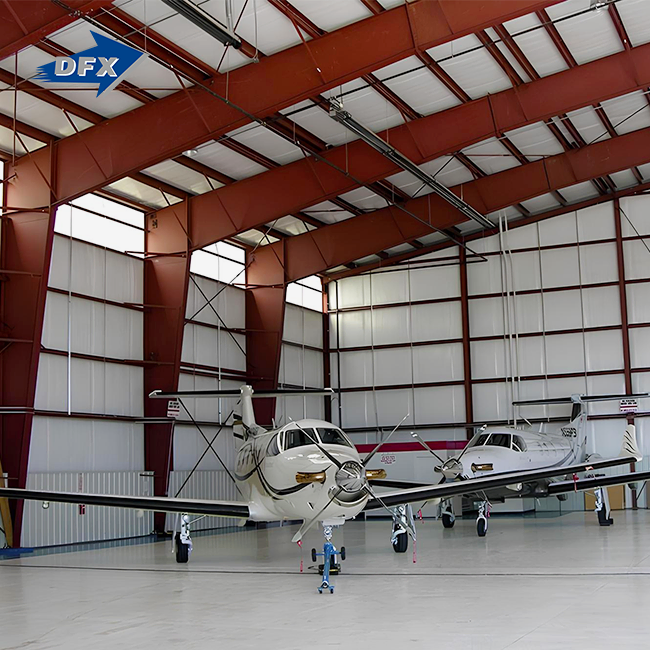
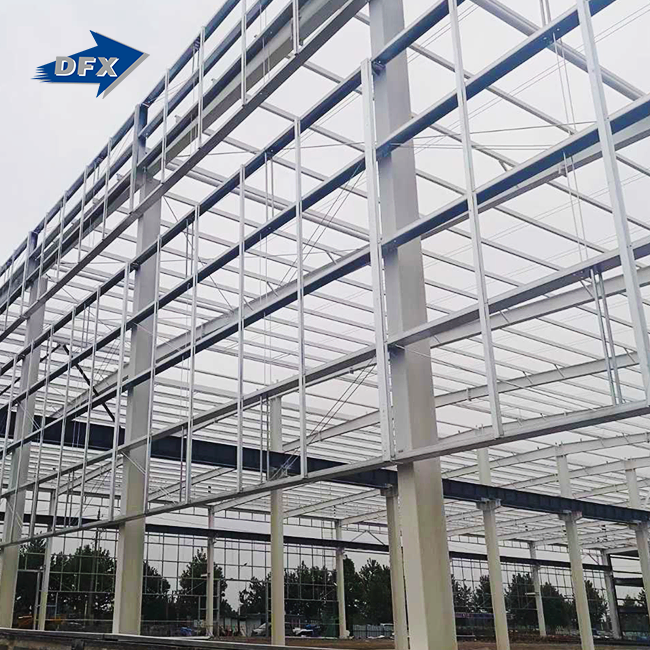
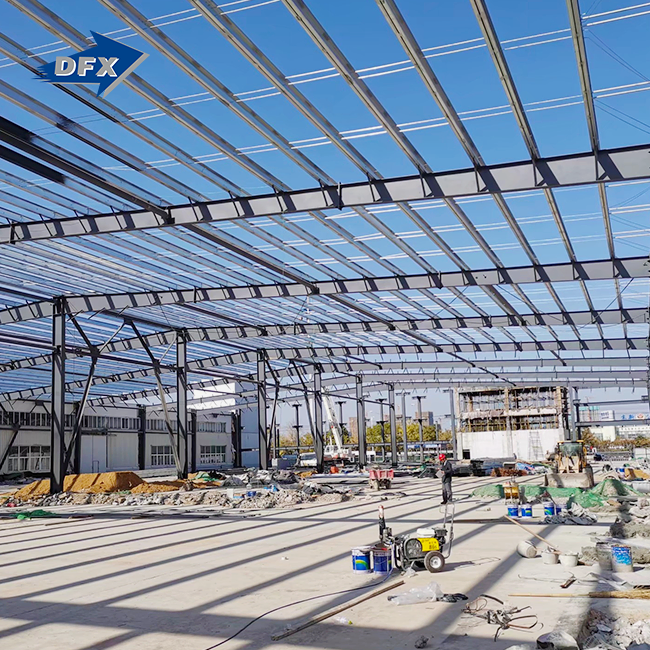
When business-to-business buyers think about how to quickly and cheaply increase industrial capacity, a prefabricated steel workshop building stands out as an obvious, well-thought-out choice. These structures blend accuracy in the workshop with speed on-site, making it possible to deliver large-span industrial buildings on time without sacrificing quality or safety. Modern steel workshop buildings are made from welded H-section steel frames made of Q235 or Q355 types and connected with C/Z purlins. They have open interiors that are perfect for factories, assembly lines, and processing facilities. Procurement managers, project engineers, and EPC workers can make confident buying choices when they understand the qualities that define a quality building.

Overview of Prefabricated Steel Workshop Buildings
Prefabricated steel workshop buildings are very different from regular buildings. Instead of making everything on-site, a plant makes, cuts, drills, and welds the main structure parts before shipping them. This method gets rid of the problems that come with traditional methods, like delays caused by bad weather and inconsistent work quality. Companies that make things need to make more like these buildings because they cut down on construction times by 30–50% by letting base work and steel casting happen at the same time.
The market has various designs. Single-span workshops are best for smaller businesses that need simple plans, while multi-span modular systems can handle complicated manufacturing processes that use heavy equipment, high cranes, and separate work areas. Customisation goes beyond just size; during the planning process, features like integrated mezzanines, office partitions, and utility routes are planned to make sure that buildings perfectly meet business needs.
Predictability is important to people who work in B2B buying. By using computer-aided design optimisation to cut down on material waste and stop budget overruns that happen a lot in traditional building, prefabricated systems offer fixed-cost solutions. Because these buildings use materials efficiently, they keep their prices competitive. This makes them especially appealing to construction companies on a tight budget and manufacturing owners looking for quick returns on their investment.
Top Features That Define a Modern Prefabricated Steel Workshop
Modern industrial steel buildings have a number of technical features that set good manufacturers apart from average ones. Knowing about these traits helps buyers analyse offers more effectively.
High-Grade Structural Steel and Precision Engineering
For the main frame, high-strength low-alloy steel like Q355B or ASTM A572 Gr50 is used, which has yield strengths higher than 345 MPa. This ratio of strength to weight lets clear spans reach 60 meters or more without internal beams, which makes the most of the floor space that can be used. Galvanised Q235B steel with zinc coatings ranging from 120 g/m² to 275 g/m² is used for secondary parts like purlins. This gives the steel corrosion protection that is important for long-term resilience.
Factory-controlled welding with Submerged Arc Welding (SAW) technology makes links that are always the same and don't have any flaws. Mill test certificates make sure that the chemical makeup is correct, and non-destructive testing, such as ultrasonic testing (UT), finds problems inside important full-penetration welds that meet AWS D1.1 standards. This quality control stops problems in the field that would otherwise cause expensive project delays.
Advanced Corrosion Protection Systems
Surface cleaning affects lives in a direct way. Before adding epoxy zinc-rich bases and polyurethane topcoats, mill scale is removed by shot blasting to Sa 2.5 standards. This makes multiple layers of protection against rust. Hot-dip galvanising or special chlorinated rubber finishes are good for operations in harsh environments, like chemical processing plants that work with corrosive materials or seaside facilities that are exposed to salt water. During quality checks, dry film thickness gauges check the 80–120 micron paint coats to make sure the guarantee is followed.
With proper care, these protected systems can last longer than 50 years, giving farms and factories reliable infrastructure that can handle the weather in their area without having to pay for expensive painting jobs all the time.
Energy Efficiency Through Insulation Innovation
Costs of doing business are just as important as the initial investment. Insulated sandwich walls filled with polyurethane, rock wool, or fibreglass are used in modern workplaces. This lowers the cost of heating and cooling. Putting thermal break bands between the roof sheets and purlins stops condensation and heat loss from thermal bridging, which is a very important feature for manufacturing processes that depend on temperature.
Ventilation engineering works well with shielding. When natural ridge vents and louvres work together, they create airflow that keeps assembly plants comfortable without putting too much stress on the HVAC system. These systems are especially useful for people who run poultry farms because good air directly affects the health and productivity of animals while also reducing energy use.
Modular Design Flexibility
Industrial processes change over time. With modular design, you can add on to your building in the future by using bolt-together modules that make it longer or wider without stopping production. When planned during the initial planning phase, office areas, mezzanine floors for storage, and utility conduit paths all work together without any problems.
When installing heavy tools, extra care needs to be taken. Crane systems with sizes from 5 tons to 100 tons need runway beams and bracket kits that are stronger and better able to handle dynamic loads, vibration, and wear and tear. By stating these needs from the start, you can avoid costly structure changes later on. Columns and foundations need to be the right size from the start to safely support wheel loads and lifting forces.
Rapid Assembly and Minimal Site Disruption
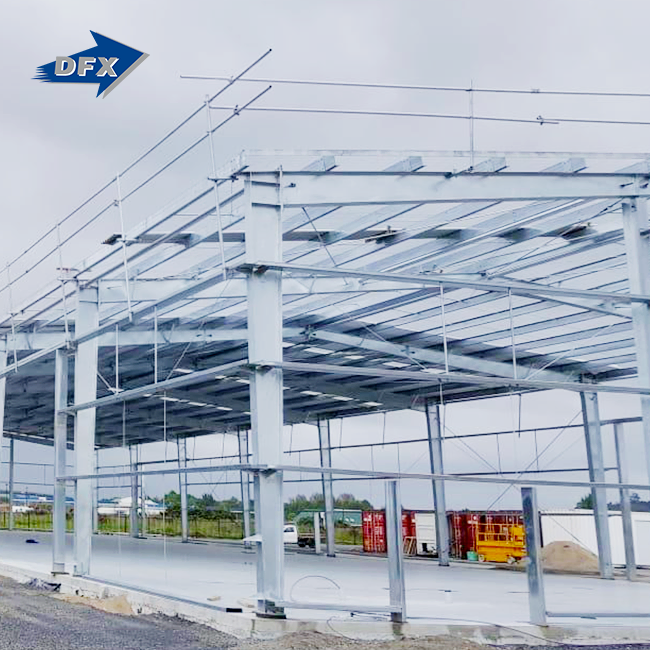
With bolt-together construction, there is no need for on-site welding, which cuts down on work needs and speeds up installation. Most jobs go from finishing the base to building a weathertight enclosure in a matter of weeks, not months. This speed helps EPC workers manage multiple projects at once, and it also helps manufacturing companies keep production running as smoothly as possible during building expansions.
Prefabrication is especially helpful in remote areas where getting supplies is hard. Labor shortages mean that mining camps, energy facilities, and farms in areas without enough skilled workers can build their own workshops with the help of installation plans and instructions. This way, they don't have to rely on local builders who are hard to find.
Sustainable and Recyclable Materials
Environmental duty is becoming more and more important in purchasing decisions. Steel structures can be recycled over and over again when they're no longer needed, which is very different from concrete or wood structures that end up in landfills. Lower stored energy during manufacturing and lighter parts that are easier to ship cut carbon footprints even more.
Environmental compliance is often written down for government building projects and business sustainability efforts. Manufacturers who are ISO9001-certified keep track of where their materials come from and how much they are recycled. This provides openness that supports green building certifications and corporate responsibility reports.
Comparing Prefabricated Steel Workshops with Other Building Types
For informed buying to work, you need to know how the different building methods affect efficiency. Depending on the project's goals, each method has its own benefits.
Traditional brick-and-mortar buildings look nice and keep out noise, but they take a long time to build—often more than six months. The foundation needs to be stronger, which raises the costs of digging and pouring concrete. Once something is built, it's hard to change, which makes it hard to adapt to changing business needs.
Wood frame buildings are cheaper to build at first, but they are more likely to catch fire or be attacked by pests, and they need to be maintained often because they don't last as long. Because of the risk of fire, insurance rates tend to be higher, cancelling out any savings that were made at first. Because spans are limited, internal support columns are needed, which takes up floor space that could be used for production.
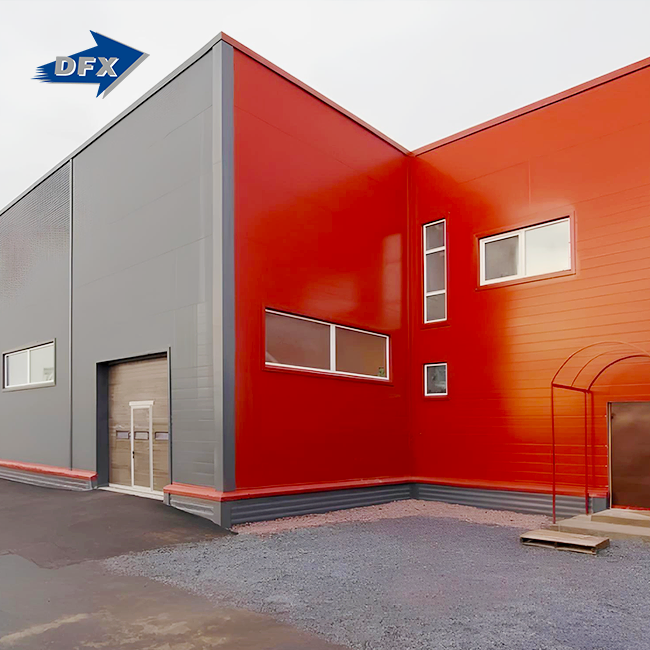
Concrete tilt-up buildings are as strong and fire-resistant as steel buildings, but they need big supports and trained workers to put the panels together. During building, changes to the design cause costly delays. For energy efficiency, you need thick insulated panels that raise the cost of the walls. Steel systems, on the other hand, use lighter sandwich panels to get the same thermal performance.
Lifecycle cost studies always show that prefabricated steel workshop buildings are the best option. Total cost of ownership benefits slightly outweigh the slightly higher original investments because of better energy performance, less upkeep, lower insurance rates, and faster depreciation plans. According to case studies from companies that make parts for cars, these buildings have 15-20% lower running costs over 20 years than regular buildings. This is mostly because they use less energy and need less upkeep.
Procurement Considerations for B2B Buyers
A good buying process strikes a balance between technical requirements, source dependability, and the overall cost of the project. When choosing a seller, you should carefully consider a number of things.
Understanding Cost Components
Prices that are easy to understand include the cost of materials, work for making the product, finishing the outside, shipping, and help with fitting. Reliable providers give detailed quotes that separate these factors, which lets you make accurate budget predictions. There are hidden costs when providers leave out important things like anchor bolt templates, flashing details, or expert help during installation. These are the kinds of things that end up being expensive change orders later on.
For made-to-order items, the time between approval of the order and shipping is usually 25 to 45 days. When buying from other countries, project plans need to include time for ocean freight passage, clearing customs, and transportation within the country. Experienced makers handle logistics, such as optimising containers and paperwork, making the import process easier for buyers.
Evaluating Supplier Credentials
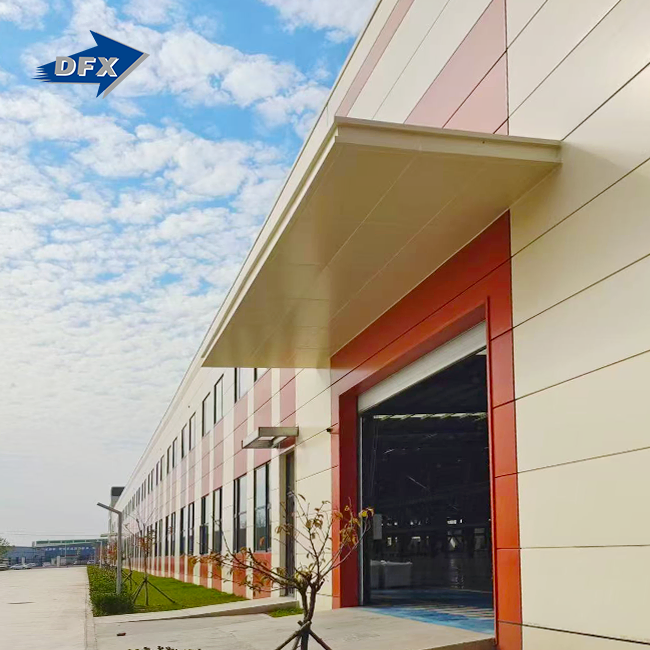
Factory approval is very important. ISO9001 quality control systems make sure that production methods are always the same, and CE marking shows that products meet European safety standards. ASTM material compliance checks that different types of steel meet the requirements. When you visit a production facility, you can see what it can do. For example, automatically welded H-beam lines, CNC drilling equipment, and well-organised fabrication bays show that the facility can do real manufacturing, not just basic job-shop work.
Warranty terms show that you trust the quality of the goods. Buyers are protected from early failures by structural warranties that cover manufacturing flaws for 10 to 15 years. Corrosion protection systems are held accountable by coating guarantees that list the minimum service life before rust becomes obvious. When sellers won't write down their promises or give vague warranties, that's a red flag.
Customization and Turnkey Solutions
Turnkey providers who plan structures, build them, supply building materials, and help with fitting make the whole process easier. In-house architectural design services make coordinated plans that show where doors and utilities will go, as well as the structure frames and cladding attachments. This gets rid of coordination problems that can happen between different builders.
The ability to customise buildings shows how well they meet practical needs in steel structure workshop design. Suppliers who make parametric design changes can meet the needs of different sites for wind loads, snow loads, earthquake requirements, and crane specs without charging too much for engineering. Standard offers that are too rigid force buyers to make trade-offs that slow down operations.
Critical Technical Specifications
Anchor bolt precision is the main reason why installations take longer than planned. Precise foundation models stop the imbalance that needs costly chemical bolt fixes. Good suppliers give concrete builders thorough anchor bolt plans with tolerances that make sure the bolts are inserted properly.
Connectivity features impact both safety and the speed of building. Bolted connections with clearly marked hole shapes and torque standards make field assembly go quickly and easily. Documentation about the quality of the weld, such as NDT records for important joints, makes sure that hidden links meet code standards.
Maintenance Tips and Lifespan Optimization
Regular care increases the value of a property by making structures last longer and avoiding costly repairs that come up out of the blue. A regular review plan should cover a number of important areas.
Structural Framework Inspections
Every year, the bottoms of the columns are checked for rust, especially where concrete meets concrete, which is where water builds up. Gutter systems need to be cleaned so that water doesn't pool and damage roof panels faster. Checking the tightness of bolts on links that are vibrating, like crane runway attachments, keeps them from coming loose, which could be dangerous.
Over time, protective layers break down naturally. Rust doesn't start until you paint over scratched areas. Complete cleaning processes every 10 to 15 years improve the look and protect against damage, especially in seaside or industrial areas where airborne pollutants are common.
Roof and Insulation System Maintenance
As seals wear off, holes in the roof around vents, skylights, and utility lines start to leak. Regular resealing stops water from getting in, which harms insulation and speeds up rusting. Replacing worn-out sandwich panels keeps the insulation working and keeps water from affecting goods or equipment.
As material technologies get better, upgrading insulation during remodeling rounds makes buildings more energy-efficient. Putting shiny coats on roofs lowers the amount of heat that buildings absorb from the sun in warm places, which means that buildings don't have to be changed structurally.
Sustainable Practices
Separating trash during maintenance tasks, reusing replacement steel parts, and getting rid of paint or insulation materials in the right way according to local rules are all parts of responsible facility management. Keeping track of these practices helps companies report on their sustainability and shows that they care about the world.
Energy audits find places where LED lighting changes, better HVAC systems, and solar panels can be added. Photovoltaic panels can be quickly installed on steel roofs, turning buildings into energy producers that lower carbon emissions and cover running costs.
Conclusion
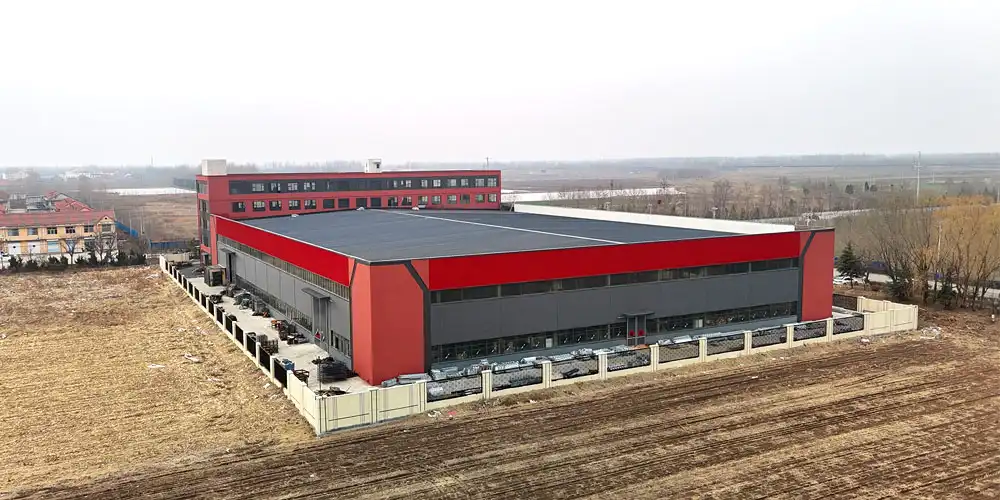
Modern prefabricated steel workshop buildings offer clear benefits in terms of speed, cost, and operating freedom that are hard to match in traditional building methods. Buildings made of high-strength structural steel that meets international standards are safe and last for 50 years or more with little upkeep. Advanced insulation and energy-efficient designs lower running costs and help reach sustainability goals. These structures are perfect for industrial growth, farming, and infrastructure projects that need to be set up quickly and work reliably because they are factory-precise, modularly adaptable, and come with complete solutions. When B2B buyers are looking at suppliers, they should give more weight to companies that show they have quality certifications, clear pricing, and full expert help throughout the lifecycle of a project.
FAQ
1. How long do prefabricated steel workshop buildings typically last?
Buildings like these usually last longer than 50 years if they get regular care, such as new coatings and structure checks. The steel structure will always be structurally sound, but the cladding and roofing may need to be replaced every 20 to 30 years, based on how they are exposed to the elements. Buildings in tough areas can get better rust protection, which makes them last longer.
2. Can these workshops support heavy overhead crane systems?
Yes, but the specs for the crane must be set during the initial planning. Column spacing, beam levels, and runway bracket systems are all designed to work with certain wheel pressures, pulling capacities, and lengths. Putting cranes into buildings that weren't made to hold these loads usually isn't possible or would be too expensive, so planning ahead is very important.
3. What customisation options are available for different industrial applications?
Manufacturers give you a lot of options when it comes to building sizes, bay spacing, roof slopes, door setups, window placements, and internal walls. During the planning process, special features can be added, such as acid-resistant coatings for chemical plants, strengthened floors for heavy machinery, climate control systems for processes that need to be kept at a certain temperature, and explosion-proof electrical systems for dangerous places.
Partner with DFX for Your Next Prefabricated Steel Workshop Building Project
Director Steel Structure Co., Ltd. brings over 12 years of specialized experience manufacturing high-quality prefabricated steel workshop buildings trusted by construction contractors, manufacturing companies, and agricultural operations throughout the United States. Our ISO9001 and CE-certified production facilities in Qingdao cover 40,000 square meters and include advanced fabrication space with automated welded H-beam lines, ensuring precision engineering and consistent quality control. As a leading prefabricated steel workshop building manufacturer, we provide comprehensive turnkey solutions encompassing structural design, fabrication using Q235/Q355 steel grades, surface treatment meeting ASTM compliance, and detailed installation guidance supporting smooth project execution.
Whether your operation requires a manufacturing plant with overhead crane capacity, an agricultural storage facility with optimised ventilation, or an industrial processing workshop meeting specific environmental standards, our technical team delivers customised solutions aligned with your operational requirements and budget constraints. Reach out to jason@bigdirector.com today to discuss your project specifications and receive a detailed quotation. Let our proven expertise and commitment to quality help you build industrial infrastructure that delivers reliable performance for decades.
References
1. American Institute of Steel Construction (AISC). (2022). Steel Construction Manual, 15th Edition. Chicago: AISC Press.
2. Eurocode 3: Design of Steel Structures - Part 1-1: General Rules and Rules for Buildings. (2005). European Committee for Standardisation.
3. Newman, Alexander M. (2020). Prefabricated Metal Building Systems: A Complete Guide to Engineering and Construction. New York: McGraw-Hill Professional.
4. Davies, J. Michael. (2019). Light Gauge Steel Structures: Recent Advances in Research and Practice. London: ICE Publishing.
5. Hancock, Gregory J. & Pham, Cao H. (2021). Steel Building Design: Worked Examples for Students - In Accordance with International Standards. Singapore: Springer Nature.
6. Owens, Graham W. & Cheal, Brian D. (2018). Structural Steelwork: Design to Limit State Theory, Fourth Edition. Boca Raton: CRC Press.
Learn about our latest products and discounts through SMS or email