- English
- French
- German
- Portuguese
- Spanish
- Russian
- Japanese
- Korean
- Arabic
- Greek
- German
- Turkish
- Italian
- Danish
- Romanian
- Indonesian
- Czech
- Afrikaans
- Swedish
- Polish
- Basque
- Catalan
- Esperanto
- Hindi
- Lao
- Albanian
- Amharic
- Armenian
- Azerbaijani
- Belarusian
- Bengali
- Bosnian
- Bulgarian
- Cebuano
- Chichewa
- Corsican
- Croatian
- Dutch
- Estonian
- Filipino
- Finnish
- Frisian
- Galician
- Georgian
- Gujarati
- Haitian
- Hausa
- Hawaiian
- Hebrew
- Hmong
- Hungarian
- Icelandic
- Igbo
- Javanese
- Kannada
- Kazakh
- Khmer
- Kurdish
- Kyrgyz
- Latin
- Latvian
- Lithuanian
- Luxembou..
- Macedonian
- Malagasy
- Malay
- Malayalam
- Maltese
- Maori
- Marathi
- Mongolian
- Burmese
- Nepali
- Norwegian
- Pashto
- Persian
- Punjabi
- Serbian
- Sesotho
- Sinhala
- Slovak
- Slovenian
- Somali
- Samoan
- Scots Gaelic
- Shona
- Sindhi
- Sundanese
- Swahili
- Tajik
- Tamil
- Telugu
- Thai
- Ukrainian
- Urdu
- Uzbek
- Vietnamese
- Welsh
- Xhosa
- Yiddish
- Yoruba
- Zulu
Portable Steel Garage Unit - Your Needs Covered
A Portable Steel Garage Unit provides quick value without the financial load of a permanent building when your operations require dependable, cost-effective shelter for cars, equipment, or inventory. When it comes to construction sites, industrial facilities, farms, and infrastructure projects, these small, steel-framed buildings with sealed structures are very flexible. These movable shelters are made with light H-section or square tube steel frames and zinc purlins. They offer long-lasting protection while still letting your business move around. If you need to park cars, store tools, or keep up with maintenance, knowing how to choose, build, and take care of these buildings will help you get the most out of your money and finish projects on time.

What Is a Portable Steel Garage Unit and Why Does It Matter
Understanding the Core Structure and Design
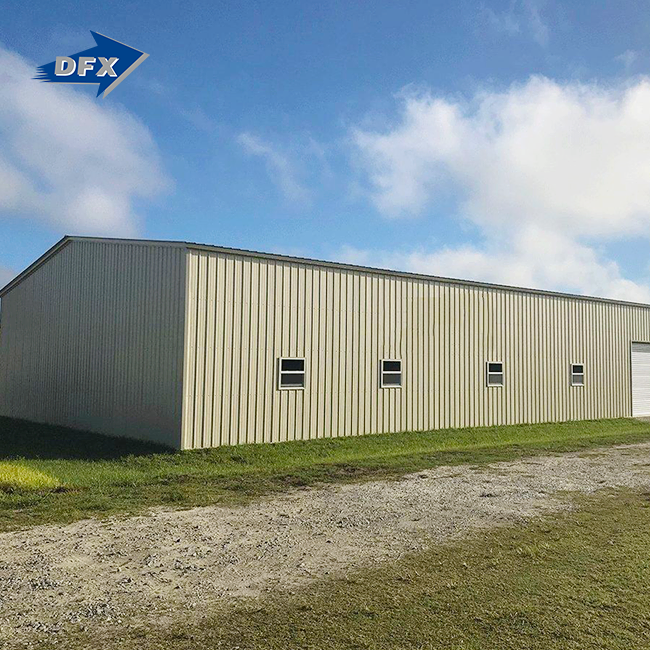
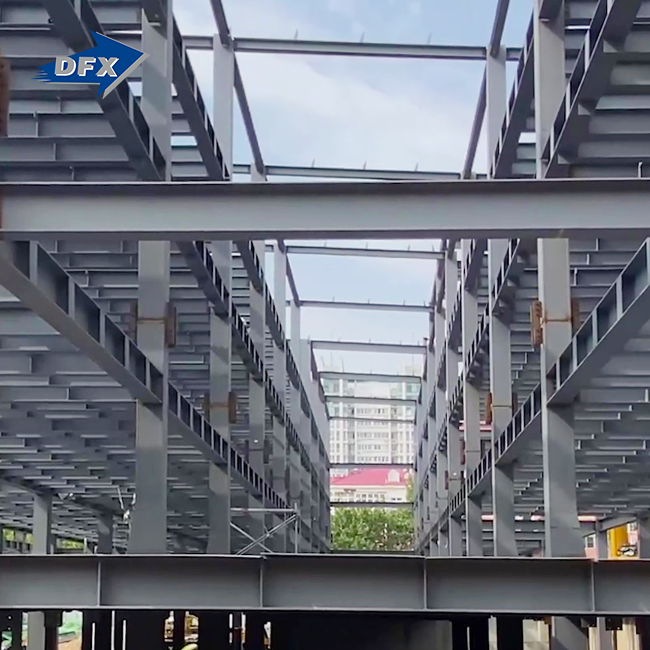
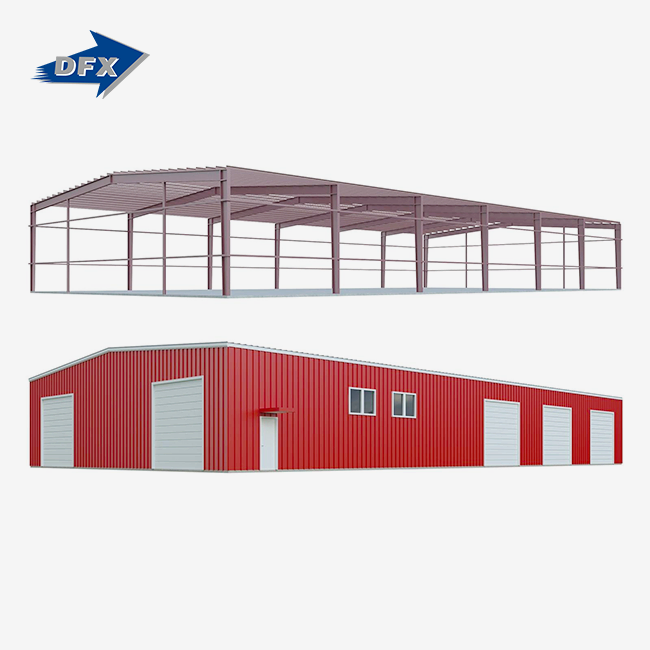
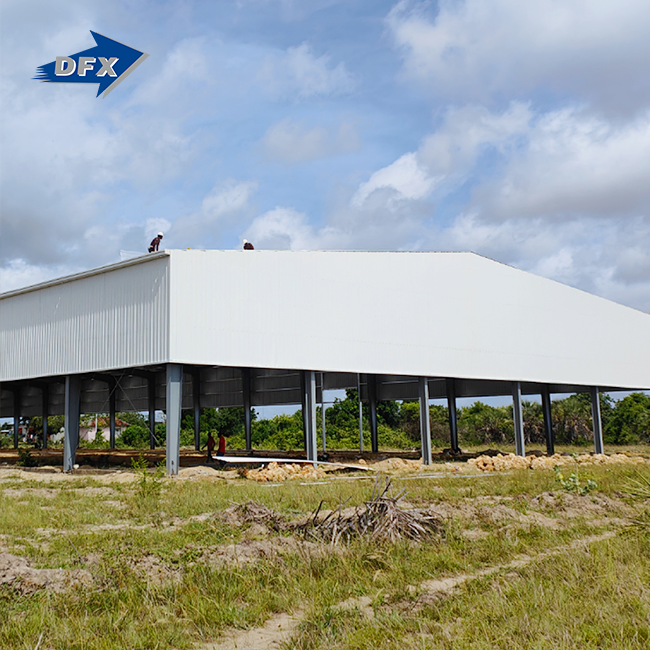
Portable Steel Garage Units are pre-engineered modular systems constructed of industrial-grade welded steel frames, commonly Q235 or Q345 Carbon Steel. A robust structure made of light H-section beams or square tubes evenly distributes weight loads over the building. Galvanised purlins support roof and wall coverings and don't corrode in hard conditions. Construction sites, industrial yards, and farms employ these compact structures because they fit in limited spaces.
These covered units protect against weather, dust, and unauthorised individuals, unlike open carports. The outside is normally 29-gauge corrugated steel sheeting, which is stronger than wood or fabric. Hot-dip galvanised steel has a zinc coating above 80 microns. This prevents rust even in damp areas or near the shore, where salt air accelerates corrosion.
Business Applications Across Key Industries
Construction and EPC firms benefit from steel garage structures on project sites for tool storage and workshops. When building an industrial plant or logistics center, ensuring that costly gear has a place to go immediately protects capital investments and keeps operations moving. These units are movable, so project managers may relocate them to fit changing site designs without losing infrastructure expenditures.
Companies that are expanding their production capacity use these structures as temporary workshops or parts storage while renovating their main facilities. Operations managers admire how fast the units may be used—days instead of months for normal construction. The large-span design accommodates forklifts, manufacturing equipment, and staging areas without internal columns.
Agricultural and livestock industries utilise garage boxes to store feed, secure cars, and maintain equipment. In rural locations, chicken coop and cattle facility owners require weatherproof structures that allow tractors, harvesters, and utility vehicles inside. Wooden frames are less resistant to agricultural chemicals and animal waste than galvanised steel ones.
Sustainability and Long-Term Value
Because it can be recycled without losing quality, steel structures promote the circular economy and company sustainability initiatives. If well maintained, galvanised steel frames may endure 20–30 years, longer than fabric or metal structures. It lasts longer and requires fewer replacements, which is healthier for the environment and decreases ownership costs.
These produced items have a short manufacturing cycle, reducing waste and interruption during construction. These pre-fabricated structures arrive completely completed with standard designs for design, manufacturing, and installation, saving months of foundation work, material supply, and weather delays. This speed reduces labour costs and protects assets more quickly, which procurement managers consider when balancing shelter alternatives against project timelines and budgets.
How to Choose the Right Portable Steel Garage Unit for Your Business
Defining Your Specific Use Case Requirements
You must state your major goal to get chosen. Car parking needs are distinct from tool storage or repair workshop needs. Construction site managers require units for excavators and loaders. This requires stronger flooring and a greater room. Manufacturing facility planners may prioritise workshop layouts with appropriate power and airflow for painting or welding.
Size depends on what's inside. The area needed to store one car may be 12x20 ft. However, agricultural implements and commercial trucks need 20x30 feet or more. Storage of high-profile automobiles, stacking supplies, and putting up machines for moving objects from above need vertical clearance. Accurate assessments of present assets prevent expensive errors that reduce their value.
Critical Technical Specifications and Standards
Durability is the greatest indicator of material quality. Check steel frame specifications. Q235 carbon steel is strong enough for most usage, while Q345 is preferable for snowy areas. Frame tube wall width affects structural stability. Although more expensive, 13-gauge steel resists wind and snow loads better than 15-gauge steel.
Certifications show that things are well-made and legal. ISO 9001 certification indicates that you plan quality throughout manufacturing. Products with the CE certification satisfy European safety requirements. This is increasingly significant for multinational workers in diverse markets. COC and PVOC documents ensure that projects in particular African countries pass customs and are recognised by local authorities.
Portable Steel Garage Units made for mild conditions might not protect things well enough in places with extreme temperatures, strong winds, or a lot of rain. The wind load rates (in mph) and snow load capacities (in pounds per square foot) should be included in the engineering specs. Because they are exposed to salt air, coastal sites need more than just normal galvanization to protect against corrosion.
Evaluating Suppliers and Total Cost Considerations
A supplier's reputation and commercial capabilities impact project success. Established producers like Director Steel Structure have the scale and capabilities for dependable delivery. With over 12 years of expertise and 40,000 square meters of industrial area. Large orders may be fulfilled by organisations with over 200 qualified people and several automated manufacturing lines without compromising quality or wait times.
Offering several services in addition to goods is valuable. Procurement managers can coordinate better with suppliers that provide structural design, bespoke manufacture, comprehensive material packaging, and thorough installation plans. Contractors without tech personnel who are working on many projects benefit from this "turnkey" strategy.
The overall cost of ownership goes beyond automotive pricing. Delivery, installation, maintenance, and service life should be considered. Units that need to be repaired or replaced too quickly wind up costing more than superior solutions that cost more upfront but need less maintenance over time.
Installation and Maintenance of Portable Steel Garage Units
Professional Installation Process and Best Practices
Proper site preparation ensures structure longevity and performance. Portable Steel Garage Units don't require concrete foundations, a major advantage. However, its installation must be robust and drain water. Compacted gravel beds drain efficiently and can support most weight. Due to their stability and ease of cleaning, asphalt or concrete pads are ideal for workshops. When fixing anything, auger anchors work best in soil, expansion bolts on concrete, and weight plates when drilling isn't feasible.
Professional construction services simplify and strengthen the structure. Based on unit size and site circumstances, skilled teams assemble in one to three days quickly and well. They position the frame, tighten all connections to the appropriate pressure, and overlap and seal the cladding to keep water out. Hiring a professional installer eliminates the hazards of improper assembly, which might invalidate warranties or endanger personnel for organisations without construction experience.
Good installation blueprints make it easier to assemble equipment correctly. These thorough papers provide part names, connections, and tools. Facility managers who oversee in-house installations should check the blueprints before commencing work to ensure that all pieces arrive intact and that they have all the necessary tools and equipment.
Extending Service Life Through Preventive Maintenance
Routine inspections catch little issues before they become costly or dangerous. Every three months, inspect frame linkages for loosening, cladding panels for damage or separation, and anchor stability. Rapid inspection, particularly after harsh weather, allows for immediate storm damage repair.
Preventing rust is the best way to prolong structural life. Even though galvanised coatings are protective, damage that exposes steel might produce rust. Touch-up paint for metal surfaces should be used to repair wounds, scratches, and abrasions. Cleaning the structure of leaves, dirt, and other debris prevents water from remaining on it and speeding up corrosion.
Seasonal maintenance addresses weather issues. Make sure drainage systems operate, and building alterations haven't rendered it less snow-resistant before winter. Eliminating snow accumulations above the plan prevents collapse. Cleaning with a little soap sometimes helps remove corrosive deposits before they reach protective layers in industries and coastal areas with high airborne pollution.
Troubleshooting Common Operational Issues
Many metal-sided buildings experience condensation, particularly in moist locations or when temperatures change. Air circulation from dormant ridge vents or active ventilation fans prevents moisture. Insulated wall panels cost extra but prevent condensation by minimising building surface temperature differential.
Loose cladding lets water in and makes noise in the wind. This commonly occurs after long-term clip shaking. Most rattling may be remedied by tightening all screws to manufacturer standards. Instead of re-cladding, broken panels might be replaced one at a time.
Door operation issues sometimes result from frame settling or poor initial fitment. Door track alignment or hinge gear adjustment usually restores smooth functioning. Every year, lubricate moving parts to prevent sticking and extend gear life.
Top Portable Steel Garage Unit Solutions in the Market
Distinguishing Quality Manufacturers
US and European manufacturers are many, but their talents vary. Established manufacturers maintain vertically integrated manufacturing plants. Controlling the whole process, from raw ingredients to assembly, ensures quality. H-beam manufacturing lines, sandwich panels, and C/Z section steel production indicate that companies can dependably create a lot of steel.The
Director of Steel Structure demonstrates this cohesive approach in Portable Steel Garage Units. The firm produces 20,000 tonnes of welded beams and columns annually on six automated welded H-beam lines, two sandwich panel lines, and two C/Z section steel lines. This scale keeps costs low while satisfying ISO and CE quality requirements. In-house architectural design and finishing support clients from concept to installation, simplifying project planning.
Certification packages distinguish professional providers from commodity merchants. In addition to production certificates, seek market-relevant product approvals. COC and PVOC licenses let you enter the African market, while AISC accreditation verifies that you fulfil American Institute of Steel Construction structural steel construction requirements.
Matching Product Specifications to Application Requirements
Lightweight and heavy-duty product ranges are typical. Lightweight variants with thinner steel and simpler truss designs are appropriate for low-load household or small commercial applications. These inexpensive choices are suitable for storing autos in moderate temperatures or protecting equipment.
Large-duty designs withstand large loads using specialised truss systems, thicker structural elements, and stronger linkages. Strong buildings are worth the additional money for construction locations with plenty of snow, wind, or important equipment. The technical specifications should state the maximum wind speed and snow load so they may be compared to the local building code.
Customisation features adapt conventional designs to individual work demands. Adding people doors, bigger automobile entrance doors, natural light windows, or electricity may transform a shelter into an office. Suppliers who provide modification services may add these elements during manufacturing to ensure the structure fits correctly instead of performing field alterations that might harm the product.
Delivery Capabilities and Post-Sales Support
Fast corporations have fast manufacturing processes, whereas slow companies delay project plans. Companies with sufficient raw materials and effective manufacturing lines may satisfy orders within two to four weeks following specification approval. When project schedules need speedy deployment or unexpected circumstances require emergency shelter, this responsiveness is crucial.
Delivery logistics affect work costs, particularly for remote locations. Long-term shipping ties help manufacturers receive better freight prices and clear customs faster. Confirming delivery terms (FOB origin, CIF destination, or other Incoterms) helps the budget avoid surprises by indicating where costs and risks will be divided.
Warranty coverage and competent assistance lessen risk. Comprehensive warranties that cover material and workmanship faults for one to three years demonstrate that the manufacturer trusts the product. For enterprises installing these structures for the first time, experienced assistance for installation, care, and troubleshooting is invaluable. Whether you need one or many Portable Steel Garage Units for various purposes, our manufacturer can help.
Making the Procurement Decision: From Inquiry to Purchase
Navigating the Purchasing Process Strategically
To find suitable suppliers, you should first look into companies that serve your target market and have the right product specs. Portable Steel Garage Unit makers can be found on online business-to-business (B2B) sites, industry listings, and trade magazines. Reviewing company descriptions that show their production ability, licensing status, and project portfolios can help you narrow down your list of candidates. Buying directly from a maker can often get you better prices and better customer service than buying through a series of distributors.
Provide complete information for detailed quotations. Be explicit about size, intended use, site circumstances (wind exposure, snow loads, and soil type), customisation features, quantity, where, and when you want it delivered. Detailed specifications ensure precise pricing and minimise misconceptions that might delay projects or cause products to malfunction.
Varied suppliers and order quantities have varied prices. Buying in bulk for large jobs or a long-term supply connection saves money. Project managers developing several facilities may negotiate framework arrangements that establish unit rates for future orders. This would simplify further purchases.
Financial Considerations and Risk Management
Consider the warranty conditions before picking a vendor. Long-term structural warranties for frame stability (10 years or more) prove that the manufacturer trusts the materials and construction. Cladding is exposed to the weather, so promises last less. However, reputable manufacturers provide reasonable coverage. Protecting your investment requires understanding how to submit a guarantee claim and how fast the company answers.
Job cash flow may be managed via financing options. Project-based procurement cycles allow certain companies to offer lower upfront payments. Leasing transactions are an option for businesses that choose operational costs over capital investments. Looking at the overall cost of ownership rather than simply the initial purchase yields the most cost-effective alternative.
Financial planning and risk management are crucial. Making sure items meet safety and construction requirements reduces regulatory complications. Engineering data and test results confirm compliance in case inspections or permit applications raise doubts.
Establishing Effective Communication Channels
Directly communicating with suppliers clarifies technical aspects and strengthens project relationships. Knowledgeable sales engineers can assist you in choosing the best alternative for your requirements and the situation. Technical discussions frequently generate new product features that improve performance or lower costs.
Site visits by provider staff may offer helpful information, particularly for complex systems or site conditions. Experienced planners see water, access, and utility difficulties early on, when fixes are inexpensive and easy. This contrasts with mid-project issues that necessitate costly fixes.
Before ordering, ask for installation plans, technical specifications, and guarantee certificates to see how competent and thorough the vendor is. Well-organised, detailed documentation demonstrates that procedures are standardised and that the business relationship is detail-oriented.
Conclusion
Portable Steel Garage Units are useful and affordable housing options that meet the needs of businesses in the building, industrial, construction, and farming industries. These small steel-framed buildings, made from galvanized steel frames and long-lasting covering, protect assets right away without the need for fixed foundations or longer construction times. By choosing the right specifications for your needs, checking the credentials and certifications of the seller, and following the right installation and maintenance procedures, you can be sure that these purchases will give you reliable service for a long time. Because these modular buildings can be moved as operations change and added on to as needed, they offer a lot of strategic freedom. This makes them especially useful for project-based procurement, where cost control and adaptability are key factors in making decisions.
FAQ
1. Can portable steel garages withstand harsh weather conditions?
Quality units that were built to the right standards work effectively in harsh environments. Heavy-duty types made for areas with high winds (75–100 mph rates) and heavy snow loads (20–50 PSF capacity) protect property in places where bad weather is common. Structural stability is ensured by using the right grounding for the site conditions and following the manufacturer's fitting instructions. Portable Steel Garage Units don't rust in damp or seaside areas, where metals that haven't been properly handled quickly break down.
2. What customization options support commercial equipment storage?
Custom manufacturers can make a lot of changes to common designs. Large doorways can fit big cars or pieces of equipment, and the floors are strengthened to hold heavy machinery. By adding electricity service, lights, insulated walls, and HVAC systems to basic storage, it can be turned into a climate-controlled office. Separate storage areas are made by partition walls, and overhead door systems make filling go more quickly. Talking about specific needs with providers during the quotation process ensures that plans include the features that are needed without having to make expensive changes after the installation.
3. How long do these structures typically last with proper maintenance?
Galvanized steel frames that keep their protective zinc coats will last for 20 to 30 years or more. Coating thickness and weather exposure levels affect how long something lasts. Structures that are kept up in mild climates and don't get ignored last longer than those that are kept up in harsh climates and don't get maintained. Corrugated steel cladding usually lasts 15 to 25 years, but this depends on the quality of the coating and weather factors. Cladding panels may need to be replaced at some point during the structure's life. Comprehensive guarantees that cover structural parts for long periods of time show how long goods should last if they are properly cared for.
Partner with DFX for Reliable Steel Garage Solutions
Director Steel Structure can meet your needs for a movable garage because they have over 12 years of experience making high-quality steel structures. Our 40,000-square-meter factory and team of more than 200 trained workers produce Portable Steel Garage Units that meet international standards. This is proven by the fact that they are ISO certified and CE marked. We offer full solutions that include structural design, precise fabrication, full material packing, and thorough installation instructions. This way, your project will go smoothly from the idea stage to the finished product. Our ability to meet tight deadlines without lowering quality is shown by the fact that we have supplied building companies, factories, and farms around the world for a long time with short production cycles. Get in touch with jason@bigdirector.com right away to talk about your needs, get full quotes, and find out how our "turnkey" method makes buying easier while giving you the best value for your asset protection needs.
References
1. American Institute of Steel Construction (AISC). Steel Construction Manual, 15th Edition. Chicago: AISC, 2017.
2. Galambos, T.V., and Surovek, A.E. Structural Stability of Steel: Concepts and Applications for Structural Engineers. Hoboken: John Wiley & Sons, 2008.
3. Holt, R., and Hartmann, J. "Adequate Corrosion Protection for Steel Structures." Journal of Protective Coatings and Linings 28, no. 6 (2011): 32-41.
4. Newman, Alexander. Pre-Engineered Metal Buildings: Design and Construction Principles. New York: McGraw-Hill Professional, 2004.
5. Porter, M.L., and Greimann, L.F. "Design Recommendations for Steel Deck Diaphragms." Journal of Structural Engineering 110, no. 11 (1984): 2555-2572.
6. Yu, Wei-Wen, and LaBoube, Roger A. Cold-Formed Steel Design, 4th Edition. Hoboken: John Wiley & Sons, 2010.
Learn about our latest products and discounts through SMS or email