- English
- French
- German
- Portuguese
- Spanish
- Russian
- Japanese
- Korean
- Arabic
- Greek
- German
- Turkish
- Italian
- Danish
- Romanian
- Indonesian
- Czech
- Afrikaans
- Swedish
- Polish
- Basque
- Catalan
- Esperanto
- Hindi
- Lao
- Albanian
- Amharic
- Armenian
- Azerbaijani
- Belarusian
- Bengali
- Bosnian
- Bulgarian
- Cebuano
- Chichewa
- Corsican
- Croatian
- Dutch
- Estonian
- Filipino
- Finnish
- Frisian
- Galician
- Georgian
- Gujarati
- Haitian
- Hausa
- Hawaiian
- Hebrew
- Hmong
- Hungarian
- Icelandic
- Igbo
- Javanese
- Kannada
- Kazakh
- Khmer
- Kurdish
- Kyrgyz
- Latin
- Latvian
- Lithuanian
- Luxembou..
- Macedonian
- Malagasy
- Malay
- Malayalam
- Maltese
- Maori
- Marathi
- Mongolian
- Burmese
- Nepali
- Norwegian
- Pashto
- Persian
- Punjabi
- Serbian
- Sesotho
- Sinhala
- Slovak
- Slovenian
- Somali
- Samoan
- Scots Gaelic
- Shona
- Sindhi
- Sundanese
- Swahili
- Tajik
- Tamil
- Telugu
- Thai
- Ukrainian
- Urdu
- Uzbek
- Vietnamese
- Welsh
- Xhosa
- Yiddish
- Yoruba
- Zulu
Steel Rabbit Hutch House Design for Ventilation & Hygiene
Ventilation and cleanliness are survival indicators when buying agricultural steel buildings for big livestock operations. A well-designed steel rabbit hutch house uses strategic airflow design and non-porous materials to prevent respiratory diseases, ammonia, and pathogens. Steel structures with galvanized frameworks and powder-coated surfaces meet commercial rabbit operations' biosecurity standards while maintaining structural integrity over decades of intensive use. Traditional wooden enclosures deteriorate under urine exposure and harbour bacteria in their porous fibres.

Understanding the Importance of Ventilation & Hygiene in Steel Rabbit Hutch Houses
Commercial rabbit mortality is 30% due to respiratory diseases, according to veterinary epidemiology research. Poor ventilation systems that fail to manage humidity and airborne ammonia are typically the culprit. Steel Rabbit Hutch House systems remove stagnant air pockets and drafts that stress animals using planned airflow patterns.
Temperature changes are another major issue. Rabbits like 60–70°F and suffer from rapid temperature changes. Despite extreme exterior temperatures, insulated steel panels and regulated ventilation holes keep indoor conditions steady. This thermal stability lowers feed conversion rates and promotes commercial breeding.
The Hygiene Advantage of Steel Over Traditional Materials
Pasteurella multocida and Eimeria parasites breed in wooden hutches that absorb urine and moisture. Total cleanliness is unattainable because wood's cellular structure retains organic materials deep inside its fibres. Steel Rabbit Hutch House's absence of pores removes this contaminating source. A well-finished galvanized steel framework can survive pressure washing and industrial disinfectants, allowing operators to maintain hospital-grade cleanliness between manufacturing cycles.
Beyond trash, rabbit facilities have other contamination sources. Biofilms on housing surfaces arise from feed leftovers, lost hair, breathing droplets and moisture. Biofilms shield bacterial colonies from washing. Properly maintained steel's smooth, sealed surfaces inhibit biofilm adherence, stopping the disease transmission cycle of timber structures.
Maintenance Challenges and Prevention Strategies
When assessing housing possibilities, procurement professionals typically neglect long-term upkeep expenditures. Annual treatments, board replacements, and complete rebuilds every 3-5 years are needed for wooden structures. Rightly specified Steel Rabbit Hutch House systems reduce these ongoing costs. Effective surface protection, such as hot-dip galvanization or electrostatic powder coatings with a minimum 80-micron thickness, can prevent corrosion and extend the facility's lifespan.
Key Design Principles for Optimal Ventilation in Steel Rabbit Hutch Houses
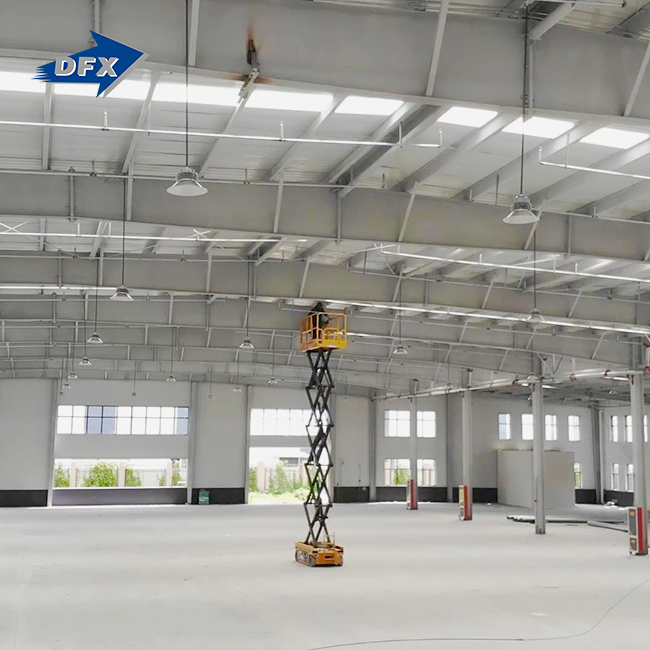
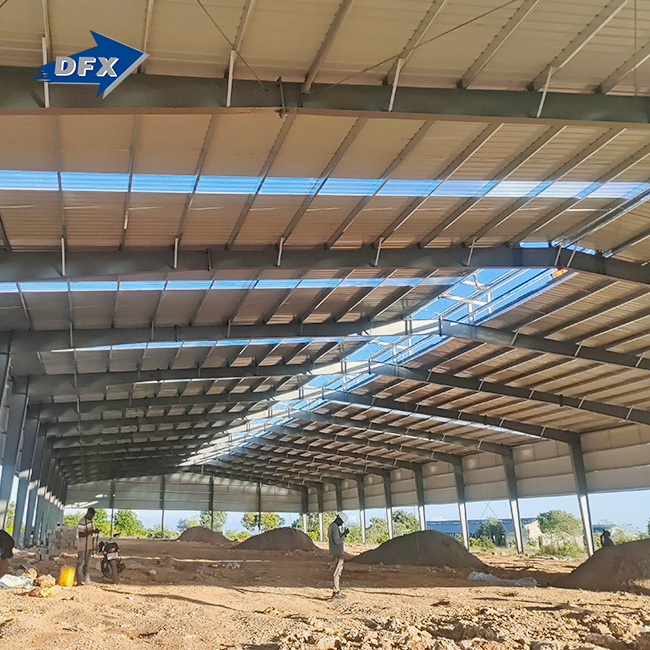
Air exchange to eliminate impurities without drafts that disturb animals is the goal of good ventilation design. All residential apartments receive constant airflow from longitudinal ventilation systems, which enter and exhaust at opposing ends of the structure. Ammonia-laden dead zones in naturally ventilated buildings are avoided using this method.
CFD simulation confirms vent location follows aerodynamic principles. Fresh air above rabbit level mixes with interior air as it falls via the Steel Rabbit Hutch House rooftop inlet ports. In winter operations, this mixing pattern evenly distributes incoming air before animals come into contact with frigid drafts. Adjustable louvres on these inlets help operators adjust airflow dependent on seasonality and stocking density.
Cross-Ventilation Architecture in Steel Structures
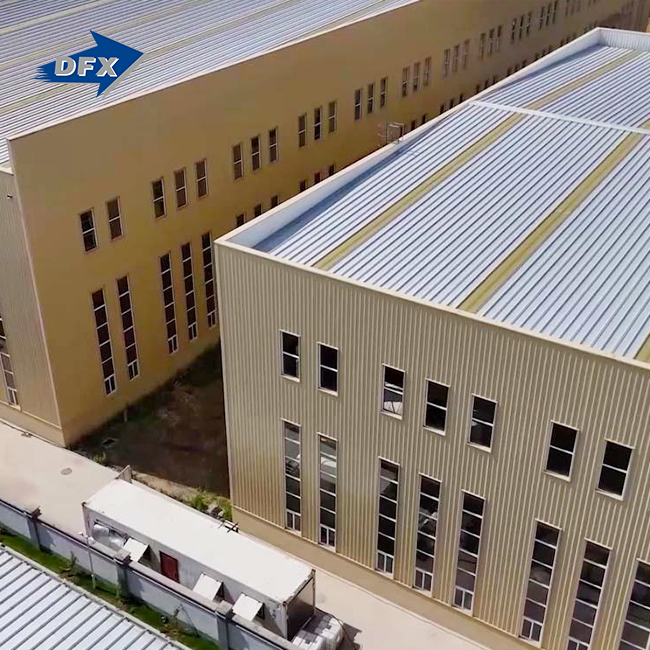
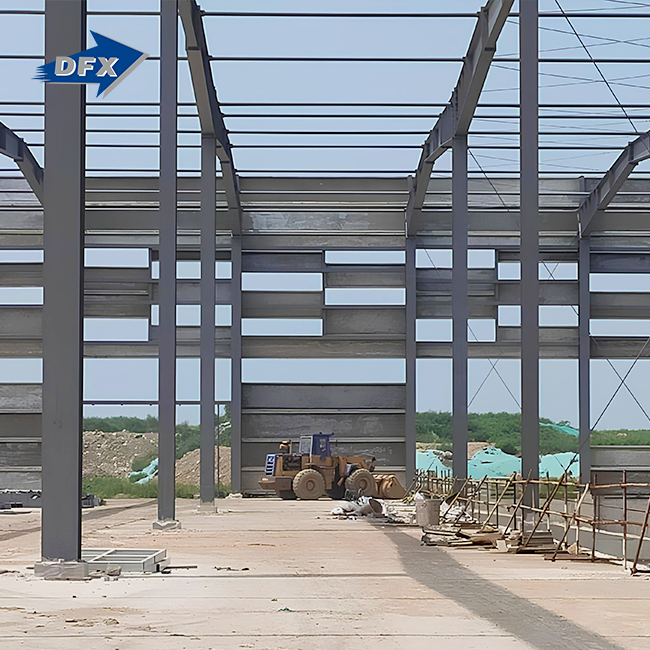
Natural thermal pulls from building-length ridge vents move tainted air up and out. It creates cross-ventilation patterns that refresh air volumes numerous times an hour with adjustable sidewall inlets. A galvanized steel framework provides greater spans than traditional construction, avoiding ventilation and maintenance issues from interior support columns.
Environmental Protection Without Ventilation Compromise
Engineered solutions satisfy ventilation and weatherproof design criteria. Thermal barriers like polyurethane cores between galvanized steel facings in insulated roof and wall panels minimize heating and cooling loads and preserve exact interior conditions. These sandwich panels have R-values above 20, lowering energy needs to maintain desired temperatures.
In tough agricultural situations where humidity, chemical cleaners, and organic acids destroy structural materials, corrosion resistance improves longevity. Even with minimal surface damage, zinc-iron alloy layers on hot-dip galvanized Q235 carbon steel frames preserve the base metal. Standard coated steel degrades within months in coastal or high-humidity locations; thus, metallurgical protection is needed.
Hygiene-Focused Features and Maintenance for Steel Rabbit Hutch Houses
Non-porous surfaces underpin commercial rabbit facility sanitation. Powder-coated steel coatings are electrostatically applied to provide moisture-resistant surfaces. Our coatings withstand chemical degradation from quaternary ammonium disinfectants, sodium hypochlorite solutions, and hydrogen peroxide formulations required by veterinary procedures between production cycles.
Steel rabbit hutch house sanitation is different from wooden hutch upkeep. Pressure washing at 1500-2000 PSI removes biological particles from steel without damaging it. These cleaning efforts can be applied monthly or daily, depending on stocking density to keep pathogen loads below herd-health-compromising levels.
Integrated Safety and Pest Prevention
Secure latches on steel housing prevent predator access and allow quick operator entrance for health checks and feeding. Wet-corrosion-resistant stainless steel hardware maintains a solid closing force over years of riding. Wooden door frames stretch, swell, and create biosecurity gaps, but these mechanical solutions do better.
Beyond predator exclusion, pest-proofing features exist. Floor rodent barriers keep wild mice and rats out of feed stockpiles and living units. Sealing wall panel-foundation joints eliminates access sites that wooden construction naturally creates as materials shrink and age. This complete barrier technique reduces disease vectors and protects breeding stock.
The recommended maintenance schedule for the Steel Rabbit Hutch House includes quarterly welded joint and coating integrity examinations, monthly ventilation component cleaning, and daily waste removal from collecting systems. Alkaline degreasers and acidified quaternary ammonium disinfectants remove organic residues and harmful organisms from galvanized surfaces in two steps.
Comparing Steel Rabbit Hutch Houses with Other Materials: Durability, Ventilation, and Hygiene
Total ownership costs depend more on material choice than purchasing price. In commercial operations, wooden hutches cost 40-50% of their steel counterparts and must be replaced every 3-4 years, exceeding the Steel Rabbit Hutch House investment within the first decade. Veterinary treatments, mortality losses, and production problems result from wood's chewing, moisture damage, and structural degradation.
Plastic modular systems are lightweight but lack structural stiffness for multi-tier commercial installations. Poor insulation and difficulty incorporating ventilation controls make plastic housing temperature regulation difficult. Plastic models are limited to hobbyist or recreational use due to these constraints.
Steel's resilience in severe climates gives it operating flexibility that other materials lack. Structures designed for -20°F to 110°F are operable in northern winter and southern summer heat without material deterioration or performance compromise. Thermal resilience simplifies multi-site procurement and operator training by standardizing housing designs across areas.
Modular Standardization for Scalability
Size uniformity in steel construction helps increase agricultural businesses' plan phased development. Operators can progressively enhance capacity without rebuilding facilities with modular modules made to standard requirements. Scalability enables business growth plans with variable expansion timetables due to funding restrictions or market uncertainty.
Production scale affects appropriate dwelling layouts. Single-tier systems simplify husbandry and equipment for 50–200-doe breeding operations. Steel's load-bearing and dimensional stability allow multi-tier battery systems with automated feeding, watering, and waste collection in 500+ domestic and commercial operations.
Procurement Guide for Bulk Buying and Custom Orders of Steel Rabbit Hutch Houses
Certification checks start the supplier assessment. ISO 9001 quality management systems assure consistent manufacture, while CE certification verifies agricultural equipment health and safety conformity with European requirements. COC and PVOC documents speed up customs clearance in target areas, eliminating import delays and administrative hassles.
Warranty terms reveal manufacturer confidence in product longevity. Comprehensive coverage should include structural integrity (10-15 years), coating performance (5-7 years), and hardware replacement (2-3 years). Reliable providers offer technical help during installation and operational problems after sales.
Total Cost of Ownership Analysis
Only 30-40% of agricultural infrastructure investment lifetime costs are initial acquisition charges. Long-term financial success depends on maintenance, climate control, energy use, and replacement frequency. In mild climates, Steel Rabbit Hutch House constructions with exceptional insulation cut yearly heating and cooling costs by 40-60%, resulting in payback times under four years.
Financing structures for bulk procurement generally include percentage deposits (30-40%), production milestone payments (30-40%), and balance upon shipment (20-30%). Custom orders with site-specific dimensions or features may require different payment periods due to engineering and tooling costs. Clear payment milestones related to verifiable completion stages safeguard both parties throughout manufacturing cycles.
The normal ordering process from RFQ to delivery takes 8-12 weeks. Initial RFQs should include unit quantities, dimensions, climatic characteristics, and customization. Manufacturers provide precise quotes with technical specs, material certifications, manufacturing dates, and shipment arrangements. Production begins with progress updates and quality control paperwork if agreements are agreed upon.
Conclusion
Agricultural steel structures are strategic investments in operational efficiency and animal welfare that affect production profitability. The Steel Rabbit Hutch House's longitudinal ventilation, galvanized frames, and insulated panels provide commercial biosecurity. Lifecycle savings from prolonged service life, lower maintenance, and better hygienic maintenance justify premium purchase prices over hardwood and plastic equivalents. To ensure decades of productive infrastructure, procurement experts assessing housing options should emphasize certifications, coating standards, and ventilation engineering over first-price comparisons.
FAQ
1. How frequently should steel rabbit housing undergo deep cleaning?
Commercial facilities need weekly pressure cleaning and thorough disinfection between batches. Quarterly maintenance checks ventilation and structural components, while daily spot cleaning eliminates fresh trash.
2. Can steel structures maintain adequate ventilation during extreme cold?
Operators can minimize air exchange rates during cold weather while maintaining minimal fresh air requirements using adjustable intake controls and insulated panels. Steel frames with supplemental heating systems sustain temperature without reducing ventilation.
3. What customization options exist for specialized breeding programmes?
Manufacturers provide dimension changes, rabbit breed-specific mesh arrangements, nesting rooms, and climate control. Custom orders add 2-3 weeks to manufacturing but maximize solutions for individual operating needs.
4. Does galvanized steel resist corrosion from rabbit urine long-term?
Hot-dip galvanization with zinc coatings above 275 g/m² offers 15+ years of corrosion protection with regular cleaning. When an 80-micron coating thickness is met and acidic residues are removed, powder-coated finishes last as long.
Partner with DFX for Superior Steel Rabbit Hutch House Manufacturing Solutions
Director Steel Structure Co., Ltd. develops livestock housing solutions for commercial rabbit operations that fulfill strict ventilation and cleanliness standards. Galvanized steel structures with CE, COC, and PVOC certificates from our ISO 9001-certified Qingdao factories provide global compliance for your agricultural infrastructure projects. With 12 years of structural fabrication experience, we offer comprehensive Steel Rabbit Hutch House solutions, including structural design, precision fabrication, international shipping, and installation. Our 40,000-square-meter manufacturing capability allows bulk order fulfillment with customized climatic and operating conditions. Contact our technical staff at jason@bigdirector.com for full commercial rabbit housing quotes with engineering assistance and quality guarantees.
References
1. McNitt, J.I., Patton, N.M., Lukefahr, S.D., & Cheeke, P.R. (2013). Rabbit Production, 9th Edition. Boston: CABI Publishing.
2. American Society of Agricultural and Biological Engineers. (2018). Design of Ventilation Systems for Poultry and Livestock Shelters. ASAE Standards EP270.5.
3. Maertens, L., Lebas, F., & Szendrő, Z. (2006). "Rabbit Housing Systems: A Review." World Rabbit Science, 14(2), 77-93.
4. National Research Council. (2011). Guide for the Care and Use of Agricultural Animals in Research and Teaching, 3rd Edition. Washington: Federation of Animal Science Societies.
5. Ferreira, W.M., Machado, L.C., & Jaruche, Y.G. (2012). "Effect of Housing System on Rabbit Performance and Health." Revista Brasileira de Cunicultura, 2(1), 45-58.
6. European Food Safety Authority. (2020). "Health and Welfare of Rabbits Farmed in Different Production Systems." EFSA Journal, 18(1), Article e05944.
Learn about our latest products and discounts through SMS or email