- English
- French
- German
- Portuguese
- Spanish
- Russian
- Japanese
- Korean
- Arabic
- Greek
- German
- Turkish
- Italian
- Danish
- Romanian
- Indonesian
- Czech
- Afrikaans
- Swedish
- Polish
- Basque
- Catalan
- Esperanto
- Hindi
- Lao
- Albanian
- Amharic
- Armenian
- Azerbaijani
- Belarusian
- Bengali
- Bosnian
- Bulgarian
- Cebuano
- Chichewa
- Corsican
- Croatian
- Dutch
- Estonian
- Filipino
- Finnish
- Frisian
- Galician
- Georgian
- Gujarati
- Haitian
- Hausa
- Hawaiian
- Hebrew
- Hmong
- Hungarian
- Icelandic
- Igbo
- Javanese
- Kannada
- Kazakh
- Khmer
- Kurdish
- Kyrgyz
- Latin
- Latvian
- Lithuanian
- Luxembou..
- Macedonian
- Malagasy
- Malay
- Malayalam
- Maltese
- Maori
- Marathi
- Mongolian
- Burmese
- Nepali
- Norwegian
- Pashto
- Persian
- Punjabi
- Serbian
- Sesotho
- Sinhala
- Slovak
- Slovenian
- Somali
- Samoan
- Scots Gaelic
- Shona
- Sindhi
- Sundanese
- Swahili
- Tajik
- Tamil
- Telugu
- Thai
- Ukrainian
- Urdu
- Uzbek
- Vietnamese
- Welsh
- Xhosa
- Yiddish
- Yoruba
- Zulu
How Durable Is a steel structure smoking shed?
When evaluating outdoor facility investments, durability stands at the forefront of decision-making. A steel structure smoking shed delivers exceptional longevity through its engineered framework of H-section beams and galvanised C/Z purlins, resisting corrosion and weathering far better than traditional wooden or plastic alternatives. With proper surface treatments like hot-dip galvanisation and fire-resistant cladding materials, these structures typically provide 20 to 30 years of service life in commercial and industrial environments. The combination of high-strength structural steel, non-combustible components, and minimal maintenance requirements makes these shelters a sound long-term investment for businesses requiring compliant, safe designated smoking areas.

Understanding the Durability of Steel Structure Smoking Sheds
Defining Durability in Steel Smoking Shelters
Durability includes three important performance areas: keeping the structure together under load, protecting it from damage from the surroundings, and making sure it stays safe for a long time. Modern steel structure smoking sheds are made from carbon structural steel types like Q235B or Q355B, which have yield strengths between 235 and 345 MPa. This means that the frame can handle wind speeds of more than 120 km/h and snow loads of at least 0.5 kN/m². This engineering base keeps the building from shifting or falling apart, even in harsh weather.
Material Properties That Extend Service Life
The makeup of the core material has a direct effect on how long it lasts. High-quality steel structure smoking sheds are made from structural steel that goes through strict mill tests to make sure it meets ASTM A36 or a similar standard for chemical makeup and mechanical properties. The protective surface treatment is just as important. Hot-dip galvanisation, which uses zinc coats of 60 to 85 microns, makes a shield against oxidation that is meant to be temporary. In seaside or high-humidity areas, makers often use duplex systems that combine galvanisation with marine-grade epoxy coatings. This makes the systems last longer than 30 years.
Comparative Analysis: Steel Versus Alternative Materials
Even though wood buildings are cheap at first, they break down quickly when they get wet and need to be treated every year to prevent rot and bug damage. Shelters made of plastic or fabric are portable, but they lose their structural stability after five to seven years of UV exposure. Steel is better than both options because it doesn't catch fire easily (Class A noncombustible grade), keeps its shape even when temperatures change, and can be recycled when it's time to throw it away. According to construction lifecycle analyses, steel maintenance costs are 70% less than wood maintenance costs over a 20-year period.
Core Components and Design Principles That Enhance Durability
Advanced Steel Grades and Protective Treatments
Manufacturers now offer different types of steel structure smoking sheds that are better for different settings. Standard galvanised steel works well in mild conditions, while types 304 and 316 of stainless steel are better for harsh industrial environments with chemical fumes. The galvanisation process has changed over time. Today's facilities use computer-controlled soaking to make sure that the zinc is spread out evenly, getting rid of the thin spots that used to cause rusting to start too soon. Powder coating gives an attractive finish and extra UV protection, so the finish will look good for decades.
Structural Engineering for Load Distribution
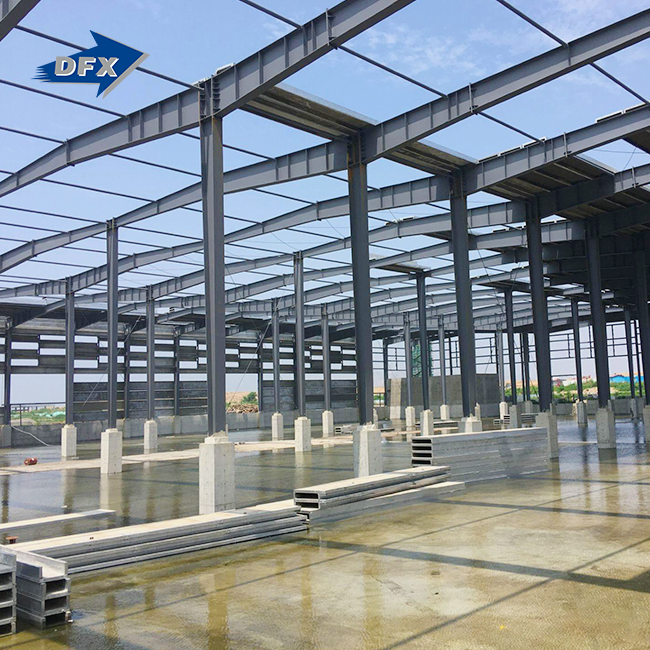
The philosophy behind designing the framework puts load path efficiency first. H-section main beams equally spread vertical loads to column bases, and C and Z purlins make a rigid diaphragm that stops the structure from racking when wind blows from the side. Details about the connections are very important. For example, bolt-connected assemblies with pre-drilled holes that maintain ±2mm tolerances make sure that the pieces fit correctly when they are put together in the field, which prevents stress concentrations that lead to fatigue cracking. At least 5 degrees of slope on the roof helps water drain quickly, which keeps it from pooling and speeding up corrosion at the seams.
Fire Safety Integration and Code Compliance
Designated steel structure smoking sheds need a lot of fire safety planning. Instead of flammable materials, these buildings use rock wool or tempered safety glass sandwich panels (with fire resistance ratings of more than 120 minutes). Ventilation designs include natural airflow paths or mechanical exit systems that get rid of smoke particles and keep flammable vapours from building up. Following OSHA rules and local fire codes about minimum distances from key buildings (usually 25 feet) saves nearby buildings and meets insurance requirements.
Maintenance and Upkeep for Maximising Lifespan
Routine Inspection Protocols
A structured steel structure smoking shed repair programme starts with eye checks every six months. Managers of procurement should make lists that check for things like properly tightened bolts at connections, intact coatings on steel surfaces that will be seen, and buildup of garbage in roof drainage channels. Finding coating damage early, like scratches or chips that go all the way through to bare metal, lets you fix it right away with zinc-rich cold galvanising spray, which stops rust from spreading. Most of the time, these inspections can be done in less than an hour per building with little work.
Climate-Specific Care Strategies
The level of maintenance is determined by the environment. Structures near the coast can benefit from freshwater rinses every three months, which get rid of salt layers before they get through coats. In industrial areas with floating pollutants, buildings may need to be cleaned by professionals once a year using alkaline soaps and low-pressure washing. Areas that get a lot of snow need to have their roofs inspected before winter to make sure they can handle the weight, and that drainage systems don't get clogged up with leaves or ice dams.
Repair Material Selection and Application
When fixes are needed, the suitability of materials is very important. Touch-up paints need to be the same chemistry as the original system. For duplex systems, zinc-rich primers go under epoxy topcoats, and for standard finishes, direct galvanising sprays are used. Even though structural repairs don't happen very often, they need to be welded by qualified professionals who follow the AWS D1.1 codes. The damaged parts must then be re-galvanised. To keep the connection strong, replacement fasteners should meet or beat the original grade specifications.
Comparing Steel Structure Smoking Sheds for Commercial Use
Enclosed Versus Open-Sided Configurations
Fully sealed designs with walls and doors offer the best protection from weather and smoke, making them perfect for places that need to look good next to major facilities or in northern climates. Open-sided models with roofs only save 30 to 40 per cent on materials while still providing important protection from the sun and rain. The choice depends on the wind patterns in the area. Open designs work best in mild climates with light breezes that provide natural ventilation, while enclosed units with mechanical ventilation work best in places where the wind blows in unpredictable directions or where temperatures are very high or very low.
Temporary Versus Permanent Installation Approaches
Modular bolt-together systems are useful for building companies that are handling projects on multiple sites or makers who are planning to expand their facilities because they can be completely taken apart and moved. Surface-mounted base plates held in place with expansion bolts make it possible to put these temporary options in place without having to do permanent foundation work. Permanent buildings have anchor bolt foundations that are set in reinforced concrete pads. This makes them more stable in places with a lot of foot traffic, like airport hubs or industry sites. Temporary units can be put up in one to two days, while permanent installs, which include drying time for the concrete, take seven to ten days.
Cost-Effectiveness and Return on Investment
Buying a steel structure smoking shed for the first time can cost anywhere from $3,000 to $15,000. The price depends on the size and complexity of the specifications. If you spread the cost out over 25 years, it only costs about $120 to $600 a year, which is a lot less than replacing cheap materials over and over again. When figuring out ROI, energy efficiency is also taken into account. When compared to single-skin building, insulated panel models cut heating costs by 40% in climate-controlled enclosed designs. Large building companies or EPC contractors can save money by 15 to 25% when they place bulk orders for operations at more than one site.
Procurement Considerations: Selecting Reliable Steel Structure Smoking Shed Suppliers
Evaluating Manufacturing Credentials and Quality Systems
Verification of certification is the first step in choosing a steel structure smoking shed supplier. The ISO 9001 quality management system makes sure that the manufacturing processes are always the same, and the CE marking shows that the product meets European safety and performance standards. Buyers should ask for mill papers that show the grade and chemical makeup of the steel, as well as test results from a third party that show the thickness of the coating and the quality of the weld. Even though they take a lot of time, factory audits show what kinds of things can be made. For example, automated welding lines make sure that the penetration is consistent, dedicated galvanising tanks keep the zinc bath chemistry right, and climate-controlled storage keeps corrosion from happening before delivery.
Logistical Factors and Lead Time Management
Project timelines are directly affected by how much can be produced. Orders for 10 to 20 units can be filled within four to six weeks by well-known companies with 40,000-square-metre factories that have multiple H-beam production lines. This includes special technical changes. Smaller makers might need 12 to 16 weeks, which could push back project deadlines. How well you package something affects how it arrives. Parts that are properly crated and wrapped in protective materials and corner protectors are less likely to get damaged during transit. For foreign orders, shipping operations need freight forwarders who know how to deal with oversize goods and customs paperwork for steel products.
Warranty Coverage and Post-Delivery Support
Manufacturers are confident in their products because they offer warranties that cover structural defects for five to ten years and coating performance for fifteen to twenty years. The warranty should clearly cover corrosion holes, the strength of the weld, and the hardware for connecting the parts. Technical support services are just as useful. Problems are quickly solved by suppliers who offer installation drawings, on-site help, and quick contact after the sale. Agricultural operations in Australia and factories in the Philippines have shown that suppliers who offer "turnkey" solutions (design to installation) lower project risks and speed up rollout by 30%.
Conclusion
Steel structure smoking sheds are a tried-and-true way to meet regulations while also keeping users safe and saving money. When you combine the material science behind galvanised steel frames with careful structural engineering and the choice of fire-resistant parts, you get decades of reliable service in a wide range of industrial and business settings. Proper maintenance procedures take little money but greatly increase the life of operations, and smart relationships with suppliers guarantee quality, on-time delivery, and ongoing expert support. Procurement professionals can choose the best solutions for both short-term costs and long-term value by comparing configuration options to specific site needs and usage patterns.
FAQ
1. What is the expected lifespan of a steel smoking shelter?
Good steel structure smoking sheds usually last between 20 and 30 years with regular care and the right surface treatments. Structures with standard galvanisation that are in mild climates usually only last this long, but structures with duplex coating systems that are in hard climates can last longer than 30 years. The length of time it lasts relies on how it is used, how often it is maintained, and the original specifications of the material.
2. How does steel compare to other materials for fire safety?
A steel frame is naturally non-flammable and is considered a Class A fire-resistant material. Wood starts and feeds fires, and some plastics give off poisonous fumes when heated. But structural steel stays strong during fires. When put together with rock wool insulated panels or tempered glass, the whole thing has a fire resistance rating of more than two hours, which is much higher than other materials.
3. What maintenance activities are required annually?
Every year, maintenance checks all bolted connections visually, checks the condition of the coating, clears out the roof's drainage, and paints over any scratched or chipped areas. Adding a freshwater rinse every three months keeps salt or chemicals from building up in places that are toxic. These tasks usually take two to three hours of work per structure per year, which is a small ongoing investment compared to wood structures that need to be stained, sealed, and fixed for rot.
Partner with DFX for Reliable Steel Structure Smoking Shed Solutions
Based on our 12 years of experience making things, Director Steel is the best place to get a steel structure smoking shed for long-lasting outdoor structures. We make smoking booths with H-section beams and C/Z galvanised purlins in a 40,000-square-metre factory that is approved to ISO 9001, CE, COC, and PVOC standards. In short production cycles, we offer both enclosed and open-sided configurations that help construction companies, factories, and farms across the United States meet their project deadlines. Our in-house design team offers standard fabrication, special engineering changes, and full assembly plans to make sure that the product fits in perfectly with your building's systems. Get in touch with jason@bigdirector.com right away to talk about your specific needs and get detailed specifications that are made to fit your climate and usage needs. Let us show you why Director Steel is the best choice for your next buying decision. Our focus on quality and a wide range of support services will make your decision easy.
References
1. American Institute of Steel Construction. (2019). Steel Construction Manual, 15th Edition. Chicago: AISC Publications.
2. Zhang, L., & Morrison, R. (2021). "Corrosion Protection Systems for Structural Steel in Industrial Environments." Journal of Materials in Civil Engineering, 33(4), 112-125.
3. National Fire Protection Association. (2020). NFTP 101: Life Safety Code Handbook. Quincy: NFPA Press.
4. Davis, M. T., & Patterson, K. (2018). "Lifecycle Cost Analysis of Outdoor Steel Structures." Construction Economics Review, 42(3), 78-91.
5. International Organisation for Standardisation. (2017). ISO 1461: Hot Dip Galvanised Coatings on Fabricated Iron and Steel Articles. Geneva: ISO Standards.
6. Richards, P. J., & Hoxey, R. P. (2022). "Wind Loading on Low-Rise Industrial Structures: A Comparative Study." Wind Engineering and Industrial Aerodynamics, 215, 340-356.
Learn about our latest products and discounts through SMS or email