- English
- French
- German
- Portuguese
- Spanish
- Russian
- Japanese
- Korean
- Arabic
- Greek
- German
- Turkish
- Italian
- Danish
- Romanian
- Indonesian
- Czech
- Afrikaans
- Swedish
- Polish
- Basque
- Catalan
- Esperanto
- Hindi
- Lao
- Albanian
- Amharic
- Armenian
- Azerbaijani
- Belarusian
- Bengali
- Bosnian
- Bulgarian
- Cebuano
- Chichewa
- Corsican
- Croatian
- Dutch
- Estonian
- Filipino
- Finnish
- Frisian
- Galician
- Georgian
- Gujarati
- Haitian
- Hausa
- Hawaiian
- Hebrew
- Hmong
- Hungarian
- Icelandic
- Igbo
- Javanese
- Kannada
- Kazakh
- Khmer
- Kurdish
- Kyrgyz
- Latin
- Latvian
- Lithuanian
- Luxembou..
- Macedonian
- Malagasy
- Malay
- Malayalam
- Maltese
- Maori
- Marathi
- Mongolian
- Burmese
- Nepali
- Norwegian
- Pashto
- Persian
- Punjabi
- Serbian
- Sesotho
- Sinhala
- Slovak
- Slovenian
- Somali
- Samoan
- Scots Gaelic
- Shona
- Sindhi
- Sundanese
- Swahili
- Tajik
- Tamil
- Telugu
- Thai
- Ukrainian
- Urdu
- Uzbek
- Vietnamese
- Welsh
- Xhosa
- Yiddish
- Yoruba
- Zulu
Why Choose mall energy-saving steel structure for Green Retail?
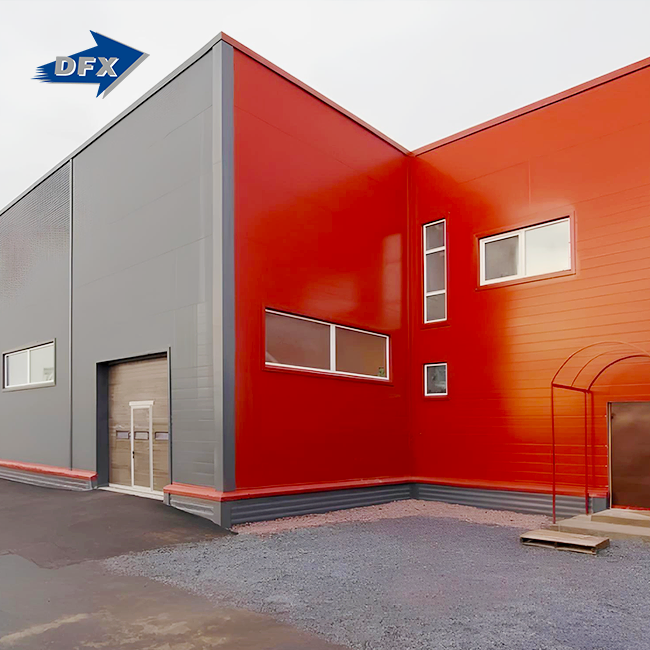
Choosing a mall energy-saving steel structure for green retail makes practical sense because these buildings integrate sustainable construction methods with exceptional efficiency. Unlike traditional concrete designs, energy-saving steel structures incorporate advanced insulation technologies, reflective coatings, and modular design principles that significantly reduce cooling and heating demands. Their lightweight yet durable framework allows rapid assembly while maintaining structural integrity across diverse climates. These buildings support LEED and BREEAM certifications, helping retailers meet corporate sustainability commitments while controlling long-term operational expenses.

Understanding Energy-Saving Steel Structures for Retail Projects
What Sets Energy-Efficient Steel Buildings Apart?
Mall energy-saving steel structures are different because they use high-performance thermal materials and smart design techniques on purpose. High-strength low-alloy steel frames and insulation panel systems work well together to keep heat out of these buildings. Features that let in natural light lower the need for artificial lighting, and smart ventilation plans keep the inside of a building comfortable without using too much HVAC. This is a big change from the way buildings are usually built, where energy efficiency is often just an addition instead of a main design concept.
How Sustainable Materials Support Green Building Certifications?
More and more, recycled materials are used in modern steel fabrication. Structural steel can contain up to 90% recycled material without losing any of its performance. This made from recovered materials is in line with LEED Material and Resources points, and it has less carbon in it than making new materials. Strict ISO quality control rules are used in the manufacturing process at places like our Qingdao production center. This makes sure that materials can be tracked and that environmental rules are followed. When architects specify these materials, they get measurable indicators of sustainability that help with certification paperwork and company environmental reporting frameworks.
Why B2B Clients Prioritize Sustainable Retail Construction?
Corporate sustainability requirements are having a bigger impact on buying decisions across the retail development. Investors know that properties that are recognized as "green" command higher rents and attract renters who care about the environment. Energy-efficient buildings have lower running costs than traditional buildings, usually between 25 and 40 percent less for utilities. This means that the net operating income is higher throughout the asset's lifespan. Companies that show they care about the environment in real ways can get these cash benefits and a better image for their brands. When purchasing managers look at different mall building choices, they now often consider how sustainable each one is along with more standard factors like cost and schedule.
Advantages of Energy-Saving Steel Structures Over Traditional Mall Construction
Cost Efficiency Through Reduced Construction and Operational Expenses
Mall energy-saving steel structures offer strong economic benefits throughout the entire lifecycle of a project. When compared to cast-in-place concrete methods, the prefabrication method shortens building plans by 30 to 50 percent by letting site preparation and component production happen at the same time. This shortened timeline means that retail operators will start making money earlier. Because of standardized parts and fast production methods, material costs stay low. Our factory has six automatic welded H-beam lines that make about 20,000 tons of H-beams every year. This lets us take advantage of economies of scale that help our customers. Better thermal performance leads to long-term running saves. Integrated insulation systems and reflective roof coatings stop heat from moving, which lowers HVAC loads and the energy used by them.
Flexibility for Future Modifications and Tenant Adaptations
Retail spaces are always changing because tenants move in and out and customers' tastes change. Large clear-span designs that get rid of needless beams make steel frame systems naturally flexible. This open inner layout lets stores change floor plans without making any structural changes, so it can meet the needs of a wide range of tenants, from big box stores to small shops. Our Q235/Q355 steel frame kits are bolted together, which makes it easy to add on to or change them in the future without bothering people who are already living in nearby rooms. This adaptability keeps the value of an investment safe by making the building useful in a variety of market situations.
Performance Reliability Across Diverse Climate Conditions
When steel buildings are properly insulated and protected against rust, they work the same way in all temperature and humidity conditions. Marine-grade protective coatings and hot-dip galvanization methods keep things from breaking down in seaside areas or polluted industrial areas. The main frame is made of welded H-section steel that stays the same size no matter what the weather is like, wood or concrete, which can warp or crack when temperatures change. Better insulation packages are made to deal with problems that are unique to each region. For example, vapor barriers stop condensation in humid climates, and reflective barriers stop radiant heat gain in deserts. Because they can adapt to different climates, standard building systems can be used in store businesses that are spread out across different regions.
These benefits take care of the main issues that construction contractors, EPC firms, and retail developers have when they look at building systems. Economic performance, operational flexibility, and technical stability all work together to make a strong value case for project partners who care about the long-term performance of assets.
Criteria for Choosing the Right Energy-Saving Steel Structure for Your Mall Project
Evaluating Energy Performance and Material Specifications
To choose the right mall energy-saving steel structures, you need to carefully look at material properties and thermal performance metrics. Check the U-values of the planned roof and wall assemblies to make sure they meet or go beyond the standards of the local energy code. Check the steel specs. The Q355 grade has better strength-to-weight ratios than the Q235 grade, which could mean that less material is needed for long-span applications. While taking into account the cost over the life of the insulation, R-values should match the suggestions for each temperature zone. If you want to get green building certificates, you should ask for proof of the recycled material percentages. Material standards like ISO9001, CE marks, and EN1105 compliance make sure that the quality of the manufacturing process meets the requirements of the law.
Assessing Supplier Capabilities and Support Services
Choosing a supplier has a big effect on the project's results, and not just because of the price. Check the manufacturing capacity to make sure you can finish your project on time. For example, our 40,000-square-meter facility has multiple production lines, which shows that it can handle large orders without any delays. It is important to look at the engineering support services that are available because combined design services make it easier for architects and builders to work together. During the construction phase, installation instructions are very helpful, especially for teams that aren't very familiar with how to put together bolted steel structures. Look into after-sales help, such as upkeep guidelines and the availability of replacement parts. Suppliers who offer a full range of services, from engineering calculations to erection guidance, make it easier for project managers to coordinate.
Comparing Procurement Factors and Customization Options
When using project-based production models, you need to carefully plan your purchases in terms of wait times and payment terms. Standard delivery times for steel structures are between 60 and 90 days after engineering approval, but longer times may be needed for designs that are more complicated. If you are building more than one property, you should look at group price structures because terms are often better when you commit to a lot of properties. Customization options are very important—C/Z steel purlin profiles, sandwich panel specs, and joining details should be able to meet particular design needs without charging too much. Talk about the company's logistics planning skills, especially when it comes to foreign packages that need to optimize containers and fill out customs paperwork. Knowing these practical aspects of procurement can help you avoid schedule delays and budget overruns while a project is being carried out.
Latest Trends and Innovations in Energy-Saving Steel Mall Structures
Advanced Manufacturing Technologies Enhancing Product Quality
Automation and precision engineering are helping mall energy-saving steel structures keep getting better. Robotic welding systems make full-penetration welds that are uniform and meet AWS D1.1 structure codes. They also cut down on mistakes made by humans. During pre-assembly, laser scanning checks that the dimensions are accurate within ±2mm, which keeps fit-up problems from happening during site assembly. Eco-friendly coating technologies, such as water-based intumescent paints, keep fires out without releasing volatile organic compounds. These changes to manufacturing make products more consistent and help meet environmental goals. The automatic production lines at our plant are a good example of this change in technology because they make sure that the parts we sell are reliable and meet international building standards.
Smart Building Integration for Energy Optimization
IoT-enabled building management systems can now work with structural designs right from the start of the planning process. Sensor networks keep an eye on things like temperature, humidity, and occupancy patterns. They then adjust the lighting and HVAC systems to work as efficiently as possible. These smart systems can cut energy use by 15 to 25 percent more than passive design methods alone. Future technology upgrades can be made possible by integration points built into structure systems that don't require invasive retrofits. More and more, retail developers are including these features in their plans so that they can meet tenants' needs for current spaces and meet running cost goals. The coming together of structural engineering and building automation is a huge chance to make buildings use less energy.
Emerging Standards Driving Industry Innovation
As building rules change and certification programs become more popular, the performance standards for business construction keep going up. New changes to the International Energy Conservation Code make the outer standards stricter, which is good for steel panel systems that are highly insulated. Carbon accounting methods now include embodied carbon calculations, which show how useful steel is for recycling. These market and governmental factors push makers to come up with new ideas in areas like lowering thermal bridges and increasing the carbon intensity of materials. Keeping up with these trends helps procurement teams choose systems that are compliant and competitive over the lifecycle of a building.
How to Procure and Collaborate with Trusted Suppliers for Energy-Saving Mall Steel Structures?
Verifying Manufacturer Credentials and Quality Systems
Doing your research before choosing a supplier of mall energy-saving steel structures protects the quality of the project and the schedule. Check the factory certifications to make sure they meet accepted standards. For example, ISO9001 quality management and CE marking show that the production process is controlled in a planned way. Ask for information about past projects that were about the same size and level of difficulty as yours. Site visits to production facilities show what the facilities can really do beyond what is shown in marketing materials. They also let you see how advanced the equipment is and how skilled the staff is. Check the company's insurance coverage and financial security, especially for foreign deals involving large payments. Before making a deal, these steps of proof build trust in the supplier's reliability.
Understanding the Project Workflow from Inquiry Through Installation
Usually, the procurement process starts with preliminary questions about the project's parameters, such as its size (in square feet), its design goals, and its performance needs. Responding suppliers give ideas and budget prices to see if the project is possible. Once given permission, detailed engineering creates structural calculations, connection designs, and fabrication drawings that the client must review and approve. After engineering sign-off, production starts, and quality control checks are done at key stages of fabrication. Logistics coordination plans when shipments will go out, handles customs clearance for foreign sales, and makes sure that deliveries happen in a way that matches how ready the site is. When installation workers are putting things together, erection guidance—either through remote advice or on-site expert representation—helps them. Knowing this process helps you make a realistic plan and make sure that the right resources are used at each stage of the project.
Leveraging Comprehensive Support Services for Project Success
Suppliers who offer more than just basic manufacturing add a lot of value to projects throughout their entire lifecycles. Having in-house architectural design skills makes it easier to balance the need for esthetics with the need for structural integrity, which cuts down on the number of redesigns that need to be done. Fabrication skills make sure that parts come ready to be put together quickly and with few changes needed in the field. Logistics management knowledge keeps shipments on time and lowers costs by using the right loading methods for containers. Installation guidance cuts down on the time it takes to set up and avoids mistakes that cost a lot of money. Long-term building performance is improved by support after the building is finished, such as maintenance training and technical troubleshooting. Because these services cover so much, choosing a seller should be based on overall value instead of just price at first.
Conclusion
In conclusion, mall energy-saving steel structures are a smart choice for modern retail development because they are good for the environment and also work well in real life. When you combine new materials, efficient manufacturing methods, and smart design strategies, you get buildings that meet both financial and environmental requirements. For a project to succeed, it is important to choose the right suppliers based on their technical skills, quality systems, and full support services. As rules get stricter and companies make bigger promises to be more environmentally friendly, these building systems help store projects stay competitive and keep their value in a market that cares more about the environment.
FAQ
1. How does steel structure fire resistance compare to concrete in retail buildings?
At high temperatures, unprotected structural steel does lose strength, which is a real fire safety concern. These problems can be solved by modern fire safety systems that use intumescent coats or cementitious sprays that give fire ratings of 2 to 4 hours, which are the same as concrete. When these passive protection systems are heated, they spread and make insulation layers that keep the steel temperature below critical levels during fires. Installation can happen during fabrication or on-site finishing, and the thickness must be calibrated to meet certain ratings. When properly protected, mall energy-saving steel structures meet the fire safety standards of the building code for store spaces while still retaining the material's natural structural benefits.
2. Can energy-efficient steel structures work in humid coastal climates?
When the right corrosion protection methods are used, steel structures work effectively in coastal areas. When hot-dip galvanization is done according to ISO 1461 standards, a metallurgical zinc coating is formed that protects the base steel from chloride exposure. Marine-grade paint methods add extra protection in places that are known to be very harsh. Design details keep water from building up in places where connections are made, which could lead to corrosion. These safety steps, along with regular inspections, make sure that things will last for decades in salty or wet places. A lot of successful retail projects have been built along the coasts of the world, showing that protected steel systems can work in a wide range of conditions.
3. What timeline advantages do steel structures offer for retail projects?
One of the best useful things about steel is that it can be compressed during the construction process. Prefabrication lets you prepare the spot and make parts at the same time, so there are no delays in the order of building that come with cast-in-place methods. When compared to traditional building methods, mall projects usually have 30–50% shorter schedules. Bolted connections speed up the erection process and don't need much drying time, so work can move right on to the next trade. Earlier substantial completion directly leads to faster work on tenant improvements and more money coming in. These benefits in terms of time are especially useful in competitive retail markets where delays in occupancy cost a lot of lost sales.
Get Started with DFX on Your Green Retail Project
DFX has a track record of making sustainable, mall energy-saving steel structures that are perfect for store settings that need a high level of energy efficiency. Our Qingdao factory is ISO-certified and makes welding H-section steel frames with bolted joints and C/Z steel purlins that are designed to be as thermally efficient as possible. We offer a full range of services, from engineering calculations and precise fabrication to logistics coordination and erection guidance, to help you with your project from the beginning to the end. Get in touch with our team at jason@bigdirector.com to talk about your needs for a mall energy-saving steel structure with a source that cares about quality, dependability, and sustainability.
References
1. American Institute of Steel Construction. (2022). Specification for Structural Steel Buildings (ANSI/AISC 360-22). Chicago: AISC.
2. U.S. Green Building Council. (2021). LEED v4.1 Building Design and Construction Guide. Washington, DC: USGBC.
3. Buchanan, A.H. & Abu, A.K. (2017). Structural Design for Fire Safety (2nd Edition). Chichester: John Wiley & Sons.
4. International Code Council. (2021). International Energy Conservation Code. Country Club Hills: ICC.
5. European Committee for Standardization. (2019). Eurocode 3: Design of Steel Structures - Part 1-1: General Rules and Rules for Buildings. Brussels: CEN.
6. WorldGBC. (2019). Bringing Embodied Carbon Upfront: Coordinated Action for the Building and Construction Sector to Tackle Embodied Carbon. London: World Green Building Council.
Learn about our latest products and discounts through SMS or email