- English
- French
- German
- Portuguese
- Spanish
- Russian
- Japanese
- Korean
- Arabic
- Greek
- German
- Turkish
- Italian
- Danish
- Romanian
- Indonesian
- Czech
- Afrikaans
- Swedish
- Polish
- Basque
- Catalan
- Esperanto
- Hindi
- Lao
- Albanian
- Amharic
- Armenian
- Azerbaijani
- Belarusian
- Bengali
- Bosnian
- Bulgarian
- Cebuano
- Chichewa
- Corsican
- Croatian
- Dutch
- Estonian
- Filipino
- Finnish
- Frisian
- Galician
- Georgian
- Gujarati
- Haitian
- Hausa
- Hawaiian
- Hebrew
- Hmong
- Hungarian
- Icelandic
- Igbo
- Javanese
- Kannada
- Kazakh
- Khmer
- Kurdish
- Kyrgyz
- Latin
- Latvian
- Lithuanian
- Luxembou..
- Macedonian
- Malagasy
- Malay
- Malayalam
- Maltese
- Maori
- Marathi
- Mongolian
- Burmese
- Nepali
- Norwegian
- Pashto
- Persian
- Punjabi
- Serbian
- Sesotho
- Sinhala
- Slovak
- Slovenian
- Somali
- Samoan
- Scots Gaelic
- Shona
- Sindhi
- Sundanese
- Swahili
- Tajik
- Tamil
- Telugu
- Thai
- Ukrainian
- Urdu
- Uzbek
- Vietnamese
- Welsh
- Xhosa
- Yiddish
- Yoruba
- Zulu
How to choose the perfect metal tool shed for your garden?
Choosing the perfect metal tool shed for your garden hinges on understanding your storage requirements, material durability, and structural integrity. A steel structure garden shed delivers unmatched longevity and weather resistance compared to wooden or plastic alternatives, making it ideal for both residential and commercial applications. When selecting the right shed, consider factors such as size, corrosion protection, ventilation, and supplier credentials. Steel sheds manufactured with hot-dipped galvanized frames and customizable configurations provide superior value, particularly when sourced from ISO-certified manufacturers offering design support and short production cycles.

Understanding the Core Requirements for Your Metal Tool Shed
Before you buy anything, you should make a list of all the things your shed needs to do. This step of planning is what separates smart investments from mistakes that cost a lot of money.
Assessing Storage Capacity and Spatial Constraints
To begin, make a list of all the things you want to store. Do you need to make room for bigger machines like tractors or generators, or are you just storing lawn mowers, hand tools, and holiday decorations? Carefully measure the space you have in your garden, making sure to account for the doorway's clearing and future entry needs. A lot of buyers don't realise how important vertical space is. Taller sheds with adjustable shelves can double your storage space without taking up more space.
Evaluating Durability Across Climate Conditions
The weather trends where you live will tell you which safety measures are most important. To protect against salt spray, coastal areas need Z275-grade galvanised steel coats that make steel more resistant to rust. In places where it snows a lot, roof beams that can hold 30 to 40 pounds per square foot of snow need to be strengthened. In deserts with a lot of UV light, SMP or PVDF topcoat finishes are best because they don't chalk or fade over time. Knowing about these natural factors will keep your shed from breaking down too soon and help it last for 20 years or more.
Balancing Cost with Quality and Supplier Reliability
Price by itself never tells the whole story. A cheaper shed made of electro-galvanized steel might save you money at first, but it might need to be replaced in five years. Compare the total cost of ownership by taking into account the length of the warranty, the coating requirements, and the upkeep that needs to be done. Reliability of the supplier is very important when you need professional help with installation or new parts after years have passed. Look for manufacturers that have ISO9001 certification and a history of delivering consistent quality on a number of different projects.
Comparing Metal Tool Sheds: Steel vs Other Materials
The materials you choose will have a big impact on how well your shed works and how much care it needs over its lifetime.
Steel vs Wood: Longevity and Maintenance
To keep wooden sheds from rotting, bending, and getting termite damage, they need to be treated with sealants and paints once a year. In humid places, even pressure-treated wood breaks down after 10 to 15 years. Steel structure garden shed units get rid of all of these worries. Hot-dipped galvanised steel sheds don't break down naturally, don't need any chemical treatments, and stay strong for decades. The difference in maintenance means less work for workers and fewer problems with operations. This is especially helpful for farms that store fertiliser or businesses that have to manage multiple storage units.
Steel vs Plastic and Aluminum: Structural Strength
UV light makes resin and vinyl sheds weak, and the seams often crack after 5 to 7 years. They can't hold up big loads on shelves or take hits from tools or trees that fall. In some places, aluminium is better at resisting rust than steel. However, it can't hold as much weight and is easy to dent. Using H-section beams and poles in steel sheds makes the structure stiffer, so they can hold shelving systems full of heavy tools and wind speeds over 110 km/h without deforming.
Heavy-Duty Steel for Commercial Applications
People in the industrial and farming sectors need housing that can be used as a tool, not just as a place to stay. Commercial steel sheds have thicker gauge panels (0.4 to 0.6 mm corrugated walls vs. 0.25 mm residential grades) and stronger frames that can handle forklift traffic near the doors. They can be set up with open sides for equipment maintenance bays and wider door openings for easy access to vehicles. A steel building doesn't catch fire, so it meets strict fire rules for keeping flammable materials. This lowers insurance costs and liability risks.
Key Features and Design Considerations for Steel Structure Garden Sheds
In addition to the materials you choose, the way your shed is built will also affect how well it meets your everyday needs.
Structural Advantages and Corrosion Protection
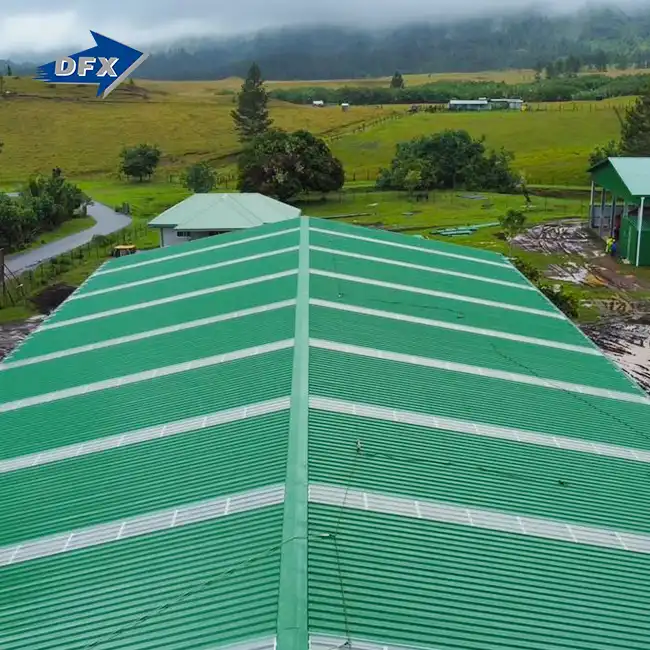
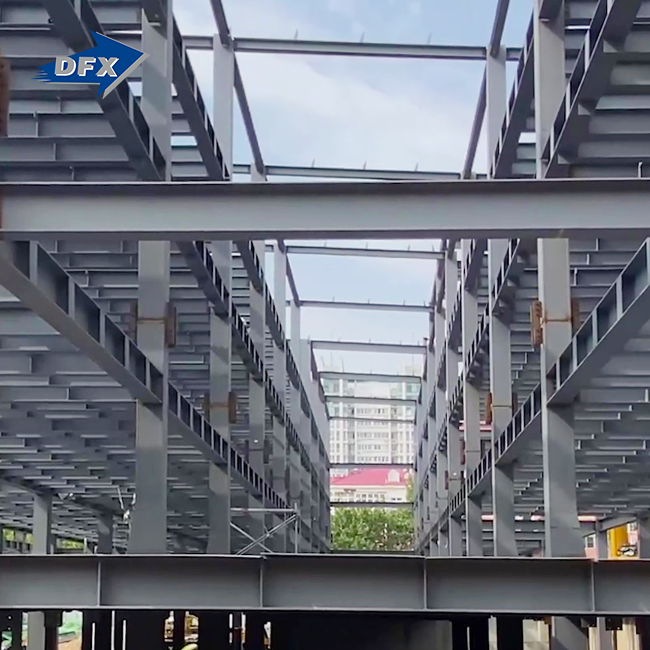
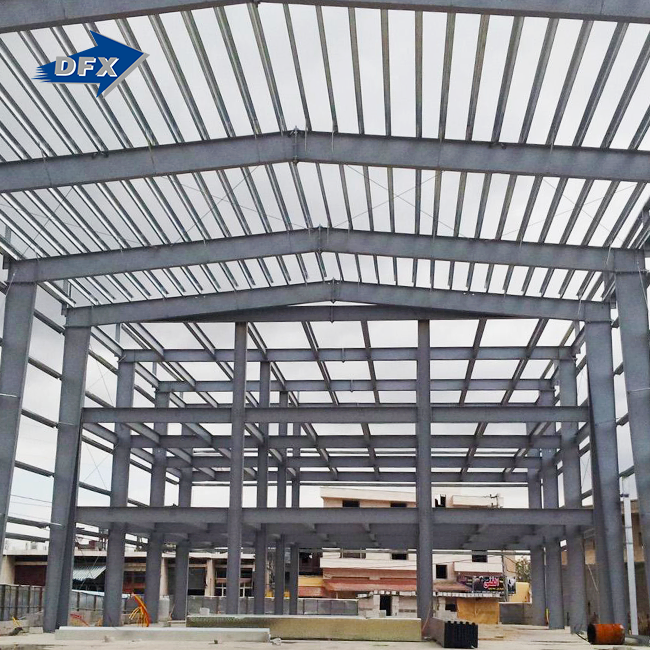
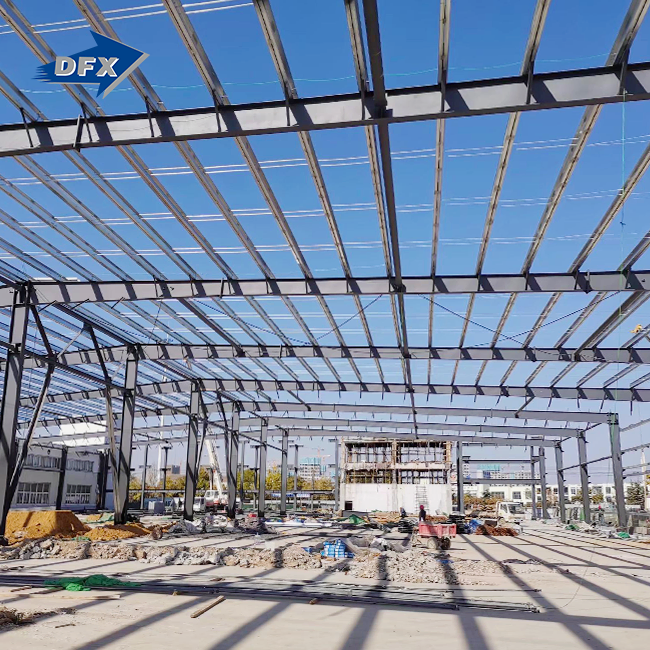
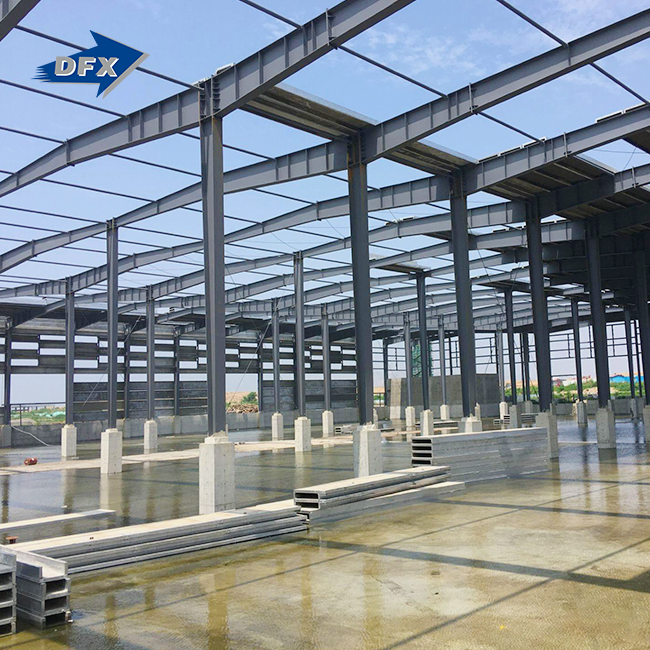
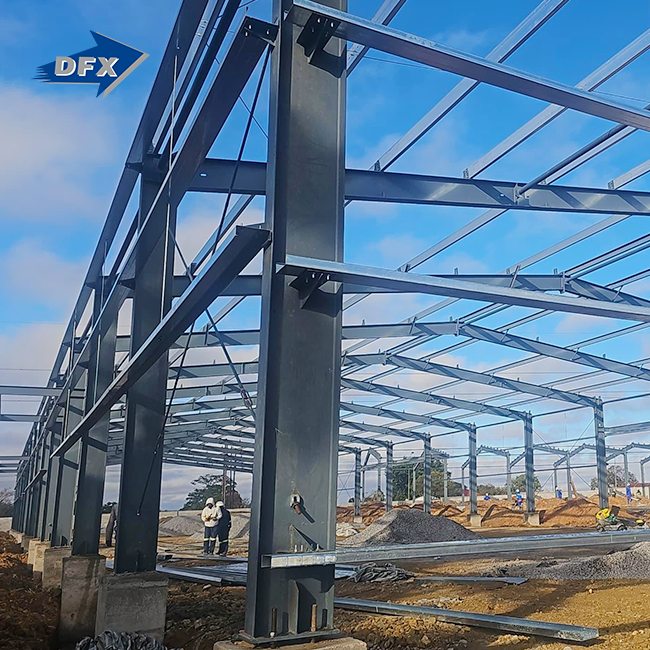
Modern steel structure garden sheds use C/Z galvanised purlins and H-section main frame to make the insides clear-span without any posts in the way. This layout makes the most of the floor space that can be used and makes planning the layout of the inside easier. During the galvanisation process, a zinc covering is applied by hot-dipping. This forms a metallurgical link that fixes small scratches and stops rust from spreading along cut edges. Multi-layer protection systems include conversion coatings and polyester topcoats in different colours. These add to the look of the system and protect it from the weather for 15 to 20 years before it needs to be touched up.
Functional Layouts: Doors, Ventilation, and Insulation
The way doors are set up has a bigger effect on how well work gets done than most buyers think. Single-door units, which are usually 3–4 feet wide, are good for storing tools around the house. Double-door units, which are 6–8 feet wide when put together, are better for storing riding mowers and small vehicles. Sliding doors are good for situations where there isn't enough room for a normal open door. Ventilation grilles placed under the roof eaves allow passive airflow that lowers condensation inside the shed, which is a common problem that leads to tool rust in sheds that don't have enough ventilation. Consider putting anti-condensation fleece coats on the inside of the roof panels if you live in a place with a lot of humidity. Models with sandwich walls that are insulated keep temps more stable, keeping chemicals and sensitive equipment safe from freeze-thaw cycles.
Maintenance Tips for Extended Lifespan
Even though steel sheds are known for being easy to take care of, they do need some simple care once a year. Clean the outside of things with water and a mild soap to get rid of dirt, pollen, and salt buildup that can make water stick to the outside. Make sure the roof's drainage lines are clean so water doesn't pool. Right away, fix any scratches that show bare metal by using a zinc-rich primer and a finish that matches the colour. Use silicone spray to grease door hinges and locks instead of oil-based products that gather dust. If you follow these easy steps, your shed will look good and work well for a long time after the warranty period is over.
Procurement Guide: How to Buy the Right Steel Structure Garden Shed
When you go through the buying process carefully, you lower your risk and make sure you work with suppliers who can meet your long-term needs.
Evaluating Sourcing Channels and Supplier Credentials
When compared to multi-tier distribution lines, direct manufacturer buying for a steel structure garden shed usually gives you better value and support. Manufacturers who do their own design work can change the sizes and features of their products without having to deal with the markups and communication delays that come with using middlemen. Check to see if the providers have both ISO9001 certification for quality management systems and CE certification to make sure they are compliant with the European market. With the right paperwork, COC and PVOC licenses show that you can serve African markets. Look at case studies that show finished projects that are like the one you want to do, whether it's storage for farm equipment, shelters for equipment, or parking for commercial vehicles.
Pre-Fabricated Kits vs Custom Orders
By standardising parts and making the most of production runs, pre-engineered shed kits cut costs and delivery times. They work for buyers with simple needs because they come in standard sizes (8x10, 10x12, and 12x16 feet). Custom orders can be made to fit odd site conditions, unique door placements, or buildings that are already there. Custom projects have longer lead times (4–8 weeks vs. 1–3 weeks for regular kits), but they provide exact answers for difficult tasks. When manufacturers give you both choices, you have more options as your needs change across different jobs or places.
Pricing, Warranty, and Delivery Logistics
Ask for detailed quotes that break down the costs of materials, assembly, shipping, and any installation help that you may need. Find out what the guarantee covers (for example, perforation rust vs. cosmetic finish degradation) and what it doesn't cover (for example, bad fitting or neglecting upkeep). Check the finishing requirements (the difference in performance between Z275 and Z120 galvanisation weights is big). Make the delivery terms clear: curbside drop-off means your team has to unload and move the parts, while jobsite delivery with forklift service costs more but keeps them from getting damaged while being handled. Short production cycles and good transportation help manufacturers keep project delays and moving costs to a minimum.
Making the Final Decision: Matching Your Needs with the Best Steel Tool Shed
The best shed for you is one that matches the technical specs with how much you use it and your budget.
Aligning Specifications with Industry Requirements
Agricultural businesses that need to store hay, feed, or small tools need containers with open sides that let air move and keep the contents dry in case of rain. For tool security and weatherproof storage of maintenance supplies, manufacturing sites need sheds that are completely enclosed and have doors that can be locked. Modular units are useful for construction companies because they are easy to move from one job spot to another. Match your shed's structural grade to how it will be used. Getting to your tools once a weekend is very different from moving big equipment every day at work.
Size, Modularity, and Integration Capabilities
Adding parts to a modular shed system lets you add more space as your storage needs change, so you don't have to buy new units that are too small. Think about how the shed will connect to your current infrastructure. For example, will the door's placement allow forklifts to get from your main building to the shed? Can you put it in a way that it can share power or lighting from buildings nearby? Some makers sell connection kits that can be used to connect several units together to make one large storage complex. This is helpful for planning phased growth.
Future-Proof Investment Strategies
If your business has more than one address, choose sources that can help with multi-site rollouts. Sticking to a single manufacturer's line of products makes it easier to keep track of spare parts and train maintenance staff. When fixes need to be made, downtime is cut down by building relationships with responsive makers who keep replacement panels and parts in stock. Premium hot-dipped galvanised construction costs a little more up front, but it pays for itself in lower maintenance costs and longer replacement cycles, which lowers the total cost of ownership over 15 to 20 years.
Conclusion
To choose the best steel structure garden shed, you have to weigh your short-term budget wants against your long-term performance requirements. When compared to wood, plastic, or aluminium alternatives, steel structure garden sheds with hot-dipped galvanised frames and corrosion-resistant coatings last longer. The best shed is one that fits your needs for storage space, climate, and level of use, and it comes from an ISO-certified manufacturer with good design support and warranties you can count on. You can get a storage solution that protects your assets and keeps your business running smoothly for decades by carefully checking the material specs, useful features, and supplier credentials.
Frequently Asked Questions About Steel Structure Garden Sheds
1. What foundation type works best for steel sheds?
When it comes to durability and steadiness, concrete blocks with built-in vapour barriers are the best. The continuous surface stops moisture from wicking away and makes a level base so that the door can be lined up correctly. On the other hand, pressure-treated wood frame foundations that are fixed with ground screws provide enough support when they are level, but they need more care to be set up so they don't settle.
2. How do I prevent condensation inside steel sheds?
When warm, moist air inside hits cold metal surfaces, condensation forms. To stop this from happening, put ventilation grilles near the peak of the roof to let air flow. Anti-condensation fleece linings soak up water so it doesn't drip onto stored items. Keeping some air moving inside through louvred vents stops humidity from building up, especially in sheds that are closed off and storing heat-generating equipment.
3. Can steel sheds withstand hurricane-force winds?
When properly grounded and built to local wind load rules, steel structure garden sheds can stand up to bad weather. Standard models can handle winds of up to 110 km/h, while commercial units that have been reinforced can handle winds of 140 km/h or more as long as the foundation anchors go deep enough to stop the unit from lifting. Talk to your provider about making sure the work meets local building codes and ask for structural estimates to prove there are enough safety gaps for your area.
Get Your Custom Steel Structure Garden Shed from DFX Today
DFX, which does business as Qingdao Director Steel Structure Co., Ltd., has been making high-quality steel structure garden sheds for a wide range of uses for over 12 years. Our 40,000-square-meter factory builds buildings with hot-dipped galvanised H-section beams, C/Z purlins, and multi-layer rust protection systems that are certified by both ISO9001 and CE. Our team can help you with design, manufacturing, and installation in a short amount of time, whether you need enclosed storage for tools, open-sided shelters for farming use, or custom parking solutions for your vehicles. Email our technical team at jason@bigdirector.com to talk about your project needs and get a detailed price from a reputable steel structure garden shed maker that is dedicated to providing dependable, low-cost solutions.
References
1. American Galvanizers Association. "Hot-Dip Galvanizing for Corrosion Protection of Steel Structures." Technical Manual Series, 2021.
2. Steel Construction Institute. "Design Guide for Steel-Framed Agricultural Buildings." Publication SCI P437, 2019.
3. National Association of Home Builders Research Center. "Durability by Design: A Guide for Residential Builders and Designers." NAHB Research Center, 2020.
4. International Organization for Standardization. "ISO 9001:2015 Quality Management Systems – Requirements." ISO Standards Catalogue, 2015.
5. American Society for Testing and Materials. "ASTM A653: Standard Specification for Steel Sheet, Zinc-Coated by Hot-Dip Process." ASTM International, 2022.
6. Metal Building Manufacturers Association. "Common Industry Practices for Metal Building Systems." MBMA Technical Guidelines, 2020.
Learn about our latest products and discounts through SMS or email