- English
- French
- German
- Portuguese
- Spanish
- Russian
- Japanese
- Korean
- Arabic
- Greek
- German
- Turkish
- Italian
- Danish
- Romanian
- Indonesian
- Czech
- Afrikaans
- Swedish
- Polish
- Basque
- Catalan
- Esperanto
- Hindi
- Lao
- Albanian
- Amharic
- Armenian
- Azerbaijani
- Belarusian
- Bengali
- Bosnian
- Bulgarian
- Cebuano
- Chichewa
- Corsican
- Croatian
- Dutch
- Estonian
- Filipino
- Finnish
- Frisian
- Galician
- Georgian
- Gujarati
- Haitian
- Hausa
- Hawaiian
- Hebrew
- Hmong
- Hungarian
- Icelandic
- Igbo
- Javanese
- Kannada
- Kazakh
- Khmer
- Kurdish
- Kyrgyz
- Latin
- Latvian
- Lithuanian
- Luxembou..
- Macedonian
- Malagasy
- Malay
- Malayalam
- Maltese
- Maori
- Marathi
- Mongolian
- Burmese
- Nepali
- Norwegian
- Pashto
- Persian
- Punjabi
- Serbian
- Sesotho
- Sinhala
- Slovak
- Slovenian
- Somali
- Samoan
- Scots Gaelic
- Shona
- Sindhi
- Sundanese
- Swahili
- Tajik
- Tamil
- Telugu
- Thai
- Ukrainian
- Urdu
- Uzbek
- Vietnamese
- Welsh
- Xhosa
- Yiddish
- Yoruba
- Zulu
Steel Structure Smoking Shed vs. Smoking Cabins: Which to Choose?
When selecting designated smoking facilities for industrial or commercial properties, decision-makers face a fundamental choice: investing in a steel structure smoking shed or opting for traditional smoking cabins. The answer often hinges on durability, compliance, and long-term cost efficiency. Steel structure smoking sheds deliver exceptional strength through engineered H-section beams and C/Z galvanized purlins, offering weather resistance and fire safety that wooden or aluminum cabins struggle to match. These modular steel frameworks provide decades of reliable service with minimal maintenance, making them the preferred solution for factories, warehouses, and infrastructure projects where longevity and regulatory compliance are non-negotiable.

Understanding Steel Structure Smoking Sheds and Smoking Cabins
What Defines a Steel Structure Smoking Shed?
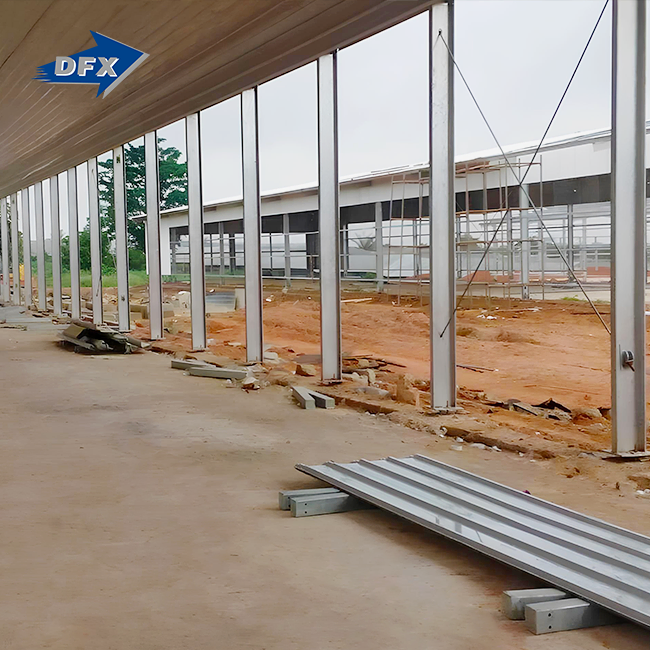
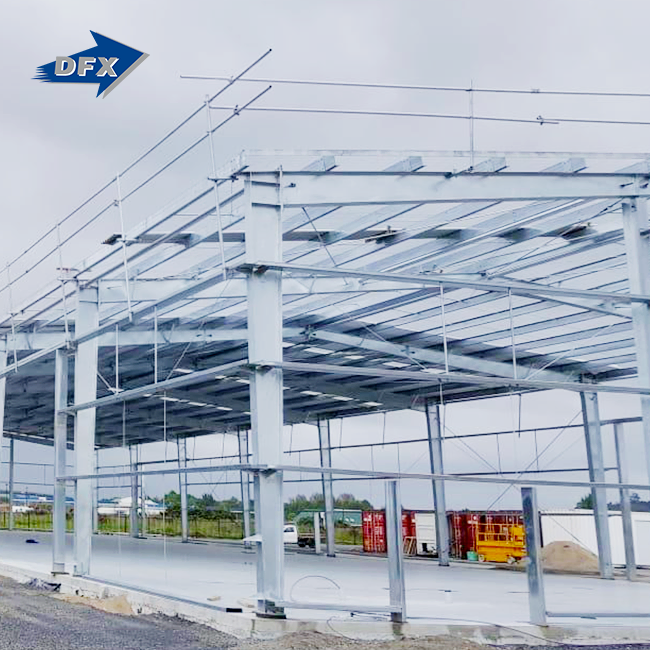
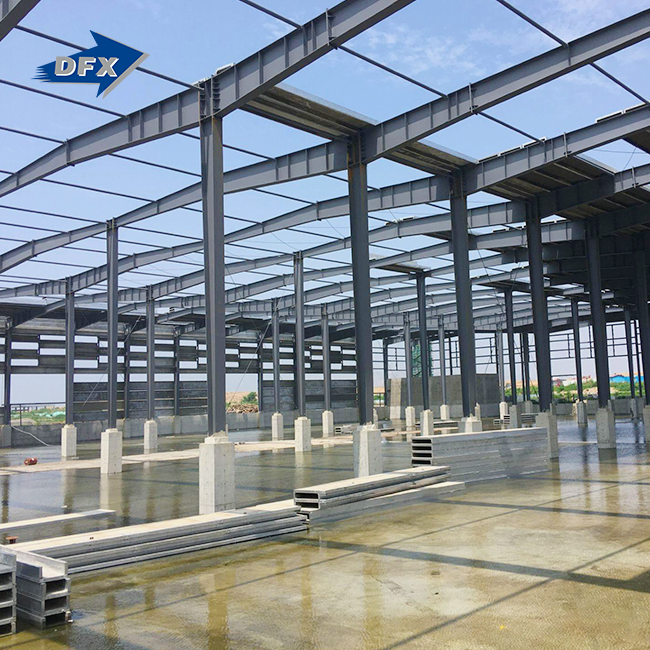
Steel Structure Smoking Sheds are modular, prefabricated buildings composed of high-strength structural steel. Galvanised C or Z purlins, H-section beams, and columns form the structure. This creates a robust skeleton that may be filled with siding or left open depending on the situation. These shelters are produced by ISO-certified Chinese fabricators like Qingdao Director Steel Structure Co., Ltd. Strict quality control inspections include welds and anti-corrosion coating. The construction approach employs bolt-connected parts to be put up quickly without much foundation work. From factories to logistics facilities, its design is versatile. The structure can be adapted to site needs while withstanding 120 km/h winds.
Traditional Smoking Cabins: Materials and Limitations
Usually, smoking cabins are made of wood frames or light aluminum frames with acrylic or polycarbonate panels. These materials are nice to look at and don't cost as much at first, but they are very hard to work with. Wood needs to be treated regularly to keep it from rotting, getting damaged by insects, and becoming a fire risk. This requires ongoing maintenance budgets. In industrial settings, big snow loads or impacts from tools are too much for aluminum frames to handle, even though they don't rust. Most cabins are fixed in design, which makes them hard to change to new rules or building improvements. This means that they might become outdated in five to seven years, while steel can last for thirty years or more in harsh circumstances.
Application Environments: Where Each Type Excels
Which option provides the most value depends on the working situation. Steel Structure Smoking Sheds work well in heavy industrial settings with toxic air, high temperatures, and regular mechanical effects. Buildings like chemical plants, factories, and airport hangars need galvanized steel because it is fire-rated and doesn't catch fire. Because they are modular, these buildings can also be used temporarily or moved. For example, as the stages of a project change, construction sites can take the whole unit apart and put it somewhere else. Instead, smoking cabins might work fine in retail spaces or low-traffic corporate office parks where looks are more important than durability, and weather exposure is still moderate.
Key Comparison Factors Between Steel Structure Sheds and Smoking Cabins
Durability and Structural Performance
When things get stressed in the real world, the difference in performance between steel and other materials becomes clear. Hot-dip galvanized steel frames don't rust because they have zinc coatings that are thicker than 85 microns. This keeps them safe from salt spray in seaside sites and chemical exposure in processing plants. This surface treatment, which meets ISO 1461 standards, forms a metallurgical link that can fix itself from small cuts. This is different from painted wood, which needs to be touched up right away to keep it from rotting. Steel Structure Smoking Sheds are designed to withstand snow loads of 0.5 KN/m² or more, which makes them safer in places with harsh winters. Lightweight cabins, on the other hand, can't do this reliably without expensive reinforcement.
Maintenance Requirements and Life-Cycle Costs
The cost difference is in upkeep. Steel buildings need annual visual inspections of connections and coatings. Zinc-rich cold galvanising spray may repair any damage in hours. Wood homes require termite inspections every three months and staining every other year. Water can bend the boards, requiring replacement. Maintenance costs for a wooden structure can reach 40–60% of the purchase price after 20 years. However, steel structure maintenance costs less than 10% of the initial price. When buying anything, budget-conscious operations managers who consider the whole cost of ownership rather than simply the initial cost are more likely to pick steel.
Safety Compliance and Fire Resistance
Liability risks are kept away from facilities that follow the rules. Steel Structure Smoking Sheds are made of Class A non-combustible materials, like the steel frame and tempered glass or rock wool sandwich panels, which stop fires from spreading and meet OSHA standards for smoking areas in industrial zones. The building separates sources of ignition from the main facilities by using controlled air to get rid of smoke without letting flammable vapour build up. Even with flame-retardant treatments, wood cabins are naturally dangerous in case of fire. These treatments break down over time and need to be recertified. Insurance companies often charge higher rates for wooden buildings that are close to factories. These are extra costs that procurement managers have to take into account when comparing options.
Environmental Impact and Sustainability
As companies try to get environmental approvals, sustainability measures become more important in deciding what to buy. Because steel can be recycled over and over again, buildings that have reached the end of their useful lives can be reused without losing any of their quality. This is in line with the ideas of the circular economy. When steel buildings are taken apart, almost all of the materials are recovered. This is very different from wood cabins, which usually end up in dumps because treatment chemicals make composting unsafe. Steel designs are also better for saving energy. Insulated sandwich panel choices have thermal resistance values (R-values) above R-20, which lowers HVAC costs in climate-controlled smoking areas and helps certified buildings earn LEED air quality points.
Design and Customization Options
Prefabricated Versus Custom-Built Solutions
Steel Structure Smoking Sheds give buyers options because they can be bought in both standard and custom sizes. Prefabricated models come with standard footprint sizes (3m x 3m or 6m x 4m) and instructions on how to bolt them together. This means that general builders can install them within days without needing special welding tools. Custom-built choices can work with the specifics of a site. For example, engineering teams can change the spacing between columns or add offset entry points for facilities with overhead crane paths or underground utility lines. This design flexibility also includes personal tastes when it comes to how things look. You can choose powder-coated finishes in company colours or architectural cladding that matches the fronts of other buildings, making the structure look consistent without sacrificing its strength.
Configuration Flexibility: Open-Sided or Fully Enclosed
How smoking spaces are utilised determines whether they need to be enclosed or open. Open-sided Steel Smoking Roofed sheds keep rain out and allow in as much air as possible. These shelters excel when wind matters more than climate. In hot climates, fully sealed designs with insulated walls and HVAC integration may be utilised year-round without endangering personnel. Steel frames are versatile and may be adapted to new demands. Businesses that build open structures can add wall panels later if needed or if regulations change. It safeguards the original investment and makes the structure more functional. No upgrading route exists for most smoking cabins; you must replace the enclosure to adjust the level.
Integration of Ventilation and Safety Features
Modern Steel Structure Smoking Sheds have air systems that are designed to go above and beyond what is required by code. Negative air pressure is maintained by industrial-grade exhaust fans with speed controls. This stops smoke from drifting toward building entrances or production areas. In chemical plants and factories, where regular electrical parts could catch fire, explosion-proof lighting fixtures rated for dangerous places are very important. These safety features need structural support, which is easy for steel frames to provide with their reinforced mounting points and conduit paths that were planned during the design process. It's not always possible to retrofit these kinds of systems into wooden or aluminum houses because of limits on load and fire ratings. This means that facility managers have to settle for less-than-ideal solutions or pay a lot of money to replace everything.
Cost Analysis and Procurement Considerations
Initial Investment Versus Long-Term Value
When making a budget, you need to think about how long an investment in a smoking shelter will pay off. Steel Structure Smoking Sheds cost more to buy at first—a good one can cost anywhere from $8,000 to $15,000, depending on size and customization—than simple wooden cabins, which start at around $3,000. The difference in durability, on the other hand, changes this comparison. Steel Structure Smoking Sheds usually last between 25 and 30 years with little maintenance, so the cost of service each year is less than $400. Wood houses need to be replaced every 8–10 years because the structure breaks down. This means that they have to be bought and installed more than once, which adds up to more than $12,000. When procurement managers ask for capital, showing these lifecycle calculations to finance departments that are interested in asset utilisation rates is helpful.
Supplier Selection and Quality Verification
Choosing recognised steel structure producers affects project success. Experienced fabricators like Director Steel utilise ISO 9001 quality management systems and update their CE certifications to match international requirements. Buyers should check mill certificates for raw materials to ensure that Q235B or Q355B steel meets 235 to 345 MPa yield strength requirements. Request NDT evidence on critical welds. Ultrasonic testing (UT) records reveal metal faults that cannot be seen, preventing field failures. Pre-assembly experiments at the facility discover measurement anomalies before shipping, avoiding costly on-site repairs. Buyers get installation drawings, fabrication timelines, and skilled assistance from transparent sellers. This distinguishes professional operations from budget sellers with bad after-sales support.
Installation and Site Preparation Requirements
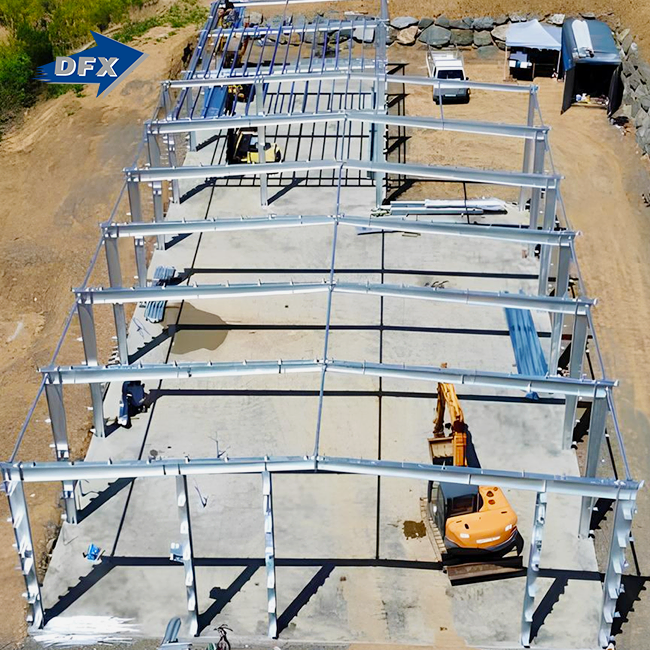
Timeline and budget are both affected by how ready the site is. Steel Structure Smoking Sheds need a base that supports them. This is usually a reinforced concrete slab that is at least 150 mm thick or separate concrete piers with anchor bolts embedded in them. Ground screw foundations are a creative option for short-term installations or sites that are sensitive to the environment because they don't need to be dug up and can be taken down without leaving any permanent damage. Two-person construction teams can put up standard-sized sheds in four to six hours using the bolted building method, which cuts down on labour costs and business interruptions. Smoking cabins usually come fully assembled, which makes them easier to place but limits your transport options—oversized loads need special permits and escort vehicles, which raise the cost of delivery. By taking these practical factors into account when making purchases, you can avoid surprises that cost more than planned and wipe out any budgeted savings.
Which Smoking Shelter Should You Choose?
Matching Solutions to Industrial Scenarios
Safety compliance and building strength are important to manufacturing centers. Steel Structure Smoking Sheds meet these standards because they are built to withstand fire and can handle the effects of forklifts and other common material handling equipment used in factories. The choice of closed or open sides can be adjusted to fit different work patterns. For example, open designs near loading docks make it easier for workers to get to them quickly during shifts, while contained designs next to climate-controlled areas keep heat from escaping. Agricultural businesses that want structures that can be used for more than one thing, like the ability to be used for two things at once. For example, a Steel Structure Smoking Shed can be used as a break area during planting seasons and as a place to store tools or cover hay during off-peak times, making the most of infrastructure investments.
Weather Resilience in Challenging Climates
Extreme weather conditions show where things are weak. Facilities near the coast are more likely to rust because the salty air can get into unpainted wood grain and weaken aluminum joints. The duplex finishing method for galvanized steel, which includes zinc protection and epoxy marine-grade paint, makes it last longer than 30 years in these harsh conditions. In northern climates where snow falls heavily, structural frames must be able to support roof loads of more than 75 kg/m². Steel H-beams meet this requirement through engineered load paths. Anchoring systems that resist uplift forces are helpful in places that are prone to hurricanes. These systems include ground-penetrating foundation bolts and reinforced column bases, which give the building stability that lightweight cabins can't match without major modifications.
Evaluating Mobility and Temporary Use Cases
When workers are in charge of projects that last more than one year, they need movable amenities that can be moved as work zones change. Because Steel Structure Smoking Sheds are bolted together, they can be completely taken apart, moved, and put back together at new sites with all of the parts being reused. This is a huge benefit for EPC contractors who are moving from one project to another. Temporary event sites and seasonal businesses can be just as flexible by putting up smoking booths during busy times and taking them down to make the most of empty space when the seasons change. This flexibility keeps capital investments safe across multiple uses, turning what seems like a one-time expense into an asset that can be used for many things. Permanent smoking cabins can't be moved, so they can only be used in set locations where long-term site plans show that they will be needed for a long time.
Conclusion
When choosing between Steel Structure Smoking Sheds and standard smoking cabins, you have to think about both your current budget needs and how the smoking shed will be used. Steel structures are very long-lasting, meet safety standards, and can be changed to fit the needs of industrial, commercial, and infrastructure projects. The bigger initial investment pays off over many years with reliable service and little upkeep, protecting procurement budgets from the cost of replacements over and over again. While wooden and aluminum cabins may look nice in low-intensity situations where looks are more important than performance, they are not the best choice for serious industrial operations because they are not fireproof, weatherproof, or strong enough. Steel is becoming more and more popular among project managers, building engineers, and procurement workers who are looking for long-term value as the best material for smoking areas that meet government rules and help companies reach their sustainability goals.
Frequently Asked Questions
1. How long does installation take for a steel structure smoking shed?
A two-person team with basic hand tools can usually put together a standard premade Steel Structure Smoking Shed in four to six hours. Custom designs with built-in ventilation systems or special foundations may add an extra one to two days to the schedule, depending on how hard it is to prepare the site and connect all the utilities.
2. Can steel smoking sheds withstand industrial chemical exposure?
Yes, if the right surface treatments are specified. Hot-dip galvanizing protects against corrosion on its own, but epoxy coatings or powder-coated finishes make them more resistant to the acidic or alkaline environments that are common in chemical processing plants. Based on certain exposure patterns, manufacturers can suggest covering systems.
3. What certifications should I verify when sourcing steel smoking shelters?
Reliable sellers keep their ISO 9001 quality management certifications, as well as CE markings for the European market and material certifications (ISO 1461 for galvanizing). Ask for inspection results from a third party that covers both the quality of the weld (AWS D1.1 compliance) and the steel grade (mill certificates showing Q235B/Q355B or ASTM A36/A572 specifications).
4. Are steel structures more expensive than smoking cabins over time?
Even though they cost more up front, Steel Structure Smoking Sheds are more valuable over their entire life. Over 20 years, maintenance costs stay below 10% of the purchase price. This is in contrast to 40–60% for wooden cabins that need regular treatment and eventually new boards. In industrial settings, insurance rates may also favour steel buildings that don't catch fire.
Partner with DFX for Your Steel Structure Smoking Shed Solution
We at DFX know that procurement managers and project engineers need more than just products. They also need manufacturing partners they can rely on to deliver quality, compliance, and support throughout the lifecycle of the project. Our Steel Structure Smoking Sheds are made with strong H-section beams and galvanized C/Z purlins. They come in a range of shapes and sizes, from open-sided shelters to fully enclosed, climate-controlled buildings. We are a reliable Steel Structure Smoking Shed maker with more than 12 years of experience building structures. We have ISO 9001 and CE certifications and can produce on 40,000 square meters of space in Qingdao, China. Our team offers a full range of services, such as structural design, fabrication, packing, and installation plans, so they can fit right into your building. Get in touch with jason@bigdirector.com right away to talk about your project needs and get a full quote that fits your site's requirements, your budget, and your release schedule. You can learn more about our technical skills at dafanggangjiegou.aixdb.cn and see why top contractors trust DFX to provide long-lasting, legal smoking shelters.
References
1. American Institute of Steel Construction. (2021). Steel Construction Manual: Design Standards for Structural Steel Buildings. AISC Publications, Chicago, Illinois.
2. International Code Council. (2022). International Building Code: Requirements for Fire-Resistant Construction and Designated Smoking Areas. ICC Press, Washington, D.C.
3. National Association of Corrosion Engineers. (2020). Protective Coating Systems for Industrial Steel Structures: Hot-Dip Galvanizing and Duplex Systems. NACE International, Houston, Texas.
4. Occupational Safety and Health Administration. (2023). Guidelines for Designated Smoking Areas in Industrial Facilities: Compliance and Ventilation Standards. U.S. Department of Labor, Washington, D.C.
5. World Steel Association. (2022). Sustainability Report: Life Cycle Assessment and Recyclability of Structural Steel Products. Worldsteel Publications, Brussels, Belgium.
6. Journal of Construction Engineering and Management. (2021). "Comparative Life-Cycle Cost Analysis of Prefabricated Metal Buildings Versus Traditional Construction Methods." Volume 147, Issue 8, pp. 04021092.
Learn about our latest products and discounts through SMS or email