- English
- French
- German
- Portuguese
- Spanish
- Russian
- Japanese
- Korean
- Arabic
- Greek
- German
- Turkish
- Italian
- Danish
- Romanian
- Indonesian
- Czech
- Afrikaans
- Swedish
- Polish
- Basque
- Catalan
- Esperanto
- Hindi
- Lao
- Albanian
- Amharic
- Armenian
- Azerbaijani
- Belarusian
- Bengali
- Bosnian
- Bulgarian
- Cebuano
- Chichewa
- Corsican
- Croatian
- Dutch
- Estonian
- Filipino
- Finnish
- Frisian
- Galician
- Georgian
- Gujarati
- Haitian
- Hausa
- Hawaiian
- Hebrew
- Hmong
- Hungarian
- Icelandic
- Igbo
- Javanese
- Kannada
- Kazakh
- Khmer
- Kurdish
- Kyrgyz
- Latin
- Latvian
- Lithuanian
- Luxembou..
- Macedonian
- Malagasy
- Malay
- Malayalam
- Maltese
- Maori
- Marathi
- Mongolian
- Burmese
- Nepali
- Norwegian
- Pashto
- Persian
- Punjabi
- Serbian
- Sesotho
- Sinhala
- Slovak
- Slovenian
- Somali
- Samoan
- Scots Gaelic
- Shona
- Sindhi
- Sundanese
- Swahili
- Tajik
- Tamil
- Telugu
- Thai
- Ukrainian
- Urdu
- Uzbek
- Vietnamese
- Welsh
- Xhosa
- Yiddish
- Yoruba
- Zulu
The Advantages of Steel Structure Buildings for Commercial Projects
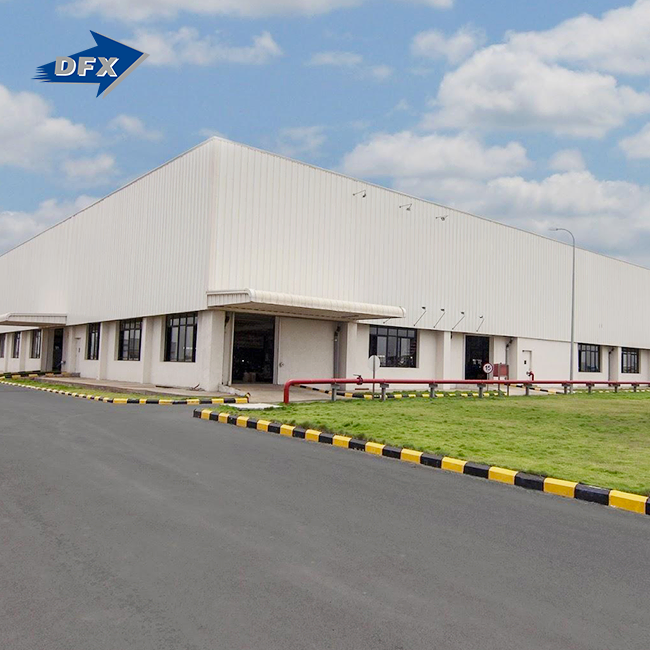
When evaluating construction options for your next commercial venture, you'll find that a commercial modular steel building delivers unmatched advantages in speed, cost control, and long-term performance. Steel structures have transformed how contractors, manufacturers, and infrastructure developers approach projects—from logistics warehouses to aircraft hangars. This guide explores why steel modular construction is rapidly becoming the preferred choice for procurement managers navigating today's competitive B2B landscape, providing clear insights to help you make confident, informed decisions.

Understanding Commercial Modular Steel Buildings
What Defines Modular Steel Construction
Modular steel buildings are a change from the old way of building on-site to making things in a workshop under strict control. In traditional methods, materials are brought to the job site and put together from scratch. But steel modular systems are planned and built ahead of time in controlled manufacturing environments. Parts like H-beam primary frames, galvanized C/Z purlins, and bracing systems are delivered ready to be put together quickly. This method cuts down on quality problems and delays caused by bad weather.
How the Modular Process Works
There are three separate stages to the building process. The first thing that engineering teams do is make thorough calculations for the plan that are specific to your building needs and the building codes in your area. Then, the products are made in specialized factories. For example, ours is spread out over 40,000 square meters and has six automatic welded H-beam production lines that make about 20,000 tons of products every year. Lastly, onsite assembly quickly puts together parts, which can cut project times by 30 to 50 percent compared to traditional builds. During each phase, procurement teams benefit from clear operations planning and schedules that they can count on.
Design Flexibility for Diverse Applications
Steel modular systems can be used for a variety of business purposes. For distribution centers that need interior space without columns, you can choose large-span configurations. For corporate offices and gyms, you can choose multi-story designs. There are many types of windows and doors, from simple openings to stylish glass curtain walls that improve the look of a building while keeping it structurally sound. Design customization makes sure that your building meets operational needs without sacrificing look or usefulness, whether you're planning a Q355B standard steel structure stadium or a Q235B office complex.
Key Advantages of Steel Structure Buildings for Commercial Projects
Exceptional Durability and Longevity
Steel is very resistant to environmental stressors because of the way it is made. Steel is much less likely to be damaged by extreme weather, pests, and general wear and tear than wood or brick. This means that the building will need less upkeep over its lifetime, which is usually 50 years or more with proper care. Asset managers like how steel buildings keep their value with little maintenance, which keeps your property from going down in value.
Cost Efficiency That Drives ROI
Knowing how much the whole job will cost helps you make a good budget. Steel houses usually have reasonable prices per square meter, and you can place an order for as little as 200 square meters. Shorter construction timelines cut down on labor costs and financing costs that come with longer project durations by a large amount. The lifecycle cost benefit becomes strong when you consider lower insurance rates because of fire resistance and less long-term upkeep. When you use project-based production, you only pay for what you need and don't have to worry about extra stocking costs.
Rapid Construction Timelines
When market opportunities or operational needs call for quick facility deployment, speed is important for commercial modular steel building projects. With prefabrication, the site can be prepared, and parts can be made at the same time, cutting down on plans that would normally take months. Using steel modular systems, a transportation center that would normally take 18 months to build can often be up and running in 10 to 12 months. This speeding up improves cash flow and lets you start making money from your new facility more quickly.
Environmental Responsibility and Energy Performance
Over 80% of steel can be recycled, making it one of the most recycled materials in the world. Using steel buildings helps companies meet their green goals and the stricter environmental rules that are becoming law. Insulation choices like EPS, fiberglass, and luxury PU sandwich panels provide great heat performance, which lowers the cost of running the business. Our two dedicated lines make 50,000 square meters of these panels every year. They fit perfectly into wall and roof systems, making people more comfortable while reducing your carbon footprint.
Superior Fire Resistance and Safety Compliance
Fire safety is a very important issue for people who own commercial property. Steel's inability to catch fire is one of its many benefits; it meets strict international fire rules without needing a lot of extra work. This trait lowers insurance costs and boosts renter trust. This is especially important for strict safety-required buildings like factories, public schools, and energy plants. Meeting the requirements for ISO9001, CE, and the extra EN1105 certifications shows that you follow established safety standards.
Comparing Steel Structure Buildings with Alternative Construction Methods
Speed and Flexibility Advantages
In traditional concrete and brick buildings, steps are done in order: base curing, block putting, and finishing the structure. Each step depends on the one before it. Parallel processes made possible by steel modular systems cut down on wait times by a huge amount. This benefit can be seen in real-life projects, like a 5,000-square-meter distribution hub that was finished in eight months instead of fourteen months for a similar concrete building. Flexibility goes beyond speed; steel buildings are easier to expand or change layout in the future than rigid brick structures, which protects your investment against changing business needs.
Material Performance Metrics
When you compare how long different materials last, you can see that steel is better in some situations. While concrete is better in some high-load situations, steel's high strength-to-weight ratio lets it have longer spans with fewer support columns. This is especially important in warehouses and factories where the ability to change the layout of the inside makes operations run more smoothly. Environmental impact studies show that steel's ability to be recycled makes a lot less waste than concrete demolition debris. Steel is good for projects that need to be able to handle different climates, from temperature-controlled storage to agricultural livestock buildings that need to have ventilation built in.
Practical Limitations to Consider
To be transparent, you have to be aware of situations where other options might meet certain goals better. For projects that need to block out noise very well, combining steel frames with special insulation systems may be the best way to go. Extremely corrosive places, like some chemical processing plants, need extra protective coatings, which cost more up front. By understanding these differences, buying teams can better match building methods to the specific needs of each project, rather than using solutions that work for all of them.
Practical Considerations for Procurement Managers
Obtaining Accurate Cost Estimates
Clear project details are the first step in a detailed cost analysis for a commercial modular steel building. Tell possible providers exactly how many square feet you need, what you plan to use the space for, any special features like crane systems or mezzanine levels, and the building codes in your area. Ask for detailed prices that include technical estimates, fabrication, logistics planning, and help with setting up the structure. Clear pricing lets you compare suppliers and stay away from unexpected costs. Customized financing options for building projects, like payment plans based on milestones, can help with managing cash flow better during the building phase.
Managing Lead Times and Installation
A good project schedule takes into account how long it takes to make, how to ship, and how to put the parts together on-site. Depending on how complicated the project is and how much can be made at the moment, lead times are usually between 8 and 16 weeks. Keeping delivery plans in sync with site readiness stops delays that cost a lot of money. Setting up clear lines of contact with your steel structure maker will make sure that you get regular updates on the project and can make changes to the schedule ahead of time. Installation support, which includes everything from helping with the base to final checks, speeds up the building phase. This is especially helpful if your team doesn't have a lot of experience putting up steel structures.
Supplier Evaluation and Quality Assurance
Finding trustworthy partners is important for the success of a project. Prioritize suppliers who have verifiable certifications that show they follow quality management standards. For example, ISO9001 certification shows that quality controls are done in a systematic way, and CE certification shows that the product meets European standards. Get examples from projects that are similar to yours and check to see if the work was finished on time and to your client's satisfaction. The terms of a warranty show how confident the company is in their products, and full coverage for structural parts shows that they are committed to quality. Long-term value goes beyond the original building when assistance is available for questions about maintenance or future additions.
Future Outlook and Trends in Commercial Modular Steel Buildings
Technological Innovations Enhancing Performance
Steel building skills keep getting better as new technologies come out. Advanced covering systems make things less likely to rust in harsh settings, which opens up more uses. Digital manufacturing methods improve accuracy while lowering waste, which lowers costs and has a positive effect on the environment. Integrating Building Information Modeling (BIM) makes it easy for the design, engineering, and fabrication teams to work together. This cuts down on mistakes and speeds up the project delivery. Because of these improvements, steel modular construction is now the most cutting-edge way to build.
Sustainability and Smart Building Integration
Environmental performance and tactical data are becoming more and more important in the market. Design features that save energy, like solar panels, rainwater collection systems, and smart HVAC settings, are no longer seen as extras but as expected standards. Steel is compatible with these systems because it has flexible roof designs and is easy to integrate electrical and mechanical parts. This meets changing sustainability standards. Green building certifications like LEED recognition raise property values and make apartments more appealing to renters. This increases the need for steel buildings that are built to meet these standards.
Global Procurement Dynamics
Patterns of international trade affect how steel buildings are bought. Competitive pricing is possible because many factories are located in areas with strong steel industries. However, buying managers need to look at the total landed costs, which include shipping, taxes, and the process of importing goods. As foreign certifications become more standardized, it gets easier to do business across borders and gives you access to global supply networks. Being aware of these factors helps you find suppliers who are cheap while still meeting quality standards and local laws. Strategic relationships with experienced exporters make the paperwork and business problems that come with buying building materials from other countries easier to deal with.
Conclusion
Commercial projects in all kinds of industries can benefit from commercial modular steel building construction, from construction companies building infrastructure to manufacturers making more products. When you combine faster timelines, predictable costs, long-lasting quality, and care for the environment, you get answers to some of the most important problems procurement pros face today. When looking at suppliers, make sure the prices are clear, the quality certifications can be checked, and the suppliers offer full support services that go beyond the initial delivery. As more advanced, environmentally friendly steel building systems come out, this way of building is becoming a smart choice for forward-thinking businesses that want to build buildings that will work well for decades.
Frequently Asked Questions
1. What Factors Determine Steel Building Costs?
Total project costs depend on a number of factors. Size and complexity of the building are the main factors. Larger buildings benefit from economies of scale, but special features like crane systems make them more expensive. Specifications of the materials are important. Upgrading from standard EPS insulation to luxury PU sandwich panels improves efficiency but costs more up front. Conditions on the site that change the need for a base or make it impossible to deliver something affect the budget. Shipping costs and local labor rates for installation are affected by where you live. To get the most accurate cost information for making smart decisions, get full, itemized quotes from several certified providers.
2. How Long Do Commercial Steel Structures Last?
When properly kept, steel buildings often last longer than 50 years, and many industrial buildings last well past 70 years. Longevity relies on the quality of the design at the start, the materials used, any protective coatings, and regular upkeep. By checking connection points, weatherproofing seals, and covering stability on a regular basis, small problems can be stopped before they become structural problems. Steel is naturally more durable than other materials because it doesn't rot, attract pests, or be affected by many environmental factors. This means that it has lower lifecycle costs and higher long-term value.
3. What Maintenance Do Steel Buildings Require?
Compared to traditional buildings, steel structures don't need as much maintenance. Roof membranes, door and window seals, and drainage systems should all be checked once a year to make sure water doesn't get in. High-exposure areas need to be repainted or coated every 10 to 15 years, but this can vary based on the environment and the quality of the first coating. Checking the fasteners and connection points makes sure that the structure stays strong. Standard upkeep plans for business buildings apply to mechanical parts like HVAC systems, electrical parts, and other mechanical parts. These schedules are separate from the steel structure itself. This simple maintenance profile makes operations easier and costs less.
Partner with DFX for Your Commercial Steel Building Needs
We at Qingdao Director Steel Structure Co., Ltd. have been making commercial modular steel building options for markets around the world for more than 12 years. Our wide range of services, including architectural design and engineering calculations done in-house, along with fabrication, logistics coordination, and guidance on how to set up, gives procurement managers the turnkey support they need. We offer quality that meets international standards because we are ISO9001 and CE certified, can make 20,000 tons of welded H-beams every year, and have a track record in industrial plants, logistics warehouses, and building projects.
Our team knows what you're going through, whether you're looking for steel structures for an EPC project, growing your manufacturing business, or building agricultural facilities. Construction companies, project managers, and operations directors looking for a dependable commercial modular steel building supplier that cares about the success of your project are welcome to contact us. Get in touch with jason@bigdirector.com for in-depth talks, unique engineering solutions, and low prices that are made to fit your needs. Let's talk about how our manufacturing knowledge and focus on the client can make your next commercial building project go more smoothly.
References
1. American Institute of Steel Construction. (2021). Steel Construction Manual. 15th Edition. Chicago: AISC.
2. Lawson, R.M., & Ogden, R.G. (2020). Modular Construction Using Light Steel Framing: An Architect's Guide. SCI Publication P302. Berkshire: The Steel Construction Institute.
3. Ching, F.D.K., & Adams, C. (2019). Building Construction Illustrated. 6th Edition. Hoboken: John Wiley & Sons.
4. National Institute of Building Sciences. (2022). Whole Building Design Guide: Steel Structures. Washington: NIBS.
5. Smith, B.S., & Coull, A. (2018). Tall Building Structures: Analysis and Design. New York: John Wiley & Sons.
6. Tata Steel Construction. (2020). Comparative Study of Environmental Impact: Steel versus Concrete Commercial Buildings. Research Report Series. Scunthorpe: Tata Steel Europe Limited.
Learn about our latest products and discounts through SMS or email