- English
- French
- German
- Portuguese
- Spanish
- Russian
- Japanese
- Korean
- Arabic
- Greek
- German
- Turkish
- Italian
- Danish
- Romanian
- Indonesian
- Czech
- Afrikaans
- Swedish
- Polish
- Basque
- Catalan
- Esperanto
- Hindi
- Lao
- Albanian
- Amharic
- Armenian
- Azerbaijani
- Belarusian
- Bengali
- Bosnian
- Bulgarian
- Cebuano
- Chichewa
- Corsican
- Croatian
- Dutch
- Estonian
- Filipino
- Finnish
- Frisian
- Galician
- Georgian
- Gujarati
- Haitian
- Hausa
- Hawaiian
- Hebrew
- Hmong
- Hungarian
- Icelandic
- Igbo
- Javanese
- Kannada
- Kazakh
- Khmer
- Kurdish
- Kyrgyz
- Latin
- Latvian
- Lithuanian
- Luxembou..
- Macedonian
- Malagasy
- Malay
- Malayalam
- Maltese
- Maori
- Marathi
- Mongolian
- Burmese
- Nepali
- Norwegian
- Pashto
- Persian
- Punjabi
- Serbian
- Sesotho
- Sinhala
- Slovak
- Slovenian
- Somali
- Samoan
- Scots Gaelic
- Shona
- Sindhi
- Sundanese
- Swahili
- Tajik
- Tamil
- Telugu
- Thai
- Ukrainian
- Urdu
- Uzbek
- Vietnamese
- Welsh
- Xhosa
- Yiddish
- Yoruba
- Zulu
Logistics loading shed for Warehousing and Logistics
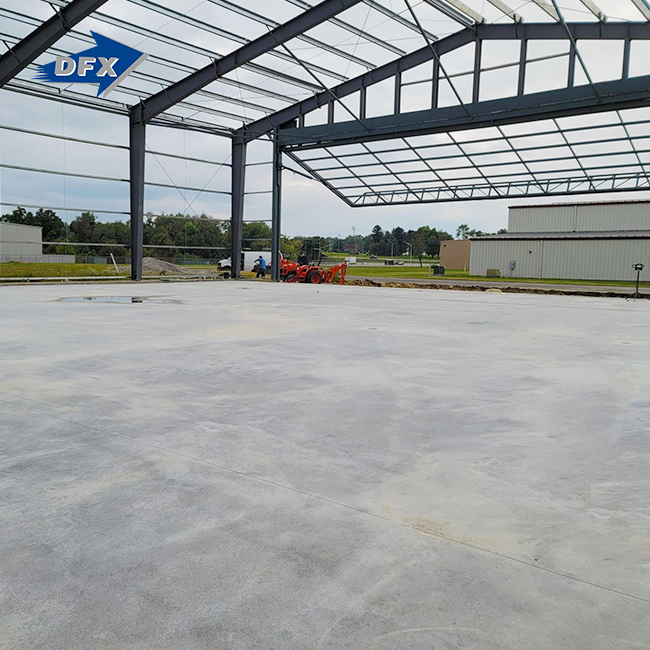
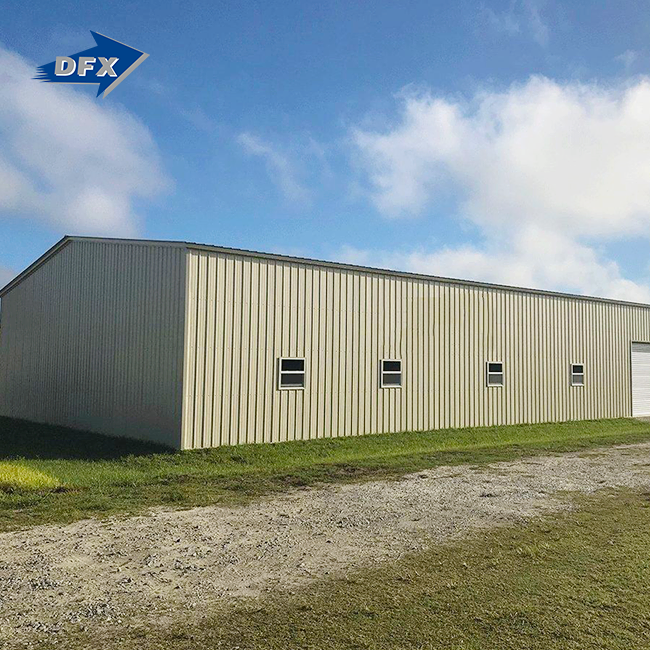
A logistics loading shed stands as a purpose-built steel structure that creates a protected interface between transport vehicles and warehouse operations. This versatile shelter ensures continuous material flow regardless of weather conditions, safeguarding cargo from moisture damage, temperature fluctuations, and contamination during critical loading and unloading phases. By establishing a secure transition zone, these structures enhance operational efficiency while protecting both personnel and goods, making them indispensable for modern supply chain management across construction, manufacturing, and distribution sectors.

Understanding Logistics Loading Sheds: Functionality and Benefits
What Makes Loading Sheds Essential for Modern Operations?
The transportation industry is under more and more pressure to keep running smoothly despite problems with the environment. This important need is met by loading bay shelters, which make controlled spaces that connect enclosed warehouses to loading zones outside. These engineered logistics loading sheds, unlike temporary canopies, can stand up to the demands of industry while reliably protecting fragile materials and equipment.
Core Functional Advantages
One of the most immediate benefits is protection from the weather. Extreme weather like rain, snow, and cold temperatures no longer stops loading or damage to products. Steel-framed storage sheds keep the working conditions constant, which stops delays that affect the whole supply chain. The structures also lower the chances of contaminating sensitive items. This is especially important for businesses that work with electronics, clothing, or food, since exposure can lead to expensive claims.
Safety improvements go beyond just keeping goods safe. Workers are protected from the hot sun, freezing temperatures, and rain, which lowers the number of accidents and boosts morale. Forklifts and container jacks are less likely to break down because of the weather, which lowers the cost of upkeep by a large amount. The covered workspace makes it easier to control the lighting and see what's going on, which is another safety measure.
Design Flexibility and Scalability
Modern covers for loading areas can be set up in a number of different ways. Open-sided designs let in the most air and protect the ceiling, making them perfect for jobs that need to handle non-sensitive materials or get vehicles in and out quickly. Fully sealed models make climate-controlled areas that can be used for temperature-sensitive goods or tasks that need to be completely isolated from the outside world.
Structures that can be changed are very important for businesses that are growing. Steel building systems use flexible parts that let them grow without having to do a lot of work to the structure. This ability to grow is useful for procurement managers who have to plan facilities that can handle future capacity increases without having to spend a lot of money on new equipment.
Comparing Logistics Loading Sheds: Making the Right Choice for Your Operation
Material Considerations: Steel vs. Alternative Structures
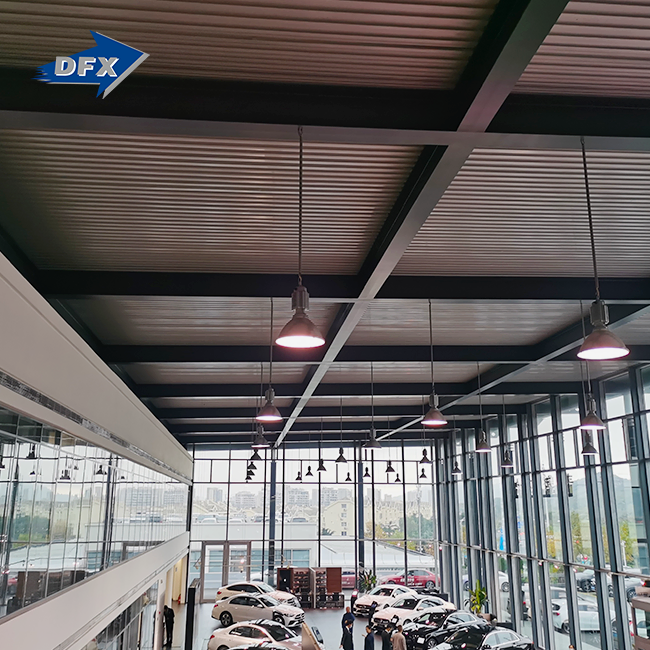
Steel is becoming the most popular building material for industrial loading docks because it is strong for its weight and lasts a long time. The main structure is made up of H-section beams and columns, which allow for clear-span designs with no internal obstructions. C/Z galvanized purlins support roofs and cladding systems and don't rust in tough industrial settings where salt, chemicals, or water speed up the breakdown process.
Usually, galvanized steel parts last decades longer than painting ones, which lowers the total cost of ownership. The material can handle wind speeds of more than 120 km/h and heavy snowfall, which is important for buildings in the United States' many climate zones. When looking at the total cost of ownership, logistics loading sheds are more valuable than fabric or aluminum options, even if they may cost more at first.
Enclosed vs. Open-Sided Configurations
Enclosed vs. open-sided configurations depend on the needs of the business. Sheds with wall panels make weathertight spaces that can be used for tasks that need to control the weather or keep people safe. These layouts work well for staging areas where things are being checked for quality or given their final packing before being sent out.
For high-throughput operations, open-sided variants are clearly better. Multiple cars can be loaded at the same time because there are no barriers in the way. This makes traffic flow more smoothly during peak hours. These designs work especially well for moving large amounts of material or for tasks where air flow is more important than complete isolation from the outside world. The price difference between configurations can be as much as 30 to 40 percent, which makes open designs appealing for projects that want to stay within their budget.
Prefabricated Solutions vs. Traditional Construction
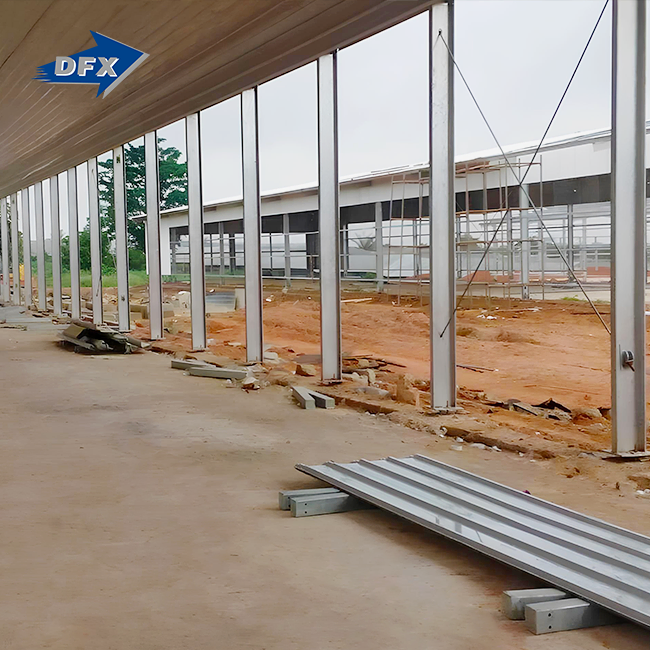
Prefabricated Solutions vs. Traditional Construction changed the way industrial construction was done by making installation times a lot shorter. When parts made in controlled factories get to the job site, they are already put together, which cuts down on weather delays and labor costs. Usually, a logistics loading shed is put up in a few weeks instead of months. This means that operations can start quickly and the cost of borrowing is lower.
Traditional stick-built building lets you make changes, but it takes a lot longer to finish a job. When deciding between these options, procurement managers should think about more than just the initial costs. They should also think about the time and money that will be lost during extended construction periods. Prefabricated systems from well-known companies come with full design, fabrication, and installation support, which makes project management easier.
Procurement Guide: How to Select and Purchase Logistics Loading Sheds?
Evaluating True Project Costs
Evaluating true project costs involves more than just the building price that was given. The requirements for preparing a site depend on the type of land and the equipment that is already there. Even though foundations for prefabricated steel buildings are often easier than those for standard buildings, it's important to do a good site assessment to avoid costly surprises. Transportation costs change depending on how far away a factory is, so having a network of regional suppliers can help keep logistics costs low.
Prices change because of customization. Standard designs are the most cost-effective options, and makers keep stock of popular logistics loading shed sizes and layouts. Costs go up proportionally when custom engineering is needed because of site limitations, unique door systems, or combined material handling equipment. Buying in bulk for rollouts to multiple sites can save you 15 to 25 percent through economies of scale.
Supplier Selection Criteria
Supplier selection criteria include the verification of certification, which saves investments made in buying. The ISO 9001 certification shows that the quality is managed in a systematic way, and the CE marking shows that the product meets international safety standards. Extra certificates, such as COC (Certificate of Conformity) and PVOC (Pre-Export Verification of Conformity), make it easier to clear foreign customs, which keeps projects on schedule.
How reliable deliveries are is directly related to how much can be made. Large orders are handled by suppliers who have large production facilities with dedicated equipment lines that don't slow down production. A company that has 40,000 square meters of enclosed production space and specialized welding lines shows that it can meet tight deadlines. Instead of relying only on marketing claims, check the actual production capacity.
Support after the sale is what sets trustworthy partners apart from transactional sellers. Full-service deals come with installation drawings, expert advice, and quick help with fixing problems. Suppliers who have worked on projects for more than ten years have institutional knowledge that makes application problems easier to deal with.
Installation and Lead Time Planning
Installation and lead time planning for standard premade steel buildings usually take between 4 and 6 weeks to make, from the time an order is confirmed to the time they are shipped. Custom-engineered solutions take an extra two to four weeks longer to complete because they need more design and approval steps. Early coordination with suppliers is important for procurement managers, especially when projects happen during busy times in the industry and production lines get longer.
Shipping logistics need to be carefully planned out. Optimizing containers greatly lowers freight costs, and knowledgeable sellers can help you figure out the best ways to load them for the lowest cost. Transporting goods within the United States can add an extra one to two weeks, depending on the distance and route. International packages take longer to process through customs, so you need to make sure you have all the necessary paperwork to avoid delays.
Safety, Maintenance, and Compliance in Logistics Loading Sheds
Regulatory Standards and Best Practices
In every area, building a logistics loading shed is governed by regulatory standards and best practices. Based on data from the area's weather, buildings must be able to handle certain amounts of wind and snow. Anchoring systems that work right keep structures from lifting during bad weather, which is very important in places that are prone to tornadoes or where hurricanes hit the coast. Working with makers who know about U.S. building rules makes sure that plans are compliant from the start of the project.
Fire safety rules depend on what is being stored and how it will be used. Steel construction naturally resists fire better than materials that can catch on fire, but some uses may need extra fire-rated coating or control systems. Talking to the local fire officials during the planning stages keeps you from having to pay a lot of money to redo things after the building has started.
Routine Maintenance Requirements
Routine Maintenance Requirements for steel buildings are minimal compared to other materials. Every year, inspections check the connections, the state of the coating, and the draining system's ability to work. For facilities such as a Logistics Loading Shed logistics loading shed, galvanized parts naturally don't rust, but places with a lot of humidity or near the coast may benefit from covering touch-ups every so often at fastener sites where the galvanizing wears away.
Pay extra attention to the roof drainage. When gutters or downspouts get clogged, water builds up and speeds up the damage. In cold climates, this water can form ice dams. Cleaning the drainage parts every three months makes the structure last a lot longer and keeps goods from getting damaged by water, which can be very expensive.
Performance Optimization Strategies
Performance optimization strategies make the shelter more useful over its entire working lifetime. Adding clear roof panels lowers the need for artificial lighting, which saves money on energy costs and makes workers more comfortable. Insulated wall panels can turn simple shelters into climate-controlled staging areas, which increases their usefulness without requiring a lot of changes.
Adding automation is becoming more and more popular. Sensors in the doors let them know when a vehicle is approaching, which keeps heat from escaping during winter operations. Monitoring the environment in real time lets managers know when temperature changes could affect sensitive cargo. These smart building features give a measurable return on investment (ROI) by cutting down on energy use and stopping product loss.
Future Trends and Innovations in Logistics Loading Sheds
Technology Integration Opportunities
Technology integration opportunities arise when industrial IoT and structure design come together. Smart sensors built into structural members check the level of stress and find problems that might need fixing before they happen. This ability to predict the future cuts down on unplanned downtime and saves money on maintenance by using condition-based servicing instead of set schedules.
Automated systems for moving materials are becoming more and more integrated with the foundations of buildings. Logistics Loading Sheds that are built with built-in power distribution networks, cable management paths, and conveyor supports make it easier to set up technology. When planning buildings, procurement managers should think about the possibility of automating them in the future, even if they don't plan to do so right away. This is because updating infrastructure is much more expensive than integrating it in the first place.
Sustainable Design Practices
Sustainable Design Practices drive innovation in industrial construction. The circular economy is based on structures that are made to be taken apart and the materials recovered at the end of their useful life. Recyclable steel parts are part of this. Using natural ventilation, better thermal performance, and renewable energy in energy-efficient designs helps businesses reach their sustainability goals.
Certifications for green buildings, like LEED, set standards for how well they take care of the earth. Even though getting certified costs money up front, the practical saves and brand value that come from it often make it worth it. In places with harsh weather where temperature control is a big cost center, energy-efficient loading facilities cut costs by a large amount.
Modular and Adaptive Infrastructure
Modular and adaptive infrastructure is essential when the supply line changes. Modular steel construction lets operations be quickly changed as needed. Adding more bays doesn't affect the current buildings in any way, so the business can grow without any problems. This flexibility is especially useful for third-party shipping companies that work with a wide range of clients whose room needs change over time.
Designs that are mobile and can be moved help businesses with short-term project needs. Transportable loading facilities that can be moved from one job site to another are helpful for construction companies because they spread the cost of an investment over several projects. Being able to take buildings apart, move them, and put them back together again gives you financial freedom that you wouldn't have with permanent construction.
Conclusion
Shelters for loading bays are smart investments in infrastructure that make operations better in a way that can be measured. Steel construction is the most durable, requires the least amount of upkeep, and can be designed to fit a wide range of industry needs. Project success depends on carefully choosing suppliers based on their ability to manufacture, compliance with certifications, and full support services. As smart technologies and environmentally friendly practices become more integrated, these buildings become flexible platforms that can meet the needs of modern logistics. If procurement professionals put quality engineering, source reliability, and lifetime value ahead of initial cost alone, they will be able to secure logistics loading sheds that work reliably for decades and help the business grow and improve operations.
FAQ
1. Can loading sheds accommodate different vehicle heights and door configurations?
Of course. Modern steel buildings can have door openings that are customized to fit the needs of each fleet, ranging from standard dock-height configurations to ground-level access for flatbed trucks. Levelers and seal systems that can be adjusted to fit different trailer heights make sure that connections between different types of vehicles are weathertight.
2. How do steel loading sheds perform in extreme temperature regions?
The structure of galvanized steel stays strong at temperatures ranging from -40°F to 120°F without breaking or bending. Insulated panel options offer good thermal performance for keeping environments under control, while open designs allow natural air flow in hot climates where operations are concerned about heat buildup.
3. What foundation requirements do these structures need?
Logistics loading sheds can be built on a number of different types of foundations, based on the land and building rules in the area. Concrete slab foundations are the most stable, while pier and beam systems work best on sites with bad soil or where digging is not an option. Engineers look at the factors at the spot to find the best anchoring options that balance performance and cost.
Partner with DFX for Your Loading Shed Requirements
DFX (Director Steel Structure Co., Ltd.) has been making industrial steel structures for demanding procurement professionals around the world for more than 12 years. Six automatic welded H-beam lines are housed in our 40,000-square-meter production center. This makes sure that the quality is always the same and that your projects stay on schedule. We use ISO 9001-certified methods and CE-marked parts to make loading bay shelters. This gives you the proof of compliance and paperwork you need to buy with confidence from other countries.
Whether you need fully sealed, climate-controlled designs or cost-effective ones with open sides, our engineering team can make solutions that are exactly what you need. We help our clients from the first idea to the final installation by providing full design services, fabrication, detailed installation drawings, and quick technical support. Email our team at jason@bigdirector.com to talk to an experienced logistics loading shed supplier about your project needs.
References
1. Modern Steel Construction Magazine, "Prefabricated Steel Structures in Industrial Applications," American Institute of Steel Construction, 2022.
2. Warehouse & Distribution Science Journal, "Environmental Control in Loading Dock Operations: Impact on Supply Chain Efficiency," International Logistics Research Institute, 2023.
3. Building Design + Construction, "Comparative Analysis of Industrial Shelter Systems: Materials, Costs, and Performance Metrics," Reed Business Information, 2021.
4. Steel Construction Institute Technical Publication, "Design Guide for Single-Story Steel-Framed Buildings Supporting Cranes and Material Handling Equipment," SCI Publication 465, 2020.
5. Journal of Construction Engineering and Management, "Life Cycle Cost Analysis of Prefabricated versus Conventional Industrial Structures," American Society of Civil Engineers, 2022.
6. Industrial Facility Management Quarterly, "Maintenance Best Practices for Steel-Framed Warehouse and Distribution Facilities," Facility Management Association, 2023.
Learn about our latest products and discounts through SMS or email