- English
- French
- German
- Portuguese
- Spanish
- Russian
- Japanese
- Korean
- Arabic
- Greek
- German
- Turkish
- Italian
- Danish
- Romanian
- Indonesian
- Czech
- Afrikaans
- Swedish
- Polish
- Basque
- Catalan
- Esperanto
- Hindi
- Lao
- Albanian
- Amharic
- Armenian
- Azerbaijani
- Belarusian
- Bengali
- Bosnian
- Bulgarian
- Cebuano
- Chichewa
- Corsican
- Croatian
- Dutch
- Estonian
- Filipino
- Finnish
- Frisian
- Galician
- Georgian
- Gujarati
- Haitian
- Hausa
- Hawaiian
- Hebrew
- Hmong
- Hungarian
- Icelandic
- Igbo
- Javanese
- Kannada
- Kazakh
- Khmer
- Kurdish
- Kyrgyz
- Latin
- Latvian
- Lithuanian
- Luxembou..
- Macedonian
- Malagasy
- Malay
- Malayalam
- Maltese
- Maori
- Marathi
- Mongolian
- Burmese
- Nepali
- Norwegian
- Pashto
- Persian
- Punjabi
- Serbian
- Sesotho
- Sinhala
- Slovak
- Slovenian
- Somali
- Samoan
- Scots Gaelic
- Shona
- Sindhi
- Sundanese
- Swahili
- Tajik
- Tamil
- Telugu
- Thai
- Ukrainian
- Urdu
- Uzbek
- Vietnamese
- Welsh
- Xhosa
- Yiddish
- Yoruba
- Zulu
How Does Petrochemical Warehousing Ensure Product Safety?
Petrochemical warehousing involves the specialized storage of chemical derivatives from petroleum processing, demanding rigorous safety protocols due to the inherent hazards these materials present. Effective safety in this sector relies on engineered structural solutions, regulatory compliance, advanced monitoring systems, and comprehensive operational procedures. Facilities must address fire risks, chemical compatibility, environmental containment, and personnel protection simultaneously. The intersection of structural integrity and safety management defines successful petrochemical storage operations, where even minor oversights can trigger catastrophic incidents affecting both human life and environmental health.

Understanding Petrochemical Warehousing and Product Safety
Keeping chemicals that come from oil in storage presents special problems that regular storage can't solve. Because these materials are often flammable, toxic, and reactive, they need special structures and rules to work.
Distinguishing Features of Chemical Storage Facilities
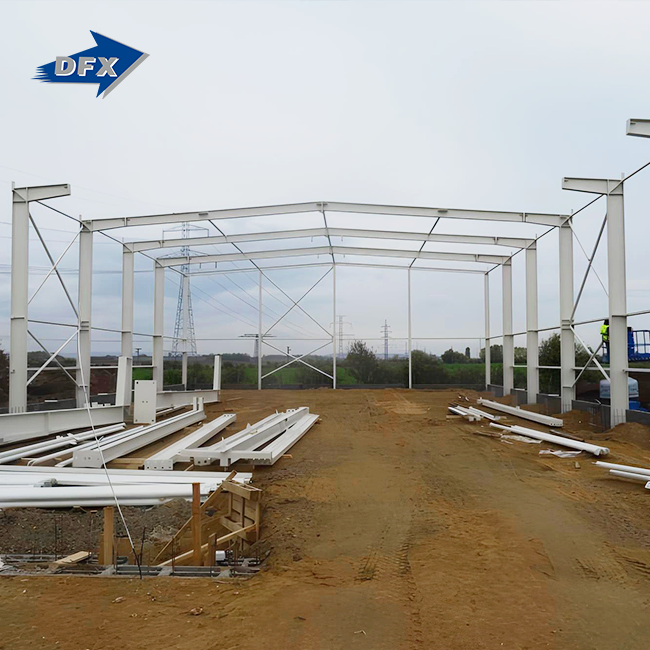
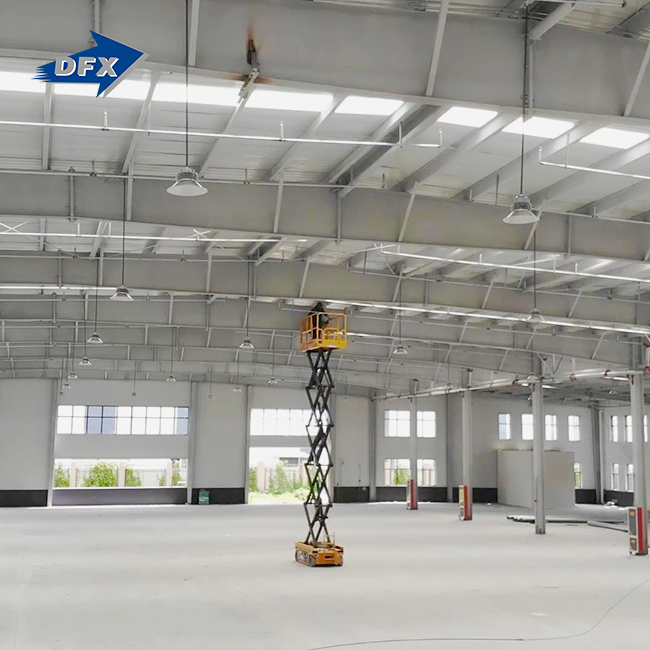
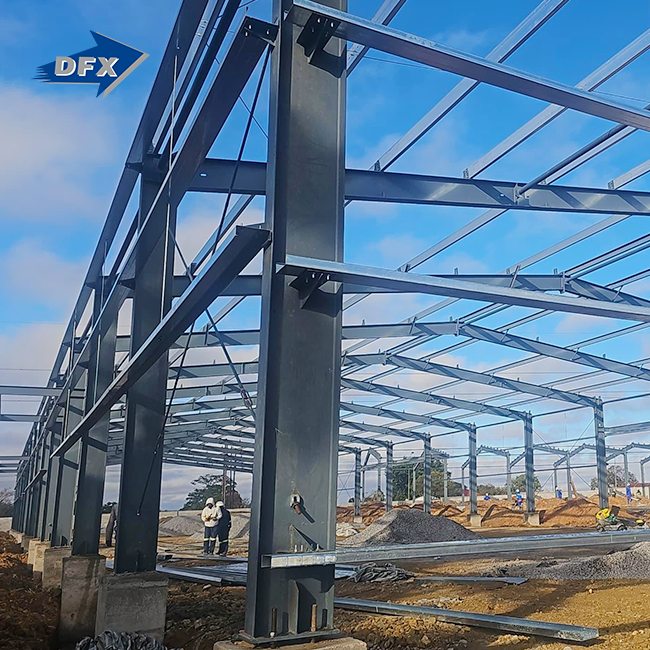
The building requirements for chemical storage facilities are very different from those for regular stores. These buildings have materials that don't catch fire, ways to stop explosions, and surfaces that don't react with chemicals. Most of the time, high-strength low-alloy steel like Q355B is used for the main framework because it can hold weight under conditions of heat stress. Hot-dip galvanization with a zinc coating of at least 600 g/m² protects structural members from corrosive vapor exposure. Modern modular prefabricated steel storage buildings are a useful option. They have H-beam main steel frames, galvanized C/Z purlins, and built-in bracing systems that meet safety standards in the workplace while keeping construction time low.
Critical Safety Concerns in Petroleum Product Storage
The storage of petrochemicals is defined by three main safety areas. Deflection of structures happens when acidic atmospheres attack building parts, calling for special coats to protect them. Not following the rules about fire separation measures and blast venting can cause operations to stop. Liability to the environment from liquid leaks needs a solid foundation of curbing and full bundling systems. To solve these problems, we need combined engineering methods instead of separate safety steps.
Selection Criteria for Storage Partners
When purchasing managers look at storage options, they need to look at a lot of different areas of expertise. The provider's engineering calculations tell us if plans do a good job of protecting against certain chemical dangers. The quality of the fabrication directly affects how long a structure will last when exposed to harsh chemicals. Coordinating logistics makes sure that the project is finished on time, and erection guidance helps with the right way to install things. Companies should check that their products are certified with ISO9001 and CE, which show that they follow international quality management systems. Project-based fabrication methods let you make changes that meet specific operational needs, like changing the amount of space you need to store things or making sure they are safe around chemicals.
Core Safety Standards and Regulations in Petrochemical Warehousing
Regulatory frameworks set basic safety standards for chemical storage activities. These standards protect workers, communities, and ecosystems from possible dangers.
International and Domestic Regulatory Landscape
The Occupational Safety and Health Administration (OSHA) has detailed rules for handling dangerous materials in the United States. These rules include how to store the materials, how to train workers, and what to do in an emergency. Chemical safety in European markets is controlled by the Registration, Evaluation, Authorization and Restriction of Chemicals (REACH) law, which requires detailed records of substances' qualities and how they are used. Chapter 4 of the International Building Code (IBC) sets out specific detailed requirements based on the type of occupancy. It talks about structural requirements for high-hazard storage. Intumescent coats must be used to give buildings fire resistance scores between R60 and R180. This keeps the buildings' structures safe during fires. Explosion-relief designs include light release plates that let out internal pressure, which keeps structures from falling apart completely during deflagrations.
Certification and Compliance Pathways
Following the rules means keeping detailed records and checking them on a regular basis. Material traceability starts with mill test certificates for all structural steel parts that show the yield strength meets the design requirements. Ultrasonic Testing (UT) and Magnetic Particle Inspection (MPI) are non-destructive ways to test welds that make sure there are no flaws in the links that are important for thermal shock protection. Dry Film Thickness (DFT) readings and cross-cut adhesion tests that follow ASTM D3359 guidelines are used to check anticorrosion coatings in petrochemical warehousing facilities. Leakage and containment testing includes checking the mechanical strength of spill sumps that are built in, making sure they can't leak at all before the facility is put into service. Facilities can pass strict environmental audits ordered by groups like the Environmental Protection Agency thanks to these quality control measures.
Consequences of Non-Compliance
When people break the rules, they face harsh punishments that go beyond fines. Shutdowns of operations mess up supply lines, which hurts relationships with customers and the company's place in the market. Legal responsibility for safety incidents can lead to long court cases and damage to a company's reputation. When compliance fails, insurance rates go up, which drives up running costs. The costs of cleaning up the environment after a contamination event usually go over the initial investments in infrastructure. Knowing these effects makes people more likely to use proactive compliance strategies instead of reactive methods to fix problems.
Best Practices to Ensure Safety in Petrochemical Warehousing
To store chemicals efficiently, you need to use tried-and-true safety methods in every part of the facility. Petrochemical warehousing requires managing chemicals that are compatible with each other as the basis of safe storage operations. To keep dangerous reactions from happening when incompatible chemicals mix by mistake, they must stay physically separate. Using UN hazard codes as a basis, classification systems sort materials into groups based on how reactive they are. Forklifts need to be able to move between storage areas that have clear spans. This is usually possible with modular prefabricated steel storage building designs. Temperature control systems keep the storage conditions just right, stopping thermal breakdown or phase changes that aren't needed. Ventilation systems with redundant capacity make sure that air is always moving, spreading out potentially dangerous vapors before they reach dangerous levels.
Advanced Storage Techniques and Segregation Protocols
Managing chemicals that are compatible with each other is the basis of safe storage operations. To keep dangerous reactions from happening when incompatible chemicals mix by mistake, they must stay physically separate. Using UN hazard codes as a basis, classification systems sort materials into groups based on how reactive they are. Forklifts need to be able to move between storage areas that have clear spans. This is usually possible with modular prefabricated steel storage building designs. Temperature control systems keep the storage conditions just right, stopping thermal breakdown or phase changes that aren't needed. Ventilation systems with redundant capacity make sure that air is always moving, spreading out potentially dangerous vapors before they reach dangerous levels.
Safety-Driven Equipment and Detection Systems
Multiple protective technologies are used in modern buildings, and they all work together to keep people safe. Automated fire control systems start working when they sense certain temperatures or smoke levels and send out the right extinguishing agents based on the material. Water-based fires are put out with foam systems, and metal fires are put out with dry chemical systems. Several sensing methods are used in leak detection technologies, such as infrared spectroscopy, electrochemical sensors, and acoustic monitoring. IoT sensor networks send information to centralized control systems about what's going on in the environment in real time. AI-powered prediction analytics find strange trends that could mean that equipment is about to break down or that a danger is about to appear so that problems can be fixed before they happen.
Workforce Training and Emergency Preparedness
Even though technology has safety features, human factors have a big impact on how safe things are. Comprehensive training programs teach people about the properties of chemicals, how to handle them safely, and what to do in an emergency. Scenario-based drills act out what might happen in real life, helping people build muscle memory for times when worry might make it hard for them to think clearly. Regular refresher training stops people from forgetting what they know and includes lessons learned from accidents in the industry. Plans for emergency responses include ways to get people out of the area, talk to others, and keep the situation under control for different kinds of emergencies. Working with the local emergency services makes sure that people from outside the building know how it's set up and what chemicals are inside before they get to the real emergency.
Addressing Challenges in Petrochemical Warehousing for Enhanced Safety
Even though best practices have been around for a long time, chemical storage facilities still face problems that need new answers. Petrochemical warehousing at large scales involves storing a lot of different chemicals and dealing with complicated compatibility matrices. It only takes one lost thing to put dangerous chemicals close to each other. Digital inventory management systems keep track of where things are at all times and automatically mark spots that don't work. Barcode scanning during the receiving process makes sure that items are sent to the right storage areas. Color-coded floor marks make it easier to see where the separation lines are, which cuts down on mistakes made by people during busy times. Periodic compatibility checks make sure that compliance is still being met as the product changes.
Chemical Compatibility Management Complexity
Large facilities that store a lot of different chemicals have to deal with complicated compatibility matrices. It only takes one lost thing to put dangerous chemicals close to each other. Digital inventory management systems keep track of where things are at all times and automatically mark spots that don't work. Barcode scanning during the receiving process makes sure that items are sent to the right storage areas. Color-coded floor marks make it easier to see where the separation lines are, which cuts down on mistakes made by people during busy times. Periodic compatibility checks make sure that compliance is still being met as the product changes.
Logistics Coordination at Transfer Interfaces
When moving things from transportation to storage, loading and unloading operations pose a higher risk. These activities are kept separate from large storage areas by dedicated transfer zones with better control capabilities. Grounding systems keep static electricity from building up while pumps are working. Vapor recovery systems collect emissions from tank trucks while they load, which protects the air quality and gets valuable products back. Interlock systems don't let the car leave until the transfer links are properly disconnected and locked.
Maintaining Consistent Safety Oversight
Priorities for safety and operational pressures don't always line up, which makes decision-making difficult. Safety culture programs set the organization's values, which include putting safety first over meeting production goals. Leadership involvement in building walkthroughs shows dedication to safety standards. Near-miss reporting tools gather details about possible dangers before they actually happen. Trend analysis of data on near-misses finds systemic weaknesses that need to be fixed.
Technological monitoring tools now work with human control. Continuous video monitoring with AI analysis can spot unsafe behaviors like not having personal safety equipment on or getting into a restricted area without permission. Automated compliance verification systems compare operational logs to standard operating procedures and mark any differences so that management can look into them.
Conclusion
The safety of petrochemical warehousing depends on integrated strategies that combine engineered structures, regulatory compliance, cutting-edge technologies, and trained personnel. Facilities have to deal with fire safety, chemical compatibility, environmental control, and operating processes all at the same time. Modular prefabricated steel storage buildings made with the right materials and safety systems are useful solutions that meet the needs of the industry. The success of a project depends on choosing skilled partners who can provide all kinds of services, from planning calculations to helping with the building process. Throughout the lifecycle of a building, protective powers are kept up by a commitment to a safety mindset, ongoing tracking, and proactive upkeep. When companies put these things first, the number of incidents goes down, their standing with regulators improves, and their relationships with customers get stronger.
FAQ
1. What certifications should petrochemical storage facilities maintain?
Facilities with a good reputation keep their ISO9001 quality management certification, which shows that they have organized methods for controlling quality. The CE mark means that the product meets European safety standards, which is important for doing business across borders. Depending on the rules in your area, EN1095 certification may only be valid for certain types of structures. In addition to these basic licenses, businesses should show that they follow OSHA rules and EPA environmental standards. Instead of one-time certification events, ongoing compliance is checked by regular audits by a third party.
2. How do steel structures compare to other construction methods for chemical storage?
When compared to masonry options, steel buildings have better strength-to-weight ratios, which means they can withstand more wind and earthquake loads. The modular prefabricated method speeds up the building process and improves quality control by making the parts in a factory. The predictable properties of steel make engineering calculations for different loading conditions easier. Corrosion problems can be solved with the right protection coatings, which give things decades of service life in harsh chemical conditions. Large clear-span features get rid of internal columns, making more space useful and improving operating efficiency.
3. Can leased warehouse space meet petrochemical storage requirements?
Most of the time, standard business warehouse space doesn't meet the specific needs for storing dangerous chemicals without major changes. When evaluating, it's important to look at how well the building can handle heavy loads, how well it can separate fires from nearby living spaces, how well it ventilates, and how well it can handle emergencies. Usually, building new facilities just for storing chemicals is a more cost-effective long-term solution than making general warehouses work better. Customization is possible with project-based fabrication to meet specific operational needs and chemical inventories.
Partner With DFX for Advanced Chemical Storage Solutions
As Qingdao Director Steel Structure Co., Ltd., DFX provides specialized petroleum storage solutions and petrochemical warehousing systems that combine structural knowledge with design that puts safety first. Our manufacturing skills include six automatic welded H-beam lines that make high-strength structural frames. We also offer full construction services for whole building systems. We know what chemical storage uses need because we've been doing this for over twelve years and have 40,000 square meters of protected production space. Our engineering calculation services make sure that designs take into account things like thermal stress, corrosive environments, and government rules that are specific to your materials. As an ISO9001 and CE-certified petrochemical storage provider, we offer quality guarantees throughout the entire project lifespan, from idea to construction direction. Our team works together with procurement managers, project engineers, and safety directors to come up with custom solutions that meet the needs of everyone while also being safe, cost-effective, and efficient. Get in touch with jason@bigdirector.com to talk about how to store your chemicals and find out how our modular prefabricated steel storage buildings can help your facility stay safe and your business grow.
References
1. American Institute of Steel Construction. (2017). Steel Construction Manual, 15th Edition. Chicago: AISC.
2. National Fire Protection Association. (2021). NFPA 30: Flammable and Combustible Liquids Code. Quincy: NFPA.
3. Occupational Safety and Health Administration. (2020). Hazardous Materials Storage and Handling Guidelines. Washington: U.S. Department of Labor.
4. European Chemicals Agency. (2019). Guidance on Safe Storage Practices under REACH Regulation. Helsinki: ECHA.
5. International Code Council. (2018). International Building Code Chapter 4: Special Detailed Requirements Based on Use and Occupancy. Washington: ICC.
6. Chemical Safety Board. (2022). Investigation Report: Chemical Storage Facility Incidents and Prevention Strategies. Washington: U.S. Chemical Safety and Hazard Investigation Board.
Learn about our latest products and discounts through SMS or email