- English
- French
- German
- Portuguese
- Spanish
- Russian
- Japanese
- Korean
- Arabic
- Greek
- German
- Turkish
- Italian
- Danish
- Romanian
- Indonesian
- Czech
- Afrikaans
- Swedish
- Polish
- Basque
- Catalan
- Esperanto
- Hindi
- Lao
- Albanian
- Amharic
- Armenian
- Azerbaijani
- Belarusian
- Bengali
- Bosnian
- Bulgarian
- Cebuano
- Chichewa
- Corsican
- Croatian
- Dutch
- Estonian
- Filipino
- Finnish
- Frisian
- Galician
- Georgian
- Gujarati
- Haitian
- Hausa
- Hawaiian
- Hebrew
- Hmong
- Hungarian
- Icelandic
- Igbo
- Javanese
- Kannada
- Kazakh
- Khmer
- Kurdish
- Kyrgyz
- Latin
- Latvian
- Lithuanian
- Luxembou..
- Macedonian
- Malagasy
- Malay
- Malayalam
- Maltese
- Maori
- Marathi
- Mongolian
- Burmese
- Nepali
- Norwegian
- Pashto
- Persian
- Punjabi
- Serbian
- Sesotho
- Sinhala
- Slovak
- Slovenian
- Somali
- Samoan
- Scots Gaelic
- Shona
- Sindhi
- Sundanese
- Swahili
- Tajik
- Tamil
- Telugu
- Thai
- Ukrainian
- Urdu
- Uzbek
- Vietnamese
- Welsh
- Xhosa
- Yiddish
- Yoruba
- Zulu
What is a Steel Structure Smoking Shed?
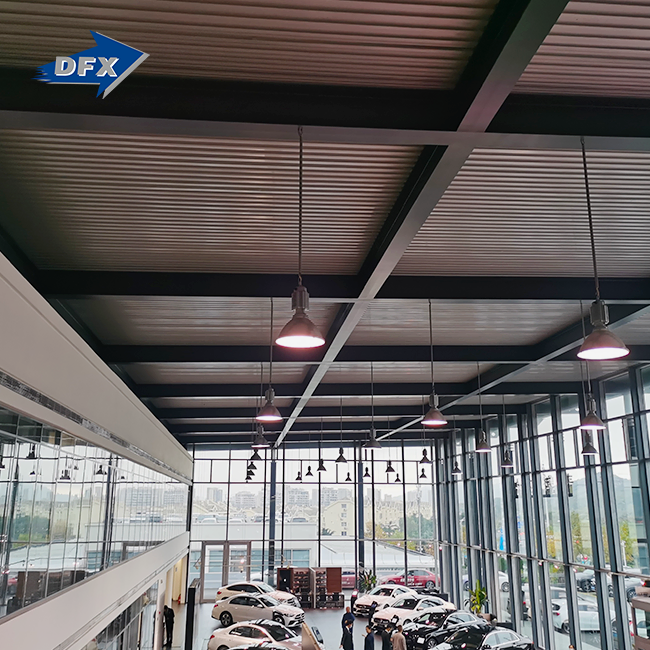
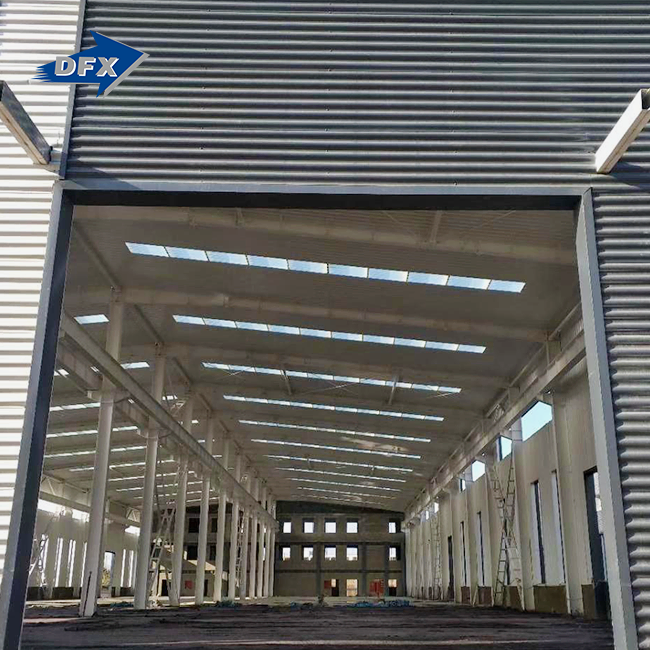
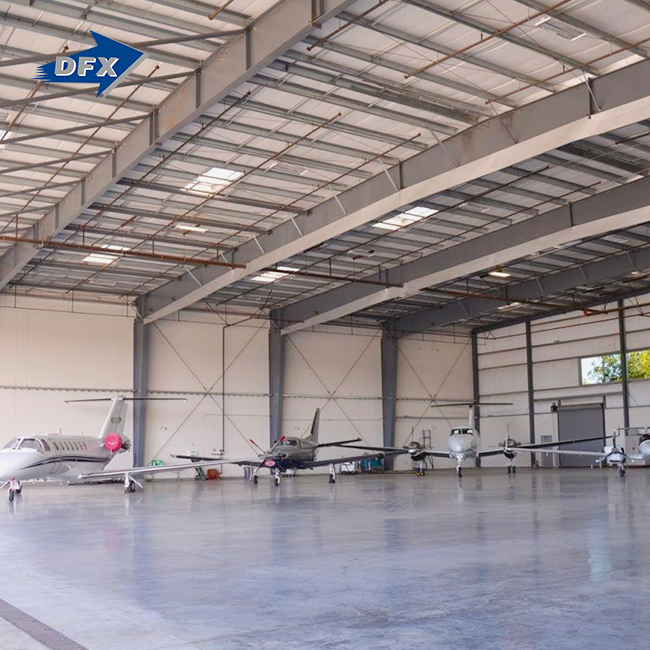
A steel structure smoking shed is a pre-engineered modular shelter explicitly designed to provide a safe, compliant, and weather-resistant designated smoking area for industrial facilities, commercial complexes, and institutional campuses. Unlike temporary canopies or makeshift enclosures, these structures utilize high-strength H-section beams and columns combined with C/Z galvanized purlins to create robust frameworks that withstand harsh environmental conditions while meeting fire safety and workplace health regulations. The shed's configuration can feature either fully enclosed walls or open-sided designs, allowing flexible ventilation management and user access. These purpose-built shelters address critical operational needs: isolating smoking zones from main buildings to reduce fire risk, protecting non-smoking employees from secondhand smoke exposure, and ensuring compliance with OSHA and local health department mandates regarding designated smoking areas.

Understanding Steel Structure Smoking Sheds: Definition and Benefits
Core Purpose and Structural Composition
There is a real problem in the workplace that affects both safety rules and the health and happiness of employees when we talk about specific smoking areas in business and industry settings. These specialised buildings are more than just weather protection; they are designed solutions that are made to meet regulations while also being useful.
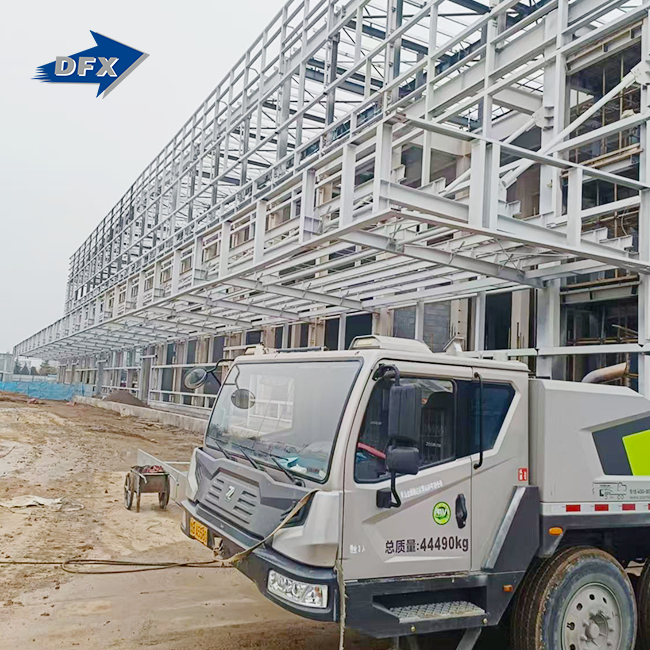
These shelters are built on top of structural steel frameworks that are made in controlled factory environments. We use carbon structural steel grades Q235B and Q355B to build these frames at our factory in China. These grades have yield strengths between 235 and 345 MPa. This engineering makes sure that the shelter stays stable even when the wind speed is over 120 km/h and the snow load is over 0.5 KN/m². The galvanised coating, which is usually 60 to 85 microns thick and put on all steel parts, protects against corrosion. This is especially helpful in humid places or near the coast, where salt spray speeds up the breakdown of materials.
Tangible Benefits for Procurement Decision-Makers
Project managers and procurement experts get strategic advantages from these models that affect everyday budgets and timetables. The modular design makes installation fast, often in days instead of weeks like masonry. Speed reduces staff expenses and ongoing operations, which is crucial for expanding facilities or meeting tight development timetables.
This construction requires less maintenance than wooden or metal frames, which need frequent staining. Maintenance personnel evaluate coatings and fastened connections annually. These may be done in under two hours. Facilities managers must consider lifespan costs since reduced maintenance reduces them.
Most sites may employ hot-dip galvanised steel for over 30 years due to its strength. We've created shelters for manufacturers that employ materials that degrade fast in chemical and temperature-filled environments. Fire safety regulations match structural steel's nonflammability. Facility operators won't face responsibility or higher insurance costs.
Real-World Applications Across Industries
Our smoking areas' major clientele are manufacturing companies. When factory owners construct new workshops or boost production, they plan for smoking shelters from the start. To ensure safety, the structures are placed near locations where workers may take breaks but distant from burning materials or volatile compounds used in manufacturing.
Farm workers, particularly on large poultry farms in the Southeast, utilise these shelters to take breaks out of the heat and weather while maintaining cleanliness requirements. The open sides allow airflow, keeping the building cooler in summer without impacting structural integrity.
These smoking zones are standard for construction firms developing airport expansions, logistics facilities, and industrial parks. The bolt-connected assembly is easy to move during the project. In fact, contractors routinely relocate the same shelter between construction sites to maximise equipment utilisation.
Essential Design Considerations and Features of Steel Structure Smoking Sheds
Fire Safety and Ventilation Engineering
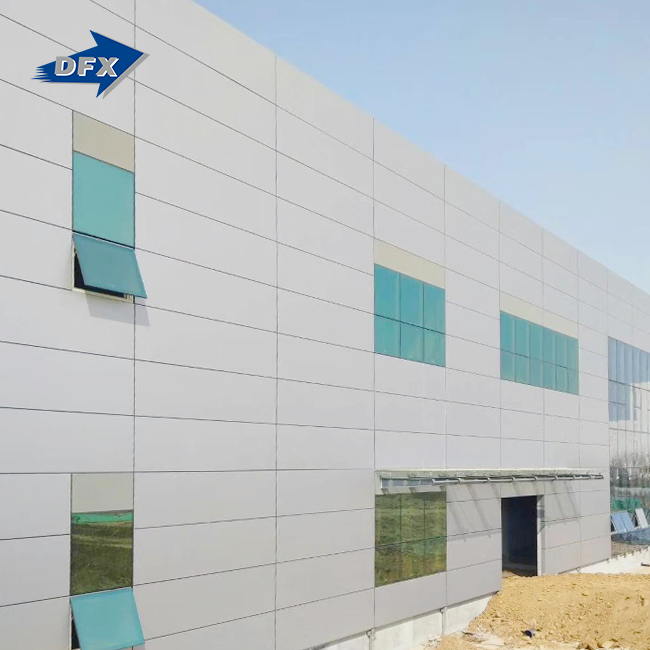
There are natural fire risks in smoking shelters that need careful engineering solutions for a steel structure smoking shed. Our plans use Class A materials that can't catch fire throughout the whole structure. The steel frame naturally doesn't catch fire, and the roofs and wall panels are made of tempered glass, aluminium sheets, or rock wool sandwich panels that have fire ratings of more than two hours. This choice of materials stops the fire from spreading and meets the requirements of the International Building Code for smoking areas that are separate from other areas.
Ventilation design strikes a mix between letting smoke out and keeping out the weather. Open-sided designs let in natural cross-ventilation without the need for mechanical systems. This cuts down on building costs and eliminates the need for ongoing energy use. When completely sealed designs are needed, like in very cold places, we include vents that can be opened and closed to create convective airflow that moves smoke up and away from users without causing drafts that push smoke back toward them.
Customization Options That Reflect Corporate Identity
Modern facilities managers know that even simple buildings have an impact on how the campus looks and how people think of the brand. Powder coating in custom colour palettes that match corporate brand standards can turn shelters from useful things into parts of a building's design that go together. A number of clients use vinyl graphics or laser-cut steel plates to add their company names to smoking shelters, which turns them into subtle branding locations.
Steel construction is modular, so it can handle changes in size without making costs go through the roof. Standard sizes range from small 3x3 metre units that are good for small office buildings to large 6x12 metre shelters that are good for industrial sites with a lot of foot traffic. We've made custom designs with curved roof profiles and cantilever extensions that give you more coverage without adding supporting columns. These customisation options help architects include smoking shelters in larger site plans.
Material Selection for Longevity
Choosing the right steel grade affects both how well the structure works and how much it costs. When used in normal situations in mild climates, Q235B steel is strong enough and doesn't cost too much. Upgrading to Q355B steel is a good idea for buildings in hurricane-prone coastal areas or places where temperatures change a lot. This steel has higher yield strength and better low-temperature toughness.
For specific uses, surface cleaning goes beyond simple galvanisation. When you combine hot-dip galvanising with epoxy marine-grade paint, you get systems that last more than 30 years in places that are toxic, like chemical processing plants or sites by the sea. This two-layer defence stops the zinc coating from breaking through, which would let the steel below rust—a way that has never failed in any of our duplex-treated installations.
Building and Maintaining Steel Structure Smoking Sheds
Construction Process and Timeline Management
Procurement professionals want the full project timeline, from order to installation. We start production by creating engineering models that incorporate local wind, snow, and foundation conditions. This two-week design approach involves our technical team working with the client's project managers to resolve access, utility, and personal taste challenges.
The 40,000-square-meter facility comprises six automated welded H-beam manufacturing lines and two C/Z section steel fabrication lines. We can work on multiple parts simultaneously. We fulfil smoking shelter orders in three weeks, although we can meet shorter timeframes for urgent situations. All bonded parts are ultrasonic tested for flaws, and mill certificates check the material's chemical makeup. These quality control processes prevent field installation issues.
Shipping and on-site assembly conclude the project. We package parts for maritime freight to keep them secure. Steel bands secure bundles in shipping containers after each item is wrapped. No welding equipment is required to erect the structure by small groups using ordinary construction tools after delivery. The average four-person installation team can build a 4x6 shelter in one day.
Maintenance Protocols That Preserve Investment Value
To make a steel structure smoking shed last longer, it needs regular but basic upkeep. We suggest visual checks every three months, focused on three important areas: how tight the bolted connections are, the state of the coating, and how well the drainage works. During the first year, as the structure settles and goes through its first thermal cycling, connection bolts may need to be tightened again. However, after this break-in period, maintenance needs will be stable.
Damage to the coating, whether from an accident, theft, or normal wear and tear, needs to be fixed right away to stop rust from starting. To fix something, you have to wire brush the damaged area to get rid of any loose material, then use zinc-rich cold galvanising spray to protect against rust again, and finally finish with topcoat paint that matches. Fixing holes within a few weeks of them happening stops rust from forming, which could weaken the structure over time.
Drainage systems in sealed designs need to be cleaned on a regular basis to keep water from building up and speeding up rusting. Every six months, you should clean out the gutters and drains of leaves and other garbage. If there is any standing water inside the shelter, it means there are grading issues that need to be fixed. When drainage is managed properly, moisture exposure is stopped, which is the main thing that shortens the life of galvanised steel.
Comparing Steel Structure Smoking Sheds with Other Materials and Solutions
Material Performance Analysis
People must examine the benefits and downsides of steel vs other construction materials while buying. Each has pros and cons. Wooden houses are cheaper and more traditional. Wood is easily damaged by rot, insects, and fire, so it requires more maintenance and lasts less. After five to seven years, we've replaced numerous customers' wooden smoking shelters. These buildings were dangerous due to weathering, structural sagging, and safety issues; thus, they were replaced.
Aluminium frame systems may prevent corrosion and be lightweight, but they are weaker than steel. The economic advantage of aluminium is typically negated by its lower yield strength, which requires thicker gauge material or reinforcing to defend against wind stress. The material's increased thermal conductivity makes temperature swings unpleasant in hot or cold weather, making it less comfortable than well-insulated steel structures.
The most durable and fire-resistant choice is concrete block construction, but it costs more to build and needs a permanent site commitment. Building takes weeks, not days, and the structure can't be shifted if the space is utilised differently. Moving the bolt-connected steel shelter is a great advantage for organisations in charge of temporary structures or campus redesign.
Prefabricated Versus Custom Design Considerations
Standard premade smoking shelter kits work well for simple jobs where the site conditions allow for standard height and size. These designs take advantage of economies of scale in manufacturing to cut down on costs per unit and speed up delivery times. As a trade-off, there is less freedom in terms of dimensions and standard aesthetic choices that might not fit with the overall theme of the campus's architecture.
Custom-making can meet specific needs that prefabricated designs can't, like irregular site shapes, integrating with existing structures, specific ventilation needs, or architectural style that fits other buildings in the area. Based on what the client wants or the architect's drawings, our design team comes up with solutions that are both functional and aesthetically pleasing. Custom designs take two to three weeks longer to complete and cost about 15 to 25 percent more than standard designs, but they produce buildings that fit in perfectly with site master plans.
Procuring Steel Structure Smoking Sheds: A B2B Buyer's Guide
Evaluating Supplier Capabilities and Credentials
More than unit pricing is needed to choose a trusted manufacturer. If a supplier can achieve project deadlines, particularly for huge orders or strict construction plans, it relies on their ability to meet deadlines. Our plant can keep 20,000 tonnes of welded H-beams and 8,000 tonnes of C/Z section steel every year, so we can manage large orders without delaying production, which might be disruptive.
Quality certificates prove manufacturing requirements are satisfied. ISO 9001 certification and CE marking indicate organised quality management and European safety and performance standards. This is crucial for global organisations that want their facilities to follow the same norms. We readily comply with multi-regulatory projects since we maintain our ISO 9013, CE, COC, and PVOC certifications.
Solution partners distinguish themselves from commodity suppliers by offering technical support. Our in-house architectural design and detailing service assists customers from concept to completion. We calculate engineering calculations for permit applications, create unique foundation designs for site builders, and provide installation instructions to save field labour. This all-around support is particularly useful for contractors with several projects and little engineering resources.
Cost Structure and Value Assessment
Understanding the different parts of prices for a steel structure smoking shed helps buying workers make good decisions about which quotes to accept. The prices of materials change with the global steel market, but reputable manufacturers offer fixed prices that are good for a certain amount of time, usually 60 to 90 days. This protects buyers from market changes during procurement cycles. Transportation costs a lot for foreign sales. Depending on the location, container shipping, customs taxes, and regional freight can add 15 to 30 percent to the ex-factory price.
Bulk purchasing delivers meaningful cost reductions for organizations developing multiple facilities or contractors outfitting large projects. Volume discounts usually start at orders of five units and go up in a proportional way, with savings hitting 20% for orders over twenty units. These economies of scale help when you plan ahead and use a centralised strategy for buying things.
Warranty coverage and support after the sale have real value that justifies small price increases. Our normal warranty covers structural flaws and coating failures for five years, and if problems happen in the field, we'll send a new part right away. Assuring quick technical support and easy access to parts lowers project risk and keeps costs from going over budget because of bad materials.
Procurement Process and Lead Time Planning
For a project to be completed successfully, the timeline needs to be realistic and in line with the facts of production and logistics. The usual order process for a smoking shelter is as follows: two weeks for planning and approval, three weeks for manufacturing, four to six weeks for ocean freight to U.S. ports, and one week for inland transfer and placement on-site. Through expedited manufacturing and air freight, rush orders can shorten lead times, but this choice is only useful in very pressing cases because of the higher costs of shipping.
Payment terms depend on the value of the order and how long the client has been a customer. For new customers, the deposit is usually 30% when the order is confirmed, and the balance is due 70% before shipment. Letters of credit can be arranged for orders over $50,000. Net-30 or net-60 terms are often negotiated by long-term clients with good payment histories. These terms make it easier to manage cash flow.
Conclusion
Steel structure smoking sheds are engineered solutions that meet safety requirements, regulatory compliance obligations, and employee amenity needs through long-lasting, low-cost construction. When you combine the natural strength of structural steel with the protection against corrosion that comes from galvanising it and the modular design, you get shelters that work reliably in a wide range of industrial, commercial, and institutional settings. Procurement workers benefit from quick deployment times, low upkeep needs, and longer service lives that lower lifetime costs compared to other materials. Partnering with experienced makers who offer full design support, quality certifications, and quick customer service that goes beyond the initial delivery is key to a successful project.
FAQ
1. How do steel smoking shelters enhance workplace safety compared to unmarked smoking areas?
Designated smoking spaces keep sources of ignition away from building entrances, loading docks, and storage places for materials, which lowers the risk of a fire. Clear lines keep people from smoking near flammable items or oxygen tanks, and good ventilation keeps people who don't smoke from being exposed to secondhand smoke. OSHA says that designating smoking places is the best way to keep workers safe.
2. What lead times should we expect from order to installation?
Standard orders are finished in 10 to 12 weeks, which includes design, manufacturing, shipping freight, and installation. There will be two weeks of engineering, three weeks of manufacturing, four to six weeks of shipping, and one week of site work. With prioritised production and plane freight, expedited service cuts wait times to 6 to 8 weeks, but it comes at a very high cost.
3. Can we customize dimensions and appearance to match existing campus buildings?
Yes, because custom production can meet specific size needs, roof styles, and colour matching to existing buildings. Our design team uses architectural drawings or photos of the site to make shelters that look great with the rest of the campus. Customisation adds about three weeks to normal delivery times and raises prices by 15 to 25 percent, based on how complicated the specifications are.
Partner With Director Steel for Your Next Smoking Shelter Project
Director Steel has more than 12 years of experience making structural steel solutions for very specific business and industry uses. Our team knows that procurement professionals have to deal with tight budgets, sped-up timelines, and high standards of quality when they have to specify smoking shelters. At our ISO-certified factory, we make every part using automatic production lines that make sure the quality of every order is the same. Our technical team has the engineering knowledge and quick communication to turn complicated projects into smooth implementations, from the first idea to the final installation support. We offer reliable steel structure smoking shed solutions that come with CE certification and full warranty protection, whether you need a single shelter for a manufacturing expansion or multiple units for a campus-wide project. Get in touch with jason@bigdirector.com right away to talk to our applications tech team about your project needs. As a well-known manufacturer of steel structure smoking sheds, we can give you detailed quotes, custom design proposals, and technical specifications to help you make your buying decision.
References
1. American Institute of Steel Construction. (2016). Steel Construction Manual (15th ed.). Chicago: AISC Publications.
2. International Code Council. (2021). International Building Code: Chapter 3 - Use and Occupancy Classification. Country Club Hills: ICC Publications.
3. National Fire Protection Association. (2020). NFPA 101: Life Safety Code - Smoking Regulations. Quincy: NFPA Press.
4. Occupational Safety and Health Administration. (2019). Guidelines for Workplace Designated Smoking Areas. Washington: U.S. Department of Labor.
5. European Committee for Standardization. (2018). EN 1090: Execution of Steel Structures and Aluminum Structures - Technical Requirements. Brussels: CEN Publications.
6. American Society for Testing and Materials. (2022). ASTM A500: Standard Specification for Cold-Formed Welded and Seamless Carbon Steel Structural Tubing. West Conshohocken: ASTM International.
Learn about our latest products and discounts through SMS or email