- English
- French
- German
- Portuguese
- Spanish
- Russian
- Japanese
- Korean
- Arabic
- Greek
- German
- Turkish
- Italian
- Danish
- Romanian
- Indonesian
- Czech
- Afrikaans
- Swedish
- Polish
- Basque
- Catalan
- Esperanto
- Hindi
- Lao
- Albanian
- Amharic
- Armenian
- Azerbaijani
- Belarusian
- Bengali
- Bosnian
- Bulgarian
- Cebuano
- Chichewa
- Corsican
- Croatian
- Dutch
- Estonian
- Filipino
- Finnish
- Frisian
- Galician
- Georgian
- Gujarati
- Haitian
- Hausa
- Hawaiian
- Hebrew
- Hmong
- Hungarian
- Icelandic
- Igbo
- Javanese
- Kannada
- Kazakh
- Khmer
- Kurdish
- Kyrgyz
- Latin
- Latvian
- Lithuanian
- Luxembou..
- Macedonian
- Malagasy
- Malay
- Malayalam
- Maltese
- Maori
- Marathi
- Mongolian
- Burmese
- Nepali
- Norwegian
- Pashto
- Persian
- Punjabi
- Serbian
- Sesotho
- Sinhala
- Slovak
- Slovenian
- Somali
- Samoan
- Scots Gaelic
- Shona
- Sindhi
- Sundanese
- Swahili
- Tajik
- Tamil
- Telugu
- Thai
- Ukrainian
- Urdu
- Uzbek
- Vietnamese
- Welsh
- Xhosa
- Yiddish
- Yoruba
- Zulu
How Does a Paint Hangar Improve Coating Quality?
A paint hangar improves coating quality by controlling the conditions that decide how paint behaves: temperature, humidity, airflow, filtration, and lighting. Stable, clean air keeps dust, fibers, and overspray off wet paint. Controlled heat and moisture help primer bond and topcoat cure the way the coating maker intends. Good lighting lets painters and inspectors catch runs, thin spots, and color differences early. The result is fewer defects, less rework, and shorter ground time for the aircraft. In this guide, I explain how each system works and what buyers should check before committing to a project.

How a Paint Hangar Controls the Coating Environment
Controlling the air around paint is the first thing that paint shops that paint airplanes need to do. In this world, these are the main things that work.
Temperature, Humidity, and Dew Point
Heat and cold can change how thick paint is. If the hangar is cold, it can be hard to atomize coatings. If it's too hot, solvents can flash off too quickly. It doesn't matter how wet it is. Water can form on a surface that is close to the dew point. This makes it less likely to stick to other things. Many times, before painting, the difference between the surface temperature and the dew point is used as a key check. This is shown in ISO 8502-4 guidelines on condensation. The weather outside doesn't matter to the crews because the paint hangar keeps the temperatures in the range set by the coating manufacturer. A general rule of thumb is not a good way to set goals. Instead, use the coating's technical data sheet.
Ventilation and Airflow Patterns
Airflow moves loose particles around and gets rid of heat, solvent vapor, and overspray. Air moves from the room's top to its bottom with downdraft fans. Crossdrafts move air from one end of the hangar to the other. Side-drafts move the air around the plane. Each has good and bad points. Most of the time, downdraft is the cleanest flow, but it needs floor pits or grates, which makes more work. Crossdraft planes are often less expensive to build, but the overspray has to stay away from the fuselage. Safety rules also shape it. The NFPA 33, NFPA 409, and OSHA spray finishing rules cover things like fire safety, ventilation, and electrical tools. I suggest reading them when you are coming up with ideas.
Filtration and Lighting
In different ways, clean air and good sight both help protect the finish. Intake filters keep dust and fibers from getting to wet paint. Exhaust filters stop the overspray from reaching the fans and the outside. Crews can change filters before the airflow slows down because pressure drop gauges let them know when filters are full. Also, you should start making plans early because the EPA's aerospace law, 40 CFR Part 63 Subpart GG, tells you how to deal with pollution when covering aerospace. In a dangerous area, the lights should be even, bright, and right for that area. To paint, you need to see some wet film. Some things you need to look for are orange peel, sags, and wings and tails that are the wrong color. The flaws are hidden by shadows until the plane leaves the building.
Systems, Process, and Structure Behind Consistent Finishes
Having good tools is only helpful if the work is done in a clear order in a sound building. The steel shell, controls, and process will be the next things we talk about.
The Painting Process Inside a Paint Hangar
And how wonderful something is, it’s not just the spray pass; it’s everything else that’s put into it. Clean, strip, sand, cure rust, cover, inspect surface before painting. FAA Advisory Circular 43.13-1B may be helpful in preparing surfaces since it describes how to halt rust and prepare surfaces for protection. Primer needs a certain surface temperature and time frame for the second layer. You have to have your pistol set up perfectly, have enough overlap, and the flash has to go off for the appropriate length of time. After the mask has been dried and cured in a regulated manner, it is then removed. Inspectors then examine the image and note down any problems they see with how it appears, how thick the dried film is, how bright it is, or how well it clings to the paper. If you arrange your job carefully, the dirty prep work will be out of the spray area. This prevents sanding dust from falling on the fresh coating.
Controls, Sensors, and Supporting Systems
That means the lights, make-up air, exhaust, and HVAC all function better when they all function together. A sensor may detect temperature, humidity, dew point, pressure, airflow, and filter condition. Then a building management or alarm system may sound an alert, log data, and store settings that apply to each coating job. You should be able to access tools too. Docks, platforms, cranes, and aircraft positioning systems assist artists in maintaining proper distance from the cannon and accessing hard-to-reach areas like the tail surfaces. The materials will not corrode, and the filters are easy to get to. It will endure for years. When you put these elements together according to the laws of design, you can see that they operate together in reality as well as on paper.
The Steel Structure That Houses the Process
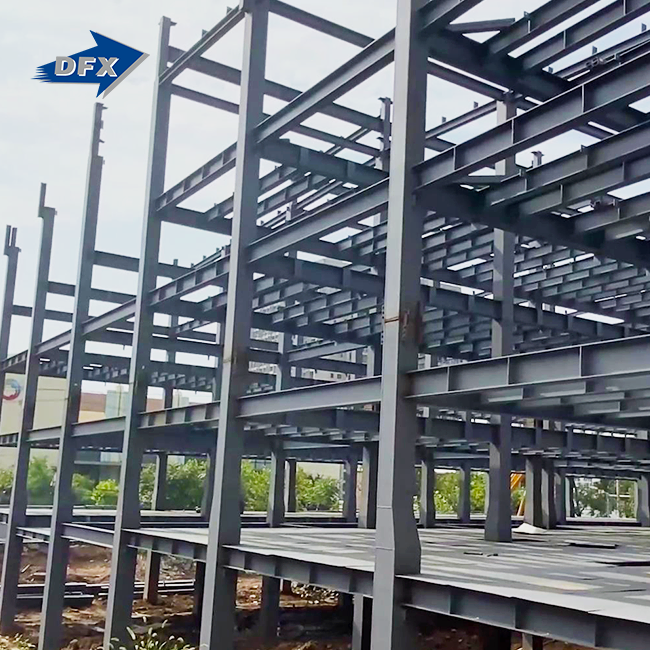
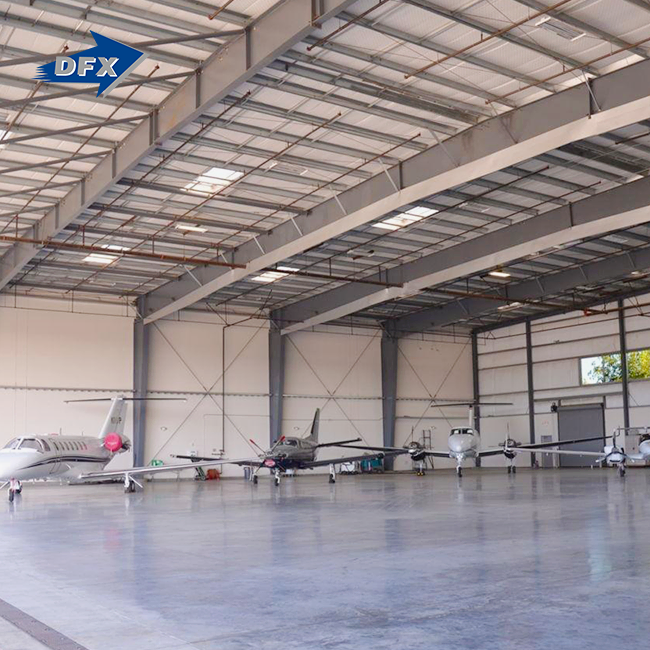
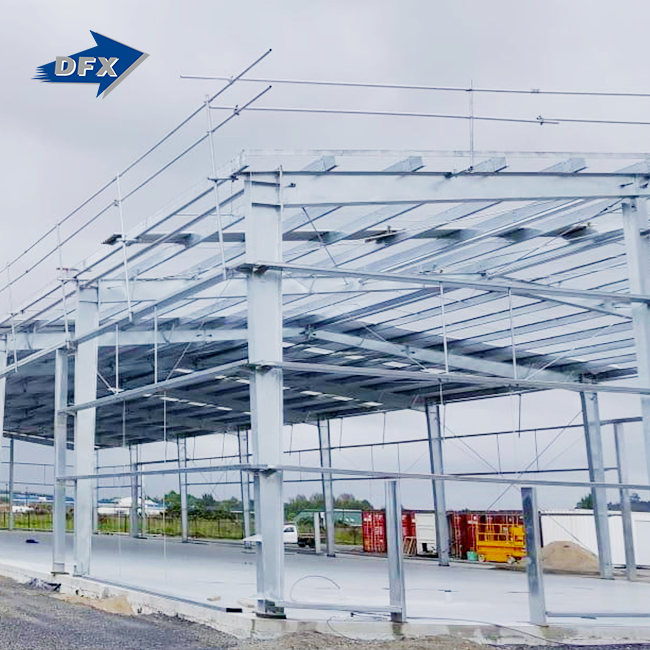
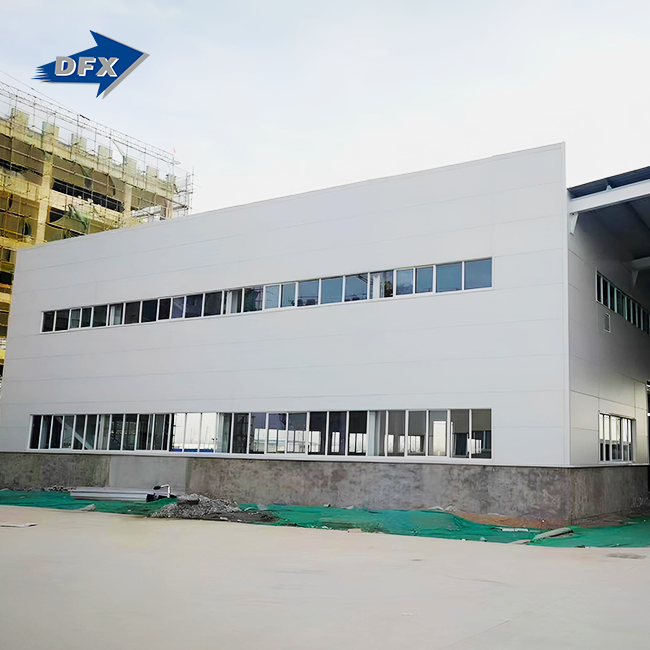
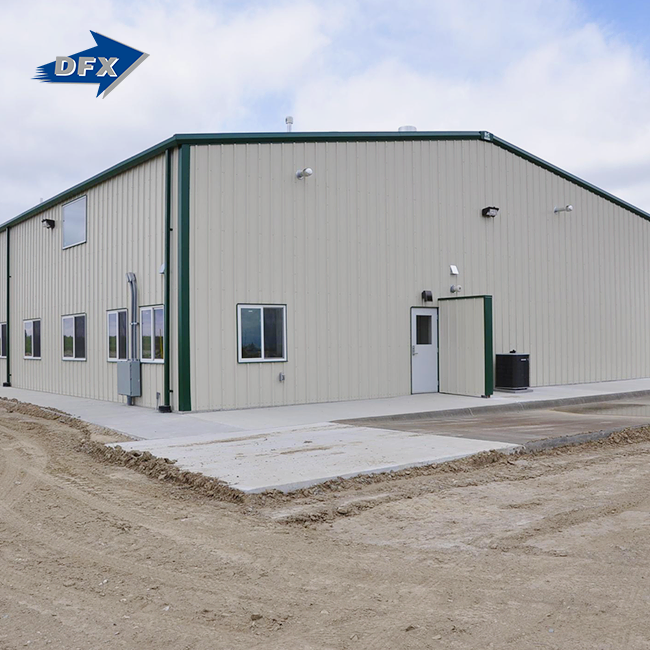
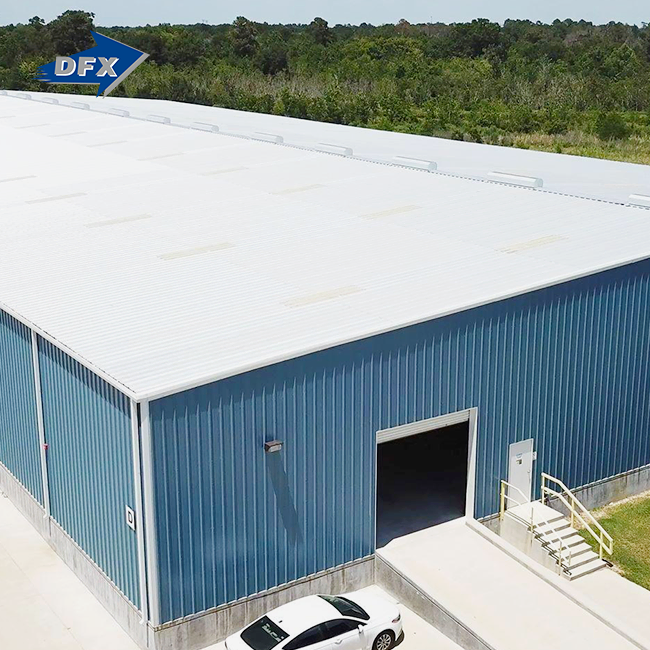
You can see that the building shell can take all this material. DFX’s high-clearance, long-span steel structures are ideal for heavy equipment hangars, paint hangars, and massive industrial shelters. The frame is welded H-section steel with an improved support system. Our service includes making structural estimations, creating unique blueprints, making items and helping you fit them in. And then every building is built exactly as you want it. Qingdao Director Steel Structure Co., Ltd. was established in 2011. It has six H-beam lines that automatically weld and 40,000 square meters of enclosed area for manufacturing. Our products have received clearance from CE, COC, and PVOC. We did the steel shell. We have specialized partners who provide fire, HVAC, and air systems, and our experts may review their designs to see how the structural loads and openings align with ours.
Choosing, Costing, and Verifying a Paint Hangar
The next step is to find the best systems for your fleet, your budget, and your quality goals.
Matching the Hangar Type to the Application
Each kind of aircraft has various needs. “The problem is you need a lot of room to work on the fuselage, wings, and tail of a wide-body jet all at the same time. They need extremely tall doors. The majority of MRO shops want configurations that are simple to modify and allow for fast changeovers so they may spend less time on the ground. Those who fly tiny aircraft and helicopters frequently may utilize modest or flexible layouts with appropriate area for the wheels. Military usage may include unique coatings, limited access, and additional documentation. Steel hangars that are still standing are suitable for heavy labor that requires a long time. Modular solutions are quicker to implement, and you may spend money in phases. Portable hangars are useful for activities that need to be done at multiple locations or at different seasons of the year, but they still require adequate fire and ventilation protection. I don't believe it is a good idea to transform a general maintenance hangar into a paint hangar before you make the transition. Electrical, ventilation, and exhaust systems may not perform properly in a hazardous location.
Cost and Total Cost of Ownership
The cost of the project depends upon the kind of aircraft, the building configuration, the insulation, the supports, the site circumstances, heating, cooling, ventilation, dehumidification, filtration, lighting, controls, fire safety, and the restrictions in the region. If you acquire anything from another nation, you should keep the tools away from construction work, power infrastructure, ducting, exhaust stacks, shipping, import duties, taxes, and dealing with contractors. When you operate a company, you have to pay for power, filters, cleaning, calibration, trash disposal, additional parts, and scheduled breaks. A simple-to-grasp pricing structure that shows all the services and any extras, including systems that may be added, setup, and support. You should look at the cost throughout its complete life, the finish quality, the safety, and the length of time it takes to turn an aircraft around. A modest price might hide scope gaps that are more expensive in the long term.
Verifying Results and Avoiding Common Mistakes
Demonstrate performance using tests and production data rather than just equipment specifications. Before using it, examine the pressure balance, the direction of the airflow, the performance of the exhaust, the temperatures and humidity that can be managed, the evenness of the lights, the alarms, the emergency stops, and the fire-protection connections. As the project progresses, look for defects in the dust, orange peel, runs, sags, color changes, dry film thickness, gloss, bonding, first-pass acceptance, and restart. When quality teams log environmental data, they may correlate defects to conditions such as too much or too little airflow or filter loading. Common errors people make are: treating the project like a conventional construction buy, selecting fans based on their nominal size without verifying how effectively they circulate air, not considering the dust and humidity of the location, and placing filters where workers can’t reach them. All of these might make the finish poorer and affect uptime.
Conclusion
You should use a paint hangar because it gives you control over temperature, humidity, dew point, ventilation, filtration, lighting, and other elements that might alter the finish. Plugs and fans vent solvent gas and stop dust and overspray from getting onto wet paint. “With sensors and controls, it's always the same gig, gig after gig.” The painting procedure works best when the unclean prep work is kept out of the final spray area, looking at the job. There should be the correct kind of hangar for the aircraft and the work to be done. It should be money well spent, too. That concept will be implemented, and the testing will reveal if it works or not. The steel shell defines the open span and height, but the airflow, fire protection, and process systems determine how nice the finish is.
FAQ
1. Can a standard maintenance hangar be used for spray painting?
Not all the time. In a maintenance hangar, there may not be separate exhaust, electrical equipment for dangerous areas, or ways to keep the air clean. Lights, airflow, and fire safety should all be checked by a professional before any changes are made.
2. Which airflow pattern is best for an aircraft paint hangar?
You can use downdraft, crossdraft, or side-draft as long as they are right for the plane, the process, the spot, and the rules. Most of the time, crossdraft is easier to build and costs less than downdraft in a paint hangar.
3. What does DFX supply for a paint hangar project?
We plan, build, and explain how to put together the long-span steel structure using welded H-section steel and a stronger bracing system. Partners who know a lot about fire, HVAC, and ventilation systems are used.
Request a Paint Hangar Steel Structure Quote from DFX
Are you going to paint a hangar? DFX is a Chinese business that helps build long-span steel buildings and makes paint hangars. They also do structural math, come up with unique designs, do fabrication, and help with installation. Let us know about your plane's size, the spot, and your schedule at jason@bigdirector.com, and our team will send you a proposal that meets your needs.
References
1. National Fire Protection Association, NFPA 33: Standard for Spray Application Using Flammable or Combustible Materials, 2021
2. National Fire Protection Association, NFPA 409: Standard on Aircraft Hangars, 2022
3. U.S. Environmental Protection Agency, National Emission Standards for Aerospace Manufacturing and Rework Facilities (40 CFR Part 63, Subpart GG), 1995
4. American Conference of Governmental Industrial Hygienists, Industrial Ventilation: A Manual of Recommended Practice for Design, 2019
5. Federal Aviation Administration, Advisory Circular 43.13-1B: Acceptable Methods, Techniques, and Practices – Aircraft Inspection and Repair, 1998
6. International Organization for Standardization, ISO 8502-4: Guidance on the Estimation of the Probability of Condensation Prior to Paint Application, 2017
Learn about our latest products and discounts through SMS or email