- English
- French
- German
- Portuguese
- Spanish
- Russian
- Japanese
- Korean
- Arabic
- Greek
- German
- Turkish
- Italian
- Danish
- Romanian
- Indonesian
- Czech
- Afrikaans
- Swedish
- Polish
- Basque
- Catalan
- Esperanto
- Hindi
- Lao
- Albanian
- Amharic
- Armenian
- Azerbaijani
- Belarusian
- Bengali
- Bosnian
- Bulgarian
- Cebuano
- Chichewa
- Corsican
- Croatian
- Dutch
- Estonian
- Filipino
- Finnish
- Frisian
- Galician
- Georgian
- Gujarati
- Haitian
- Hausa
- Hawaiian
- Hebrew
- Hmong
- Hungarian
- Icelandic
- Igbo
- Javanese
- Kannada
- Kazakh
- Khmer
- Kurdish
- Kyrgyz
- Latin
- Latvian
- Lithuanian
- Luxembou..
- Macedonian
- Malagasy
- Malay
- Malayalam
- Maltese
- Maori
- Marathi
- Mongolian
- Burmese
- Nepali
- Norwegian
- Pashto
- Persian
- Punjabi
- Serbian
- Sesotho
- Sinhala
- Slovak
- Slovenian
- Somali
- Samoan
- Scots Gaelic
- Shona
- Sindhi
- Sundanese
- Swahili
- Tajik
- Tamil
- Telugu
- Thai
- Ukrainian
- Urdu
- Uzbek
- Vietnamese
- Welsh
- Xhosa
- Yiddish
- Yoruba
- Zulu
Prefabricated Steel Warehouse Structure: What It Really Takes to Build Efficient Industrial Space
An industrial area needs more than just concrete and drive to work well. A prefabricated steel building and prefabricated steel warehouse are good choices because they bring high-quality goods made in a workshop right to the construction site. The normal plans are changed this way; the cost of labor goes down, and transportation hubs, workshops, and supply centers get the structural freedom they need. These buildings have to meet strict standards because they are designed to be movable and use made parts like steel purlins and H-beam frames. In many fields, they also keep prices low and speed up project completion times.

Understanding Prefabricated Steel Warehouse Structures
What Defines a Pre-Engineered Steel Building System?
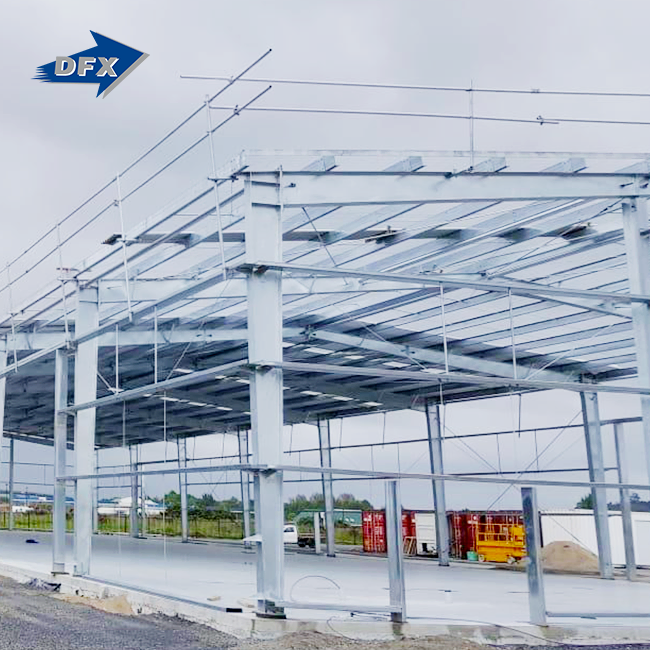
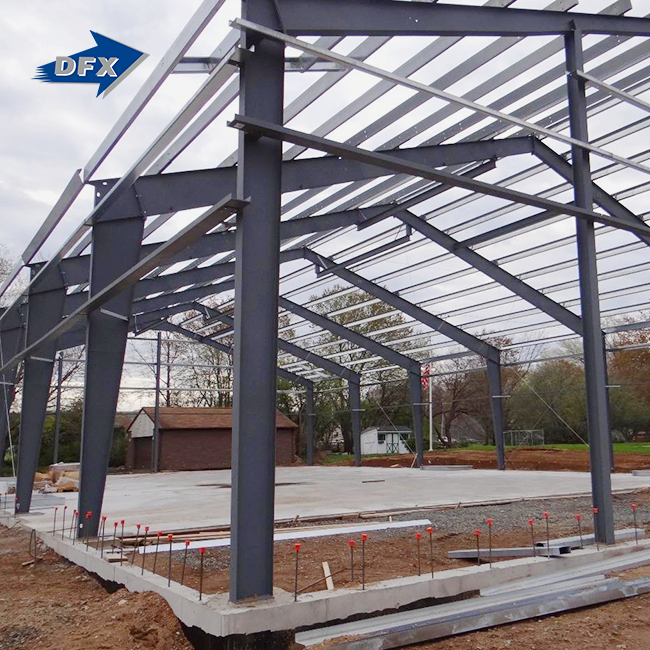
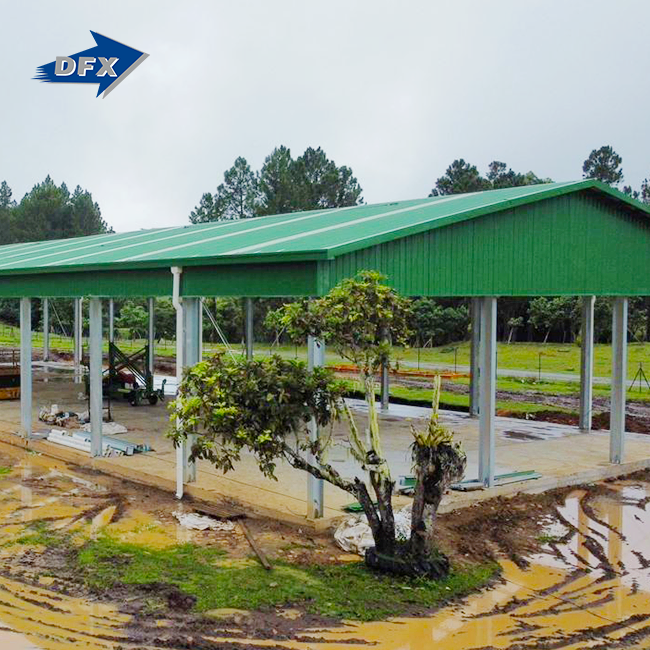
A prefabricated steel building is a complicated type of pre-engineered building (PEB). A workshop makes its structural parts, like H-section columns, beams, C/Z-section purlins, and wall or roof covering. These parts are then sent to the building site to be joined together. Unlike traditional on-site production, this method relies on accurate Building Information Modeling (BIM) to make the most of materials and make sure the building is stable before it starts being made. With the modular prefabricated steel storage building method, you don't have to guess because the parts are sent perfectly matched within ±2mm, making them easy to put together on-site.
Key Structural Components and Material Specifications
What makes industrial steel buildings work well depends on the materials that are used. The main frame systems are joined together by low-alloy high-strength steel, such as Q355B or Grade 50, which can bend more than 345 MPa. This standard ensures a high load-bearing capacity while making the materials used lighter than they would be with traditional building methods. This building has a strong frame made of H-beam steel and zinc C/Z purlins. It can withstand wind speeds of more than 120 km/h and earthquakes in Zone 4 areas, which is what AISC and Eurocode 3 say it needs to be able to do.
Types of Prefabricated Warehouses for Different Applications
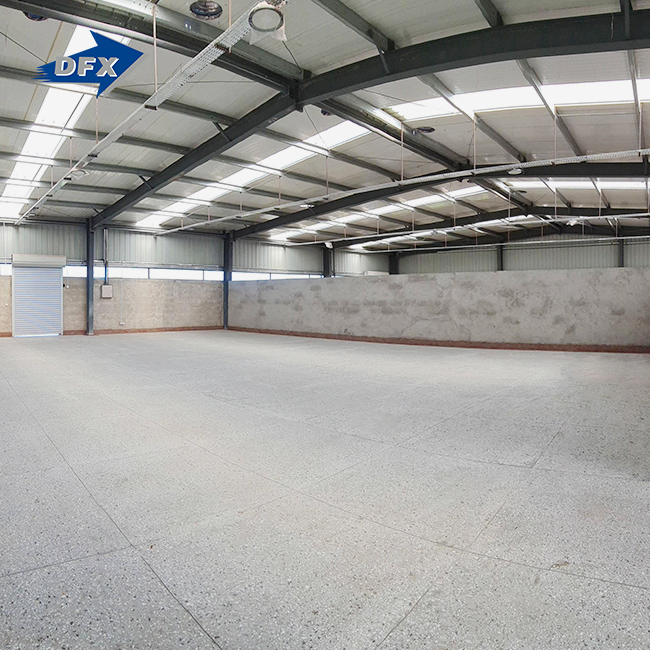
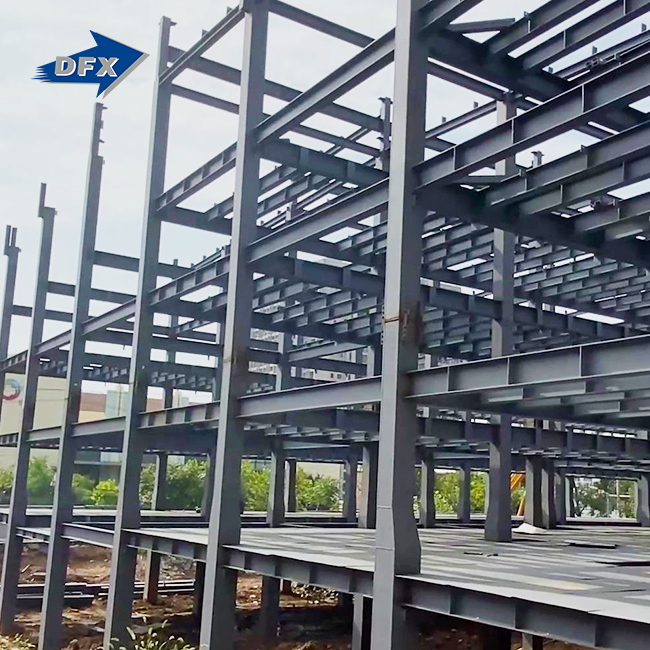
They don't have any beams inside, so the floor space is clear and can go up to 80 meters. This is great for automatic storage and rescue systems that need cars and AGVs to be able to move around without much trouble. For big buildings that need to be put together in steps, multi-span plans are a cheap way to do it. To make room for future growth, modular designs use end-wall frames that are meant to be load-bearing structures instead of solid walls. There are different types of mezzanines that work best in buildings with eave heights between 12 and 20 meters. This is very helpful for places that ship things for online stores that have to deal with a lot of them.
Benefits and Performance of Prefabricated Steel Warehouses
Steel-framed industrial buildings have benefits that go beyond the instant benefits of construction. They also have long-term operating benefits that have a big effect on your bottom line.
Speed and Cost Advantages Over Traditional Construction
When compared to concrete buildings, modular assembly cuts project timelines by 30–50%. This speeds up the return on investment for transportation operators and factory owners. Factory prefabrication cuts down on wasteful material use and eliminates the need for uncertain on-site labor costs and weather delays. This controlled production setting makes sure that the quality of each part is always the same and lets site preparation and fabrication work happen at the same time. This shortened plan is very helpful for projects that need to be occupied quickly, like seasonal transport hubs or urgent factory growth. The projects don't have to sacrifice structural soundness or safety compliance.
Durability and Structural Performance Metrics
Steel structures last a very long time. If they are properly kept, buildings can last longer than 50 years, even in harsh settings. Surface treatment methods that include grinding with Sa2.5 and then hot-dip galvanization with a zinc covering of up to 600g/m² or epoxy zinc-rich paints with a 100μm dry film thickness give strong corrosion protection that can be used in C3–C5 corrosive settings. Steel is naturally very flexible, which means it can absorb a lot of energy during dynamic loading events like earthquakes and keep structures from falling apart completely. Specialized thermal breaks and high-density polyurethane sandwich panels up to 200 mm thick help cold chain storage facilities keep temperatures as low as -30°C and stop rusting caused by condensation that is common in settings with changing temperatures.
Energy Efficiency and Sustainability Considerations
Modern built steel buildings and prefabricated steel warehouse facilities have sandwich panel covering systems that provide thermal insulation values often reaching R-30. This is important for energy-efficient climate control in a wide range of settings, from manufacturing plants that need to keep things cool to distribution centers that store cold goods. Because steel buildings have a smaller dead load than concrete ones, they don't need as much concrete for foundations, which lowers their total impact on the environment. Steel's ability to be recycled adds another level of sustainability—structural parts keep their value at the end of their useful life and can be reused or recycled without losing quality. This supports the circular economy principles that are becoming more important to procurement managers who are looking at long-term environmental commitments.
Key Factors to Consider When Planning Your Steel Warehouse
Budget Components and Cost Breakdown
To plan industrial steel buildings well, you need to make a budget that includes costs for materials, design, installation, and transportation. About 45 to 55 percent of the total cost of the project goes to materials. Engineering design and manufacturing make up 15 to 20 percent, and transportation planning and construction direction make up the rest. Customization needs, like crane frames that support high bridge cranes weighing 10 to 100 tons or specialized ventilation monitors for industrial fumes, have a big effect on prices. To make sure that material grades and manufacturing quality are clear, purchasing managers should ask for detailed quotes that include mill test reports that confirm the chemical makeup and mechanical traits in line with ASTM or GB standards.
Lead Times and Manufacturing Coordination
Manufacturing and shipping lead times depend on how complicated the plan is and where the seller is located. In global buying situations, early communication is very important. Standard warehouse setups made in China usually take 30 to 45 days to make after the plan is approved and an extra 20 to 40 days for foreign shipping, based on the port of location. Manufacturing times may be extended to 60 to 90 days for complicated projects like big industrial manufacturing plants with stronger beams designed for dynamic loads or airplane hangars needing clear widths over 60 meters. Setting realistic deadlines that take into account changes to the design, mill certifications, and customs clearance can help keep project-critical deadlines from being missed at a cost.
Scalability and Future Expansion Capabilities
Because steel warehouse systems are flexible, companies can change their designs to fit changing operating needs. This means that they can support future growth or industry-specific changes without having to make major structure changes. When load-bearing end-wall frames are used instead of non-expandable ones in the original plans, it is easy to take down end walls and add new bays. This freedom is especially helpful for manufacturing companies that are growing or for farms that are slowly increasing the number of animals they keep. When buying leaders are aware of these factors, they can balance short-term practical needs with long-term strategic goals. This way, they can avoid capacity problems that happen too soon and require whole new building projects.
How to Choose the Right Prefabricated Steel Warehouse Supplier?
Manufacturing Certifications and Quality Assurance
Selecting a reliable supplier hinges on evaluating manufacturing certifications, quality assurance protocols, and warranty offerings. ISO9001 certification demonstrates adherence to international quality management systems, while CE certification ensures conformity with European safety and environmental standards. Rigorous quality control focuses on material verification through mill test certificates documenting chemical composition; welding quality validated through ultrasonic and radiographic testing detecting internal defects; and dimensional tolerances confirmed through pre-assembly factory trials. Dry film thickness measurements using elcometers and salt spray tests exceeding 1000 hours per ASTM B117 standards verify coating durability essential for coastal applications or corrosive industrial environments.
Production Capacity and Customization Capabilities
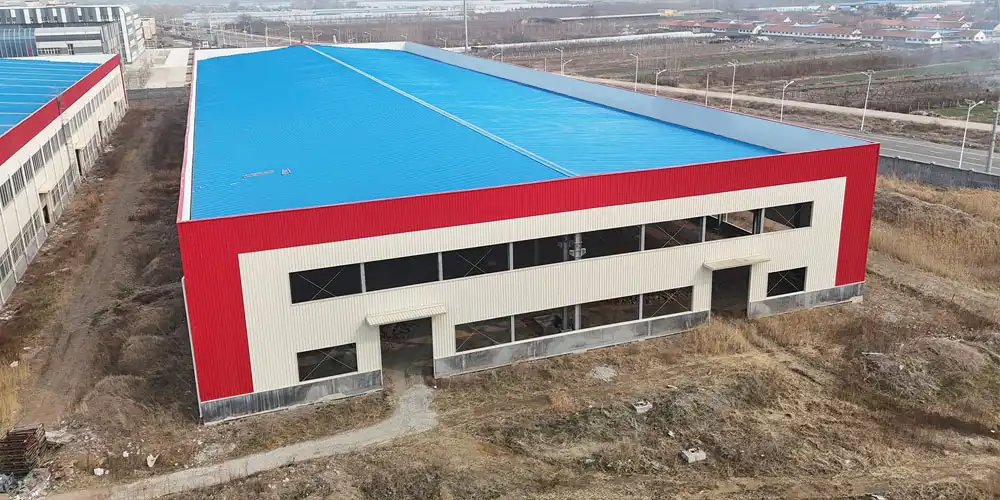
Capacity for handling bulk orders alongside flexible customization support proves vital for large-scale B2B projects involving multiple buildings or phased construction schedules. Suppliers operating substantial enclosed production space—such as facilities spanning 40,000 square meters with six automatic welded H-beam production lines, two sandwich panel lines, and dedicated C/Z section steel equipment for prefabricated steel warehouse production—demonstrate readiness for concurrent projects without compromising delivery commitments. Technical teams offering in-house architectural design and detailing services enable integrated support throughout project lifecycles, from initial concept through engineering calculations, fabrication oversight, logistics coordination, and on-site erection guidance.
Evaluating Supplier Reputation and Client Success
Comparing established manufacturers provides insight into market reputation, product consistency, and customer satisfaction metrics. Suppliers with documented experience across diverse applications—including logistics warehouses, industrial plants, agricultural buildings, and infrastructure projects—demonstrate versatility in addressing varied technical requirements and compliance standards. Client testimonials highlighting successful project completions, particularly those involving complex engineering challenges or accelerated timelines, offer tangible evidence of execution capabilities. Investigating warranty terms, after-sales service responsiveness, and technical support availability helps procurement professionals assess long-term partnership value beyond initial transaction costs.
Procurement Guide: From Inquiry to Installation
Initiating Project Inquiries and Quote Evaluation
Requesting detailed quotations begins with comprehensive project specifications, including intended use, dimensional requirements, load considerations, climate conditions, and local building code requirements. Detailed proposals should itemize primary structural components, secondary framing systems, cladding materials, accessories like doors and windows, and professional services encompassing design, fabrication quality control, shipping arrangements, and installation support. Comparing multiple quotations requires understanding not just headline pricing but also material grades, coating specifications, warranty coverage, and payment terms, including financing options for bulk purchases that preserve working capital during extended construction cycles.
Installation Process and Professional Services
Installation processes are streamlined through professional erection services, ensuring adherence to design specifications and safety standards. Experienced installation teams familiar with bolted assembly techniques achieve faster project completion while minimizing field modifications that compromise structural calculations. Foundation precision proves critical—anchor bolt positioning within 5mm tolerance ensures proper alignment with factory-fabricated column base plates, preventing expensive corrective measures. Coordinating installation timing with site readiness, weather windows, and material deliveries requires proactive communication between procurement teams, general contractors, and steel fabricators to maintain schedule integrity.
Post-Installation Support and Maintenance
Ongoing maintenance programs and warranty coverage support operational reliability throughout the prefabricated steel warehouse lifespan. Routine inspections focusing on connection tightness, coating condition, and drainage system functionality prevent minor issues from escalating into costly repairs. Suppliers offering maintenance guidance specific to environmental conditions—such as increased inspection frequency for coastal installations or cold storage facilities experiencing thermal cycling—demonstrate commitment to long-term client success. Understanding warranty terms covering structural components, coating systems, and accessories enables procurement professionals to budget accurately for lifecycle costs while holding suppliers accountable for performance guarantees.
Conclusion
Prefabricated steel warehouse structures deliver tangible advantages for procurement professionals managing industrial construction projects across manufacturing, logistics, agriculture, and infrastructure sectors. The combination of accelerated timelines, cost predictability, structural durability, and expansion flexibility addresses core concerns driving B2B purchasing decisions. Successful implementation requires thorough planning encompassing budget realities, realistic scheduling, quality assurance verification, and supplier selection based on certifications, production capacity, and documented performance. Understanding technical specifications, material properties, and installation requirements empowers informed decisions yielding efficient industrial spaces aligned with both immediate operational needs and strategic growth objectives.
FAQ
1. Can prefabricated warehouses support rooftop solar installations?
Rooftop photovoltaic systems add approximately 15-20 kg/m² of dead load, requiring calculation during initial structural design. Standing seam roof clamps attach panels without penetrating roof sheets, preserving waterproofing integrity. Our engineering team incorporates solar load considerations into beam sizing and purlin spacing specifications, enabling renewable energy integration without compromising structural safety or warranty coverage.
2. How do steel warehouses perform in extreme cold climates?
Specialized thermal breaks and high-density insulation panels up to 200mm thick maintain stable interior temperatures even in regions experiencing -30°C conditions. Steel structures treated with appropriate coatings resist embrittlement at low temperatures while preventing condensation-induced corrosion. Properly engineered systems deliver reliable performance across diverse climate zones from tropical coastal areas to frigid continental interiors.
3. What foundation requirements differ from concrete buildings?
The lighter dead load of prefabricated steel structures often reduces foundation sizes compared to concrete alternatives, lowering excavation and material costs. However, anchor bolt positioning demands precision within a 5 mm tolerance to match factory-fabricated base plates. Foundation designs must account for column reactions and moment forces calculated during structural engineering, with soil conditions assessed through geotechnical investigations informing appropriate footing specifications.
Partner with DFX for Your Industrial Steel Structure Needs
Director Steel Structure (DFX) brings over 12 years of specialized experience manufacturing prefabricated steel warehouses for global clients across construction, manufacturing, and agricultural industries. Our 40,000-square-meter production facility equipped with six automatic H-beam lines and dedicated C/Z purlin equipment produces approximately 20,000 tons of structural components annually, ensuring capacity for your project timeline. ISO9001 and CE certifications validate our commitment to international quality standards, while our in-house design team provides comprehensive engineering calculation, fabrication oversight, logistics coordination, and erection guidance from concept through completion. Procurement managers seeking a reliable prefabricated steel warehouse supplier benefit from our turnkey approach addressing every project phase. Contact jason@bigdirector.com today to discuss your specific requirements and receive a detailed quotation tailored to your industrial space objectives.
References
1. American Institute of Steel Construction. (2016). Steel Construction Manual (15th ed.). Chicago: AISC.
2. Davies, J. M. (2019). Light Gauge Steel Structures: Recent Advances and Future Trends. Oxford: Wiley-Blackwell.
3. Trahair, N. S., Bradford, M. A., Nethercot, D. A., & Gardner, L. (2017). The Behaviour and Design of Steel Structures to EC3 (5th ed.). Boca Raton: CRC Press.
4. Newman, A. (2014). Metal Building Systems: Design and Specifications (3rd ed.). New York: McGraw-Hill Professional.
5. Lawson, R. M., & Ogden, R. G. (2008). Application of Modular Construction in High-Rise Buildings. Journal of Architectural Engineering, 14(2), 148-153.
6. Gorgolewski, M. (2017). Resource Salvation: The Architecture of Reuse. Chichester: John Wiley & Sons.
Learn about our latest products and discounts through SMS or email