- English
- French
- German
- Portuguese
- Spanish
- Russian
- Japanese
- Korean
- Arabic
- Greek
- German
- Turkish
- Italian
- Danish
- Romanian
- Indonesian
- Czech
- Afrikaans
- Swedish
- Polish
- Basque
- Catalan
- Esperanto
- Hindi
- Lao
- Albanian
- Amharic
- Armenian
- Azerbaijani
- Belarusian
- Bengali
- Bosnian
- Bulgarian
- Cebuano
- Chichewa
- Corsican
- Croatian
- Dutch
- Estonian
- Filipino
- Finnish
- Frisian
- Galician
- Georgian
- Gujarati
- Haitian
- Hausa
- Hawaiian
- Hebrew
- Hmong
- Hungarian
- Icelandic
- Igbo
- Javanese
- Kannada
- Kazakh
- Khmer
- Kurdish
- Kyrgyz
- Latin
- Latvian
- Lithuanian
- Luxembou..
- Macedonian
- Malagasy
- Malay
- Malayalam
- Maltese
- Maori
- Marathi
- Mongolian
- Burmese
- Nepali
- Norwegian
- Pashto
- Persian
- Punjabi
- Serbian
- Sesotho
- Sinhala
- Slovak
- Slovenian
- Somali
- Samoan
- Scots Gaelic
- Shona
- Sindhi
- Sundanese
- Swahili
- Tajik
- Tamil
- Telugu
- Thai
- Ukrainian
- Urdu
- Uzbek
- Vietnamese
- Welsh
- Xhosa
- Yiddish
- Yoruba
- Zulu
Equipment Protection Shed vs Traditional Storage Buildings
When project managers and procurement directors evaluate storage solutions for industrial equipment, the choice often narrows to two main options: the Equipment Protection Shed and traditional storage buildings. An Equipment Protection Shed delivers a specialized enclosure designed specifically for machinery protection, offering faster deployment, lower initial investment, and superior adaptability compared to conventional structures. Traditional buildings provide permanence and larger capacity but demand higher costs and extended construction timelines. Understanding these differences empowers construction contractors, manufacturing companies, and agricultural operators to select the optimal solution aligned with project timelines, budget constraints, and operational requirements.
Understanding Equipment Protection Sheds and Traditional Storage Buildings
The main difference between these two storage methods is how they are designed and what they are meant to be used for. We've made decisions for hundreds of clients in the manufacturing, construction, and farming industries, and the main factors that guide our choices are always how quickly the project needs to be done, how much the equipment is worth, and the state of the site.
What Defines an Equipment Protection Shed
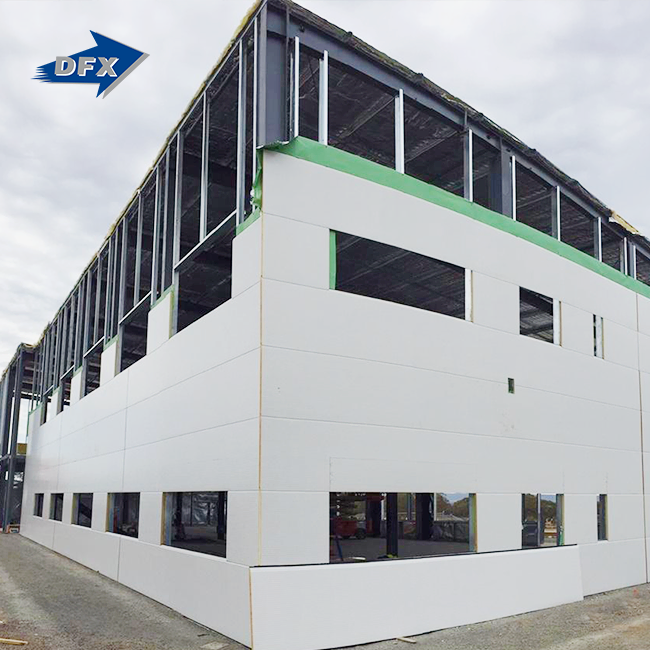
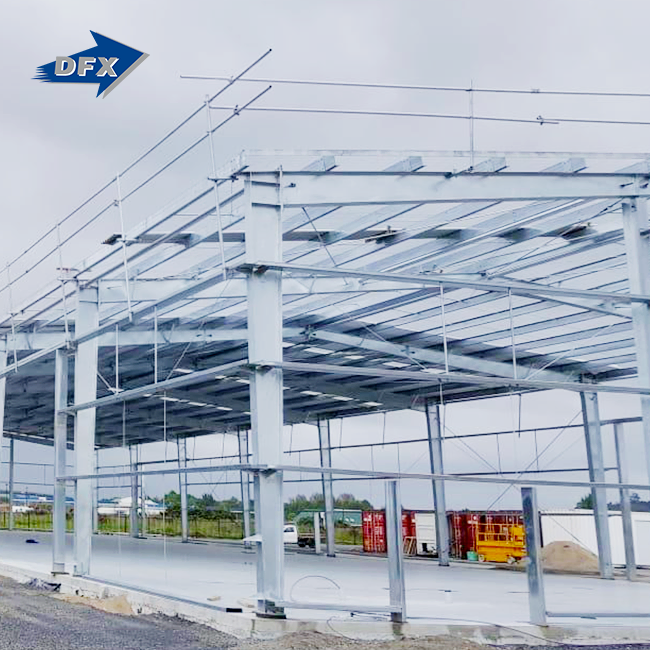
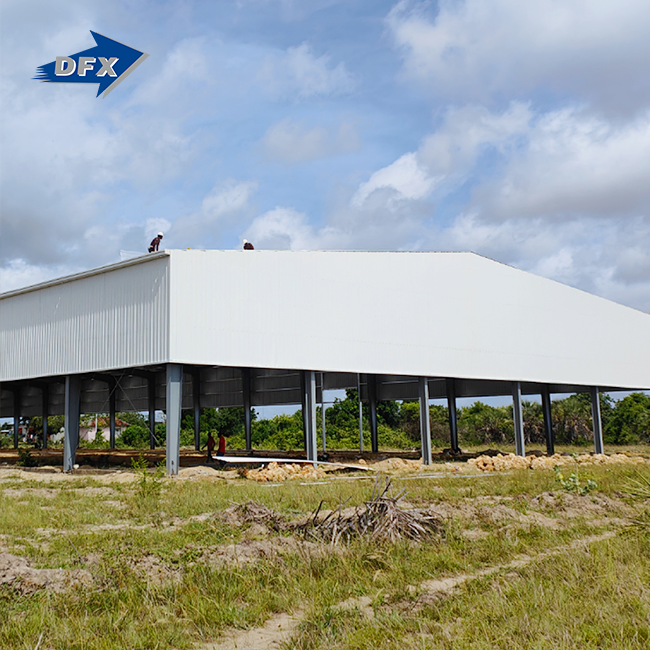
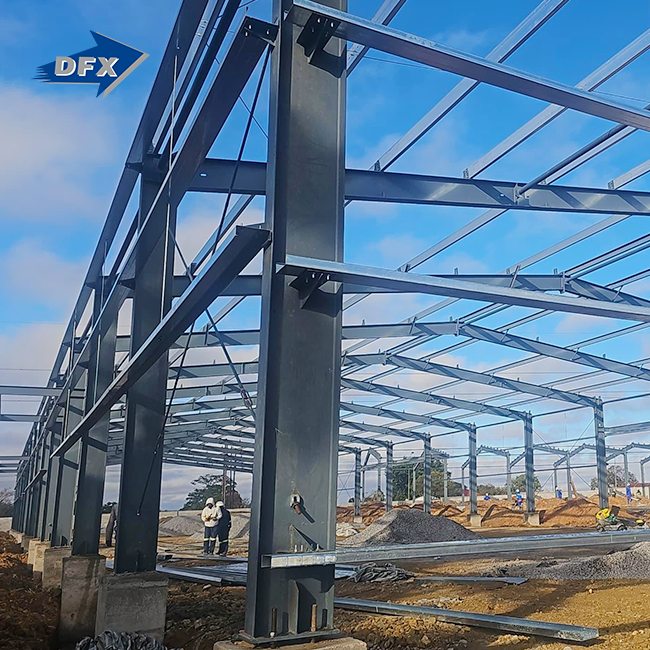
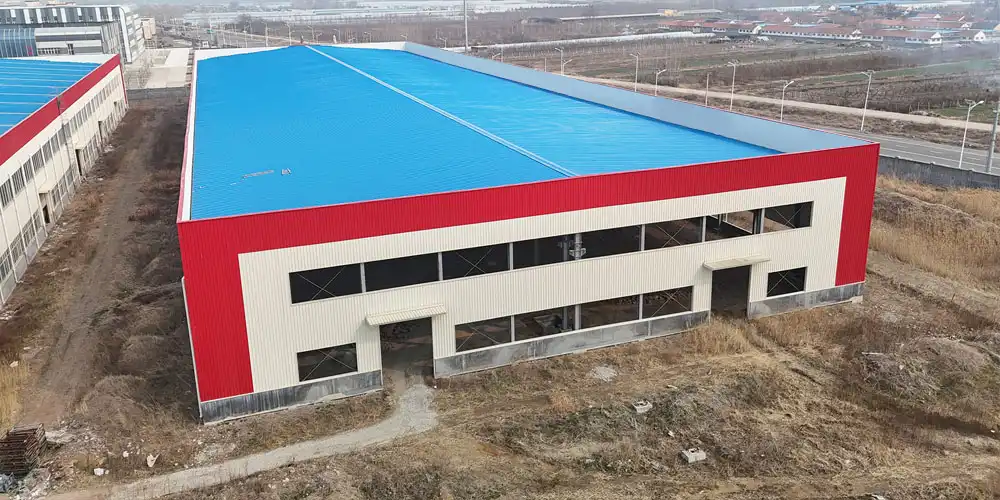
An Equipment Protection Shed is a steel building that is designed to protect expensive machinery from damage in the environment. These buildings are made with H-section beams and column frames and C/Z galvanised purlins. Depending on ventilation needs, they can be fully enclosed or have open sides. Because they are modular, they can be set up in weeks instead of months, which makes them perfect for construction sites that need to store equipment right away or farms that need to store things during the off-season. Our factory in China makes these sheds, and they have ISO9007, CE, COC, and PVOC certifications. This means that they meet international safety standards and keep their prices low.
Traditional Storage Buildings Explained
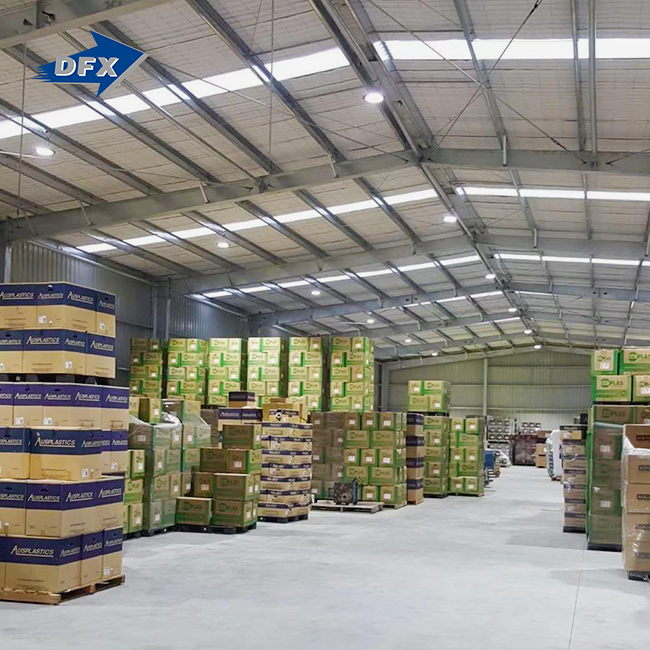
Traditional storage buildings include sheds made of brick and mortar, workshops with wooden frames, and fixed steel structures with concrete bases. In addition to storing tools, these buildings are often used for other things, like administrative offices, long-term inventory management, or keeping private materials in a climate-controlled space. Construction can take anywhere from a few months to over a year because the site has to be fully prepared, foundation work has to be done, and building permits have to be obtained. The inflexibility is a problem when operational needs change or project sites move. The permanence is a benefit for established facilities that plan to stay open for decades.
Common Industrial Applications
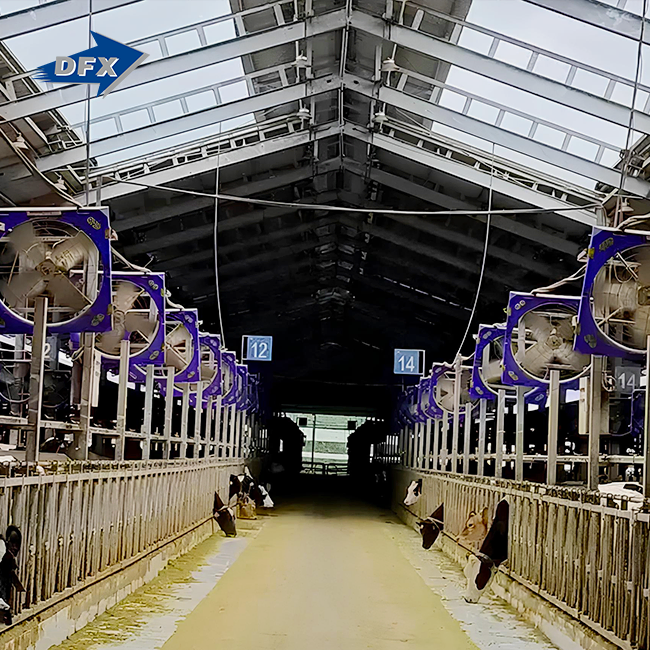
Both of these storage options are very important in many different types of industries. During airport hangar projects or business building developments, construction companies use Equipment Protection Sheds to store tools on-site. Companies that make things use these sheds to store repair tools next to production lines. This keeps the tools out of the weather and makes them easy to get to. Agricultural businesses rely on open-sided versions to store hay and park vehicles because wind keeps wetness from building up. When temperature control, large shelving systems, or connection with current facility infrastructure are needed, traditional buildings are the best choice.
Comparing Material, Design, and Performance Attributes
Long-term performance, upkeep costs, and operating efficiency are all affected by the materials used and the way the structure is designed. Knowing about these technical differences helps procurement managers explain why they're allocating budgets and estimate how much the whole project will cost.
Construction Materials and Structural Systems
Modern Gear Protection: Most sheds are composed of hot-rolled steel H-beams, which have high strength-to-weight ratios and can survive 200 km/h wind velocities in open industrial environments. Galvanised C/Z purlins won't rust for 25 years without painting. This is preferable to painted steel, which needs maintenance every 5–7 years. Wall cladding might be corrugated steel sheets, sandwich insulation panels, or open designs, depending on the climate. Traditional structures employ concrete block walls for fire protection, wood frames for low-cost farming buildings, and insulated aluminum panels for climate-controlled rooms. A variety of materials serve more practical demands, but also complicate design and slow construction.
Design Considerations for Industrial Environments
Initial discussions about buying something sometimes overlook ventilation, a key design element. Protecting equipment from moisture and corrosion requires strategically placed louvres or roof vents in enclosed shelters. Open-sided designs allow airflow, making them ideal for diesel-powered machinery that emits exhaust fumes or agricultural purposes that store moldy organic waste. Practical efficiency is greatly affected by accessibility design. Wide roller doors accommodate large farm tractors, and panic-gear people doors satisfy enclosed maintenance area safety regulations. Traditional structures can better accommodate loading docks and overhead crane systems, but they cost more.
Durability and Maintenance Requirements
Modern Equipment Protection Sheds are sturdy in tough weather thanks to galvanized steel. Our clients, who manage poultry farms on wet shores, claim the structures have kept up well for almost twenty years with occasional door lock lubrication. Traditional brick structures may survive natural loads, but foundations slump, mortar cracks, and water gets in through ancient seams. Termite treatments, siding replacement, and roof membrane upkeep are needed for wooden buildings. Procurement managers must consider these continuing upkeep expenditures in the total cost of ownership, which might exceed 15% of the building's original cost over 20 years.
Evaluating Cost, Installation, and Operational Efficiency
Budget concerns go beyond the initial buy price and include installation labour, business interruptions during building, and the long-term return on investment through better asset protection.
Initial Investment and Long-Term ROI
When comparing the cost per square metre of covered space, Equipment Protection Sheds typically cost 40 to 60 percent less than comparable traditional buildings. The price of a normal 500-square-meter protective shed could be anywhere from $25,000 to $45,000, based on the size and needs for preparing the site. Traditional buildings of the same size start at about $75,000 and go up depending on how complicated the foundation is, how the inside is finished, and how many utilities are installed. When replacement costs for equipment are taken into account, the ROI calculation changes. For example, an unprotected excavator that is worn down faster by the weather can lose $50,000 in resale value over five years, which is a lot more than the cost of the protective shed. Manufacturing clients always say that the payback time is between 3 and 5 years because they don't have to fix their equipment as often and it lasts longer.
Installation Timeline and Site Impact
Because Equipment Protection Sheds are made up of separate modules, they can be put together in just two to four weeks from the time the foundations are finished until they are ready to use. Pre-engineered parts are made to exact specs and only need to be bolted together, so they don't need any special tools for building. Traditional buildings need a lot of work to be done on the site, like digging for foundations, waiting for concrete to harden, and building them in stages that take at least six months. This difference in time frames is very important for construction companies with tight project schedules or manufacturers with tight deadlines for production growth. When there is less site disruption, secondary costs like moving equipment, lost output, and coordination problems are also lower.
Energy Efficiency and Environmental Impact
Sandwich panel construction with polyurethane foam insulation gets thermal efficiency that is good for storing equipment that needs to be kept at a certain temperature, but in most industrial settings, airflow is more important than insulation. When housing temperature-sensitive equipment or combining office areas, traditional buildings are better at insulation. However, the process of making them produces a lot more carbon dioxide through the production of concrete and the extended use of machinery. Agricultural clients are becoming more concerned with ecology, so the smaller impact steel buildings have on the environment is becoming an important factor in the buying process. When the building is taken down, the steel parts can still be recycled in their entirety, which is different from traditional mixed-material buildings that create trash that needs to be dumped.
Suitability and Decision Factors for B2B Procurement
In order to find storage solutions that meet operational needs, it is necessary to carefully look at the features of the equipment, the rules that apply, and the flexibility that will be needed in the future.
Equipment Size and Operational Capacity
Large-span steel structures can hold heavy tools without having to deal with internal support beams that get in the way. Construction companies that store mobile cranes or farms that store combine harvesters can benefit from clear-span designs that are up to 30 meters wide. In traditional buildings, interior columns are usually placed closer together, which makes it harder to navigate and limits how equipment can be set up. Both volume and height are important. For example, repair sheds need enough space for moving tools, while hay storage needs a lot of space for bulk goods. While both solutions can be customised to meet specific size needs, Equipment Protection Sheds can be changed to fit non-standard requirements more easily and at a lower cost.
Safety and Compliance Standards
More and more strict safety rules say that industrial storage buildings must be able to fight fire, support heavy loads, and keep out the environment. Equipment Protection Sheds made to CE standards have fire-resistant coatings and structural designs that have been tested for certain snow and wind loads. This is shown by engineering certifications that are sent with every shipment. Regular buildings are inspected by local authorities while they are being built. This makes sure that the rules are followed, but it can be time-consuming and difficult to deal with disagreements about how to understand the rules. Storing dangerous materials is more complicated because of the need for containment berms, ventilation, and electrical systems that can't explode. However, both types of storage can handle these extra challenges with the help of special engineering.
Customization and Practical Applications
A building company in the Midwest recently needed to store some equipment next to a busy airport runway. They had to do this quickly and in a way that didn't look bad. As a solution, a fully enclosed Equipment Protection Shed with insulated panels that matched the colours of the airport buildings was put up during the 10 days between repair plans for the runway. In that amount of time, it would not have been possible to do traditional building. On the other hand, an expansion in the pharmaceutical manufacturing industry needed climate-controlled storage that could work with the existing HVAC systems, clean room protocols, and permanent architectural finishes. This was a clear case for using traditional building methods. These real-life examples show how constraints specific to the project determine the best solution.
Brand, Supplier, and Service Considerations for Procurement Managers
The choice of vendor has just as much of an effect on the success of a project as the technical requirements. Long-term happiness depends on the manufacturer's skills, service infrastructure, and the flexibility of the contract.
Manufacturer Capabilities and Certifications
Since 2011, we've been in business as Director Steel Structure, building up our production skills to meet the needs of B2B buyers. Our 40,000-square-meter factory has six automatic welded H-beam lines that make 20,000 tonnes of beams every year, as well as specialised C/Z section steel lines that make 8,000 tonnes of purlins. This vertical integration makes sure that all of the building parts are of high quality and keeps prices low by making production more efficient. The ISO9007 quality management system controls every step of the production process, from checking the raw materials to testing the final load. CE certification shows that the product meets European safety standards, which are becoming more and more important to international clients who want to standardise their tools around the world. COC and PVOC certificates make it easier to clear customs in many African areas where building companies work on projects.
Design and Installation Support Services
For Equipment Protection Shed deployment to go smoothly, more than just delivering parts is needed. Products become useful assets with the help of combined design, engineering, and installation advice. Every order comes with standard and custom structural calculations, foundation specifications, and assembly drawings from our architectural design team. This "turnkey" approach is especially helpful for construction companies that are working on multiple projects at once and don't have their own structural engineering staff. Help with installation can come in many forms, from detailed instructions for clients to do it themselves to technical supervision on-site to coordinate local work crews. When compared to standard building timelines that are measured in quarters, the short production cycle—usually four to six weeks from order confirmation to shipment—allows projects to be started quickly.
Pricing Models and Procurement Optimization
Large developers who want to store standard equipment at multiple sites can take advantage of volume pricing, which offers discounts ranging from 8% for orders of three units to 15% for orders of ten or more structures. Project-based procurement is similar to how most customers buy things, where contractors bid on specific building projects that need Equipment Protection Shed solutions. Mid-sized manufacturing businesses can better control their cash flow when they have flexible payment terms, such as payments that are made in stages based on output milestones. Due to the cost of transportation, steel structure rental options are still not common. However, some clients buy structures with resale clauses for temporary project sites. Pricing that is clear and doesn't include any hidden costs for engineering, certifications, or standard customisations helps build trust and makes it easier for procurement managers to get budget approvals.
Conclusion
Ultimately, project priorities, operational timelines, and budget constraints will determine whether Equipment Protection Sheds or traditional storage buildings are chosen. Steel protection structures are the fastest, most cost-effective, and most flexible way for contractors, manufacturers, and farm operators to meet the equipment needs of specific projects. Traditional buildings are still better for permanent spaces that need to be customised a lot or work with the current infrastructure. Our work with more than 200 clients a year has taught us that the best way to make procurement decisions is to be clear about what is needed, look at timelines realistically, and work with manufacturers who offer full support from design to installation. The modular steel method keeps growing its market share as business owners focus on being flexible and saving money on capital.
FAQ
Q1: What are the primary advantages of equipment protection sheds over traditional buildings?
Equipment Protection Sheds have three great benefits that project managers with tight deadlines will really like. Installation is done in weeks instead of months, which cuts down on project delays and the risk of tools being damaged. When compared to traditional building, the 40–60% cost savings free up cash for core operating investments while still protecting against the weather in the same way. Structures that can be relocated can be moved between project sites or changed to fit new facility layouts. This makes the best use of assets over the course of a company's life.
Q2: How should we maintain equipment sheds to maximize longevity?
Maintenance done once a year takes very little work but greatly extends the life of the structure. Check the weatherstripping and door hardware twice a year, and lubricate the hinges and replace any worn seals to keep the weather out. Clear out the valleys and gutters of your roof of any debris to keep water from building up and speeding up corrosion. After bad weather, make sure the base support bolts are still tight. The galvanised steel construction naturally fights rust, so it doesn't need to be painted like standard buildings do.
Q3: Can these structures be customized for specific operational needs?
Customisation is one of the best things about modern steel fabrication. Our design team often changes standard sizes, adds features that are special to equipment like crane rails or loft storage, and changes the plan of the cladding from fully covered to partly open. Our engineering process can handle special requests like insulated panels for temperature control, electrical systems that won't explode, or cladding that looks like the existing buildings at a reasonable extra cost.
Connect with DFX for Your Next Equipment Protection Shed Project
The people who work at DFX are experts at making custom steel structure solutions that solve the real problems that builders, manufacturers, and farmers face every day. We know that each project has its own challenges, such as a limited budget, tight deadlines, and difficult access to the site. That's why our focus is on fixing real problems instead of making generic product catalogues. We have been making Equipment Protection Sheds for over 12 years and have the engineering know-how, certified quality systems, and quick customer service that procurement managers depend on. Email Jason at jason@bigdirector.com to talk about how you want to store your equipment, get detailed technical specifications, or get a full project quote. Our short production cycles and integrated design help make it easier for you to buy what you need, so your investments are covered faster.
References
1. American Institute of Steel Construction. (2022). "Steel Construction Manual: Design Standards for Industrial Buildings." AISC Publications.
2. Construction Industry Institute. (2021). "Modular Construction Best Practices for Equipment Storage Facilities." CII Research Report.
3. National Frame Builders Association. (2023). "Comparative Analysis of Agricultural Building Systems: Cost and Performance Metrics." NFBA Technical Bulletin.
4. International Code Council. (2021). "International Building Code: Steel Structure Requirements for Industrial Applications." ICC Standards.
5. Society for Mining, Metallurgy & Exploration. (2020). "Equipment Protection Strategies in Industrial Environments: Material Selection and Design Considerations." SME Technical Paper.
6. Agricultural Engineering Association. (2022). "Farm Building Design Guide: Equipment Storage Solutions for Modern Agricultural Operations." AEA Industry Report.
Learn about our latest products and discounts through SMS or email