- English
- French
- German
- Portuguese
- Spanish
- Russian
- Japanese
- Korean
- Arabic
- Greek
- German
- Turkish
- Italian
- Danish
- Romanian
- Indonesian
- Czech
- Afrikaans
- Swedish
- Polish
- Basque
- Catalan
- Esperanto
- Hindi
- Lao
- Albanian
- Amharic
- Armenian
- Azerbaijani
- Belarusian
- Bengali
- Bosnian
- Bulgarian
- Cebuano
- Chichewa
- Corsican
- Croatian
- Dutch
- Estonian
- Filipino
- Finnish
- Frisian
- Galician
- Georgian
- Gujarati
- Haitian
- Hausa
- Hawaiian
- Hebrew
- Hmong
- Hungarian
- Icelandic
- Igbo
- Javanese
- Kannada
- Kazakh
- Khmer
- Kurdish
- Kyrgyz
- Latin
- Latvian
- Lithuanian
- Luxembou..
- Macedonian
- Malagasy
- Malay
- Malayalam
- Maltese
- Maori
- Marathi
- Mongolian
- Burmese
- Nepali
- Norwegian
- Pashto
- Persian
- Punjabi
- Serbian
- Sesotho
- Sinhala
- Slovak
- Slovenian
- Somali
- Samoan
- Scots Gaelic
- Shona
- Sindhi
- Sundanese
- Swahili
- Tajik
- Tamil
- Telugu
- Thai
- Ukrainian
- Urdu
- Uzbek
- Vietnamese
- Welsh
- Xhosa
- Yiddish
- Yoruba
- Zulu
How Can an Industrial Fuel Storage Shed Prevent Fuel Spills?
An Industrial Fuel Storage Shed prevents fuel spills through engineered secondary containment systems, durable construction materials, and strategic design features that isolate hazardous liquids from the environment. These specialized structures incorporate bunded floors capable of holding at least 110% of the largest container's volume, fire-resistant steel frameworks, and controlled ventilation to manage vapor buildup. By addressing equipment failure points and human error vulnerabilities through robust containment barriers and regulatory-compliant design, these sheds provide a critical safeguard for operations handling diesel, gasoline, and other volatile fuels across manufacturing, construction, and agricultural sectors.

Understanding Fuel Spills in Industrial Storage
Managing fuel on-site has big operational benefits, but it also comes with environmental and financial risks that procurement managers can't ignore. Fuel spills happen more often than many facility operators realize on construction sites, in factories, and on farms. The effects can range from fines from the government to contamination of groundwater.
Common Causes of Fuel Spills
Wear and tear on equipment is one of the main causes of unintended fuel releases. Tanks that are corroded, seals that are worn out, and valves that are getting old all lose their integrity over time. This lets small leaks build up into big environmental problems over time. These risks are made worse by mistakes made by people during refills, like overfilling containers, making bad hose connections, or forgetting to bring spill kits. When facilities aren't designed well, like when fuel storage is put near drains or on uneven areas without enough protection, small leaks can become big contamination events.
Financial and Regulatory Consequences
Under the Clean Water Act, the Environmental Protection Agency has strict responsibility rules and fines people who spill oil into the water an average of $25,000. In addition to the fines they have to pay right away, businesses often have to pay more than $100,000 to fix problems with their soil and groundwater. Construction companies working on big infrastructure projects could lose their contracts if their fuel management protocols fail an inspection. During environmental cleanup, manufacturing companies might have to stop making things.
When project managers and procurement teams know about these weaknesses, they can see why investing in purpose-built containment infrastructure is a good way to manage risk and not just a waste of money.
How Industrial Fuel Storage Sheds Minimize Fuel Spill Risks
To stop spills from happening, you need walls that are built to limit the fuel where it starts, instead of fixing problems after they happen. Modern structures for storing fuel have many safety layers that are made to deal with the specific types of failure that happen in industry settings.
Secondary Containment Systems
Secondary containment, which is a barrier that doesn't leak around primary fuel containers, is the most important part of preventing spills. High-performance Industrial Fuel Storage Sheds have welded steel sumps or bunded floors that are built to hold all the fuel that is stored plus an extra amount for safety. This plan makes sure that even if the tank completely fails, the water will stay inside the building and not leak into the ground. The container floor usually has chemical-resistant coatings that keep petroleum products from breaking down the steel base, so it stays strong for decades of use.
Material Selection and Structural Durability
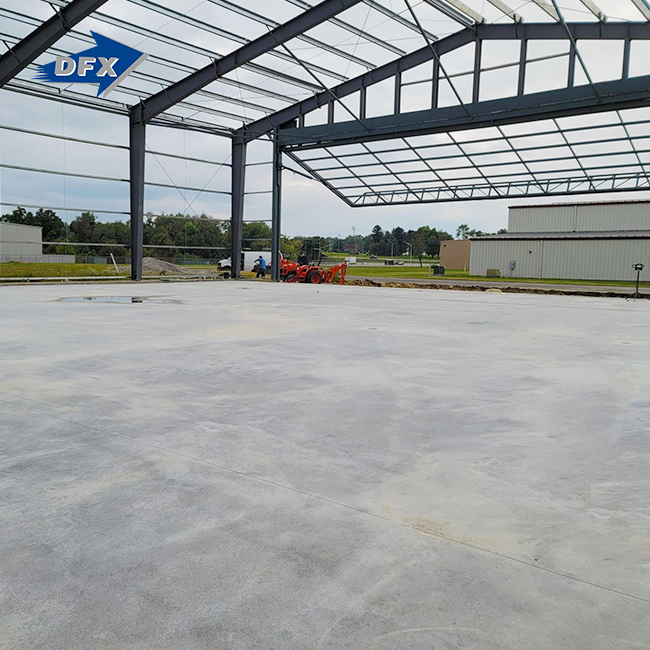
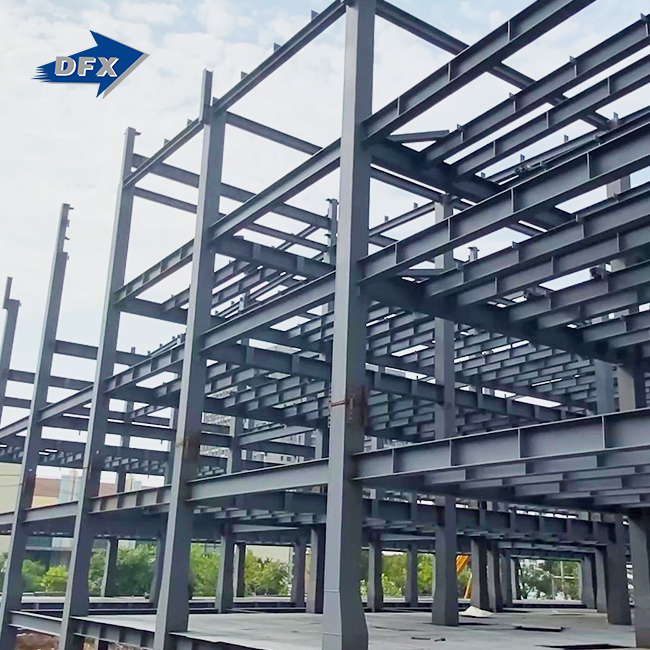
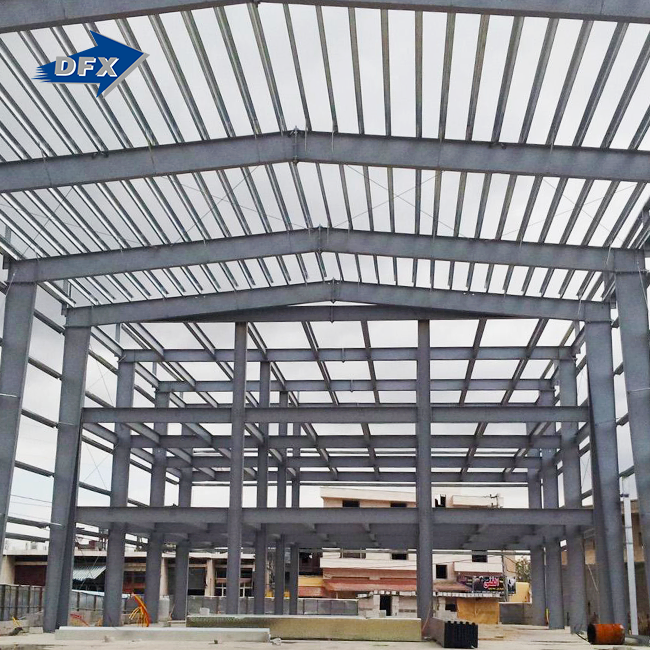
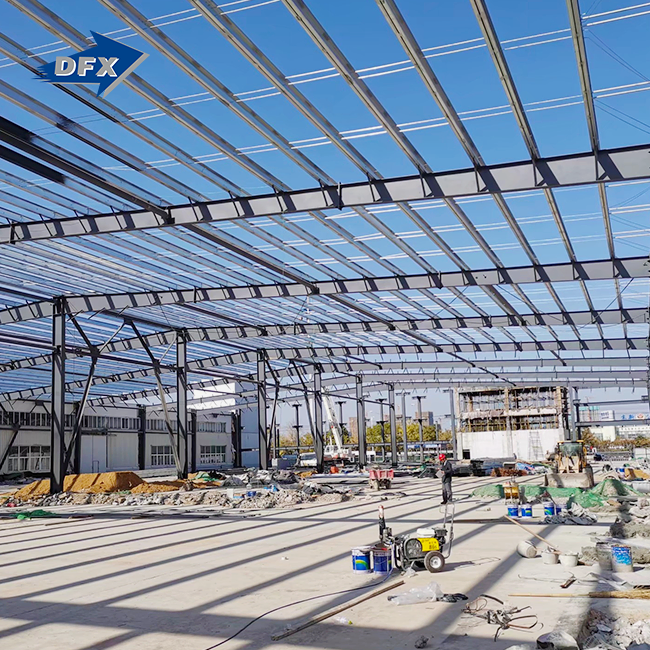
Using H-section beams and columns in steel construction gives the building the strength to hold heavy fuel tanks and stand up to weather pressures. The secondary framework is made up of galvanized C and Z purlins, which protect against corrosion in damp places where fuel vapors and changes in temperature make metal break down faster. The types of cladding—whether they are fully covered panels or partly open configurations—directly affect how well they contain spills. Designs with closed sides keep out rain that could overflow containment sumps, while designs with open sides let air flow in places where controlling vapor is important.
Fire Safety Integration
Because storing fuel naturally poses a risk of starting a fire, building that is fire-resistant is a must. Good sheds have flame-resistant roof and wall sections that keep the heat from breaking down during fires, giving rescue workers more time to get there. Ventilation systems that keep airflow below the Lower Explosive Limit stop the buildup of vapor that could cause a deflagration. Grounding devices get rid of the static electricity that is created when fuel is transferred. This gets rid of a frequent source of ignition in industrial settings.
Regulatory Compliance Framework
To meet the EPA's 40 CFR 112 standards for Spill Prevention, Control, and Countermeasure (SPCC) plans, you need to keep records of the structure's size and ability to control. Sheds that are built to meet regulations make the process of getting permits and inspections easier. Manufacturing that is ISO 9001-certified guarantees consistent quality across production runs, and manufacturing that is CE-certified proves compliance with international safety standards. This is especially helpful for EPC contractors managing projects across borders where regulations are different.
Types of Industrial Fuel Storage Sheds and Their Spill Prevention Capabilities
To choose the right fuel storage infrastructure, you need to know how the different shed configurations meet operational needs and site limitations.
Prefabricated Versus Custom-Built Solutions
Prefabricated sheds made in controlled factory settings offer stability and cut down on project timelines. These standard units come with pre-engineered containment systems, approved load limits, and proof that they follow all environmental rules. The reliable lead times—often as little as four to six weeks from order to delivery—are great for construction project managers who have to stick to tight plans. The flexible design makes it easy to move when project sites change, which protects the investment in capital across many job sites.
Custom-built designs are useful for businesses that have specific containment needs or limited space. Customized sizes that make the most of usable floor space are helpful for factories that want to add fuel storage to their existing production layouts. Agricultural operations that need to store a lot of diesel for their fleets of equipment may need more containment space than what is normally required by prefabricated specifications. Engineers work directly with fabricators to specify things like stronger foundations for areas prone to earthquakes or better insulation for places with extreme weather.
Material Considerations
Steel is still the most common material used in industry because it is strong for its weight and doesn't catch fire. Forklifts and other common material-moving machines in industrial yards can't damage the heavy-gauge galvanized steel construction. The natural resilience means that it will last for decades with only minor care needed, like checking the coating every so often. When marine-grade anti-corrosion treatments are properly specified, steel structures work reliably in coastal areas where salt air breaks down less durable materials more quickly.
Capacity and Sizing Optimization
When figuring out the containment volume, you have to take into account all of the fuel on hand plus enough freeboard to allow water for fighting fires or rain to build up. A building with three 500-gallon diesel tanks needs a containment sump that can hold at least 550 gallons, which is 110% of the largest tank's capacity. Project engineers have to balance the need for containment with the amount of space on the site. They do this because they know that sheds that are too big take up valuable space and structures that are too small fail compliance audits. The best layout gives enough space for safe fuel transfer operations while keeping the building's footprint as small as possible.
Best Practices for Maintaining Industrial Fuel Storage Sheds to Prevent Spills
Even the best infrastructure loses its usefulness if it isn't maintained regularly in a way that finds problems before they happen.
Scheduled Inspection Protocols
Visual checks once a week are the best way to catch problems early before they get worse. Operations staff should look for cracks in containment floors, holes in door locks that let water in, and make sure that air louvers are still free of debris. Technical checks done every three months by trained maintenance staff go deeper. Ultrasonic thickness gages are used to find corrosion in steel panels, and containment seams are pressure-tested to make sure they are leak-proof. Recording the outcomes of inspections creates a history of compliance that is useful for regulatory checks.
Ventilation and Vapor Management
When there is enough movement, flammable fumes don't build up and pose an explosion risk. At the roof's peaks, passive gravity vents let lighter-than-air fuel vapors escape, and lower entry vents bring fresh air into the building. Mechanical air systems should give at least one cubic foot per minute per square foot of floor space in Industrial Fuel Storage Sheds that are closed off and store volatile liquids. Safety systems work as they should by regularly checking that fans work at the right flow rates and that vapor sensors set off alarms at the right levels.
Spill Response Preparedness
Keeping spill kits in the storage shed with absorbent pads, booms, and neutralizing agents on hand lets you respond right away to small leaks. When people are trained in containment procedures like putting up barriers, turning on emergency shutoffs, and alerting environmental coordinators, less fuel gets into containment systems when there are transfer accidents. Drills are held once a year to model leak situations and test both the functionality of tools and the ability of people to respond effectively under pressure.
Real-World Applications: Spill Prevention Through Proper Storage Infrastructure
By looking at how companies in various industries use fuel storage solutions, we can learn useful lessons that can be used in a wide range of operational situations.
Construction Site Implementation
An EPC contractor in Texas was in charge of building a power plant and needed a safe place to store diesel for generator sets and heavy equipment that would be working on a 50-acre site. The company put up premade steel sheds with closed designs to keep dust from contaminating the fuel and to provide extra security. The ISO-certified construction of the sheds met the owner's needs for infrastructure given by the contractor, and the freedom to move units as the project went on saved money by maximizing capital efficiency. During the 18 months of building, the containment systems stopped three small spills during filling that would have gone into stormwater systems otherwise. This kept the contractor's environmental record clean and protected them from possible EPA violations.
Manufacturing Facility Integration
A company in the Midwest that makes auto parts increased its production, which meant it needed more space to store diesel for backup generators that would keep the business running even when the power went out. The environmental manager of the site asked for a custom shed that would work with the existing fire control systems and be placed so that it would not be too close to buildings that were already occupied. The fabricator came up with better ventilation that meets NFPA 30 standards for storing Class II flammable liquids inside a container. The construction process, which was done during a planned break in production, showed how well-planned fuel infrastructure can work with existing facilities without stopping work. After three years of constant service, checks every three months showed that there had been no containment leaks.
Agricultural Operations
An Australian poultry company that was in charge of several farm sites consolidated diesel storage by putting modular sheds in the middle of each facility. The open-sided design provided both weather protection and natural airflow, making it ideal for use in outdoor farming settings. The galvanized construction also prevented faster corrosion in the ammonia-rich conditions common in animal operations. The containment capacity allowed for large deliveries, which cut down on fuel costs per gallon, and the structures' movement let them be moved around when the plan of the farm changed. Farm managers said that features that made spill containment easier to see made it easier to teach staff the right way to handle fuel, which helped create a safety culture that went beyond following the rules and led to operational excellence.
Conclusion
To avoid fuel spills, you need to invest in purpose-built storage infrastructure that stops contamination routes through engineered walls and long-lasting buildings. Industrial Fuel Storage Sheds made with secondary containment systems, materials that don't rust, and features that make them compliant with regulations offer reliable defense against environmental problems that could stop a project or hurt the company's finances. When procurement managers choose these structures, they get measurable benefits like lower liability risk, easier permit processes, and operating freedom to meet changing site needs. Infrastructure works better when it's maintained regularly, and employees are trained. This helps make comprehensive spill prevention programs that are in line with legal requirements and sustainability goals.
FAQ
1. What containment capacity should I specify for my fuel storage shed?
Regulations say that secondary containment must hold at least 110% of the amount of the biggest tank. This gap takes into account the water that might get into the containment area during an emergency, like rain or water used to put out fires. The minimum sump capacity is found by adding up all the fuel in all the containers in the shed. Engineering teams should check the rules in their own state because some states require higher containment rates in waterways that are sensitive to the environment.
2. How do I determine whether ventilation systems are adequate?
How much ventilation is needed depends on the flash point and storage volume of the fuel. Class I flammable liquids need motorized ventilation that delivers one cubic foot per minute per square foot of floor area. Class II combustibles, on the other hand, can work safely with passive gravity fans because they are less volatile. By measuring vapor density during normal operations, you can be sure that concentrations stay below 25% of the Lower Explosive Limit. This is the safety level that stops the risk of an explosion.
3. Can fuel storage sheds be relocated after installation?
High-quality premade sheds with lifting lugs and forklift pockets make them easy to move from one project site to another. The modular design lets it be taken apart and moved without damaging the structure, so the initial investment is protected when operational needs change. Making sure the shed is empty and clean before moving keeps things safe and saves the tools. Custom-built fixed installations usually don't have ways to be moved, so picking the right spot during the planning phase is very important for long-term use.
Partner with DFX for Certified Fuel Storage Solutions
To keep your business safe from fuel spill risks, you need more than just regular storage. You need designed solutions from a company that has been making Industrial Fuel Storage Sheds for a long time. DFX has been building structures out of steel for more than 12 years and makes sure they meet ISO 9001 quality standards and CE certification for international compliance. Our 40,000-square-meter factory makes H-beam frameworks, galvanized purlins, and custom cladding systems that are made to fit the needs of your site, whether you need fully enclosed designs or open-sided designs for agricultural uses. We offer turnkey solutions that make buying easier for building companies, factories, and infrastructure providers all over the United States. These solutions include planning, fabrication, and installation support. Contact our technical team at jason@bigdirector.com to talk about containment requirements, shipping times, and how our approved steel buildings can help you keep your environmental compliance record while also giving you practical freedom.
References
1. Environmental Protection Agency. (2021). "Spill Prevention, Control, and Countermeasure Rule Implementation Guidelines." EPA Office of Emergency Management, Washington, D.C.
2. National Fire Protection Association. (2020). "NFPA 30: Flammable and Combustible Liquids Code." NFPA Standards Council, Quincy, Massachusetts.
3. American Petroleum Institute. (2019). "Design and Construction of Large, Welded, Low-Pressure Storage Tanks." API Standard 620, Eleventh Edition.
4. Occupational Safety and Health Administration. (2018). "Hazardous Materials Storage and Handling Requirements." OSHA Technical Manual, Section IV, Chapter 2.
5. Steel Construction Institute. (2022). "Corrosion Protection for Structural Steelwork." SCI Publication P185, Berkshire, United Kingdom.
6. International Code Council. (2021). "International Fire Code: Hazardous Materials Storage Provisions." IFC Chapter 57, Country Club Hills, Illinois.
Learn about our latest products and discounts through SMS or email