- English
- French
- German
- Portuguese
- Spanish
- Russian
- Japanese
- Korean
- Arabic
- Greek
- German
- Turkish
- Italian
- Danish
- Romanian
- Indonesian
- Czech
- Afrikaans
- Swedish
- Polish
- Basque
- Catalan
- Esperanto
- Hindi
- Lao
- Albanian
- Amharic
- Armenian
- Azerbaijani
- Belarusian
- Bengali
- Bosnian
- Bulgarian
- Cebuano
- Chichewa
- Corsican
- Croatian
- Dutch
- Estonian
- Filipino
- Finnish
- Frisian
- Galician
- Georgian
- Gujarati
- Haitian
- Hausa
- Hawaiian
- Hebrew
- Hmong
- Hungarian
- Icelandic
- Igbo
- Javanese
- Kannada
- Kazakh
- Khmer
- Kurdish
- Kyrgyz
- Latin
- Latvian
- Lithuanian
- Luxembou..
- Macedonian
- Malagasy
- Malay
- Malayalam
- Maltese
- Maori
- Marathi
- Mongolian
- Burmese
- Nepali
- Norwegian
- Pashto
- Persian
- Punjabi
- Serbian
- Sesotho
- Sinhala
- Slovak
- Slovenian
- Somali
- Samoan
- Scots Gaelic
- Shona
- Sindhi
- Sundanese
- Swahili
- Tajik
- Tamil
- Telugu
- Thai
- Ukrainian
- Urdu
- Uzbek
- Vietnamese
- Welsh
- Xhosa
- Yiddish
- Yoruba
- Zulu
Farm Shed Design Tips for a Functional Agricultural Machinery Shed
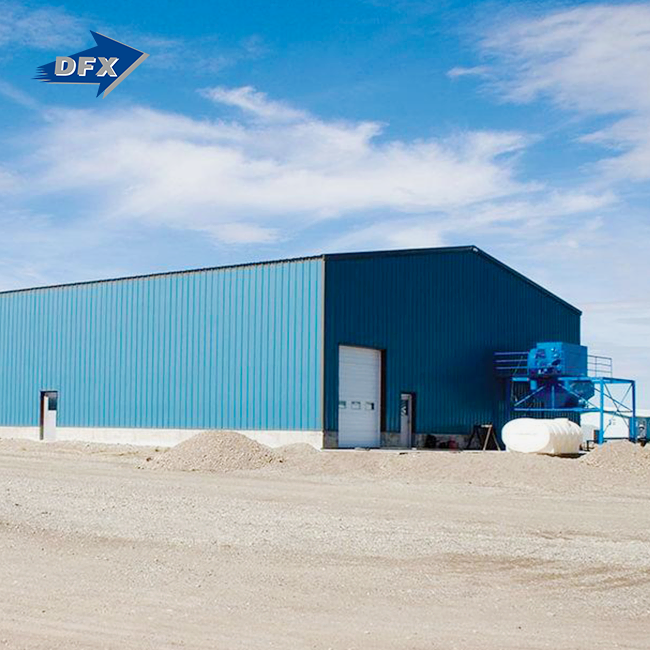
When making a steel structure to protect your farming tools, an Agricultural Machinery Shed should focus on clear-span usefulness, weather resistance, and ease of use. Tractors, harvesters, and plow tools are protected from UV damage, rust, and rat damage by these special structures. The right design matches the use of space with long-term durability, which cuts down on repair downtime and greatly increases the life of machines. Adding strategic air and H-section steel framing to a basic shelter turns it into an asset protection system that has a direct effect on your business revenue and the readiness of your equipment during busy harvest seasons.

Understanding the Core Requirements of an Agricultural Machinery Shed
Defining Purpose and Primary Protection Benefits
Farm equipment storage is more than just keeping things out of the weather. Modern machinery requires a lot of money to buy, and if it doesn't have a good place to stay, it loses value quickly. A well-built shed keeps paint from fading from being in the sun for long periods of time, keeps water from building up and corroding the hydraulic system, and keeps rodents from getting to the wiring cables and engine rooms. The building makes a controlled space where pre-season maintenance is safer and more effective. This directly lowers the cost of unexpected repairs during important planting and harvest times.
Ventilation and Climate Control Essentials
Controlling airflow stops the building of wetness that speeds up metal corrosion and causes mold to grow on furniture. Ridge vents and eave holes create natural convection currents that keep the humidity inside below the level needed for condensation. In places where temperatures change a lot, anti-condensation fleece under the roof panels collects water drops before they reach electronics. Open-sided designs work best in mild climates where directional protection is needed from rain, while fully sealed designs with louvered air work best in humid climates. Making this choice has a direct effect on the long-term health and resale value of the tools.
Design Principles for a Functional and Durable Farm Shed
Structural Material Selection Strategies
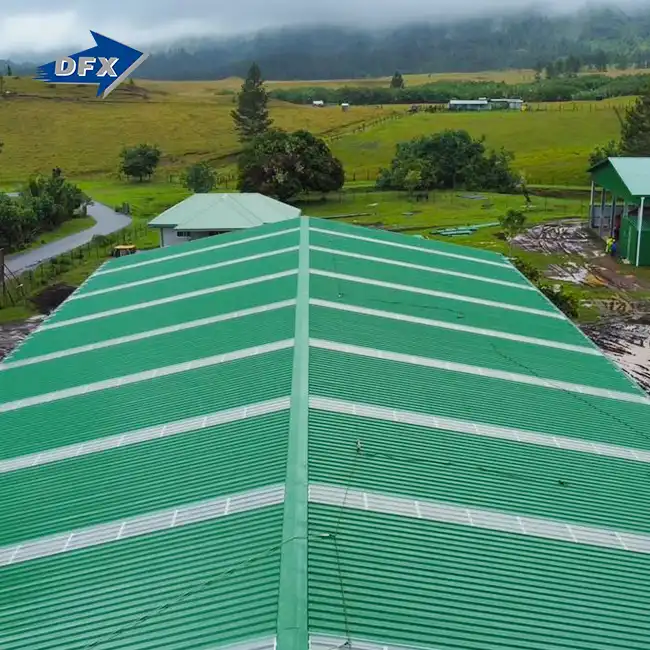
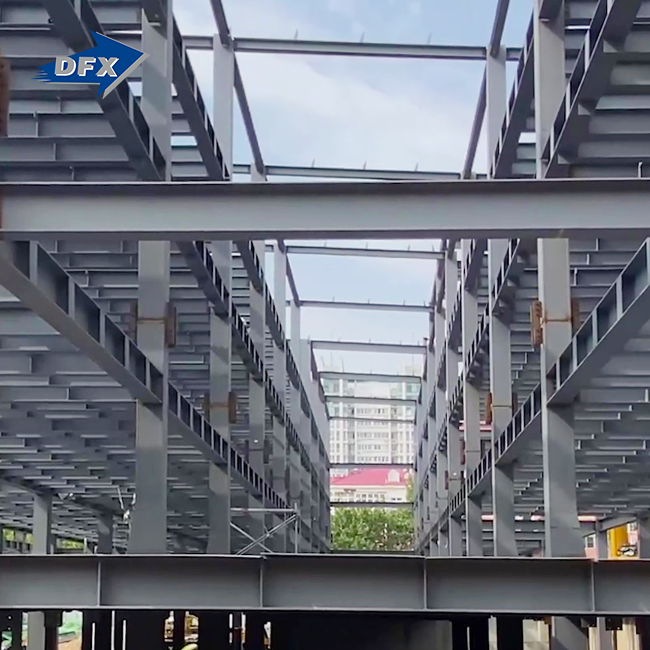
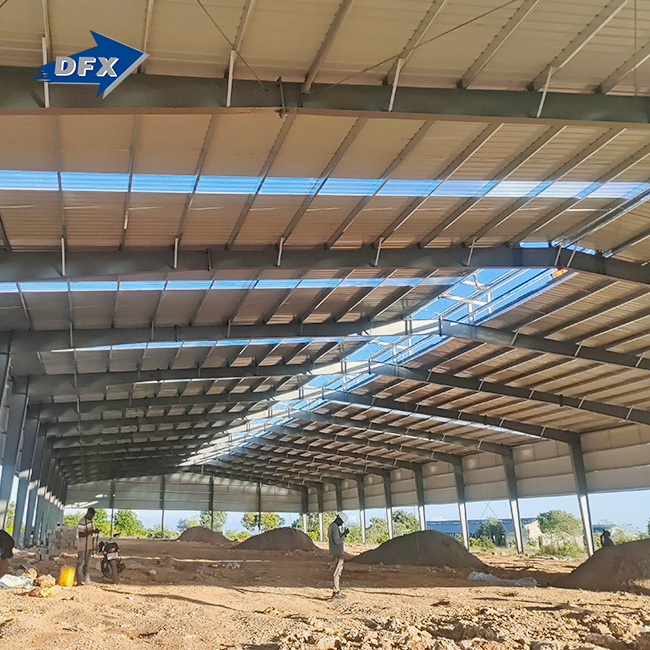
Steel frame is the most common type used in agriculture. An open-sided steel shed is used because it is strong for its weight and doesn't break down easily when exposed to living things. Using Q345B grade steel for high-tensile H-section steel building gives yield strengths above 345 MPa, which is needed to resist snow loads and wind uplift that are typical in rural areas. Fertilizer fumes and manure gases quickly break down metals that haven't been treated, but hot-dip galvanization with a Z275 coating protects against rust. With galvanized purlins and corrugated steel covering, you can make an envelope that doesn't need much upkeep and will last for more than 30 years. Despite costing more at first, steel has lower lifetime costs than wood options that are eaten by termites and need to be treated with chemicals on a regular basis.
Interior Layout for Optimal Equipment Access
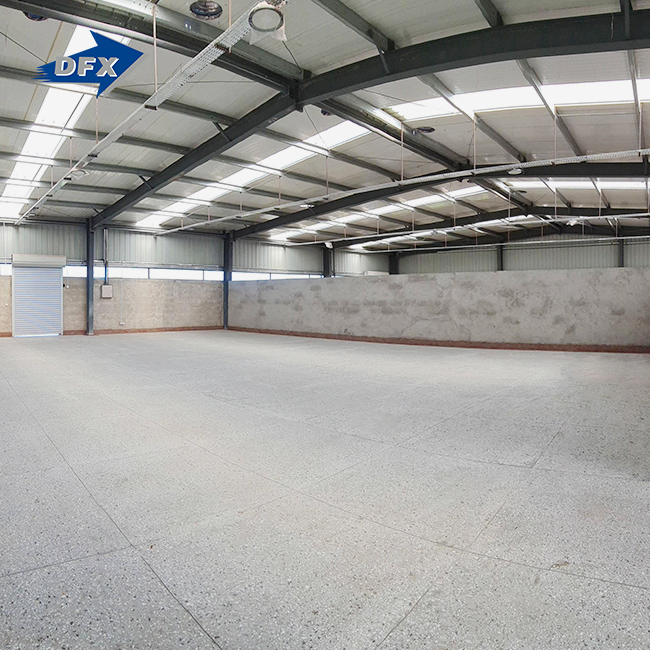
How traffic moves determines the width of the bay and where the doors go. For smaller operations that use tools in a certain order, single-entry designs work well. On the other hand, drive-through designs get rid of the need to back up, which can cause damage in the event of an accident. Putting frequently used tools near entry points cuts down on the time needed to move them during busy times. Maintenance work is centralized in workshop areas with power and compressed air lines, which keeps the main store area clear. For raised loader arms and spray boom heights, overhead openings need to be 5.5 to 6.5 meters, but this depends on the gear you have. Setting aside areas for extensions, hand tools, and supplies keeps things from getting jumbled, which makes it harder to move equipment safely.
Construction and Maintenance Best Practices
Navigating Permit Requirements and Timelines
Local building offices apply rules that are specific to agricultural buildings and don't always match up with rules for homes. Engineered drawings signed off by qualified professionals, site plans showing how far back the building is from property lines, and soil reports confirming the building's load-bearing ability are usually needed to get a permit. Processing times range from two weeks in rural counties to three months in places where the review process is complicated. Starting the permit process early keeps projects from being held up during the best weather for building. Hiring contractors who know about farming permits speeds up the approval process because they know how to change setback standards and which officials are in charge of reviewing farm structures.
Budgeting with Accurate Cost Projections
The cost of materials for a simple 15x30 meter building ranges from $45,000 to $65,000, based on Open-sided steel shed things like the number of doors and insulation chosen. Depending on the dirt and the need for strengthening, foundation work adds $8,000 to $15,000. When you hire skilled steel erectors, labor for turnkey construction usually makes up 40 to 50 percent of the total project cost. Customizations like upper storage levels, pipes for wash bays, or three-phase electrical service raise costs in a proportional way. By getting itemized quotes from several sources, you can see how prices vary and look for ways to change the specifications in a way that keeps the usefulness while keeping costs low.

Customization and Value-Added Features to Enhance Functionality
Security Systems for High-Value Asset Protection
Theft of equipment can cost a lot of money, so integrating security is becoming more and more important. Motion-activated LED floodlights keep people from getting in without permission and provide safe lighting for getting tools late at night. Surveillance cams that can be monitored from afar let you check on security in real time from your phone. Attempts to break in are resisted by reinforced door gear, like industrial-grade bolt hasps and multi-point locking systems. Alarm systems that use cellphone transmission get around the problems that come with landlines, which are common in rural areas.
Smart Ventilation and Climate Accessories
Automated louver systems use temperature and humidity monitors to control airflow without any help from a person. During summer storage, exhaust fans with adjustable controls keep things from getting too hot. High-R-value insulated overhead doors keep the temperature inside stable, which stops fog from forming on equipment surfaces. Together, these systems create microclimates that keep machines in good shape between working seasons.
How to Choose the Best Agricultural Machinery Shed for Your Business
Key Selection Criteria for Procurement Decisions
Size is the most important thing to think about—structures, farm equipment storage that are too small force storage outside, which defeats the purpose of security. The quality of the material has a direct effect on how long it lasts, which is why reviewing specifications is so important. Lifecycle costs must be weighed against budget limits, since cheaper choices at the start often have higher maintenance costs over time. Climate adaptability ensures that the building can handle harsh weather in the area without losing its effectiveness. Scalability rules let you add on in the future without having to rebuild everything from scratch.
Evaluating Suppliers and Support Services
Steel manufacturers that have been in business for a while and have ISO 9001 certification have quality control systems that make sure that the standards of their work are always met. Getting CE approval shows that a building meets international safety standards for structures, which lowers worries about responsibility. Looking at examples of finished projects shows that you have experience with similar farming uses. If something fails too soon, you can get your money back under warranty terms that cover structural soundness and finishing performance. Getting quick technical help during the planning and installation stages keeps mistakes and delays from costing a lot of money from happening.
Procurement Logistics and Installation Services
Manufacturers that give full kits from design to installation make project management easier and make sure that everyone is responsible. Fabrication takes between 4 and 8 weeks, but this depends on how complicated the customization is and how quickly the product needs to be made. For jobs that involve shipping containers for export, you need to work with freight forwarders who know how to handle farm equipment. On-site installation help makes sure that the right methods are used for assembly and speeds up the project's finish. When manufacturer-provided installation isn't possible, detailed installation plans and technical paperwork make it easier for local contractors to get involved. Director Steel offers complete solutions that include designing the structure, making H-section beams and welded C/Z purlins, and giving full installation instructions. Our buildings can be set up with either fully covered or open sides, and they can be used for a wide range of tasks, from storing hay to parking cars and fixing up equipment. We build buildings that meet foreign standards in our 40,000-square-meter facility, which is certified by ISO 9001, CE, COC, and PVOC. We are a trusted partner for farm infrastructure projects because our production cycles are short and our modular design gives you a lot of options.
Conclusion
When designing a shelter for farm equipment that works, you have to think about how to balance structural stability, operating efficiency, and cost. Using hot-dip galvanized steel for the building gives it the durability needed to last for decades in harsh farming settings. The right size keeps operations from getting slowed down and keeps people safe while allowing for easy movement. The way ventilation is set up has a direct effect on the state and longevity of tools. When you work with skilled fabricators who know how farms work, you can be sure that the buildings you build will actually solve problems instead of adding to them. Investing in well-designed infrastructure pays off by lowering the cost of repairs, making equipment last longer, and making it easier to run during busy farming times.

FAQ
1. When Are Construction Permits Required for Agricultural Sheds?
Most places need licenses for buildings bigger than 200 square feet (18 square meters), but some rural counties make exceptions for farms. Permits are usually needed for buildings with fixed foundations, electricity systems, or plumbing installations. By checking with local building offices before starting a project, you can avoid enforcement steps and possible orders to tear down the building.
2. How Do Steel and Wood Compare for Shed Durability?
Steel is better than wood at protecting against rust, fire, and pests. When exposed to soil and water, galvanized steel doesn't rot, so it lasts 30 years or more instead of 15 to 20 years for treated wood. Wood needs regular upkeep, like painting and treating for termites, which raises the overall cost over time, even though it costs less at first.
3. What Ventilation Methods Work Best for Equipment Storage?
Ridge vents and eave holes let air flow naturally, which works in most areas and saves money on energy costs. Mechanical vent fans are used in places with a lot of humidity where passive movement doesn't work. Anti-condensation roofing fleece stops water from dripping, no matter what kind of air is used. This gives sensitive electronics and hydraulic systems extra safety.
Partner with DFX for Your Agricultural Machinery Shed Manufacturer Needs
Director Steel Structure Co., Ltd. brings over 12 years of specialized Agricultural Machinery Shedexperience, manufacturing robust steel structures for demanding agricultural applications. Our engineering team creates effective ways to store equipment using high-quality H-section steel frames and galvanized purlin systems that don't rust in places where fertilizer and chemicals are present. We take care of the whole project, from figuring out the structure to making it in our ISO-certified factory, applying a protective finish, and making detailed installation plans. Our short production cycles and flexible design approach speed up project timelines, whether you need fully enclosed buildings or ones with open sides for hay storage, parking, or repair work. Get in touch with jason@bigdirector.com to talk about your unique needs and get technical specs that are made to fit your equipment fleet and site conditions.
References
1. American Society of Agricultural Engineers. (2019). Design Standards for Agricultural Steel Structures. ASAE Publications.
2. Henderson, J. & Morrison, R. (2020). Farm Building Design and Construction: Modern Approaches. Agricultural Engineering Press.
3. National Frame Builders Association. (2021). Post-Frame Building Design Manual, 3rd Edition. NFBA Technical Publications.
4. Roberts, T.M. (2018). Steel Structures in Agricultural Applications: Corrosion Protection and Longevity. Journal of Agricultural Infrastructure, Vol. 34(2), pp. 112-128.
5. USDA Natural Resources Conservation Service. (2020). Agricultural Waste Management Field Handbook: Equipment Storage Facilities. NRCS Conservation Practice Standard 309.
6. Williams, C.B. & Patterson, D.L. (2022). Modern Farm Structures: Engineering for Equipment Protection and Operational Efficiency. Rural Development Quarterly, Vol. 48(1), pp. 45-67.
Learn about our latest products and discounts through SMS or email