- English
- French
- German
- Portuguese
- Spanish
- Russian
- Japanese
- Korean
- Arabic
- Greek
- German
- Turkish
- Italian
- Danish
- Romanian
- Indonesian
- Czech
- Afrikaans
- Swedish
- Polish
- Basque
- Catalan
- Esperanto
- Hindi
- Lao
- Albanian
- Amharic
- Armenian
- Azerbaijani
- Belarusian
- Bengali
- Bosnian
- Bulgarian
- Cebuano
- Chichewa
- Corsican
- Croatian
- Dutch
- Estonian
- Filipino
- Finnish
- Frisian
- Galician
- Georgian
- Gujarati
- Haitian
- Hausa
- Hawaiian
- Hebrew
- Hmong
- Hungarian
- Icelandic
- Igbo
- Javanese
- Kannada
- Kazakh
- Khmer
- Kurdish
- Kyrgyz
- Latin
- Latvian
- Lithuanian
- Luxembou..
- Macedonian
- Malagasy
- Malay
- Malayalam
- Maltese
- Maori
- Marathi
- Mongolian
- Burmese
- Nepali
- Norwegian
- Pashto
- Persian
- Punjabi
- Serbian
- Sesotho
- Sinhala
- Slovak
- Slovenian
- Somali
- Samoan
- Scots Gaelic
- Shona
- Sindhi
- Sundanese
- Swahili
- Tajik
- Tamil
- Telugu
- Thai
- Ukrainian
- Urdu
- Uzbek
- Vietnamese
- Welsh
- Xhosa
- Yiddish
- Yoruba
- Zulu
Industrial Fuel Storage Shed Ventilation: Avoid Fire and Fume Risks
Good ventilation keeps flammable vapors, fumes, and heat from building up inside an industrial fuel storage shed. Start with an engineering assessment of the fuel, shed volume, and climate. Then place intake and exhaust openings so air sweeps the whole space, including low areas where heavy vapors settle. Use hazardous-area-rated fans and electrical parts when the area classification calls for them. Ventilation works best alongside fire protection, containment, grounding, and detection. No single feature removes fire risk on its own. Below, I explain how to spot risks, compare ventilation types, check compliance, and choose a steel shed supplier.

Understanding the Industrial Fuel Storage Shed and Its Ventilation Risks
What an Industrial Fuel Storage Shed Does
You'll need an industrial fuel storage shed to store fuel for your business. This kind of building protects fuel tanks, barrels, and tools for dispensing. On farms, construction sites, and plant yards, it's a clean, safe way to store diesel, gasoline, kerosene, or generator fuel. Aside from the shed, there are still tanks, fire systems, hurdles, and permits that need to be put up. How much air needs to flow depends on the type of fuel. Even when it's cold outside, gasoline flashes at -45°F (-43°C), which means it gives off flammable gas. Diesel flashes at higher temperatures, usually above 100°F, so it is less likely to turn into vapor. Wind is still needed, though, to get rid of the smoke and heat. The plan changes too based on the weather, how much is kept, and how often it is given out.
Where Vapors and Heat Collect
Setting things up wrong is the main cause of most ventilation problems. The louvers get stuck, the holes aren't where they should be, or one fan only moves air along a short path. Since gasoline vapor is three to four times heavier than air, it tends to settle in drains, pits, trenches, and cable ducts. An engine, fan, or wall that gets a lot of sun will make it hotter. Because the breeze changes all the time, I never leave a door open to let air in. Things like the weather, where the sparks are coming from, static electricity, and the way the air is moving can help you figure out the risk. So that everyone is safe, it also checks the air and turns it off if something goes wrong. Write down every low spot you find as you walk around the shed.
How Ventilation Works With Fire Protection and Containment
Having enough airflow is one way to keep people safe. Fire alarms, fire extinguishers, a building that is fire-rated, an emergency shut-down, and entry control must all work with it. For second-level containment, you can use bunds, spill bins, sumps, and tanks with two walls. They keep gases outside and liquids inside, but they can also pull air into low spots. In order to find leaks, make sure there is enough space in the plan for airflow and drains. It's important to bond and ground when moving fuel. We learn how to deal with static electricity in NFPA 77. A spark while the air is being filled can start a fire. Signs, hose valves, and bans on hot work cover the last few holes. These are not separate things you need to buy; think of them as a system.
Ventilation Design Principles for a Fuel Storage Shelter
Start With a Documented Engineering Assessment
Do not copy a general code for an air change. A good engineer should know what the goal is first. So that the gas level drops, the heat goes away, the airflow stays steady, or an emergency purge is done? It is recommended by NFPA 30 that for every square foot of floor space, there should be no more than 1 cubic foot of flow per minute. But the right rate will depend on the fuel, the room size, and the rules in your area. The flash point, tank capacity, industrial fuel storage shed volume, dispensing action, and area temperature are some of the things that are considered. Make a list of everything you believe to be true. People like inspectors, insurance companies, and new buyers will need them. After making changes, like adding a tank, writing down the base makes it easier to see what you did wrong.
Natural, Mechanical, or Hybrid Ventilation
There are good and bad things about each type. The flow of air doesn't cost much and doesn't need much maintenance. Don't count on it, though, because it changes with the wind and temperature. The air that is controlled mechanically is more stable, but it needs power, alerts, upkeep, and the right tools. They work well in places where the weather goes from hot to cool because they have passive openings and fans to help with airflow. Diesel can be kept outside in steel sheds with open sides, which let air flow easily through them. No matter what you pick, make sure that the exhaust and intake holes are very far apart and that the exhaust is close to where the heavy vapors settle. That way the circuit doesn't short-circuit, which happens when air takes the fastest path and leaves behind dead spots.
Hazardous-Area Equipment and Controls
Fans, lights, and buttons can all be used as light sources. Class I, Division 1 or 2 of the National Electrical Code (NFPA 70) deals with flammable vapors. The electrical equipment used in these areas must also have the same rating. In this case, the electricity, sensors, keys, and lights all work. There should be ventilation, a flame or gas detector, an alarm for when the fan stops working, and a way to turn it off quickly in case of an emergency. If the fans run out of gas, you may need to get more from somewhere else. Make sure you have extra air on hand. A safety item can be dangerous if it doesn't have the right fan rating. Before you buy any fans, have an electrician look over the classification picture.
Compliance, Verification, and Common Mistakes
Regulations and Documents to Request
“Needs are different for every place, kind of fuel, amount, and country.” A lot of projects in the US have to meet OSHA 29 CFR 1910.106, NFPA 30, International Fire Code, EPA spill guidelines, state construction and fire legislation, and OSHA 29 CFR 1910.106. The AHJ is in control in your region. So, the AHJ has the last say. If the teams are given the task of procuring items, they should be asking for electrical specifications, equipment certifications, test records from the plant, and paperwork to sign off on. They should be reviewed by the appropriate engineers before they are authorized. When purchasing from foreign nations, it’s vital to put up signage in the local language and teach the workers. Gather all your project files in one folder. There will be less review work for the government and the insurance firms.
A Five-Stage Design and Verification Process
I do five things. We should start by discussing the area, the weather, the fuels, the tools, the capacity, and any nearby structures. Do a risk assessment and area summary, listing where to obtain goods, fill them up, repair them, and leave the power off. Third, develop a strategy for the integration of the entrance, ventilation, gas flow, fire safety, tank vents, containment, and electrical systems. 4. Switch on the system and verify sensors, warning, airflow, stop, and recycle. Fifth, determine how you will inspect, modify, clean, and re-evaluate everything after each modification. Fixing issues on paper costs a lot less than fixing problems in person, which is what this order accomplishes. If you miss a step, you might lose a lot of money or get into problems with the inspector.
Mistakes I See Most Often
Ventilation is like a plus sign. This is what matters most. Building openings, fire ratings, and where to install tanks will not function with further revisions. A lot of individuals also make the mistake of posting plain business fans in a classified area. If you just have one exhaust fan, anything may go wrong at that one spot. When the electricity goes off, it is impossible for air to flow. Add in teams forgetting about rust, clogged louvers, and temps that are either too hot or too cold. When they make the designs, they don't always think about how people would distribute fuel. There has to be ample light, visible indications, and emergency buttons. And it should be simple to follow the tools. Talk with the folks who will use the shed every day about the idea. You will soon touch upon many of these concerns.
Choosing the Right Steel Shed and Supplier
DFX Steel Shed Options
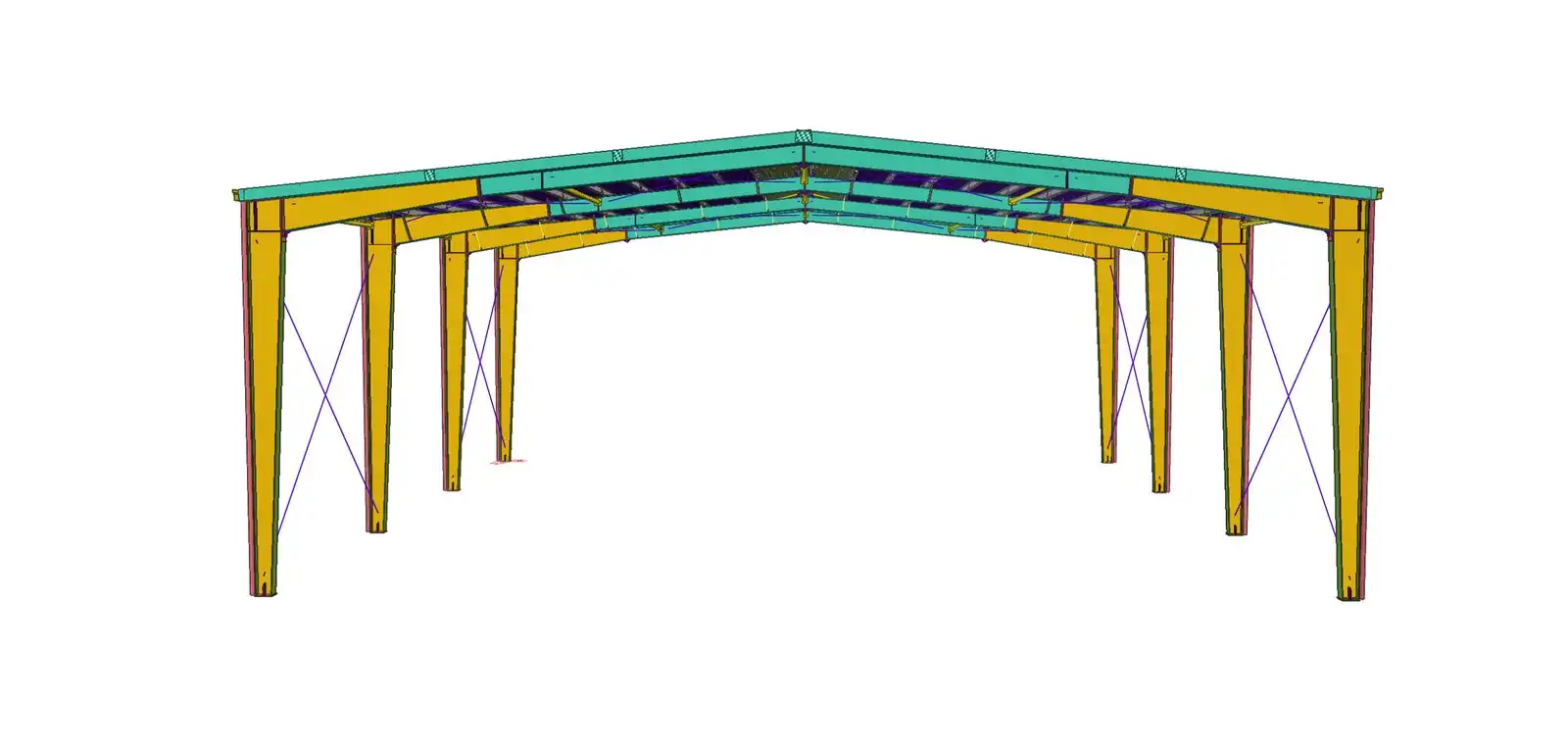
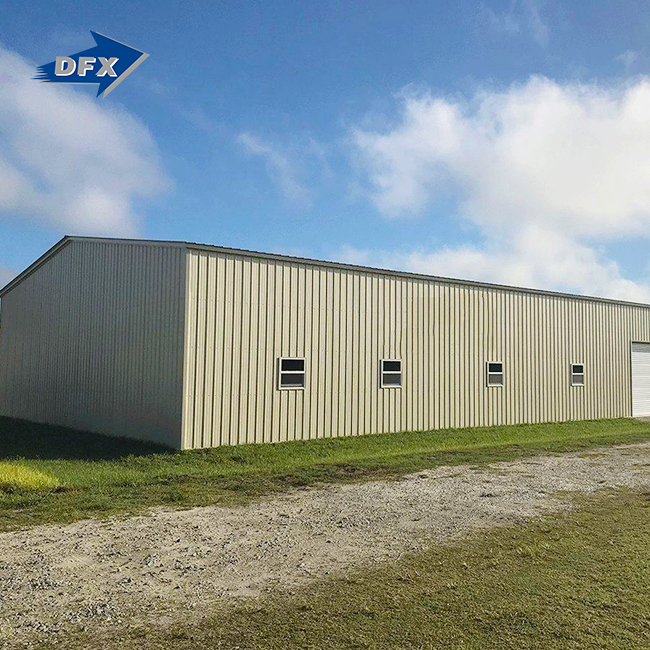
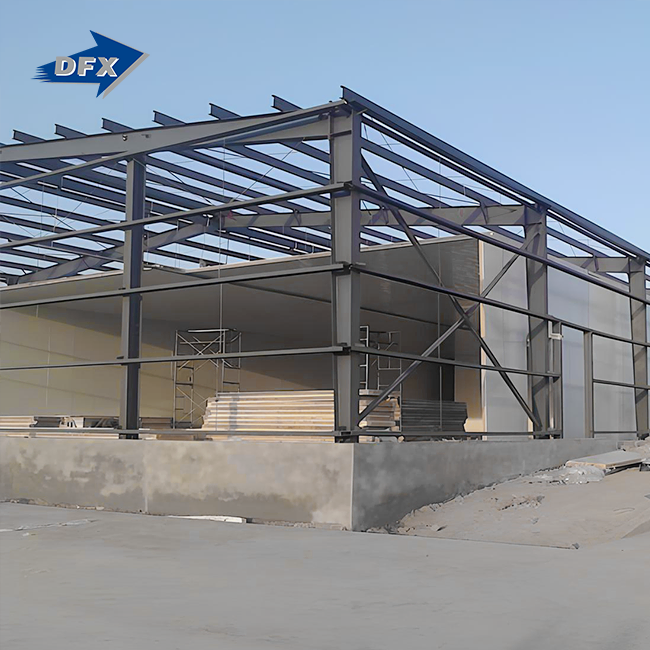
Here are some facts you should know about DFX Qingdao Director Steel Structure Co., Ltd. They are a firm from China that has been creating steel constructions since 2011. We provide our industrial fuel storage sheds with closed or open sides. The frame consists of several kinds of steel beams, piers, and C/Z purlins. You may leave the sides open or shut them so air can move in. We serve by planning standard patterns, making goods, packing them, and assembling them. These structures are commonly used to store hay, but they may also be used to park automobiles, store tools, and undertake maintenance work. We don't take long to produce goods, and we have ISO, CE, COC, and PVOC stamps. We possess a steel frame. If you require tanks, containment, fire systems, or electrical parts for hazardous locations, the professionals will inform you what to get and where to order them.
Matching the Shed to Your Application
Where people are going to dig and construct, they need frameworks that are robust and simple to erect. Farmers want items that are durable, that don’t get filthy very quickly, and that can endure spills and severe weather.” The generator yard must include tanks, controllers, and a rapid shutdown if a problem occurs. Most firms and logistics centers want systems that are durable, easy to use, and can be expanded as required. The fire safety, corrosion protection, speed of construction, and life cycle cost of steel, concrete, and modular structures vary. An open-sided steel structure keeps outside fuel equipment cool and secure. One that is covered keeps out more weather, but it requires vents that are created specifically for it. In contrast, the local fire chief will determine what layout would be acceptable. Let us know straight away what kind of location it is so we can have the building and vent holes done right away.
Supplier Checklist for Procurement Teams
An excellent service doesn’t only provide you with a frame. Make sure they have experience working with industrial buildings and check their quality certifications, records of welds and coatings, and structural formulae. Give instances of when this is the case. Plan ahead and make sure the price includes everything: planning, packaging, shipping, installation, vent holes, structure, cladding, and structural plans. The starting price is important, but so is its worth over time. A ship date, a guarantee, spare parts, a named expert to speak to — these are vital. DFX has its own design team, and its own 40,000 square meters of manufacturing space, with six H-beam lines to operate independently. People sketch, create, and plan all in the same spot. That setup makes it simple to discuss anything from pricing to shipment.
Conclusion
An industrial fuel storage shed with one fan or an open door won’t keep the air safe. The amount of air to be moved depends on the fuel’s flash point, vapor density, storage area, and temperature. There are instances when mechanical, natural, or a blend of both is preferable. The ventilation design must be compatible with the monitoring, grounding, control, and fire safety equipment permitted for use in risky locations. The regulations are contained in standards such as NFPA 30, NFPA 70, OSHA 1910.106, and the International Fire Code. Finally, the national AHJ gives the final proposal the go-ahead. Defining, analyzing, putting out, commissioning, and maintaining are five processes for finding issues early. The structure is built of steel shed frames which may have open or closed sides. Special equipment takes care of the safety systems for the fuel.
FAQ
1. Do I need mechanical ventilation in an industrial fuel storage shed?
It matters what kind of power you use and how you set it up. You can check the flow of air for gasoline and other liquids with a low flash point by looking at it or using a machine. But holes in the ground might be enough to store diesel outside. Ventilation is never a replacement for fire safety or control. What you should do is up to the AHJ and your engineer.
2. Can a standard fan serve a fuel storage shelter?
Not in a dangerous spot. The fan, motor, and controls must all be the same grade as the NEC grade. If you want to know what the ratings are for business units before you buy, look at the equipment plan.
3. What should I send for a quotation?
Just describe the fuel, how much of it it can hold, where it is, how hot or cold it is, any rules that go with it, and what the installation is all about. If you send us sketches or plans with measurements, we can get a better quote for the steel frame.
Request an Industrial Fuel Storage Shed Quote From DFX
Going through different companies that offer industrial fuel storage sheds for your steel building? DFX can give you prices on H-section beams and supports, metal C/Z purlins, and sides that are either open or closed. They can also help you come up with plans for planning, making, packing, and setting up. Not much time has passed since the last output round. You can email jason@bigdirector.com with your size, location, and climate to learn more.
References
1. NFPA 30: Flammable and Combustible Liquids Code, 2024
2. NFPA 70: National Electrical Code, 2023
3. NFPA 77: Recommended Practice on Static Electricity, 2019
4. International Fire Code, International Code Council, 2021
5. OSHA Flammable Liquids Standard, 29 CFR 1910.106, 2024
6. API Recommended Practice 2003: Protection Against Ignitions Arising Out of Static, Lightning, and Stray Currents, 2015
Learn about our latest products and discounts through SMS or email