- English
- French
- German
- Portuguese
- Spanish
- Russian
- Japanese
- Korean
- Arabic
- Greek
- German
- Turkish
- Italian
- Danish
- Romanian
- Indonesian
- Czech
- Afrikaans
- Swedish
- Polish
- Basque
- Catalan
- Esperanto
- Hindi
- Lao
- Albanian
- Amharic
- Armenian
- Azerbaijani
- Belarusian
- Bengali
- Bosnian
- Bulgarian
- Cebuano
- Chichewa
- Corsican
- Croatian
- Dutch
- Estonian
- Filipino
- Finnish
- Frisian
- Galician
- Georgian
- Gujarati
- Haitian
- Hausa
- Hawaiian
- Hebrew
- Hmong
- Hungarian
- Icelandic
- Igbo
- Javanese
- Kannada
- Kazakh
- Khmer
- Kurdish
- Kyrgyz
- Latin
- Latvian
- Lithuanian
- Luxembou..
- Macedonian
- Malagasy
- Malay
- Malayalam
- Maltese
- Maori
- Marathi
- Mongolian
- Burmese
- Nepali
- Norwegian
- Pashto
- Persian
- Punjabi
- Serbian
- Sesotho
- Sinhala
- Slovak
- Slovenian
- Somali
- Samoan
- Scots Gaelic
- Shona
- Sindhi
- Sundanese
- Swahili
- Tajik
- Tamil
- Telugu
- Thai
- Ukrainian
- Urdu
- Uzbek
- Vietnamese
- Welsh
- Xhosa
- Yiddish
- Yoruba
- Zulu
Petrochemical Warehousing Solutions with Chemical Storage Steel Warehouse
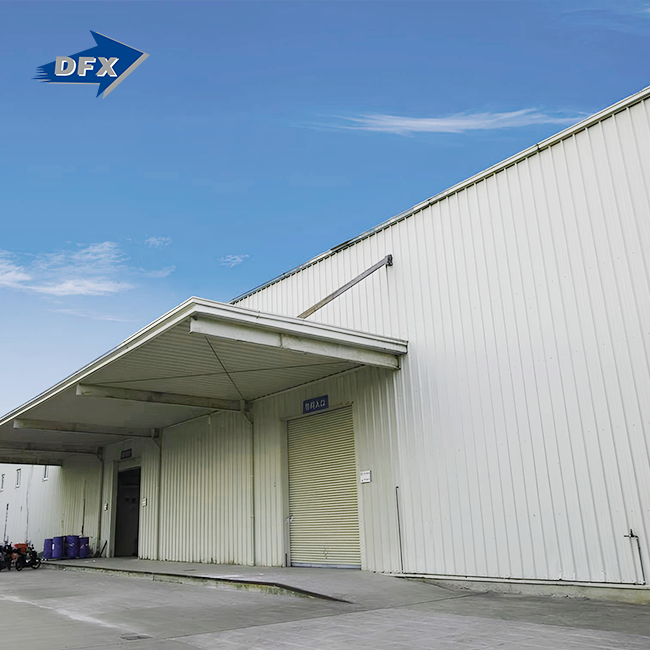
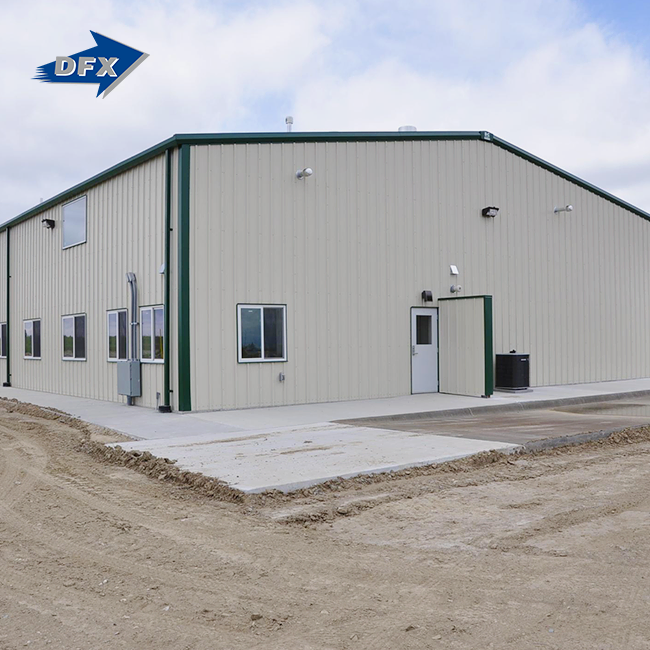
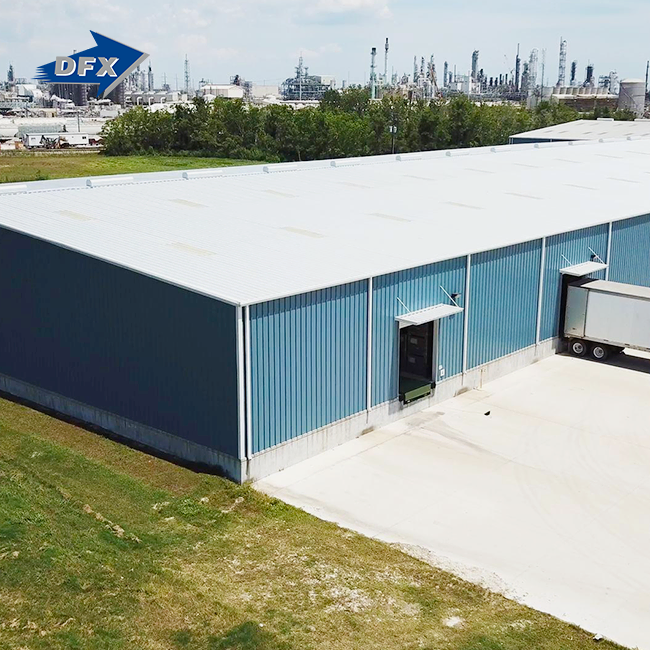
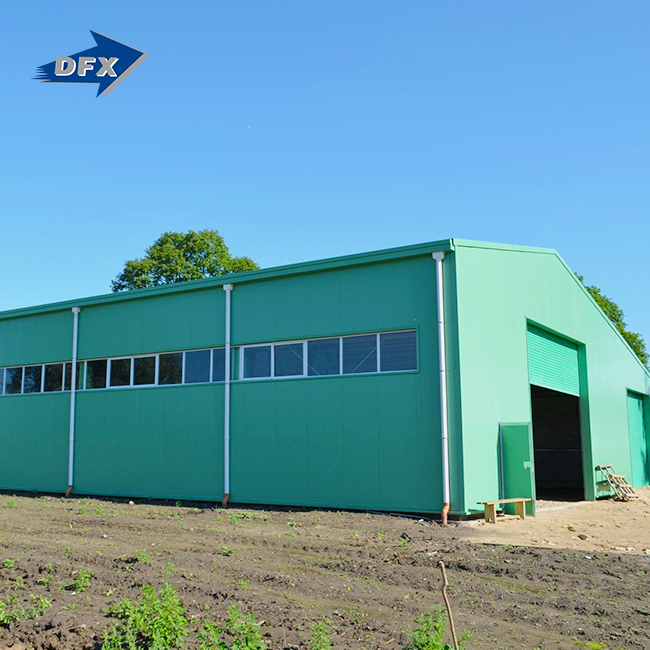
Petrochemical warehousing demands specialized infrastructure capable of safely storing volatile, corrosive, and hazardous materials derived from petroleum refining processes. Unlike conventional storage facilities, these environments require advanced safety features, corrosion-resistant materials, and compliance with strict regulatory frameworks. Chemical storage steel warehouses have emerged as the preferred solution, offering superior structural integrity, scalability, and cost-efficiency. These modular prefabricated steel storage buildings integrate fire-resistant coatings, explosion-relief mechanisms, and spill containment systems—addressing the unique challenges faced by EPC contractors, manufacturing companies, and infrastructure project managers seeking reliable, turnkey storage solutions for complex industrial applications.

Understanding Petrochemical Warehousing Essentials
What Defines Specialized Chemical Storage Infrastructure
Chemical storage facilities for goods made from gasoline are very different from general storage facilities. The things that are kept there, from liquid hydrocarbons to industrial solvents, can catch fire, react with other things, and pollute the environment. A well-designed steel frame needs to be able to handle temperature stress, changes in vapor pressure, and harsh chemical atmospheres that break down materials more quickly. With this special equipment, you can use fixed roof tanks for stable liquids, moving roof systems for volatile organic compounds, and circular tanks for gases under pressure.
Core Components of Steel Chemical Storage Warehouses
For the main frame of modern chemical storage steel warehouses, high-strength low-alloy steel like Q355B or ASTM A572 Grade 50 is used. The H-beam main steel frame can hold a lot of weight even when the temperature changes and there are earthquakes. Galvanized C/Z purlins and complete bracing systems keep the structure stable on the sides when there is wind or changes in the internal pressure. Hot-dip galvanization with a zinc coating of at least 600g/m² protects against oxidation from corrosive fumes. Epoxy phenolic barrier coatings provide extra chemical resistance in areas with volatile organic compounds.
Material Selection and Performance Parameters
Choosing the right metallurgy is very important for long life in industrial settings. The steel framework goes through strict treatment steps, such as ultrasound and magnetic particle inspection methods for non-destructive testing of welds. Ratings for fire safety from R60 to R180 are possible with intumescent coatings that expand when heated, protecting building parts from flames. Explosion-relief designs use light release panels that are made to let out internal pressure during deflagration events. This keeps the structure from collapsing completely and protects people and nearby buildings.
Safety and Regulatory Compliance in Petrochemical Warehousing
Fire Prevention and Hazardous Material Protocols
Because petrochemical warehousing products are easily ignited, fire protection tactics need to be multilayered. Steel warehouse plans use spark-proof building methods that work in Class I Division 1 and Division 2 dangerous areas. NFPA standards call for automated fire suppression systems, clear fire separation distances, and emergency ventilation protocols. Temperature tracking systems send real-time alerts when storage conditions get close to dangerous levels. This lets people take action before sparks form.
International and Regional Compliance Standards
To work in different regulatory environments, you have to follow OSHA safety rules, EPA rules for protecting the environment, and REACH chemical substance rules in the right markets. Our production methods are in line with ISO9001 quality management systems, and our goods have CE approval, which shows that they meet European standards. If a project needs extra third-party proof, EN1095 approval can be provided upon request. This wide range of certifications gives purchasing managers and engineering directors peace of mind that the designs of new buildings meet strict global standards.
Environmental Risk Mitigation Through Design
Environmental risk is kept to a minimum in steel building layouts by built-in containment features. Monolithic foundation curbing and bundling systems make secondary containment walls that catch spills before they get into the groundwater and pollute it. With chemical-resistant ductwork and advanced ventilation systems, vapor buildup that could expose workers or be released into the air is stopped. Separated storage areas keep chemical classes from reacting with each other. This lowers the risk of reactions and makes inventory management easier for operations teams that are in charge of large product portfolios.
Optimizing Petrochemical Warehousing Logistics and Operations
Temperature Control and Ventilation Management
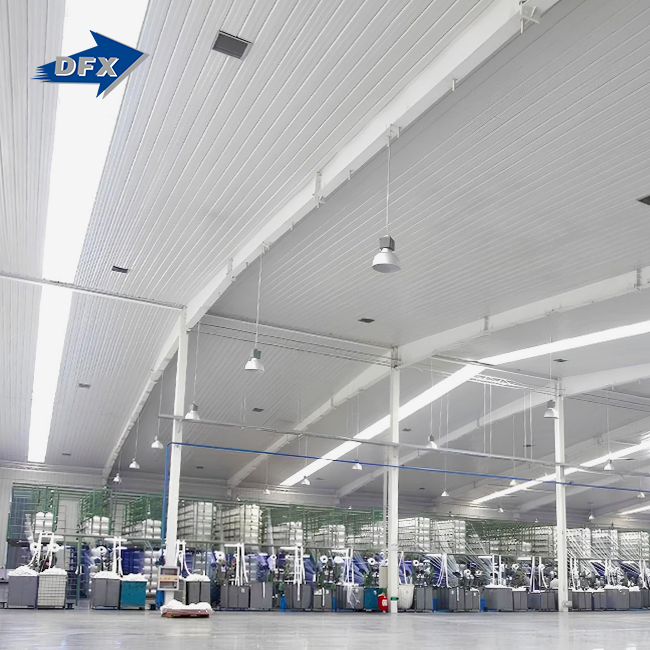
Keeping the surroundings in good shape protects both the purity of the product and the safety of the workers. Insulated sandwich panels with polyurethane or polyisocyanurate cores keep chemicals that are sensitive to temperature stable, so they don't break down and fail to meet product standards. Ventilated ridge systems let natural air flow through, which cuts down on humidity, which can cause rusting and contamination. Active HVAC integration gives facilities that store pharmaceutical precursors or fine chemicals that need to be GMP-compliant precise climate control.
Chemical Segregation and Inventory Monitoring
Effective division rules keep oxidizers, flammable liquids, corrosives, and substances that react with water from mixing in ways that could be risky. Steel chemical storage buildings can be set up with separate areas separated by fire-resistant walls that keep accidents in those areas. Real-time inventory tracking tools keep track of where products are, how many are in stock, and how long they stay in stock. This gives everyone in the supply chain visibility and keeps stock from running out during busy production times. Barcode reading and RFID technology make it easier for people working in delivery centers to receive, put away, and pick items.
Supply Chain Integration and Emergency Preparedness
These days, petrochemical warehousing storage facilities are more like hubs in the supply chain than just places to store chemicals. Connecting software to transportation providers allows for just-in-time delivery coordination, which improves the use of trucks and rail cars. Emergency response plans that are customized to each chemical inventory include ways to get people out of the building, how to limit a spill, and how to work together with local fire departments and environmental agencies. Staff training and regular drills make sure that quick, effective reactions reduce the intensity of incidents and downtime for the business.
How to Choose the Right Petrochemical Warehousing Provider
Critical Evaluation Criteria for B2B Selection
When choosing a steel structure maker for chemical storage, you need to do a lot of research on top of the normal things you think about when building. Facility certifications show that the building meets safety standards specific to the industry, and full insurance coverage protects against being held legally responsible for storage accidents. Scalability issues make sure that providers can handle future capacity growth without having to completely rebuild facilities, which protects long-term capital investments.
This company, Qingdao Director Steel Structure Co., Ltd., has been making steel structures for tough industrial uses for more than 12 years. We follow strict ISO quality management systems throughout the whole fabrication process. We have more than 200 trained workers working in a 40,000-square-meter enclosed production space. Our six automatic welded H-beam production lines produce about 20,000 tons of H-beams every year, which are used for big chemical storage projects that need strong main framing. Our in-house architectural design and detailing service helps clients from the first idea to the final installation on-site. This combines support that makes project management easier for busy procurement teams.
Structural Robustness and Safety Features
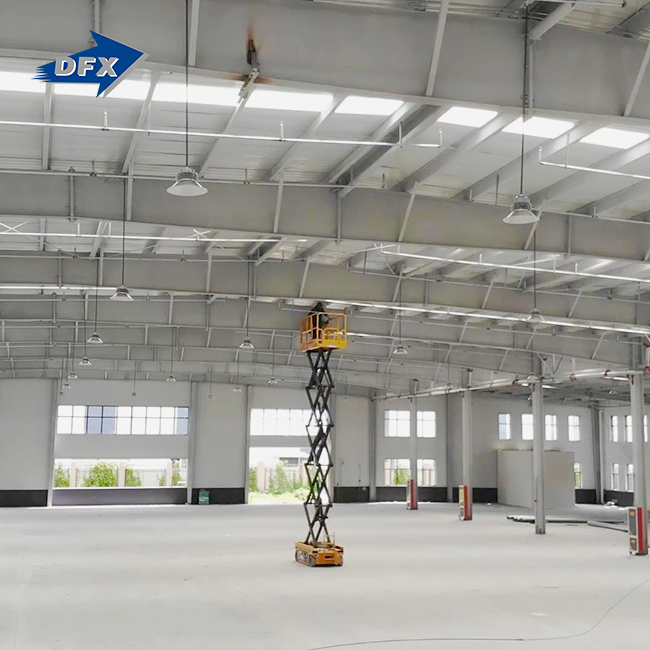
High-performance chemical storage steel warehouses are different because they are built with safety features that are built in from the start. Overpressure events are prevented by blast-resistant reinforcements, and spill containment sumps are built in to catch liquid releases where they start. High-tech safety monitoring systems keep an eye on important parameters 24 hours a day, seven days a week. They let facility managers know about any problems before they become emergencies. With clear-span capabilities, forklifts can move middle bulk bins and store drums without running into problems inside the columns that slow down the flow of materials.
Contract Terms and Pricing Transparency
With project-based manufacturing, costs are matched to specific needs instead of pushing customers into standard packages that have extra features that aren't needed. Transparent pricing models break down engineering calculations, material specs, transportation coordination, and construction advice into separate items. This makes it possible to accurately predict budgets and keep costs under control. Flexible contract terms allow for phased building plans that fit the client's cash flow needs while keeping the project moving toward its finishing goals.
Case Studies and Future Trends in Petrochemical Storage Solutions
Real-World Applications Demonstrating Value
A manufacturing company that wanted to increase the amount of solvents it could store was under pressure from regulators to replace old, chemically degradable masonry buildings. Using a modular, built steel storage building cut down on the time needed to build by 40% compared to the old way of doing things. It also has better rust protection, which means it will last longer than 30 years. The project showed that steel warehouse options can get a building up and running faster and for less money over the life of the building.
An EPC contractor in charge of a petroleum complex needed to store different types of products separately within a small area. The chemical storage steel warehouse design included fire-rated sections with their own air systems, which made it safe to store materials that don't react with each other together. This consolidation cut the need for 25% more land while improving logistics efficiency through centralized inventory management. This shows how spatial optimization can help industrial sites that are limited in space.
Innovation and Emerging Technologies
Robotic handling systems that limit human contact with dangerous materials are changing how chemical storage works thanks to automation technologies. IoT-enabled tracking platforms combine sensor data from temperature probes, leak detectors, and atmospheric analyzers into a single screen that management teams from far away can access. Predictive maintenance algorithms look at patterns of vibration and the quality of coatings to plan repairs before they break down and stop operations.
Sustainability and Environmental Responsibility
Green warehouse efforts are a response to rising government regulations and companies' promises to be more environmentally friendly. Putting solar panels on large roofs creates clean energy that balances out the building's power use. Systems that collect rainwater provide non-potable water for fire suppression and cleaning equipment. Heavy metals and volatile organic compounds are taken out of surface treatments by using advanced coating formulations. This leaves less of an impact on the environment while still providing protection. By staying ahead of environmental rules that are getting stricter, forward-thinking businesses can become leaders in their fields instead of just following the rules.
Conclusion
For petrochemical warehousing storage to work, the infrastructure needs to be able to balance safety, following the rules, operating speed, and low long-term costs. Chemical storage steel warehouses that are made to strict quality standards have the strength and special features needed to handle dangerous materials in a wide range of industrial settings. Modern steel buildings meet the changing needs of EPC contractors, manufacturing operations, and infrastructure developers. They can be quickly put together with flexible prefabricated designs, and they can also have integrated technical support that makes complicated projects easier. When procurement professionals know about these capabilities, they can make smart choices that protect assets, keep workers safe, and keep their competitive edge in global markets that are always changing.
FAQ
1. What safety features are essential in petrochemical warehousing facilities?
Fire-resistant coatings with R60–R180 ratings, explosion-relief panels for deflagration venting, integrated spill containment systems that keep the surroundings clean, and spark-proof construction that meets Class I Division 1/2 standards are all important safety features. Advanced ventilation controls keep vapors from building up, and separate storage areas keep chemical classes from mixing. Continuous tracking systems keep an eye on things like weather, the makeup of the air, and the strength of structures, so they can quickly alert you to any problems.
2. Why choose steel chemical storage warehouses over traditional building methods?
Steel structures are better at resisting corrosion because they are hot-dip galvanized and coated with special materials. They also have large clear-span capabilities that get rid of internal obstructions, quick building timelines that shorten project length, and modular scalability that allows for future growth. Prefabricated parts made in controlled environments guarantee consistent quality, and engineered designs make the best use of materials to save money. Seismic and wind load performance is better than options made of brick, which is important for buildings that store flammable substances.
3. What factors should procurement teams evaluate when selecting storage providers?
Look at the facility's certifications that show it is in line with regulations, its full insurance coverage that protects against liability, its track record with similar chemical storage projects, its engineering support from design to construction, its clear pricing models that are in line with project budgets, and its ability to expand or contract to meet changing capacity needs. If a provider has worked on projects with people from different countries and foreign standards, it means they know how to handle complicated regulatory settings.
Partner with a Trusted Petrochemical Warehousing Manufacturer
DFX is an expert at providing complete chemical storage steel building options that are specifically designed to meet the needs of petrochemical operations. As a well-known company that makes steel structures and has ISO9001 certification and, if desired, CE/EN1095 certification, we offer project-based fabrication services that include engineering calculations, transportation planning, and erection help. Our modular prefabricated steel storage buildings have strong H-beam main frames, galvanized C/Z purlins, and bracing systems that are made to last in harsh environments.
We offer streamlined procurement and faster project timelines for integrated design-build solutions, whether you're an EPC contractor in charge of complex industrial infrastructure, a manufacturing company looking to increase production capacity, or a project manager looking for reliable petrochemical warehousing supplier partnerships. Send an email to jason@bigdirector.com to talk about your specific storage needs and get a personalized consultation from our engineering team. Find out how our track record and all-around service can help with your next chemical storage job.
References
1. American Institute of Steel Construction. (2022). Steel Design Guide Series 7: Industrial Buildings—Roofs to Anchor Rods. AISC Publications.
2. National Fire Protection Association. (2021). NFPA 30: Flammable and Combustible Liquids Code. NFPA Standards.
3. Occupational Safety and Health Administration. (2020). Hazardous Materials Storage and Handling Requirements. U.S. Department of Labor Technical Manual.
4. European Committee for Standardization. (2019). EN 1090-2: Execution of Steel Structures and Aluminium Structures—Technical Requirements for Steel Structures. CEN Standards.
5. Center for Chemical Process Safety. (2018). Guidelines for Engineering Design for Process Safety, Second Edition. American Institute of Chemical Engineers.
6. Steel Construction Institute. (2017). Design of Steel Structures for Buildings in Seismic Areas. SCI Publication P427.
Learn about our latest products and discounts through SMS or email