- English
- French
- German
- Portuguese
- Spanish
- Russian
- Japanese
- Korean
- Arabic
- Greek
- German
- Turkish
- Italian
- Danish
- Romanian
- Indonesian
- Czech
- Afrikaans
- Swedish
- Polish
- Basque
- Catalan
- Esperanto
- Hindi
- Lao
- Albanian
- Amharic
- Armenian
- Azerbaijani
- Belarusian
- Bengali
- Bosnian
- Bulgarian
- Cebuano
- Chichewa
- Corsican
- Croatian
- Dutch
- Estonian
- Filipino
- Finnish
- Frisian
- Galician
- Georgian
- Gujarati
- Haitian
- Hausa
- Hawaiian
- Hebrew
- Hmong
- Hungarian
- Icelandic
- Igbo
- Javanese
- Kannada
- Kazakh
- Khmer
- Kurdish
- Kyrgyz
- Latin
- Latvian
- Lithuanian
- Luxembou..
- Macedonian
- Malagasy
- Malay
- Malayalam
- Maltese
- Maori
- Marathi
- Mongolian
- Burmese
- Nepali
- Norwegian
- Pashto
- Persian
- Punjabi
- Serbian
- Sesotho
- Sinhala
- Slovak
- Slovenian
- Somali
- Samoan
- Scots Gaelic
- Shona
- Sindhi
- Sundanese
- Swahili
- Tajik
- Tamil
- Telugu
- Thai
- Ukrainian
- Urdu
- Uzbek
- Vietnamese
- Welsh
- Xhosa
- Yiddish
- Yoruba
- Zulu
Where to Buy a Durable Equipment Protection Shed for Farms?
To find a reliable source for a farm-specific Equipment Protection Shed, you need to know what your equipment needs and find suppliers who can provide both quality and service. Directly working with specialised steel structure makers in China is one of the best ways to buy something. These companies often offer low prices and engineering solutions that are tailored to your needs. Agricultural equipment dealers across the United States also carry options that are already built and ready to use in standard situations. Online business-to-business (B2B) tools make it easy to connect with many suppliers. This lets purchasing managers quickly compare product details, licenses, and delivery times, while also making sure that all suppliers meet ISO and CE safety standards.

Understanding Equipment Protection Sheds for Farms
What Makes Farm Equipment Sheds Different?
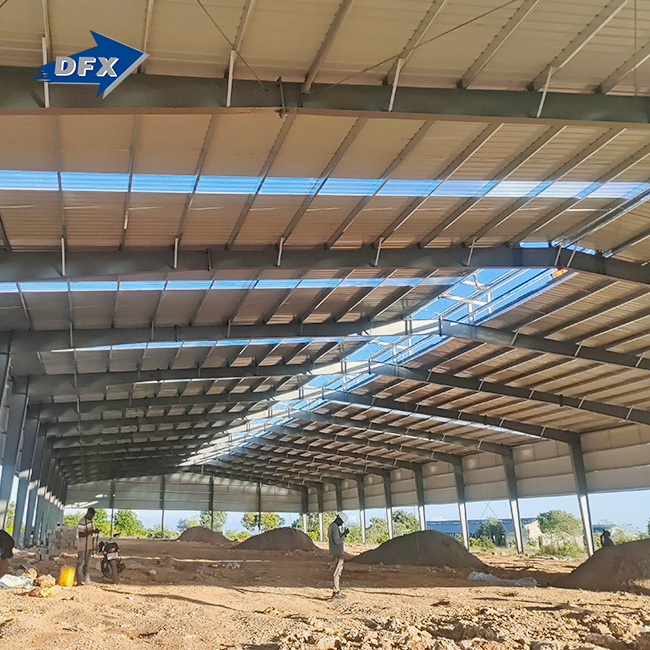
For the most part, farm equipment buildings are not the same as storage units for homes. These buildings need to be able to hold heavy machinery, stand up to harsh weather, and withstand farming chemicals that are known to be corrosive. They also need to be easy for big cars to get to. For a proper shed for farm use, it should have H-section beams and columns for better load-bearing capacity, C/Z galvanised purlins that won't rust from fertiliser exposure, and a variety of configurations that can range from fully enclosed to open-sided designs. This adaptability is important because standard tools don't need the same airflow and access as tractors, combines, and hay balers.
Core Benefits for Agricultural Operations
Protecting farm tools from the weather makes them last a lot longer. Exposure to water breaks down hydraulic systems, and UV light damages rubber parts and electrical wiring. Studies in agricultural engineering have shown that a good shed can lower these risks and lower maintenance costs by up to forty percent over a ten-year period. When machinery stays dry and ready, downtime goes down. This has a direct effect on productivity during important planting and harvest windows. In addition to protecting equipment, these structures also keep thieves away by providing secure enclosures. This is especially helpful for farms that are far away and where equipment is a big investment.
Essential Structural Features
An Equipment Protection Shed starts with choosing the right materials and being very careful with the planning. Painting frames doesn't protect galvanised steel frames as well from rusting, so they stay strong in wet places like farming areas. Whether you choose a shed with closed or open sides depends on the type of equipment you're storing. For example, open sheds let air flow through and stop mould growth, while enclosed sheds keep the electronics on modern precision farming equipment safe. Enough space between things allows for tall machinery, and big doorways make it easy to move around without damaging buildings or tools.
Comparing Popular Types of Equipment Protection Sheds for Farm Use
Material Considerations: Steel vs. Alternative Construction
Steel buildings are widespread on farms since they're robust and low-maintenance. H-beam structure with hot-rolled steel offers lengthy spans without internal support columns, maximising equipment storage space. In places that employ ammonia or chemical fertilisers on livestock, galvanised coatings prevent rust. Because they need regular treatment to avoid decay and insect damage, wood constructions are cheaper initially but more expensive to maintain. Fireproof steel is vital for storing fuel-powered devices and flammable materials like hay and seed treatments.
As production improves, steel buildings have less environmental impact. Modern fabrication produces little waste, and steel can be recycled, which helps farms meet environmental and sustainability standards that are increasingly vital for certification and compliance.
Portable vs. Permanent Installation Options
Permanent foundations are suitable for farms with stable work plans and machinery storage demands. In agricultural areas, high winds and snowfall are usual, but these installations remain stable. Concrete floors in permanent shelters keep tools dry and provide stability for repairs.
Mobile sheds are excellent for farmers who grow or work in multiple fields in the summer. Skid supports allow large machinery to move these buildings. In exchange, they are less windproof and less customisable. However, good portable designs can cover most farm implements. Managers of procurement should examine operational timescales. For short-term demands, portable solutions are appropriate, while long-term equipment housing requires permanent investments.
Climate Control: Insulated vs. Open Designs
Insulation protects modern farm equipment's temperature-sensitive electronic systems in simple sheds. Temperature changes cause humidity, which erodes circuit boards and hydraulic controllers. Insulated panels maintain temperature, extending precision agricultural techniques. This functionality is useful for operations at highly variable temperatures.
Open-sided sheds without protection work well for non-technical tools. Weather protection helps ploughs, harrows, and hay machinery without a regulated atmosphere. Insulated buildings might cost 30% more, so operating demands are crucial. Even in insulated buildings, ventilation is needed to prevent damp equipment from accumulating moisture.
Where and How to Buy Durable Equipment Protection Sheds for Farms?
Direct Manufacturer Sourcing
Farm sourcing managers can get a lot out of buying straight from companies that make specialised steel structures. Chinese fabricators like Qingdao Director Steel Structure Co., Ltd. offer a full range of services, from design to fabrication, so they can make custom solutions at prices that are hard to beat. With certifications like ISO9001, CE, COC, and PVOC, these companies make sure their products meet international quality standards. Direct engagement gets rid of markups for distributors and gives you access to tech help for needs that are unique to your site.
When looking at producers, make sure they can produce what you need and have experience with agricultural uses. Facilities with dedicated H-beam production lines and galvanising capabilities are better at keeping quality under control than those that outsource key parts. Ask for portfolios of past projects that are about the same size and level of difficulty as the ones you need. Lead times from foreign makers are usually between six and ten weeks, depending on how customised the product is. This means that you need to plan ahead, but it saves you a lot of money.
Regional Dealers and Distributors
In the United States, local stores that sell farm tools usually have pre-engineered shed systems that can be used on farms. This way of buying has benefits in terms of faster delivery, better customer service after the sale, and easier logistics. Dealers who know the local building codes can help with permit requirements, but you may not be able to make as many changes as you can when you buy directly from the manufacturer.
When time constraints make it impossible to ship goods overseas or when projects need immediate Equipment Protection Shed availability, regional suppliers really shine. It is common to pay fifteen to twenty-five percent more for local goods and services than for straight imports. This cost should be weighed by procurement managers against how quickly the project needs to be done and how valuable it is to have local relationships for warranty service and future growth needs.
Online B2B Platforms and Specialty Retailers
Digital platforms that connect buyers with many sellers make it easier to compare prices. Platforms that focus on agricultural or industrial structures let purchasing managers look at features, certifications, and customer feedback from a lot of different manufacturers. This method works well for basic setups that don't need a lot of customisation.
When you buy something online, you need to be careful to make sure the supplier is legitimate. Instead of relying only on platform listings, check certifications through an outside source. Before making big purchases, make sure you have detailed technical drawings and material specifications. Video chats with the technical teams of suppliers can help answer questions about getting the site ready, putting the equipment together, and long-term maintenance needs. Payment terms on B2B platforms often offer buyer protections that can't be found with direct wire payments. This makes foreign deals safer.
Installation, Maintenance, and Longevity of Equipment Protection Sheds
Professional Installation vs. Self-Assembly
Professional assembly services for complex steel structures make sure that the base is properly prepared, that the structure is perfectly aligned, and that the connections are securely held in place. Manufacturers like Director Steel offer thorough assembly plans and can suggest skilled erection groups that are familiar with their systems. Professional installation usually adds ten to fifteen percent to the cost of the project, but it eliminates the risk of putting things together wrong, which could void warranties or damage the structure.
Smaller buildings with simple plans can be put together by themselves. With pre-drilled parts and bolt-together construction, installs can be done by skilled farm teams using standard tools. Companies that make systems that are easy to put together on your own give you detailed instructions and technical support as you do it. No matter what method is used for installation, the site needs to be properly prepared. Level supports and good drains stop settling, which can lead to alignment problems and early wear.
Routine Maintenance Requirements
When compared to other materials, galvanised steel structures don't need as much upkeep. Once a year, inspections should be done to make sure that fasteners are tight, that coatings aren't damaged and need to be fixed, and that drainage systems stay clear. Panel connections and door hardware need to be oiled every so often to keep them running smoothly. Doing these easy things once a year, for a total of a few hours, keeps small problems from turning into expensive repairs.
Checks for weatherproofing become more important near the coast or in places with a lot of humidity, where salt air speeds up corrosion. Check galvanised coatings for damage caused by equipment or falling debris. If you find any, apply zinc-rich touch-up paint right away. Pay extra attention to the drainage on your roof; clogged gutters let water build up, which puts stress on structural links and opens up entry points for water damage.
Maximizing Structural Lifespan
Steel sheds that are well taken care of last for decades on farms. In normal farming conditions, galvanised H-beams keep their structural strength for thirty years or more. To make this last longer, you need to make sure the base is stable and stop soil from washing away around the posts. Base connections are the weakest parts of ground-mounted structures, so concrete aprons or gravel surrounds keep water from getting to them.
Seasonal changes make things last longer. For example, removing snow from roofs keeps them from getting too heavy, and making sure they have enough air flow in the summer keeps condensation from forming. When moving equipment inside sheds, workers should be careful not to damage the walls and support beams with their feet. When you combine these basic rules with good construction from the start, you get a great return on your investment over many years of reliable service.
Cost Considerations and Procurement Strategies for Farm Equipment Sheds
Understanding Price Variables
Beyond just simple size measures, there are many other things that affect Equipment Protection Shed pricing. Specifications for materials have a big effect on prices. For example, heavier gauge steel and thicker galvanising are more expensive but last longer in harsh settings. Customisation needs, like specific door layouts, insulation, or electrical requirements, raise the cost of engineering and production. The most affordable options are standard pre-engineered designs. Depending on how complicated they are, customisation costs can go up by 10 to 30 percent.
Prices naturally change based on size, but because bigger buildings are easier to make, per-square-foot costs tend to go down. Most of the time, a 2,000-square-foot shed costs less per square foot than a 1,000-square-foot shed with the same specs. When planning their first projects, procurement managers should think about how they will need to grow in the future. It's cheaper to add a little extra space now than to build different buildings later as the business grows.
Bulk Purchasing and Multi-Unit Projects
Bulk ordering saves a lot of money for farms that need more than one shed or contractors who are in charge of many projects. Manufacturers offer bulk savings because they know it's more efficient to make a lot of the same units. In addition to lowering the cost of the materials, buying in bulk also spreads the costs of engineering, making tools, and shipping across more units.
Working with manufacturers to carefully plan delivery schedules for multiple structures, such as Equipment Protection Shed units, is necessary. Optimising containers cuts down on freight costs, and staggered delivery lets installation schedules be broken up into stages that fit with the project's schedule. It's easier to negotiate payment terms when the value of the order is higher. Many manufacturers offer better terms to large buyers, which makes managing cash flow during project execution easier.
Warranty and Support Considerations
Full guarantees protect investments and show that the company that made the product is confident in it. Good suppliers offer structural warranties that cover the integrity of the frame for fifteen to twenty years. Coating warranties for galvanising last for seven to ten years. Carefully read over the guarantee terms to make sure you know what conditions could cancel coverage and what paperwork is needed to file a claim.
Support after the sale is just as important as the quality of the product itself. Check to see how quickly the manufacturer responds to technical questions and how readily they can provide replacement parts if something goes wrong. If repairs need to be made, downtime is kept to a minimum by suppliers who keep an established parts collection and clear contact lines. This support system is reason enough for small price increases when comparing goods that are otherwise the same.
Conclusion
To get long-lasting safety for expensive farm equipment, you need to be very careful when choosing a seller and know exactly what the structure needs to be. Working directly with authorised makers gives you more options for customisation and lower prices, while working with regional dealers is more convenient and offers local support. Using galvanised H-beams and purlins in steel construction gives agricultural operations the long life and low maintenance they need. When purchasing managers weigh the initial investment against the long-term costs of running the business, check certifications, and build relationships with responsive suppliers, their companies set themselves up for decades of reliable equipment protection and higher productivity.
FAQ
Q1: What frame materials work best for farm equipment sheds?
For agricultural use, hot-rolled steel H-beams are the strongest option. The H-section design effectively spreads weight over long spans without putting up columns inside that make it hard to get to equipment. Coatings that are galvanised keep metal from rusting when fertilisers and animal waste touch them. The structure is finished off with C and Z purlins made of galvanised steel, which provide excellent durability with little maintenance needs. This mixture lasts longer and doesn't catch fire as easily as wood, and it's still cheap enough for farm-scale work.
Q2: How long does installation typically require?
After preparing the foundation, professional crews can build a standard 2,000- to 3,000-square-foot shed in five to seven working days. Timelines are affected by things like access to the site and the weather. Installation may take up to two weeks for custom designs with lots of complicated parts. Self-assembly projects usually take two to three weeks for structures of the same size, but this depends on the experience of the crew and the tools that are available. No matter how the parts are put together, the time it takes for the foundation to cure adds several days to the total project time.
Q3: Can sheds accommodate various equipment types simultaneously?
Modern steel sheds are open-span and don't have any support posts inside, which lets you place your tools in a variety of ways. Specifications for height allow for tall machines like combine harvesters, and wide door openings make it easy to get to machines that are up to sixteen feet wide. Closed configurations keep delicate equipment safe, while open-sided setups work for tools that need airflow. During the design phase, procurement managers should talk about specific equipment dimensions and access patterns to make layouts work best for operations.
Partner with DFX for Your Farm Equipment Protection Needs
Director Steel Structure Co., Ltd. (DFX name) has been making agricultural steel structures that protect important farm investments for more than twelve years. Our approved factories follow ISO9001 quality standards and create unique Equipment Protection Shed solutions from the very beginning, all the way through to full fitting instructions. We are a reliable Equipment Protection Shed supplier for farms all over the world because our H-beam production capacity can handle projects of any size, and our short production cycles keep project delays to a minimum. Our engineering team works directly with procurement managers to come up with the best ways to store hay, park vehicles, and protect machinery. Get in touch with jason@bigdirector.com to talk about your specific needs and get detailed technical proposals that take into account your farm's budget, functionality, and durability.
References
1. Henderson, J. (2021). Steel Structures in Agricultural Applications: Design and Durability Considerations. Agricultural Engineering Press.
2. Morrison, T. & Chen, L. (2020). Cost-Benefit Analysis of Farm Equipment Storage Solutions. Journal of Agricultural Economics, Vol. 45, pp. 234-251.
3. Roberts, M. (2022). Galvanized Steel Performance in Corrosive Agricultural Environments. Materials Science Quarterly, Vol. 18, No. 3, pp. 112-128.
4. Thompson, K. (2019). Procurement Strategies for Large-Scale Agricultural Infrastructure. Farm Management Review, Vol. 33, pp. 67-84.
5. Williams, D. (2023). Modern Farm Equipment Protection: Materials, Design, and Maintenance Best Practices. Agricultural Technology Publishers.
6. Zhang, W. & Peterson, R. (2021). International Standards for Steel Structure Manufacturing and Certification. Global Construction Standards Journal, Vol. 12, No. 4, pp. 445-462.
Learn about our latest products and discounts through SMS or email