- English
- French
- German
- Portuguese
- Spanish
- Russian
- Japanese
- Korean
- Arabic
- Greek
- German
- Turkish
- Italian
- Danish
- Romanian
- Indonesian
- Czech
- Afrikaans
- Swedish
- Polish
- Basque
- Catalan
- Esperanto
- Hindi
- Lao
- Albanian
- Amharic
- Armenian
- Azerbaijani
- Belarusian
- Bengali
- Bosnian
- Bulgarian
- Cebuano
- Chichewa
- Corsican
- Croatian
- Dutch
- Estonian
- Filipino
- Finnish
- Frisian
- Galician
- Georgian
- Gujarati
- Haitian
- Hausa
- Hawaiian
- Hebrew
- Hmong
- Hungarian
- Icelandic
- Igbo
- Javanese
- Kannada
- Kazakh
- Khmer
- Kurdish
- Kyrgyz
- Latin
- Latvian
- Lithuanian
- Luxembou..
- Macedonian
- Malagasy
- Malay
- Malayalam
- Maltese
- Maori
- Marathi
- Mongolian
- Burmese
- Nepali
- Norwegian
- Pashto
- Persian
- Punjabi
- Serbian
- Sesotho
- Sinhala
- Slovak
- Slovenian
- Somali
- Samoan
- Scots Gaelic
- Shona
- Sindhi
- Sundanese
- Swahili
- Tajik
- Tamil
- Telugu
- Thai
- Ukrainian
- Urdu
- Uzbek
- Vietnamese
- Welsh
- Xhosa
- Yiddish
- Yoruba
- Zulu
Best approach for bespoke commercial steel structures
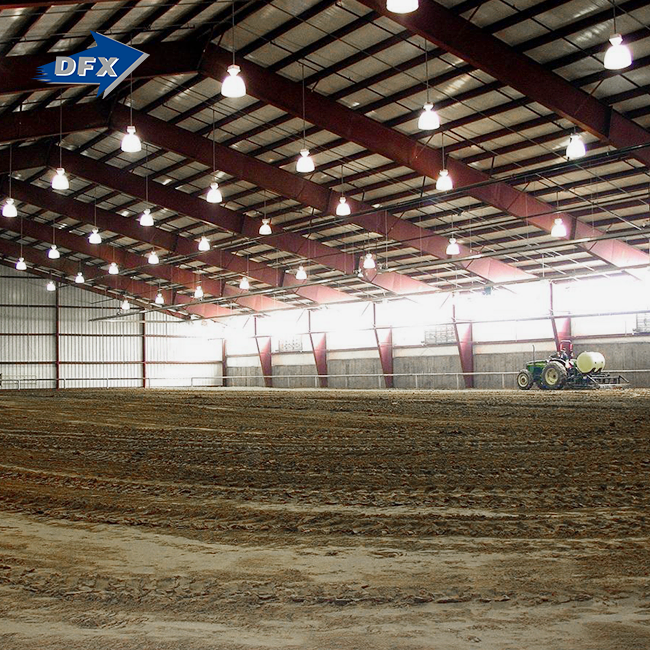
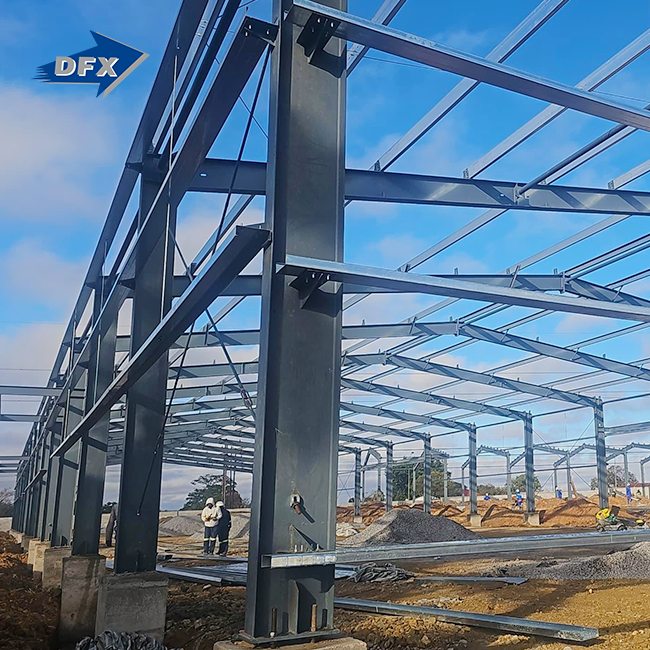
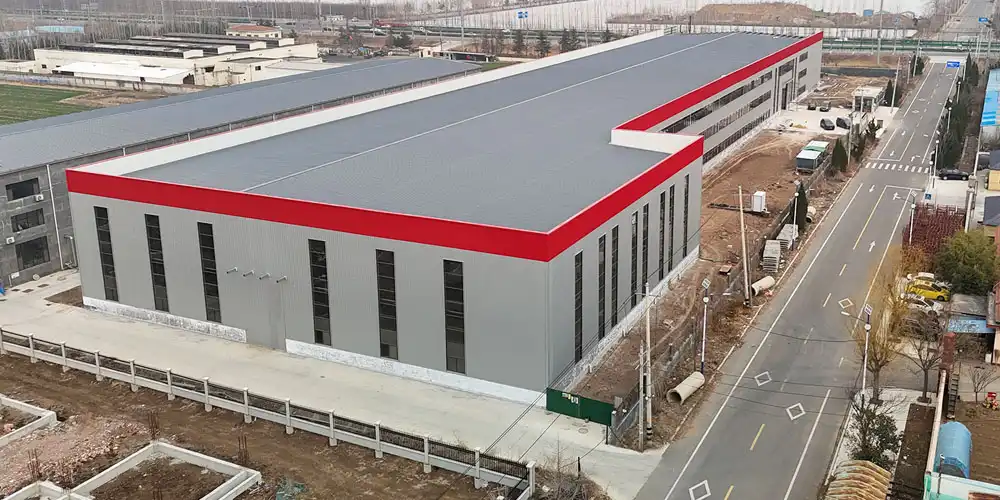
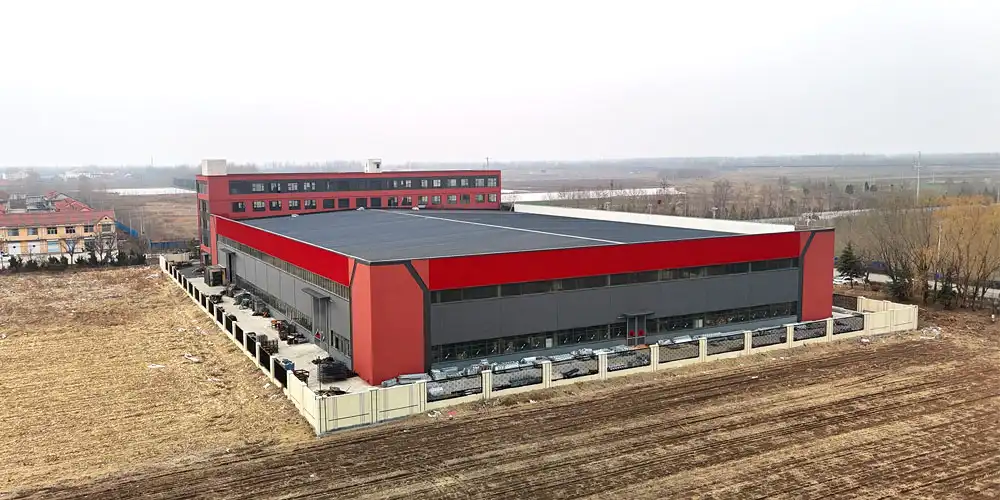
When planning a big industrial project, like expanding a factory or building a new transportation hub, picking the right structural answer is very important. If you want custom industrial steel structures, the best thing to do is figure out what your specific operational needs are and work with makers who can give you custom engineering solutions. A custom industrial steel warehouse is different from standard building kits because it has frames that are carefully designed to fit big equipment, automated systems, and special environmental controls. High-tensile steels like Q355B or ASTM A572 Grade 50 are used to build these buildings. They have clear spans of more than 30 meters and don't have any interior columns that get in the way of work or storage.

Understanding Custom Industrial Steel Warehouses
Custom steel structures are a big change from building things that are the same for everyone. These are buildings that are made to fit your unique needs instead of pushing your business to fit into pre-made templates.
What Makes These Structures Different?
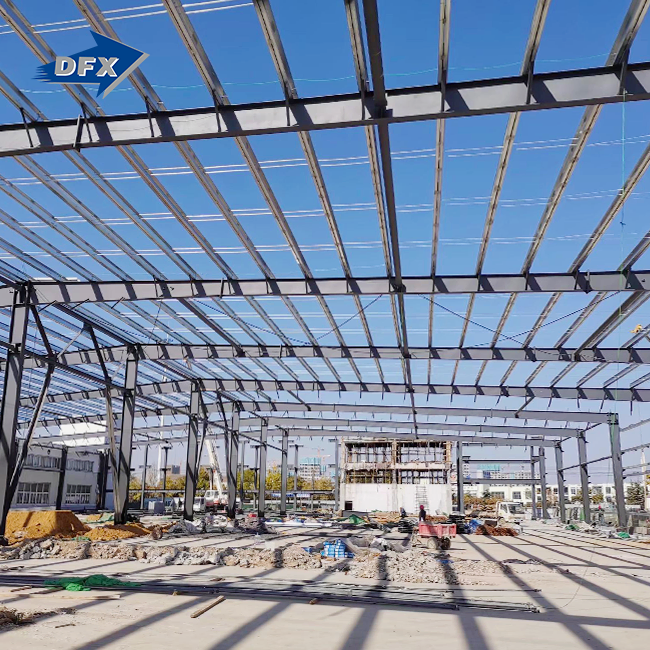
Modular prefabricated steel storage building systems are used in custom industrial stores. These systems are carefully made in controlled factory settings. The main structure is made up of zinc C/Z purlins, H-beam steel frames, and complete supporting systems. This method achieves measurements that are accurate to within ±2mm, which is a level of accuracy that can't be reached with standard on-site building. The design works with complicated operating needs like 10- to 100-tonne overhead cranes, high conveyor paths, and solar panels on the roof without affecting the structure's strength.
The choice of material is very important here. Steel types that meet the requirements of ASTM A36, A572, or A992 have yield strengths higher than 345 MPa, which lets spans be longer and column spacing be smaller. In harsh environments, hot-dip galvanization with a coating layer of 85 microns or more keeps metals from rusting. For chemical storage, epoxy zinc-rich paint systems offer DFT rates above 125 microns.
Why Do Standard Solutions Fall Short?
When EPC companies are in charge of infrastructure projects, they quickly learn that prefabricated choices don't have the technical depth needed for complicated industrial uses. Standard buildings aren't built to handle the dynamic loads that come from heavy industrial equipment or the thermal insulation needs of cold chain shipping facilities that keep temperatures at -25°C. The custom method gets around these problems by carefully planning the load paths, reducing thermal bridging at the connection points, and adding explosion-proof air systems to places where dangerous materials are kept.
Designing Bespoke Commercial Steel Structures: Key Considerations
A good structure design balances many different areas of engineering while keeping costs low and building times fast.
Structural Engineering Fundamentals
Load estimates are the most important part of designing a building that works well. The building itself has dead loads; kept goods and tools have live loads; and environmental forces like wind speeds of up to 280 km/h and snow accumulations of more than 3.0 kN/m² are also taken into account. For zones up to Grade 8, seismic concerns mean that links must be flexible and bracing systems must be placed strategically. Figuring out the bending limits—usually L/360 for general uses or L/500 for facilities with cranes—makes sure that the frame stays rigid under the highest design loads without affecting safety or performance.
Column-free rooms make the most of the space that can be used, but they need to be carefully engineered with portal frames and moment links. Multiple crane runway beams can be supported at different heights by stepped columns, and concentrated loads are safely spread across the structure by strengthened connection plates.
Energy Efficiency and Insulation Strategy
The thermal performance of a building has a direct effect on its running costs over its entire life. Sandwich panels made of high-R-value polyurethane or polyisocyanurate that are 100 mm to 200 mm thick save a lot of money on heating and cooling costs. Vapor barriers on the warm side of the insulation stop water from building up, and thermal break tapes on the purlins stop heat from moving through the steel frame. Ridge ventilators and motorized exhaust fans make sure that the rate of air exchange matches the volume of the building. This stops condensation problems that happen in wet areas when metal buildings are used.
It may seem like a lot of technical details, but they add up to real benefits like lower energy bills, more comfortable workers, and better safety for temperature-sensitive inventory. Companies that make things and are increasing their production capacity especially like how good insulation lets them keep surroundings at a comfortable temperature without using too much energy.
Regulatory Compliance and Fire Protection
Different places have very different building rules, but worldwide standards set the minimum standards. Your structure will meet accepted engineering standards if it follows AISC 360-16 specifications, AWS D1.1 structural welding codes, and EN 1090 performance classes. Steel loses about half of its strength at 600°C, which makes fire protection a unique task. When heated, intumescent fireproof coatings spread, protecting the steel core from heat and giving people enough time to get out in time to meet F90 or F120 fire standards, based on the type of occupancy.
Comparing Custom Steel Warehouses with Alternative Solutions
Procurement teams can make better choices that are in line with project goals when they know how the different building methods compare.
Custom Steel Versus Prefabricated Options
When time is of the essence, prefab houses are appealing because they are quick and easy to put together. But they give up the freedom that custom solutions offer. Before they are built, prefabricated buildings have set bay spacing, crane capacity limits, and limited room for growth. Custom industrial steel warehouses can be built to fit any spot, work with any current infrastructure, and let your business grow in stages as it needs to. The extra engineering work that goes into the planning part pays off in the long run by making operations more efficient and avoiding the need for costly changes in the future.
Steel Compared to Concrete Construction
Concrete warehouses are very resistant to fire and have a lot of heat mass, but they take 30 to 50 percent longer to build than steel buildings. Due to larger dead loads, foundation standards get stricter, which makes below-grade costs go up by a lot. Steel's higher strength-to-weight ratio lowers the cost of the base, and its flexibility makes it better at absorbing energy during earthquakes. With rigid frame links, modular design allows for lengthwise growth, which is something that concrete buildings can't do without major structural changes.
Total Cost of Ownership Perspective
The initial cost of building is only one part of the financial research process. Custom steel buildings are valuable because they require less upkeep, have lower insurance rates because of fire safety systems, and use less energy because the ventilation is better. Construction companies that are in charge of industrial projects know that designed steel solutions have lower lifespan costs over 25 to 30 years of operation, even though they may cost more up front than basic prefab choices.
Procurement and Construction Process for Custom Steel Warehouses
Getting from the idea to the finished product requires an organized approach and clear communication between all parties involved.
Initial Consultation and Needs Assessment
Getting makers involved early in the planning process is good for project managers. Engineers can make designs that meet real needs instead of assumed needs when they talk in detail about operating processes, equipment specs, plans for future growth, and site conditions. As full turnkey solutions, we offer engineering calculations, manufacturing planning, transportation management, and erection help. This unified method gets rid of the coordination problems that happen when different design, manufacturing, and building companies work on the same project at the same time.
When farmers build tailored metal buildings, chicken coops, or barns for animals, they need structures that can hold air systems, feed delivery systems, and waste management systems. When owners in manufacturing build new factories using tailored metal building solutions, they need to make sure there are cranes, elevated service lines, and enough floor space to support heavy machinery. Each use case needs a unique set of tech answers that can't be met by general tailored metal building methods.
Supplier Selection Criteria
When picking factory partners, you need to look at more than just price quotes. The ISO9001 certification shows that the quality management system is mature, and the CE marking and possible EN1108 compliance show that the product meets European standards. Production capacity is important. Facilities with 40,000 square meters of protected space and six automatically welded H-beam lines and two sandwich panel lines can produce high-quality products on a large scale. 20,000 tons of welded beams, 8,000 tons of C/Z section steel, and 50,000 square meters of insulation panels are made every year. This shows that the production infrastructure is well-established and that shipping dates can be relied on.
Track marks are very important. Manufacturers with 12 years or more of experience working on a wide range of projects, from airplane hangars to chemical storage facilities, can solve problems better than younger companies. In-house architectural design and detailed services speed up the building process by preventing misunderstandings between the design and fabrication teams, which can lead to expensive changes in the field.
Quality Verification and Inspection Protocols
Strict quality control keeps your investment safe and protects the structure. A spectrographic study of the material shows that the steel's composition matches the mill test certificates. Non-destructive testing, such as ultrasonic inspection for problems inside the weld and magnetic particle inspection for cracks on the surface, makes sure that links will work as planned under the intended loads. Testing the thickness of a dry film with magnetic gauges confirms that the application of a protective layer meets the requirements for corrosion protection in your area.
Maximizing Value: Fire Safety, Insulation, and Future-Proofing
Making smart choices during the planning and construction steps will pay off for a long time after the building is finished.
Advanced Fire Protection Systems
Comprehensive fire safety uses both passive and active technologies, not just basic intumescent surfaces. Fire-rated walls that divide areas keep fires from spreading, and smoke alarms and water networks help put out fires quickly. Planning for emergency exits makes sure that people can leave easily, which is required by life safety codes. For chemical storage, you need special systems with parts that don't spark and control blocks that stop dangerous materials from escaping during fires.
Insulation Performance and Worker Comfort
Temperature-controlled spaces make people more productive and protect the quality of goods. Polyurethane sandwich panels with thermal conductivity values below 0.022 W/m·K keep the structure strong while reducing heat movement. When building walls are properly sealed, drafts and water entry are stopped, which is good for both comfort and material durability. Roof-mounted HVAC units that were built into the structure from the start easily spread conditioned air without the need for expensive upgrades.
Planning for Growth and Technology Integration
Instead of locking you into set layouts, smart design thinks about what you might need in the future. Oversizing the electricity service capacity, setting up conduit paths for data infrastructure, and designing floor loading margins that are higher than what is needed now makes it possible for technology to be used as automation improves. By connecting new portal frames to existing end walls, modular steel frameworks make it possible to add bays, which isn't possible with many other building methods. This ability to adapt keeps your investment from becoming useless as operating needs change to meet market needs.
Conclusion
The best way to make custom industrial steel structure warehouse industrial steel structures is to use precise engineering, high-quality manufacturing, and strategy planning that is based on your particular practical needs. Custom Industrial Steel Warehouses offer more flexibility, can be built faster, and have higher term values than normal options. To be successful, you need to choose makers with a lot of experience who offer full services for warehouse projects involving industrial steel structures from the first meeting to the final installation and who have certifications that show they are committed to international quality standards. Investing in properly designed steel structures for industrial warehouses is the key to operating success and business growth, no matter if you're an EPC contractor in charge of infrastructure projects or a manufacturing company that wants to make more things.
FAQ
1. How long does the design-to-build process typically take?
Due dates for projects depend on how complicated and big they are. From final approval of the plan to substantial finishing, simple warehouse buildings may be finished in three to four months. Timelines are pushed back to 6 to 8 months for buildings that are complicated and have big crane systems, specialized environmental controls, or difficult site conditions. Design development takes 4 to 6 weeks, creation takes 8 to 12 weeks, based on the production line, and on-site assembly takes 4 to 8 weeks for most projects. Early involvement of suppliers during the basic design stages speeds up the process by addressing problems related to constructability before the fabrication phase starts.
2. Can existing warehouses be retrofitted with overhead crane systems?
Adding big crane power to buildings that weren't designed to hold these loads from the start is very difficult. It is important for columns to be stiff enough and be able to connect to other columns well enough to withstand strikes from above, surge forces from the sides, and twisting forces from eccentric loads. A structural engineering study is needed for a retrofit review to see if the current foundations, columns, and roof frame can safely handle extra loads. Planning ahead during the initial design process is much cheaper than trying to make changes after the building is finished.
Partner with DFX for Your Custom Industrial Steel Warehouse Project
We at DFX (formally known as Qingdao Director Steel Structure Co., Ltd.) have been perfecting the art and science of custom industrial steel buildings for more than 12 years. Precision-engineered parts that meet ISO9001 and CE standards are made in our 40,000-square-meter factory, which serves building companies, industrial companies, and agricultural businesses around the world. We offer full turnkey solutions that include engineering estimates, H-beam manufacturing, shipping planning, and advice on how to set up the structure based on your needs. Our team can help you with logistics stores, delivery centers, or specialized storage facilities. We offer reliable, cost-effective solutions that are backed by international certifications. Get in touch with our custom industrial steel warehouse experts at jason@bigdirector.com to talk about how our production and design skills can help you make your project idea a reality.
References
1. American Institute of Steel Construction. (2016). Specification for Structural Steel Buildings (AISC 360-16). Chicago: AISC.
2. Davies, J. M. (2015). Steel Structures Design Manual to AS 4100. Sydney: Australian Steel Institute.
3. Owens, G. W., & Cheal, B. D. (2018). Structural Steelwork: Design to Limit State Theory (4th ed.). London: CRC Press.
4. Packer, J. A., & Henderson, J. E. (2013). Hollow Structural Section Connections and Trusses: A Design Guide (2nd ed.). Toronto: Canadian Institute of Steel Construction.
5. Trahair, N. S., Bradford, M. A., & Nethercot, D. A. (2017). The Behaviour and Design of Steel Structures to EC3 (5th ed.). London: Taylor & Francis.
6. Yu, W. W., & LaBoube, R. A. (2020). Cold-Formed Steel Design (5th ed.). Hoboken: John Wiley & Sons.
Learn about our latest products and discounts through SMS or email