- English
- French
- German
- Portuguese
- Spanish
- Russian
- Japanese
- Korean
- Arabic
- Greek
- German
- Turkish
- Italian
- Danish
- Romanian
- Indonesian
- Czech
- Afrikaans
- Swedish
- Polish
- Basque
- Catalan
- Esperanto
- Hindi
- Lao
- Albanian
- Amharic
- Armenian
- Azerbaijani
- Belarusian
- Bengali
- Bosnian
- Bulgarian
- Cebuano
- Chichewa
- Corsican
- Croatian
- Dutch
- Estonian
- Filipino
- Finnish
- Frisian
- Galician
- Georgian
- Gujarati
- Haitian
- Hausa
- Hawaiian
- Hebrew
- Hmong
- Hungarian
- Icelandic
- Igbo
- Javanese
- Kannada
- Kazakh
- Khmer
- Kurdish
- Kyrgyz
- Latin
- Latvian
- Lithuanian
- Luxembou..
- Macedonian
- Malagasy
- Malay
- Malayalam
- Maltese
- Maori
- Marathi
- Mongolian
- Burmese
- Nepali
- Norwegian
- Pashto
- Persian
- Punjabi
- Serbian
- Sesotho
- Sinhala
- Slovak
- Slovenian
- Somali
- Samoan
- Scots Gaelic
- Shona
- Sindhi
- Sundanese
- Swahili
- Tajik
- Tamil
- Telugu
- Thai
- Ukrainian
- Urdu
- Uzbek
- Vietnamese
- Welsh
- Xhosa
- Yiddish
- Yoruba
- Zulu
Advantages of Using a Steel Structure Shopping Mall in Urban Development
To meet the needs of modern store construction, urban planners and project managers are turning increasingly to steel-framed business buildings. A steel structure shopping mall is a modern way to build shopping malls, retail centres, and business plazas that use high-strength steel frames instead of the more common concrete ones. This building method gives architects a lot of freedom in their designs, cuts down on project times, and makes buildings forceful. Steel structures use premade parts like H-beams, box columns, and composite floor decks that help with important issues in urban growth, like short building times, making the best use of space, and meeting requirements for sustainability. The architectural covering systems and customer-focused plans of these buildings make them very appealing to procurement managers who are looking for reliable, low-cost solutions for business projects.

Understanding Steel Structure Shopping Malls in Urban Development
Defining Modern Commercial Steel Construction
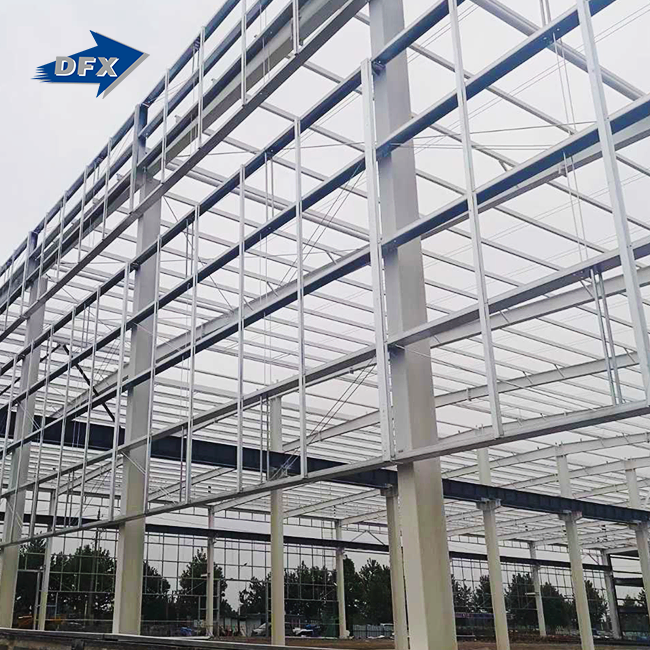
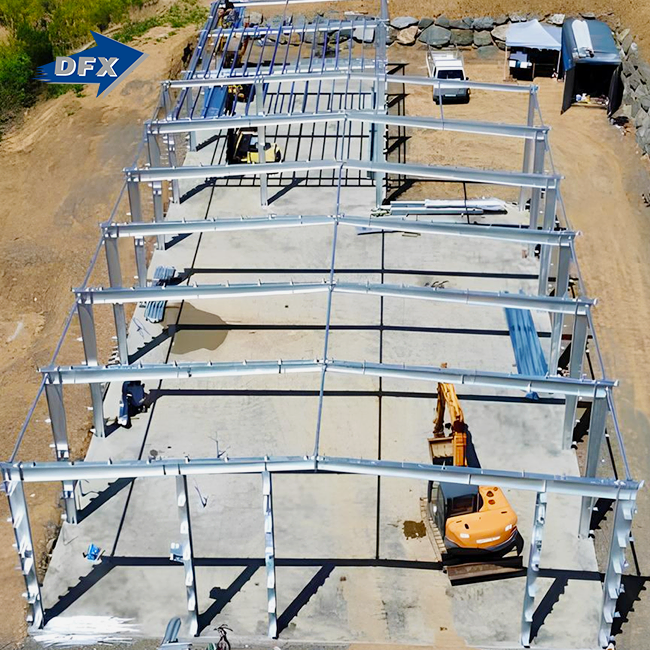
Steel-structured malls differ from concrete ones. The load-bearing frames of these buildings consist of off-site structural steel sections that are assembled on-site. Compared to traditional methods, this technology reduces building timelines by 30 to 50% and allows off-site production during foundation work. Speed is crucial when workers must fulfill deadlines or enter a competitive industry.
High-strength low-alloy steel, Grade Q355B or ASTM A572 Gr. 50, has tensile values over 345 MPa. This material's strong strength-to-weight ratio allows for large clear spans and column-free zones for flexible store layouts. Lightweight steel constructions require less foundation cost. This makes them ideal for areas with many structures where the earth can't support much weight.
Meeting Contemporary Urban Development Needs
Cities are under increasing pressure to maximize land use and comply with sustainability laws. Modular steel-framed business structures solve these issues by making it easier to add on and reuse pieces. The building process reduces waste, pollution, and recycling. ISO9001-certified Chinese steel parts meet international quality requirements and are economically priced to help procurement teams stay on budget.
Urban planners favor the steel development, as it does not disrupt nearby areas. Prefabricated pieces are ready to assemble. This option reduces construction noise and traffic. In well-established business areas where keeping the business operating can affect stakeholder relations, this approach is crucial.
Core Advantages of Steel Structure Shopping Malls
Modern retail development demands construction solutions that balance performance, cost, and schedule requirements. There are many strategic benefits to steel-framed shopping centers that directly address the concerns of engineering directors, project managers, and procurement pros.
Superior Structural Performance and Seismic Resilience
Steel buildings are flexible, which means they can take in controlled amounts of energy during earthquakes without falling apart completely. When put under a lot of stress, the material bends instead of cracks, which is crucial for safety in areas that are prone to earthquakes. Completed projects in California and Japan show that steel-framed shopping malls can survive strong ground movement without losing their structural stability.
The hybrid floor deck system, which is made up of steel decking and concrete, improves the shopping experience by making the diaphragm work better and reducing noise. A common problem with steel buildings is that they let noise through. This technical standard handles this issue. The combined method provides excellent soundproofing while preserving the structural benefits of steel buildings.
Accelerated Construction Timelines and Cost Efficiency
Time equals money in business growth. Steel structure shopping malls are built 30–50% faster than concrete ones, allowing tenants to start making money sooner. Prefabrication and site preparation occur simultaneously; thus, no building stage takes longer.
Fewer skilled workers and tools are needed for installation. Torque tensioning checks high-strength bolts for structural linkages. This process reduces field welding. Standardization reduces labor costs and improves quality stability, benefiting EPC workers on many projects.
Because the pieces are custom-made, they reduce material waste. When made off-site in controlled settings, this approach avoids weather delays and material damage. Purchasing managers prefer this strategy since it provides predictable cost structures, so they don't need as much money in case of emergencies.
Architectural Flexibility and Design Freedom
Steel building is different from concrete options because it can span large areas. When you combine portal rigid frames and space-frame roofs, you get huge, open rooms that are perfect for key tenants and high-traffic flow patterns. As e-commerce changes the way real stores do business, it's important that interior plans can easily adapt to new retail trends without having to make any structural changes.
The customer-focused plan design works with a range of building ideas. Steel frames and facade systems work together perfectly, and they can support a wide range of aesthetic treatments, from modern glass curtain walls to traditional brick cladding. This flexibility helps developers make unique brand names while keeping the structure's efficiency.
Future growth will be easy because steel is lightweight, which means that tall additions can be made without a lot of base reinforcement. Developers who work in crowded cities like this love scalability because it lets them plan phased development strategies or take advantage of sudden market possibilities.
Environmental Sustainability and Green Building Compliance
Because of its construction and natural origin, steel buildings follow worldwide environmental trends. Steel is one of the greenest building materials since it can be recycled over 90%. A component's value after its useful life reduces its environmental impact.
Smart insulation and covering solutions reduce energy use, lowering operational expenses and helping buildings gain green building certifications. Steel building benefits LEED and BREEAM projects by making resources easier to find, reducing waste, and saving energy. These licenses affect tenant selection and building value more in competitive retail sectors.
Steel production emits less CO₂ per tonne than cement. When centralised fabrication locations save on transportation, they frequently have a lower carbon footprint than traditional concrete structures. This helps corporations meet their environmental pledges.
Comparing Steel Structure Shopping Malls to Traditional Concrete Malls
Lifecycle Performance and Maintenance Requirements
The right corrosion protection makes steel constructions last a long period. ISO 1461 hot-dip galvanization or marine-grade finishing systems can last decades without repairs, even in coastal environments. This security system differs from concrete buildings, which need periodic sealing and repairs to prevent cracking and spalling.
Because important structural pieces don't need as much maintenance, steel buildings have 20–30% cheaper maintenance expenses over 50 years. Inspection methods focus on finish and connections rather than structure breakdown. Building owners prefer these features because they lessen business disruption and costs.
Steel is flexible; thus, worn pieces can be replaced quickly. Individual pieces can be repaired or added without demolishing the building. Adaptable reuse solutions let buildings outlast their design restrictions.
Comparative Cost Analysis
In most markets, the initial costs of building a steel or concrete mall are about the same. However, steel is better for fast-track plans and areas with difficult soil conditions. Steel buildings don't need as much of a base, which saves a lot of money on projects where the ground would need a lot of filling or ground improvement otherwise.
Better energy performance leads to operational saves. The insulation values of composite wall and roof systems are better than those of standard concrete construction, which means that less energy is used for heating and cooling. These savings add up every year, which increases the return on investment over the life of the building.
The shorter time frame for building has financial benefits beyond just lowering costs. Bringing in money earlier on helps the project's cash flows and internal rate of return calculations, which affect choices about funding. This benefit is often the deciding factor for developers when they are weighing their options for different building methods.
Safety Considerations and Fire Resistance
Passive fire protection systems, such as intumescent paints and cementitious sprays, make sure that steel buildings meet the minimum fire resistance ratings. With these treatments, steel sections can keep their load-bearing ability for two to four hours during fires, which is the same as or better than concrete. The application process works with the fabrication routines without any problems, and it doesn't have a big effect on the plan.
Another important safety factor is how well the building handles earthquakes. Steel is reliable even when it is under a lot of stress because it is flexible and has uniform material qualities. A lot of tests and performance data from real life help engineers confidently predict how structures will react, which lowers the risk in design estimates.
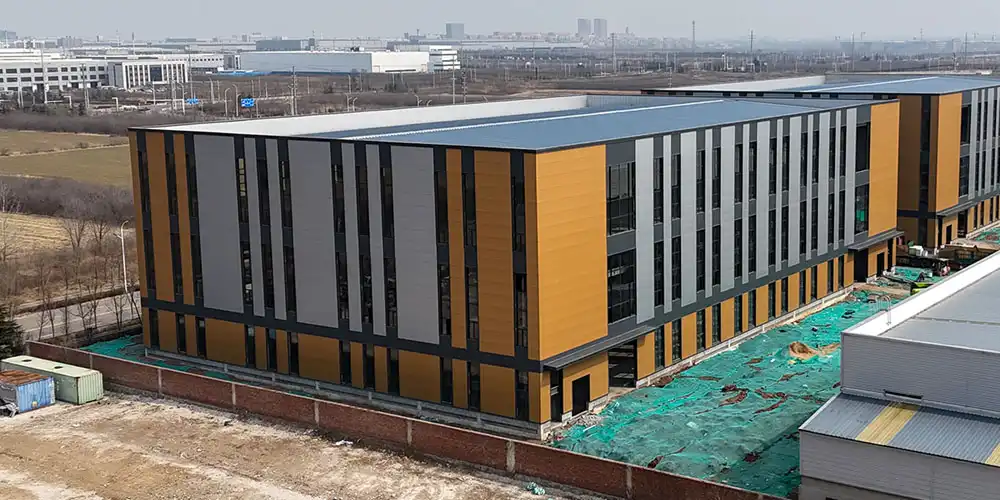
Procurement Insights for Steel Structure Shopping Mall Projects
Selecting Qualified Steel Structure Suppliers
When choosing steel frame providers for retail projects, procurement teams have to look at a number of factors. The ability to manufacture, quality certifications, technical help, and on-time delivery are all factors that affect the success of a project. Companies like Qingdao Director Steel Structure, which was founded in 2011, show how combining planning, manufacturing, and installation services can make a project go more smoothly.
For big retail projects, production ability is very important. The six automatic welded H-beam production lines and other supporting equipment can deliver the 20,000 tons of structural parts that are usually needed for big shopping malls. An enclosed production area that keeps the work from getting damaged by the weather guarantees consistent quality and on-time delivery.
Manufacturers must follow quality control systems that meet foreign standards in order to get certifications like ISO9001, CE, COC, and PVOC. These licenses lower the risk of buying things and make it easier to get approval in markets that need specific safety paperwork. Engineering directors like working with companies that have their own architectural design and detailed services. This makes it easier to coordinate with MEP and façade systems as the project grows.
Prefabrication Benefits and Implementation
Site-built buildings tend to be inferior to prefabricated steel structures. Assembly is faster when parts are precisely made and don't need significant field adjustment. This strategy works well in cities with limited access and staging space.
Separate modules enable scalable project delivery. Developers can reduce planning costs and streamline the purchase process by buying in bulk and standardising structural systems. Financial firms managing portfolio expansion or retail chains expanding into new areas benefit from this approach.
Quality control procedures in factories are better than field methods. Ultrasonic and magnetic particle inspection are non-destructive AWS D1.1 weld quality tests. Laser scanning checks part dimensions for standardization. This avoids costly field alterations.
Budget Optimization and Project Financing
Budgeting for Steel Structure Shopping mall projects must account for initial, ongoing, and time-dependent returns. Purchasing managers should request cost estimates for structural systems, cladding, mechanical systems, and installation services. This transparency allows precise plan comparisons.
Bulk purchase reduces unit costs when developers commit to multi-step projects or link development to procurement. Project-based production suppliers can meet building targets with delivery deadlines. This reduces on-site storage and expenditures.
Payment terms and project success guarantees protect everyone. Experienced suppliers base payment schedules on manufacturing, delivery, and installation proof milestones. These plans maintain financial flow while holding everyone accountable for project completion.
Future Trends and Innovations in Steel Structure Shopping Mall Development
Sustainable Materials and Green Building Integration
Building methods that don't produce any carbon are slowly becoming more common in the construction business. In response, companies that make steel structures use recovered materials, make their products in ways that use less energy, and support the ideas of a circular economy. These projects help companies reach their sustainability goals while also having a smaller effect on the earth.
New covering technologies make things last longer while getting rid of harmful materials. Using water-based paints and powder coatings lowers the amount of volatile organic compound emissions that happen during production and when the building is occupied. These changes help meet indoor air quality goals that are becoming more and more important to store owners and customers.
Because steel building is naturally flexible, it is easy to connect to renewable energy sources. Net-zero energy goals can be met by roof structures that can hold solar panels without needing extra support. As energy costs rise and rules get stricter, this ability raises the long-term value of an object.
Smart Building Systems and Energy Management
Building Management Systems and Steel Structure Shopping malls empower operators like never before. IoT devices monitor building health, energy use, and surrounds. Predicting repairs using this information saves money and boosts efficiency.
Smart HVAC settings and superior insulation technologies boost energy efficiency beyond code. Machine learning programs adjust the system based on weather and usage, keeping people comfortable and energy costs low. Modern areas that improve business efficiency attract desirable renters.
Smart building systems provide clear data for ESG reporting standards that major investors value. Number-based metrics demonstrate effective management and identify opportunities to increase revenue.
Modular Construction and Rapid Deployment Strategies
Modular and readymade building methods change frequently, allowing speedier project completion. Whole store units have finishes, fixtures, and systems ready to connect to site utilities. Standard store layouts used in various locations benefit from this strategy.
Scalability in cities is achievable with lightweight structures that require fewer foundations and cause less site disturbance. Established areas that weren't suited for retail growth can be infilled. This power unlocks land value and assists underserved areas.
Investment methods can be phased in conjunction with market adoption thanks to early build growth plans. Adding floors or sides to existing structures doesn't change their appearance, and costs are spread out.
Conclusion
Shopping malls with double-slope shopping centre steel structures are great for urban business growth because they can be built faster, have more flexible designs, are more durable, and have lower lifecycle costs. Because these buildings are prefabricated, they can be used even when tight deadlines, difficult areas, or sustainability standards apply. Procurement teams do better when they work with skilled steel structure manufacturers that can plan, build, and install the structures all at the same time for double-slope shopping centre steel structure projects. Because of the flexible nature of the construction method, these buildings will last for a long time and can adapt to changing market settings and patterns of urban growth in double-slope shopping centre steel structure developments. If developers want to get ahead in crowded markets, they should think carefully about whether steel building is a good choice for retail projects like double-slope shopping centre steel structures.
FAQ
1. How does the lifespan of steel shopping malls compare to concrete structures?
If you keep up with maintenance, steel buildings can easily last 50 to 75 years, which is the same or longer than standard concrete construction. Corrosion can be prevented by galvanisation or good covering systems. The material itself doesn't break down over time like concrete does when alkali-aggregate reactions happen or chloride gets into it. The modular design makes it easy to change parts if they break, which essentially extends the building's life indefinitely.
2. Can steel structures withstand earthquakes as effectively as concrete buildings?
Steel building is better for handling earthquakes because the material is flexible and can be deformed in a controlled way when under heavy loads. The strength-to-weight ratio lowers the forces of earthquakes acting on supports, and knowing how a material will behave lets engineers make accurate calculations. A lot of earthquake performance data from Japan and California shows that steel buildings are reliable in places where there are a lot of earthquakes.
3. Are prefabricated steel structures cost-competitive with traditional construction methods?
Steel structures have reasonable starting costs and big benefits in total project costs when you look at shorter schedules, lower site management costs, and the need for fewer foundations. The faster construction means that money can be made earlier, which usually explains any original premium. Also, the lifecycle costs are usually 20–30% cheaper because they don't need as much upkeep and use less energy.
Partner With DFX for Your Next Commercial Development
Director Steel has been making industrial steel structure shopping malls for more than twelve years and can help you with your retail growth projects. We offer complete solutions that include structural design, manufacturing, and coordination with MEP and façade systems. Our enclosed production buildings cover 40,000 square meters and have more than 200 skilled workers. Our ISO9001 and CE certifications make sure that we meet foreign quality standards, and our project-based production lets you set your own deadlines and stick to your budget. Our engineering team has the technical know-how and manufacturing ability to handle projects from 5,000 to 50,000 square meters, whether you're building shopping malls, business plazas, or retail centres. Get in touch with Jason at jason@bigdirector.com to talk about your needs with experienced suppliers of steel structures for shopping malls who know how to handle the specific needs of business-building projects in a range of markets.
References
1. American Institute of Steel Construction. (2016). Specification for Structural Steel Buildings (AISC 360-16). Chicago: AISC.
2. Chen, W.F., & Lui, E.M. (2018). Handbook of Structural Engineering, Second Edition. Boca Raton: CRC Press.
3. Gorgolewski, M., Straka, V., Edmonds, J., & Sergio, C. (2015). Facilitating Greater Reuse and Recycling of Structural Steel in the Construction and Demolition Process. Toronto: Ryerson University.
4. Lawson, R.M., & Ogden, R.G. (2020). Sustainable Steel Construction: Design for Life. Journal of Constructional Steel Research, 168, 105981-105994.
5. Thornton, C.H., & Tomasetti, R.L. (2014). Exposed Structure in Building Design. New York: McGraw-Hill Professional.
6. Zhao, X.L., & Hancock, G.J. (2019). Recent Research on Cold-Formed Steel Structures and Steel Structures in Australia. Advances in Structural Engineering, 22(1), 3-20.
Learn about our latest products and discounts through SMS or email