- English
- French
- German
- Portuguese
- Spanish
- Russian
- Japanese
- Korean
- Arabic
- Greek
- German
- Turkish
- Italian
- Danish
- Romanian
- Indonesian
- Czech
- Afrikaans
- Swedish
- Polish
- Basque
- Catalan
- Esperanto
- Hindi
- Lao
- Albanian
- Amharic
- Armenian
- Azerbaijani
- Belarusian
- Bengali
- Bosnian
- Bulgarian
- Cebuano
- Chichewa
- Corsican
- Croatian
- Dutch
- Estonian
- Filipino
- Finnish
- Frisian
- Galician
- Georgian
- Gujarati
- Haitian
- Hausa
- Hawaiian
- Hebrew
- Hmong
- Hungarian
- Icelandic
- Igbo
- Javanese
- Kannada
- Kazakh
- Khmer
- Kurdish
- Kyrgyz
- Latin
- Latvian
- Lithuanian
- Luxembou..
- Macedonian
- Malagasy
- Malay
- Malayalam
- Maltese
- Maori
- Marathi
- Mongolian
- Burmese
- Nepali
- Norwegian
- Pashto
- Persian
- Punjabi
- Serbian
- Sesotho
- Sinhala
- Slovak
- Slovenian
- Somali
- Samoan
- Scots Gaelic
- Shona
- Sindhi
- Sundanese
- Swahili
- Tajik
- Tamil
- Telugu
- Thai
- Ukrainian
- Urdu
- Uzbek
- Vietnamese
- Welsh
- Xhosa
- Yiddish
- Yoruba
- Zulu
How Durable Is an Agricultural Tool Steel Shed in Farming Use?
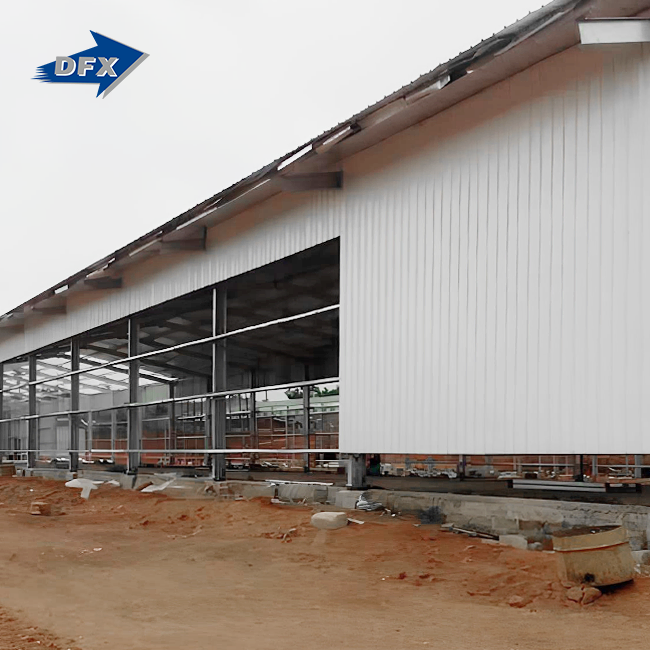
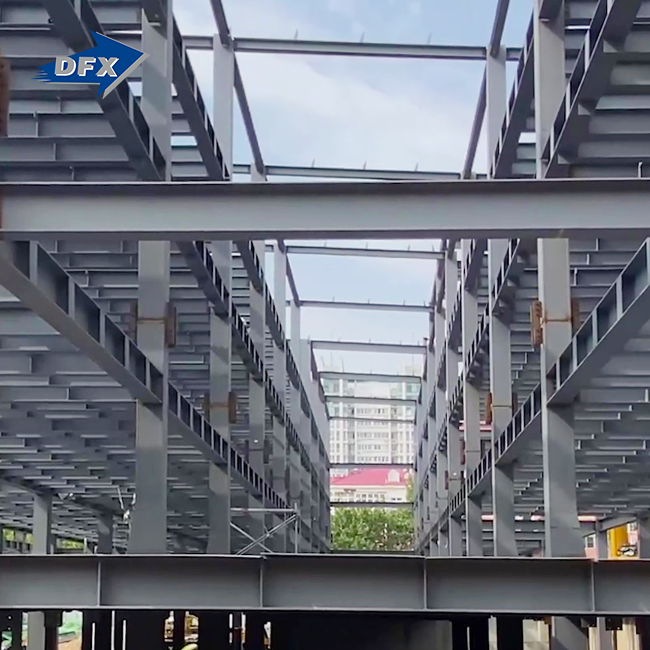
When you purchase storage equipment for your farm, long-lasting is not just a nice-to-have; it's a must. With the right care, an agricultural tool steel shed can last anywhere from 20 to 50 years, which is a very long time in harsh farm settings. The high-quality carbon steel framing has a yield strength of more than 345 MPa, and the hot-dip galvanisation finish (Z275 or AZ150 Al-Zn) keeps the steel from rusting. Steel buildings can stand up to heavy machinery, chemicals from fertilisers, and the extreme weather that is common in farm settings. This is in contrast to wooden buildings that can rot and be eaten by bugs or plastic sheds that break when hit.

Understanding Agricultural Tool Steel Shed Durability
It takes a lot of material science and technical skill to make agricultural tool steel sheds last so long in farming situations. At Director Steel, we've observed that these buildings always work better than other options in a wide range of farming settings across the United States.
Superior Steel Composition and Strength
Choosing the right materials is the first step in making something last. Good steel sheds are made from high-quality carbon steel like Q345B or ASTM A572 Grade 50, which has a high tensile strength and can support heavy loads. This is important when keeping big trucks, combines, or tools that hang from the ceiling. The molecular structure of the steel doesn't change when it's under stress, so the structure stays strong even after years of moving equipment and yearly weight changes from snow buildup.
Beyond its raw strength, the protection coating system tells you how well your shed will hold up against damage from the elements. Hot-dip galvanisation adds a zinc covering that corrodes faster than the steel underneath, greatly increasing the service life. Director Steel's production method makes sure that the coating thickness meets ASTM A123 standards. This is confirmed by digital gauge testing before the shipment.
Environmental Factors Affecting Longevity
In farming settings, even the best-engineered steel can't always work. Extremes of climate try the limits of longevity. For example, long-term contact with water speeds up corrosion, and UV light damages coatings that aren't made well. Sheds in farming areas along the coast of California have stood up to salty air for decades, and buildings in the Midwest have stood up to freeze-thaw cycles without any damage.
Chemical contact is another thing to think about when it comes to sturdiness. Animal waste, acidic fertilisers, and herbicide leftovers all release ammonia, which makes the environment harsh and destroys wooden sheds within years. When steel buildings are properly primed with epoxy zinc-rich primers, these threats are neutralised, and protection barriers are kept up that keep the underlying material safe.
Everyday activities that involve machine bumps, tool drops, and debris hits test how strong the structure is. Impact strength is directly related to the gauge thickness of steel panels. We suggest 26-gauge or larger panels (0.45mm to 0.5mm thick) instead of the smaller 29-gauge panels that are usually used in homes. This standard stops dents and holes that make weather protection less effective.
Construction Techniques That Boost Resilience
The way engineering is done has a big effect on how long something lasts. Pre-engineered metal building systems, which are made with software that figures out exactly how to distribute loads, get rid of weak spots in the structure. Our factory in Qingdao has six automatic welded H-beam production lines that make high-quality, uniform frame parts that fit together perfectly to the millimetre.
The quality of the weld affects how strong the connection is in steel buildings. We use ultrasonic methods for non-destructive testing to make sure that vital parts have no holes or cracks. This quality control step, which is often skipped by lower-level makers, keeps stress concentration points from breaking down too soon.
The way bolts are tightened in structure links is also closely looked at, such as in an agricultural tool steel shed. High-strength nuts, grades 8.8 and 10.9, must reach a certain strain without stripping the threads. Our process for measuring torque makes sure that links stay strong even when they go through cycles of thermal expansion and vibration loads that are typical on farms.
Key Design Features That Enhance Shed Longevity
Choices made during the planning part of the design process for an agricultural tool steel shed affect how long something lasts for decades. Knowing about these structural factors helps procurement managers choose configurations that meet practical needs and work in the given setting.
Structural Frame Options and Load Capacity
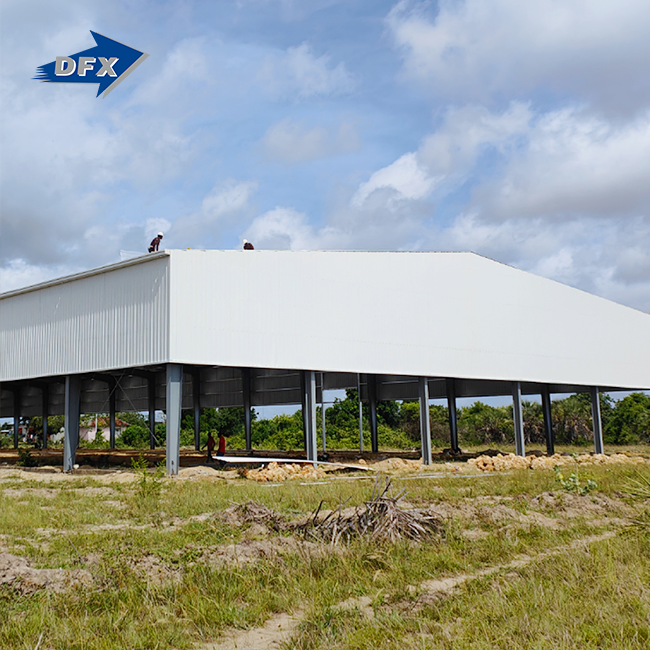
Different frame designs have different levels of longevity that are better for different farming tasks. Clear-span portal frames get rid of internal columns, making room for big pieces of equipment to move around and evenly distributing loads to columns around the outside. In the north, this design can handle heavy snow loads, and in the open fields, it can stand up to wind-lifting forces.
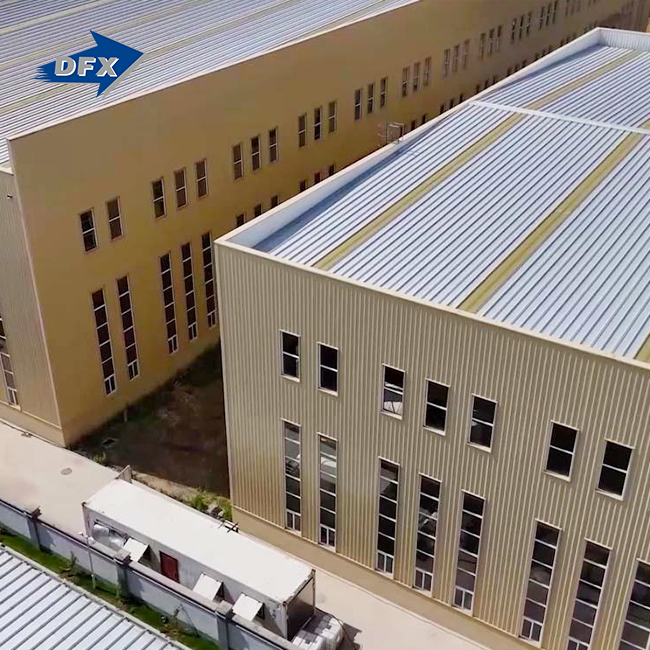
The traditional look of gable frame designs is matched by their great ability to shed water. The pitched roof shape keeps water from pooling, which could damage the roof panels over time. Custom engineering lets us change the roof pitch based on how much rain falls in your area. This controls water and keeps the structure strong.
Modular doorway frame systems are very flexible for businesses that need to grow in the future. As your storage needs grow, you can take down the end walls and add more bays along the length of the structure. This makes the initial investment scalable without affecting the sturdiness of the structure itself.
Ventilation and Moisture Management Systems
One of the sneakiest threats to longevity is moisture inside the structure. Rust starts on steel surfaces inside when condensation forms. It gets worse without being noticed until it does a lot of damage. The problem can be solved with good ventilation design, which moves air around in a way that keeps the humidity inside below levels that are harmful.
When ridge vents and eave vents work together, they make natural convection currents that move damp air away before it condenses. When there are big differences in temperature, we suggest putting anti-condensation felt on the inside of the roof or using insulated sandwich panels with polyurethane or rock wool cores. These thermal breaks keep the surface temperature from getting high enough for condensation to happen.
Moisture control, safety, and weather protection must all be taken into account when designing ventilation. By carefully placing louvres, you can let air flow while keeping rain out and pests out. Our research team figures out how much air your shed needs based on its size, the weather where it is located, and how it will be used.
Foundation Selection and Moisture Prevention
How your steel building connects to the ground has a big impact on how long it will last. When you build a foundation correctly, you stop water from wicking away, which damages base plates and bottom column sections. You also make sure that the foundation is safe against wind uplift and seismic forces.
Because they completely separate the earth from the steel, concrete block foundations are the best way to keep wetness out. The slab level should put the building above the grade of the area around it so that water can drain away from the building. Base plates that are held in place with epoxy-set nuts spread the load on the columns evenly while keeping them in place precisely, which makes assembly easier.
In soils that drain well, concrete pier supports and dirt floors are a cheap way to keep water out. This method works especially well for storing implements where the tyres and tracks need to have a strong grip. The building stays dry because the open edge around the piers lets air flow.
Using treated wood for the raised platform supports creates airspace under the building, keeping ground moisture from coming in touch with it. This option works for short-term installs or places where building permits don't allow for permanent foundations, such as for an agricultural tool steel shed. However, it needs careful planning to handle heavy equipment's concentrated loads.
Maintenance Best Practices to Extend Shed Life
Even the strongest agricultural tool steel sheds can use preventative maintenance to find problems early on before they become too big to fix. Setting up routine inspection and care procedures will give you the best return on your investment over many years of service.
Routine Inspection Protocol
Setting up a quarterly check plan lets you find corrosion, loose fasteners, and coating wear early. Walk around the outside of the building and look at the base plates and lower walls where there is a lot of moisture exposure. Look for rust spots, covering blisters, or panels coming apart at the seams. These are early warning signs that let you fix the problem before it gets worse.
Using binoculars or a drone, check the roof panels from the ground to see if there is any standing water, buildup of trash, or loose bolts. Special care should be taken around roof penetrations for ventilators and skylights because they experience different temperature movement that can damage seals.
When inspecting the inside, look for signs of wetness, like water stains on stored items, puddles on the floors, or condensation on steel surfaces when the temperature changes. These findings point to poor airflow or roof leaks that need to be fixed right away. Use dated photos to record your results and keep track of how the state changes over time.
Cleaning and Coating Preservation
Cleaning the coating regularly keeps it in good shape by getting rid of harmful substances before they can get through the protective layers. A once-a-year wash with water and a light soap gets rid of dust, fertiliser residue, and organic matter that has built up. Do not use rough cleaning or pressure washing that is too high and could damage paint or galvanisation finishes.
Pay extra attention to panel laps, trim corners, and the area around doors where dirt and dust tend to gather. In these places, water sticks to the steel surfaces, making isolated rust cells. A soft brush can get rid of packed material that keeps water against protection coats.
After cleaning, take a close look at the state of the paint. Use a zinc-rich primer and base paint that matches the finish of your original construction right away to fix any scratches or wear spots. This easy maintenance task stops rust from spreading under areas of covering that are still intact.
Damage Repair and Rust Treatment
When rust does happen, treating it quickly stops it from getting worse and restores protection. Wire brushing and then applying a zinc-rich primer are good ways to get rid of surface rust that looks like orange-brown spots. This process puts in place a sacrificial defence again, just like the first galvanisation did.
For more severe rust with pitting or scale forming, drills or abrasive blasting must be used to remove the metal as completely as possible. Put on a conversion layer that stops any oxidation that is still there, and then use primer and topcoat to rebuild the protected system. This several-step process looks like it takes a lot of work, but it's much cheaper than replacing the panels.
Damage to structures from collisions may need to be looked at by a professional. Small dents usually don't affect the load capacity, but parts that are creased or buckled need to be looked at by an expert. Our technical support team at Director Steel helps you decide whether to fix or replace something, and they do this by looking at pictures you send them.
When rust has weakened the material below safe levels or when physical damage can't be fixed for a reasonable price, the panel needs to be replaced. Because pre-engineered steel buildings, including agricultural tool steel sheds, are flexible, this process is made easier because individual panels and parts can be swapped out without affecting the structure next to them. We keep track of the component specs for projects we've worked on, which makes it easier to make new parts.
Conclusion
The quality of the materials, the accuracy of the building, and regular upkeep all work together to make an agricultural tool steel shed last a long time. Steel construction lasts 20 to 50 years in harsh farm settings, which is a lot longer than wood or plastic options. The initial investment premium pays for itself many times over through low upkeep needs, better weather protection, and long-lasting structural stability that keeps expensive equipment safe. When making purchases, people should look for source certifications, the ability to customise products, and full support services that guarantee long-term happiness. Director Steel has been making things for 12 years and uses ISO-certified production methods to make sure that farming businesses can rely on them.
FAQ
1. Why do steel sheds rust, and how can it be stopped?
Rust happens when protective layers are worn away, letting air and water touch bare steel. Prevention starts with quality hot-dip galvanisation or aluminium-zinc finish used during production for every agricultural tool steel shed. Regular inspections find damage to the layer early, so it can be fixed before rust gets worse. When there is enough air flow, the humidity inside that causes rust to start in the inside areas is reduced. Exposure to chemicals from fertilisers and animal waste speeds up corrosion. Epoxy covering offers better security in these settings.
2. Can an agricultural tool steel shed be made bigger in the future?
To allow for growth, modular portal frame designs get rid of the end walls and add more structure bays along the length of the frame. This flexibility lets your investment in technology grow as your business does. The process of growth needs to be analysed by engineers to make sure the foundations are strong enough, and the structure stays the same, but it is still much more useful than expanding wooden or concrete buildings.
3. How does the weather affect how long a steel shed lasts?
The temperature in a region affects both the materials that are used and how often they need to be maintained. Because they are exposed to salt, coastal places need better rust protection. In the north, buildings need to be built to withstand heavy snow loads. Anti-condensation methods help places with a lot of humidity. Our engineering team recommends the right materials and protective coatings based on the natural issues in your area. This makes sure that the materials last as long as possible no matter what the weather is like.
Partner With a Trusted Agricultural Tool Steel Shed Manufacturer
Director Steel has dedicated itself to building long-lasting agricultural tool steel sheds for farms all over the United States for more than 12 years. Our ISO 9001-certified factory in Qingdao makes 20,000 tonnes of structural steel every year. Six automatic H-beam welding lines and other high-tech tools help ensure the highest quality. We offer full turnkey solutions, from engineering design to fabrication to erection help. This means that you don't have to worry about coordinating with multiple sources.
Heavy-duty steel columns with corrosion-resistant coating methods are built into our farm steel sheds so they will last for decades. Our project-based delivery method works with your building schedule, and our CE, COC, and PVOC certifications show that we meet foreign standards. Our engineering team creates unique solutions that meet your operational needs, whether you need to store tools, provide shelter for animals, or construct specialised farm buildings.
Email jason@bigdirector.com to talk to our technology team about the needs of your project. We give you thorough specs, structural drawings, and quotes that make it easier for you to decide what to buy. As a seller of Agricultural Tool Steel Sheds with a lot of experience, we know how important longevity is for farming and can come up with solutions that will protect your investment for decades.
References
1. American Institute of Steel Construction (AISC). "Specification for Structural Steel Buildings." AISC 360-16, Chicago, Illinois, 2016.
2. Smith, R.J. and Henderson, K.L. "Durability Performance of Agricultural Steel Structures in Corrosive Environments." Journal of Agricultural Engineering Research, Vol. 78, No. 3, 2019, pp. 245-261.
3. National Agricultural Structures Association. "Design Standards for Metal-Framed Agricultural Buildings." NASA Technical Manual, Edition 4, 2020.
4. Patterson, D.W. "Lifecycle Cost Analysis of Agricultural Storage Buildings: Steel versus Alternative Materials." Agricultural Economics Review, Vol. 45, No. 2, 2018, pp. 112-128.
5. Zhou, F. and Martinez, J.P. "Corrosion Protection Systems for Steel Agricultural Buildings: Comparative Study of Coating Technologies." Corrosion Science and Engineering, Vol. 33, No. 1, 2021, pp. 67-84.
6. Thompson, M.R. "Environmental Factors Affecting Metal Building Durability in Rural Applications." Building Research Institute Technical Report, BRI-2019-027, 2019.
Learn about our latest products and discounts through SMS or email