- English
- French
- German
- Portuguese
- Spanish
- Russian
- Japanese
- Korean
- Arabic
- Greek
- German
- Turkish
- Italian
- Danish
- Romanian
- Indonesian
- Czech
- Afrikaans
- Swedish
- Polish
- Basque
- Catalan
- Esperanto
- Hindi
- Lao
- Albanian
- Amharic
- Armenian
- Azerbaijani
- Belarusian
- Bengali
- Bosnian
- Bulgarian
- Cebuano
- Chichewa
- Corsican
- Croatian
- Dutch
- Estonian
- Filipino
- Finnish
- Frisian
- Galician
- Georgian
- Gujarati
- Haitian
- Hausa
- Hawaiian
- Hebrew
- Hmong
- Hungarian
- Icelandic
- Igbo
- Javanese
- Kannada
- Kazakh
- Khmer
- Kurdish
- Kyrgyz
- Latin
- Latvian
- Lithuanian
- Luxembou..
- Macedonian
- Malagasy
- Malay
- Malayalam
- Maltese
- Maori
- Marathi
- Mongolian
- Burmese
- Nepali
- Norwegian
- Pashto
- Persian
- Punjabi
- Serbian
- Sesotho
- Sinhala
- Slovak
- Slovenian
- Somali
- Samoan
- Scots Gaelic
- Shona
- Sindhi
- Sundanese
- Swahili
- Tajik
- Tamil
- Telugu
- Thai
- Ukrainian
- Urdu
- Uzbek
- Vietnamese
- Welsh
- Xhosa
- Yiddish
- Yoruba
- Zulu
Industrial Fuel Storage Shed Design: Key Features to Consider
When evaluating Industrial Fuel Storage Shed options for your facility, understanding the design fundamentals becomes paramount. These structures are specialized enclosures engineered specifically to house flammable and combustible liquids safely, addressing critical concerns around fire risk, environmental contamination, and regulatory compliance. Unlike conventional warehousing solutions, a properly designed fuel storage shed integrates secondary containment systems, fire-resistant materials, and strategic ventilation to protect both personnel and assets while maintaining operational accessibility for refueling equipment and machinery.

Understanding Industrial Fuel Storage Shed Design Fundamentals
Purpose and Core Functions
The main purpose of these specialized buildings goes beyond providing shelter. They act as walls that follow the rules and keep flammable materials away from sources of ignition. They also catch unexpected spills and keep groundwater from getting contaminated. As someone who works with building contractors and industrial clients from a range of industries, I've seen how these sheds make it easier to keep fuel on-site without putting facility safety rules at risk. The design meets the standards for separation distances, keeping dangerous materials at measured distances from buildings that people are using and from property lines.
Industry Applications and Use Cases
Different industries use different types of fuel storage to meet their own specific needs. Structures at remote mining sites need to be able to handle big changes in temperature and keep fuel thieves and animals out. Chemical factories use these sheds to separate hazards by placing them in a way that keeps fires from spreading from fuel storage areas to active work areas. Agricultural operations, especially large-scale farming businesses, use these buildings to store large amounts of diesel for their fleets of equipment. For each application, there are unique environmental conditions, entry patterns, and legal frameworks that need to be taken into account during the planning process.
Compliance Frameworks and Standards
To get around in the legal world, you need to pay attention to a lot of different governing bodies. Under 40 CFR 264.175, the Environmental Protection Agency (EPA) sets the rules for secondary containment. OSHA rules set the safety rules for handling hazardous materials at work. The National Fire Protection Association (NFPA) Code 30 sets rules for storing flammable liquids, such as the minimum distance between containers and the fire rating requirements. By understanding these frameworks, procurement professionals can judge suppliers based on their proven compliance credentials instead of just their marketing claims.
Essential Features to Consider in Industrial Fuel Storage Shed Design
To choose the best fuel storage option, you need to carefully consider a number of technical factors that have a direct effect on safety, durability, and operating efficiency. Here are the main design features that set professional installations apart from less-than-stellar ones:
Material Selection and Structural Integrity
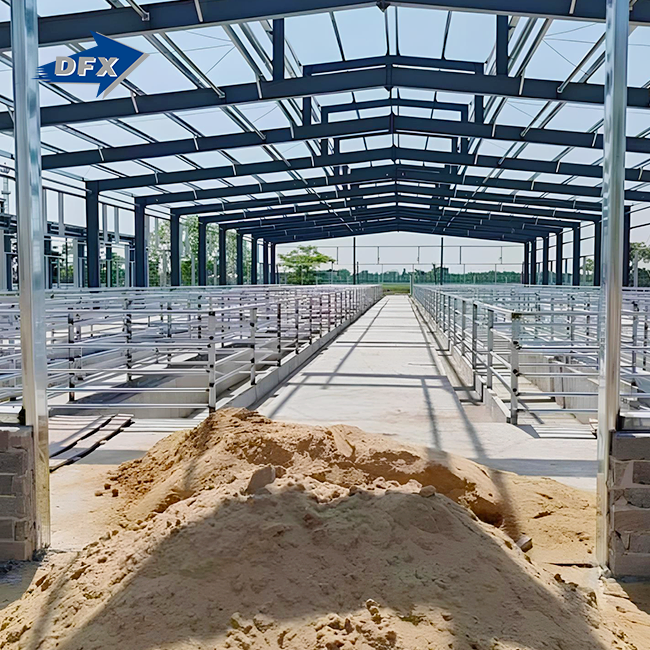
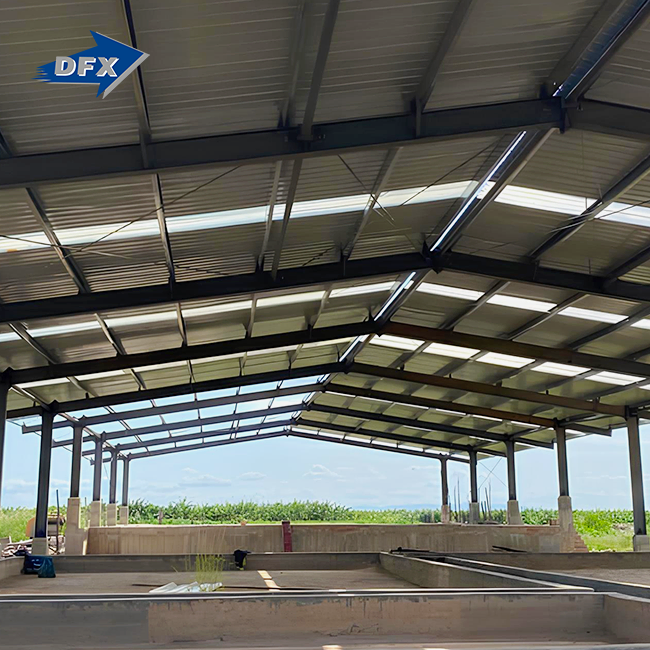
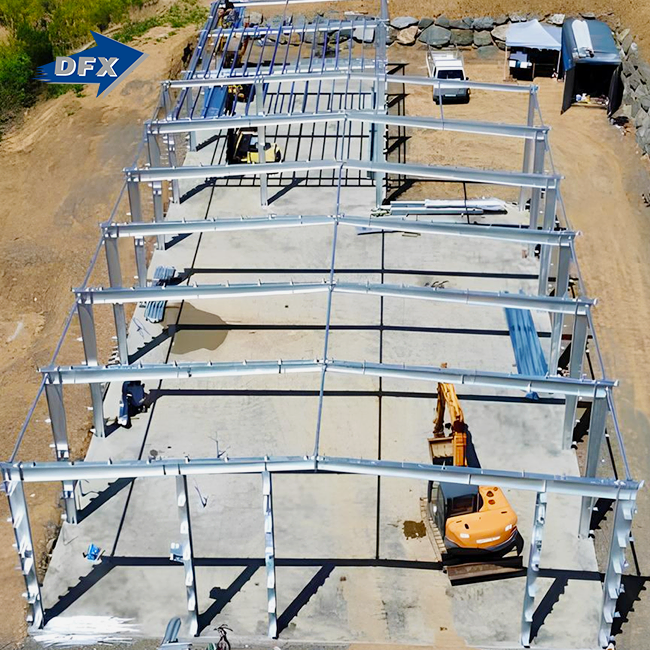
Choosing the right materials is the first step in building a reliable fuel storage shed. When it comes to corrosion protection and structural safety, a heavy-gauge galvanized steel building is better than lighter materials. At DFX, we use H-section beam and column frames along with C/Z galvanized purlins to make a strong skeleton that can handle the high wind loads and snow buildup that are common in open industrial settings. The galvanization method adds a zinc covering that keeps the steel underneath safe from water and chemical vapors, making it last a lot longer than painted finishes.
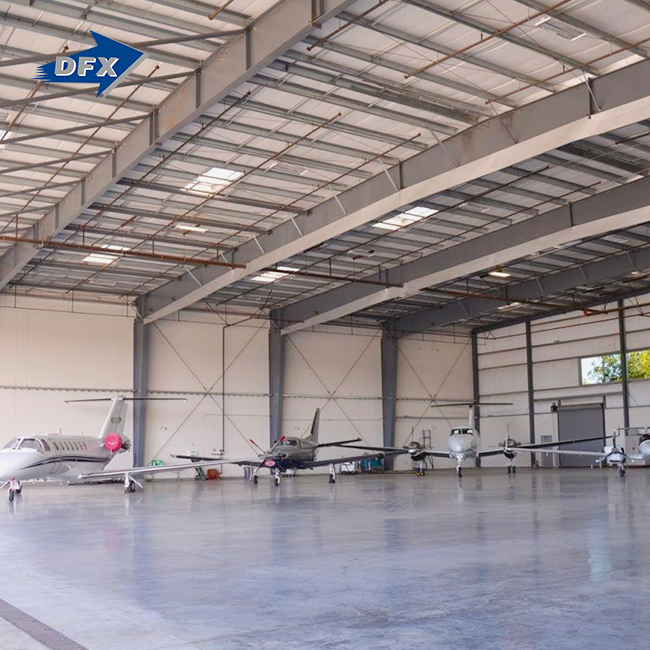
Steel structures have great strength-to-weight ratios, which let designers use clear-span designs that make the most of internal storage space without having to deal with support beams that get in the way. This is especially helpful when the container needs to make room for drum racks, tote storage systems, or direct tank placement. When you get good fabrication, the welded connections make sure that the structure stays together in a way that bolted assemblies can't. This keeps the structure's integrity during earthquakes or other accidents.
These material benefits of Industrial Fuel Storage Shed directly address the procurement concerns I hear from project managers most often: durability without being too heavy, resistance to corrosive fuel vapors, and the ability to be changed or moved in the future.
Ventilation Systems and Air Exchange
Ventilation is an important safety feature that must be present in all fuel storage enclosures. Flammable liquid vapors build up in places that don't have enough airflow, making explosive atmospheres that pose huge risks. The design of the vents must take into account the types of fuel that are being kept, since different substances have different flashpoints and vapor densities.
For stable flammables like diesel fuel, passive gravity-flow air exchange through carefully placed vents works well because it keeps dangerous vapor amounts from building up. These systems have low-level vents for air to come in and high-level vents for air to go out. This creates convective airflow that keeps the inside air fresh. When figuring out the right size vent, the floor area, normal room temperatures, and the rate at which kept materials produce air are all taken into account.
When storing Class 1A flammable liquids with low flash points, you need to use mechanical ventilation. Explosion-proof exhaust fans that are approved for use in dangerous areas move air around, keeping the amount of vapor well below the Lower Explosive Limit (LEL). The system is usually made to exchange one cubic foot of air per square foot of floor space, but this can change depending on local fire codes and the Authority Having Jurisdiction (AHJ).
Fire Prevention and Suppression Integration
The shed's fire rating standards are directly related to how close it is to other buildings and the land lines. When placed less than ten feet from occupied buildings, a four-hour fire rating usually applies. This means that special wall panels with mineral wool or gypsum insulation cores need to be built. Two-hour ratings are usually enough for lengths between ten and fifty feet, but it's still important to check with local building officials before finishing the specs.
Good plans have more than one layer of fire safety. Wall and roof panels that are resistant to fire delay heat failure during fires, giving rescue workers more time to get to the scene. Explosion-relief panels direct blast forces away from people by using controlled deflagration vents and built-in flame detection systems to sound early warnings. The grounding system stops static electricity from building up during fuel transfer, which gets rid of a common source of ignition that is missed when installations are done quickly.
Secondary Containment and Spill Management
From both a regulatory and an environmental point of view, the secondary containment system may be the most important part of the design. This bunded floor or sump must hold at least 110% of the biggest container's volume. This makes sure that the worst-case spill scenarios are completely contained, such as fire control water displacement. The containment floor has chemical-resistant epoxy coatings that keep the steel substrate from coming into contact with the corrosive fuel. This keeps the steel from breaking down too quickly.
During production, leak-proof welds are put through hydraulic testing, in which a tank is filled with water and watched for 24 to 48 hours to make sure there are no holes. This quality control measure gives written proof that the protection system will work as planned when spills happen. The design of the sump includes sloped floors that direct liquids toward drain points with either human or automatic shutoff valves. This makes cleanup easier and stops liquids from going into storm drains or the dirt around the sump without permission.
Comparative Analysis: Choosing the Right Fuel Storage Solution
Enclosed Versus Open-Sided Configurations
Whether you choose a fully enclosed or open-sided shed depends a lot on what you want to store and the weather where you live. Buildings that are enclosed keep out the weather better, keep things safe from theft or crime, and keep temperatures stable so that fuel quality isn't affected by changes in the seasons. The controlled environment keeps condensation from forming in storage containers, which keeps water from getting into the fuel and making it less effective and encouraging the growth of microbes.
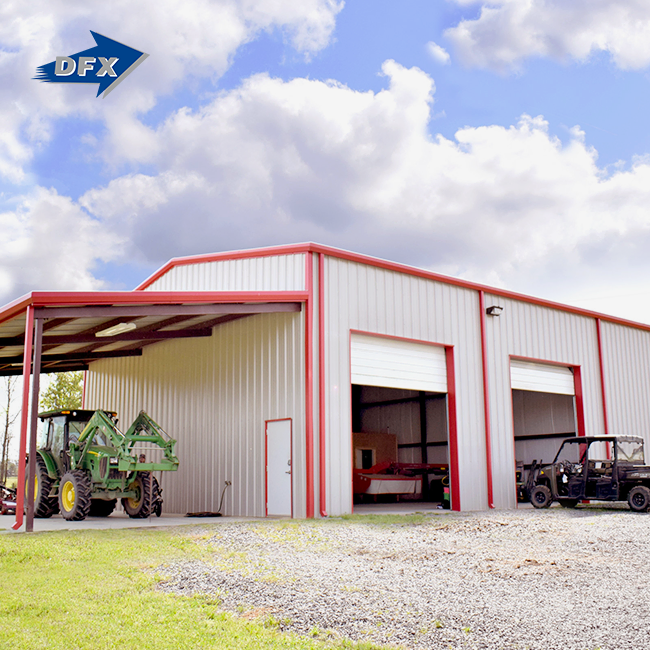
When used in certain situations, open-sided designs have clear benefits. Better natural airflow gets rid of vapor buildup without using mechanical systems. This cuts down on starting costs and energy use in the long run. Large pieces of equipment can get to the design more easily, which speeds up loading and lifting in high-volume situations. Agricultural clients like open-sided sheds for storing tools and doing repair work where easy access to fuel is more important than keeping the weather out.
Prefabricated Versus Custom-Built Options
Procurement managers who are working with tight budgets and tight deadlines prefer prefabricated fuel storage sheds because they can finish projects faster and with more predictable costs. Manufacturing takes place in controlled factories with quality control methods that make sure all units meet the same standards. The modular construction method lets the building be moved if the needs of the business change. This protects the initial investment over longer service lives.
Custom-built solutions are made to fit specific site limits or practical needs that can't be met by standard designs. The extra technical effort may be necessary because of unusual footprints, integrating with existing infrastructure, or high capacity needs. Longer lead times and possibly higher original costs are the costs of an optimized design, but it often offers better lifetime value through higher efficiency and fewer compromises during adaptation.
Our standard design and fabrication services at DFX are a good mix of these two ways of doing things. We build structures to tested specs that meet international compliance standards. You can also choose to make changes to the sizes, where the doors go, and how accessories are integrated. This method keeps the fast delivery and low cost of prefabrication while giving B2B clients the flexibility they need for a wide range of project situations.
Cost Considerations and Return on Investment
The money you spend up front on a good fuel storage shed is a small price to pay for the possible legal fees that come with not having enough control. The cost of cleaning up contaminated soil and groundwater can easily reach six or seven figures, which is a lot more than the cost of building the structure itself. Fines from regulators, lost business, and damage to one's reputation all add to the financial effects of accidents that could have been avoided.
When buying an Industrial Fuel Storage Shed, workers look at quotes from suppliers; they shouldn't just look at the purchase price but also the total cost of ownership. Manufacturers of good products offer thorough guarantees that cover the structural stability, performance of the containment system, and longevity of the coating. These guarantees show that the supplier is sure of their manufacturing standards and the materials they use. The warranty terms also say how often maintenance should be done and when replacement parts will be available. These are important factors that affect the overall cost of ownership.
Short production cycles keep project delays to a minimum, which keeps building plans from getting thrown off, which could affect activities further down the line and lead to fines. Because we have a lot of manufacturing capacity, we can quickly turn around standard designs. Our wait times are measured in weeks instead of the months that smaller fabricators usually take. This responsiveness is especially helpful for workers who are working on multiple jobs at the same time with delivery dates that overlap.
Procurement and Installation Insights for Industrial Fuel Storage Sheds
Selecting Certified Manufacturers
Certifications that can be checked provide objective proof of the quality of the product and compliance with regulations. If a supplier has ISO 9001 certification, it means that they have recorded quality control systems that cover the whole production process, from getting the materials to inspecting the finished product. Even if a product isn't in the European Economic Area, the CE mark means that it meets European standards for health, safety, and the environment. Extra certifications, such as a Certificate of Conformity (COC) or a Pre-Export Verification of Conformity (PVOC), may be needed for exports to certain areas.
The manufacturer's production capabilities have a direct effect on the viability of the project and the reliability of the delivery. Multiple automated production lines for H-beams, purlins, and panel systems help facilities keep their output steady, even when demand is high. If there is enough production capacity, there won't be any plan delays caused by sellers overcommitting their resources and making customers wait while earlier orders are finished.
Installation Logistics and Site Preparation
Preparing the site correctly before the structure arrives is the first step to a successful installation. The base needs to be level and steady so that it can hold the weight of the shed plus the forces of wind and earthquakes. Geotechnical analysis and structural calculations are used to figure out the right thickness and reinforcement for concrete slab foundations, which are the strongest option.
How the crane can get in and out of the shed depends on its size and shape. A lot of the time, prefabricated pieces come as whole kits or big parts that need to be lifted into place. Good makers give contractors construction drawings that show where the lifting points are, what kind of rigging is needed, and how much space there is between them. This helps contractors plan their tasks more effectively. These detailed erection guides cut down on mistakes in the field that could damage the structure or cause the project to take longer than planned to finish.
To connect lighting, ventilation fans, and detection systems electrically, you need to work with qualified electricians who know how to wire for dangerous areas. When designing the shed, it should have properly rated conduit openings and interior junction boxes that maintain the enclosure's fire rating and weatherproofing. The building must be connected to the facility's grounding grid by grounding lines. This ensures electricity continuity and safely gets rid of static charges.
Customization and After-Sales Support
Standard designs can be used for most industrial fuel storage needs, but some projects need special modifications. In some situations, adding more doorways, integrated shelving systems, climate control equipment, or monitoring technology may make operations run more smoothly. Manufacturers that offer full design help can look at these needs and come up with designed solutions that keep structures safe and follow all the rules.
During the operating phase, it becomes clear how important responsive after-sales help is. Professional providers are different from those who just take the sale as done because they offer access to replacement parts, expert advice on upkeep methods, and help with warranty claims. DFX is committed to the project lifecycle and provides installation drawings, ongoing technical support, and the availability of replacement parts to ensure the long-term performance of your assets.
Maintenance, Compliance, and Safety Best Practices
Routine Inspection Protocols
Setting up regular review times keeps small problems from getting worse and turning into expensive failures or safety incidents. Once a week, you should look inside the storage sumps to see if there is any debris buildup, check the door seals and weatherstripping for damage, and make sure that the air holes are still clear. Though they only take a short amount of time, these quick tests can help find problems early on.
When expert checks happen every three months, they are more thorough. Coating systems should be checked for chalking, cracking, or delamination that makes them less effective at protecting against corrosion. Structured links are checked to see if any fixings are coming loose or breaking down. The secondary filtration system is checked for cracks, worn-out coatings, and drain valves that don't work. Any flaws that are found must be fixed right away to maintain the system's safety features.
Regulatory Compliance and Documentation
Ongoing compliance goes beyond the initial approval of the building. Regulatory standards change over time, and facilities must adapt to these changes by either updating their infrastructure or changing how they do things. Keeping thorough records of system tests, inspections, and maintenance tasks is a good way to show that you did your job properly in case of an incident or a governmental audit.
As people become more aware of the effects on groundwater and air quality, environmental rules about storing fuel are getting stricter. Professionals in charge of buying things should work with suppliers who keep up with changes in regulations and can fix problems with structures that are already in place. This proactive approach keeps new investments from becoming useless when new standards come into effect.
Conclusion
The design elements that directly affect safety, compliance, and operational efficiency must be carefully considered when choosing an Industrial Fuel Storage Shed. The building's materials, ability to hold, design for airflow, and fire safety features all work together to lower the risks that come with keeping flammable liquids. Quality manufacturers stand out by having certifications that can be checked, a full range of support services, and production skills that have been shown to work and deliver reliable solutions that meet project needs. Putting money into properly designed fuel storage infrastructure guards against environmental damage, fines from the government, and business interruptions that cost a lot more than the original cost of buying the infrastructure.
FAQ
1. What inspection intervals are required for fuel storage sheds?
Visual checks should be done once a week to look for damage, buildup of dirt, or worn-out door seals. Every three months, there should be full technical inspections that look at the coatings, structural connections, and integrity of the containment system. There must be an instant check and cleaning of the containment sump after any spill to keep protection coatings from wearing away.
2. Can fuel storage sheds be relocated after installation?
When practical needs change, good flexible designs make it easy to move. Crane lifting lugs and reinforced forklift pockets are built into the structures to make movement safer. Before lifting can begin, the unit must be completely cleared of all dangerous materials. Also, the foundation at the new site must be looked at to make sure they are sufficient. This ability to be moved saves your cash investment even if the layout of your building changes or your business grows.
3. What fire rating is necessary for my application?
The shed's fire rating needs are affected by how close it is to living buildings and property lines. When placed less than ten feet from a building, ratings of four hours are usually needed. When placed between ten and fifty feet, ratings of two hours are usually okay. Local governments may set stricter rules based on regional fire codes, the types of fuel stored, or the use of land nearby. Talking to local fire officials about the project during planning ensures that all the rules are followed.
Partner with DFX for Your Industrial Fuel Storage Shed Needs
DFX makes Industrial Fuel Storage Shed options that are safe, compliant, and reliable in the way they work. Our Qingdao factory is ISO 9001-certified and has more than 40,000 square meters of enclosed manufacturing space. It has 200 skilled workers and modern automatic production lines. We provide CE-approved steel structures made with H-section beam and column construction and C/Z galvanizing purlins. These structures can be fully covered or have open sides, depending on your needs.
Our full range of services includes standard design, fabrication, careful packing, and thorough installation plans that make putting things together on-site easier. Our short production processes and wide range of customization options make us a good choice for building companies, factories, farms, and infrastructure project managers who need reliable fuel storage infrastructure. With COC and PVOC certificates for foreign projects, we give B2B procurement professionals the quality guarantee they need.
Get in touch with our team right away at jason@bigdirector.com to talk about the details of your project. DFX has engineered solutions that meet your operational needs and regulatory requirements, whether you're looking for a reliable Industrial Fuel Storage Shed supplier for a single installation or multiple units spread out across multiple sites.
References
1. National Fire Protection Association. NFPA 30: Flammable and Combustible Liquids Code, 2021 Edition. Quincy, MA: NFPA, 2021.
2. United States Environmental Protection Agency. "Secondary Containment Requirements." Code of Federal Regulations, Title 40, Part 264.175, 2022.
3. Occupational Safety and Health Administration. "Flammable and Combustible Liquids – 1910.106." OSHA Standards Interpretation and Compliance Letters, U.S. Department of Labor, 2020.
4. American Society for Testing and Materials. ASTM E119: Standard Test Methods for Fire Tests of Building Construction and Materials. West Conshohocken, PA: ASTM International, 2020.
5. Steel Construction Institute. Design of Steel Structures for Hazardous Material Storage: Technical Guidance. Berkshire, UK: SCI Publication P385, 2019.
6. International Code Council. International Fire Code: Chapter 57 – Flammable and Combustible Liquids, 2021 Edition. Washington, DC: ICC, 2021.
Learn about our latest products and discounts through SMS or email