- English
- French
- German
- Portuguese
- Spanish
- Russian
- Japanese
- Korean
- Arabic
- Greek
- German
- Turkish
- Italian
- Danish
- Romanian
- Indonesian
- Czech
- Afrikaans
- Swedish
- Polish
- Basque
- Catalan
- Esperanto
- Hindi
- Lao
- Albanian
- Amharic
- Armenian
- Azerbaijani
- Belarusian
- Bengali
- Bosnian
- Bulgarian
- Cebuano
- Chichewa
- Corsican
- Croatian
- Dutch
- Estonian
- Filipino
- Finnish
- Frisian
- Galician
- Georgian
- Gujarati
- Haitian
- Hausa
- Hawaiian
- Hebrew
- Hmong
- Hungarian
- Icelandic
- Igbo
- Javanese
- Kannada
- Kazakh
- Khmer
- Kurdish
- Kyrgyz
- Latin
- Latvian
- Lithuanian
- Luxembou..
- Macedonian
- Malagasy
- Malay
- Malayalam
- Maltese
- Maori
- Marathi
- Mongolian
- Burmese
- Nepali
- Norwegian
- Pashto
- Persian
- Punjabi
- Serbian
- Sesotho
- Sinhala
- Slovak
- Slovenian
- Somali
- Samoan
- Scots Gaelic
- Shona
- Sindhi
- Sundanese
- Swahili
- Tajik
- Tamil
- Telugu
- Thai
- Ukrainian
- Urdu
- Uzbek
- Vietnamese
- Welsh
- Xhosa
- Yiddish
- Yoruba
- Zulu
Raw Material Steel Warehouse: A Guide to Inventory Control
Managing steel inventory efficiently is critical for maintaining production schedules and controlling costs in industrial operations. A Raw Material Steel Warehouse serves as a specialized facility designed to store and organize large quantities of steel coils, plates, beams, and billets before they enter manufacturing processes. These warehouses employ strategic inventory control systems that balance stock availability with space optimization, ensuring businesses can access materials when needed while minimizing holding costs and preventing material degradation. With proper inventory management protocols, these facilities become the backbone of reliable supply chains across construction, automotive, and manufacturing sectors.

Understanding Raw Material Steel Warehouses
What Defines a Steel Material Storage Facility
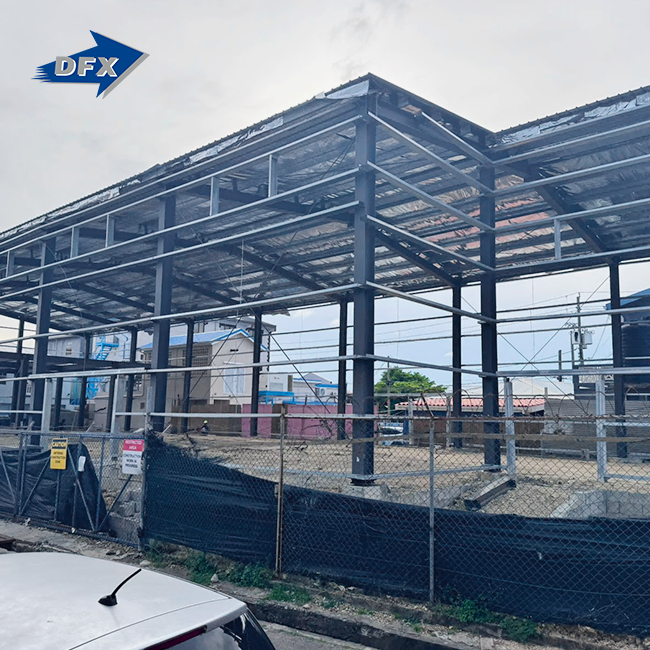
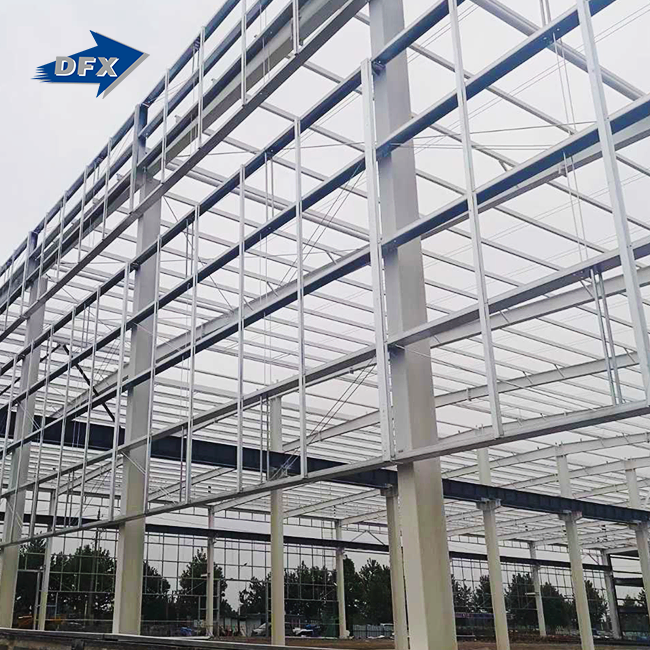
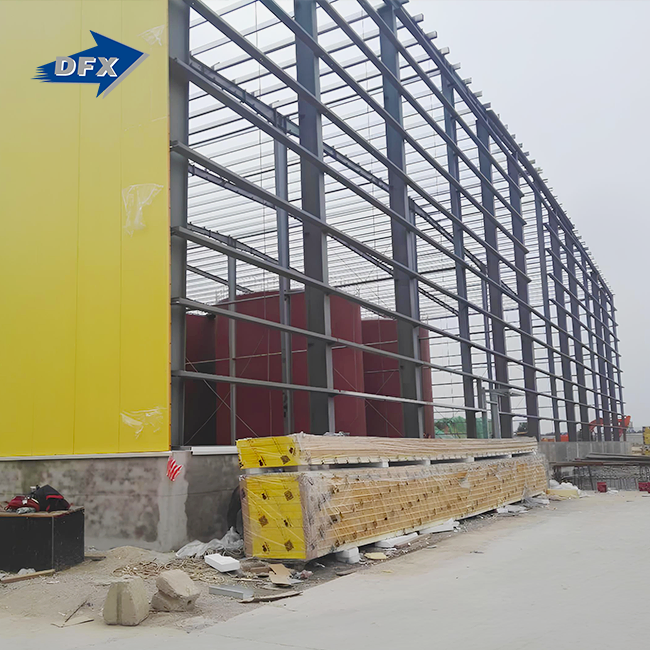
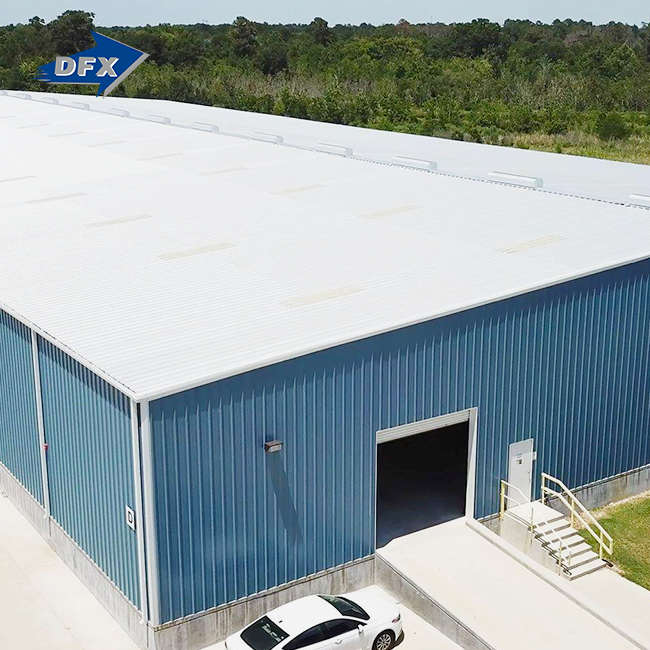
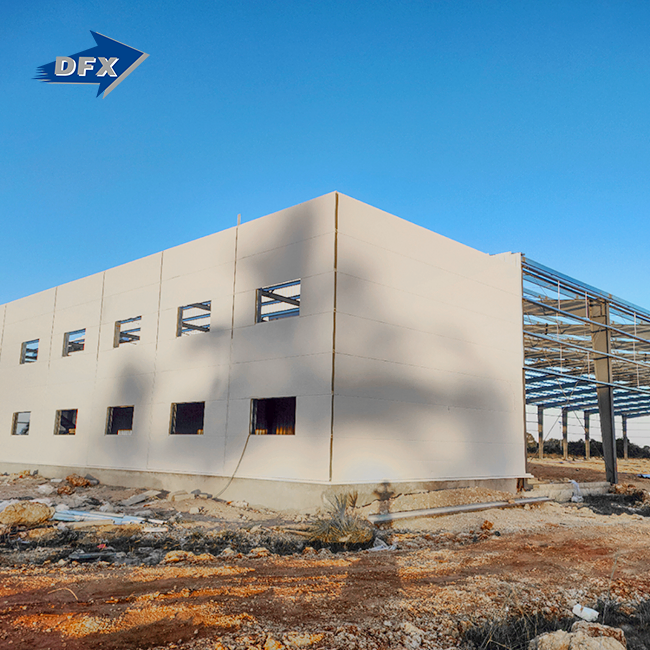
Steel storage facilities are not at all like regular warehouses. They need strong building plans that can hold up under heavy loads, usually more than 50kN/m² of ground-bearing force. Modular manufactured steel construction with H-beam main frames, welded C/Z purlins, and full bracing systems is a common feature of these buildings. The strength of the structure must be able to support high cranes with capacities between 10 and 100 tons, so that huge steel parts can be moved safely around the building.
Key Operational Components
Steel warehouses that work well combine several work areas. Areas for receiving materials make it easier to check them over and keep records on them, while sections for storage organize stock by steel grade, size, and project assignment. Climate-controlled zones keep the relative humidity below 60% with active ventilation and dehumidification systems. This keeps sensitive materials safe from corrosion caused by the air. The moving forces that happen during material movement are handled by loading docks with supports made of reinforced concrete.
Environmental Protection Measures
Keeping steel from rusting is still very important. In addition to weathertight enclosures, facilities use insulated sandwich panels to keep surfaces inside from condensation. Many businesses put special coverings on the things they store and rotate them on a regular basis to keep them from being exposed for too long. These preventative steps make materials last longer and keep them up to the quality standards needed by later manufacturing steps.
Challenges and Best Practices in Raw Material Steel Warehouse Management
Balancing Stock Levels Without Overcommitment
Inventory managers are always balancing the need to keep enough stock on hand with the desire to keep capital from getting stuck in extra materials. When you overstock, you have to pay more to store the items and take up valuable floor space. When you understock, you risk production delays and having to buy things quickly at high prices. To find the best times to reorder, advanced demand forecasting models look at past patterns of consumption, changes in seasonality, and upcoming project needs. ABC analysis sorts inventory items into groups based on their value and how quickly they are sold. This lets managers use different control methods to focus on materials with the biggest effects.
Space Optimization Through Strategic Layout
The plan of a Raw Material Steel Warehouse has a direct effect on how well it works. Forklifts and ceiling cranes can move freely across clear spans of 20 to 60 meters. Tiered rack systems made for heavy steel products make vertical storage the most efficient way to use space. Aisle width calculations weigh the need for accessibility against the need to make the best use of room. Depending on the specs of the handling equipment, aisle widths are usually between 3 and 5 meters. Separating arriving and leaving materials in traffic flow patterns keeps things moving smoothly during busy times.
Safety and Regulatory Compliance
Standards for industrial safety guide how steel warehouses work. Ultrasonic testing and magnetic particle examination of key welds are just two of the strict checking procedures that structural parts have to go through. To keep high-strength bolt connections from coming loose when the crane shakes, the torque must be checked. As a fire safety measure, main steel members are covered with intumescent coatings that give them one- to three-hour fire ratings based on local building rules. Regular safety audits make sure that OSHA rules and rules specific to the industry are followed when heavy material handling is done.
Comparing Solutions: Steel Warehouse Inventory Systems and Storage Options
Digital Tracking Technologies Transform Management
Real-time insight in modern warehouse management tools changes the way inventory is managed. RFID tags make it possible for steel items to be automatically identified and tracked by location. This gets rid of the need for human error in counting and cuts audit time by up to 75%. IoT sensors constantly check the environment and send out alerts when humidity or temperature levels fall outside of normal ranges. Cloud-based analytics systems combine data from many sources to give you useful information about trends in product turnover, storage time, and material state.
These technological advances are big steps forward in terms of how they work compared to old paper-based methods. Managers can see exactly how much stock they have at any given time, which helps them make smart decisions about buying things and fulfilling customer orders. Integration with enterprise resource planning systems makes it possible for information to flow smoothly between departments within an organization, from purchasing to planning production to reporting on finances.
Storage Configuration Options
Different ways of storing things work best for different types of operations. Cantilever racks are great for storing long steel profiles and structural sections because they allow direct access without blocking the front columns. For uniform inventory groups, drive-in pallet racking provides the highest density, but entry is based on the order of "last-in, first-out." Automated storage and retrieval systems, which use computer-controlled cranes that can work nonstop without getting tired, have the best output in high-volume operations.
When planning for capacity, many things are taken into account, such as the highest level of supplies, the size and weight of materials, and predictions for future growth. Professional warehouse designers work with procurement managers to create layouts that meet current needs and allow for future changes in how the business is run. This planning step is very important to make sure that you don't have to do expensive repairs or hasty building additions.
Procurement and Supply Chain Considerations
Vendor Qualification and Quality Assurance
To find reliable steel suppliers for Raw Material Steel Warehouse, you need to look closely at their manufacturing skills, quality certifications, and delivery history. Facility audits are done by procurement teams who look at things like testing labs, production tools, and quality control systems. Additional qualifications, such as CE marking, show that the product meets foreign standards on top of ISO approval. Material test certificates are sent with every shipment to make sure that the chemical makeup and mechanical properties meet the requirements.
When you have a long-term relationship with a seller, you can negotiate better prices. By committing to buy in bulk, you can get savings and still have some freedom, thanks to blanket purchase orders that let you get supplies when they're needed for production. Dual-sourcing strategies lower the risk of supply disruptions by setting up backup vendors who can meet urgent needs when primary suppliers are busy or having trouble with logistics.
Demand Forecasting and Reorder Point Systems
Accurately predicting demand keeps you from running out of stock and having too much overstock. Statistical models use past data on usage and take into account things like seasonal patterns and growing trends. Working together with production planning teams lets you see what projects are planned and what materials will be needed. When you calculate buffer stock, you take into account things like changing lead times and unclear demand. This lets you set safety stock levels that keep service levels at the desired level while keeping handling costs as low as possible.
Systematic restocking points make purchases happen when stock levels hit certain levels. These calculations find the best economic order quantities that minimize total inventory costs by balancing the costs of ordering and holding. Automated alerts let procurement staff know when stock levels are getting close to reorder points. This makes sure that purchase orders are made on time and avoids having to pay extra for emergency expediting.
Optimizing Inventory Control: Strategies for B2B Clients
Implementing Lean Inventory Principles
Lean methods get rid of waste in all parts of inventory management. With just-in-time methods, material deliveries are timed to match production needs. This cuts down on the time that goods are stored in warehouses and frees up capital for investments that make things better. Cross-docking moves goods from incoming shipments to outgoing shipments directly, skipping storage altogether for some things that are used a lot. For these strategies to work, suppliers and shipping companies need to work together closely to set up reliable supply windows that help keep operations running smoothly.
A mindset of continuous improvement pushes employees to find ways to be more efficient. Cross-functional teams get together regularly at kaizen events to look at processes, get rid of unnecessary steps in the process, and make best practices more consistent. Key performance factors, such as the inventory turnover rate, order cycle time, and picking accuracy, are tracked by performance measurements. Transparent reporting keeps teams motivated and lets management see how well operations are running.
Technology-Enabled Predictive Management
Inventory control goes from being reactive to being preventive with the help of advanced data. Machine learning algorithms look for patterns in data about how much is being used and make predictions that change as conditions do. Predictive maintenance models look at data from sensors on equipment and plan preventative actions to be taken before problems with cranes or other handling equipment stop work. Digital twin simulations test changes to layouts and processes in virtual worlds, making sure that the improvements are good before they are put into action in real life.
Companies that think ahead will be able to use these skills to get ahead of rivals who are still using human processes and making decisions based on experience. Integration between partners in the supply chain increases insight beyond the walls of the warehouse. This allows for group planning that finds the best locations for inventory across delivery networks. When these technologies are used by B2B clients, their inventory levels drop by 20 to 35 percent, and material supply and customer service levels also go up.
Conclusion
For Raw Material Steel Warehouse storage sites to have good inventory control, they need to combine strong infrastructure with advanced management techniques. Purpose-built buildings with environmental controls and strengthened structural systems keep valuable raw materials safe while making handling easier. Digital technologies like RFID tracking, IoT monitors, and predictive analytics make it possible to see what's happening in real time and make decisions based on data. Strategic buying methods find a balance between controlling costs and making sure there are enough supplies. They do this by building relationships with vendors that help operations stay strong. Companies that use full inventory optimization strategies see improvements in how well they use their capital, how reliably they make things, and how well they position themselves in their markets.
FAQ
1. How do steel storage buildings prevent inventory from rusting?
Multiple methods are used together to provide complete rust protection. Weathertight enclosures with insulated sandwich panels keep water out and stop condensation from forming. Active dehumidification devices keep the relative humidity below 60%, which makes it difficult for rusting to happen. Some places store things temporarily by covering them with protective coats, or they use controlled atmosphere storage for very sensitive steel types. Materials don't stay in storage for longer than is recommended when the inventory is rotated on a regular basis.
2. What structural specifications are essential for crane-equipped facilities?
Large point loads and moving forces must be able to pass through buildings. Supporting runway beams that go across the width of the facility are reinforced H-section columns made from Q345B or a similar type of structural steel. Based on reports of the soil's holding ability, foundation systems use deep grounding bolts or pile supports. To keep the crane from getting stuck, the structural deflection must stay between L/400 and L/600 when it's fully loaded. Wind bracing systems that are made for the local weather make sure that the building stays stable during bad weather.
3. Which inventory control method works best for project-based procurement?
Dedicated distribution systems that save materials for specific contracts are helpful for project-based operations. Work order-driven inventory management connects materials to project codes so that they aren't used up by accident on more than one job. Tracking lots keeps records of where things come from and where they are used, which helps with quality documentation needs. For this method to work, the WMS needs to be very advanced so that it can handle both large amounts of material and project-specific assignments at the same time.
Partner with DFX for Advanced Steel Warehouse Solutions
Having the right storage facilities is the first step to getting the most out of your collection of raw material steel. DFX is an expert at designing and building steel warehouses that are used efficiently and have strong structures. Our modular prefabricated buildings are made to ISO9001 and CE standards and use H-beam main frames, galvanized C/Z purlins, and full bracing systems. We've been building logistics warehouses and distribution centers for more than 12 years, and we offer full turnkey solutions that include engineering estimates, construction, logistics coordination, and advice on how to set up the building. Whether you're a Raw Material Steel Warehouse provider looking to increase your space or a manufacturing company looking for safe storage, our team at jason@bigdirector.com can help you with project-based solutions that are specific to your needs and budget.
References
1. Chen, W., & Liu, H. (2022). "Structural Design Principles for Heavy-Duty Industrial Warehouses." Journal of Constructional Steel Research, Volume 187, Article 106943.
2. Manufacturing Industry Association. (2023). "Best Practices in Raw Material Inventory Management for Steel-Intensive Industries." Industrial Supply Chain Management Quarterly, 15(2), 34-52.
3. Rodriguez, M., & Thompson, K. (2021). "Corrosion Prevention Strategies in Steel Storage Facilities." Materials Protection and Performance, 60(8), 42-49.
4. International Warehouse Logistics Association. (2023). "Warehouse Management Systems: Technology Selection Guide for Metal Industries." IWLA Technical Report Series, Report No. 2023-07.
5. Patterson, J., & Wu, S. (2022). "Lean Inventory Principles Applied to Raw Material Steel Operations." Operations Management Review, 28(4), 112-128.
6. Building Research Institute. (2024). "Structural Load Requirements for Crane-Equipped Industrial Buildings." BRI Technical Standards Publication, Edition 6.2.
Learn about our latest products and discounts through SMS or email