- English
- French
- German
- Portuguese
- Spanish
- Russian
- Japanese
- Korean
- Arabic
- Greek
- German
- Turkish
- Italian
- Danish
- Romanian
- Indonesian
- Czech
- Afrikaans
- Swedish
- Polish
- Basque
- Catalan
- Esperanto
- Hindi
- Lao
- Albanian
- Amharic
- Armenian
- Azerbaijani
- Belarusian
- Bengali
- Bosnian
- Bulgarian
- Cebuano
- Chichewa
- Corsican
- Croatian
- Dutch
- Estonian
- Filipino
- Finnish
- Frisian
- Galician
- Georgian
- Gujarati
- Haitian
- Hausa
- Hawaiian
- Hebrew
- Hmong
- Hungarian
- Icelandic
- Igbo
- Javanese
- Kannada
- Kazakh
- Khmer
- Kurdish
- Kyrgyz
- Latin
- Latvian
- Lithuanian
- Luxembou..
- Macedonian
- Malagasy
- Malay
- Malayalam
- Maltese
- Maori
- Marathi
- Mongolian
- Burmese
- Nepali
- Norwegian
- Pashto
- Persian
- Punjabi
- Serbian
- Sesotho
- Sinhala
- Slovak
- Slovenian
- Somali
- Samoan
- Scots Gaelic
- Shona
- Sindhi
- Sundanese
- Swahili
- Tajik
- Tamil
- Telugu
- Thai
- Ukrainian
- Urdu
- Uzbek
- Vietnamese
- Welsh
- Xhosa
- Yiddish
- Yoruba
- Zulu
Chemical Storage Steel Warehouse for Safe Petrochemical Warehousing
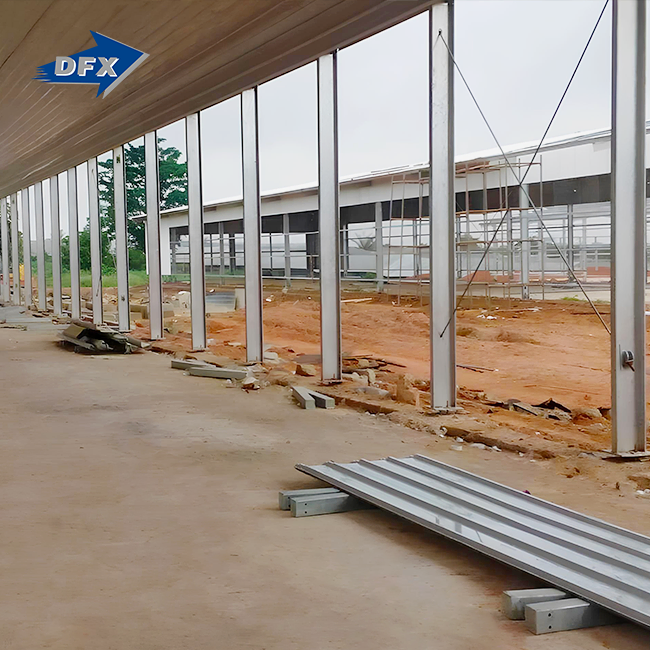
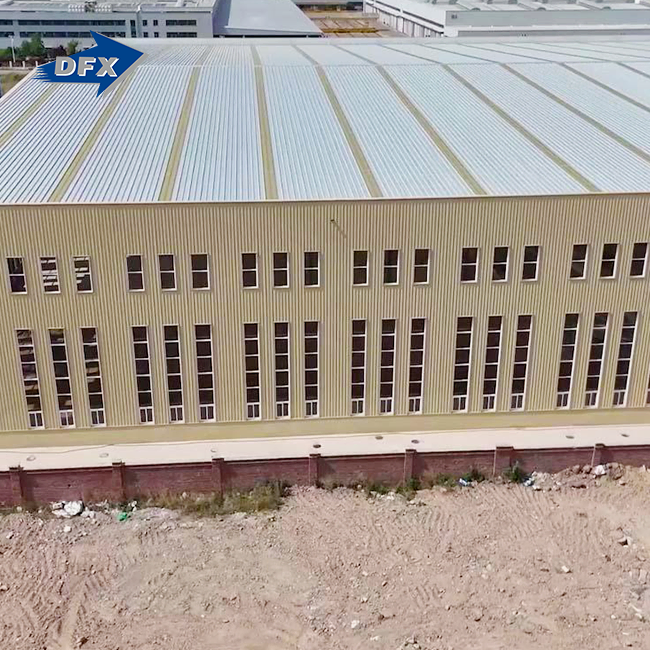
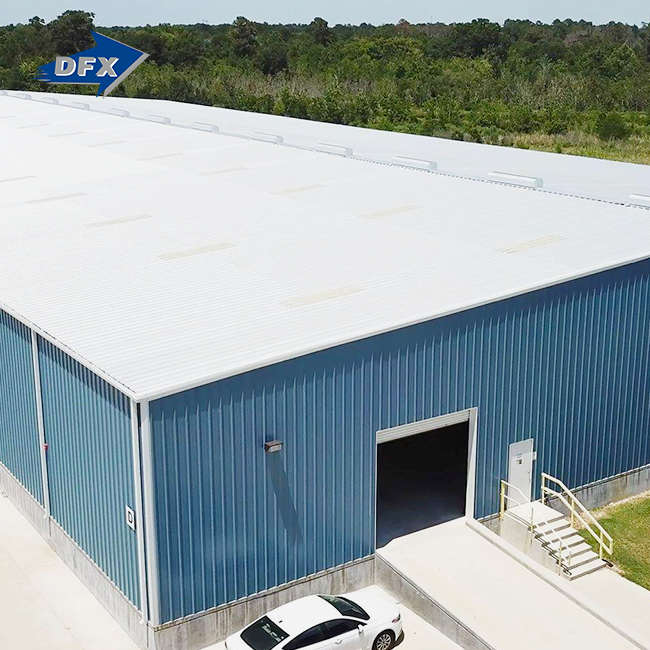
When handling volatile chemicals and hazardous materials, the right storage infrastructure makes all the difference. A chemical storage steel warehouse for safe petrochemical warehousing Petrochemical warehousing represents a specialized facility engineered from structural steel components specifically designed for the secure handling, storage, and logistics of flammable, corrosive, and reactive substances. Unlike conventional warehouses, these structures integrate active safety engineering—including blast-resistant reinforcements, integrated spill containment systems, and atmospheric controls—within a modular prefabricated steel framework. This approach addresses three critical industry challenges: structural degradation from corrosive vapors, regulatory compliance with fire safety codes, and environmental liability from potential leakage.

Understanding Petrochemical Steel Warehousing: Foundations and Benefits
Steel buildings have become the most reliable way for many industries to store chemicals safely. Understanding why steel works better than other building materials in dangerous places is the first step to building a good petrochemical warehousing.
Why Does Steel Dominates Chemical Storage Infrastructure?
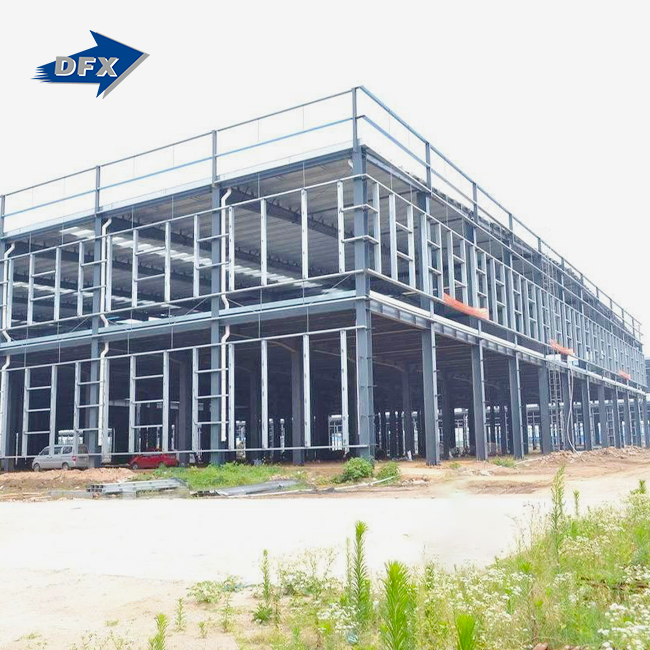
Steel is great for managing chemical storage risks because of how it is made. When exposed to harsh chemical atmospheres, the material holds up better than brick or wood against structure degradation. Grades of high-strength low-alloy steel like Q355B or ASTM A572 Gr. 50 keep their load-bearing strength even when they are exposed to high temperatures, which is common in chemical plants. The modular prefabricated method lets buildings be designed to exact specifications for various chemical classes, making sure they work with storage needs.
Core Benefits That Drive Operational Excellence
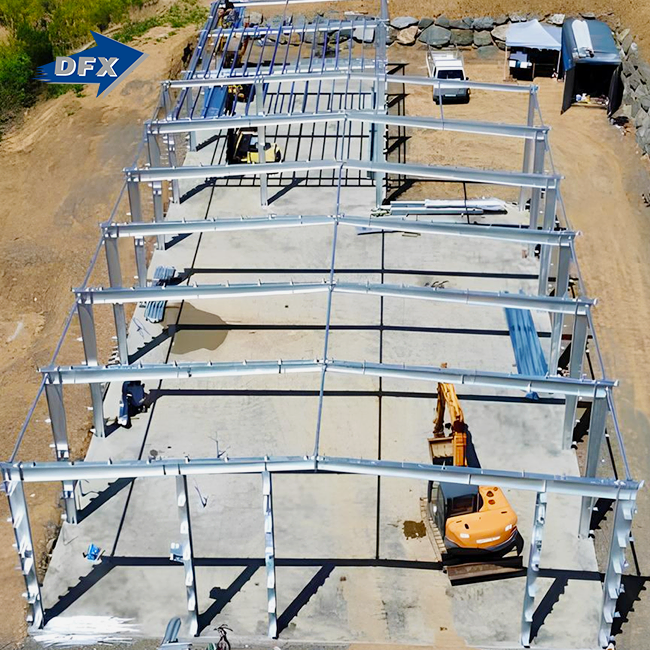
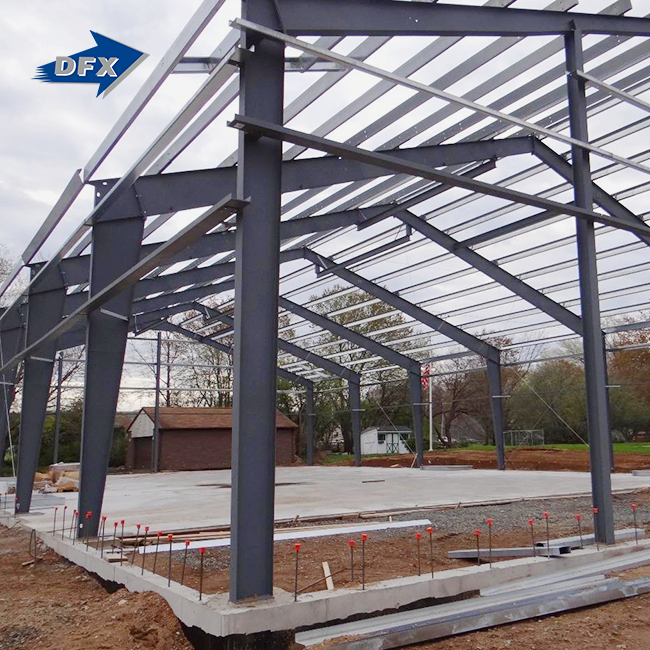
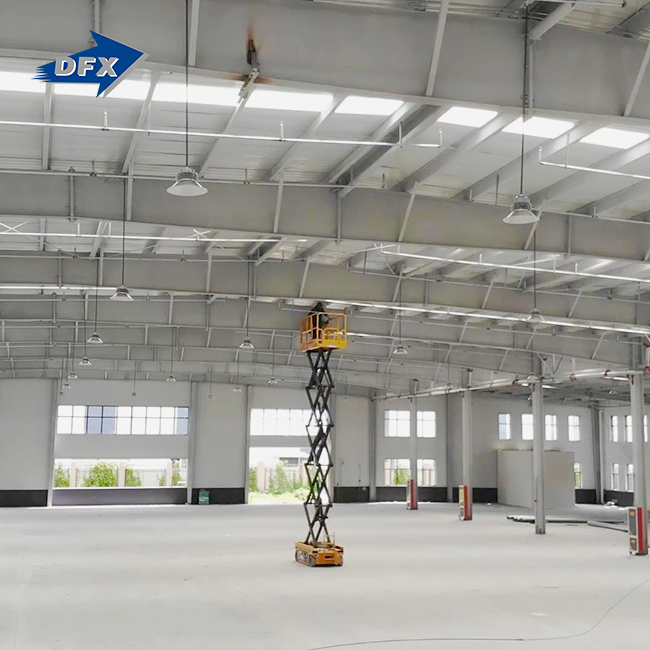
Putting money into properly designed steel warehouses pays off in a number of ways that can be measured. With hot-dip galvanized steel frames that don't rust for decades, increased reliability directly leads to fewer repair rounds. The clear-span features of H-beam primary steel frame construction get rid of the need for interior columns. This makes the floor room for moving tools and storing drums much more useful. Cost efficiency goes up because building can be done faster. Project-based fabrication in controlled factory settings ensures quality while cutting the need for on-site workers by up to 40% compared to traditional builds.
Environmental Controls and Compliance Advantages
Modern petrochemical warehousing needs advanced control of the surroundings. Integrated ventilation systems work better with steel structures than with other materials. Galvanized C/Z purlins support ventilated ridge designs that keep vapor from building up. Because the structure is strong, explosion-relief panels can be installed. These panels let out internal pressure during deflagration events, which protects the infrastructure around the building. These features help buildings meet strict environmental standards while reducing their carbon footprint by using reusable materials and insulated sandwich panels that save energy.
Safety Standards and Best Practices in Chemical Storage Steel Warehousing
Safety rules for storing chemicals go far beyond just preventing fires. Warehouses that store dangerous materials must follow a complex set of rules that must be carefully understood and followed.
Navigating the Regulatory Framework
The rules for how chemical stores should work are set by international standards like OSHA's Hazardous Materials laws, NFPA codes, and ISO certifications. Facilities that deal with Class I flammable products need to keep certain fire separation lengths, which means that the buildings need to be built with fire-rated walls and separate areas. The ISO 9001 quality management system makes sure that production processes are always the same, and the CE certification makes sure that the product meets European safety standards. We make all of our structure parts to these exacting standards, and we provide paperwork that makes the permit process easier in many places.
Implementing Corrosion-Resistant Engineering
Different engineering problems arise when chemicals are exposed that can't be solved by using standard designs. Electrochemical reactions let corrosive vapors from acids, alkalis, and solvents attack steel that isn't protected. Multiple layers of protection are needed for effective mitigation. Hot-dip galvanization provides a minimum 600 g/m² zinc coating as the first line of defense, and epoxy phenolic barrier coatings are designed to resist certain chemical agents. The support system gets extra attention because diagonal parts often break down faster in environments that are corrosive. Material tracking through mill test certificates makes sure that all structure elements meet the required yield strength.
Spill Containment and Emergency Response Integration
Engineered containment systems for petrochemical warehousing must be built into building projects in order to keep the surroundings clean. With perimeter curbing and monolithic foundation designs, secondary containment can hold 110% of the largest storage vessel's capacity. Chemical-resistant linings on trench drains send spills to collection sumps, which stop rainwater from seeping in. The building's design allows for the installation of fire control systems, such as foam flooding systems and dry chemical extinguishers placed according to the NFPA's guidelines for spacing. All of these parts work together to make a full safety network that keeps people, property, and the world safe.
Optimizing Logistics and Supply Chain with Petrochemical Steel Warehouses
Efficient chemical storage is more than just keeping chemicals safe; it also means improving the flow of work. Strategic warehouse design has a direct effect on the success of the supply chain during the buying, managing goods, and shipping stages.
Space Optimization Through Intelligent Design
Large-span steel buildings make interior areas without columns, which greatly improves the efficiency of moving materials. Forklifts can move IBC totes and drum pallets along the best paths, which cuts down on travel time and the chance of a collision. Prefabricated steel is made up of separate modules that can be put together to make facilities with separate areas for different types of chemicals. For example, oxidizers can be kept away from flammables, and acids can be kept away from bases, based on compatibility matrices. Adding mezzanine floors to an H-beam frame can double the amount of space that can be used for storage without making the building bigger.
Technology Integration for Inventory Precision
Chemical logistics today depends on being able to see inventory in real time. The infrastructure needed for automated tracking systems is easy to fit into steel structures. For example, overhead cable trays for scanner networks and conduit pathways for IoT sensors are just a few examples. Throughout the building, temperature tracking systems can be put in place to send alerts when storage conditions fall outside of certain areas. The rigid steel frame holds the suspended equipment without affecting the structure. This lets warehouse management systems get the accuracy they need to meet regulations and stick to just-in-time delivery plans.
Sustainability Practices in Chemical Warehousing
Environmental responsibility is becoming more and more important in purchasing decisions. There are several ways that steel buildings help reach environmental goals. The material itself can be recycled over and over again, and scrap steel keeps all of its structural properties when it is recycled. Using insulated panels in energy-efficient designs lowers the need for HVAC systems, which cuts carbon emissions by up to 30%. As part of responsible construction, the site is disturbed as little as possible, and prefabricated parts are delivered ready to be put together, which cuts down on construction waste. These qualities help companies meet their environmental goals and lower their long-term running costs.
How to Choose the Right Petrochemical Warehousing Provider for Your Business?
To choose an industrial partner for chemical storage infrastructure, you need to look at them carefully from a scientific, business, and operational point of view. The choice affects the safety of the building, the timetable for the project, and the total cost of ownership.
Evaluating Manufacturing Capabilities and Experience
The production infrastructure of a provider directly affects the standard of their products and how reliably they can supply them. In factories, there should be dedicated H-beam welding lines with automated processes that make sure the quality of the welds is always the same. This is very important for buildings that need to withstand blast loads and seismic forces. Ultrasonic testing and magnetic particle inspection are examples of non-destructive testing methods that can be used to check the quality of welds without damaging structural parts. When working on big projects, production capacity is very important. A fabricator who can make 20,000 tons of welded sections every year can keep up with schedules for huge buildings that need thousands of tons of steel.
Certification, Compliance, and Quality Assurance
Industry certificates show that production standards are met in a reliable way. ISO 9001 certification shows that quality management is carried out in a planned way throughout the whole manufacturing process, from getting the materials to inspecting the finished product. When a product has the CE mark, it means it meets the safety, health, and environmental protection standards of the European Union. This is important for multinational companies that want to make sure their standards are the same across all regions. Optional EN 1090 certification directly handles the production of structural steel, giving engineered buildings and petrochemical warehousing projects more confidence. Make sure that the service providers measure the dry film thickness and do cross-cut adhesion tests on protective coats to make sure that the level of rust resistance meets the needs of the project.
Service Scope and Turnkey Capabilities
Full project support makes completion easier and teamwork less difficult. Companies that offer engineering modeling services can make sure that structure designs are the safest they can be for different loading conditions and chemical exposure profiles. This could lower the cost of materials while still meeting safety standards. With in-house architectural design and detailing, fabrication drawings are sure to accurately reflect the needs of the project, reducing the need for changes in the field. Logistics planning is very important for foreign projects; experienced providers plan the loading of containers in a way that makes assembly on-site go more smoothly. Local contractors can do a better job of installation when they have specific connection plans and assembly processes to follow. This cuts down on delays in commissioning.
Future Trends and Innovations in Chemical Storage Steel Warehousing
As technology improves and government rules change, the chemical storage industry continues to change. Procurement workers can make investments that will pay off in the future by understanding new trends.
Automation and Digital Monitoring Systems
IoT-enabled monitoring that gives full operating insight is being used more and more in advanced facilities. In real time, sensor networks keep track of temperature, humidity, and the make-up of the atmosphere. When conditions get dangerously close to critical levels, automated alerts go off. Machine learning algorithms look at past data to guess what maintenance needs to be done next, which stops problems before they happen. Steel frames are perfect for these technologies because they are made with wire management systems and equipment mounting holes built in from the start. The end result is a "smart warehouse" that cuts down on labor costs and improves safety by keeping an eye on everything all the time.
Modular and Scalable Design Approaches
As businesses grow and their chemical portfolios change, they need infrastructure that can adapt. Expanding in stages is possible with modular prefabricated steel building systems that don't stop current operations. Initial facilities can be planned with areas for future growth, where extra bays can be added and connected to existing structures using standard details. The bracing system can be set up to fit future spaces, so expensive changes to the structure are not needed. This flexibility is very helpful for businesses that want to join new markets or adapt to changes in demand because it lowers the amount of cash they need while keeping their operational capacity.
Sustainable Construction and Green Compliance
Environmental laws are having a bigger effect on how things are built and how they work. Eco-friendly materials and energy control methods are being used more because of new rules. In response, steel companies have improved their production methods to lower the amount of carbon that is built into structure parts. It is now common for warehouse designs to include systems for mounting solar panels on the roofs of the buildings. The main frame of an H-beam warehouse is specifically made to support these arrays. Building foundations can be used with rainwater collection systems, which cuts down on the amount of water used by cities. These features put buildings in a good situation to meet new environmental standards and lower their operating costs by lowering the cost of utilities.
Conclusion
Building the right infrastructure for storing chemicals is a big investment that has a direct effect on operating safety, following the rules, and making money in the long run. Specialized steel warehouses designed to hold dangerous materials have safety features, structural integrity, and resistance to corrosion that general-use facilities can't provide. Procurement managers can find facilities that protect people, property, and the environment while also making the supply chain more efficient by carefully choosing providers based on their manufacturing skills, certifications, and wide range of services they offer. As the petrochemical warehousing industry moves toward more automation and sustainability, modular prefabricated steel buildings can change to meet new needs while still meeting the strict safety standards that are necessary in this setting.
FAQ
1. Why is steel the preferred material for petrochemical storage facilities?
Steel is the best material for storing dangerous materials because it is strong for its weight, doesn't catch fire, and can be coated with safe materials. The material keeps its shape even when heated, and it can be made to have certain fire-resistance ratings by adding intumescent coatings. Steel frames can support explosion-relief designs that safely let out internal pressure, keeping structures from bursting apart during deflagrations.
2. What certifications should I verify when selecting a steel warehouse manufacturer?
Some important certificates are ISO 9001 for quality management systems, CE marking for European compliance, and EN 1090 for structural steel production, if desired. Ask for proof of non-destructive testing methods, mill certificates that show where the materials came from, and coating verification records with measurements of the dry film thickness. These papers show that the ways that things are made are in line with world norms.
3. How do project timelines compare between steel warehouses and traditional construction?
When compared to traditional methods, prefabricated steel construction usually cuts the time it takes to complete a project by 30 to 50 percent. Fabrication in the factory happens at the same time as site planning, so there are no delays during production due to bad weather. The modular approach lets smaller crews quickly put things together on-site, which cuts down on labor costs and speeds up the commissioning schedule.
Partner with DFX for Industry-Leading Chemical Storage Solutions
DFX (Qingdao Director Steel Structure Co., Ltd.) designs and builds petrochemical warehousing facilities that meet strict safety standards and run smoothly. Our 40,000-square-meter production facilities house six automatic welded H-beam lines producing 20,000 tons annually, supported by specialized C/Z purlin and sandwich panel production capabilities. Every structure manufactured under ISO 9001 protocols carries CE certification, ensuring compliance with international safety requirements. As an experienced petrochemical warehousing supplier, we work with construction contractors, EPC firms, and manufacturing companies all over the world. We offer a full range of services, from engineering calculations and fabrication to logistics coordination and help with set-up. Our in-house design team makes structures that work best for your chemical storage needs, delivering turnkey solutions that streamline project execution. Get in touch with our engineering experts at jason@bigdirector.com to talk about your project needs and get detailed technical proposals backed by over 12 years of structural steel expertise.
References
1. American Institute of Steel Construction. (2022). Steel Design Guide 7: Industrial Buildings—Roofs to Anchor Rods. Chicago: AISC Publications.
2. National Fire Protection Association. (2021). NFPA 30: Flammable and Combustible Liquids Code. Quincy: NFPA Standards Council.
3. Cheng, X. & Zhang, H. (2020). Corrosion Protection of Steel Structures in Chemical Plants: Materials and Methods. Materials Science Forum, Vol. 985, pp. 156-163.
4. International Organization for Standardization. (2019). ISO 9001:2015 Quality Management Systems—Requirements for Steel Fabricators. Geneva: ISO Central Secretariat.
5. Occupational Safety and Health Administration. (2023). OSHA Technical Manual: Hazardous Materials Storage and Handling. Washington: U.S. Department of Labor.
6. British Standards Institution. (2021). BS EN 1090-2: Technical Requirements for Steel Structures in Hazardous Environments. London: BSI Group.
Learn about our latest products and discounts through SMS or email