- English
- French
- German
- Portuguese
- Spanish
- Russian
- Japanese
- Korean
- Arabic
- Greek
- German
- Turkish
- Italian
- Danish
- Romanian
- Indonesian
- Czech
- Afrikaans
- Swedish
- Polish
- Basque
- Catalan
- Esperanto
- Hindi
- Lao
- Albanian
- Amharic
- Armenian
- Azerbaijani
- Belarusian
- Bengali
- Bosnian
- Bulgarian
- Cebuano
- Chichewa
- Corsican
- Croatian
- Dutch
- Estonian
- Filipino
- Finnish
- Frisian
- Galician
- Georgian
- Gujarati
- Haitian
- Hausa
- Hawaiian
- Hebrew
- Hmong
- Hungarian
- Icelandic
- Igbo
- Javanese
- Kannada
- Kazakh
- Khmer
- Kurdish
- Kyrgyz
- Latin
- Latvian
- Lithuanian
- Luxembou..
- Macedonian
- Malagasy
- Malay
- Malayalam
- Maltese
- Maori
- Marathi
- Mongolian
- Burmese
- Nepali
- Norwegian
- Pashto
- Persian
- Punjabi
- Serbian
- Sesotho
- Sinhala
- Slovak
- Slovenian
- Somali
- Samoan
- Scots Gaelic
- Shona
- Sindhi
- Sundanese
- Swahili
- Tajik
- Tamil
- Telugu
- Thai
- Ukrainian
- Urdu
- Uzbek
- Vietnamese
- Welsh
- Xhosa
- Yiddish
- Yoruba
- Zulu
What Features Should a Textile raw material warehouse include?
A well-designed Textile Raw Material Warehouse is more than just a place to store things; it's also a quality shield that keeps valuable fibre stocks from going bad and keeps production running smoothly. At its core, this specialised facility has to deal with the different ways that cotton, wool, synthetic fibres, yarns, and colouring chemicals behave. It does this by maintaining the right temperature, installing fire safety features, using advanced inventory management, and specialised shelving systems. When set up correctly, this kind of building keeps expensive materials from going missing because of damage from water, contamination, or mistakes in handling, which has a direct effect on your bottom line and the stability of your production.

Understanding the Essential Features of a Textile Raw Material Warehouse
Realising that raw materials and finished goods behave differently is the first step in building a good textile storage system. Cotton takes in water from the air, synthetic chips can break down in water, and bugs are drawn to natural fibres. Each of these needs a different approach to environmental management.
Climate Control Architecture
Setting the right temperature and humidity is the most important infrastructure investment that can be made. The best range for strength and flexibility for cotton fibres is between 55 and 65% relative humidity. On the other hand, polyester chips need dry conditions below 40% RH to keep the polymer from breaking down. We've seen factories lose whole shipments because the humidity controls didn't work during the summer, letting mildew grow on natural fibres or static electricity build up on synthetics and stopping production lines.
Multi-zone HVAC systems are used in modern buildings to create different microclimates within the same building area. Using this method instead of conditioning the whole area to the strictest standard saves money on energy costs while protecting a wide range of goods at the same time.
Fire Suppression and Safety Infrastructure
The textile business has special fire risks because of the buildup of loose fibres and dust in the air. The places where these things are kept are NFPA Class III/IV commodities, which means they need special suppression technology. Sprinkler systems with Early Suppression Fast Response (ESFR) and spark detectors in ventilation ductwork provide the right level of safety.
A good warehouse design includes more than just sprinklers. It also has explosion-proof electrical fittings in areas that work with volatile solvents, bunded floors to contain chemical spills, and strict material division rules that keep oxidising agents and flammable substances separate.
Specialized Storage Configuration Systems
When it comes to handling textiles, standard pallet racks don't meet the needs. When fabric rolls are stored horizontally on normal racks, they get pressure lines and ovalization that change the tension when they are being spread. Professional facilities use suspension racks for long rolls to hold the core without crushing the material, and cage bins for loose yarn cones to keep them from getting crushed while they are being stacked.
Another important factor that is often ignored is light fastness defence. LED lights with low UV emission spectra keep coloured raw materials from photo-oxidation and colour fading, so they stay good for longer periods of time.
Operational Features That Drive Efficiency and Reliability
Infrastructure by itself can't ensure practical success. How your Textile Raw Material Warehouse is laid out, how well technology is integrated, and how well you manage your processes will decide whether your facility is a competitive advantage or a costly bottleneck.
Strategic Layout and Space Optimization
A good building layout balances density and accessibility. Shipped items need to be near their destinations, but bulk raw materials fare well in deep storage. SKU velocity data should be examined, and zones put up. Put fast-moving things in "golden zones" (waist-height, near exits), medium-speed items in standard racks, and slow-moving items in high-bay storage.
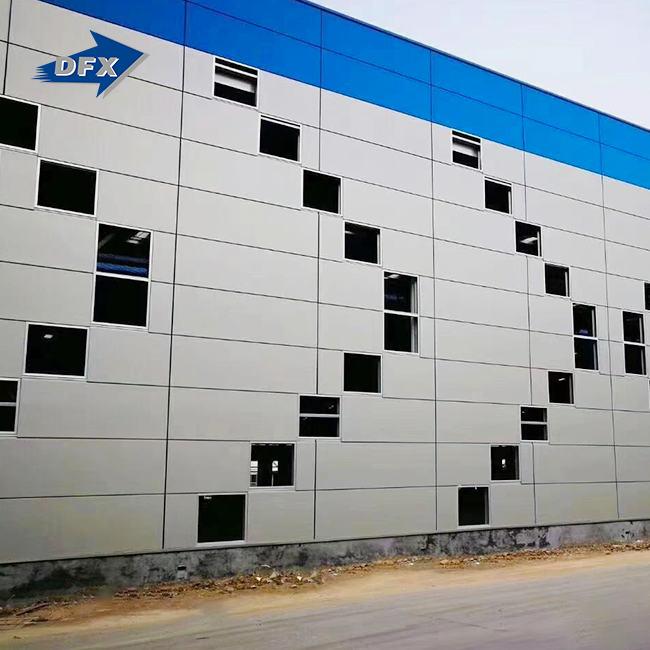
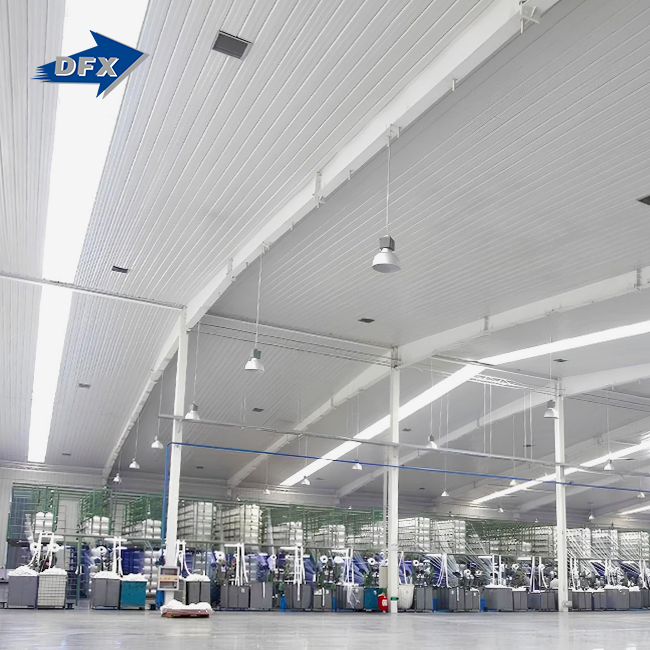
Scalability planning is crucial in the fabric industry since demand varies seasonally. Expanding modular prefabricated steel storage facilities doesn't interrupt operations. The H-beam main steel frame design with galvanized C/Z purlins produces clear-span interiors without internal columns, maximizing floor space and allowing for easy layout changes as company demands evolve.
Technology Integration for Accuracy
Textile buyers require more precise inventory systems than manual ones. Shade variation management illustrates this issue: garment producers must use the same dye lots for all fabric rolls in a cutting batch to avoid obvious color variances.
Batch integrity is guaranteed automatically with warehouse management software and RFID tags. Warehouse workers can choose from one dye lot when selecting supplies. This prevents human errors. Scan barcodes at receiving docks to update inventory in real time and help procurement teams determine what to restock.
IoT sensors that monitor temperature, humidity, and air quality alert us to environmental changes before they damage materials. When circumstances exceed limitations, these systems alarm automatically. This enables issues to be resolved immediately instead of waiting weeks for quality assessments.
Quality Control Protocols and Inspection Procedures
Assuring inbound product quality goes beyond counting boxes. Before stocking fabric rolls, professional textile warehouses employ the ASTM D5430 four-point approach to evaluate samples and report any issues. Random cone testing verifies yarn count and twist against packaging specifications. This guarantees suppliers deliver the agreed-upon quality.
Buyers won't pay for water weight instead of fiber with moisture return evidence. To determine if weights include excess water, calibrated moisture meters compare findings to usual recovery rates (8.5% for cotton and 15–18% for wool). This basic check has saved our clients thousands of dollars each year by detecting problems when things are received instead of being created.
Periodic cycle counting and random spot checks for mould growth, bug infestation in wool, or phenolic yellowing in packing materials help keep inventory in good health while it's being stored. These rules keep "dead stock" from building up, which wastes money and has to be written off eventually.
Comparing Different Types of Textile Raw Material Warehouses
Not every warehouse solution works for every type of business. Knowing the differences between the different types of facilities helps procurement workers match the facilities' skills with the needs of the business.
Long-Term Storage Versus Distribution Centers
For last-mile delivery, distribution centers use cross-docking and minimal inventory holding to prioritise throughput and quick order fulfilment. Textile Raw Material Warehouses focus on keeping materials safe and providing a buffer zone between suppliers and production schedules. Usually, storage lasts for weeks to months, which means that the infrastructure needs to put more emphasis on protecting the goods than speed.
In-House Versus Outsourced Facilities
Building a facility with only that capability gives you the most control over operations, quality standards, and safety. This method works well for makers who have a steady flow of goods and the money to spend on infrastructure. We've worked with clients who run 40,000-square-meter enclosed production facilities that store raw materials and make things all under one roof. This improves material flow and lowers the cost of handling.
Third-party logistics (3PL) companies that are outsourced give you freedom and growth without having to spend money. This model works well for companies that are growing quickly, going through seasonal changes, or trying out new markets. In exchange for less control over operations and ongoing service fees, reliable 3PL partners offer professional management and access to technology that smaller businesses can't afford on their own.
Specialized Environment-Controlled Facilities
Temperature-sensitive materials, like spandex and Lycra, need to be kept in the fridge to keep them from breaking down. This makes the shelf life go from six months to over a year. These specialised facilities charge high prices, but they keep businesses from throwing away expensive materials that aren't needed.
Bulk storage warehouses are the most cost-effective way to store large amounts of commodity fibres. These places give up accessibility for density, and they use silo storage or block stacking to keep storage costs per unit as low as possible. It gets harder to rotate the material, so this method only works for bulk materials that are all the same and don't have to worry about dye lots.
Criteria for Choosing the Right Textile Raw Material Warehouse Provider
There is more than just cost per square metre that you need to think about when choosing a warehouse partner or building your own facility.
Geographic Location and Transportation Access
Being close to factories cuts down on lead times and transportation costs, making the supply chain more responsive. Being close to major ports or rail terminals makes international sourcing easier. This is especially important for fibre supply chains that run around the world. We've seen that facilities within 50 kilometres of production plants cut the time it takes to respond to an emergency procurement request from days to hours. This keeps expensive production from stopping.
Capacity Planning and Scalability Assessment
Right-sizing the capacity of a building strikes a balance between cost and freedom. When facilities are too big, resources are wasted on environmental controls and space that isn't being used, and when storage is too small, it slows down during busy times. We suggest planning for 120–130% of your average inventory levels. This will give you extra space without adding too much work.
Project-based fabrication delivery models match the time it takes to build a warehouse to the growth of a business. Steel structure buildings can be planned, made and put up in four to six months. This means that growth can be planned in stages based on actual demand, rather than guessing too much and building too much.
Technology Capabilities and System Integration
Your enterprise resource planning (ERP) software should be able to connect with your warehouse management system so that data can flow easily between purchasing, inventory, and production planning. Check the provider's API compatibility and data exchange protocols to avoid having to pay a lot of money for custom integration work.
Modern warehouses let buyers see their goods in real time through websites or mobile apps. This means that purchasing teams can keep an eye on stock levels, follow shipments as they come in, and make reports without having to ask warehouse staff for updates by hand.
Certifications and Compliance Standards
ISO 9001 approval means that quality management is done in a planned way, which makes warehouse operations less likely to be unpredictable. Putting a CE mark on structural parts shows that they meet European safety standards. This is important for businesses that do business internationally or sell to European markets. The EN 1090 approval specifically checks the quality of the construction of steel structures, making sure that they are strong and last a long time.
Fire safety certifications, environmental permits, and authorisations to handle hazmat show that you follow the rules, which protects your business from liability. When we choose a provider, we always check these credentials because facilities that don't follow the rules risk being shut down, which would mess up supply chains at the worst possible times.
Future Trends and Innovations in Textile Raw Material Warehousing
The warehouse industry is changing quickly because of new technologies and the need to be more environmentally friendly, which are changing how things are done.
Automation and Artificial Intelligence Implementation
Robotic retrieval systems and automated guided vehicles (AGVs) make picking faster and more accurate while cutting down on the cost of labour. AI looks at past trends of demand to find the best places to put items in stock, putting items that are expected to be in high demand in places that are easy to get to before orders come in.
Predictive analytics find inventory that isn't moving quickly and is at risk of becoming obsolete. This lets you discount or get rid of materials in other ways before they become useless. Through early action, these tools have helped clients cut down on inventory write-offs by 30 to 40 percent.
Sustainable Building Practices and Green Operations
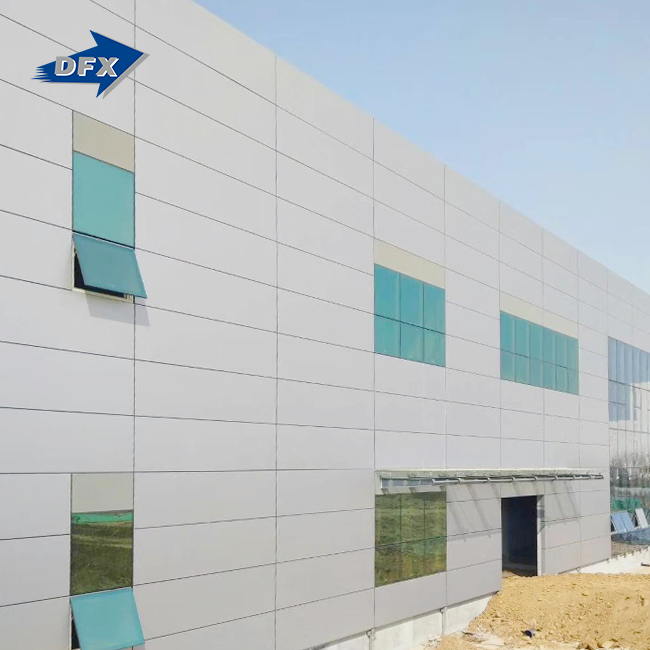
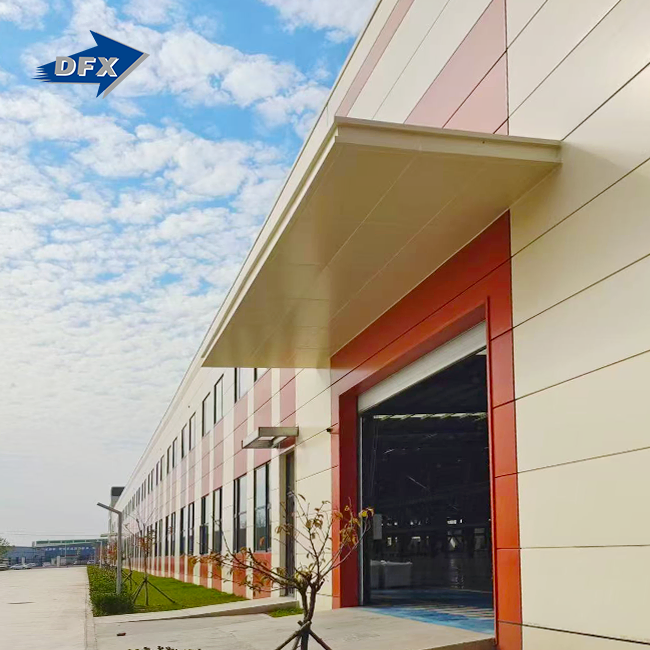
For the Textile Raw Material Warehouse, more and more, environmental concerns affect how warehouses are designed. Installing solar panels can help balance out the electricity used by climate control systems, and collecting rainwater can help cities use less water. Insulated sandwich panel roofs and siding reduce the amount of energy needed for heating and cooling, which is good for the environment and saves money.
Circular economy ideas are supported by building materials that can be recycled and steel structures that can be taken apart. When a company's needs change, modular steel buildings can be taken apart, moved, and put back together in new locations instead of being torn down. This saves energy and cuts down on construction waste.
Digital Supply Chain Integration
In a single digital environment, cloud-based tools combine warehouse operations with makers, suppliers, and logistics providers. Being able to see where materials are, their quality state, and their movement in real time lets you make proactive decisions instead of reactive ones.
Pilot projects using blockchain technology in textile supply chains promise better tracking and proof of authenticity. This is especially useful for expensive materials that are organic or come from sustainable sources. More and more, warehouse systems will connect to these distributed ledger networks and record automatically changes in ownership and quality confirmations.
Conclusion
Strategic warehouse design and management can turn storing textile raw materials from an expensive but necessary task into a way to stand out from the competition. Climate control precision, specialised storage configurations, advanced technology integration, and strong quality protocols are some of the features that were discussed. They all work together to protect material value and improve operational efficiency. The textile industry has to deal with global supply lines that are getting more complicated. Investing in the right warehouse infrastructure pays off in the form of lower material losses, more accurate inventory, and more reliable production. Procurement experts must put these important features at the top of their list of priorities to protect the integrity of their supply chains, whether they are building dedicated sites or working with specialised providers.
FAQ
Q1: What humidity level should be maintained in a textile raw material warehouse?
The best humidity range relies on what is being stored. Cotton works best when the relative humidity is between 55 and 65%. This keeps the fibres strong and stops them from breaking. To keep from breaking down, synthetic materials like polyester chips need dry conditions below 40% RH. To keep their weight and flexibility, wool and viscose need higher humidity, around 65%. Multi-zone climate control systems let different parts of the same building keep the right temperature and humidity for different kinds of inventory at the same time.
Q2: How do warehouse management systems prevent dye lot mixing?
When materials come in, modern WMS systems label them with batch numbers and dye lot numbers. When warehouse workers choose fabric for production orders, the system makes sure they only choose from a single dye lot. This keeps finished clothes from having different colours. This automated control gets rid of mistakes made by people and makes sure that quality is always the same. This is especially important in cut-and-sew operations, where changes in shade can be seen when the products are put together.
Q3: Should textile manufacturers build dedicated warehouses or outsource storage?
The choice is based on how stable the number is, how much cash is available, and how much control is needed. Companies with steady, high-volume needs and access to capital can benefit from dedicated facilities that give them the most control over operations and the lowest long-term costs. Businesses with limited funding, seasonal changes, or fast growth find that outsourced 3PL solutions give them freedom without having to commit to a lot of infrastructure. We've helped clients in both situations by designing dedicated facilities for well-known manufacturers and suggesting good 3PL partners for new businesses.
Textile Raw Material Warehouse Solutions from DFX
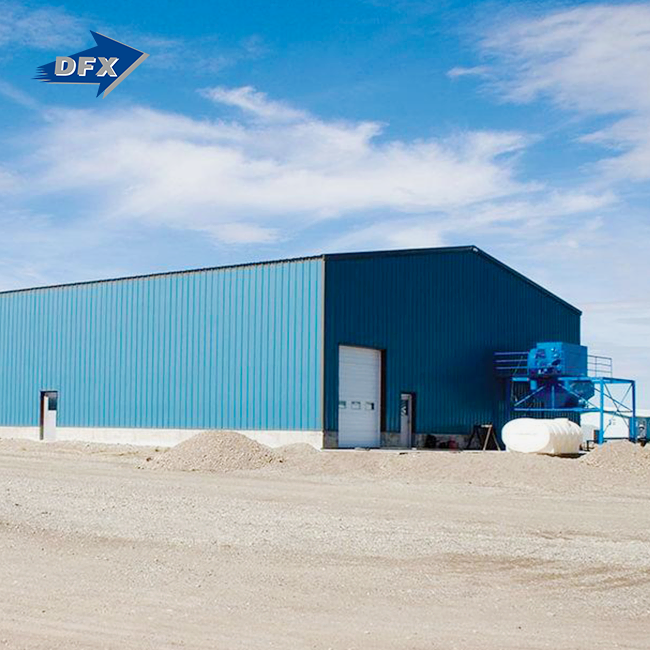
Director Steel Structure Co., Ltd. has more than 12 years of experience providing modular prefabricated steel storage buildings that are designed to solve problems with storing textile raw materials. Our turnkey solutions include engineering calculations, steel production, transportation coordination, and erection help. This means that you don't have to worry about the problems that come with coordinating projects with more than one provider. The H-beam primary steel frame construction with galvanised C/Z purlins gives the building more strength and resistance to corrosion. Our bracing systems keep the structure stable even in harsh weather. As a manufacturer that is ISO 9001-certified, CE-compliant, and can optionally be EN 1090-certified, we offer quality standards that are recognised around the world and protect your investment. Textile Raw Material Warehouse suppliers like us know that standard buildings can't meet your specific storage needs. Email jason@bigdirector.com today to talk about how our custom steel structure solutions can help you save time and money on textile procurement and protect your valuable fibre inventories.
References
1. American Society for Testing and Materials. (2019). ASTM D5430: Standard Test Methods for Visually Inspecting and Grading Fabrics. West Conshohocken: ASTM International.
2. National Fire Protection Association. (2021). NFPA 230: Standard for the Fire Protection of Storage. Quincy: NFPA Publishing.
3. Chen, L., & Wang, J. (2020). Climate Control in Textile Warehousing: Effects on Natural and Synthetic Fiber Preservation. Journal of Textile Engineering and Fashion Technology, 6(3), 112-119.
4. International Organization for Standardization. (2018). ISO 9001:2015 Quality Management Systems—Requirements for Warehouse Operations. Geneva: ISO Publishing.
5. Radhakrishnan, S. (2022). Modern Warehouse Management Systems in Textile Supply Chains: Technology Integration and Operational Efficiency. International Journal of Logistics Management, 33(2), 445-468.
6. European Committee for Standardization. (2020). EN 1090: Execution of Steel Structures and Aluminum Structures—Technical Requirements for Steel Structures. Brussels: CEN Publications.
Learn about our latest products and discounts through SMS or email