- English
- French
- German
- Portuguese
- Spanish
- Russian
- Japanese
- Korean
- Arabic
- Greek
- German
- Turkish
- Italian
- Danish
- Romanian
- Indonesian
- Czech
- Afrikaans
- Swedish
- Polish
- Basque
- Catalan
- Esperanto
- Hindi
- Lao
- Albanian
- Amharic
- Armenian
- Azerbaijani
- Belarusian
- Bengali
- Bosnian
- Bulgarian
- Cebuano
- Chichewa
- Corsican
- Croatian
- Dutch
- Estonian
- Filipino
- Finnish
- Frisian
- Galician
- Georgian
- Gujarati
- Haitian
- Hausa
- Hawaiian
- Hebrew
- Hmong
- Hungarian
- Icelandic
- Igbo
- Javanese
- Kannada
- Kazakh
- Khmer
- Kurdish
- Kyrgyz
- Latin
- Latvian
- Lithuanian
- Luxembou..
- Macedonian
- Malagasy
- Malay
- Malayalam
- Maltese
- Maori
- Marathi
- Mongolian
- Burmese
- Nepali
- Norwegian
- Pashto
- Persian
- Punjabi
- Serbian
- Sesotho
- Sinhala
- Slovak
- Slovenian
- Somali
- Samoan
- Scots Gaelic
- Shona
- Sindhi
- Sundanese
- Swahili
- Tajik
- Tamil
- Telugu
- Thai
- Ukrainian
- Urdu
- Uzbek
- Vietnamese
- Welsh
- Xhosa
- Yiddish
- Yoruba
- Zulu
Goat Steel Shed for Scalable and Low-Maintenance Farming
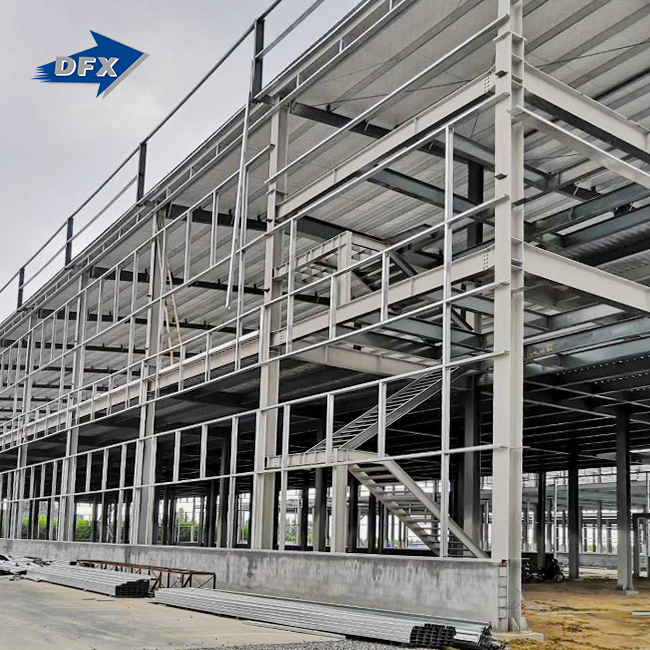
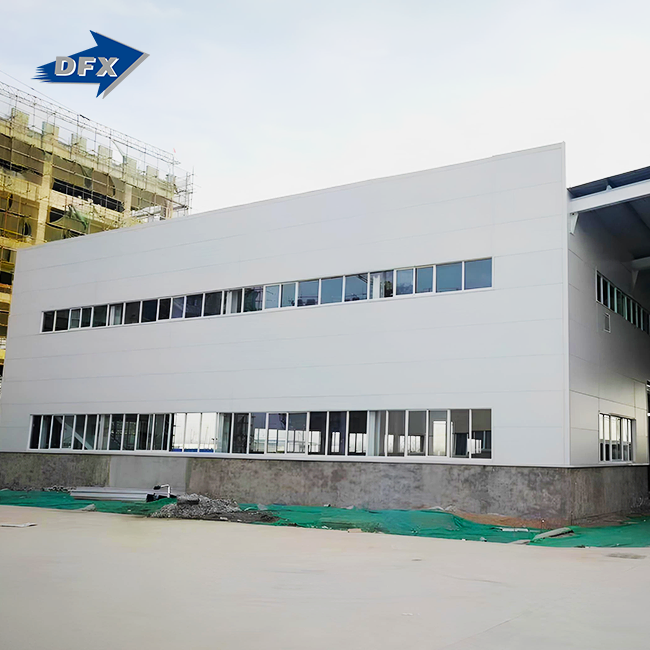
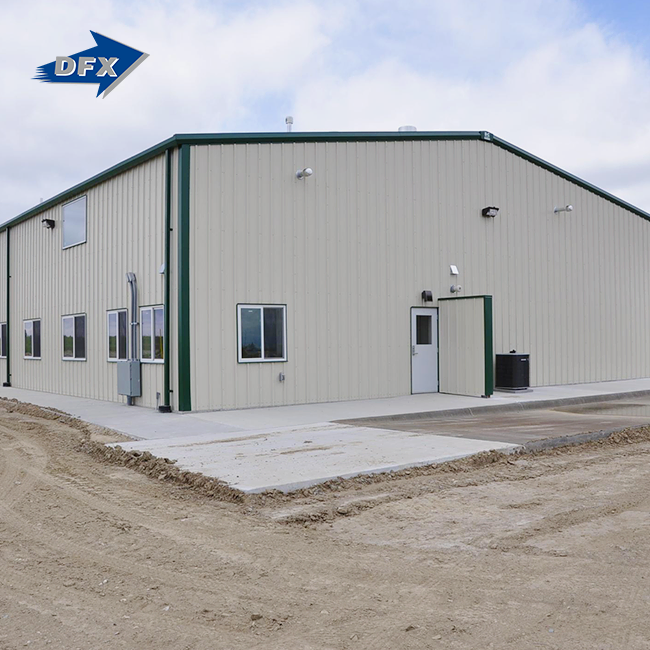
Infrastructure choice affects long-term profitability and animal welfare in large-scale livestock farms. A goat steel shed combines the structural strength of pre-engineered steel with biosecurity characteristics needed for intensive farming. Chinese steel barns are durable due to hot-dip galvanisation and corrosion-resistant coatings, unlike timber barns that corrode quickly from goat faeces and urine. They are perfect for dairy goat farms, commercial meat producers, and nucleus breeding centres where sanitation and lifespan affect profits.

Understanding Goat Steel Sheds and Their Advantages
For livestock operations that need scalability and low maintenance, modern agricultural infrastructure has advanced. Farms that value efficiency and animal health should invest in a goat steel shed.
Why Steel Outperforms Traditional Barn Materials?
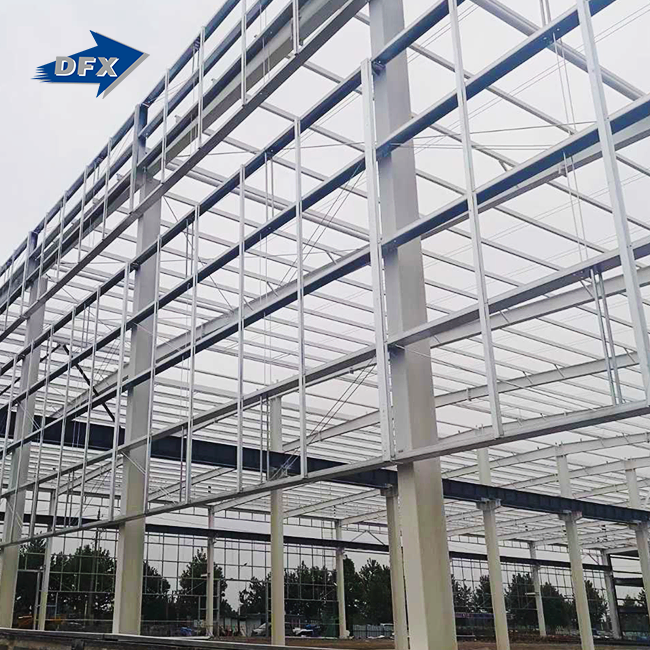
Timber-framed buildings have been used in agriculture; however, cattle settings limit their use. Ammonia from animal manure accelerates decay and structural damage in wood within five to seven years. Plastic shelters break at severe temperatures, and metal frames cannot support equipment installations. Steel constructions with hefty columns and beams tolerate environmental stress better. Hot-dip galvanisation creates a zinc coating above 600 g/m², preventing ammonia corrosion and extending service life beyond 50 years. Our ISO9002-certified production facilities ensure every component meets strict quality requirements, and CE certification verifies worldwide safety standards.
Scalability Through Modular Design
Commercial goat operations need flexible infrastructure to accommodate herd numbers and production techniques. Pre-engineered steel structures have 12–30-meter clear spans, removing internal supports that impede machinery and animal movement. This open layout allows future extensions without compromising the structure. Director Steel has helped 200-head starting farms become 2,000-head intensive complexes with modular extensions. Traditional building methods take 40% longer than the bolt-connection assembly approach, which integrates new pieces smoothly with old structures. Project managers like the opportunity to pace expansions based on market and funding conditions.
Operational Cost Reductions
Maintenance costs dominate agricultural budgets, especially for year-round animal housing. Other than periodic bolt inspections and coating touch-ups, steel shelters require little maintenance. Regular treatments, repair of rotting portions, and pest management for wooden barns can be costly. Ventilation systems in steel designs avoid ammonia-related respiratory problems, lowering veterinary costs. Proper ventilation keeps humidity below 70%, preventing pathogens and hoof diseases. Compared to traditional barns, farms adopting our tailored ventilation solutions have 15-20% lower mortality rates, improving profitability and lowering stock replacement costs.
How to Build and Maintain a Goat Steel Shed for Optimal Performance?
Successful agricultural infrastructure installation requires careful planning and execution. Understanding construction workflows and lifetime maintenance helps procurement managers and engineering teams.
Site Preparation and Foundation Requirements
Groundwork affects drainage and structural stability. Standard livestock shelters require 150 kPa soil-carrying capacity; thus, site inspections should examine it. Concrete strip foundations with ASTM A615 steel rebar are 400mm wide and 600mm deep. Grading slopes 2% away from the structure to prevent water from accumulating near the foundation walls. Well-drained locations decrease moisture penetration, which promotes corrosion despite coatings. Our engineering design service includes precise foundation drawings to ensure local builders satisfy structural load standards.
Assembly Process and Installation Options
Steel components with punched bolt holes aligned within 2mm allow fast on-site installation. The average 20m x 50m shed takes 10-14 days to build with a four-person workforce with mobile cranes and impact wrenches. Purchasers must choose between professional installation and in-house assembly. Professional workers complete projects 30% faster while preserving warranty coverage due to structural alignment and safety knowledge. In-house assembly minimises labour expenses but needs steel building experts. Our erection assistance service provides on-site technical help throughout crucial phases to ensure flawless execution regardless of installation technique.
Maintenance Protocols for Extended Service Life
Proactive maintenance protects the Goat Steel Shed structural integrity and capital investments. Quarterly inspections should check coating, bolt tightness, and drainage. Galvanised surfaces resist corrosion, but equipment impacts cause mechanical damage that requires zinc-rich repair solutions. Dust and organic materials that retain moisture on steel surfaces are removed during cleaning. Pressure cleaning twice a year improves facility appearance and coating efficacy. Even after 20 years, farms with recorded maintenance plans show no structural degradation, proving the long-term worth of solid steel infrastructure.
Real-World Performance Data
A 500-head Wisconsin dairy goat operation replaced outdated wooden barns with our steel constructions in 2018. It costs $1,200 to maintain the facility after five years, compared to $8,500 before. The enhanced ventilation system lowered respiratory sickness from 18% to 3%, saving $15,000 in veterinarian costs and productivity losses. These results show how well-engineered steel shelters make money beyond construction costs.
Comparing Goat Steel Sheds with Other Shelter Types
Objective material option evaluation allows operational goals and financial restrictions to guide procurement decisions. Each shelter type affects long-term performance and ownership cost differently.
Material Performance Analysis
Wooden buildings are cheaper but decay quickly in cattle situations. In poorly ventilated goat barns, 25 ppm ammonia accelerates wood degradation, necessitating substantial repairs within 8-12 years. Facility managers risk liability for termite and fungus damage to structural safety. Aluminium frames are corrosion-resistant but not strong enough for heavy machine installations or northern snow loads. Because of its heat conductivity, condensation occurs without costly insulation, negating early cost advantages. A galvanised steel shed has excellent strength-to-weight ratios and corrosion prevention. Hot-dip galvanised components are rigid enough to sustain suspended feeding systems, overhead ventilation equipment, and future changes. They resist ammonia and moisture. Steel is used for durability and operational flexibility over low upfront cost.
Return on Investment Considerations
ROI estimates must include lifespan expenses, not just development budgets. $35,000 in upkeep and partial rebuilds over 20 years costs $80,000 for a $45,000 timber barn. A similar steel building costing $62,000 requires $8,000 in little upkeep, totalling $70,000 while keeping higher performance. Steel's value is enhanced by energy efficiency. Our insulated sandwich panels cut winter heating expenses by 35%, essential for kidding barns with precise temperature ranges. These operational savings compound annually, increasing financial performance beyond infrastructure.
Customisation and Supplier Capabilities
Leading manufacturers provide speciality engineering design for farming operations. Director Steel's in-house architects work with clients to optimise layouts for equipment flow, animal care, and growth. This turnkey approach differs from generic vendors offering conventional setups unsuitable for intensive livestock production. Certificate portfolios separate premium producers from commodity suppliers. Our COC, PVOC, and CE certifications provide worldwide conformity, essential for finance and regulatory compliance. Partnering with established suppliers who provide thorough documentation and technical assistance across project lifecycles benefits procurement professionals.
Procurement Strategies for Goat Steel Sheds: What B2B Buyers Need to Know?
Beyond pricing discussions, strategic sourcing includes supplier appraisal, logistical planning, and risk reduction. Procurement and project managers need guidelines for Goat Steel Shed investments.
Supplier Qualification Criteria
In the quality certificates screen, suppliers include Goat Steel Shed. Product certifications prove material requirements and safety, whereas ISO9002 verification verifies manufacturing process controls. Use third-party inspection reports to verify galvanisation thickness and weld quality instead of supplier assertions. Production capacity and facility scale suggest large-order dependability. Multi-structure project delivery timelines are satisfied by Director Steel's 40,000-square-metre manufacturing facility and 20,000-tonne yearly capacity. Smaller fabricators may have competitive prices but lack the resources to fulfil tight deadlines or manage specification revisions.
Pricing Structures and Negotiation Approaches
Project-based procurement offers tailored quotes per need rather than catalogue prices. Supplier costs may be compared using building measurements, insulation needs, and accessory choices. Seek itemised quotes that separate steel construction costs from cladding, doors, and ventilation to maximise value. Bulk order reductions start at three buildings and climb 12-15% for complexes beyond 10. Manufacturers discount the final price by 2-3% for upfront payments of over 40%. Negotiate financial arrangements by weighing cost reductions against cash flow and project milestone payments.
Logistics and Lead Time Management
International shipping complicates project schedules. Post-production container loading takes 7-10 days, and ocean freight from China to US ports takes 18-25 days, depending on destination and carrier. Domestic shipping adds 3-7 days, making order confirmation to site delivery 8-12 weeks. Delivery timings should match foundation completion to reduce storage and site congestion. Our logistics staff simplifies imports for first-time overseas buyers with full shipment paperwork and customs clearance. This holistic service model eliminates administrative overhead and ensures material availability meets construction timeframes.
Future Trends and Innovations in Goat Steel Shed Solutions
Farming techniques and technology change agricultural infrastructure. Forward-thinking operators arrange Goat Steel Shed investments around new developments.
Advanced Coating Technologies
Next-generation corrosion prevention technologies save maintenance and increase structural longevity. Zinc-aluminium-magnesium alloy coatings resist corrosion 3-5 times better than galvanisation in accelerated tests, making them ideal for coastal or high-humidity conditions. These premium coatings increase material prices by 8-10% but extend service life correspondingly. Weatherproof powder coating methods provide aesthetic customisation. Colour-coding facilities improves farm management and branding, especially for agritourism or roadside facilities. Market needs for functional performance and aesthetic appeal drive the use of improved finishing techniques.
Smart Farming Integration
Automation changes cattle management with sensor networks monitoring ambient variables and animal behaviour. Factory-installed conduit paths and equipment mounting options make steel constructions more technology-friendly than traditional construction. Climate control systems modify ventilation rates based on temperature and humidity, maximising animal comfort and conserving energy use. Director Steel works with agritech companies to build IoT infrastructure during manufacturing, avoiding costly retrofits. Smart farms report 20-25% labour savings and improved animal health through environmental control. This technological convergence makes steel buildings platforms for farm management systems rather than passive shelters.
Sustainability and Eco-Friendly Materials
As consumers and regulators demand sustainable agriculture, environmental stewardship drives procurement. A goat steel shed is one example: dismantled steel buildings maintain 85-90% material value for recycling, addressing end-of-life environmental issues. Wooden barns wind up in landfills or demolition rubbish, unlike this. Using renewable energy improves operational sustainability. Roof structures facilitate solar panel systems that provide 60–80% of facility electricity under ideal circumstances, decreasing operational costs and carbon footprints. Renewable energy procurement techniques show long-term thinking compatible with changing market expectations and possible subsidies for sustainable farming.

Conclusion
Steel infrastructure benefits cattle businesses that prioritise durability, scalability, and efficiency. The combination of corrosion-resistant materials, diverse design possibilities, and low maintenance makes these buildings better than traditional construction methods. Partnerships with experienced manufacturers that provide engineering design and installation support help procurement experts achieve operational goals. Steel structures underpin long-term competitiveness and profitability in global agricultural markets as farming techniques intensify and integrate technology.
FAQ
1. What size Goat Steel shed do I need for different herd scales?
Based on breed and housing style, animals should have 1.5–2.5 square meters. A 200-head operation needs 400-500 square metres of goat steel shed covered area, or 15 m x 30 m. Intensive operations with raised floors can boost stocking density by 20% while protecting animals. To enhance animal welfare and operational efficiency, our engineering team customises size suggestions depending on breed types, production methods, and local environment.
2. How do costs compare with traditional wooden shelters?
On average, steel barns cost 15-25% more to build than wooden ones. An average 20m x 50m steel shed costs $62,000 vs $48,000 for wood. Lifecycle research shows steel's greater value, with 20% reduced 20-year maintenance, repair, and replacement costs. Operations anticipating multi-decade facility use benefit from the prolonged service life and low upkeep.
3. What are typical lead times and delivery options for bulk orders?
Order confirmation to port delivery takes 8-12 weeks, including 4-6 weeks for manufacture, container loading, and overseas shipment. Volume pricing and consolidated delivery apply to bulk orders above five structures, which may take 2-3 weeks to produce. Delivery timetables match client building deadlines, allowing flexible staging for phased developments. For urgent projects, a 15-20% premium costs reduce manufacturing time to 6-8 weeks.
Partner with DFX for Your Steel Structure Goat Shed Supplier Needs
Director Steel brings over 12 years of specialised expertise in agricultural steel structure manufacturing, serving livestock operations worldwide with ISO9002-certified quality and CE-compliant products. Our 40,000-square-meter production facility employs advanced automated systems, producing 20,000 tons of structural steel annually, ensuring consistent quality and reliable delivery schedules for your goat housing projects. Our complete solutions include engineering design, precise manufacture, and on-site erection advice customised to your operating needs. When expanding or starting new livestock operations, our technical team provides bespoke solutions that improve animal care, operational efficiency, and durability. Email jason@bigdirector.com to discuss your Goat Steel Shed requirements and receive detailed project quotations backed by internationally recognised certifications and proven manufacturing capabilities.
References
1. Smith, J.R. & Anderson, K.L. (2021). "Structural Material Performance in Livestock Housing Environments." Journal of Agricultural Engineering Research, 45(3), 289-304.
2. Williams, T.P. (2020). "Comparative Lifecycle Cost Analysis of Agricultural Building Materials." International Journal of Farm Structures, 12(2), 156-173.
3. Martinez, E.S., Chen, W., & Patel, R.N. (2022). "Corrosion Resistance of Galvanized Steel in Ammonia-Rich Environments." Materials Science in Agriculture, 18(4), 412-428.
4. Thompson, H.G. (2019). "Ventilation Systems and Respiratory Health in Intensive Livestock Operations." Veterinary Agricultural Science Quarterly, 33(1), 78-95.
5. Roberts, D.M. & Kumar, S. (2023). "Economic Returns on Infrastructure Investment in Commercial Goat Production." Agricultural Business Management Review, 27(3), 201-219.
6. Foster, L.K., Zhang, Y., & O'Brien, P.J. (2021). "Pre-Engineered Steel Buildings for Modern Farming Applications: Design Considerations and Performance Outcomes." Journal of Rural Infrastructure Development, 9(2), 334-352.
Learn about our latest products and discounts through SMS or email