- English
- French
- German
- Portuguese
- Spanish
- Russian
- Japanese
- Korean
- Arabic
- Greek
- German
- Turkish
- Italian
- Danish
- Romanian
- Indonesian
- Czech
- Afrikaans
- Swedish
- Polish
- Basque
- Catalan
- Esperanto
- Hindi
- Lao
- Albanian
- Amharic
- Armenian
- Azerbaijani
- Belarusian
- Bengali
- Bosnian
- Bulgarian
- Cebuano
- Chichewa
- Corsican
- Croatian
- Dutch
- Estonian
- Filipino
- Finnish
- Frisian
- Galician
- Georgian
- Gujarati
- Haitian
- Hausa
- Hawaiian
- Hebrew
- Hmong
- Hungarian
- Icelandic
- Igbo
- Javanese
- Kannada
- Kazakh
- Khmer
- Kurdish
- Kyrgyz
- Latin
- Latvian
- Lithuanian
- Luxembou..
- Macedonian
- Malagasy
- Malay
- Malayalam
- Maltese
- Maori
- Marathi
- Mongolian
- Burmese
- Nepali
- Norwegian
- Pashto
- Persian
- Punjabi
- Serbian
- Sesotho
- Sinhala
- Slovak
- Slovenian
- Somali
- Samoan
- Scots Gaelic
- Shona
- Sindhi
- Sundanese
- Swahili
- Tajik
- Tamil
- Telugu
- Thai
- Ukrainian
- Urdu
- Uzbek
- Vietnamese
- Welsh
- Xhosa
- Yiddish
- Yoruba
- Zulu
How Does an Aircraft Paint Hangar Ensure a Flawless Finish?
An aircraft paint hangar ensures a flawless finish by controlling every variable that touches wet paint. Filtered air keeps dust off the surface, balanced airflow pulls overspray away from the fuselage, and steady temperature and humidity help coatings flow and cure evenly. Color-accurate lighting lets painters and inspectors catch defects early, while a clean, sealed envelope keeps outside contaminants out. Fire protection and hazard-rated electrical equipment keep the process safe. A strong clear-span steel shell holds all of these systems in place. I will walk through each piece below.

What Is an Aircraft Paint Hangar, and Which Requirements Shape the Finish?
How an Aircraft Paint Hangar Works
If you clean, paint, dry, and check planes, that place is called an aircraft paint hangar. An aircraft hangar is a place where planes are kept and fixed. This tool is more like a painting machine. Among other things, it has high-efficiency filters, VOC control, rated electrical equipment, and surfaces with no rough edges. When a cycle starts, the first things that happen are moving and covering. First, prepare the surface. Then, paint it. After painting, wipe off any extra paint. Finally, check the painting and fix any issues that you find. You can work on more things in a hangar than in a paint shop because it's bigger. This helps MRO shops and wide-body planes that are already busy but want to get bigger.
Airflow and Ventilation Choices
The finish looks nice because it lets air flow through it. Because they need deep concrete pits, downdraft systems pull spray that is too close to the body down and away. This usually cuts down on the work that needs to be done again. Cross-draft systems work better on slabs that are already there, but you need to be careful that water doesn't cover the whole plane. That's how ACGIH says it should be: 60 to 100 feet per minute (FPM). The rules of the area, the surface, and the shape of the plane all change how to get to the end goal. Because pits, plenums, and pipes all change the structure, I think you should decide on the type of airflow before you decide on the building's height.
Temperature, Humidity, and Lighting
What's nearby can change the paint. The temperature and humidity can change how quickly the paint dries, how shiny it is, and how long it takes to cure. To keep things stable from primer to topcoat, the hangar needs to have climate control and humidity management. It's also important to have light. Colors are easier to match when the light source has a CRI of 90 or more. Most of the time, 100 foot-candles or more are needed to play checkers. Things that are near the spray zone need to have a hazardous-area rating, such as Class I, Division 1, if the rating calls for it. Painters can also figure out how much to paint on bent parts like nacelles and tail sections when the light isn't streaky.
How Do Safety Systems and Contamination Control Protect Quality and People?
Fire Protection and Hazardous-Area Equipment
Fires can start because of solvent smoke, coats that can catch fire, or too much spray paint. This rule is used in most aircraft paint hangars in the United States. And spray businesses do too. The right way to store chemicals, monitors, emergency shut-downs, and a building that can withstand fire are all things that can be used to keep things safe. Next, we use the lights, motors, fans, sensors, and buttons that are ranked by how dangerous the area is. A fire protection engineer, the building board, and the insurance company should all be involved with the project from the start so that their needs are met. That way, they can stay safe; they need masks, platforms that keep them from falling, well-marked escape routes, alarms, and interlocks.
Contamination Control from Intake to Exhaust
Dust, fibers, and oil are mostly to blame for the flaws on the surface. Wall and ceiling lines that are smooth won't get dirty or catch fire, and dust won't stick to them either. This helps clean up faster. The pressure balance is safe because the door locks are very strong. To put it another way, the hangar can have up or down pressure. Because of the positive pressure, the dust will stay inside, so there will be fumes. Several steps are taken to clean the air that comes in, and exhaust filters catch any extra. Particulate efficiency must be 99.9% according to many rules. It's also good to have zones. When you clean, paint, dry, and store things, keep them away from wet paint. If you ground yourself and pick the right spot inside, static electricity can't build up.
Commissioning Tests That Prove Performance
When the first plane comes in, an aircraft paint hangar should show that it works. During launch, readings from anemometers are taken of the whole plane to make sure there aren't any spots with hard flow or drag. Another thing that could happen is smoke. Check the pressure and see how well the filter works. The building's seal tests show that it can handle the pressure that was put on it. Some team members check the lights and fire equipment from up high. Thermal oxidizers or zeolite concentrators are often used to clean the air of dangerous pollutants before it is let out of the hangar when it is in use. This is done to follow EPA rules. If you write down the steps for covering, grounding, flash-off, and closing, you can do them over and over again between shifts.
Which Aircraft Paint Hangar Design Fits Your Project, and What Does It Cost?
Matching Design to Operating Scenarios
The use case guides the plan. It's important for business MRO shops to finish jobs quickly so they can do C-checks, D-checks, paint, and clean things quickly. A cleanroom needs to be able to keep OEM assembly lines that put things together clean. Defense sites use certain coatings, like ones that don't react with chemicals or ones that block sensors. It is important to keep an eye on the humidity and make sure the coatings are properly sealed. The best times to use modular systems are when you only need temporary room, leased land, or planned growth. Things that stay put work best in MRO hubs and OEM plants that are already up and running, though. An aircraft paint hangar can be turned into a workshop by adding a separate insert, as long as the base and utilities can handle the extra weight.
What Drives Aircraft Paint Hangar Cost
Size and type come before price. The major things that determine the price are the building's size, the door sizes, the way air moves, the ventilation, the capacity, the fire safety, the lighting, the foundations, the utilities, the approved electrical equipment, the HVAC, and the humidity control. It costs more to train, set up, and run. It may be cheaper to buy a bigger paint booth at first, but it may cost more in the long run if it isn't used as much or needs to be changed more often. Power is important in the long run. These systems use less heat because they move air around while the product cures and have variable frequency drives. There should be a good price, a technical plan, a framework, an energy schedule, a compliance grid, and loan terms.
Planning Checklist Before You Request Quotes
Change what you can. There are different types of planes, and their wings and tails can be different lengths and heights. You should also know how much paint there is, how much to return, how the paint covers, and what the plans are for the future fleet. Check the foundations, the weather, the utilities, the licenses, the safety routes, how to mix chemicals and paint, how to store chemicals, and how to get rid of trash. Make a list of the noise, lighting, fire safety, monitoring, airflow, temperature, humidity, filtration, VOCs, and VOC control that you need. First, agree on what the deal is. What it costs, when it will be shipped, who will set it up, the guarantee, any extra parts, training, and acceptance tests are all part of this. If you give them a clear brief, all of the bidders can price the same scope. This is a way to look at different quotes.
How Should Buyers Choose a Manufacturer, and What Does a Turnkey Solution Include?
The Steel Structure Behind the Finish
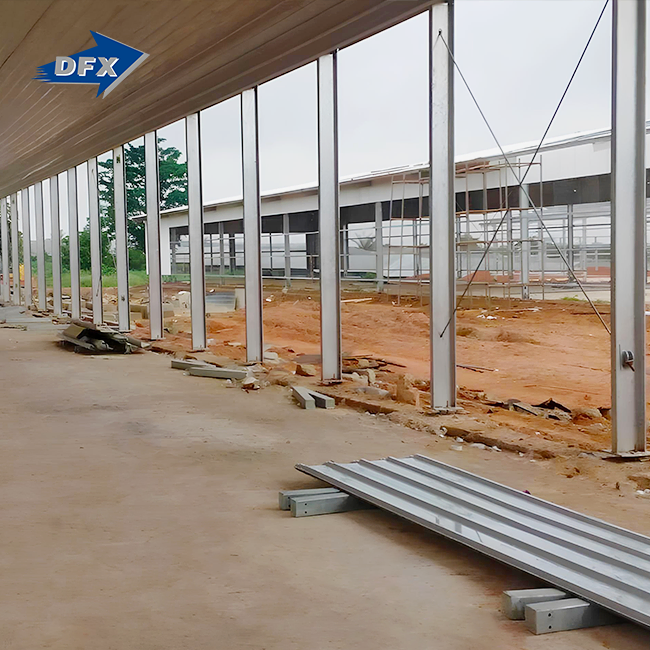
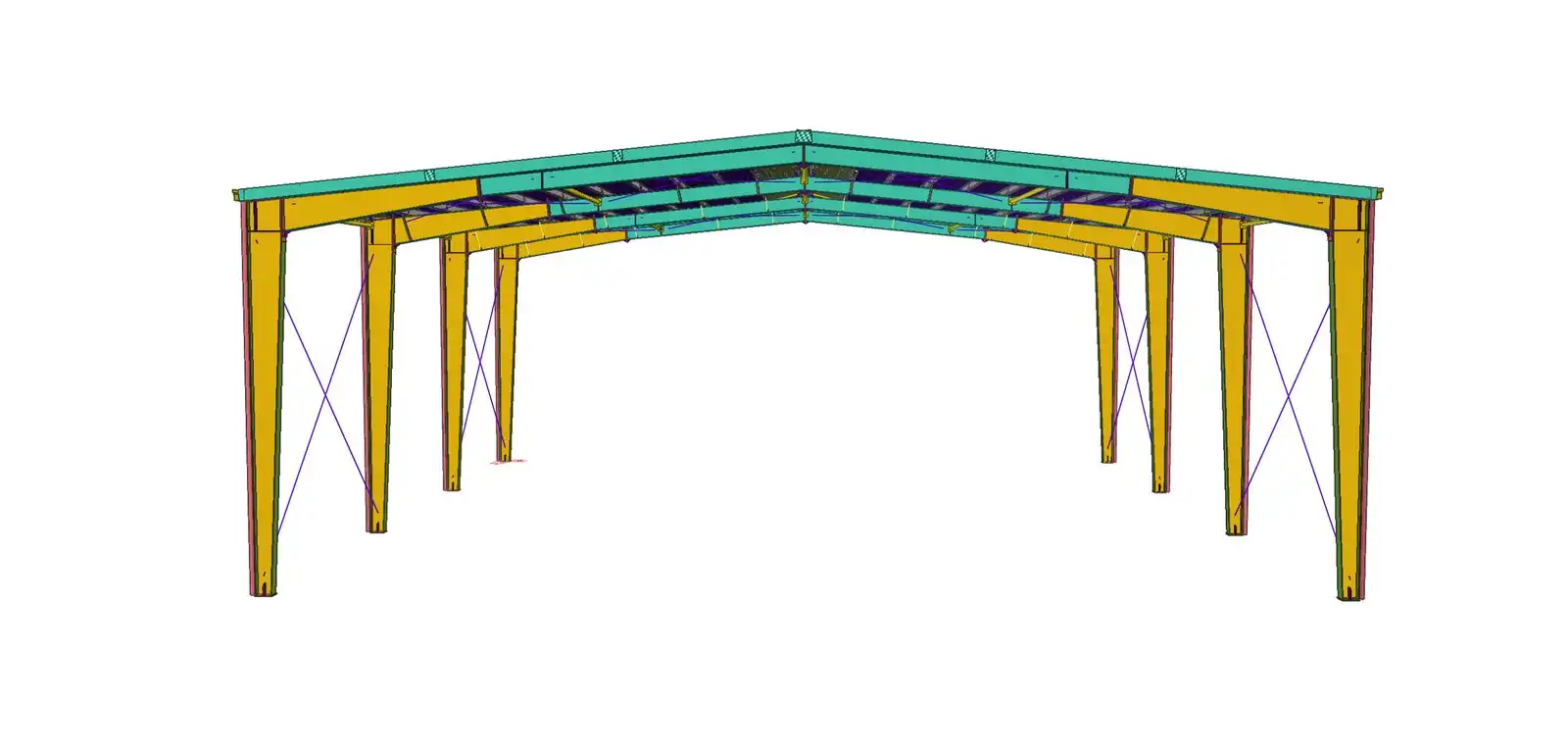
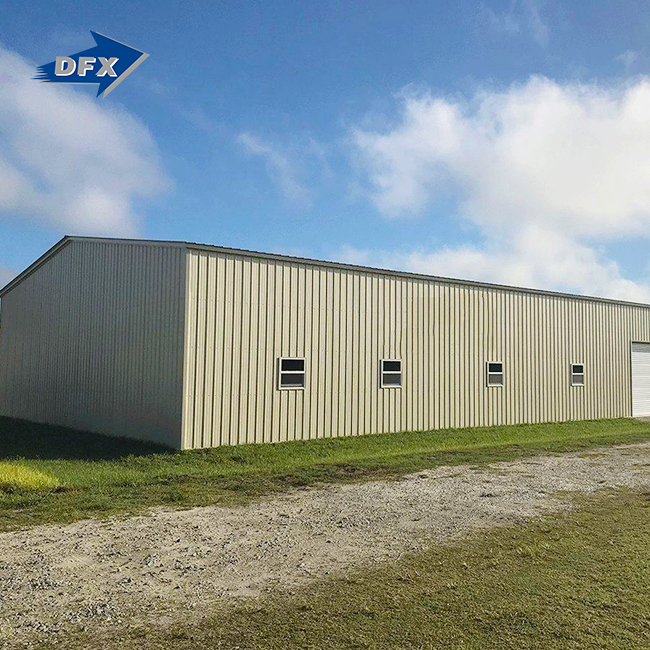
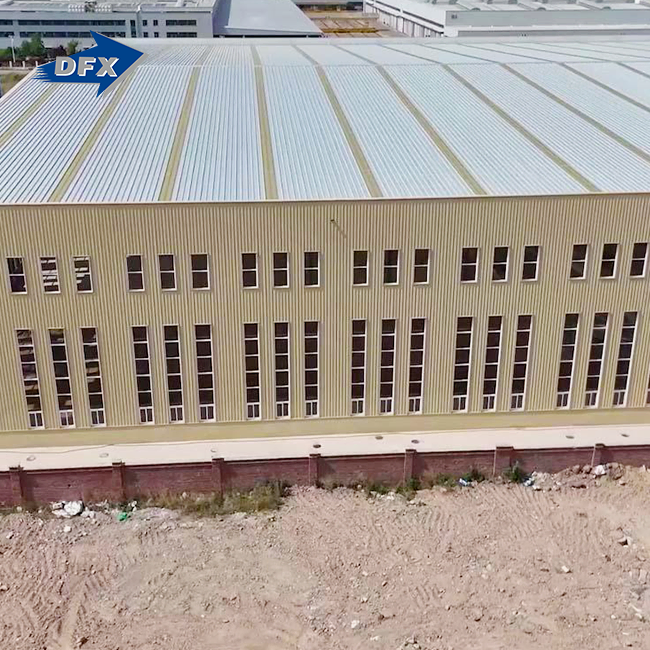
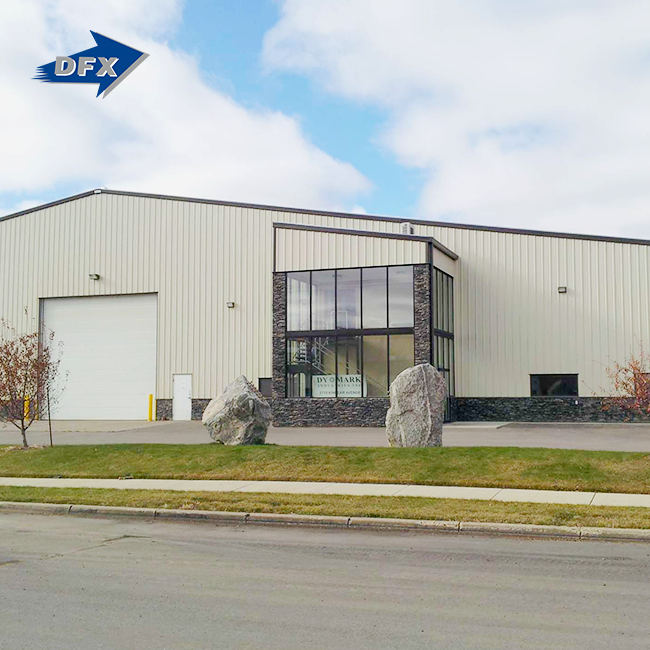
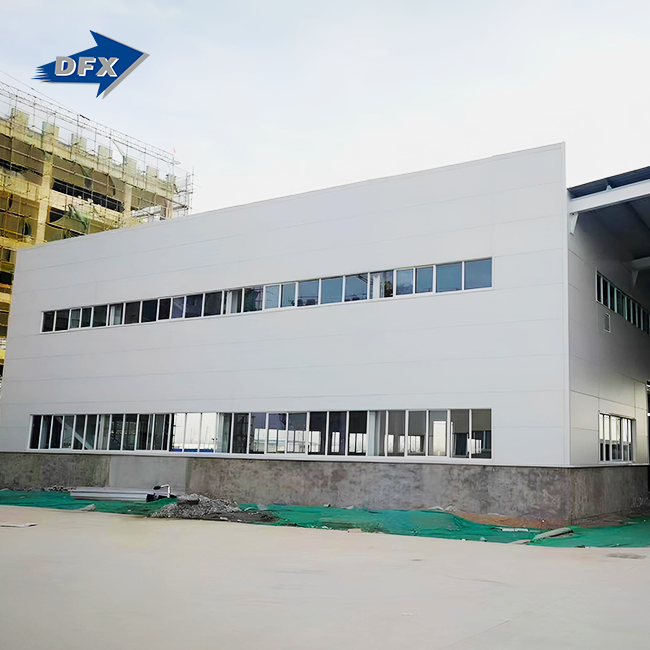
This part of the building holds the roof, doors, lights, pipes, and service loads. Pay close attention to it. The main frame of our steel building is made of welded H-section steel and a stronger set of braces. It's long and has a high ceiling. Big planes now have a lot of space inside. It's good for aircraft paint hangars, factories, and places to store big tools. In China, we make things, and we can help you plan structures, figure out how to build them, and set them up. On the list are the ISO9006, CE, COC, and PVOC permits. The span, height, and door openings will all work with your plan because they are made to order.
Questions to Ask Any Supplier
Find out about the project's history, wind charts, building plans, electrical diagrams, and safety paperwork. Find out who is in charge of the permits, services, tests, installations, and building work. Check to see if there are enough extra parts, that everyone knows what to do, and that the help arrives on time. Cutting down on VOCs, energy use, and getting certified early for dangerous places are all things you can do. The company Qingdao Director Steel Structure Co., Ltd. has been known as DFX since 2011. We make things in a 40,000-square-meter room with six automatic H-beam lines. More than 200 people work for us. If a service provider can weld about 20,000 tons of H-beams and columns each year, they can do what you need.
What a Turnkey Package Includes
A complete aircraft paint hangar job takes care of the doors, HVAC, lighting, electrical systems, fire protection connections, and controls. The project also plans the building and the land where it will go. First, we need to check to see if it's possible. The next steps are to plan the idea, do thorough engineering, build it, deliver it, set it up, turn it on, and train everyone. The steel side is run by DFX. Build the walls and roof, and put in the windows and doors. They help people figure out how to do everything. These partners are very knowledgeable and help us plan loads and openings. They also give us tools for putting out fires, moving air, and filtering. The item's hygrometer, lights, alarms, interlocks, airflow, and pressure should all be checked by the seller before it is sold. After that, they need to write down what they found.
Conclusion
There's more to making the finish on an airplane look good than just skilled artists and the right tools. That's a good idea because an aircraft paint hangar has the right airflow, screens, safe lighting, and a temperature and humidity that stay the same. People and things are kept safe by fire safety and NFPA-rated equipment. To keep things clean, we use zones, smooth lines, and tight seals. There are tests on these tools to make sure they work before they are used. Downdraft vs. crossdraft, modular vs. permanent, and the size of the VOC treatment can all be changed depending on the plane's size, output, and location. The price and the amount of energy used change when you choose these options. It is held up by a long steel shell with an H-shaped frame that is welded together, with extra support. The structure and the process need to be planned at the same time.
FAQ
1. What is the difference between an aircraft paint hangar and a paint booth?
A paint booth isn't as big, and it doesn't always work with all planes. An aircraft paint hangar gives you more room to work and makes it simple to add on to in the future. You can work on wide-body planes and do more MRO work too.
2. Can an existing hangar become an aircraft paint hangar?
Yes, most of the time. Inside the shell, they can add a steel piece that can stand on its own to hold tools for moving and cleaning the air. First, there is a technical study. The foundation and outside supports must be strong enough to hold the extra weight.
3. What information do you need for a quotation?
Tell them what kinds of planes you work with, how you cover them, how much work you want to get done, where the site is, what the rules are in the area, and when the job is due. The final rules rely on the plane's form, the materials used to cover it, the rules in place, and whether it's in a dangerous area.
Request an Aircraft Paint Hangar Quotation from DFX
Want to find a business that sells aircraft paint hangars? It helps plan, build, and set up unique long-span steel buildings. The company DFX makes them. We'll try to guess based on when you fly, how big your plane is, and what we know about the place. Email jason@bigdirector.com to get a price.
References
1. NFPA 409: Standard on Aircraft Hangars, 2022
2. NFPA 33: Standard for Spray Application Using Flammable or Combustible Materials, 2021
3. Industrial Ventilation: A Manual of Recommended Practice for Design, ACGIH, 2019
4. National Emission Standards for Hazardous Air Pollutants for Aerospace Manufacturing and Rework Facilities, U.S. EPA, 1995
5. NFPA 70: National Electrical Code, 2023
6. Advisory Circular 43.13-1B: Acceptable Methods, Techniques, and Practices – Aircraft Inspection and Repair, FAA, 1998
Learn about our latest products and discounts through SMS or email