- English
- French
- German
- Portuguese
- Spanish
- Russian
- Japanese
- Korean
- Arabic
- Greek
- German
- Turkish
- Italian
- Danish
- Romanian
- Indonesian
- Czech
- Afrikaans
- Swedish
- Polish
- Basque
- Catalan
- Esperanto
- Hindi
- Lao
- Albanian
- Amharic
- Armenian
- Azerbaijani
- Belarusian
- Bengali
- Bosnian
- Bulgarian
- Cebuano
- Chichewa
- Corsican
- Croatian
- Dutch
- Estonian
- Filipino
- Finnish
- Frisian
- Galician
- Georgian
- Gujarati
- Haitian
- Hausa
- Hawaiian
- Hebrew
- Hmong
- Hungarian
- Icelandic
- Igbo
- Javanese
- Kannada
- Kazakh
- Khmer
- Kurdish
- Kyrgyz
- Latin
- Latvian
- Lithuanian
- Luxembou..
- Macedonian
- Malagasy
- Malay
- Malayalam
- Maltese
- Maori
- Marathi
- Mongolian
- Burmese
- Nepali
- Norwegian
- Pashto
- Persian
- Punjabi
- Serbian
- Sesotho
- Sinhala
- Slovak
- Slovenian
- Somali
- Samoan
- Scots Gaelic
- Shona
- Sindhi
- Sundanese
- Swahili
- Tajik
- Tamil
- Telugu
- Thai
- Ukrainian
- Urdu
- Uzbek
- Vietnamese
- Welsh
- Xhosa
- Yiddish
- Yoruba
- Zulu
Sustainable Automobile Showroom Building Design Strategies
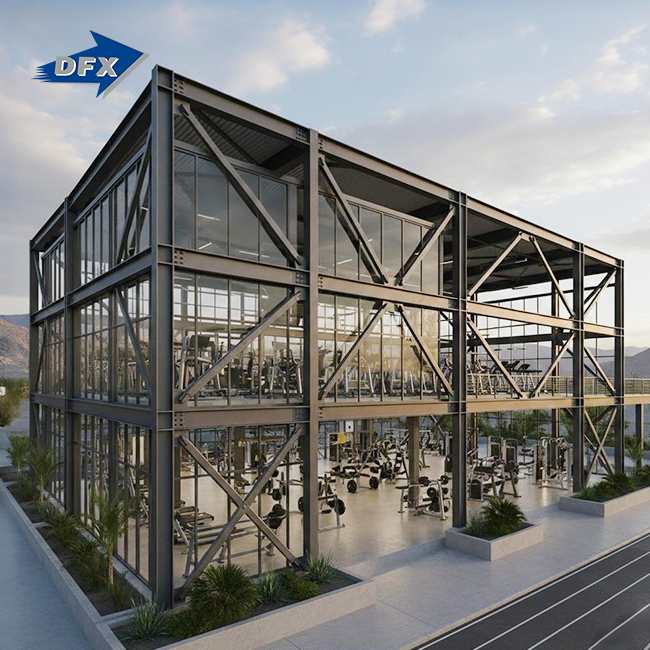
When planning a contemporary automotive retail facility, sustainable design transforms from an optional add-on into a strategic advantage. An Automobile Showroom Building constructed with environmental responsibility addresses several urgent needs: reducing operational expenses through energy efficiency, projecting corporate commitment to ecological stewardship, and meeting increasingly strict regulatory standards across U.S. markets. Steel-framed structures utilizing high-tensile materials like Q355 steel enable clear-span designs exceeding 30 meters, eliminating interior columns while integrating renewable systems seamlessly. These buildings combine aesthetic appeal with structural efficiency, positioning automotive brands as forward-thinking leaders while delivering measurable cost savings that strengthen long-term profitability.

Understanding Sustainable Automobile Showroom Building Design
Defining Core Features of Eco-Friendly Automotive Retail Structures
Resource conservation is a top priority for sustainable car shops throughout their entire lifespan. These buildings use eco-friendly building materials, high-tech insulation systems, and systems for recycling water. Steel framing is naturally recyclable—old materials can be used again without losing any of their quality. Composite floor systems use steel decking and specially mixed concrete to hold heavy vehicles up to 5 kN/m² while lowering the amount of material needed. Combining a thermal-break steel frame with Low-E insulated glass panels cuts down on heat transfer, which directly lowers the need for HVAC. Systems that collect rainwater and recycle graywater help save water, which is especially helpful in places that are prone to drought.
Environmental Impact and Carbon Footprint Reduction
The lights and temperature control in traditional showrooms use a lot of energy, which adds to the pollution from business buildings. Integrated methods are used in modern sustainable plans to deal with these effects. Pre-engineered steel buildings cut down on construction trash by 30–40% compared to concrete buildings because they are precisely made, which means that less cutting and throwing away is done on-site. The controlled environments used to make steel parts allow for quality control that prevents materials from being rejected. Passive design strategies lower operational carbon footprints; south-facing locations let in more natural light, so less artificial lighting is needed during work hours. Several studies have shown that well-designed sustainable showrooms use 40 to 60 percent less energy than regular ones.
Regulatory Compliance and Corporate Reputation Benefits
Environmental rules for business buildings are getting stricter all over the United States. Major auto brands are affected by California's Title 24 energy standards and the requirements for Leadership in Energy and Environmental Design (LEED) certification when they decide what to buy. Showrooms that meet these standards don't have to worry about fines for not following the rules, and they can also get tax breaks and faster permits. In addition to being required by law, sustainable buildings improve how environmentally conscious customers see a brand. More and more, automakers are requiring dealership networks to use green Automobile Showroom Building methods. This means that sustainable design is no longer a way to stand out, but a requirement for competing.
Key Sustainable Design Strategies for Automobile Showroom Buildings
Material Selection: Renewable and Low-Impact Components
The setting of a store is largely determined by the materials used. The structure is held together by high-tensile steel that comes from environmentally friendly sources. Often, more than 90% of the steel is reclaimed. Sandwich panel wall systems with polyurethane or rockwool cores provide better insulation (R-values between 20 and 30) while keeping the structure light. These panels allow for quick enclosure during construction, which keeps work inside from being held up by bad weather. When metal roofing systems have high solar reflection indexes (SRI numbers above 70), they don't let heat through. This means that they need less cooling during the summer. Aluminum composite panels (ACP) with low volatile organic compound (VOC) content are being used more and more in facade materials. This improves indoor air quality while keeping the high-end look that car brands expect.
Natural Lighting Integration and Thermal Performance
Displays for cars look much better when they are lit by natural light, which shows the car's finish more accurately than artificial light. Structures made of structural steel can support large glazing systems, like curtain walls that go up several stories or clerestory windows that run along the rooflines, without affecting the structure's strength. For wind loads greater than 0.60 kN/m², engineering calculations make sure that the glass stress stays within safe limits by making sure that the column is perfectly vertical (with a deviation of less than H/1000). Through smart window placement, thermal efficiency strikes a balance between visibility and insulation. Windows that face north let in natural light all day without letting direct solar heat in, while windows that face south have automated shading systems that change as the day goes on. During the day, this combination cuts the energy used by lights by 50 to 70%.
Advanced HVAC and Lighting Technologies
Climate control is the most expensive part of running a car store, especially one with high ceilings and lots of glass walls. VRF systems, which change their capacity based on usage and temperature zones, are used in modern, environmentally friendly buildings. The efficiency of these devices is 25–30% higher than that of standard packaged units. Smart building management systems (BMS) combine HVAC with occupancy sensors to automatically lower the temperature in areas that aren't being used. LED lighting in shops and service areas uses 75% less energy than old fluorescent systems and produces better color rendering scores (CRI above 90), which is important for showing off vehicles. Daylight harvesting controls turn down artificial lighting by a certain amount when natural light rises. This saves the most energy without reducing visibility.
Procurement Considerations for Sustainable Showroom Construction
Selecting Qualified Contractors and Suppliers
Partner selection is crucial for B2B purchasing. Pre-engineered steel building contractors assist in creating green vehicle facilities. Experience with comparable projects, green building certifications (such as LEED AP), and the capacity to produce to international standards should be evaluated. ISO 9001 quality management certification ensures planned manufacturing. Project management is simpler with suppliers that supply architectural design, structural engineering, manufacturing, and installation. References from former automobile customers demonstrate regular scheduling, budget management, and post-work care. Project managers benefit from suppliers' high manufacturing capability. Multiple automated H-beam lines, C/Z section steel equipment, and sandwich panel manufacturing are done in facilities that simplify scheduling and quality control. In-house expertise prevents subcontractor delays and specification violations.
Cost Analysis: Initial Investment Versus Long-Term ROI
Sustainable store development requires 8–15% more upfront funding than ordinary facilities. This upgrade includes enhanced glazing, insulation, mechanical efficiency, and green materials. A lifecycle cost assessment demonstrates significant advantages. Energy savings may compensate for the additional work in 5–7 years and continue during the building's 50-year lifespan. Maintenance is reduced, saving more. Metal roofing solutions need less maintenance than membrane choices, and a durable steel structure doesn't require structural repairs like concrete buildings. More funding options favour green building. Green construction financing is cheaper, and energy service companies (ESCOs) guarantee savings via performance contracts. This reduces building owners' financial risk.
Project Management Best Practices for Green Construction
Sustainable showroom projects need careful planning, procurement, and construction. Defining sustainability objectives like energy usage intensity (EUI), water consumption, and material recycled content percentages during planning ensures that everyone is on the same page. Integrated project delivery systems, where design and construction teams collaborate from the start, prevent costly redesigns and value engineering that compromises sustainability. Steel-framed shops are built 30–50% faster than concrete ones. Pre-fabrication in controlled environments prepares the site and makes pieces simultaneously, shortening timeframes. The main structure of a 2,000-square-meter showroom takes 4–6 weeks to build once the foundation is placed. This accelerates ROI by starting activities sooner.
Comparison of Sustainable vs Traditional Automobile Showroom Designs
Energy Efficiency and Operational Cost Differences
Traditional showrooms constructed 15 to 20 years ago consume 180 to 250 kWh per square metre per year due to inefficient HVAC systems, inadequate insulation, and excessive artificial lighting. Sustainable contemporary designs reduce this usage to 80–120 kWh per square metre using energy-saving measures. This 50–60% decrease saves money instantly. A 3,000-square-meter showroom saves $45,000–$65,000 on electricity at regular U.S. commercial rates. Low-flow fixtures, rainwater collection for plant watering, and greywater systems help towns save 30 to 40% of water, saving several thousand dollars a year. Maintenance expenses are reduced by utility savings. Steel structures live longer than wooden ones because vermin, water, and fire destroy them less. Thus, they cost less to repair over time.
Prefabricated Versus Custom Sustainable Solutions
Building an auto shop requires choosing between prefabricated and custom solutions. For fast, economical constructions, pre-engineered structures are ideal. Standardised parts created in mass production may save 15–25% on materials compared to built-to-order parts. Delivering the full shell within 8–12 weeks after order cuts construction time significantly. Prefabricated frames may be customised by modifying the appearance, interior layout, and factory finishes. Fully customised designs perform best in premier sites where distinctive architecture is worth the cost. These structures use dramatic cantilevers, curving roof shapes, and multi-story vehicle exhibition systems to distinguish companies. Custom methods need lengthier design and engineering processes, which add 3–6 months to project completion.
Case Evidence from Implemented Projects
Recent instances of sustainable retail design demonstrate its value. Large solar arrays on the steel roof structure of a luxury electric vehicle (EV) plant in California achieved LEED Platinum certification. They provide 65% of the firm's yearly energy demands. The thermal envelope of insulated metal walls and high-performance windows keeps the Automobile Showroom Building warm with 55% less HVAC capacity than code. The building took 11 months from breaking ground to moving in, 4 months shorter than the concrete design plan. Three shops with common service spaces were built in Texas using modular steel buildings within a multi-brand dealership site. This strategy reduced construction costs by 22% by purchasing supplies in bulk and constructing simultaneously. Coordination of mechanical systems and common infrastructure reduced energy expenses by 40%.
Emerging Trends and Future Directions in Sustainable Automobile Showroom Buildings
IoT Integration and Smart Building Management
IoT technology tracks and controls items in real time, changing showrooms. Sensor networks measure circuit-level energy usage to discover gaps and malfunctioning equipment rapidly. Data on HVAC system performance is used by predictive maintenance algorithms to schedule servicing before the systems break down. This extends equipment life by 15-20%. Occupancy monitors adjust showroom lighting, temperature, and airflow depending on use, not on planning. Mobile applications allow building managers to monitor the facility remotely and get warnings when parameters change. Advanced analytics match design predictions to performance. This lets firms report on their sustainability progress and improve. These systems frequently reduce energy waste by 10–15% more than design efficiency via operational refinement.
Circular Economy Principles and Modular Construction
The car industry's sustainability initiatives are increasingly focused on circular economy ideas such as designing for disassembly, maximising material reuse, and reducing waste. Steel-framed showrooms help these aims since sections may be assembled differently. When moving or renovating structures, bolted linkages allow disassembly without damage. Unlike concrete, which winds up in landfills, structural pieces may be reused. To simplify future adjustments, manufacturers now provide "design for deconstruction" services that preserve part specifications and connections. Changing walls, ceiling panels, and display fixtures allows modular interior solutions to adapt showrooms to new car lines, keeping them current. This adaptability reduces remodelling waste by 60–80% and extends building life.
Environmental Certifications and Regulatory Evolution
Third-party environmental permits help showrooms expand sustainably and stand out. LEED is the most frequent standard in North America, and auto factories strive for Silver or Gold. Certification techniques examine sustainable site selection, water and energy efficiency, material selection, and interior environment quality via documented verification and third-party commissioning. People desire to meet the new Living Building Challenge. It demands net-positive energy and water performance, meaning buildings create more resources than they consume annually. Auto parts shops have large energy demands, but a few pilot projects have proven that utilising a lot of renewable energy and making major adjustments to efficiency may work. Green elements are increasingly required by regulations. Building energy regulations tighten every three years. Some jurisdictions need carbon neutrality guarantees for new corporate buildings.
Conclusion
Sustainable Automobile Showroom Building practices for car showrooms are very beneficial for the earth, the business, and the long term. Steel-framed designs allow for big clear spans that are needed for car displays. These designs also use green materials, have better thermal performance, and have mechanical systems that work efficiently. Long-term cost savings come from buying things that are sustainable because they use less energy, need less maintenance, and last longer. New technologies, like IoT control systems, flexible building methods, and circular economy ideas, make it more profitable to use green building practices. Automotive brands and store networks benefit from a better image, following the rules, and showing that they care about the environment in a way that modern customers can relate to.
FAQ
1. Can existing traditional showrooms be retrofitted to meet sustainability standards?
It is possible to make buildings more sustainable by making changes to existing ones, but the methods used are different from those used for new buildings. Energy tests find the most important changes, like replacing the HVAC system, upgrading the lights to LEDs, and adding more insulation. Adding photovoltaic panels to the roof of a building can add green energy without changing the structure, as long as the current framing can handle the load. Window film can be used to improve the heat performance of current glass for a lot less money than buying new glass. Deep retrofits that cut energy use by 40–50% usually cost $25–$40 per square meter, but the money saved on utilities within 6–10 years covers the costs.
2. How do sustainable designs affect project timelines compared to conventional construction?
Most of the time, steel-framed sustainable showrooms are finished faster than traditional concrete ones. Off-site manufacturing lets multiple tasks run at the same time, so base work can continue while structural parts are made. For most auto showrooms, putting up the main structure takes between 4 and 6 weeks after the site is ready. From design to occupancy, the average project takes 9–14 months, while similar concrete buildings take 14–20 months. With prefabricated methods, timelines are even shorter, and some projects are ready to move into within 7 to 8 months.
Partner with DFX for Your Sustainable Automobile Showroom Building Project
DFX has a lot of experience designing and building high-performance steel structures for use in automotive retail settings. Our manufacturing plant is 40,000 square meters and has state-of-the-art production lines that make precision-engineered parts that meet strict environmental standards. We offer a full range of services, from designing the architectural layout and calculating the structure to helping with fabrication and installation. This way, we can make sure that your showroom project meets environmental goals while staying within your budget. Our ISO 9001 and CE certifications show that we care about quality, and our buildings meet U.S. building rules and LEED standards. Email our team at jason@bigdirector.com to talk about your needs for a sustainable showroom and get full technical ideas. As a provider of Automobile Showroom Building s with a lot of experience, we offer comprehensive solutions that set up your facility for long-term success in the competitive automobile market.
References
1. American Institute of Steel Construction, "Sustainable Steel Buildings: Energy Efficiency and Environmental Performance in Commercial Construction," 2022.
2. U.S. Green Building Council, "LEED for Retail: Guidelines for Automotive Showroom Certification," 2021.
3. National Renewable Energy Laboratory, "Commercial Building Energy Benchmarks: Analysis of Automotive Retail Facilities," 2023.
4. Steel Recycling Institute, "Life Cycle Assessment of Steel-Framed Commercial Buildings," 2020.
5. Journal of Architectural Engineering, "Thermal Performance of Curtain Wall Systems in Large-Span Steel Structures," Volume 28, Issue 4, 2022.
6. International Code Council, "Energy Conservation Standards for Commercial Buildings: Implementation Guide for Automotive Facilities," 2023.
Learn about our latest products and discounts through SMS or email