- English
- French
- German
- Portuguese
- Spanish
- Russian
- Japanese
- Korean
- Arabic
- Greek
- German
- Turkish
- Italian
- Danish
- Romanian
- Indonesian
- Czech
- Afrikaans
- Swedish
- Polish
- Basque
- Catalan
- Esperanto
- Hindi
- Lao
- Albanian
- Amharic
- Armenian
- Azerbaijani
- Belarusian
- Bengali
- Bosnian
- Bulgarian
- Cebuano
- Chichewa
- Corsican
- Croatian
- Dutch
- Estonian
- Filipino
- Finnish
- Frisian
- Galician
- Georgian
- Gujarati
- Haitian
- Hausa
- Hawaiian
- Hebrew
- Hmong
- Hungarian
- Icelandic
- Igbo
- Javanese
- Kannada
- Kazakh
- Khmer
- Kurdish
- Kyrgyz
- Latin
- Latvian
- Lithuanian
- Luxembou..
- Macedonian
- Malagasy
- Malay
- Malayalam
- Maltese
- Maori
- Marathi
- Mongolian
- Burmese
- Nepali
- Norwegian
- Pashto
- Persian
- Punjabi
- Serbian
- Sesotho
- Sinhala
- Slovak
- Slovenian
- Somali
- Samoan
- Scots Gaelic
- Shona
- Sindhi
- Sundanese
- Swahili
- Tajik
- Tamil
- Telugu
- Thai
- Ukrainian
- Urdu
- Uzbek
- Vietnamese
- Welsh
- Xhosa
- Yiddish
- Yoruba
- Zulu
Is an Auto Repair Steel Garage Worth the Investment?
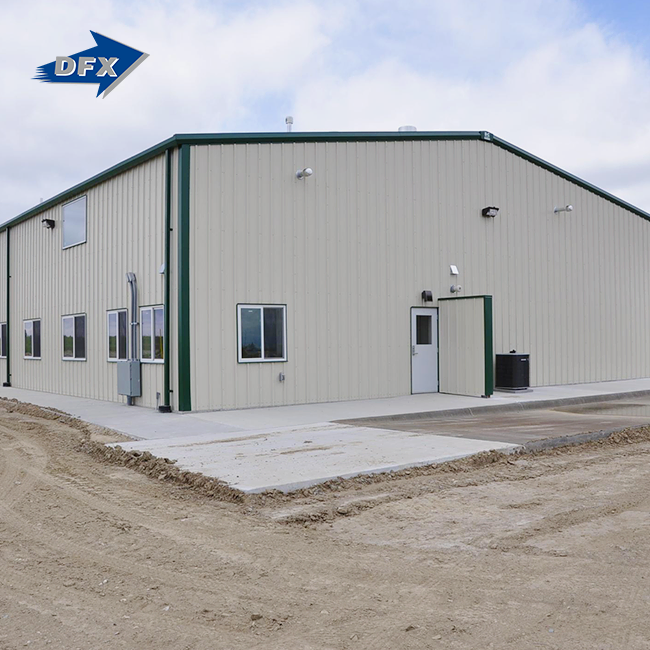
Investing in an Auto Repair Steel Garage delivers measurable returns for automotive businesses seeking durability and operational efficiency. These pre-engineered metal building systems provide superior fire resistance, structural integrity for heavy equipment, and minimal maintenance compared to traditional construction methods. With clear-span designs accommodating vehicle lifts and cranes, along with resistance to automotive fluids and corrosion, steel garages address critical industry pain points while offering expandable configurations that grow alongside your business operations.

Understanding Auto Repair Steel Garages: Features and Benefits
The way car companies build facilities has changed because of steel buildings. Unlike regular wood-framed buildings, these special structures are made with high-tensile steel frames that create interiors without columns, which is necessary for modern repair work.
What Makes Steel Garages Different from Traditional Buildings
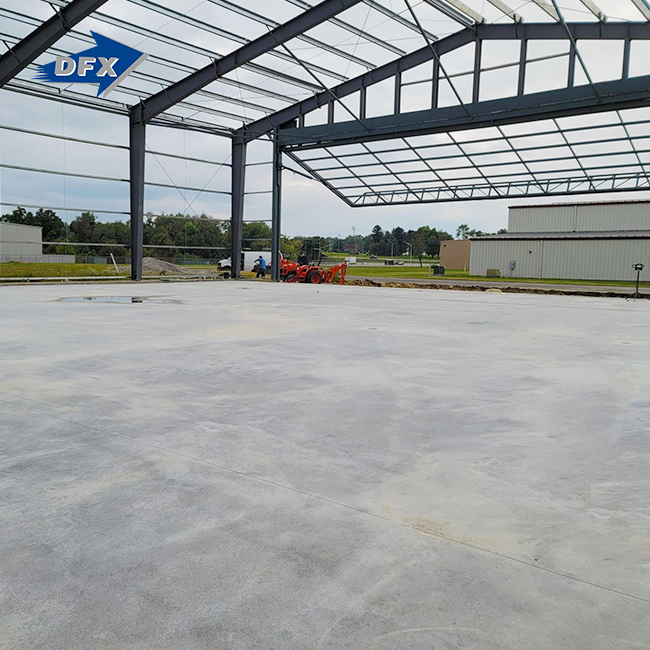
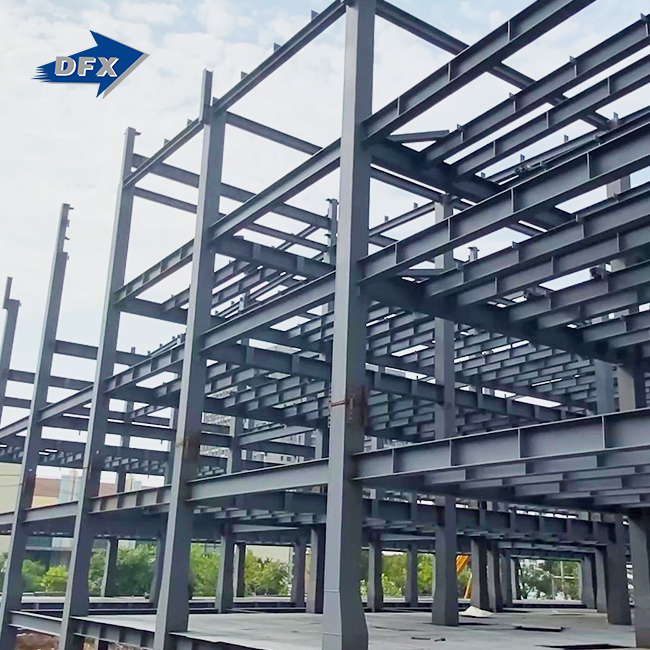
The main difference is the structural steel framework, which is usually made of I-beams or rigid frames made from ASTM A992 or A572 Grade 50 red-iron steel. This engineering method gets rid of load-bearing walls, making clear workspaces where vehicles can move around, and equipment can be put down without any problems with space. The small steel-framed building has an enclosed structure and uses light H-section or square tube steel frames along with welded purlins to provide strong performance while minimizing material use.
Modern steel door systems are mostly made in China, where factories have improved their methods to meet international standards. These factories use high-tech welding and precise manufacturing to make sure that the quality of large orders stays the same. The building's strength allows for overhead cranes and hydraulic lifts that are needed for engine work and transmission fixes. This meets practical needs that regular buildings can't meet.
Fire Resistance and Safety Advantages
Non-combustible steel materials get rid of the fire risks that come with common automotive repair tasks like grinding, welding, and painting. This feature meets NFPA fire rules for dangerous fumes and finishing chemicals without needing a lot of extra fire safety measures. Insurance companies often reward people with lower risk by lowering their premiums. This saves them money in the long run, which affects their total investment returns.
Galvanized coating systems, especially Galvalume (an aluminum-zinc alloy), protect against rust better than other coatings when exposed to exhaust fumes, dampness, and chemicals that are common in repair shops. These protective shields keep the building's structure strong for a lot longer than painted surfaces do. This cuts down on upkeep needs and keeps the building's value over its entire life.
Structural Capacity for Specialized Equipment
Clear-span features that go beyond 100 feet without internal columns make the most of the bay's space for multiple car lifts and work zones. This design is flexible enough to work with both two-post and four-post car lifts, bridge cranes that can lift up to five tons, and engine hoist monorail systems. During the engineering phase, these extra loads are taken into account in the structural calculations. This makes sure that the framework can support the operational equipment without lowering the safety margins.
When installing heavy vehicle lifts, you need to pay extra attention to the foundations. The Auto Repair Steel Garage building columns rest on footer supports. To safely anchor lifts, the concrete slab usually needs to be reinforced to a depth of six inches with 4000 psi concrete. The building base and equipment anchors are kept apart so that loads are spread out evenly, and stress doesn't build up in any one place.
Steel Garages vs. Other Materials: Making the Right Choice
The choice of material has a big effect on the costs of operations, the amount of maintenance needed, and the longevity of the building. When procurement professionals are looking at their options, it helps to know how the performance of different common construction methods varies.
Steel vs. Wood: Longevity and Maintenance Comparison
Fluids, oils, and chemical agents from cars can damage wooden buildings because they seep through floors and walls. Steel can't be absorbed, but base rails should be coated to protect them where fluids collect at floor level. Rot, pest invasion, and water damage that happen to wooden buildings over 15 to 20 years don't happen to steel frames, which usually keep their structural integrity for 50 years or more with little maintenance.
Maintenance plans for different materials are very different. Treating wood on a regular basis is needed to keep it from getting wet, keep pests away, and check for structural problems in any weak spots. Steel structures only need to be checked for coating stability and tightening of fasteners on a regular basis. This cuts down on the amount of work that needs to be done and the costs of materials used for maintenance.
Prefabricated Steel Kits vs. Custom-Built Solutions
Standardized sizes and layouts in prefabricated steel building kits cut down on planning costs and speed up delivery times. These systems work well for jobs that need a set number of vehicle bays and equipment configuration. Businesses may build up facilities fast since manufactured components have short manufacturing cycles, reducing the time between investing and producing revenue.
Custom-built systems may meet bay sizes, paint booth ventilation, and heavy equipment strengthening demands. Engineering teams optimise space and workflow for each company model. Customised processes take longer and cost more, but they improve efficiency and save firms money. Businesses that know what they need may find the additional expenditures worthwhile.
Design, manufacture, packaging, and installation plans are typical of both services. This all-around assistance ensures that items are ready to assemble and that construction teams have clear instructions. This reduces work site issues and delays.
Building and Maintaining Your Steel Auto Repair Garage
To successfully open a facility, you need to carefully plan everything from choosing the spot to making sure you follow all the rules and the order of construction. Knowing about these stages helps people who work in procurement keep track of deadlines and make good use of resources.
Site Planning and Permit Requirements
First, the earth is analyzed to find out what kind of base is needed and how the water will drain. Geotechnical reports help with designing the foundation, making sure that the loads from building columns and vehicle lifts are spread out evenly. Local zoning laws set requirements for setbacks, building height limits, and operating permits for car repair businesses that are very different from one place to another.
Engineered drawings signed by qualified professionals, site plans showing where the building will go and how the water will drain, and proof of the planned use are usually needed to get a permit. Processing times range from four weeks in areas that are very organized to several months in areas that need a lot of review. Hiring local contractors who know how to get permits in your area can speed up the approval process and keep you from having to make costly changes.
Foundation Work and Structural Assembly
The foundation is the most important part of the building process because it connects the structure to the spot. Pier and beam systems work well when the ground is stable, while slab-on-grade foundations have flooring that supports both building loads and equipment. Anchor bolt placement must be exact and line up with steel column holes that have already been punched, following MBMA guidelines to make sure the frame is put together correctly.
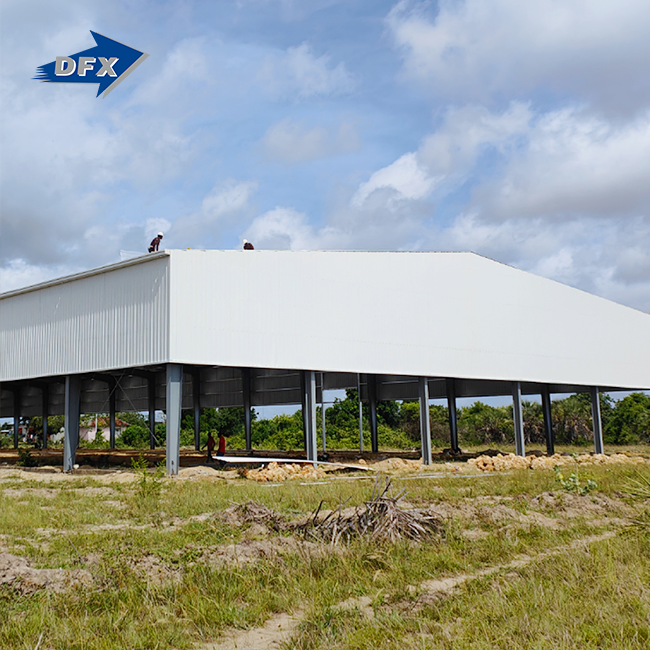
The first step in putting up a structure is usually installing the main frame. This sets up the main load-bearing parts before adding minor framing parts like purlins and girts. Depending on the size and complexity, most garage structures are finished in two to four weeks by certified installation teams that know how to build with steel. By following the right order, field changes that hurt the structure's performance and cause the project to take longer to finish are avoided.
Corrosion Prevention and Routine Inspections
Using magnetic induction or eddy current tests to check the thickness of the coating makes sure that Galvalume or primer applications meet certain standards, like the AZ55 or AZ50 names. These measures show that rust protection can make a building last longer without breaking down too quickly. Every year, the coating should be checked for damage at connection points, base plates, and places where water can gather.
Controlling condensation keeps cars and equipment in the building from getting damaged by water. When applied to roof panels or high R-value vinyl-backed fiberglass insulation, DripStop condensation control works as a vapor barrier, stopping the dripping that often happens in metal buildings that don't have insulation. These steps make it easier to control the climate and keep valuable things from getting damaged by the environment.
Cost Factors, Financing, and Procurement Insights
The initial purchase price is only one part of a financial study. Other parts include the total ownership costs, working efficiencies, and return on investment over the life of the building.
Material and Labor Cost Components
Prices for Auto Repair Steel Garage materials change with the trade markets, but for basic buildings, they usually cost between $16 and $30 per square foot. Customizations add extra costs. The price includes the main frame, secondary structure parts, roof and wall panels, as well as common extras like windows and doors. Depending on the site conditions and pay rates in the area, professional installation will cost an extra $4 to $8 per square foot for labor.
When you compare these numbers to those for wood-frame construction, you can see how steel stacks up against its competitors. At first, wood buildings may have lower material costs, but they need more extensive foundation work to support loads that are spread out, and they take longer to build, which raises the cost of funding. When maintenance costs are spread out over 20 years, steel buildings usually have 25–35% lower total ownership costs, even though they may require bigger initial inputs.
Financing Strategies for Business Buyers
Commercial lenders offer ways to finance tools that see steel buildings as capital assets that can get tax breaks under Section 179 or extra depreciation according to the rules in place at the moment. Businesses can claim the full purchase price in the year it is installed thanks to these rules. This lowers the net investment costs by a large amount. Lease choices with buyout clauses offer alternative routes that keep working capital while establishing ownership of the building over 5–10-year terms.
Sometimes, financing from a supplier through a manufacturer offers competitive terms that make the buying process easier by combining the arrangements for the supply of materials and payment. Total interest costs and the ability to pay early are two factors that help find the best financial arrangements for a business based on its cash flow and growth plans.
Supplier Selection and After-Sales Support
Suppliers you can trust keep their ISO quality management certifications up to date and offer CE, COC, or PVOC badges that show they meet foreign standards. These credentials prove that the ways products are made meet strict quality standards and that the finished goods are safe enough to be sold in a variety of regulatory settings. Manufacturers usually back their products with warranties that cover structural parts for 20 to 50 years and coating systems for 20 to 30 years. This shows that they are confident in the durability of their products.
Installation support varies from supplier to supplier, but the best ones offer expert advice during building and troubleshooting help when conditions on the job site mean that the design needs to be changed. This ongoing relationship is helpful for businesses when they need to add to their facilities or change the layout to make room for new equipment, as it helps them stay true to the original plan guidelines.
Choosing the Right Supplier: Trusted Brands and Dealers for Auto Repair Garages
Through product quality, on-time delivery, and helpful customer service, a supplier's image has a direct effect on how a project turns out. When choosing manufacturing partners, procurement workers should look at more than one factor.
Manufacturer Credentials and Production Capabilities
Qingdao Director Steel Structure Co., Ltd. (DFX) repairs vehicles well. Established in 2011, the company has over 12 years of expertise. About 200 competent individuals operate in 40,000 square meters of secure production facilities. This scale can manufacture 20,000 tonnes of welding H beams and columns annually, ensuring large projects have enough.
Manufacturing features six automated H-beam lines. These lines must be dimensioned for field assembly. All building pieces are quality-controlled on C/Z section steel and sandwich panel manufacturing lines. Twenty corrugated steel sheet machines produce 8,000 tonnes of roofing and exterior materials annually, meeting all construction demands.
In-house architectural design and detailing support from concept to implementation. Eliminating design-production handoffs reduces coordination errors, speeds up project schedules, and improves communication. To simplify labour and achieve structural performance criteria, car-fixing engineering teams may modify plans.
Quality Certifications and Compliance Standards
The ISO 9001 quality management certification shows that there are systematic rules in place to make sure that the result always meets the standards. Businesses that sell to or do business in the EU need to get CE certification to show that their products meet European safety, health, and environmental protection standards. These credentials give people who work in procurement faith that the goods they buy meet strict third-party verification standards.
Weld integrity testing that meets AWS D1.1 standards or a comparable ISO standard keeps structures from breaking down under practical loads. To make sure that connections meet the design strength values, inspection procedures check for weld penetration, bead uniformity, and heat-affected zones. Dimensional precision checks make sure that the designs of the anchor bolts and the holes that have already been punched are within the acceptable ranges. This allows for easy assembly in the field without the need for custom changes.
Conclusion
Steel garages designed specifically for auto repair offer great value because they are long-lasting, flexible, and cost-effective over long service lives. The combination of fire resistance, structural support for specialized equipment, and low maintenance needs solves key industry problems and helps businesses grow through designs that can be expanded. The choice of material has a big effect on the long-term costs of operations. Auto Repair Steel Garage works better than wood options, even though it might cost more at first. A careful evaluation of suppliers that includes their manufacturing skills, quality certifications, and full support services is the only way to make sure that the project is completed successfully and meets both the current facility needs and the needs for future growth.
FAQ
1. Can steel garages accommodate future business expansion?
With expandable frame designs, end walls can be taken down, and new bays can be added with little impact on current operations. With this modular approach, businesses can gradually expand their facilities as their income rises, so they don't have to spend too much money on capacity that they won't use right away. During the original design phase, engineers can use formulas to include future development loads. This makes sure that the foundational elements can support the expected growth without the need for reinforcement.
2. How do steel structures perform in extreme weather conditions?
Structures made of high-tensile steel that are designed to withstand the snow and wind loads in the area stay strong during bad weather. Galvanized coatings don't rust when they are exposed to water and salt, like at the coast or during the winter. Proper insulation and airflow stop condensation problems that hurt comfort and equipment life, keeping the inside at the same temperature even when the temperature outside changes.
3. What maintenance activities do steel garages require?
Once-a-year checks that check the integrity of the coating, the tightness of the fasteners, and the drainage function keep small problems from turning into expensive repairs. Coatings last longer if they are touched up every so often at connection points that get wet. Cleaning the gutters and lubricating the door mechanisms are the most basic upkeep tasks that don't take as much time as treating rot and keeping pests away from wood structures.
Partner with DFX for Your Auto Repair Steel Garage Needs
With more than 12 years of experience, DFX knows how to make solid steel that meets the needs of car repair shops. Our manufacturing methods are ISO-certified, and we offer a full range of services that include planning, fabrication, and installation support. This makes sure that your project goes smoothly from the beginning to the end. As a reliable Auto Repair Steel Garage manufacturer, we keep our production processes short so that you can open your facility faster. We also offer quality that is CE-certified and meets international standards. Our engineering team works closely with clients to find the best layouts that improve workflow and make room for equipment needs that are specific to your operations. Get in touch with jason@bigdirector.com to talk about how our bundled services can help you reach your facility development goals by providing you with dependable goods, full technical support, and affordable prices designed specifically for professionals who buy things for other businesses.
References
1. Metal Building Manufacturers Association. (2021). "Design Practices for Pre-Engineered Metal Buildings." Technical Guidelines for Structural Steel Construction.
2. American Welding Society. (2020). "Structural Welding Code - Steel: AWS D1.1/D1.1M." Miami: American Welding Society Publications.
3. National Fire Protection Association. (2019). "NFPA 30: Flammable and Combustible Liquids Code." Fire Safety Standards for Automotive Facilities.
4. American Institute of Steel Construction. (2022). "Steel Construction Manual, 15th Edition." Chicago: AISC Publications.
5. National Association of Steel Construction Contractors. (2020). "Best Practices for Steel Building Erection and Safety." Industry Standards and Protocols.
6. International Building Code Council. (2021). "IBC 2021: International Building Code." Washington, D.C.: ICC Publications.
Learn about our latest products and discounts through SMS or email