- English
- French
- German
- Portuguese
- Spanish
- Russian
- Japanese
- Korean
- Arabic
- Greek
- German
- Turkish
- Italian
- Danish
- Romanian
- Indonesian
- Czech
- Afrikaans
- Swedish
- Polish
- Basque
- Catalan
- Esperanto
- Hindi
- Lao
- Albanian
- Amharic
- Armenian
- Azerbaijani
- Belarusian
- Bengali
- Bosnian
- Bulgarian
- Cebuano
- Chichewa
- Corsican
- Croatian
- Dutch
- Estonian
- Filipino
- Finnish
- Frisian
- Galician
- Georgian
- Gujarati
- Haitian
- Hausa
- Hawaiian
- Hebrew
- Hmong
- Hungarian
- Icelandic
- Igbo
- Javanese
- Kannada
- Kazakh
- Khmer
- Kurdish
- Kyrgyz
- Latin
- Latvian
- Lithuanian
- Luxembou..
- Macedonian
- Malagasy
- Malay
- Malayalam
- Maltese
- Maori
- Marathi
- Mongolian
- Burmese
- Nepali
- Norwegian
- Pashto
- Persian
- Punjabi
- Serbian
- Sesotho
- Sinhala
- Slovak
- Slovenian
- Somali
- Samoan
- Scots Gaelic
- Shona
- Sindhi
- Sundanese
- Swahili
- Tajik
- Tamil
- Telugu
- Thai
- Ukrainian
- Urdu
- Uzbek
- Vietnamese
- Welsh
- Xhosa
- Yiddish
- Yoruba
- Zulu
Why Choose a Steel Structure Shopping Mall for Modern Retail Projects?
By cutting down on building times, giving designers more freedom with space, and saving money, a steel structure shopping mall changes contemporary retail development. Steel structure shopping malls have clear spaces that work well for a variety of tenant plans. Additionally, because they are lightweight, they have lower foundation costs by about 30% compared to concrete options. With prefabricated parts made to exact specs, store developers can finish projects faster—often 40% faster than with traditional methods—so they can start making money sooner and get a better return on their investment. Steel's ability to be recycled and use less energy are environmental benefits that make it even more appealing. These qualities are in line with sustainable building practices that are becoming more popular in the US retail sector.

Understanding Steel Structure Shopping Malls: Key Advantages for Retail Developers
The way we think about retail areas has changed because of the construction of shopping malls with steel structures. The engineering options were clear from the start when my coworkers and I looked into this way for a big shopping center in Texas. A steel structure shopping mall's main load-bearing structure is made up of prefabricated H-beams, box columns, and lattice trusses, which are very different from regular reinforced-concrete buildings.
Faster Build Times Through Prefabrication
A faster build time is possible with prefabrication. Off-site manufacturing and on-site base work can be done at the same time, which speeds up the building process. In manufacturing sites, steel parts are made in controlled environments, while ground preparation goes on on its own. Overall schedules are cut by 30–50% with this parallel process, which solves a major problem for retail workers who have to work with short market windows. I've seen projects where the main renters moved in months before they were supposed to, bringing in money well ahead of schedule.
Superior Strength-to-Weight Ratios
Steel's properties allow things heavy materials cannot. Grade Q355B, which has yield strengths above 345 MPa, can support a lot of weight yet is just a third as heavy as concrete buildings of the same size. This reduces the need for foundations, which is especially useful on coastal and urban sites with weaker soil.
Design Flexibility for Evolving Retail Needs
Large clear gaps, or areas without columns that are 60 feet or more long, let different tenants' needs be met without any structural problems. Without having to make expensive structural changes, store owners can rearrange areas for seasonal displays, pop-up ideas, or whole new store formats. One client in a California shopping mall changed the plan of the whole ground floor in just a few weeks, which is impossible with load-bearing walls.
Environmental and Operational Benefits
Steel's environmental qualities are becoming more important to both businesses and cities. The material can be recovered over and over again without losing any of its quality, and many modern mills use a lot of recycled content. Composite floor systems that improve temperature efficiency and work well with modern HVAC technologies make buildings use less energy when they are open for business.
Comparing Steel Structure Malls to Traditional Construction Methods
When purchasing managers look at different ways to build something, they need to be able to easily compare costs and results. From working with EPC companies, I know a few important things that affect the choice of materials.
Initial Investment and Lifecycle Costs
When looked at as a whole, steel buildings often have reasonable prices up front. Even though the prices of raw materials change, lower labor costs, faster building times, and less foundation work make up for the price of materials. Over a 30-year period, steel buildings usually have 20–25% lower maintenance costs than concrete ones because their parts don't rust when they are properly handled with hot-dip galvanization or zinc-rich epoxy coats.
Fire Resistance and Safety Compliance
A frequent misconception is that steel structure shopping malls burn poorly. Modern steel buildings use intumescent paints or cementitious sprays that expand when hot and insulate the steel below for two to four hours. These passive fire protection systems fulfill ASTM E119 requirements to ensure passenger safety that is equal to or better than solid performance. Building codes across the US consider these safety measures equal to traditional materials.
Seismic Performance and Structural Integrity
Steel's flexibility, or ability to bend without breaking suddenly, is very useful in areas prone to earthquakes. The material soaks up and releases energy when the ground moves, which keeps the structure from falling apart completely. AISC 360 standards make sure that connection details are correct, and engineers can use welded moment frames or braced configurations to meet local earthquake requirements in a number of different ways. During mild earthquakes, I've seen steel buildings in California's higher-risk areas perform better than their concrete neighbors and suffer less damage.
Thermal Efficiency and Green Building Integration
When you put perforated steel on top of concrete, you get a composite floor deck that is better at keeping heat in and noise out than steel alone. Using this mixed method along with energy-efficient building shell systems can cut heating and cooling costs by 15 to 20 percent. Steel frames also make it easier to add green roofing, solar panels, and rainwater collection systems on the roof, all of which are becoming more and more common in LEED-certified store buildings.
Designing a Steel Structure Shopping Mall: Ideas and Best Practices
The structural options of steel allow architects to be very creative. Working with builders and engineers, I've seen creative ideas that match how something looks with how it works in a retail setting.
Modular Design and Open-Plan Layouts
Because steel is flexible, it can be built in stages, so builders can open up the first parts while they finish the next ones. With portal rigid frames or space frame roof systems, you can make warehouse-sized rooms that are good for key tenants, food courts, and entertainment areas with no columns blocking your view. Adding clerestory windows and skylights to steel roofs makes it easier for natural light to come in. This improves the shopping experience and lowers the cost of lighting during the day.
Essential Structural Components
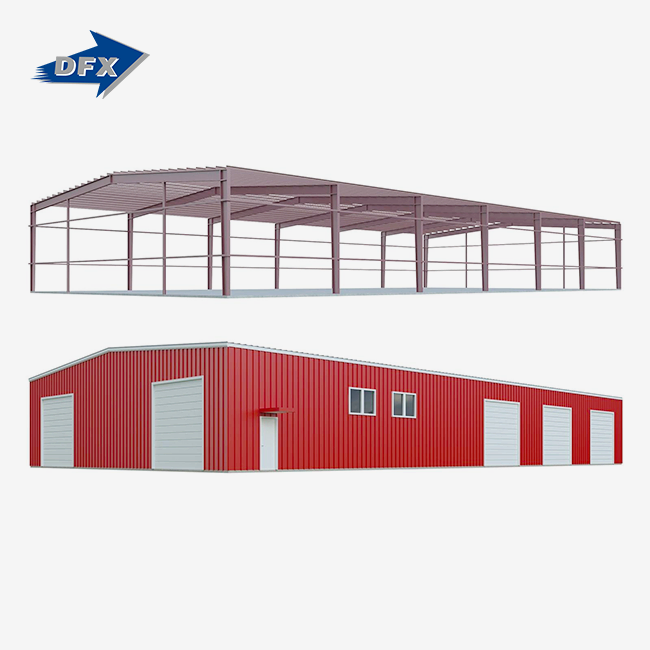
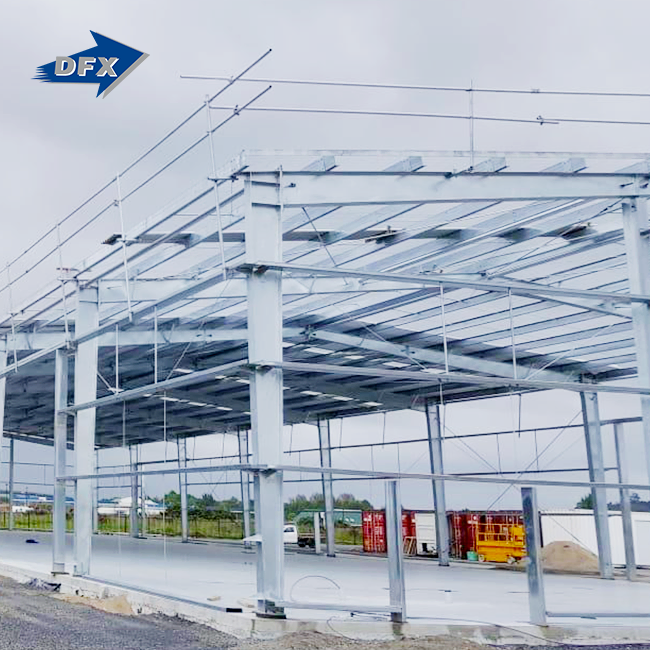
Several important parts make up the backbone of any shopping mall with a steel structure. H-beams are the main load lines that move loads from the roof and floors to the supports. Box columns are great at resisting bending and can look good either hidden in architectural finishes or shown off as design elements. Lattice trusses are a good way to span the width of a building because their triangular shape saves material while increasing strength. Composite floor systems combine steel decks with concrete fill to make stiff diaphragms that spread wind and earthquake forces evenly throughout the building.
Streamlined Construction Process
The process is dominated by prefabrication. Tolerances of less than 2 mm are used to make sure that manufacturing facilities cut, drill, and join parts to exact measurements that can be checked with laser scanning technology. Just-in-time transport to the spot reduces the need for storing. On-site erection teams follow specific assembly routines to bolt or weld connections together. It usually takes them 8 to 12 weeks to finish the structural frames for 100,000-square-foot shopping centres. Coordinating with MEP (mechanical, electrical, and plumbing) workers and façade installers happens at the same time. This is possible because steel's regular sizes make interface planning easier.
Maintenance and Safety Protocols
Long-term worth depends on careful care. Checks every three to five years detect drain, coating, and connection issues before they worsen. To ensure the proper pre-tensioning force is delivered, calibrated tools must check high-strength bolt system torque in key moment connections. Anticorrosion treatments and dry film readings must be refreshed regularly. To maintain security, thickness is needed. The construction safety management follows OSHA guidelines. Workers are safeguarded by fall protection, crane operating restrictions, and welding safety protocols during construction.
Procurement Considerations for Steel Structure Shopping Mall Projects
The success of a project depends on choosing the right production partner. Project managers and buying leaders have to look at more than just base prices when making decisions for a shopping mall with a double-slope shopping centre steel structure.
Supplier Evaluation Criteria
Getting certified gives you a lot of confidence. ISO 9001 quality control systems show that production processes are uniform, and CE marking proves that products meet European standards, which is helpful for businesses that do business across borders. Documents like COC (Certificate of Conformity) and PVOC (Pre-Export Verification of Conformity) make it easier for foreign goods to get through customs. Look at portfolios of past projects and ask for references from shop buildings of a similar size. When you visit a factory facility, you can see for yourself how much they can make, how advanced their equipment is, and how skilled their workers are.
Lead Times and Customization Capabilities
In the steel structure business, project-based production methods are the norm. With over 200 trained workers and 40,000 square meters of protected production space, companies like Qingdao Director Steel Structure Co., Ltd. can handle multiple tasks at the same time. Standard lead times for most store buildings are 8 to 12 weeks from the time of order to delivery. However, timelines can be longer if there are a lot of customizations. By getting involved early in the planning process, fabricators can find ways to save money by using standard parts and making links that work better.
Logistics and Delivery Coordination
Shipping processes have a big effect on the total cost and time frame of a job. Optimizing containers lowers freight costs. To get the most out of their weight and space, engineers have to be careful when they size the parts. Intermodal train and trucking networks are helpful for projects in the United States, but foreign shipments need to be coordinated with freight forwarders who know how to handle oversized goods. The order of deliveries matches the plan for erection, which keeps the site from getting crowded and makes sure that materials get to the workers when they need them.
Cost Management Strategies
Buyers and sellers can trust each other more when prices are clear. Ask for specific breakdowns that show how much the materials, labor for fabrication, surface treatments, technical support, and shipping costs are. Buying in bulk during different stages of a project can save you money, and package deals that include structural steel with roofing panels, wall covering, and other parts make buying easier and lower the cost of administration. Deposits are usually required when the order is placed, payments are made in stages based on production goals, and the full amount is due when the delivery or installation is complete.
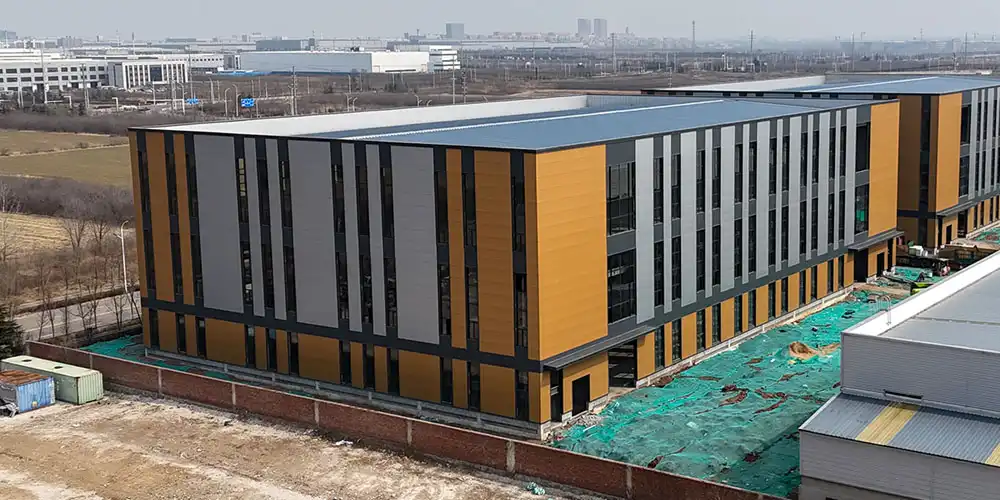
Why Modern Retail Projects Prefer Steel-Structure Shopping Malls—A Rational-Choice Approach?
The retail world changes quickly, which means that building solutions need to be able to adapt to new customer habits and economic conditions. These problems can be solved by steel structure shopping malls, which are naturally flexible and cost-effective.
Accelerated Return on Investment
When it comes to store growth, time is money. For every month that the opening is delayed, owners lose rental income and wait to get their money back. The shorter schedule for steel construction—often 40% faster than concrete—means that tenants can move in and start making money sooner. When building time is cut down, financial models always show better internal rates of return, even if the initial costs stay the same. Investors in manufacturing real estate who are also interested in retail real estate really like this speed because their main goal is to get the facilities up and running quickly.
Flexibility for Future Expansions
Things change in the market. The mix of tenants changes. Because steel is modular, it can be used for both vertical and horizontal changes and extensions with little impact on current processes. Steel is considered lightweight because it is about 70% lighter than concrete alternatives. This makes it possible to add shop floors to existing buildings, which puts less stress on the foundations. I've helped clients double their gross leasable area in just 18 months, which is impossible with traditional building materials because they need a lot of base support.
Adaptability Across Project Scales
Steel systems work beautifully for business centers as small as 20,000 square feet and as big as 500,000 square feet. Standardized connection types and beam sizes make planning easier no matter how big the project is, and the methods for making the parts stay the same. This scalability helps build companies that have many different projects to work on because they can use their knowledge of steel systems easily on all of them. Steel's flexibility makes it a great choice for agricultural businesses that want to open stores, since they can use their current ties with fabricators who already make farm structures.
Comprehensive Post-Sale Support
Reputable makers offer architectural design and detailing services at all stages of a project, from the initial idea to coordinating the manufacturing and providing on-site advice for assembly. This unified method makes the planning, engineering, and building processes work together better. Technical help quickly answers questions from the field, which avoids delays that cost a lot of money. Customers are protected against flaws by warranties that cover materials and work for 5 to 10 years, and maintenance training makes sure that building workers know how to take care of things properly.
Conclusion
Steel structure shopping malls are a smart choice for modern retail growth because they can be built quickly, cheaply, and in a way that allows for more design options than traditional materials. The technology answers the main concerns of project managers, procurement directors, and retail investors by shortening timelines so that money can be made more quickly, making places more flexible so that tenants' needs can be met as they change, and using environmentally friendly methods that are in line with government rules. Comparing the properties of materials, their lifecycle costs, and the results of real-world projects has shown that steel buildings have measurable benefits across a wide range of retail scales, from local centers to regional complexes. As manufacturing has improved and more support is made available, steel buildings are now easy for builders, EPC firms, and developers to get and use in order to gain a competitive edge in retail markets that are always changing.
FAQ
1. What are typical cost ranges for steel structure malls?
Rates for workers in different areas and the level of tailoring affect the costs. For shopping stores, basic structural steel kits cost between $15 and $30 per square foot. Full turnkey solutions that include cladding, roofing, and MEP management cost between $80 and $150 per square foot. Unit costs go down when you buy in bulk and use standard designs, but they go up when you use high-end architectural finishes and complicated shapes.
2. How do steel malls perform in diverse climates?
When designed correctly, steel can work well in a variety of climates. Coastal areas need hot-dip galvanisation that meets ISO 1461 standards or marine-grade paint methods that prevent rusting caused by chloride. Steel's physical stability makes it useful in cold places because thermal expansion coefficients stay stable and connection details can adapt to seasonal changes. In areas with a lot of wind, steel's natural strength and stiffness come into play. With the right support, it can withstand hurricane-force loads of more than 150 mph.
3. What is the expected lifespan compared to concrete buildings?
Steel buildings can easily last 50 to 75 years if they are well taken care of, which is about the same as concrete when the rust protection stays in place. Wear and tear can be avoided by reapplying the layer every 15 to 20 years and fixing drainage problems right away. Instead of cracking and flaking off like concrete does, steel parts can be changed or strengthened one at a time, which could make buildings last forever through selective repair.
Partner with DFX Steel Structure Shopping Mall Manufacturer for Your Next Retail Project
Your shopping center should have a provider of steel structured shopping malls with a proven track record of great work. DFX has been making prefabricated steel frameworks for shopping malls, business plazas, and retail buildings all over North America and the world for more than 12 years. Our 40,000-square-meter factory has six automatic welded H-beam lines and more than 200 trained workers who make 20,000 tons of approved structural steel parts every year. We help with every part of a project, from architectural design and structural engineering to manufacturing, MEP planning, and on-site erection advice. This makes sure that the work is done smoothly and on time and within your budget. International quality standards are guaranteed by ISO 9001, CE, COC, and possible PVOC certifications. Our project-based production plan gives retailers the freedom to make changes that are needed to meet their specific needs. Get in touch with Jason at jason@bigdirector.com right away to talk about your shopping mall needs and get a full quote that fits your needs. Find out how working with a well-known company can make your store project a reality.
References
1. American Institute of Steel Construction. (2016). Specification for Structural Steel Buildings (AISC 360-16). Chicago: AISC.
2. Lawson, R.M., & Ogden, R.G. (2008). Application of Modular Construction in High-Rise Buildings. Journal of Architectural Engineering, 14(2), 148-154.
3. Chen, W.F., & Lui, E.M. (2005). Handbook of Structural Engineering (Second Edition). Boca Raton: CRC Press.
4. European Committee for Standardisation. (2005). Eurocode 3: Design of Steel Structures. Brussels: CEN.
5. Gorgolewski, M. (2008). Designing with Reused Building Components: Some Challenges. Building Research & Information, 36(2), 175-188.
6. National Institute of Standards and Technology. (2012). Best Practices for Reducing the Potential for Progressive Collapse in Buildings. NISTIR 7396. Gaithersburg: NIST.
Learn about our latest products and discounts through SMS or email