- English
- French
- German
- Portuguese
- Spanish
- Russian
- Japanese
- Korean
- Arabic
- Greek
- German
- Turkish
- Italian
- Danish
- Romanian
- Indonesian
- Czech
- Afrikaans
- Swedish
- Polish
- Basque
- Catalan
- Esperanto
- Hindi
- Lao
- Albanian
- Amharic
- Armenian
- Azerbaijani
- Belarusian
- Bengali
- Bosnian
- Bulgarian
- Cebuano
- Chichewa
- Corsican
- Croatian
- Dutch
- Estonian
- Filipino
- Finnish
- Frisian
- Galician
- Georgian
- Gujarati
- Haitian
- Hausa
- Hawaiian
- Hebrew
- Hmong
- Hungarian
- Icelandic
- Igbo
- Javanese
- Kannada
- Kazakh
- Khmer
- Kurdish
- Kyrgyz
- Latin
- Latvian
- Lithuanian
- Luxembou..
- Macedonian
- Malagasy
- Malay
- Malayalam
- Maltese
- Maori
- Marathi
- Mongolian
- Burmese
- Nepali
- Norwegian
- Pashto
- Persian
- Punjabi
- Serbian
- Sesotho
- Sinhala
- Slovak
- Slovenian
- Somali
- Samoan
- Scots Gaelic
- Shona
- Sindhi
- Sundanese
- Swahili
- Tajik
- Tamil
- Telugu
- Thai
- Ukrainian
- Urdu
- Uzbek
- Vietnamese
- Welsh
- Xhosa
- Yiddish
- Yoruba
- Zulu
Design Tips for a Durable Steel Structure Teaching Building
To build an educational building that will last, you need to carefully plan your project and pick the right materials. Traditional building techniques simply cannot compare to the power, speed, and durability of a steel structure school building. When built correctly, steel-framed schools last for decades with little in the way of upkeep issues and running costs. Professionals in project management, purchasing, and planning schools across the United States need to know how the properties of materials, structural systems, and modern fabrication methods all work together to make safe, flexible, and cost-effective learning spaces.

Understanding the Core Advantages of Steel Structure School Buildings
Steel has basic perks that are crucial for building a school on time and on budget. The properties of the material solve real problems that building builders and site managers have to deal with every day.
Superior Strength-to-Weight Performance
Steel is very strong for its weight, which changes how the base is built and how the building is done. When we ask for Q355B steel with a yield strength of more than 345 MPa, we're making frames that can hold up multi-story school buildings without the huge investments in foundations that concrete needs. This is especially useful in places with difficult dirt, where the cost of foundations can rise quickly. The lower structure weight directly leads to lower seismic forces during earthquakes. This means that when the ground moves, your building will move more regularly and safely.
Sustainability Meets Regulatory Compliance
The choices we make today about buying things have effects on the world that go far beyond the initial building. Steel buildings work well here because we can recycle the material over and over again without losing any of its quality. If school towns want to get LEED approval or something similar for green buildings, steel framing helps them reach their goals. Our factories in China use ISO9001 quality control systems to make sure that strict environmental rules are followed when getting materials and making things. Because it can be recycled in a closed loop, a steel structure school building is a store of value rather than a future waste load.
Long-Term Economic Value
The starting cost of materials is important, but the total cost over the whole lifespan is what really matters. Over the course of their 50-year lifespan, steel classroom buildings usually need a lot less upkeep than brick or concrete ones. When steel is properly protected, either by hot-dip galvanization of over 600 g/m² or by modern coating methods, it does not rust, even in wet places. Steel doesn't crack or settle like other materials do because it is dimensionally stable. This means that repairs don't have to be done as often, and long-term building management costs are cheaper. Advanced envelope systems that work smoothly with steel framing make energy saving possible and lower operating costs year after year.
Key Design Principles for Durable Steel Structure Teaching Buildings
To make educational buildings that work and are safe for many years, you need to pay attention to certain design basics that have a direct effect on performance.
Structural System Selection
The needs of your project will determine whether you use rigid frame systems, braced frame configurations, or a mix of the two. Rigid frames with welded or bolted moment connections are great for buildings like gymnasiums and auditoriums that need big, column-free areas. When spans are longer than 30 meters, steel trusses or space frame systems get rid of internal columns that would get in the way of views and make it hard to use the room. For school buildings with more than one floor, hybrid floor systems made of steel bars and concrete topping slabs are the best way to control vibrations while keeping the speed benefits of steel construction.
Seismic and Wind Load Resistance
People who live or work in educational places must be safe during extreme events. Because steel is ductile, it can bend in a controlled way during big shocks instead of falling apart completely. We create bracing and link systems that meet the requirements of AISC 341 for earthquake activity. This makes sure that the systems will work as expected when the ground moves. When steel frameworks are properly built, they naturally resist wind loads in open areas. They can also be modified to meet local building code standards in all parts of the United States. Our 40,000-square-meter plant has prefabrication quality control that makes sure connection details work exactly as engineering estimates say they should.
Fire Protection Integration
Concerns about fire safety are, of course, very high in school buildings made of steel structures. Modern intumescent layers get bigger when they come in contact with heat. This makes insulation walls that keep steel's structure strong for two to three hours during fires. Other methods, like using cementitious sprays or encasing the structure in concrete, offer similar security but look different and cost more. The important thing is to choose the right fire resistance grade based on the type of occupancy and the local fire rules, and then make sure that all parts of the structure are protected in the same way. Fire protection engineers work directly with our design teams to make sure that codes are followed without sacrificing the building vision.
Step-by-Step Construction Process for Steel Structure School Buildings
Understanding the order of building helps procurement managers set reasonable deadlines and budgets and find possible risk areas that need attention.
Site Preparation and Foundation Work
A full geotechnical study is the first step in figuring out what the soil is like and what kind of foundation systems will work best. Because steel is lighter than concrete, base designs can often be made more simply. However, this benefit only applies when the properties of the dirt are properly known. While base engineering is being finished, the site is being cleared and graded. This lets work continue at the same time, which shortens overall plans. It is very important to get the foundation system—whether it's spread footings, grade beams, or deep piles—exactly where it needs to be because steel production margins are tight and making changes in the field is expensive.
Prefabrication and Quality Assurance
In school buildings with steel structures, the real magic happens in the shop that makes the steel, not on the job site. With our six automatic welded H-beam production lines and high-tech CNC machinery, we can make structure parts that are accurate to within 2 mm of their measurements. This accuracy comes from a plant that keeps the temperature, humidity, and standards for quality control all the time. Following AWS D1.1 standards, every major link goes through non-destructive testing. Ultrasonic testing is used for full-penetration welds, and magnetic particle inspection is used for fillet welds to find hidden flaws before parts leave the plant. Mill test papers make sure that the chemical make-up and mechanical qualities of all the steel you use in your project are correct.
Onsite Erection and Assembly
Teams that put up steel structures follow carefully thought-out plans that usually start in one part of the building, set up vertical control, and then work their way across the structure. A site's safety and productivity depend on crane selection and task planning. Bolted links make it easy to put things together quickly while still leaving room for changes or additions in the future. Since there is no need for drying time, the dry building method is especially useful in places with cold winters or limited access to water. When the base is finished, a normal one-story durable steel structure teaching building of 5,000 square meters can be weathertight in eight to twelve weeks. This is much faster than the six months or more it takes to build something similar out of concrete.
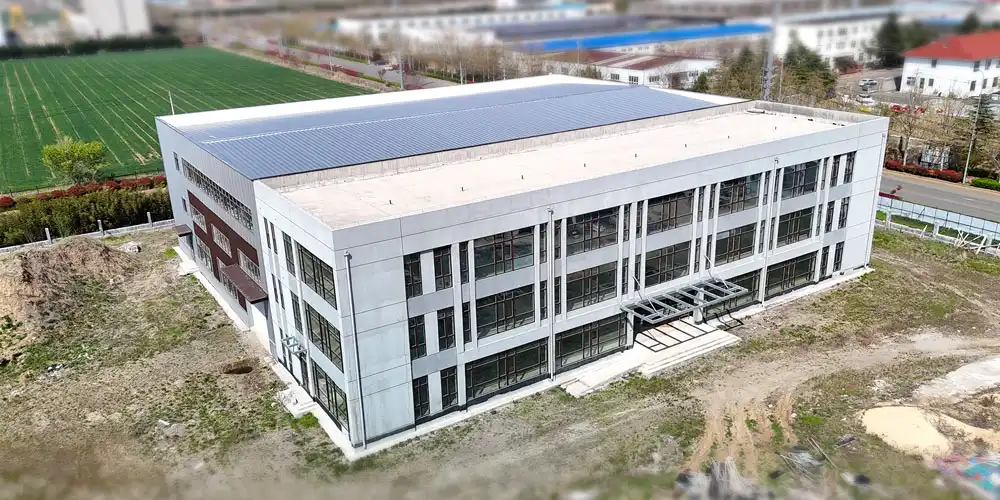
Cost-Effective Solutions in Procuring Steel Structure School Buildings
Many choices about what to buy are based on budget, so it's important to know where steel building can save you money and where it costs the most.
Transparent Lifecycle Budgeting
A smart buyer looks at more than just the original cost of building. They also look at the total costs of ownership. Compared to traditional construction, steel structure school buildings usually need 15–25% less upkeep over 30 years. This is mostly because they last longer and stay the same size. Energy costs should be carefully looked at. Advanced envelope systems with multi-layer wall sections and rock wool or glass wool insulation get sound transmission class scores above 50 while keeping thermal performance that lowers heating and cooling costs. The extra cost of high-performance boxes usually pays for itself in seven to ten years by saving money on costs.
Prefabrication Cost Benefits
When compared to options made on-site, factory fabrication changes how much things cost. Controlled workplace settings have 40–60% higher labour efficiency than the field, which directly lowers the cost of labor per tonne of steel installed. The amount of trash material goes down by a huge amount because automatic processes and precise cutting reduce scrap. Because the building timeline is shorter, financing costs, site costs, and the chance of weather delays that happen with traditional construction are all cut down. Using project-based construction methods lets us plan our production around your exact schedule while still meeting quality standards that are needed for CE certification and that are in line with local building codes in many places.
Supplier Selection Criteria
Picking the right steel building maker has a big effect on how the project turns out. Check out more than just the price at first. Look at their track records, licenses, and specialised skills. Companies that use ISO quality management systems show that they are dedicated to uniform processes and constant growth. CE approval proves that a building meets European standards, which are often higher than the basic requirements in a given country. This gives people even more confidence in the building's stability. Look at finished projects that are similar in size and difficulty to the building you want to build—there is no match for real-world experience in educational facilities. When buying things from other countries, being able to communicate clearly is very important. Having fast engineering support during the design development and building phases can help avoid costly delays and field conflicts.
Innovative Design Tips to Optimize Performance and User Experience
Modern steel structure school buildings are designed in ways that make them more efficient and make the people who work there happier. This makes the buildings great places for both students and teachers to learn and work.
Energy Efficiency Through Envelope Design
The building shell is the most important part of the connection between the comfort inside and the weather outside. Steel frames can hold thick layers of insulation without the problems with thermal bridging that happen with other building systems. Continuous shielding outside the steel frame gets rid of conductive heat transfer lines, which makes the total thermal performance a lot better. High-performance glass systems work well with metal panels or curtain walls, letting natural light into schools while keeping the sun from heating them up. Mechanical system designers like how steel framing lets them route pipes and utilities without affecting the structure's strength.
Acoustic Performance for Learning Environments
In schools, where noise gets in the way of learning, sound control needs extra care. When properly detailed, the multi-layer wall systems that are popular in steel building naturally do a great job of blocking out noise. Sound energy is absorbed by cavity protection, and sound can't travel between areas because of mass layers. With staggered frame and double-stud wall systems, there are no direct structural links that can send vibrations from one room to another. To keep impact noise and vibration from student activity under control, floor systems need to be carefully planned. Composite concrete-on-steel deck floors with the right thickness and reinforcement patterns work as well as or better than standard concrete buildings.
Adaptability and Future Expansion
Over decades, educational needs change, which makes being able to adapt useful. Steel's fixed connection systems make it possible to change the layout of the inside without affecting the structure's strength. Clear-span designs don't have load-bearing inner walls, so the layout of the classroom can be changed as teaching methods change. When the number of students needs to grow and the building needs to be expanded, steel frames can handle both vertical and horizontal growth much better than brick construction. The structural system can be planned with future growth in mind by including load routes and connection places that make work easier in the future. Putting together smart building technology is easy when the power, data, and control systems are not built into the building itself but instead run through open areas that people can access.
Conclusion
Steel structure school buildings last a long time because they are made with smart material choices, strict engineering, and quality-focused manufacturing methods. Speed of building, structural reliability, environmental friendliness, and lifecycle value are all benefits of steel that are perfect for school districts, construction workers, and facility managers who are in charge of making sure that learning spaces are safe. When you work with experienced steel structure manufacturers who know what is needed for educational buildings and can deliver consistent quality through certified processes, you can make classrooms that will serve students well for generations while reducing the amount of maintenance and running costs.
FAQ
1. How do steel teaching buildings handle extreme weather conditions?
When properly designed, steel buildings do well in harsh climates because of the way the material is made and the careful planning that went into the design. The structure's framework can handle wind loads, snow buildup, and seismic forces because it has planned load lines and members that are the right size. It is still possible to work with temperatures ranging from -30°C to +50°C because steel's thermal expansion properties can be predicted and are taken into account by standard expansion joint details. Coastal areas need better rust protection. Heavy galvanization and marine-grade coatings, along with weather-resistant steel types, prevent top salt spray damage. We recommend building envelope systems that deal with climate-related issues like controlling humidity, connecting thermal pathways, and managing wetness to keep the inside of a building comfortable no matter what the weather is like outside.
2. What maintenance requirements should we expect?
When safety systems are properly defined at the start, steel structure school buildings don't need as much upkeep as standard buildings. Every five to seven years, coating checks find any spots that need to be fixed before rust gets worse. As with any building type, the roof covering and flashing features need to be checked from time to time to make sure they don't let water in. Maintenance plans for mechanical systems are the same no matter what kind of material is used for the structure. The structural steel framework usually doesn't need any upkeep over many years of use if the rust protection at the start meets quality standards. Sealants, weatherstripping, and other parts of the building shell should be replaced at the manufacturer's recommended intervals, which are usually every 15 to 20 years for good products. The key is to do regular checks that find small problems before they get worse and cost a lot to fix.
3. Can existing steel teaching buildings be expanded later?
Steel construction's fixed link systems and clear-span designs make it much easier to add on to in the future than with other types of buildings. Vertical additions work well when the base and structure are designed to handle future loads. They don't add much to the cost of the original building. Wider areas are joined together by adding new structural bays that connect to the old frame lines using standard connection details. Because steel framing is made up of modules, adding new parts that fit in with the current design doesn't require a lot of removal or temporary support. It makes sense for mechanical and electrical systems to spread through open chases and plenum areas. Smart planning during the initial design, like adding future connection points and bigger supports in places where growth is expected, saves a lot of money on later growth projects.
Partner with DFX for Your Next Steel Structure School Building Project
Director Steel brings over 12 years of specialized experience to every project we undertake for educational facilities. Our all-inclusive method includes architectural plan design, structural calculations, fabrication, and installation guidance—everything you need to get fully functional classrooms that meet your needs and your budget. Over 200 trained workers, 40,000 square meters of enclosed production space, and advanced automated manufacturing lines are just a few of the things that building builders and procurement managers count on us to build. Our ISO9001 approval, CE compliance, and adherence to foreign building codes give you the peace of mind that your project needs. Our engineering team is ready to work with you to find solutions that are best for your site conditions and educational needs, whether you're planning a one-story school in the suburbs or a multi-story teaching facility in the city. Email jason@bigdirector.com to talk about how our knowledge of steel structure school buildings can help your next job.
References
1. American Institute of Steel Construction. (2016). Seismic Design Manual, 3rd Edition. Chicago: AISC.
2. Chen, W.F., & Lui, E.M. (2019). Handbook of Structural Engineering, Second Edition. Boca Raton: CRC Press.
3. Gorse, C., Johnston, D., & Pritchard, M. (2020). A Dictionary of Construction, Surveying, and Civil Engineering. Oxford: Oxford University Press.
4. Lawson, R.M., & Ogden, R.G. (2018). Sustainable Steel Construction: Design Guide for Low- and Medium-Rise Buildings. Steel Construction Institute.
5. Salmon, C.G., Johnson, J.E., & Malhas, F.A. (2021). Steel Structures: Design and Behaviour, 6th Edition. New York: Pearson.
6. United States Green Building Council. (2019). LEED v4.1 for Building Design and Construction. Washington, DC: USGBC.
Learn about our latest products and discounts through SMS or email