- English
- French
- German
- Portuguese
- Spanish
- Russian
- Japanese
- Korean
- Arabic
- Greek
- German
- Turkish
- Italian
- Danish
- Romanian
- Indonesian
- Czech
- Afrikaans
- Swedish
- Polish
- Basque
- Catalan
- Esperanto
- Hindi
- Lao
- Albanian
- Amharic
- Armenian
- Azerbaijani
- Belarusian
- Bengali
- Bosnian
- Bulgarian
- Cebuano
- Chichewa
- Corsican
- Croatian
- Dutch
- Estonian
- Filipino
- Finnish
- Frisian
- Galician
- Georgian
- Gujarati
- Haitian
- Hausa
- Hawaiian
- Hebrew
- Hmong
- Hungarian
- Icelandic
- Igbo
- Javanese
- Kannada
- Kazakh
- Khmer
- Kurdish
- Kyrgyz
- Latin
- Latvian
- Lithuanian
- Luxembou..
- Macedonian
- Malagasy
- Malay
- Malayalam
- Maltese
- Maori
- Marathi
- Mongolian
- Burmese
- Nepali
- Norwegian
- Pashto
- Persian
- Punjabi
- Serbian
- Sesotho
- Sinhala
- Slovak
- Slovenian
- Somali
- Samoan
- Scots Gaelic
- Shona
- Sindhi
- Sundanese
- Swahili
- Tajik
- Tamil
- Telugu
- Thai
- Ukrainian
- Urdu
- Uzbek
- Vietnamese
- Welsh
- Xhosa
- Yiddish
- Yoruba
- Zulu
How Does an aircraft paint hangar structure Ensure Safety?
An aircraft paint hangar structure ensures safety through a comprehensive integration of fire suppression systems, advanced ventilation technology, explosion-proof electrical installations, and fire-resistant construction materials. These specialized facilities manage volatile organic compounds, hazardous fumes, and flammable coatings while maintaining controlled environmental conditions. The structure's clear-span design eliminates internal obstructions, facilitating emergency egress and uninterrupted airflow patterns that remove toxic overspray from the workspace, protecting both personnel and valuable aircraft assets during critical refinishing operations.

Understanding Aircraft Paint Hangar Safety Challenges
Painting airplanes comes with its own set of risks that need special structural solutions. When planes are being refinished, workers are exposed to chemicals, epoxies, and polyurethane coats that pollute the air in harmful ways. Traditional storage hangars don't have the weather controls that are needed to keep these risks under control.
Chemical Exposure Risks in Aviation Refinishing
These things called paint strippers and coatings contain volatile organic compounds that can hurt your lungs, your brain, and your health in the long term. Without proper containment and filters, these poisons build up in small areas, making concentrations that are risky. Workers in places that don't have enough airflow can get dizzy or suffer chemical burns, which shows why specialized structures are necessary and not just nice to have.
Fire and Explosion Hazards
During the application and curing stages, aviation coatings are very flammable. When atomized paint bits in the air are mixed with sources of fire, explosive atmospheres are created. Most traditional hangars use standard lighting and electrical systems that make sparks, which greatly increases the risk of fire. The National Fire Protection Association says that paint operations need to follow Class I, Division 1 dangerous site standards, which are not usually met by regular buildings.
Structural Vulnerabilities Under Operational Stress
Standard hangars that are meant to store things don't have the strong frames that are needed to hold heavy ventilation equipment, multiple filtration stages, and pressurization systems. HVAC systems that can cycle whole amounts of air multiple times an hour add extra mechanical loads that require strong structural engineering. Incorrect load estimates cause structural fatigue, which over time threatens both the safety of workers and the stability of the building.
Core Safety Features of Modern Aircraft Paint Hangar Structures
Modern facilities for refinishing airplanes have many safety layers that work together to keep people safe. These features protect against fire, keep the environment under control, and make the structure strong all at the same time. They create safe spaces that meet strict government standards.
Integrated Fire Suppression Systems
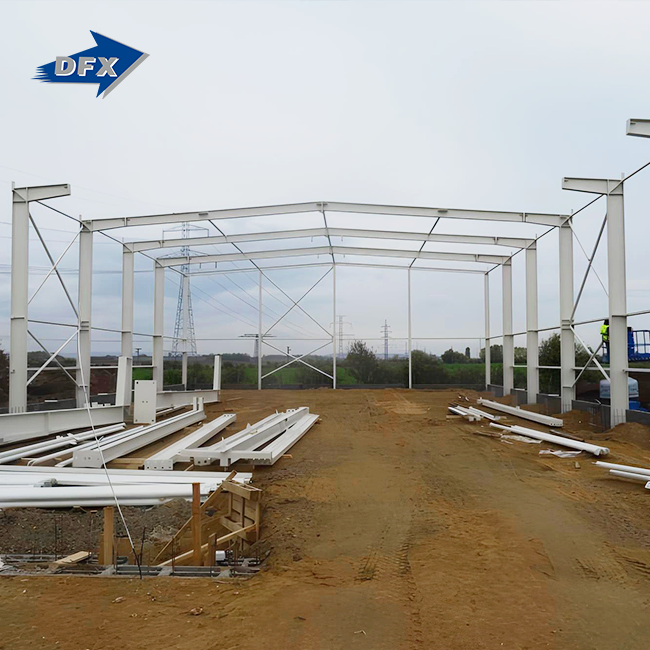
Modern buildings use deluge systems and foam-based fire suppressants that are specifically designed to put out aviation fuel and coating fires. These systems are directly connected to the building's steel frame, and pipe networks were built in during construction. The main structure is made of welded H-section steel, and it has connection points for spray heads that are placed at the right distances to cover the whole plane. Manufacturers like DFX build in fire control systems during the planning phase. This lets structural models take into account extra weight and seismic forces.
Another improvement is inert gas systems, which fill the space with nitrogen or carbon dioxide to push out oxygen and stop combustion in aircraft paint hangar structures. When sensors pick up on temperature changes or smoke, these systems turn on instantly and work within seconds to put out fires before they spread. Modern hangars have a strengthened bracing system that holds up these heavy gas tanks and delivery networks without affecting the safety of the building.
Advanced Ventilation and Environmental Controls
Good ventilation gets rid of dangerous fumes where they come from and keeps the temperature and humidity right so that the coating sticks. Downdraft ventilation designs move dirty air downward through exit plenums at floor level. This keeps fumes from building up near where workers breathe. This setup needs a lot of work on the foundations, but the air quality is better than cross-draft options.
Before the exit, air handling units filter new air several times, collecting particulate matter and volatile organic compounds. The systems keep the negative pressure lower than the surrounding areas, which keeps dangerous air inside the painting zone. Using real-time tracking of air quality, variable frequency drives change fan speeds to save energy while still meeting safety standards. Structures made in China by skilled fabricators include these mechanical systems from the start, so they don't have to be retrofitted, which can be expensive.
Fire-Resistant Materials and Design Standards
When fires happen, a steel-frame building with fire-resistant coatings keeps the structure together. The welded H-section steel sections keep their load-bearing ability at high temperatures, which keeps the building from collapsing in a way that puts people in danger during evacuations. Interior wall panels are made of non-flammable materials with smooth finishes that don't break down easily in solvents and make cleaning easier.
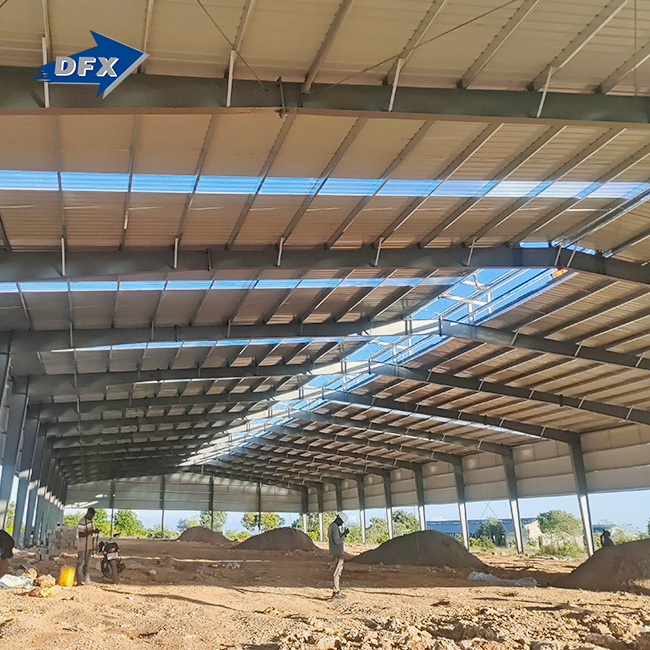
Roofing and cladding systems have thermal breaks and insulation layers that stop heat from moving, keeping the outside of the building safe from fires inside. These systems meet international building codes and can support the heavy loads of the industrial equipment. The long-span steel building design gets rid of internal columns, making floor space that is easier to use for putting down equipment and getting to it in case of an emergency.
Design Considerations That Enhance Safety in Aircraft Paint Hangars
Planning carefully for architecture has a direct effect on how safe operations are. The layout, thermal management, and design of the electricity system all play a role in determining whether a building really saves workers or just gives them a place to stay.
Optimized Layout for Workflow Safety
Separating the building into separate places for preparation, application, and drying stops contamination and lowers the risk of fire. Abrasive blasting and chemical cleaning are done in preparation zones, which are away from painting areas. This keeps sparks from getting close to coats that are easily ignited. Dedicated drying zones keep temperatures high so that coatings can cure without being exposed to dust or other particles.
Regularly placed emergency exits around the outside allow for quick evacuation, no matter where the planes are inside the structure. Fire trucks and other emergency gear can fit through wide access doors, which helps with responding to incidents. The high-clearance design that is common in airports creates vertical room for smoke to rise during fires, which keeps the air at ground level longer while people are trying to get out.
Thermal Regulation Through Insulation and HVAC
Maintaining steady temperatures helps meet fire safety goals and prevents coating flaws. Insulated wall and roof panels keep heat from escaping during the winter, which means less energy is needed to heat the space and cure the materials. Heat recovery ventilators in energy-efficient HVAC systems take heat from exhaust air and warm up incoming fresh air supplies before they come in.
Keeping an eye on the temperature is especially important in the summer, when the drying process needs to work with the heat outside. The building stays safe to work in even during peak heat loads thanks to its large cooling capacity. These systems work with platforms for building automation, which change the surroundings automatically based on the phase of operation and the number of people in the building.
Explosion-Proof Electrical Systems
When installing electricity in paint-safe areas, you need to use explosion-proof boxes, sealed pipe systems, and wiring methods that are safe by nature. In Class I, Division 1 rated housings that stop arcing, LED technology is used in lighting fixtures. These lamps give off the high color rendering index light that is needed for quality checks without putting people at risk of starting fires.
Power distribution panels are located outside the boundaries of the dangerous area. Circuits enter the painting zone through sealed openings. Ground fault protection and arc fault detection systems add extra layers of safety by cutting power right away when electrical problems happen. Manufacturers who provide installation instructions make sure that these specialized systems are installed correctly by electrical contractors during construction.
Comparing Aircraft Paint Hangars and Paint Booths From a Safety Perspective
People who work in procurement often think about whether enclosed paint booths or full hangar structures will better meet their needs. Each setup has its own safety features that make it better for certain situations.
Scale and Structural Safety Features
A full aircraft paint hangar structure can hold wide-body planes and multiple operations at the same time in a single, controlled space. The clear-span design with strong steel framing makes the structure naturally safe, as it can withstand wind loads, earthquakes, and the stresses of mechanical equipment. These buildings have full fire control systems and ventilation systems that run throughout the whole building to keep the working environment steady.
Paint booths are enclosed spaces that can be adjusted to fit individual planes or parts. These prefabricated shelters can be put inside existing buildings to control the air in certain areas without having to rebuild the whole building. There are a lot of safety features inside the booth, like dedicated ventilation, fire suppression, and lighting that won't explode. But setting up a booth depends on how well the host building is built and what utilities are available.
Application-Specific Safety Advantages
Commercial MRO operations that do a lot of refinishing can benefit from hangar buildings that were designed to support ongoing production processes. The long-term investment in infrastructure ensures stable safety performance over thousands of paint cycles, and the costs of upkeep are spread out over decades of service life. These facilities meet the strict needs of airline companies whose profits are directly affected by aircraft downtime.
Defense companies that use special coatings like radar-absorbing materials need the environmental accuracy that modern hangar buildings offer. Controlling humidity within very small ranges, filtering particles to cleanroom standards, and keeping the temperature stable are all things that are needed to make sure that the coating meets military standards. Manufacturers of steel structures can make these exact applications possible by letting customers design their own structures.
Maintenance and Operational Practices to Sustain Safety
Keeping an eye on even the most complex structures is important for keeping them safe. Setting up strict maintenance rules and spending money on staff training protects both the initial investment and the people who work there.
Routine Inspection and Preventive Maintenance
To keep airflow working well, ventilation systems need to have their filters changed, fan bearings checked, and ducts cleaned on a frequent basis. Systems that aren't taken care of develop limits that make fume capture less effective, which lets dangerous concentrations build up. Inspections every three months make sure that measures of airflow stay within the parameters set by the designer. This finds any wear and tear before it becomes dangerous.
Every year, qualified techs have to test fire suppression systems to make sure the valves work, the pressure levels are right, and the detectors are sensitive. Corrosion needs to be checked on structural parts on a regular basis, especially in seaside areas where salt air speeds up the breakdown of steel. Manufacturers whose products are ISO 9001 certified guarantee consistent quality, but situations on the job site mean that the building needs to be watched over at all times during its service life.
Staff Training and Safety Culture
Technical systems can't guarantee safety on their own; they need to be paired with properly trained workers who know how to deal with operational risks. Comprehensive training programs teach people how to choose the right respiratory protection, how to handle dangerous materials, how to respond to emergencies, and how to use environmental monitoring equipment. Workers can use their escape plans effectively in real situations if they practice them regularly.
Setting up repair contracts with reputable sources makes sure that you can get the help you need when problems arise. These partnerships give you access to parts, expert documents, and troubleshooting help from the original equipment maker in a way that generic service providers can't. The relationship that was built during the initial installation advice lasts for as long as the facility is in use, which supports its long-term dependability.
Technology Integration for Real-Time Monitoring
IoT sensors and automated monitoring systems are used in modern safety management to keep an eye on important parameters all the time. Air quality monitors keep an eye on the levels of volatile organic compounds and, if certain levels are reached, they change the ventilation or shut down the system. Keeping an eye on the temperature and humidity makes sure that the area stays safe for both people and covering processes.
Building management systems collect data from sensors that are spread out and show the operating state through easy-to-use dashboards that draw attention to anything that doesn't seem right. Predictive maintenance programs look at patterns in how well equipment is working and plan repairs before they break. With these technological advances, safety management moves from solving problems after they happen to preventing them before they happen.
Conclusion
Structures of aircraft paint hangars keep workers safe by being designed to deal with the specific risks of flight repair work. Putting together fire suppression systems, modern air technology, electrical infrastructure that won't explode, and fire-resistant building materials makes safe places for workers to handle dangerous coatings in aircraft paint hangar structure. The strength to support heavy mechanical systems while keeping clear-span office setups comes from using welded H-section steel in structural design. These safety features will stay in place as long as the facility is in use, thanks to regular maintenance, staff training, and technology monitoring. They protect both people and valuable aircraft parts during important refinishing operations.
FAQ
1. What distinguishes aviation paint facilities from standard aircraft hangars?
Standard hangars protect you from the weather and give you room to store things. They have simple structural frames and few mechanical systems. Aviation refinishing centers are like high-tech environmental control systems. They have electricity systems that can't explode, air filters with multiple stages, fire prevention networks, and chemical-resistant finishes inside. The structure can handle a lot more mechanical stress from ventilation equipment that can change the volume of the building several times an hour. Handling dangerous materials, managing volatile organic compounds, and preventing fires are all taken care of in these specialized facilities through integrated design rather than aftermarket improvements. This makes for very different working conditions that meet NFPA 33 and NFPA 409 safety standards.
2. Can existing structures be converted into compliant painting facilities?
Compared to purpose-built construction, retrofitting old buildings is much harder in terms of both technology and money. Many old buildings don't have the right foundations for big mechanical systems, enough electricity for explosion-proof installations, or enough structural support for air equipment. Insertions of booths-in-a-box allow for specific environmental control inside existing shells, but they slow down operations and might not be as safe as designs that are fully merged. Before putting money into a conversion, it's important to get a full engineering report that looks at the building's structural strength, utility infrastructure, and code compliance.
3. How do modern facilities address environmental regulations?
Modern aircraft repair structures have three-stage filter systems that catch particulate matter and volatile organic compounds before they are released into the atmosphere. Regenerative thermal oxidizers or zeolite concentrators get rid of dangerous air pollutants, making sure that emissions are in line with EPA rules for coating operations. Automated monitoring systems keep track of real-time data on emissions, which is needed for regulatory reporting purposes, and make operational changes when concentrations get close to allowable limits. These integrated environmental management features keep operators from getting fined by the government and show that the company cares about the environment.
Partner With DFX for Your Aviation Infrastructure Needs
Choosing the right aircraft paint hangar structure maker will determine whether your building really saves workers or just meets the bare minimum. DFX has been making aircraft structures that meet or exceed world safety standards for more than twelve years. Throughout the lifecycle of your project, our engineering team can do structural calculations, make custom designs, and give you full installation instructions. We can provide welded H-section steel structures with reinforced bracing systems that meet ISO 9001, CE, COC, and PVOC standards thanks to our 40,000-square-meter manufacturing facilities. Email our aviation infrastructure experts at jason@bigdirector.com to talk about how our turnkey solutions can meet your specific safety and operational needs.
References
1. National Fire Protection Association. (2021). NFPA 409: Standard on Aircraft Hangars. Quincy, MA: NFPA Publications.
2. Occupational Safety and Health Administration. (2020). Respiratory Protection Standards for Paint Spray Operations. Washington, DC: U.S. Department of Labor.
3. American Conference of Governmental Industrial Hygienists. (2019). Industrial Ventilation: A Manual of Recommended Practice for Design, 30th Edition. Cincinnati, OH: ACGIH Publications.
4. Environmental Protection Agency. (2018). National Emission Standards for Hazardous Air Pollutants: Aerospace Manufacturing and Rework Facilities. Federal Register, Volume 83.
5. Steel Construction Institute. (2020). Design Guide for Fire-Resistant Steel Structures in Industrial Applications. Berkshire, UK: SCI Publications.
6. International Code Council. (2021). International Building Code Chapter 4: Special Detailed Requirements Based on Use and Occupancy. Washington, DC: ICC Publications.
Learn about our latest products and discounts through SMS or email