- English
- French
- German
- Portuguese
- Spanish
- Russian
- Japanese
- Korean
- Arabic
- Greek
- German
- Turkish
- Italian
- Danish
- Romanian
- Indonesian
- Czech
- Afrikaans
- Swedish
- Polish
- Basque
- Catalan
- Esperanto
- Hindi
- Lao
- Albanian
- Amharic
- Armenian
- Azerbaijani
- Belarusian
- Bengali
- Bosnian
- Bulgarian
- Cebuano
- Chichewa
- Corsican
- Croatian
- Dutch
- Estonian
- Filipino
- Finnish
- Frisian
- Galician
- Georgian
- Gujarati
- Haitian
- Hausa
- Hawaiian
- Hebrew
- Hmong
- Hungarian
- Icelandic
- Igbo
- Javanese
- Kannada
- Kazakh
- Khmer
- Kurdish
- Kyrgyz
- Latin
- Latvian
- Lithuanian
- Luxembou..
- Macedonian
- Malagasy
- Malay
- Malayalam
- Maltese
- Maori
- Marathi
- Mongolian
- Burmese
- Nepali
- Norwegian
- Pashto
- Persian
- Punjabi
- Serbian
- Sesotho
- Sinhala
- Slovak
- Slovenian
- Somali
- Samoan
- Scots Gaelic
- Shona
- Sindhi
- Sundanese
- Swahili
- Tajik
- Tamil
- Telugu
- Thai
- Ukrainian
- Urdu
- Uzbek
- Vietnamese
- Welsh
- Xhosa
- Yiddish
- Yoruba
- Zulu
Furniture Distribution Steel Warehouse Storage Solutions
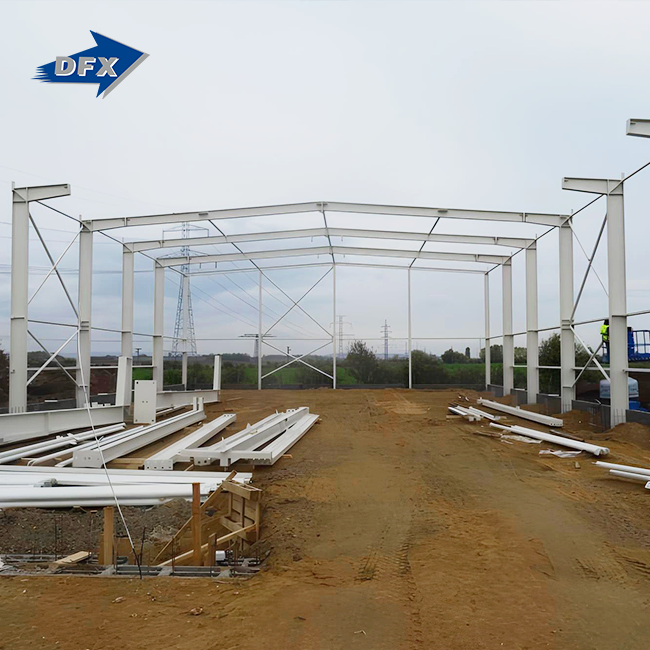
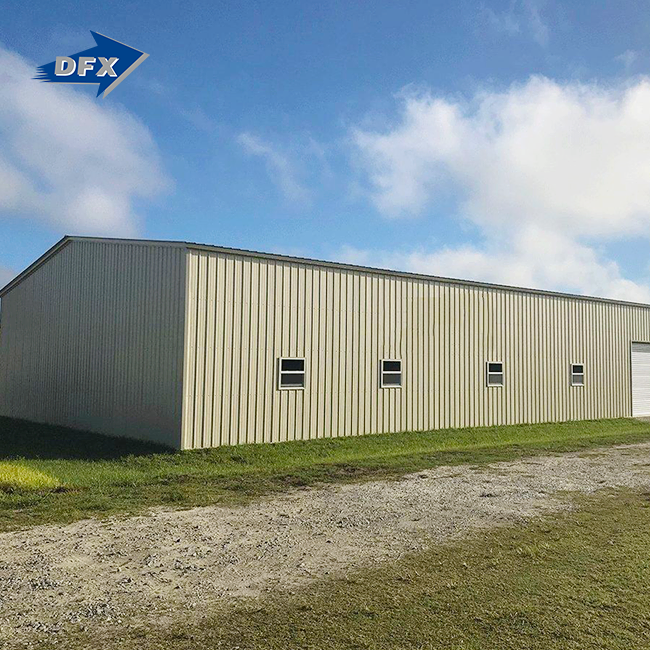
When managing furniture logistics in the competitive U.S. market, choosing the right storage infrastructure determines your operational success. A Furniture Distribution Steel Warehouse offers specialized pre-engineered metal building solutions optimized for storing and distributing bulky, high-value furniture inventory. These modular prefabricated steel storage buildings address critical challenges like space inefficiency, environmental control, and inventory damage through clear-span designs, advanced insulation systems, and scalable construction. Manufactured in China with ISO9001 and CE certifications, these structures provide cost-effective turnkey solutions combining H-beam primary frames, galvanized C/Z purlins, and comprehensive services from engineering calculation through erection guidance.

Understanding Steel Warehouses in Furniture Distribution
Modern procedures for moving furniture require storage spaces that keep goods safe while also speeding up operations. We've seen how standard warehousing doesn't work well for things like leather chairs that are easily damaged and flat-pack furniture parts that need precise temperature control.
Why Steel Structures Excel in Furniture Storage
Steel buildings solve three problems that furniture dealers have been having for a long time. Clear-span construction gets rid of internal beams, which lowers the risk of forklift accidents that damage buildings every year and cost thousands of dollars. The high eave heights—which can reach up to 10 to 15 meters—allow for vertical storage, which effectively triples the cubic capacity compared to regular buildings. Controlling the environment is possible with insulated metal walls that keep humidity levels steady. This keeps wood from warping and fabrics from wearing out, which lowers the property's selling value.
Core Characteristics of Distribution-Focused Steel Buildings
These buildings are very different from general-purpose warehouses. Steel grade for building, usually Q355B or ASTM A572 Gr. 50, delivers yield strengths greater than 345 MPa and can support big loads from sprinkler systems and conveyors that are hung in the air. Hot-dip galvanized framing with 80–120-micron coatings keeps inventory from getting rusty. Project managers like how modular it is because it can be expanded in length without stopping current processes. This makes it easy for businesses to grow.
Critical Environmental Protection Features
Inventorying furniture needs strict climate controls. Combining thermal break insulation systems with vapor barriers in roof and wall cladding reduces dampness, which is what causes mold to grow on cushioned furniture. The "sweating" effect that happens a lot in metal buildings that aren't sealed is stopped by ventilating ridges. This climate stability keeps wood veneers, leather finishes, and fabric integrity safe even when temperatures change with the seasons in U.S. distribution centers from Arizona to Maine.
Steel Warehouses vs Traditional Warehouses: Which Is Best for Furniture Distribution?
When choosing storage systems, procurement managers have to make tough decisions. Learning about the differences in performance between steel and traditional building has an effect on both short-term and long-term budgets.
Durability and Structural Longevity Comparison
Wooden warehouses break down over time when they are exposed to water and pests, and parts need to be replaced every 15 to 20 years. Furniture Distribution Steel Warehouse steel frames don't break down biologically and can last 50 years or more with little upkeep. Galvanized coatings and epoxy zinc-rich primers protect against rust, which keeps structures strong even in wet seaside areas. Because it lasts a long time, the costs over its lifetime are predictable. This way, project engineers can make accurate budgets, and warehouse operations won't be interrupted by unexpected structural repairs.
Safety and Compliance Advantages
When keeping furniture parts that can catch fire, fire safety is very important. With intumescent coatings, steel buildings can get fire resistance values of R30 to R120, which meet the strict NFPA standards for high-fire-load settings. Following the rules set by AISC and Eurocode 3 ensures that structures stay strong even when there are earthquakes and wind. These standards are hard for traditional stores to meet, and they often need expensive upgrades to do so. Because steel framing doesn't catch fire easily, insurance rates are usually 20–30% lower than for wooden buildings. This is a big savings for furniture dealers.
Total Cost of Ownership Analysis
Steel buildings are 15–25% more expensive to build at first than regular warehouses. But the economic calculations change a lot between forecasts for the next 20 years. ROI is reached in seven to nine years thanks to lower maintenance costs, lower energy use due to better insulation (R-30+ values), and no longer having to pay for pest control. Operations managers say that the costs of controlling the temperature are 30–40% lower than in normal buildings that aren't well sealed. These savings add up, especially in large storage centers that are bigger than 50,000 square feet.
Designing and Optimizing Steel Warehouses for Furniture Distribution
Good warehouse design has a direct effect on how quickly items can be picked, how quickly inventory is turned over, and how well damage is avoided. Customized plans take into account the unique storage problems that come with furniture, such as its uneven sizes, heavy weights, and sensitivity to being handled.
Layout Optimization for Furniture Logistics
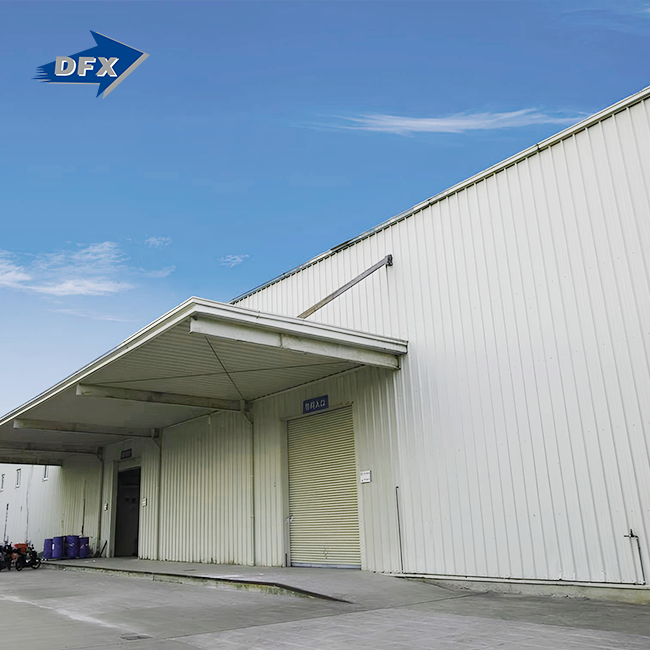
Clear lengths of 30 to 50 meters are the best combination of low cost and operating freedom. There are no columns in this area, so wide-aisle or VNA rack layouts can be used without forklifts getting in the way. Multiple dock spots and extended canopies protect transfer zones from the weather in loading bay designs. This is necessary to keep the quality of the furniture finish during loading operations. Cross-docking layouts let goods go directly from the supplier to the store, which cuts down on handling points where damage could happen.
Advanced Racking and Mezzanine Integration
The main frames can handle point loads from upper columns, which lets you set up storage on more than one level. Engineering figures out that upper-level shelving zones need live loads of 3 to 5 kPa. By putting big items on the ground level and small hardware and accessories on mezzanines, this vertical expansion doubles the amount of floor space that can be used within the same footprint. The cold-formed steel construction of mezzanine platforms ensures that they work with the main structure and keeps the costs low for phased increases.
Climate Control and Fire Suppression Systems
Pre-engineered collateral load zones on the rafters make it possible for ESFR sprinkler pipes to be installed without any changes to the structure. The steel frame works perfectly with the automatic fire control systems that insurance companies require for storing furniture. High-R-value insulated sandwich panels keep temperatures (18–24°C) and relative humidity levels (40–60%) within exact ranges that keep wood stable and leather from cracking. These weather controls keep valuable antique and designer furniture safe in settings that are fit for a museum.
Procurement and Implementation: Acquiring Your Steel Warehouse Solution
To choose construction partners, you need to look at more than just price. You also need to look at technical skills. Because Furniture Distribution Steel Warehouse projects are so complicated, sellers need to offer full project support.
Evaluating Supplier Credentials and Experience
DFX, which does business as Qingdao Director Steel Structure Co., Ltd., has been making pre-engineered metal buildings for more than 12 years. Our 40,000-square-meter factory has six automatic welded H-beam lines that make 20,000 tons of steel every year, making sure that big projects can always get what they need. Certifications for quality control, like ISO9001 and CE conformity, show that the product meets foreign standards. Managers in charge of buying things should make sure that sellers have these qualifications and a history of building logistics warehouses.
Understanding Delivery Timelines and Project Phasing
From technical approval to shipment, project-based production usually takes 8 to 12 weeks. We organize transportation to get the most out of containers, which lowers freight costs by making load planning more efficient. Our technical team provides on-site erection guidance to make sure that the right parts are put together according to engineering specifications. This "turnkey" approach takes care of everything, from calculations to installations, so there are no problems with coordinating between different subcontractors. Setting realistic deadlines helps project managers coordinate the completion of the warehouse with the schedules for moving goods, which avoids costly storage gaps during facility changes.
Warranty Coverage and Maintenance Support
Comprehensive support after the sale is what sets reliable suppliers apart. For 15 years, our structural guarantee covers the stability of the frame. For 10 years, our cladding systems have been covered against corrosion and holes in the siding. Regular inspections as part of maintenance services help find problems before they affect operations. This ongoing relationship gives procurement teams faith in how well the building will work in the long run. Sending emails to jason@bigdirector.com gets you full project reports within 48 hours, which helps you make quick decisions for distribution center projects that need to be done quickly.
Future Trends and Environmental Impact of Steel Warehouses in Furniture Logistics
New technologies and rules about sustainability are changing how furniture is stored. Distributors who are looking to the future know that steel structures can be used to build new logistics technologies.
Circular Economy and Material Recyclability
Steel buildings are good for the environment because the materials used to build them can be recycled over and over again. When they're no longer needed, frame parts can be recycled instead of going to a dump, which is very different from treated lumber, which needs to be thrown away in a specific way. When compared to regular buildings, energy-efficient insulation cuts carbon emissions by 35–45%. These sustainability measures help furniture distributors meet their environmental goals as a business and get LEED certification points for green building programs that big retailers are starting to demand more and more.
Automation and Smart Warehouse Integration
The open layout makes room for guided robots and robotic picking systems, which changes how furniture is delivered. High-volume distribution centers can run without lights because of the structural ability of their ceiling conveyors and sorter systems. Using modular building lets you gradually automate tasks, starting with human tasks and adding technology as the business grows and justifies it. This ability to grow keeps companies from over-investing while keeping up with the fast fulfillment times that omnichannel furniture retail needs.
Modular Expansion for Market Adaptability
Traditional end walls can be replaced with expandable end frames, which make it possible to add horizontal bays with little trouble. As furniture wholesalers reach more areas in the region, they can handle growing inventories without having to move their operations. This adaptability is very helpful in markets that are always changing, like those where e-commerce causes sudden increases in storage needs. The bolted link system allows for quick growth—usually finished in 4 to 6 weeks—which helps shipping managers take advantage of market opportunities without having to deal with long building delays that slow down service.
Conclusion
To distribute furniture, you need storage facilities that can control the environment, run efficiently, and handle long-term costs. Furniture Distribution Steel Warehouse solutions meet these needs with engineered plans that deal with problems unique to the industry, like keeping goods safe in cold climates and expanding as the business grows. Because they are more environmentally friendly, last longer, and cost less overall, pre-engineered metal buildings are the best choice for delivery businesses that serve the competitive U.S. furniture market. Strategic investments in facilities today build operating benefits that help them stay profitable for decades to come.
FAQ
1. How do steel warehouses prevent moisture damage to wood furniture?
When thermal break insulation and vapor barriers are used together, they stop condensation from forming. Ridge air systems keep the inside and outside temperatures equal, which stops humidity from building up. Insulated metal panels keep the temperature and humidity stable, so moisture doesn't get into the space and cause wood to swell and veneer to come apart in regular warehouses.
2. What clear span dimensions work best for furniture distribution?
The 30–50-meter range offers a cheap, column-free room that works for most furniture transport tasks. For high-volume cross-docking facilities, wider spans of 80 to 100 meters are possible, but the costs go up in the same way. During the engineering design steps, the best span is chosen based on layout needs, such as racking systems and truck traffic patterns.
3. Can steel structures support mezzanine storage levels?
When asked during the initial planning, primary frames can handle point loads from mezzanine beams. Live load calculations take into account the 3–5 kPa needed to support shelving or racks with multiple levels. This ability to expand vertically doubles the amount of storage area that can be used, making the best use of expensive real estate in delivery hubs.
Partner with DFX for Your Steel Warehouse Solutions
DFX specializes in providing fully equipped Furniture Distribution Steel Warehouse buildings that are specifically designed to solve problems related to moving furniture. As a well-known company with ISO9001 and CE certifications, we offer full project support, from engineering calculations to on-site erection guidance, to make sure your warehouse meets all operational requirements. Our 20,000-ton annual H-beam production capacity makes sure that projects from 10,000 to 100,000 square feet are delivered on time. Email jason@bigdirector.com to talk about your storage needs and get a full report on whether or not your distribution center project is possible. Find out how our modular steel warehouse solutions help North American companies that move furniture run more efficiently.
References
1. American Institute of Steel Construction. (2022). Steel Construction Manual: Design Standards for Pre-Engineered Metal Buildings. AISC Publications.
2. National Fire Protection Association. (2021). NFPA 230: Standard for Fire Protection of Storage Facilities. NFPA Press.
3. Material Handling Industry of America. (2023). Warehouse Design and Layout Optimization for Furniture Distribution. MHI Industry Report.
4. U.S. Green Building Council. (2022). LEED Reference Guide for Building Design and Construction: Warehouse Facilities. USGBC Publications.
5. Structural Steel Educational Council. (2021). Clear Span Building Design: Engineering Principles for Distribution Centers. SSEC Technical Series.
6. International Code Council. (2023). International Building Code: Chapter 23 Wood and Steel Structural Systems Comparison. ICC Publications.
Learn about our latest products and discounts through SMS or email